Tag: government

  • Petroleum dealers’ strike averted: Govt approves Rs1.64 per litre profit margin increase

    Petroleum dealers’ strike averted: Govt approves Rs1.64 per litre profit margin increase

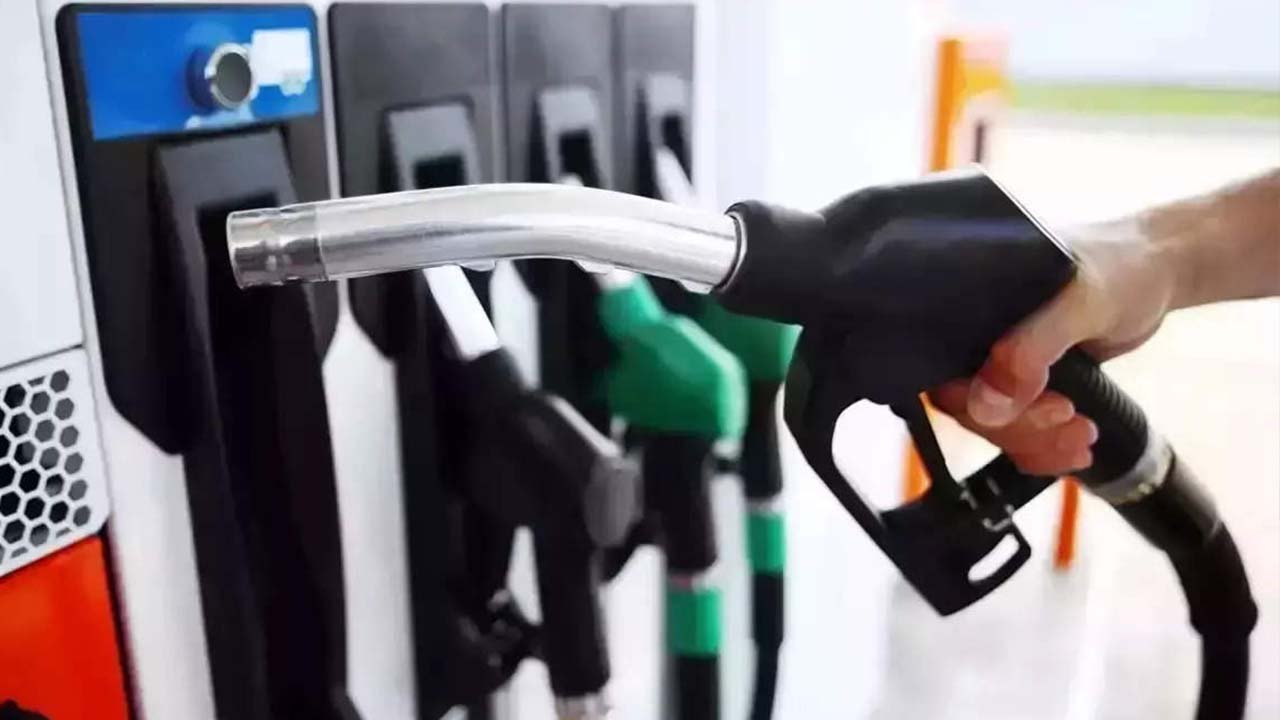
    The government has successfully reached an agreement with the Pakistan Petroleum Dealers Association (PPDA) to avert the strike they had threatened last week. After extensive negotiations, the government agreed to increase the profit margin on petroleum products for dealers by Rs1.64 per litre.

    Chairman of the PPDA, Abdul Sami Khan, made the announcement regarding the deal. Initially, the government had proposed a lower increase of Rs1.64 per litre, but the dealers, who had originally sought a higher increase of Rs5 per litre, resisted, deeming it insufficient to cover their rising business costs. Eventually, they accepted the government’s offer.

    The new profit margin for dealers will be implemented in four phases. Every fortnight, it will be raised by Rs0.41 per litre, culminating in a full raise of Rs1.6 per litre within two months. This will bring the dealers’ margin to Rs7.6 per litre, up from the current Rs6 per litre.

    The decision to strike was initially announced by the PPDA in response to the ongoing inflation crisis. The association stated that increasing interest rates and inflation had severely impacted their businesses and demanded a raise in the dealership margin to cope with the challenges they were facing. They also pointed out a decline in sales by 30%, partly due to the smuggling of Iranian fuel into the country.

    Read more: Petroleum dealers and Minister set to meet today to resolve profit margin dispute

    However, the strike was deferred for two days after the PPDA members engaged in discussions with the State Minister for Petroleum, Musadik Malik. The minister’s visit to Karachi was aimed at convincing the PPDA to call off the nationwide strike.

    In summary, following negotiations with the government, the Pakistan Petroleum Dealers Association has agreed to suspend their planned strike, and the government will increase their profit margin on petroleum products in a phased manner over the next two months.

  • Russian officials urged to abandon iPhones over spying concerns

    Russian officials urged to abandon iPhones over spying concerns

    Russian officials have been advised to stop using iPhones due to unverified accusations made by the country’s intelligence service.

    The Financial Times reported that, commencing July 17, employees within Russia’s trade ministry will be prohibited from utilising iPhones during work hours. Other ministries, including one currently undisclosed, are reportedly planning to follow suit, along with the state oil company, Rostec.

    The decision to distance themselves from Apple products initially emerged in March when the Kremlin instructed officials to abandon the use of these devices due to concerns surrounding potential vulnerabilities exploited by US hackers.

    Subsequently, in June, the Russian government accused Apple of collaborating with US intelligence agencies, an allegation firmly refuted by the company.

    The accusation stemmed from a report by a cybersecurity firm, asserting that iPhones running outdated versions of iOS had been infected with malware, rendering them susceptible to eavesdropping, as reported by The Washington Post.

    Despite the claims made by Russia’s Federal Security Service (FSB), no substantiating evidence has been presented, and independent security experts have found no indication that Apple has incorporated any form of “backdoor” exemption into the device’s encryption.

    This is not to imply that no genuine security vulnerabilities exist. Following Russia’s allegations, Apple swiftly responded by releasing software patches for its iOS system, acknowledging the role played by researchers at the Moscow-based Kaspersky Lab in identifying these weaknesses.

    It is worth noting that the ban on official usage will not impact the general public. Apple withdrew from the Russian market in the wake of last year’s full-scale invasion of Ukraine. Nonetheless, Apple products continue to be imported from other countries.

    The iPhone 14 is listed by MTS, Russia’s largest cellphone provider, with a price tag slightly exceeding $1,200, while a comparable model retails for $999 in the United States.

  • Petroleum dealers demand commission hike, threaten countrywide petrol pump shutdown

    Petroleum dealers demand commission hike, threaten countrywide petrol pump shutdown

    The petroleum dealers have issued a formal threat to initiate a nationwide strike in their pursuit of an increase in commission rates from the government.

    The petroleum dealers have expressed their intention to cease operations at petrol pumps throughout the entire country, while simultaneously demanding that the government reinstate a 5 per cent profit margin.

    Abdul Sami Khan, Chairman of the Pakistan Petroleum Dealers Association (PPDA), emphasised that they are unable to sustain the sale of petroleum products at the current commission rates for dealers.

    Khan further announced the urgent convening of a meeting in Lahore on July 12th, with the purpose of addressing these concerns. He asserted that the sale of petroleum products has experienced a significant decline of 40 per cent due to the prevalence of smuggled petrol and diesel in the nation.

    In the previous year, the dealers had demanded that the dealer’s margin be fixed at 6 per cent and had issued a similar nationwide strike threat.

    Earlier, the oil marketing companies (OMCs) had written a formal letter to the Oil Companies Advisory Committee (OCAC), requesting the federal government to establish OMC’s margin for petrol and high-speed diesel (HSD) at Rs12 per litre.

    It has come to light that the dealers’ commission had experienced a notable increase of over 25 per cent to Rs7 per litre in 2022. According to ARY News, this increase coincided with the adjustment of OMC’s margins from Rs3 and Rs3.68 per litre on petrol and HSD, respectively, to Rs6 per litre in November 2022.

  • Govt increases levy on petrol to Rs55 per litre, maintains Rs50 levy on diesel

    Govt increases levy on petrol to Rs55 per litre, maintains Rs50 levy on diesel

    In a recent development, the government has decided to raise the petroleum development levy (PDL) on petrol in accordance with a staff-level agreement worth $3 billion signed with the International Monetary Fund (IMF).

    Starting from today, the PDL on petrol will be increased from Rs50 to Rs55 per litre, while there will be no change in the development levy on high-speed diesel (HSD), which remains at Rs50 per litre.

    The announcement was made by Finance Minister Ishaq Dar, who clarified that petrol prices would not be affected by this decision. However, diesel prices will see an increase of Rs7.50 for the next two weeks, with the new price becoming effective from July 1.

    Minister Dar emphasised this during a late-night press conference, ensuring that there would be no change in the price of petrol.

    To enable this adjustment, the government sought the power to amend the Petroleum Products (Petroleum Levy) Ordinance, 1961 (XXV of 1961) through the Finance Act 2023-24. This amendment grants the government the authority to increase the petroleum levy, eliminating the requirement for parliamentary approval to determine the maximum limit of the levy.

    According to The News, the Ministry of Finance shared with the Senate Standing Committee on Finance that the PDL has been set at Rs60 per litre, aiming to generate revenue of Rs879 billion in the upcoming fiscal year. This target surpasses the revised target of Rs542 billion for the previous financial year, which concluded on June 30, 2023.

  • Govt offers Islamabad International Airport for lease to foreign investors

    Govt offers Islamabad International Airport for lease to foreign investors

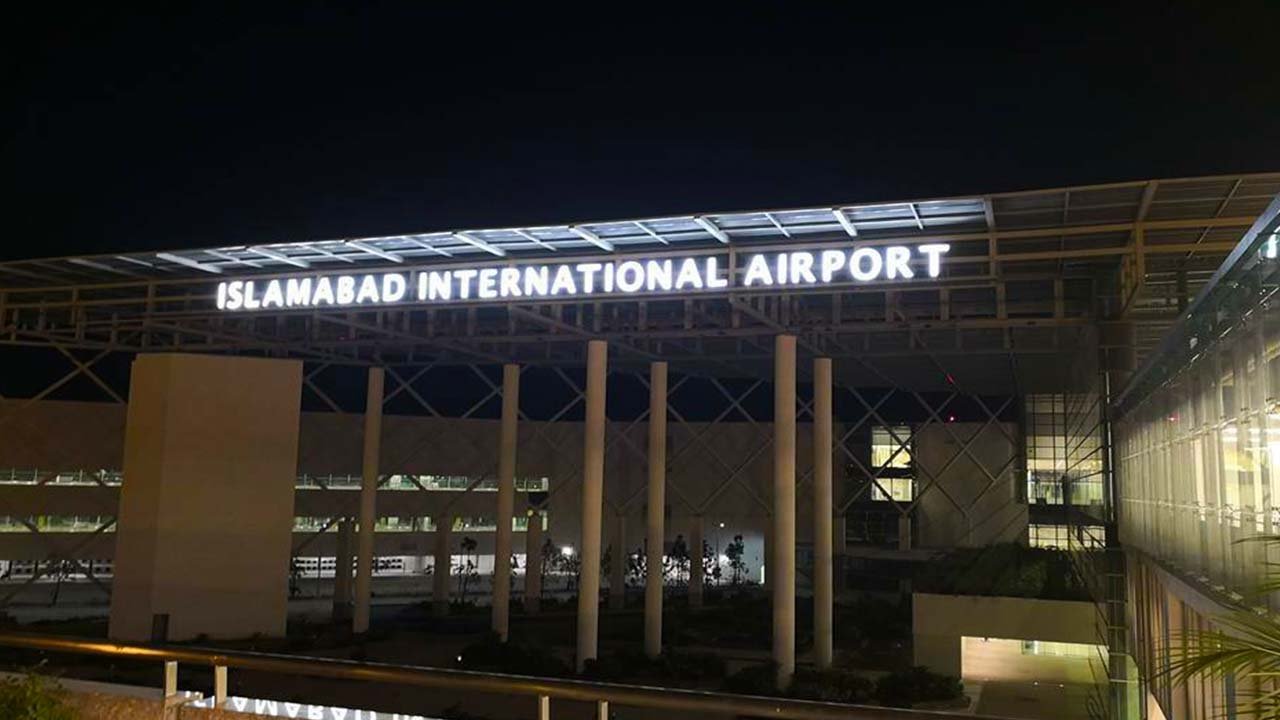
    The government has made the decision to initiate the leasing process of New Islamabad International Airport to international investors in its initial phase. This decision follows the encountered practical difficulties in outsourcing the international airports located in Karachi and Lahore.

    Compared to other airports, the New Islamabad International Airport has been deemed a clean transaction, prompting the government to explore outsourcing options as soon as possible.

    The International Finance Corporation (IFC) has also indicated that there are parties expressing interest in managing the operations of all three airports, as mentioned during a presentation to Minister for Finance Ishaq Dar in the federal capital.

    However, expediting the process will not be easy for the government since no airport outsourcing has been formally advertised thus far. Top official sources confirmed that there are practical issues that must be resolved before handing over the airport to an international party.

    One major concern revolves around the national flag carrier, Pakistan International Airlines (PIA), which has defaulted on various airport facilities. Even if the government were to assume PIA’s past liabilities, the new airport operator would face the challenge of providing free-of-cost facilities to the carrier.

    Furthermore, in Karachi and Lahore, certain sections of the airports are occupied by relevant agencies, necessitating a permanent solution to enable potential investors to utilize the entire airport for commercial purposes. The Airport Security Force (ASF) also poses an obstacle to completing the transaction smoothly.

    It remains to be seen how the government will address these challenges. Sources indicate that the government is exerting all efforts to outsource New Islamabad International Airport before the end of its tenure in the second week of August 2023. However, accomplishing this goal within the given timeframe appears to be a challenging task.

  • Finance Minister Dar assures no global sanctions for Russian oil purchase

    Finance Minister Dar assures no global sanctions for Russian oil purchase

    Pakistan’s Finance Minister, Senator Ishaq Dar, has provided reassurances that Pakistan will not be subjected to global sanctions for its purchase of Russian oil. Dar made these remarks during a briefing to the Senate’s Standing Committee on Finance, highlighting that both India and China continue to purchase crude oil from Russia despite existing global sanctions.

    Dar emphasised that significant progress had been made in November of the previous year regarding the procurement of Russian oil, and the government had diligently completed all necessary preparations before proceeding with the purchase. He further explained that Pakistan adhered to an approved procedure established by a committee comprising G7 countries for oil production from Russia.

    Dar acknowledged the instrumental role played by Foreign Minister Bilawal Bhutto Zardari in consulting and obtaining approval from the G7 countries prior to the procurement of Russian oil.

    In terms of payment, the finance minister disclosed that the Chinese currency Yuan would be used for settling the payment for the Russian crude oil. He expressed Russia’s satisfaction with this arrangement, noting that it would not only reduce shipping costs but also lead to a decline in crude oil prices.

    When questioned about border trade with Iran, Dar confirmed that the government intended to enhance such trade but clarified that petroleum products were not included in these border trade activities.

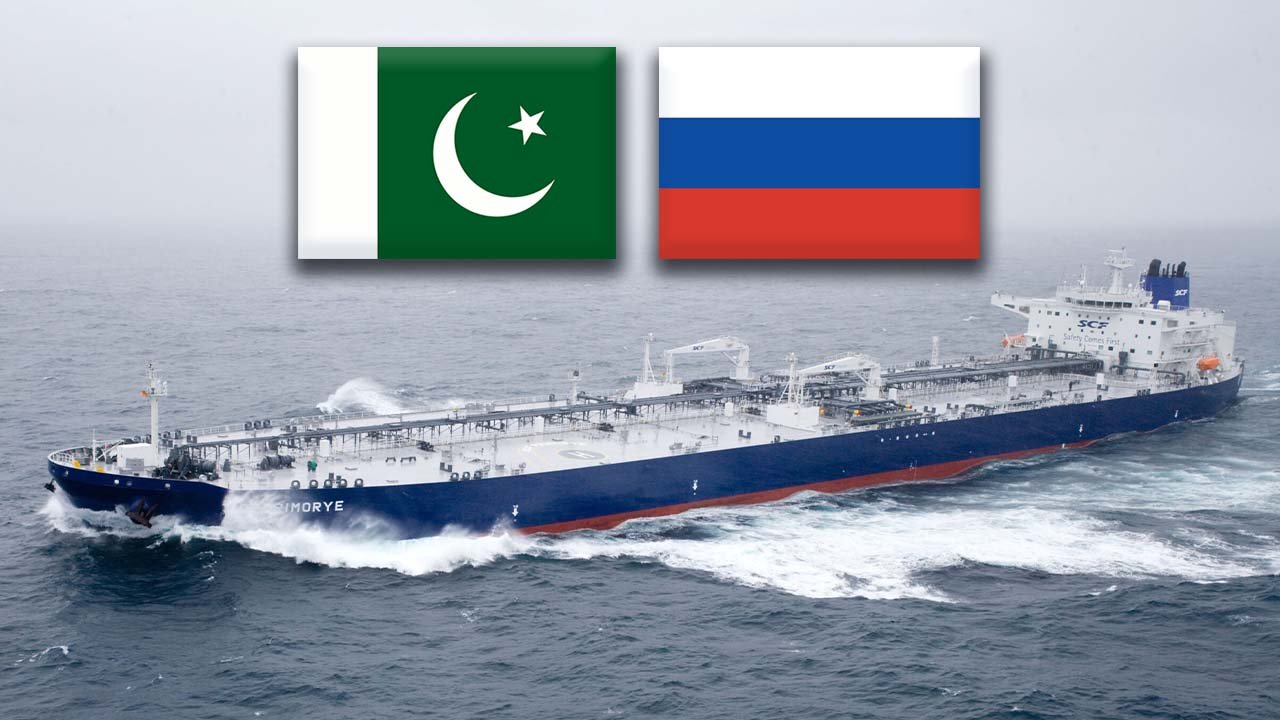
    On Sunday, Pakistan successfully unloaded over 45,000 metric tons of oil from a Russian vessel that arrived at the Karachi port. Another Russian oil carrier is expected to reach the port of Karachi in the coming week.

    It is worth mentioning that earlier this week, the first ship carrying Russian oil had already docked at the Karachi port.

    During a press briefing on June 15, US State Department spokesperson Matthew Miller highlighted that every country has the right to make decisions based on its energy requirements. He further acknowledged that Russian oil was being sold at significantly lower prices compared to global market rates.

    Miller attributed this decrease in price to the limitations imposed by the US and its allies, resulting in Russia losing an estimated $100 billion in revenue that could have been used in the Ukraine conflict. Miller clarified that the US had not imposed any restrictions on Russian oil exports.

  • Budget 2023-24 prioritises promoting economic growth, says Ishaq Dar

    Budget 2023-24 prioritises promoting economic growth, says Ishaq Dar

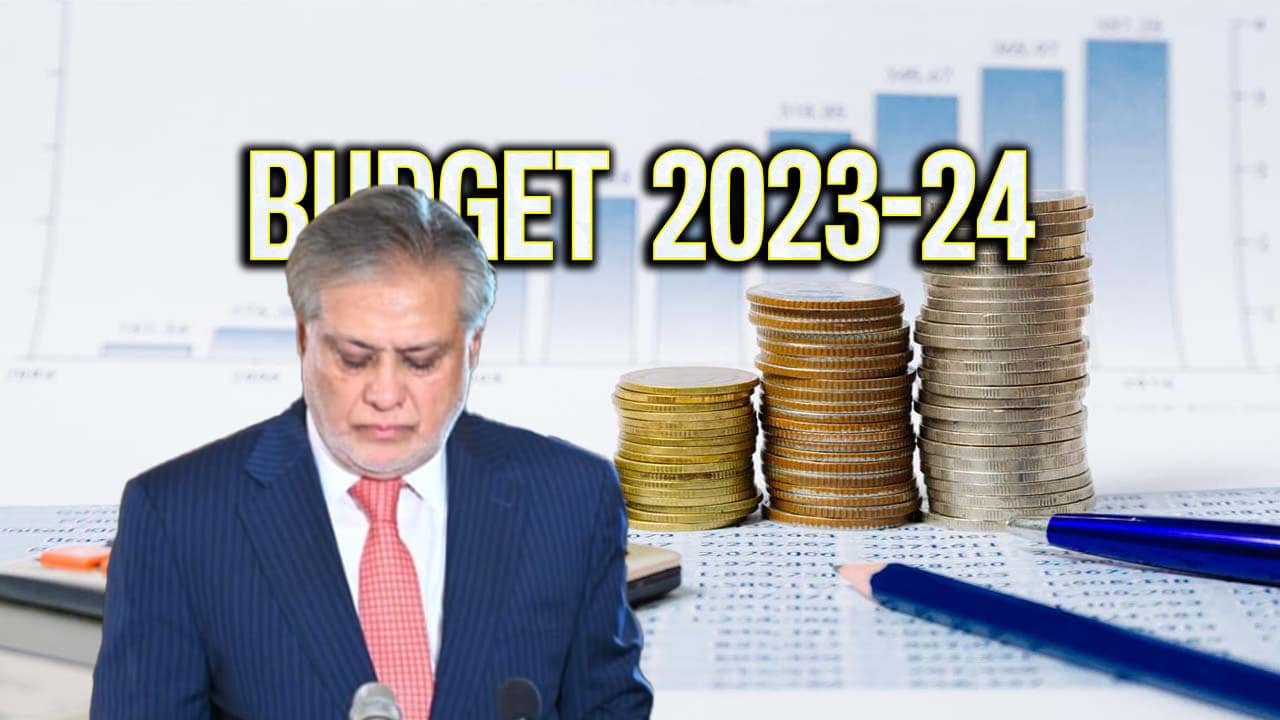
    Federal Minister for Finance and Revenue, Ishaq Dar, delivered a comprehensive assessment of the FY2023-24 budget during a post-budget press conference in Islamabad. He highlighted the distinctive nature of this budget compared to previous traditional budgets, emphasising its focus on fostering economic growth.

    Dar shared that the coalition government is committed to addressing the concerns of traders before finalising the federal budget in parliament. In order to accomplish this, he announced the formation of two committees to address business-related issues and technical matters.

    These committees, customary within the Federal Board of Revenue (FBR), will be established by the FBR chairman by Monday. Their purpose is to ensure comprehensive consideration of any overlooked aspects and provide a platform for individuals to voice genuine reservations.

    The finance minister refuted claims of introducing new taxes this year and emphasised the government’s efforts to provide substantial relief. He defended the allocation of Rs950 billion and Rs200 billion from the Public and Private Partnership mode, considering it a notable achievement. Dar reiterated the budget’s departure from traditional approaches, with a strong emphasis on fostering progress and economic growth.

    Dar expressed the government’s determination to rectify past economic losses by promoting employment opportunities, curbing inflation, and generating more jobs. Consequently, he anticipated a decrease in the policy interest rate.

    Read more: Govt allocates only Rs97 billion for education in budget 2023-24

    The minister projected inflation to be around 21 per cent in the upcoming fiscal year (2023-24), while estimating government expenditure at Rs14,040 billion.

    Addressing the power sector, Dar allocated over Rs1900 billion exclusively for its development. He stressed the importance of implementing necessary reforms to improve this sector. He also clarified that no new subsidies would be introduced in the renewable energy sector, despite its prominence in the budget.

    Furthermore, the minister addressed rumors regarding the withdrawal of edible oil, refuting such claims and affirming that no such action had been taken.

  • Govt employees of grades 1-16 to receive 35% salary raise in FY2023-24 budget

    Govt employees of grades 1-16 to receive 35% salary raise in FY2023-24 budget

    In response to the ongoing challenges posed by significant inflation, the federal cabinet has granted its approval to the budget proposals for the upcoming fiscal year 2023-2024.

    As part of these measures, the salaries of government employees will be enhanced by up to 35 per cent, based on the recommendations put forth by various stakeholders. This decision aims to alleviate the hardships faced by the less privileged segments of society.

    Furthermore, the government has sanctioned a 17.5 per cent increment in pensions for the fiscal year 2023-2024. Employees falling within grades 1-16 will benefit from a salary raise of 35 per cent, whereas those in higher grades, above grade 17, will experience a 30 per cent increase in their salaries. Moreover, the government has established a minimum wage of Rs32,000.

    In addition to salary adjustments, the Pay and Pension Commission has proposed a 100 per cent rise in medical and conveyance allowances for government employees, along with a 10 per cent increase in ad hoc allowances. These recommendations are being taken into careful consideration by the government.

    The approval of the budget proposals reflects the government’s commitment to address the economic challenges faced by the country and provide relief to its citizens.

  • Govt expected to reduce petrol price by Rs10 per litre in a pre-budget relief move

    Ahead of the much-anticipated federal budget for 2023-24, set to be announced on June 9, the government is planning to alleviate the burden of inflation by reducing the prices of petroleum products, according to industry officials.

    Starting from June 1, it is expected that the price of petrol will decrease by Rs10 per litre due to a decline in the ex-refinery price. Industry insiders have revealed that the ex-refinery price of petrol is projected to decrease by Rs10-12 over the next two weeks. However, due to exchange rate adjustments, the government will likely pass on relief of up to Rs10 per litre to consumers.

    Furthermore, industry officials have indicated that the ex-refinery price of diesel is showing a decline of Rs4-5 per litre in the next review. The government may incorporate this decrease during the upcoming fortnightly review, offering relief to diesel consumers.

    According to The News, in the previous price review, the government implemented a substantial reduction of Rs30 in the price of diesel. This resulted in a decrease from Rs288 to Rs258 per litre. Similarly, the price of petrol was slashed by Rs12, dropping from Rs282 to Rs270 per litre.

    These measures are aimed at mitigating the impact of rising prices on the general public and easing the financial burden faced by individuals as the government prepares to present the federal budget for the upcoming fiscal year.

  • Govt to unveil ‘business-friendly’ budget, prioritising masses and economic progress

    Govt to unveil ‘business-friendly’ budget, prioritising masses and economic progress

    In a bid to support the masses and drive economic progress and development, the government is expected to present a “business-friendly” budget for the upcoming financial year 2023-24, announced Finance Minister Ishaq Dar on Monday.

    Minister Dar shared these intentions during a meeting with a delegation from the Association of Builders and Developers of Pakistan, who sought to address the challenges faced by the construction industry and present their proposals for the forthcoming federal budget.

    The delegation, comprised of prominent members from the construction sector, engaged in a productive discussion with the finance minister, apprising him of the industry’s hurdles and sharing their ideas to contribute to the upcoming budget.

    Recognising the significance of the construction industry for economic growth, the association pledged its support to the government’s efforts in overcoming economic challenges and boosting business activities within the country.

    Finance Minister Ishaq Dar expressed his appreciation for the proposals put forth by the delegation, acknowledging their importance in formulating effective economic policies. He assured the group that the government is actively taking concrete steps to address the existing economic challenges and fortify the nation’s economy.

    Dar’s remarks underscored the government’s commitment to fostering a favourable business environment and promoting sustainable growth.

    The delegation extended their gratitude to the finance minister for considering their budget proposals, recognising the significance of collaboration between the private sector and the government in driving economic prosperity.

    As the government prepares to present the budget for the financial year 2023-24, expectations are high for the inclusion of measures that will support businesses, stimulate economic activity, and create opportunities for the masses.