Tag: grey list

  • Pakistan’s removal from FATF grey list to help with its reputation and IMF’s next review

    Pakistan’s removal from FATF grey list to help with its reputation and IMF’s next review

    Experts predict that the country’s reputation would recover and it would get a credit rating upgrade from international agencies as Pakistan was taken off the Financial Action Task Force (FATF) list of nations under increased monitoring.

    According to Geo, the removal will allow Pakistan to smoothly complete the forthcoming review of the IMF’s Extended Fund Facility since the International Monetary Fund (IMF) used the execution of FATF action plans as a structural benchmark.

    Pakistan has been removed off the FATF’s “grey list,” as was to be expected, but the nation will continue to cooperate with the organisation and the Asia Pacific Group to strengthen its anti-money laundering (AML) and counter-terrorist financing (CFT) framework. FATF made this announcement following the conclusion of its two-day meeting in Paris on Friday.

    Fitch downgrades Pakistan’s rating to CCC+

    Yet on the other side, Fitch Ratings lowered Pakistan’s Long-Term Foreign-Currency Issuer Default Rating (IDR) to “CCC+” from “B-” on Friday, which experts believe is bad news for the nation’s recovery from the mega floods. The reversal comes as the country’s fragile economy continues to face challenges from all directions.

    The company claims that sovereign states with a grade of “CCC+” or lower do not normally receive outlooks. The primary factors that contributed to a downgrading, according to the agency, were increasing liquidity and policy concerns.

    “The downgrade reflects further deterioration in Pakistan’s external liquidity and funding conditions, and the decline of foreign exchange reserves,” Fitch Ratings said. “This is partly a result of widespread floods, which will undermine Pakistan’s efforts to rein in twin fiscal and current account deficits.”

  • Pakistan likely to exit FATF grey list after 4 years

    Pakistan likely to exit FATF grey list after 4 years

    Pakistan is expected to leave the Financial Action Task Force (FATF) grey list on October 21 after topping the dreaded chart for over four years.

    According to Dawn, a 15-member team of the money-laundering watchdog concluded its onsite visit to Pakistan on September 2, with the final decision on the country’s grey list status now expected at its next meeting set to take place in Paris this week.

    According to an official statement, panellists from 206 Global Network members and observer organisations, including the International Monetary Fund, the United Nations, the World Bank, Interpol, and the Egmont Group of Financial Intelligence Units, will attend the Working Group and Plenary meetings in Paris.

    The outcome of the two-day deliberations on Pakistan’s status would be announced. The FATF Onsite team’s report on Pakistan is scheduled to be reviewed at the plenary meetings.

    Pakistani authorities believe that after four years of hard effort, the country has achieved not just a high level of technical compliance with FATF standards, but also a high degree of efficacy through the implementation of two comprehensive FATF action plans.

    It is worth noting that the FATF found Pakistan generally compliant on all 34 issues in June of this year and opted to send an onsite team to verify it on the ground before formally declaring the country’s removal from the grey list in August and September.

    Pakistan was rated “compliant or generally compliant” with FATF criteria in 38 of 40 recommendations, putting the country among the top FATF-compliant countries in the world.

    Pakistan was officially placed on the FATF grey list for the third time on June 28, 2018, and has been working to remove itself off the list ever since.

    The country was originally placed on the FATF grey list in 2008 after failing to meet international anti-money laundering (AML) and counter-terrorism financing (CFT) requirements. Pakistan was removed from the list in 2010 after upgrading its AML/CFT regime. However, Pakistan was placed on the grey list again in 2012 and remained there until 2015.

  • Pakistan likely to be removed from FATF grey list today

    Pakistan likely to be removed from FATF grey list today

    Pakistan is hopeful of getting off the Financial Action Task Force (FATF) grey list.

    The Pakistani delegation attending the conference in Berlin is headed by Minister of State for Foreign Affairs Hina Rabbani Khar, who is also the chair of the National FATF Coordination Committee.

    Pakistan was added to the list in 2018 and was given a list of actions to be completed. In a review held in March 2022, FATF retained Pakistan on the list, saying that the country has “made significant progress in fulfilling its recommendations”.

    FATF had directed Pakistan to fulfill 34 conditions in two stages. Pakistan fulfilled 32 out of 34 conditions in the last FATF meeting and completed the remaining two in this meeting.

    After news of Pakistan’s expected removal from the grey list spread on social media, Rabbani took to Twitter and said, “FATF will issue a Public Statement after the conclusion of the meetings tonight. Prejudging the outcome or speculative reporting could and should be avoided.”

    There will be a press briefing in Berlin on the outcomes of the FATF Plenary today (June 17).

  • US says it recognises and supports Pakistan’s continued efforts to satisfy FATF

    US says it recognises and supports Pakistan’s continued efforts to satisfy FATF

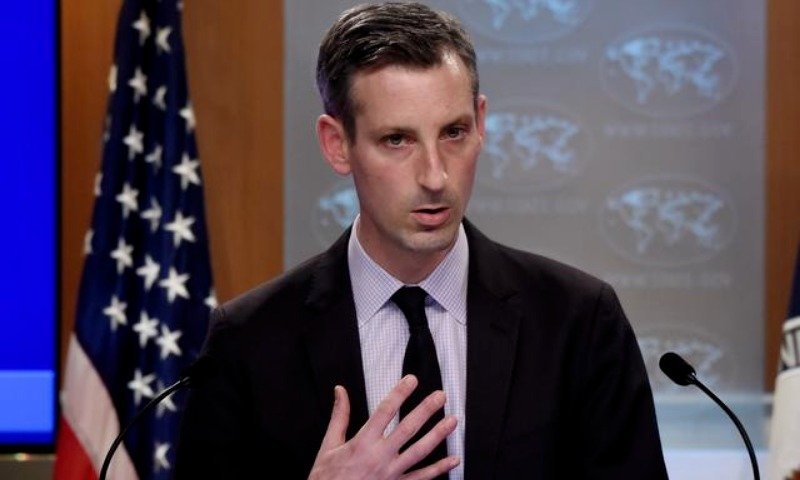
    During a regular press briefing, the United States (US) State Department’s spokesperson Ned Price said, “We do recognise, and we support Pakistan’s continued efforts to satisfy the Financial Action Task Force (FATF) obligations,” reported Geo News.

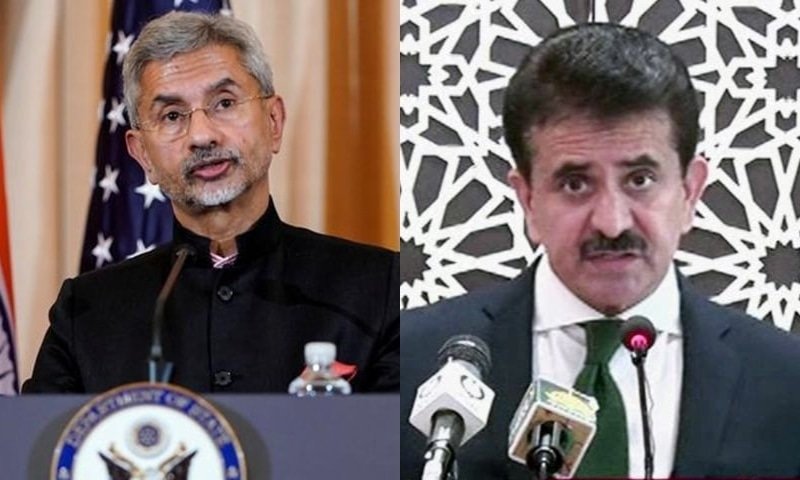
    This statement comes after Indian External Affairs Minister S Jaishankar admitted that Pakistan is on the grey list of the Financial Action Task Force (FATF) because of the “efforts of Narendra Modi’s government”.

    When asked to comment over Jaishankar’s admission, Price said that the US encourages Pakistan to continue working with FATF and the international community to swiftly complete the remaining action item.

    “We do further encourage Pakistan to expeditiously implement its new second action plan,” said Price.

    The spokesperson also commented on the alleged abduction of the Afghan ambassador’s daughter. “Afghanistan’s neighbours do have a role to play.”

    Price added, “I would add that tangible and material support for the Afghanistan peace process is vital for its ultimate success, as are the longer-term relations between Afghanistan and Pakistan.”

    “We understand the crucial role that Pakistan has the potential to play in this regard as well,” said the US State Department’s spokesperson.

  • Pakistan on FATF grey list because of ‘Narendra Modi’s govt’, Pak to take action

    Pakistan on FATF grey list because of ‘Narendra Modi’s govt’, Pak to take action

    Indian External Affairs Minister S Jaishankar admitted that Pakistan is on the grey list of the Financial Action Task Force (FATF) because of the “efforts of Narendra Modi’s government”.

    Jaishankar, while addressing the Bharatiya Janata Party (BJP) leaders, said, “Prime Minister Narendra Modi’s personal efforts made on forums like G20 or G7 made nations realise that terrorism is everyone’s problem.”

    “FATF, as all of you know, keep a check on fundings for terrorism and deals with black money supporting terrorism. Due to us, Pakistan is under the lens of FATF and it was kept [on] the grey list. We have been successful in pressurising Pakistan and the fact that Pakistan’s behaviour has changed is because of pressure put by India by various measures. Also terrorists from LeT and Jaish, India’s efforts through UN, have come under sanctions,” Jaishankar reportedly told the BJP leaders, according to The Print.

    The Foreign Office (FO) responded by saying that the Indian foreign minister’s statement that the Modi government had ensured Pakistan remained on the FATF grey list had vindicated Pakistan’s longstanding stance on “India’s negative role” in the global financial watchdog.

    “Pakistan has always been highlighting to the international community the politicisation of FATF and undermining of its processes by India. The recent Indian statement is just further corroboration of its continued efforts to use an important technical forum for its narrow political designs against Pakistan,” read the FO statement.

    “While Pakistan has been sincerely and constructively engaged with FATF during the implementation of the action plan, India has left no stone unturned in casting doubts on Pakistan’s progress through disgraceful means,” said the FO statement.

    “Following the recent confession by [the] Indian government, India’s credentials for assessing Pakistan in FATF as co-chair of the Joint Group or for that matter any other country are subject to questions, which we urge FATF to look into,” the statement said.

    On June 25, FATF President Dr Marcus Pleyer said Pakistan would remain on the grey list till it addresses the single remaining item on the original action plan agreed to in June 2018 as well as all items on a parallel action plan handed out by the watchdog’s regional partner — the Asia Pacific Group (APG) — in 2019.

  • ‘Some powers desire to keep the sword of FATF hanging over Pakistan’: Shah Mahmood Qureshi

    Foreign Minister Shah Mahmood Qureshi questioned the decision of the Financial Action Task Force (FATF) of keeping Pakistan on its “increased monitoring list”, also known as the grey list, after the country completed 26 out of the 27 points under the action plan given by the financial watchdog.

    Qureshi said there was “no room” to keep Pakistan on the grey list after it had implemented nearly the entire action plan, according to a report by Radio Pakistan.

    The foreign minister said it needed to be looked into whether FATF was “being used for political purposes”, adding that “some powers desire to keep the sword of FATF hanging over Pakistan.”

    Qureshi made it clear that whatever steps Pakistan took were in its own interests. He said it is in our interest to stop money laundering and terror financing.

    A day earlier, FATF President Dr Marcus Pleyer said Pakistan would remain on the grey list till it addresses the single remaining item on the original action plan agreed to in June 2018 as well as all items on a parallel action plan handed out by the watchdog’s regional partner — the Asia Pacific Group (APG) — in 2019.

    “Pakistan has made significant progress and it has largely addressed 26 out of 27 items on the action plan it first committed to in June 2018,” he said at a virtual press conference after the financial watchdog’s five-day plenary meeting.

  • ‘Successful implementation’: Hammad Azhar says FATF blacklisting off the table

    ‘Successful implementation’: Hammad Azhar says FATF blacklisting off the table

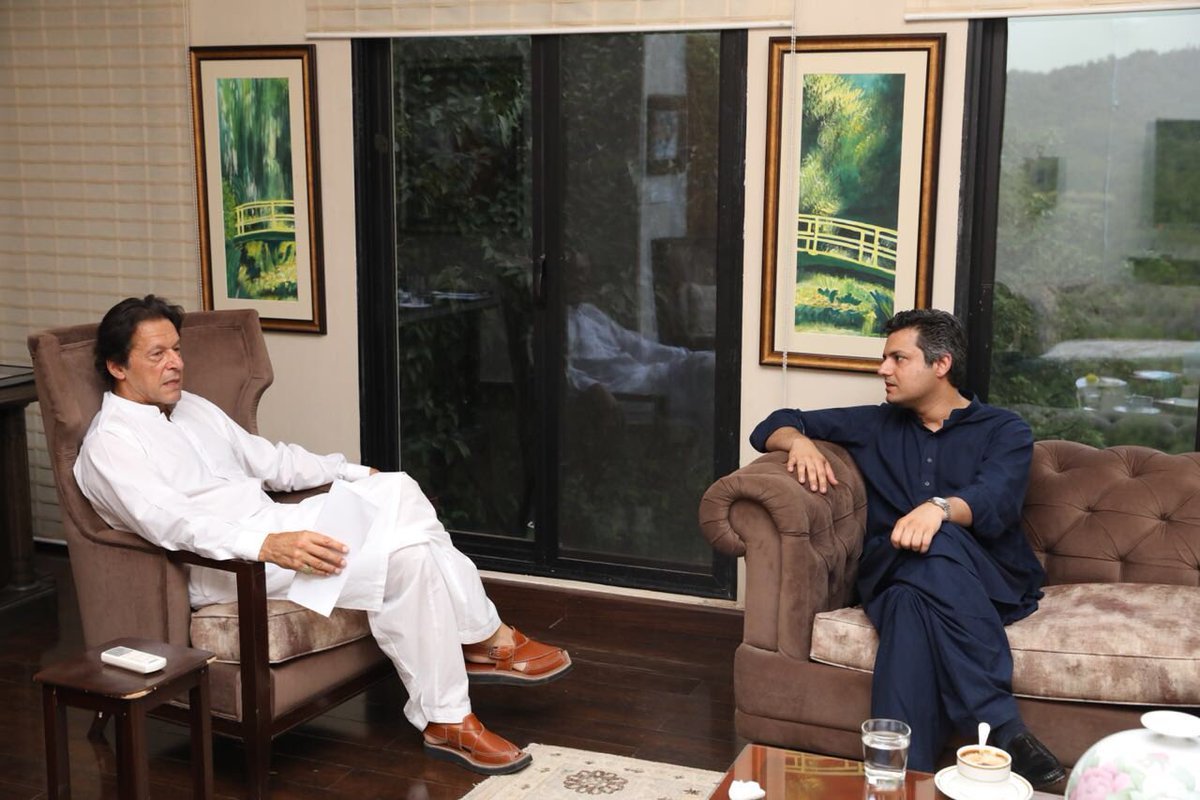
    After the Financial Action Task Force (FATF) decided to keep Pakistan in the grey-list till February, Minister for Revenue Hammad Azhar congratulated the nation for successfully implementing the major points of the FATF.

    “Out of 27 points, we have implemented 21 points given by the authorities concerned regarding FATF, ” he stated while talking to a private television channel. Except India, every country had appreciated the efforts of Pakistan for satisfying the people dealing FATF, he added.

    Pakistan was placed on the grey list during the period of Pakistan Muslim League-Nawaz last government, he said. In reply to a question, he said the remaining six points had partially implemented. He also termed the decision that was taken without voting a “diplomatic victory”.

    BLACKLISTING OFF THE TABLE:

    In a statement, FATF urged Pakistan to complete an internationally agreed action plan by February 2021. FATF said Pakistan had now reached 21 targets out of 27 set for it in 2018 when Pakistan was placed on FATF’s “grey list” of countries with inadequate controls over terrorism financing.

    But Pakistan still needs to demonstrate that law enforcement agencies are identifying and investigating the widest range of terrorism financing activity, FATF said.

    The watchdog also asked Islamabad to demonstrate that terrorism financing probes resulted in effective, proportionate and dissuasive sanctions.

    “FATF acknowledged that any blacklisting is off the table now,” Pakistani federal minister Hammad Azhar tweeted.

    Azhar, who leads Pakistan’s delegation at FATF plenary meetings, said the forum’s discussions were focused on how Pakistan could be supported in meeting its targets before a formal review in the middle of next year.

    Last February, Pakistan secured an extra four months to complete the plan after missing 13 of the 27 targets that FATF had set for it in 2018 when it put Pakistan on its “grey list”.