Tag: growth

  • PM Shehbaz says Pakistan needs another IMF programme

    PM Shehbaz says Pakistan needs another IMF programme

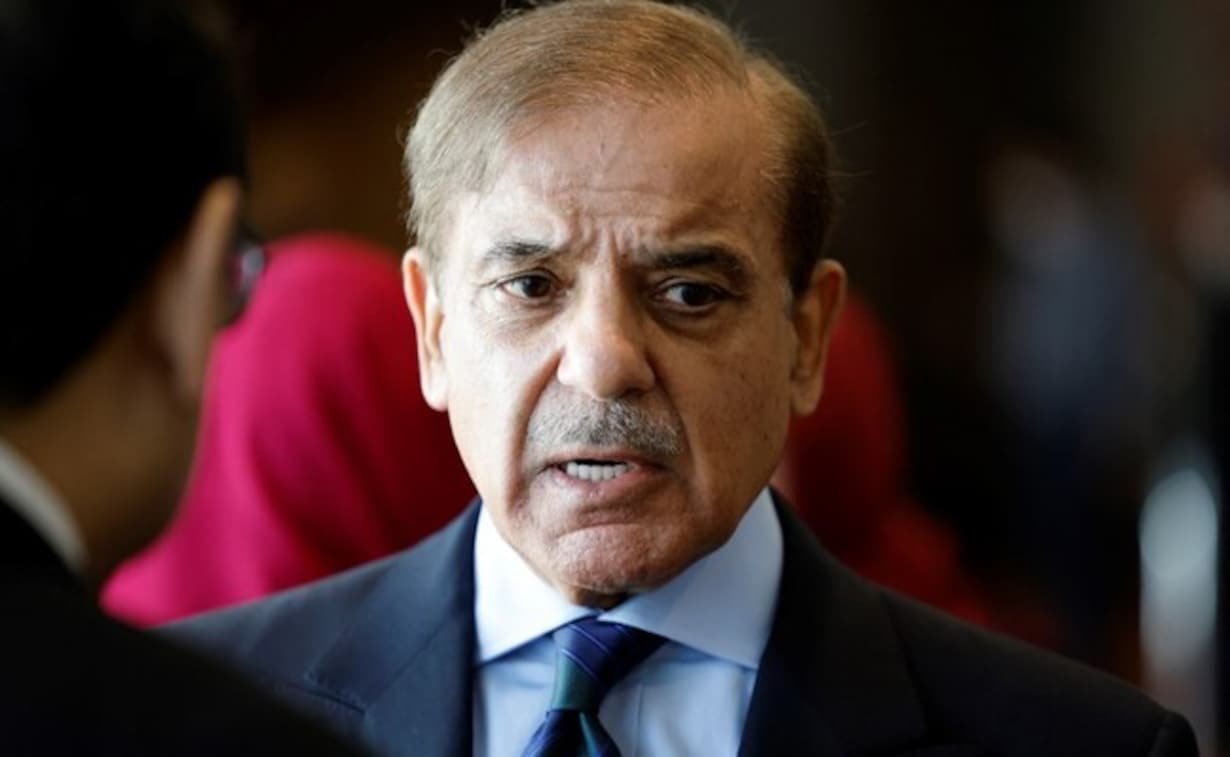
    Prime Minister Shehbaz Sharif has said that Pakistan needs another International Monetary Fund (IMF) programme for economic stability. Recognizing the programme’s ‘limitations’, however, he said that alongside the loan, his government will focus on the country’s growth, provide job opportunities and address inflation.

    “We have to do another IMF programme. It won’t work out without one. Rome was not built overnight,” the Prime Minister said addressing the Tax Excellence Awards in Islamabad today.

    The premier stressed the importance of collaboration between federal and provincial governments to facilitate the private sector of the country. He said it is the government’s responsibility to foster a conducive environment for business, and not its job to conduct business. The Prime Minister also stated that the FBR will be totally restructured through complete digitalization.

    He said that leading exporters and taxpayers are the heroes of Pakistan and said, “Those who are being given awards today will be given blue passports as honourary ambassadors of Pakistan.”

  • Pakistan’s mobile phone imports skyrocket, surpassing $987 million in first half of FY 23-24

    Pakistan’s mobile phone imports skyrocket, surpassing $987 million in first half of FY 23-24

    Pakistan has witnessed a remarkable surge in mobile phone imports, reaching $987.539 million during the first half (July–January) of the fiscal year 2023–24. 

    This marks a substantial growth of 138.08 per cent compared to the same period in the previous fiscal year, where imports totaled $414.800 million.

    The data, released by the Pakistan Bureau of Statistics (PBS), underscores the country’s increasing reliance on imported mobile devices.

    In January 2024 alone, Pakistan’s mobile phone imports rose by 10.70 per cent on a month-on-month basis, totaling $194.928 million, compared to $176.093 million in December 2023. 

    Year-on-year comparisons reveal an even more staggering growth of 275.15 per cent in January 2024, compared to $51.960 million in January 2023.

    The overall telecom imports into Pakistan during July–January 2023–24 amounted to $1.243 billion, showcasing a robust 93.06 per cent growth compared to the same period in the previous fiscal year. 

    Year-on-year, the growth in overall telecom imports stood at an impressive 197.07 per cent, reaching $232.709 million in January 2024, compared to $78.336 million in January 2023.

    Despite challenges faced by the local manufacturing sector, including a decline of around four per cent in local manufacturing and assembling of mobile handsets during the calendar year 2023, commercial imports of mobile handsets increased. 

    Official data revealed that local manufacturing plants produced 21.28 million mobile handsets in 2023, compared to 21.94 million in 2022 and 24.66 million in 2021. However, commercial imports rose from 1.53 million in 2022 to 1.58 million in 2023.

    Moreover, of the locally manufactured and assembled mobile handsets in 2023, 13 million were 2G devices, and 8.28 million were smartphones. 

    According to the Pakistan Telecommunication Authority (PTA), 59 per cent of mobile devices in Pakistan are smartphones, while 41 per cent are 2G devices.

    Despite the challenges faced by the local manufacturing sector, the significant growth in mobile phone imports underscores Pakistan’s increasing reliance on imported devices, contributing to the country’s evolving telecom landscape.

  • Pakistan’s exports surpass Rs4,300 billion, up by 35.33% in six months

    Pakistan’s exports surpass Rs4,300 billion, up by 35.33% in six months

    The Pakistan Bureau of Statistics (PBS) has reported a substantial increase of 35.33 per cent in the country’s exports in rupee terms during the first half of the current fiscal year, as compared to the corresponding period of the previous year.

    According to provisional data released by PBS, exports from July to December 2023 amounted to Rs4,300,752 million, a significant rise from Rs3,177,893 million recorded during the same period last year.

    On a year-on-year basis, exports for December 2023 witnessed a remarkable surge of 54.59 per cent, reaching Rs799,588 million, compared to Rs517,240 million in October 2022.

    Additionally, on a month-on-month basis, exports increased by 8.86 per cent when compared to the figure of Rs734,541 million reported in November 2023.

    The key commodities contributing to this growth in December 2023 were rice other than basmati (Rs124,040 million), knitwear (Rs103,898 million), readymade garments (Rs84,569 million), bedwear (Rs64,119 million), cotton cloth (Rs40,678 million), cotton yarn (Rs26,984 million), towels (Rs24,814 million), rice basmati (Rs22,888 million), articles excluding towels and bedwear (Rs16,991 million), and meat and meat preparations (Rs12,472 million).

    In contrast, imports during July–December 2023–24 amounted to Rs7,533,700 million, showing an increase of 8.20 per cent compared to Rs6,962,865 million during the corresponding period last year.

    On a year-on-year basis, December 2023 imports totaled Rs1,317,463 million, reflecting a 13.94 per cent increase from December 2022. Moreover, on a month-on-month basis, imports increased by 1.66 per cent in December 2023 compared to Rs1,295,968 million in November 2023.

    The main commodities of imports during December 2023 were petroleum crude (Rs158,260 million), petroleum products (Rs150,888 million), natural gas, liquified (Rs109,516 million), electric machinery & apparatus (Rs63,667 million), palm oil (Rs60,316 million), plastic materials (Rs52,218 million), mobile phones (Rs49,887 million), iron & steel (Rs41,654 million), iron and steel scrap (Rs30,426 million), and motor cars (Rs29,543 million).

    This surge in exports, coupled with a measured rise in imports, signifies a positive trend in Pakistan’s trade balance, reflecting the resilience and competitiveness of the country’s export sector.

  • Pakistan’s pharma industry exports soar to record-breaking $713 million in FY2022-23

    Pakistan’s pharma industry exports soar to record-breaking $713 million in FY2022-23

    Pakistan’s pharmaceutical industry has experienced an impressive surge in exports, reaching an all-time high of $713 million during the fiscal year 2022-23. The remarkable boost in exports can be attributed to the increased demand for surgical and medical equipment, as well as pharmaceutical products.

    The data reveals that surgical and medical equipment exports accounted for $407 million, while drugs and pharmaceutical products contributed $306 million to the export value. Surgical equipment exports witnessed a notable increase of 6.03 per cent, while there was a substantial growth of 25.16 per cent in pharmaceutical product exports.

    Sources indicate that the volume of pharmaceutical exports witnessed a remarkable rise of 98.6 per cent during the fiscal year 2022-23. Approximately 51,964 metric tons of medicines and medical devices were exported, demonstrating the industry’s expanding reach.

    In terms of specific quantities, Pakistan exported 26,054 metric tons of medicines and medical equipment, contributing significantly to the impressive growth in the pharmaceutical sector’s export value. The notable growth of 25.3 per cent in pharma export value further highlights the industry’s success in the international market.

    Looking ahead, sources report that the pharma industry has set an ambitious export target of $1 billion for the fiscal year 2024-25, indicating the industry’s determination to continue its upward trajectory.

    According to ARY News, industry insiders attribute this substantial increase in exports to the incentives provided to the pharmaceutical sector. The government’s support and facilitation have played a crucial role in boosting the industry’s growth and enabling it to compete effectively on the global stage.

    Furthermore, sources highlight the noteworthy surge in exports of Pakistani medical equipment, particularly during the challenging times of the COVID-19 pandemic. The demand for locally produced ventilators witnessed a significant rise as Pakistan began manufacturing its own ventilators to address critical needs during the health crisis.

    The thriving pharmaceutical industry and its impressive export performance signify Pakistan’s growing influence in the global healthcare market. With continued support from the government and a commitment to innovation and quality, the country’s pharma sector is poised for further growth and success in the years to come.

  • Pakistan records 17% increase in exports to Afghanistan, SBP data shows

    Pakistan records 17% increase in exports to Afghanistan, SBP data shows

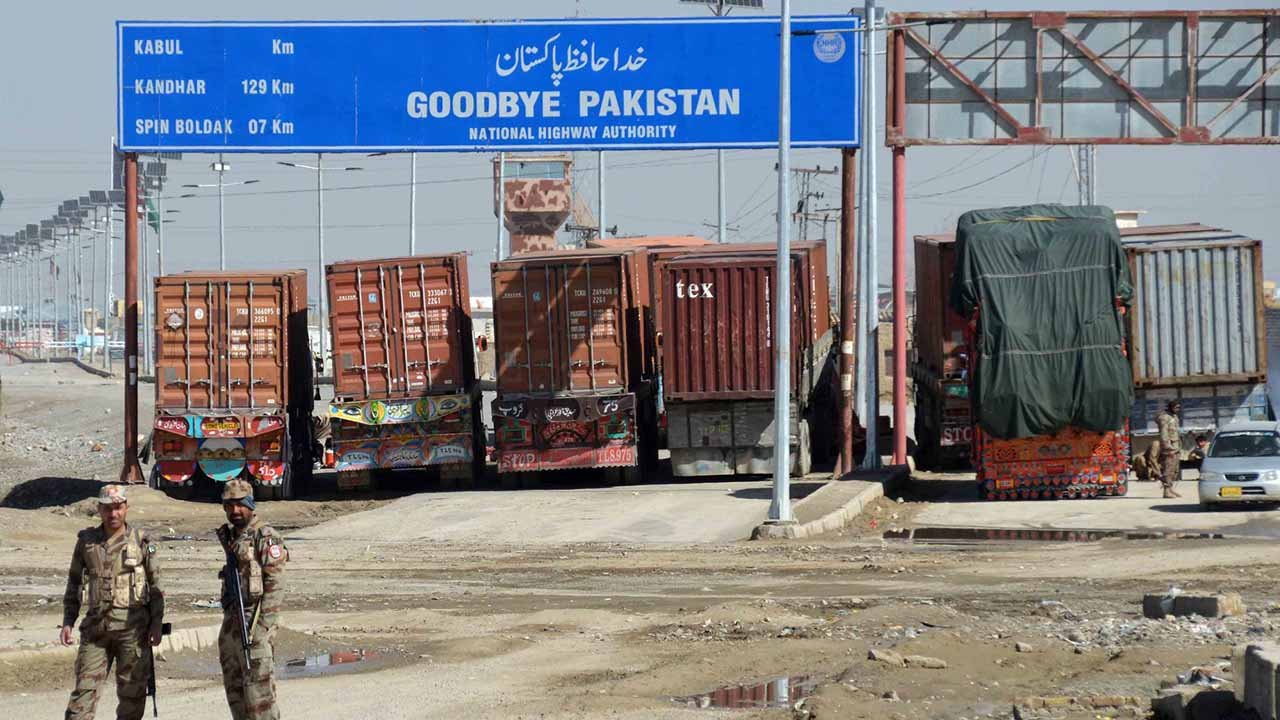
    According to a report by the State Bank of Pakistan (SBP), Pakistan’s export of goods and services to Afghanistan has increased by 17.02 per cent during the first eight months of the current fiscal year (2022-23) compared to the corresponding period of the previous year.

    From July-February (2022-23), overall exports to Afghanistan reached US $346.522 million, while during the same period last year, exports were recorded at US $296.109 million, showing a growth of 17.02 per cent.

    Furthermore, the year-to-year basis also showed an increase of 60.49 per cent in exports to Afghanistan, rising from US $38.222 million in February 2022 to US $61.345 million in February 2023. Meanwhile, on a month-on-month basis, exports to Afghanistan also rose by 82.58 per cent during February 2023, reaching US $61.345 million, compared to US $33.598 million in January 2022.

    In contrast, Pakistan’s exports to other countries decreased by 9.65 per cent during the eight months, dropping from US $20.632 billion to US $18.639 billion, according to SBP data.

    The imports from Afghanistan into Pakistan during the period under review were recorded at US $13.540 million, which was a significant decrease of 88.65 per cent compared to last year’s US $119.328 million in July-February (2021-22).

    Year-on-year, imports from Afghanistan also dropped by 98.89 per cent, from US $13.723 million in February 2022 to US $0.151 million in February 2023. However, on a month-on-month basis, imports from Afghanistan increased by 11.02 per cent during February 2023, reaching US $0.136 million, compared to US $0.122 million in January 2022.

    Overall, the imports into Pakistan also witnessed a decrease of 21.02 per cent, from US $47.336 billion to US $37.388 billion, according to SBP data. Based on the trade figures, the trade of goods and services with Afghanistan witnessed an 88.35 per cent increase in surplus during the period under review compared to the previous year, with a recorded surplus of US $332.982 million against US $176.781 million during the last year.

  • Pakistan’s GDP growth expected to remain below 3–4% in FY23: SBP

    Pakistan’s GDP growth expected to remain below 3–4% in FY23: SBP

    In its annual economic health report released on Wednesday, the State Bank of Pakistan (SBP) slashed its predicted GDP growth from the previously disclosed range of 3–4 per cent for the current fiscal year, citing flood-induced destruction and the stabilisation policy as important contributors.

    However, the central bank stated that economic growth was stronger than anticipated in the 2021–22 fiscal year as real GDP increased by 6 per cent compared to 5.7 per cent a year earlier in its Annual Report on the State of Pakistan’s Economy, which mainly covered the previous fiscal year that ended on June 30.

    According to Geo, the GDP grew by 6 per cent in the previous fiscal year. In its monetary policy announcement from October, the SBP already reduced the economic growth to around 2 per cent.

    According to the research, increased agricultural output and a broad-based expansion of large-scale manufacturing (LSM) were the main forces behind this gain.

    Macroeconomic imbalances returned during FY22 as a result of a combination of unfavourable global and domestic circumstances.

    When widespread flooding struck a significant portion of the nation at the beginning of the current fiscal year, the SBP claimed that the economy was in the middle of a stabilisation phase.

    According to the report, the flooding was predicted to have an impact on the nation’s real economic activity through a number of channels. It was feared that losses in agriculture resulting from the destruction of crops and livestock would spread to the rest of the economy through a number of backward and forward links.

    According to the bank, the extensive devastation of infrastructure in the afflicted provinces might also harm the nation’s chances for growth this year.

    Due to the deteriorating economic climate, the SBP avoided stating a range for the growth rate of the current fiscal year. Due to the high rate of inflation and the scarcity of gas and electricity, industries have either stopped operating entirely or substantially reduced their production.

    The SBP’s restriction on the opening of letters of credit (LCs) for imports in an effort to save money is a significant contributing factor.

    In the event that the gas supply is not restored and no LCs are opened, the All-Pakistan Textile Mills Association has warned to declare layoffs within days.

    According to the textile industry, up to 500,000 people who were either directly or indirectly employed by the business have lost their jobs. However, there are no official statistics in this regard.

  • IMF expects Pakistan’s govt gross debt to decline by 6.7%

    IMF expects Pakistan’s govt gross debt to decline by 6.7%

    According to projections made by the International Monetary Fund (IMF), Pakistan’s government gross debt will decrease from 77.8 per cent of GDP in 2022 to 71.1 per cent in 2023.

    The predictions for Pakistan’s fiscal year 2022–2023, however, are made using data as of the end of August 2022 and do not take the current floods’ effects into account.

    The net debt for Pakistan is predicted to decrease from 71.5 per cent of GDP in 2022 to 66.1 per cent in 2023, according to the IMF study “Fiscal Monitor, Helping People Bounce Back.”

    According to projections, government revenue will represent 12.4 per cent of GDP in 2023 and 12.8 per cent of GDP in 2024, compared to 12.1 per cent during the same time in 2022.

    The primary balance of the government was predicted by the Fund to be 0.2 per cent in 2023 as opposed to -3.0 per cent in 2022. Furthermore, compared to 2022, 2023 is expected to see a decrease in the government’s overall balance of 4.8 per cent.

  • IMF lowers growth prediction for FY23, cautions ‘the worst is yet to come’

    IMF lowers growth prediction for FY23, cautions ‘the worst is yet to come’

    The International Monetary Fund (IMF) on Tuesday warned that the worst was yet to come as it further cut its projection for global economic growth to minus 2 per cent amid persistently increasing inflation.

    According to Dawn, the global lender of last resort projected Pakistan’s GDP growth rate at 3.5 per cent and inflation at about 20 per cent in its World Economic Outlook (WEO) 2023 – Countering the Cost-of-Living Crisis with the caveat that “the 2022 projections for Pakistan are based on information available as of the end of August and do not include the impact of the recent floods.”

    The fund forecasted Pakistan’s current account deficit at 2.5 per cent of GDP for the current fiscal year, down from 4.6 per cent last year, and the unemployment rate at 6.4 per cent on the same basis. Therefore, all of these projections are based on dated information that has drastically changed over the past two weeks.

    The Asian Development Bank estimated Pakistan’s growth rate to be 3.5 per cent late last month, compared to the World Bank’s projection of 2 per cent last week.

    According to the IMF, its projections call for global growth to decline from 6 per cent in 2021 to 3.2 per cent in 2022 and then further to 2.7 per cent in 2023, which is 0.2 per cent below the July forecast, with a 25 per cent chance that it will dip below 2 per cent.

    The three greatest economies—the United States, the European Union, and China—will continue to stagnate, while more than one-third of the world economy will contract this year or the following year. It said that Russia’s invasion of Ukraine was still seriously destabilising the world economy and that “in short, the worst is yet to come.”

    The fund urged international decision-makers to maintain their composure while storm clouds formed. It blamed the lasting consequences of three strong forces—the Russian invasion of Ukraine, a cost-of-living crisis brought on by persistent and expanding inflation pressures, and the downturn in China—for the severe economic challenges the world economy is currently facing.

    According to the WEO, worldwide inflation would increase from 4.7 per cent in 2021 to 8.8 per cent in 2022 before falling to 6.5 per cent in 2023 and 4.1 per cent by 2024. With more variation in emerging markets and developing nations, upside inflation shocks have been most common in advanced economies.

    The fund recommended emerging market officials to batten down the hatches right away. IMF access to preventative instruments should be urgently considered by eligible nations with strong policies who want to increase their liquidity reserves.

    As too many low-income countries were in or on the verge of debt distress, the countries should also try to reduce the effects of upcoming financial instability by a combination of preventative macroprudential and capital flow measures, where appropriate.

    The IMF stated that in order to prevent a wave of sovereign debt crises, the Group of Twenty’s Common Framework’s progress toward orderly debt restructurings for the most impacted was urgently required. Time could be rapidly running out.

  • India beats UK to become fifth-largest economy in the world

    India beats UK to become fifth-largest economy in the world

    India has surpassed the United Kingdom to take over as the world’s fifth-largest economy. The country was ranked as having the fifth-largest economy after outperforming England in the first three months of 2021.

    The UK has moved up to the sixth spot from where it was rated during the 2019 fiscal year. According to a survey by Bloomberg, the US economy was worth USD 854.7 million in ‘nominal’ cash terms in the quarter ending in March, compared to USD 816 million for the UK.

    According to reports, the mark was calculated using an adjusted basis and the dollar exchange rate on the last day of the relevant quarter.

    The update was released two days after the government published the first-quarter GDP figures.

    According to statistics, the Indian economy is expanding by 13.5 per cent annually. Despite the fact that this figure was lower than the RBI’s prediction, the rate is reported to be the highest among emerging nations.

    This fiscal year, India is expected to grow at a rate of about 7 per cent.

  • ADB projects Pakistan’s economy to ‘recover slightly’ in FY23

    ADB projects Pakistan’s economy to ‘recover slightly’ in FY23

    In FY2023, Pakistan’s Gross Domestic Product (GDP) growth is expected to modestly improve due to structural changes, according to the Asian Development Bank (ADB).

    According to the bank’s most recent Asian Development Outlook Supplement, Pakistan’s GDP growth is predicted to decrease in FY22 (which ends on June 30, 2022), as a result of fiscal tightening measures taken to control rising demand pressures and contain external and fiscal imbalances.

    As the country’s inflation surged from 12.3 per cent in December 2021 to 21.3 per cent in June 2022, the bank slightly lowered Pakistan’s inflation for FY22 and dramatically for FY23.

    “In addition to the effects of elevated global energy and food prices, the government’s efforts to revive the stalled International Monetary Fund (IMF) programme has meant raising power tariffs and withdrawing subsidies in the oil and power sectors,” said ADB.

    In comparison to Sri Lanka, which boosted its policy rate by 950 basis points over the previous six months, the State Bank of Pakistan (SBP) has upped interest rates by 525 basis points since January 1. This also makes it one of the most active central banks in the region.

    The ADB also reduced its 2022 growth prediction for Asia and issued a warning that things could become worse as a result of the conflict in Ukraine and supply chain disruptions that are expected to drive up costs.

    Read more: Pakistani rupee plunges to Rs227 against US dollar at midday trading

    Although Covid-19’s effects had subsided, the region was now dealing with the consequences of Russia’s invasion of Ukraine, lockdowns in China, and aggressively raised interest rates, according to the Manila-based lender.

    The bank reduced its 2022 growth prediction to 4.6 per cent to reflect the decline in developing Asia, which runs from Kazakhstan in Central Asia to the Cook Islands in the Pacific.

    South Asia’s economy is anticipated to grow less than the projected rate of growth in the Asian Development Outlook 2022.