Tag: Gulf Countries

  • Foreign companies seem uninterested in buying shares of PIA

    The privatisation of Pakistan International Airlines (PIA) has started, but foreign companies do not seem interested in buying most of its shares, The Express Tribune reported on Wednesday.

    Sources claimed that only two companies from Gulf countries sent investment documents by depositing $5,000.

    However, both companies have not submitted applications for tenders yet. The last day to submit applications for tenders for PIA’s privatisation is May 3rd.

    Sources within the Privatisation Commission confirmed that they will probably extend the deadline by a month for submitting applications for PIA tenders.

    Officials responsible for privatisation, including the financial adviser for the national carrier, lack experience in attracting foreign investment.

    Pakistani authorities have not received messages about the process yet.

  • Why did Hrithik Roshan’s film get banned in UAE and Gulf countries?

    Why did Hrithik Roshan’s film get banned in UAE and Gulf countries?

    Earlier this week, the Bollywood propaganda action movie ‘Fighter,’ featuring Deepika Padukone and Hrithik Roshan, became a hot topic as it got banned in several Gulf countries.
    Initially, reports suggested that the ban affected many Gulf nations except the United Arab Emirates (UAE). However, recent reports from trade analysts indicate that the movie is now facing a “suspension” in the UAE, as major theater chains have stopped bookings. The film’s distributor in the UAE had recently confirmed that the film will get released. The exact reason for the ban is not disclosed, but reports suggest it’s due to “some objectionable content in the film.”
    There were earlier speculations that ‘Fighter’ was supposed to be released in the UAE with a PG 15 rating before the ban.

    Trade analyst Girish Johar confirmed the same. He stated on X, “In a setback, Fighter officially banned across Middle East regions for theatrical release. Only UAE will release the film with a PG15 classification!” Recent reports now claim that UAE has also banned the film, with confirmation from the film’s UAE distributor, as per Times of India.

    The movie’s story, which revolves around India’s response to the attack in Pulwama, India-occupied Kashmir.
    Many in Pakistan disapproved of how the Pulwama attack was depicted in the film, claiming it “exploited a sensitive matter” and promoted an “anti-Pakistan” stance. It’s believed that this criticism, combined with the film’s controversial subject, influenced the decisions of the Gulf censor boards.
    Responding to these concerns, Siddharth Anand, the film’s director, urged the public to watch the entire film for context before forming an opinion based on the trailer. He emphasized that ‘Fighter’ aims to raise questions about terrorism, not to incite hostility against any nation. The main cast echoed the sentiment.

    Even though ‘Fighter’ won’t be shown in some places, it will still be screened in theaters in India. The movie stars Hrithik Roshan and Deepika Padukone, along with Anil Kapoor, Karan Singh Grover, Akshay Oberoi, and Sanjeeda Shaikh in the cast. Viacom18 Studios and Marflix Pictures worked together to produce the film.

  • Chinese company shows interest in buying K-Electric for $1.77 billion

    Chinese company shows interest in buying K-Electric for $1.77 billion

    In a recent development, China’s state-owned Shanghai Electric Power (SEP) has reiterated its interest in acquiring the shares of Karachi’s sole power company, K-Electric, with a renewed offer of $1.77 billion.

    According to Shan Abbas Ashari, the investment advisor of the Saudi group Al-Jomaih Power Limited, a major shareholder of K-Electric, the Saudi group has indicated the possibility of selling its shares at a price of $2 billion.

    Ashari stated that a deal with Shanghai Electric, involving the acquisition of K-Electric shares, is set to be rekindled. He mentioned that SEP had initially proposed the $1.77 billion offer to acquire K-Electric several years ago, and this offer would now be revisited.

    Ashari highlighted the growing electricity demand in Karachi, which should have already reached 5,000 MW. He emphasised that this demand could further increase if all industries were integrated into the company’s grid.

    Moreover, Ashari emphasised that Pakistan stands as an ideal investment destination for Saudi Arabia and other Gulf countries due to its rapidly expanding population, distinguishing it from Europe.

    However, he acknowledged that investors from Saudi Arabia and Kuwait faced challenges following the K-Electric deal. Stay tuned for further updates on this significant investment development.

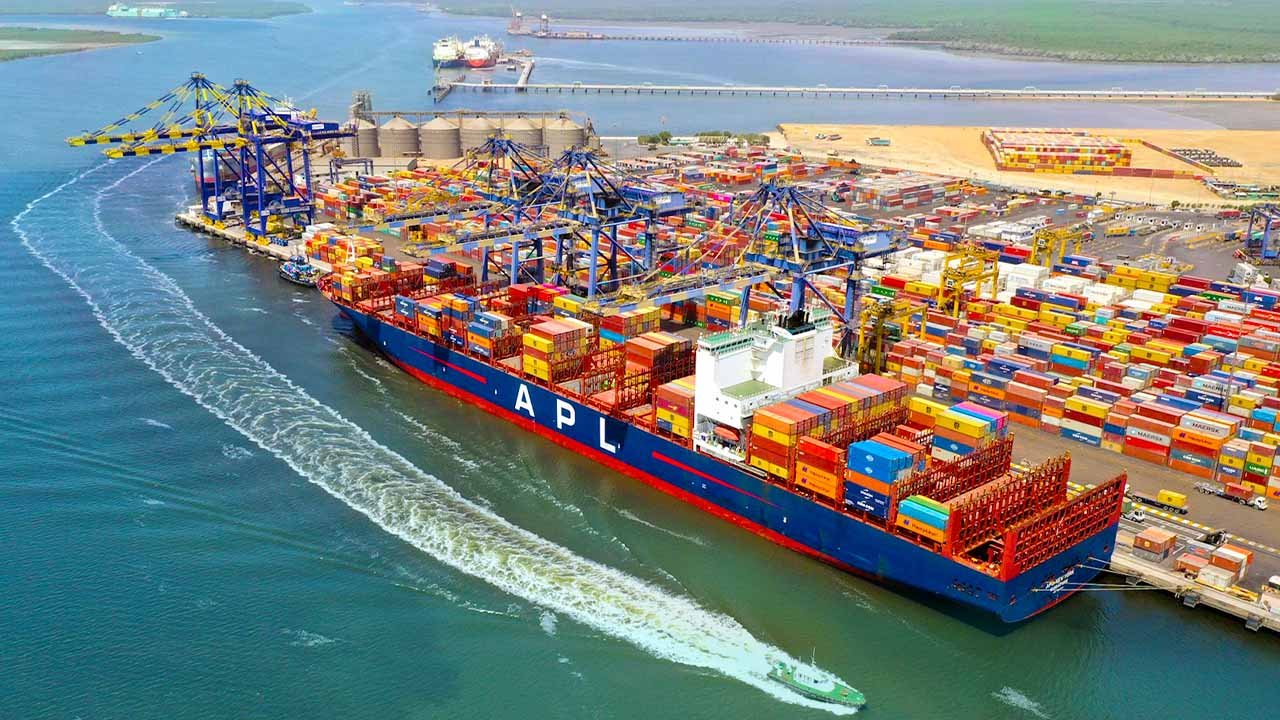
  • Major boost for Pakistan’s port infrastructure: Gulf countries to invest $500 million

    Major boost for Pakistan’s port infrastructure: Gulf countries to invest $500 million

    Maritime Affairs Minister Faisal Sabzwari revealed that a comprehensive agreement to secure a noteworthy investment of $500 million from Gulf countries is currently in the final stages of preparation. To facilitate this endeavor, an intergovernmental agreement policy will be presented to the law ministry on Monday.

    Its potential approval will lay the groundwork for direct foreign investment, in accordance with the conditions outlined by the International Monetary Fund (IMF).

    During an address to members of the Korangi Association of Trade and Industry (KATI), Minister Sabzwari informed them that Pakistan and the United Arab Emirates (UAE) are collaboratively operating under a government-to-government (G2G) agreement. This partnership is focused on three key projects, including the establishment of bulk terminals.

    As outlined in a press release by KATI, Mr Sabzwari revealed plans to develop industrial parks spanning 1,250 acres within Port Qasim. These parks will provide a range of facilities designed to attract foreign investors.

    Mr Sabzwari acknowledged that there have been no tariff increases at the port, although the implementation of digitalization is still pending. Additionally, limitations on leases have been imposed. He added that terminal charges have recently been adjusted from 60 cents to 80 cents, resulting in a modest 1.5 per cent increase in production costs for industrialists.

    Furthermore, the minister highlighted the successful consultations conducted with various stakeholders, including container operators, to mitigate demurrage charges and penalties at the port. As a result, Karachi Port has eradicated all penalties associated with these charges.

    According to Dawn, the minister also announced the acquisition of a maritime vessel for transporting edible oil, thus expanding the fleet at Karachi port. In addition to this development, approval has been granted for the construction of a beach wall at Karachi Fish Harbour, aimed at promoting tourism and recreational activities. Furthermore, plans have been set in motion to establish a laboratory dedicated to marine fisheries.

    Previously, KATI President Faraz-ur-Rehman stressed the importance of regulating shipping companies and proposed the implementation of a system for demurrage charges and penalties based on the value of containers. He suggested that this system should be made accessible online, similar to the shipping booking system WeBoC.

    Zubair Chayya, Deputy Patron-in-Chief of KATI, expressed that Pakistan, with its extensive 1,400-kilometre-long coastline and abundant marine resources, including highly sought-after fish species, should prioritize utilizing the coastal region for tourism, thereby reaping substantial economic benefits.


  • China approves rollover of $2 billion SAFE deposits for Pakistan

    China approves rollover of $2 billion SAFE deposits for Pakistan

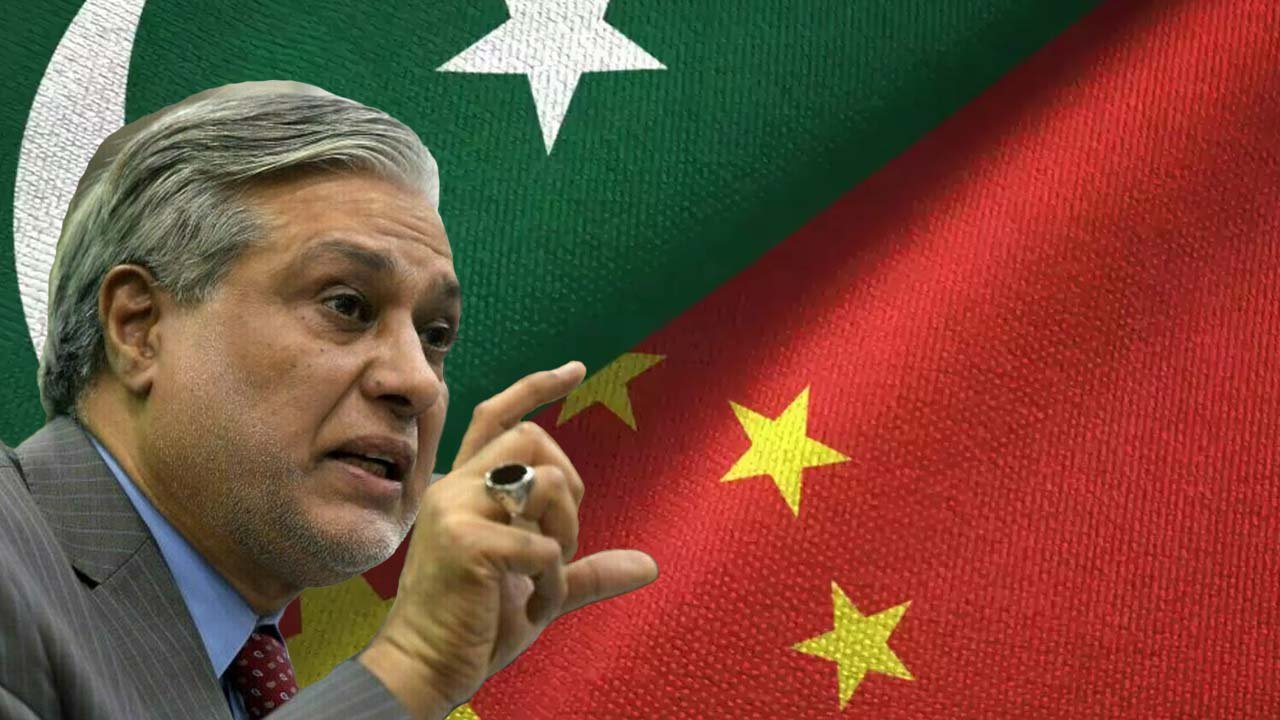
    China has given approval for the rollover of $2 billion State Administration of Foreign Exchange (SAFE) deposits for a year. Pakistan’s Finance Minister, Ishaq Dar, confirmed, stating that the rollover was a requirement of the International Monetary Fund (IMF).

    The IMF had requested the rollover of Chinese SAFE deposits to fulfill external financing needs and move towards a staff-level agreement. The agreement involves filling nine tables under the Memorandum of Economic and Financial Policies (MEFP), including a table related to the Net International Reserves (NIR) as an indicative target.

    This target cannot be met without incorporating the external financing needs of the program period until the end of June 2023. The IMF has asked Pakistan to bridge the gap of $6 billion to ensure its credibility and avoid default. This condition was put forth largely because representatives of Gulf countries on the Executive Board had made commitments before the approval of the seventh and eighth reviews for providing financial assistance to Islamabad in various forms.

    Now, the IMF is seeking the support of Saudi Arabia, the UAE, and Qatar to help Pakistan’s struggling economy. The Fund has warned Islamabad that its credibility would be at stake if the staff-level agreement is finalised, and Pakistan fails to materialize its commitment from the bilateral partners, which could lead to default.

    The IMF is investigating why Pakistan’s bilateral partners are not fulfilling their earlier commitments. China is the only country that has come forward to rescue Islamabad by fulfilling its commitments on the re-financing of its commercial loans as well as the rollover of its SAFE deposits.

  • Army chief reaches out to Saudi, UAE authorities to discuss IMF programme

    Army chief reaches out to Saudi, UAE authorities to discuss IMF programme

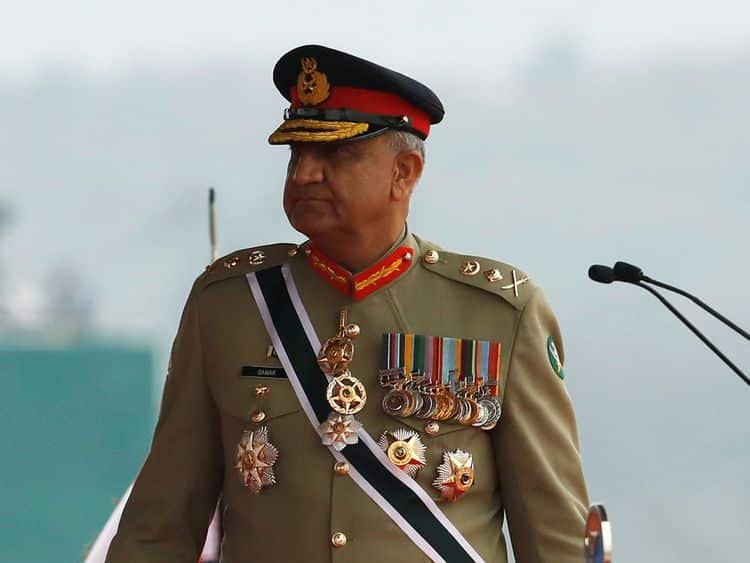
    Chief of Army Staff (COAS) General Qamar Javed Bajwa has spoken with the rulers of two Gulf countries — the Kingdom of Saudi Arabia (KSA), and the United Arab Emirates (UAE) — to discuss the International Monetary Fund (IMF) programme.

    According to media reports, the extended fund facility worth $1.2 billion with the IMF was discussed with the Gulf countries, including the upcoming executive board meeting of the IMF, which is expected to ratify the loan programmme.

    It is pertinent to mention that the loan programme reportedly came under discussion and a positive development is expected for Pakistan soon.

    The development has taken place a week after the COAS was reported to have reached out to US Deputy Secretary of State Wendy Sherman over resuming the programme with IMF. He appealed to the US to help Pakistan secure an early dispersal of $1.2 billion in funds.

  • IK sold three watches to local dealer gifted to him as PM for Rs37 million

    IK sold three watches to local dealer gifted to him as PM for Rs37 million

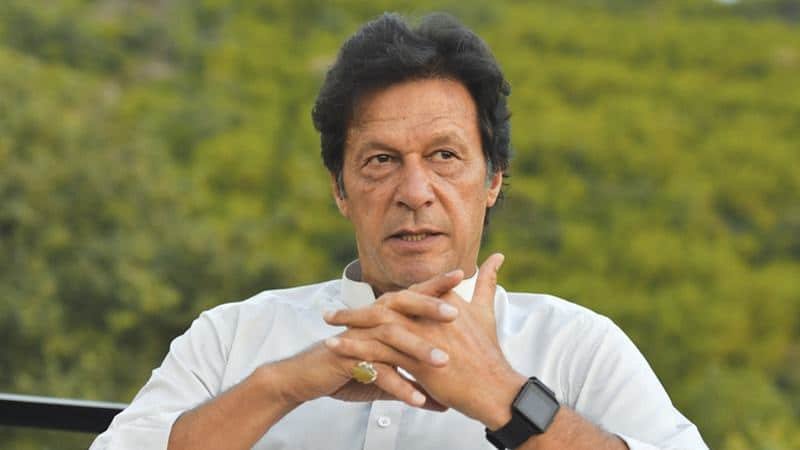
    Pakistan Tehreek-e-Insaf (PTI) Chairman Imran Khan reportedly sold three luxury watches worth more than Rs154 million to a local watch dealer in Islamabad. The watches were gifted to him by visiting dignitaries from Gulf countries when he was Prime Minister (PM), reports The News.

    By selling these watches, Khan earned a whopping amount of Rs37million. According to the news report, instead of buying these watches from Toshakhana with his own money, Khan first sold the watches and then deposited 20 per cent of each in the government treasury.

    It has been revealed that these gifts were never deposited in Toshakhana. These watches were supposed to be submitted to Toshakhana as per the laws that restrict any head of the state to possess the gifts they receive from officials of other countries.

    The most expensive watch among these three was assessed at Rs101 million. However, Khan had declared he sold it for Rs51 million and deposited the 20 per cent of its sales money, which is Rs20 million, in the government treasury, thus earning a whopping Rs31 million. The watch was sold on January 22, 2019.

    By selling a Rolex Platinum watch gifted by a member of a royal family from a Gulf island, Khan almost earned Rs4.5 million profit in November 2018, two months after it was gifted to him.

    Another Rolex watch gifted by a dignitary from the same Gulf island was sold by the former PM. This time Khan made Rs1.5 million profit from this deal.

    It is pertinent to mention that these watches are in addition to the ones reported earlier in the media.

    In April, PM Shehbaz Sharif revealed that Khan took gifts worth Rs140 million from Toshakhana and sold them in Dubai.

    Earlier, responding to the Toshakana controversy, Khan had said they were his gifts, so it was his choice whether to keep them or not.

  • 28 passengers on one flight test positive for coronavirus

    Twenty-eight passengers, coming from Bahrain to Peshawar, tested positive for coronavirus at the Bacha Khan International Airport on Tuesday. 

    The airport’s Chief Operating Officer (COO) Obaid-ur-Rehman Abbasi said rapid antigen tests were conducted on 130 passengers who arrived at the airport from Bahrain. 

    “The passengers who tested positive for the virus have been handed over to the district administration,” he said, adding that various areas of the airport had also been disinfected after the development.

    A week earlier, the CAA had noted, “with grave concern”, that passengers arriving in Pakistan from mostly Gulf countries, were testing positive for coronavirus.

    “Upon conducting an investigation into the issue, it has been found that passengers travelled to Pakistan using fake PCR negative test results and endangered not only passengers travelling with them, but also undermined the intense efforts being made at the national level to curb the spread of Covid-19,” said the authority, in a notification that was released on May 10. 

    “The onus of contributing towards this national cause does not fall on the authority alone but is a responsibility that has to be shared by all concerned stakeholders including airline operators,” the notification stated.

    The development is a worrying one as Pakistan, like many countries around the world, continues to struggle with the third wave of the coronavirus pandemic.

    The current positive cases in the country stand at 882,928 with a positivity rate of 8.2%.

  • Pakistan witnesses increase in remittances inflow: Moody’s

    Pakistan has witnessed an increase in remittances — money transferred back home by expats — inflows in recent years, a recent report by Moody’s — America’s biggest business and financial services company — has revealed.

    While an increase in remittances is good for any country’s household finances, according to the World Bank (WB), Pakistan is the seventh-largest recipient of remittances globally.

    READ: Pakistan’s first manmade island to be built in Gwadar at a cost of $10 billion

    This inflow reached $21 billion, or 6.8% of the country’s GDP in 2018-19.

    During fiscal years 2012-19, remittances grew by 9%. Majority of inflows coming from Gulf Cooperation Council countries added up to make 54% of total remittances in 2019, while the United States (US), the United Kingdom (UK) and Malaysia stood at 16%, 16% and 7%, respectively.

    READ: Reporter, who ‘exposed’ Bilawal’s train march, ‘murdered’

    Such growth benefits Pakistani banks by providing a stable and low-cost deposit base (the deposit that could be used for long-term lending).

    Moody’s expects further growth in remittances because of Pakistani authorities’ focus on remittances and digitisation, which will further reduce the cost of repatriating funds.