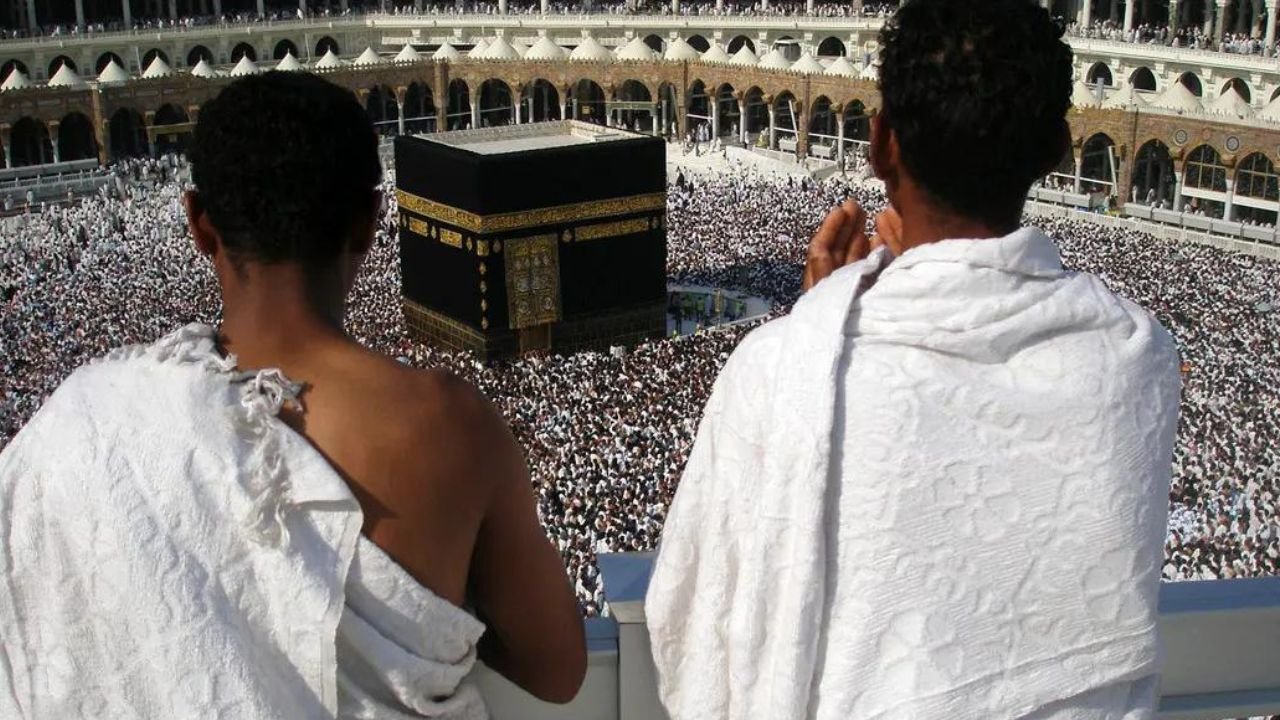
Tag: Hajj Package

  • Hajjis to get mobile sims and free internet

    Hajjis to get mobile sims and free internet

    Caretaker Minister for Religious Affairs and Inter-faith Harmony Aneeq Ahmed has said that the government will provide free-of-cost mobile SIMs with roaming internet packages for pilgrims, on Tuesday.

    He further stated that female abayas having a Pakistani flag on the backside and 13 Kg suitcases will also be provided to pilgrims performing hajj this year.

    The minister said that it was a historic step that the caretaker government has declared a significant reduction of one lac in government Hajj expenses, adding that a further Rs50,000 will also be reduced in the coming few days after which Hajjaj will get back their money in their accounts.

    He further revealed that a new mobile application has been designed to assist pilgrims, which will provide navigation support and enable constant communication between pilgrims and relevant officials.

    Initially available in English and Urdu, the application will later incorporate various regional languages, he said, adding that, the app will also provide digital training programs to every pilgrim.

    The minister also disclosed a project that the Ministry of Hajj in collaboration with the Ministry of Education has planned to convert city mosques into schools to enroll out-of-school children where the Imam of mosques will play a leading role.

    Minister said that mosques will play their role as community centers in every city area, adding that imams will resolve community issues as well after offering prayers.

    He said that the Ministry of Hajj is taking all four provinces on board and enhancing the connectivity of mosques.

    While describing another project, minister for religious affairs said that his ministry with the collaboration of health ministry has another project in which medical clinics will also be part of mosques.

    Lady health workers and other essential staff of doctors will also be provided in all masajid where they will facilitate to citizens visiting inside the masque of areas, he added.
  • Pakistani Hajjis to get special perks to make pilgrimage easier

    The Ministry of Religious Affairs has unveiled its Hajj policy for 2024, designed to bring a revolutionary transformation to the pilgrimage journey for Pakistani pilgrims.

    Caretaker Religious Affairs Minister Aneeq Ahmed announced this game-changing policy, which will be presented to the cabinet for approval within the next 10 days.

    The most striking feature is the introduction of a short Hajj option, where pilgrims have the flexibility to go for Hajj from 18 to 30 days, which empowers pilgrims to customise their journey as per their preference.

    QR codes for suitcases

    The new policy also introduces technological advances in which each Hajj pilgrim will be provided with two specially designed suitcases adorned with QR codes. These QR codes will contain essential information such as the pilgrim’s name, passport number, residence, school number, and other pertinent details. This innovation aims to streamline logistics and enhance security during the pilgrimage.

    Special Mobile Package

    In a significant step towards connectivity, the ministry has secured an agreement with a Saudi Arabian mobile phone company to offer a special mobile package exclusively for Hajj pilgrims. Priced at Rs 4,000, it enables pilgrims to make audio and video calls, ensuring they can stay in touch with their families back in Pakistan throughout their Hajj journey.

    Minister Aneeq Ahmed expressed his optimism about these advancements, stating, “Now Pakistani pilgrims will not be lost in the crowd. These changes are designed to simplify the Hajj experience, enhance communication, and provide pilgrims with peace of mind.”

    Additionally, the Saudi government has offered official residences for Pakistani pilgrims, further easing their accommodations during their sacred journey.

  • Saudi Arabia will host pre-pandemic numbers of Hajj pilgrims in 2023

    The number of people participating in this year’s Hajj will return to pre-pandemic levels, Saudi Arabia’s ministry of Hajj has announced in a tweet

    About 2.5 million pilgrims participated in the religious journey in 2019. To stop the spread of COVID-19 , numbers were significantly reduced for the following two years.

    Prior to reopening its doors to one million international pilgrims in 2022, the kingdom only permitted small numbers of its citizens to perform Hajj in 2020 and 2021.

    In 2022, nearly 900,000 pilgrims, including some 780,000 from abroad, were welcomed in the Kingdom.

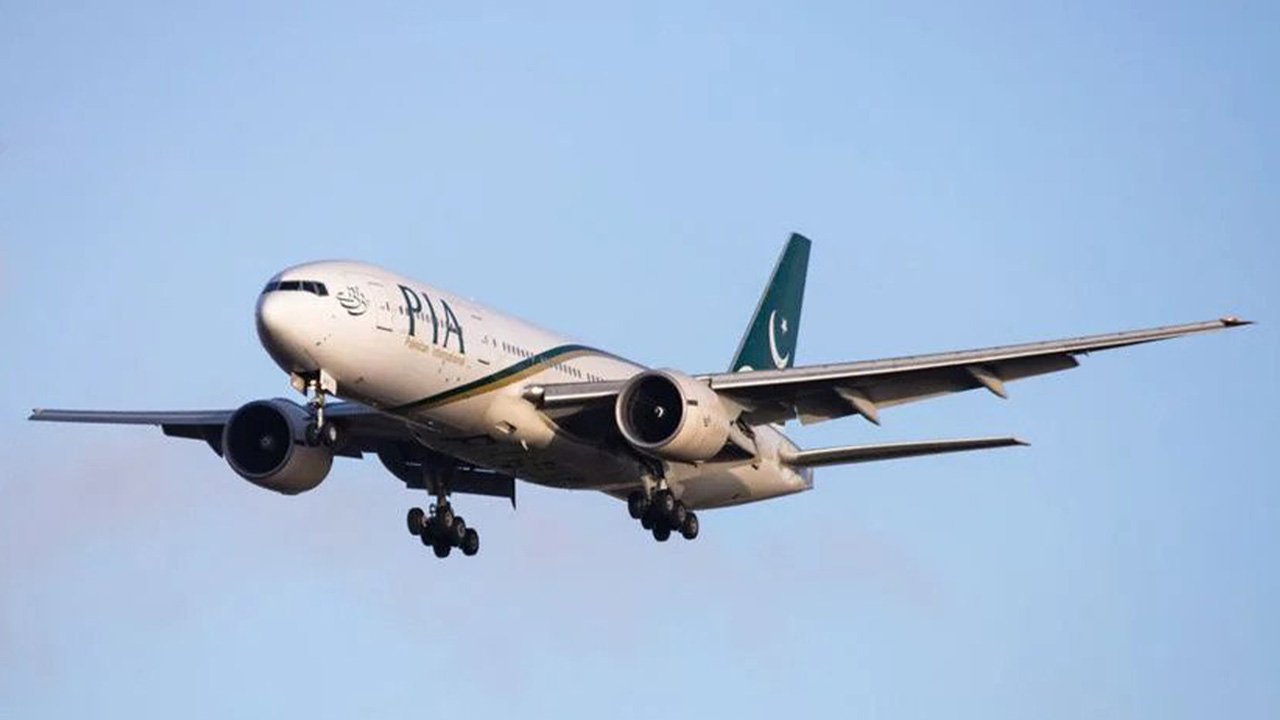
  • PIA will now charge private Hajj pilgrims in dollars

    PIA will now charge private Hajj pilgrims in dollars

    For the first time in its history, the Pakistan International Airlines (PIA) would charge Hajj pilgrims flying on a private programme in US dollars.

    Airfares for pilgrims from the Southern and Northern regions are expected to stay in the $810 to $1,100 and $860 to $1,150 ranges, respectively.

    As tickets are also purchased abroad, the airline stated that fares in dollars would minimise the disparity. The PIA, on the other hand, would charge a fixed fee of Rs181,000 for return tickets for pilgrims travelling under the government scheme.

    During the Hajj season, the airline expects to transport roughly 14,000 government-sponsored pilgrims and around 16,000 private pilgrims. Pakistan has an 81,000 pilgrim quota, with the government typically taking 60 per cent of the quota and allocating the rest to private operators.

    According to sources, the government has received few applications this year and would only accept 37,000 pilgrims through the official plan, with the remainder of the quota going to private operators.

    Flights from Pakistan to Madinah and Jeddah for the Hajj were originally scheduled to run from May 31 to July 3. The Hajj has been postponed for a week because the government has yet to announce its Hajj strategy. From July 14 to August 13, the post-Hajj surgery would take place.

    The strength of people who go through government programmes or commercial operators is determined by the government’s Hajj strategy. It also establishes pilgrim quotas for airlines and private Hajj operators from each city.