Tag: Hamas

  • Iran vows to punish Israel for deadly strike on embassy compound

    Iran vows to punish Israel for deadly strike on embassy compound

    Tehran (AFP) – Iran warned arch foe Israel on Tuesday that it will punish an air strike that killed seven Revolutionary Guards, two of them generals, at its consular annex in Damascus.

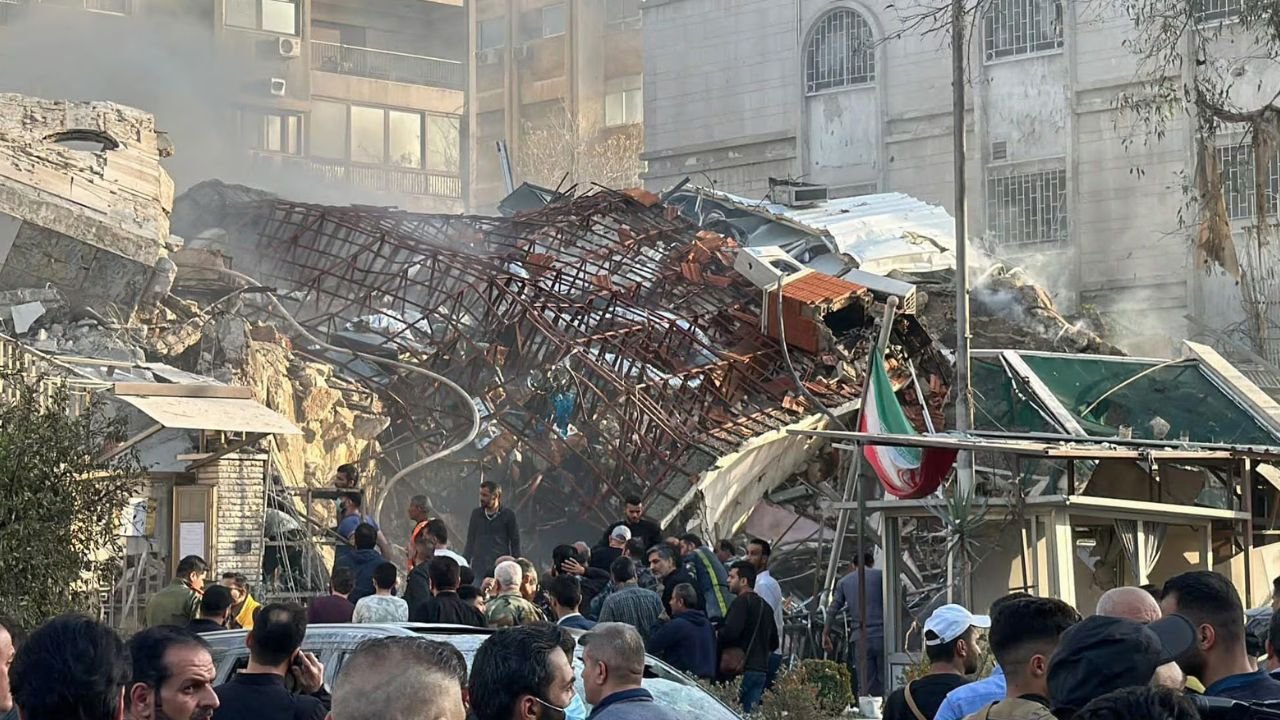
    Four other people were also reported killed in Monday’s strike which levelled the five-storey building adjacent to the Iranian embassy and further stoked tensions already running high as the Gaza war nears the end of its sixth month.

    Israel declined to comment on the strike, which fuelled Middle East tensions.

    Iran’s supreme leader Ayatollah Ali Khamenei vowed that Israel would be punished.

    “The evil Zionist regime will be punished at the hands of our brave men. We will make them regret this crime and the other ones,” Khamenei said in a message published on his official website.

    President Ebrahim Raisi condemned the attack as a “clear violation of international regulations” which “will not go unanswered”.

    “After repeated defeats and failures against the faith and will of the Resistance Front fighters, the Zionist regime has put blind assassinations on its agenda in the struggle to save itself,” Raisi said on his office’s website.

    The UN Security Council is to discuss the strike later Tuesday at a meeting requested by Syrian ally Russia.

    The strike on the annex killed seven Revolutionary Guards, including two commanders of its Quds Force foreign operations arm, Brigadier Generals Mohammad Reza Zahedi and Mohammad Hadi Haji Rahimi, Iranian offiials said.

    Zahedi, 63, had held a succession of commands in the force in a Guards career spanning more than four decades.

    A Britain-based monitor of the more than decade-old conflict in Syria, the Syrian Observatory for Human Rights said the strike killed “eight Iranians, two Syrians and one Lebanese — all of them fighters.”

    Iran’s ambassador to Syria, Hossein Akbari, told Iranian state TV that the attack “was carried out by F-35 fighter jets” which fired six missiles at the building.

    Only the gate of the building was left standing after the attack, with a sign reading “the consular section of the embassy of Iran”.

    Windows were shattered within a 500-metre (550 yard) radius and many parked cars were damaged by the blast.

    The adjacent facade of the Iranian embassy is decorated with a large portrait of Qasem Soleimani, a longtime Quds Force chief who was killed in a US drone strike just outside Baghdad airport in January 2020.

    ‘Important message to US’

    Iran’s foreign minister said Israel’s main backer the United States also bore responsibility for the strike, even though an unidentified US official quoted by Axios insisted Washington “had no involvement” or advanced knowledge of it.

    Amir-Abdollahian said on X that the ministry had summoned a diplomat from the Swiss embassy, which looks after US interests in Iran, to hear its protest.

    “An important message was sent to the American government as the supporter of the Zionist regime. America must be held accountable,” he said in the post.

    Iran’s allies around the region and beyond voiced support for its position.

    “China condemns the attack,” foreign ministry spokesperson Wang Wenbin said, adding “the security of diplomatic institutions cannot be violated, and Syria’s sovereignty, independence and territorial integrity should be respected”.

    The Iraqi foreign ministry condemned the attack as a “flagrant violation of international law” and warned of “more chaos and instability” in the region.

    Lebanon’s Iran-backed Hezbollah group warned Israel would pay for killing Guards commanders. “This crime will not pass without the enemy receiving punishment and revenge,” Hezbollah said in a statement.

    Russia blamed the Israeli air force for the “unacceptable attack against the Iranian consular mission in Syria”.

    Palestinian group Hamas condemned the strike, which it described as a “dangerous escalation”.

    Israeli genocide in Gaza has killed nearly 33,000 people in Gaza, mostly women and children, according to the territory’s health ministry.

    Iran-backed groups in Iraq, Lebanon, Syria, and Yemen have since carried out a series of attacks on Israeli and Western targets.
  • Israeli PM vows to ban Al Jazeera broadcasts

    Israeli PM vows to ban Al Jazeera broadcasts

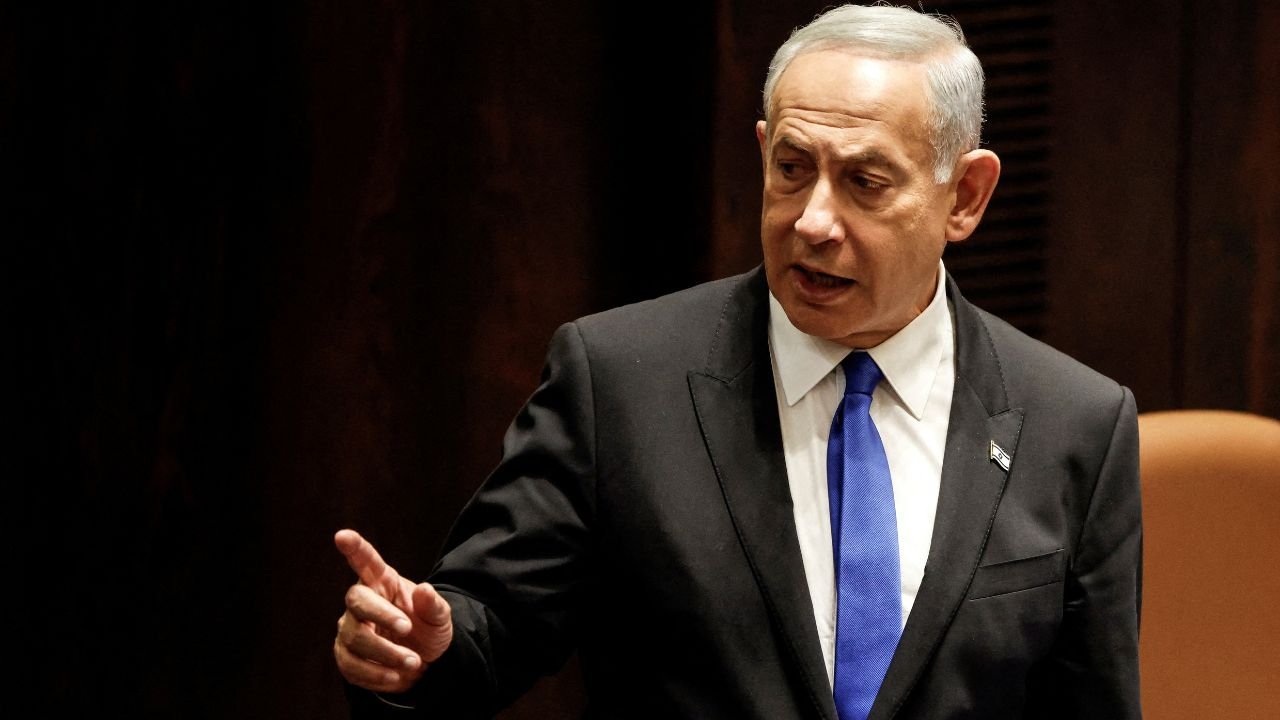
    Israeli Prime Minister Benjamin Netanyahu pledged Monday to use a fresh national security law passed by parliament to ban news channel Al Jazeera from broadcasting in the country.

    The law, passed on Monday by 70 votes to 10, grants top ministers the power to ban broadcasts by foreign channels deemed a national security threat and to shut their offices.

    Netanyahu was quick to single out Qatar-based channel Al Jazeera, with which his government has a long-running feud that predates Israeli genocide in Gaza.

    “The terrorist channel Al Jazeera will no longer broadcast from Israel. I intend to act immediately in accordance with the new law to stop the channel’s activities,” Netanyahu said on X, formerly Twitter.

    The broadcaster slammed the ban as “part of a series of systematic Israeli attacks to silence Al Jazeera”, including the killing of one of its most prominent journalists in the region while covering an Israeli raid in May 2022.

    In a statement, the network said Netanyahu had launched a “frantic” and “disgraceful” campaign of accusations against the network, vowing to continue its “bold” coverage of the war.

    Two network correspondents have been killed during the conflict and the broadcaster’s office in the besieged Palestinian territory has been bombed.

    The New York-based Committee to Protect Journalists said the law “contributes to a climate of self-censorship and hostility toward the press, a trend that has escalated since the Israel-Gaza war began”.

    At least 95 journalists and media workers have been killed since the war began after an unprecedented attack by Hamas on October 7, according to the group, marking “the deadliest period for journalists since CPJ began gathering data in 1992”.

    In January, Israel said an Al Jazeera staff journalist and a freelancer killed in an air strike in Gaza were “terror operatives”.

    The following month, it accused another journalist with the channel who was wounded in a separate strike of being a “deputy company commander” with Hamas.

    Al Jazeera has fiercely denied Israel’s allegations and accused it of systematically targeting Al Jazeera employees in the Gaza Strip.

    Hamas said in a statement that the ban showed that Israel “desperately seeks to obscure the truth of its heinous crimes”.

    White House spokeswoman Karine Jean-Pierre said “if it is true, a move like this is concerning”.

    Broadcasting in both English and Arabic, Al Jazeera bills itself as the “first independent news channel in the Arab world”.

    Launched in Doha in 1996, the network says it has more than 70 bureaus around the globe, with 3,000 employees and an audience in 430 million homes.

    Qatar, which funds Al Jazeera, also serves as a base for Hamas leader Ismail Haniyeh.

    Tensions between Israel and Al Jazeera have only grown since the latest Israel-Hamas conflict erupted on October 7.

    Al Jazeera’s bureau chief in Gaza, Wael al-Dahdouh, was wounded in an Israeli strike in December that killed the network’s cameraman.

    His wife, two of their children and a grandson were killed in the October bombardment of central Gaza’s Nuseirat refugee camp.

    His eldest son was the Al Jazeera staff journalist killed in January when a strike targeted a car in Rafah.

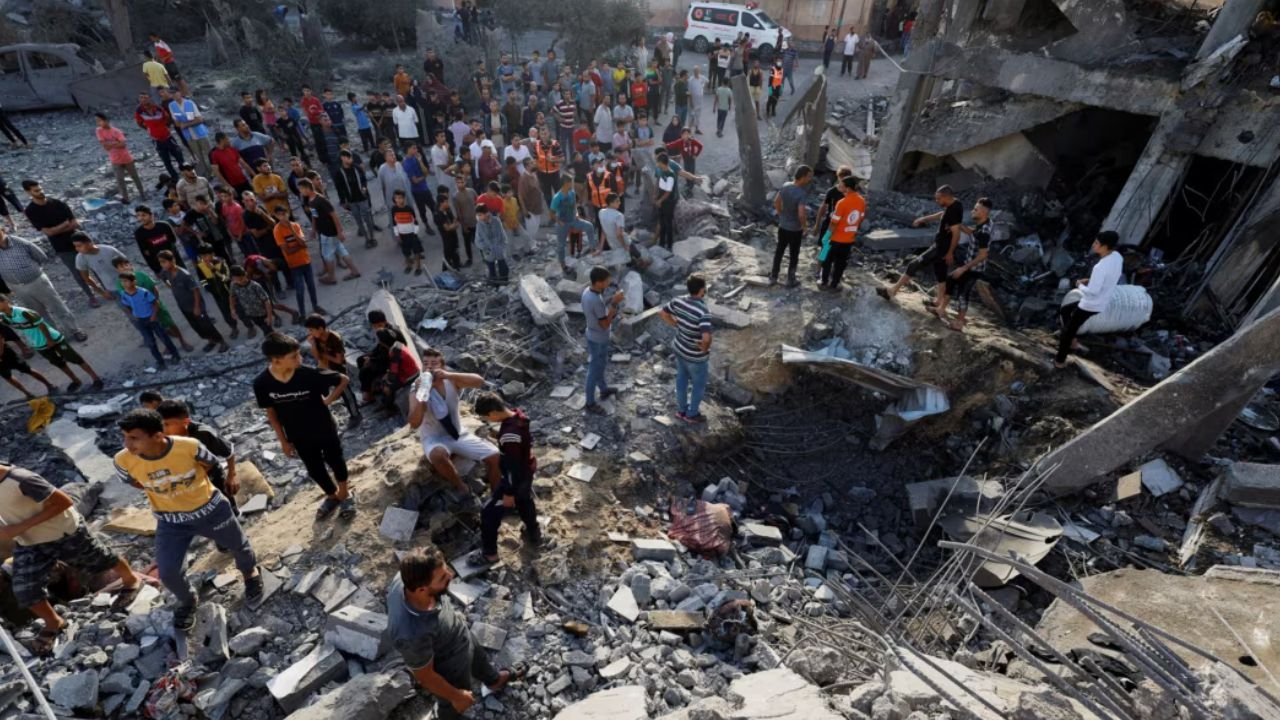
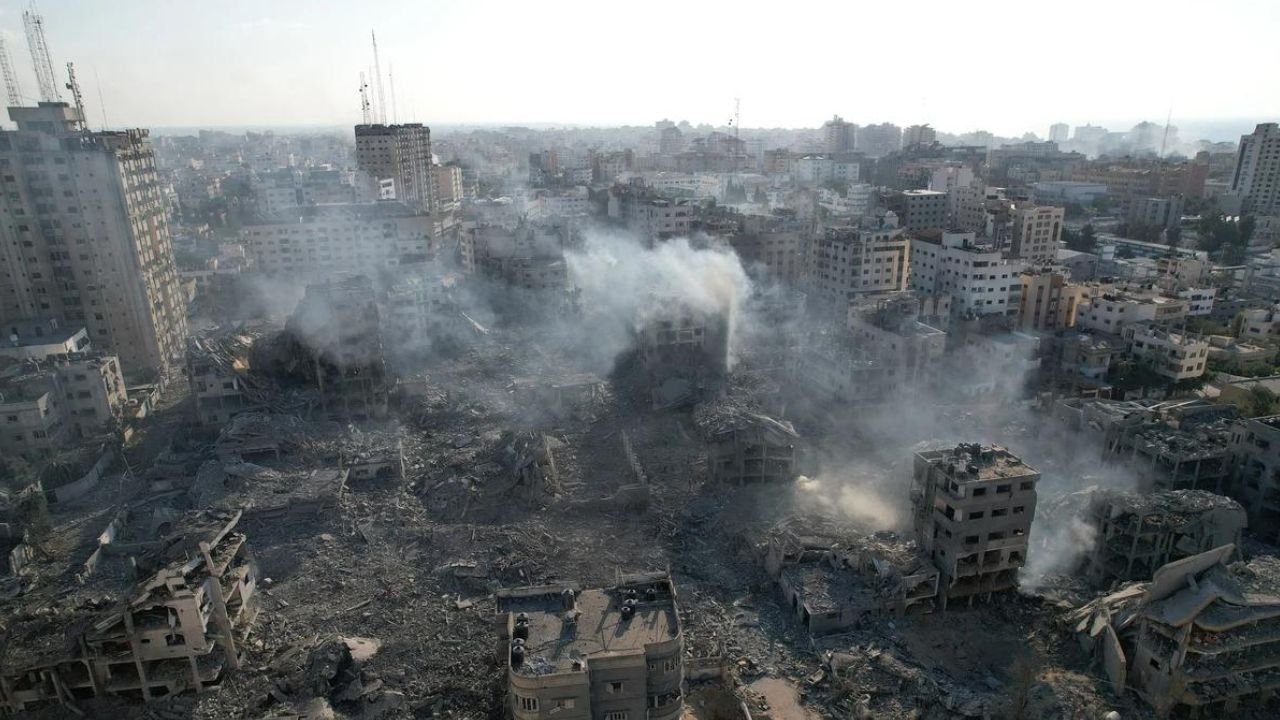
    Israel has launched a relentless air and ground campaign after October 7 that has reduced much of Gaza to rubble and killed at least 32,845 people, mostly women and children, according to the Gaza health ministry.

  • NGO World Central Kitchen says seven of its workers killed in Israeli strike in Gaza

    NGO World Central Kitchen says seven of its workers killed in Israeli strike in Gaza

    An Israeli strike killed several people working for US-based charity World Central Kitchen in the Gaza Strip on Monday, according to the organization’s founder.

    World Central Kitchen “lost several of our sisters and brothers in an IDF air strike in Gaza. I am heartbroken and grieving for their families and friends and our whole WCK family,” chef Jose Andres posted on social media site X.

    Earlier, the Gaza health ministry had said the bodies of four foreign aid workers and their Palestinian driver were brought to the hospital in the central town of Deir el-Balah after an Israeli strike targeted their vehicle.

    Hamas said in a statement that the aid workers included “British, Australian and Polish nationalities, with the fourth nationality not known”, and that the fifth person killed was a Palestinian driver and translator.

    US National Security Council spokesperson Adrienne Watson said the White House was “heartbroken and deeply troubled by the strike.”

    “Humanitarian aid workers must be protected as they deliver aid that is desperately needed, and we urge Israel to swiftly investigate what happened,” she wrote on X.

    The Israeli military said in a statement that it was “conducting a thorough review at the highest levels to understand the circumstances of this tragic incident”, adding that it had been “working closely with WCK” in the effort to provide aid to Palestinians.

    At the Al-Aqsa Hospital in Deir el-Balah, an AFP correspondent saw five bodies with three foreign passports lying nearby.

    Australian Prime Minister Anthony Albanese on Tuesday confirmed one of the killed aid workers was Australian national Zomi Frankcom.

    “This is completely unacceptable. Australia expects full accountability for the deaths of aid workers,” Albanese said

    World Central Kitchen has been involved in delivering the aid arriving by boat from Cyprus, and in the construction of a temporary jetty in Gaza.

    Gaza has been under a near-complete blockade since October 7, with the United Nations accusing Israel of preventing deliveries of humanitarian assistance urgently needed by all 2.4 million Palestinians.

    UN agencies have warned repeatedly that northern Gaza is on the verge of famine, calling the situation a man-made crisis because aid lorries are backed up on the Egypt-Gaza border awaiting long checks by Israeli officials. Israel has denied responsibility.

    Israeli genocide in Gaza has killed at least 32,845 people, mostly women and children, according to the health ministry in Gaza.

  • Israel pulls out of Al-Shifa hospital after killing civilians, destroying buildings

    Israel pulls out of Al-Shifa hospital after killing civilians, destroying buildings

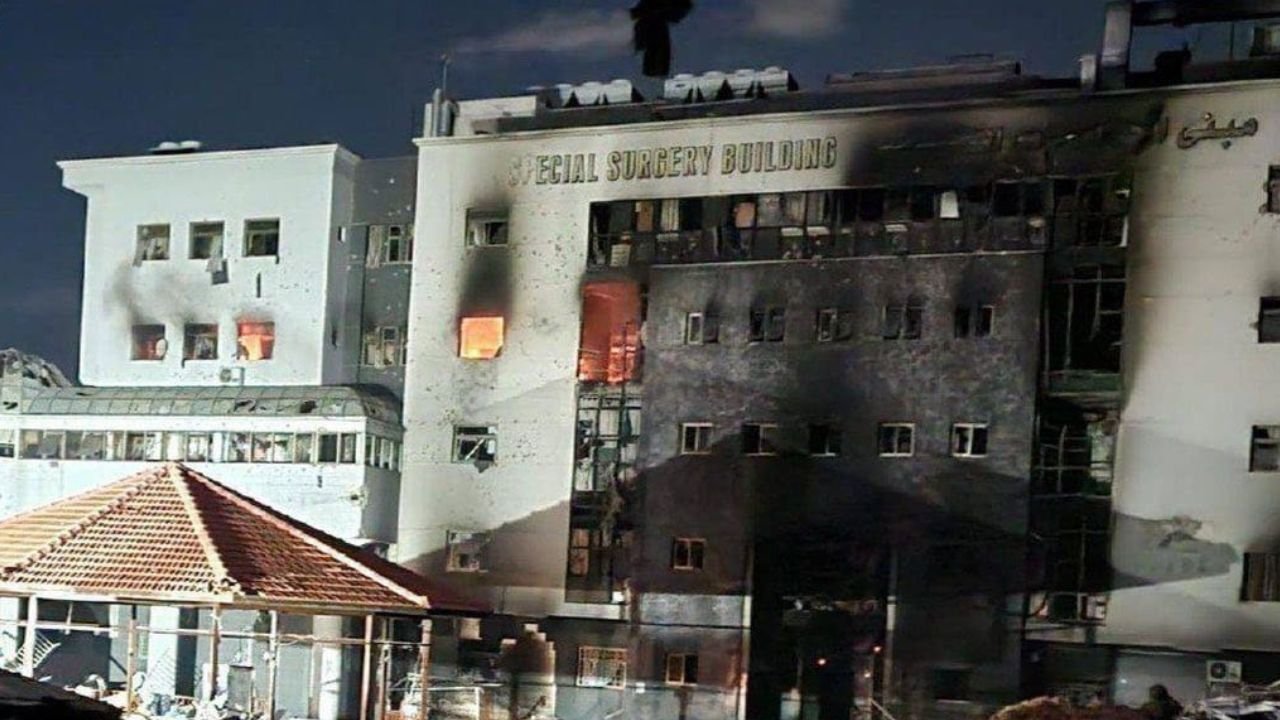
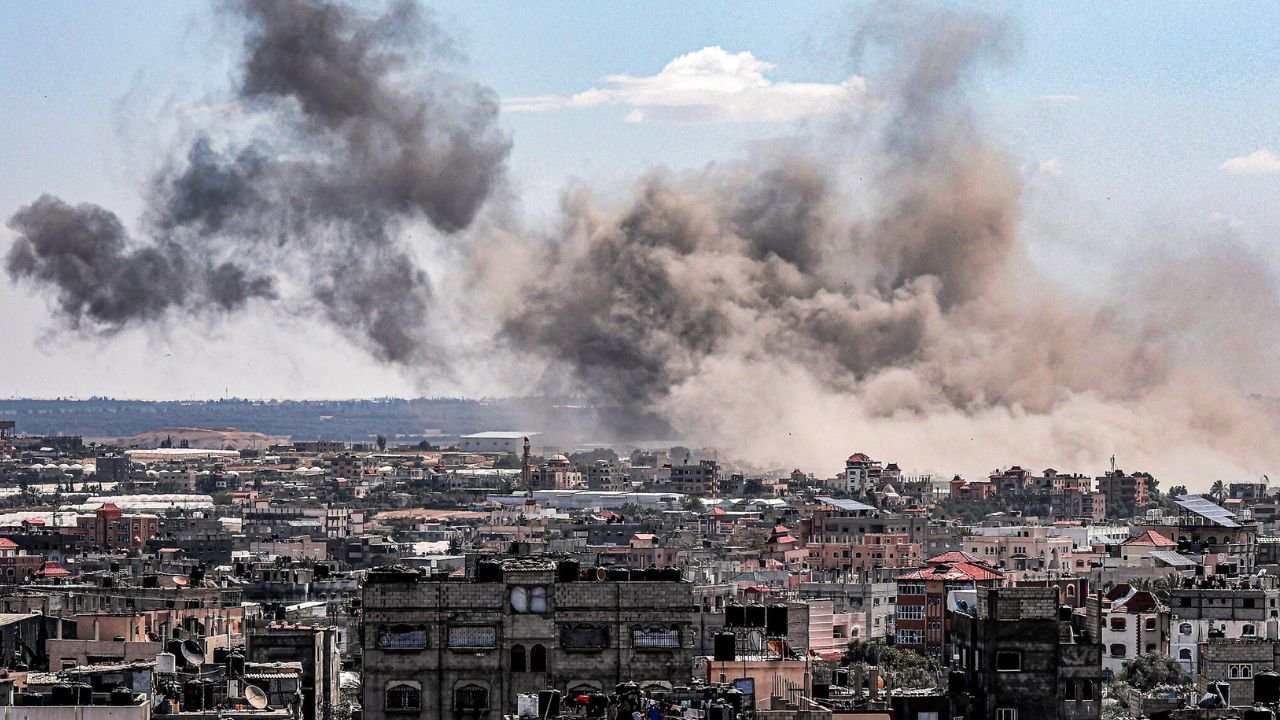
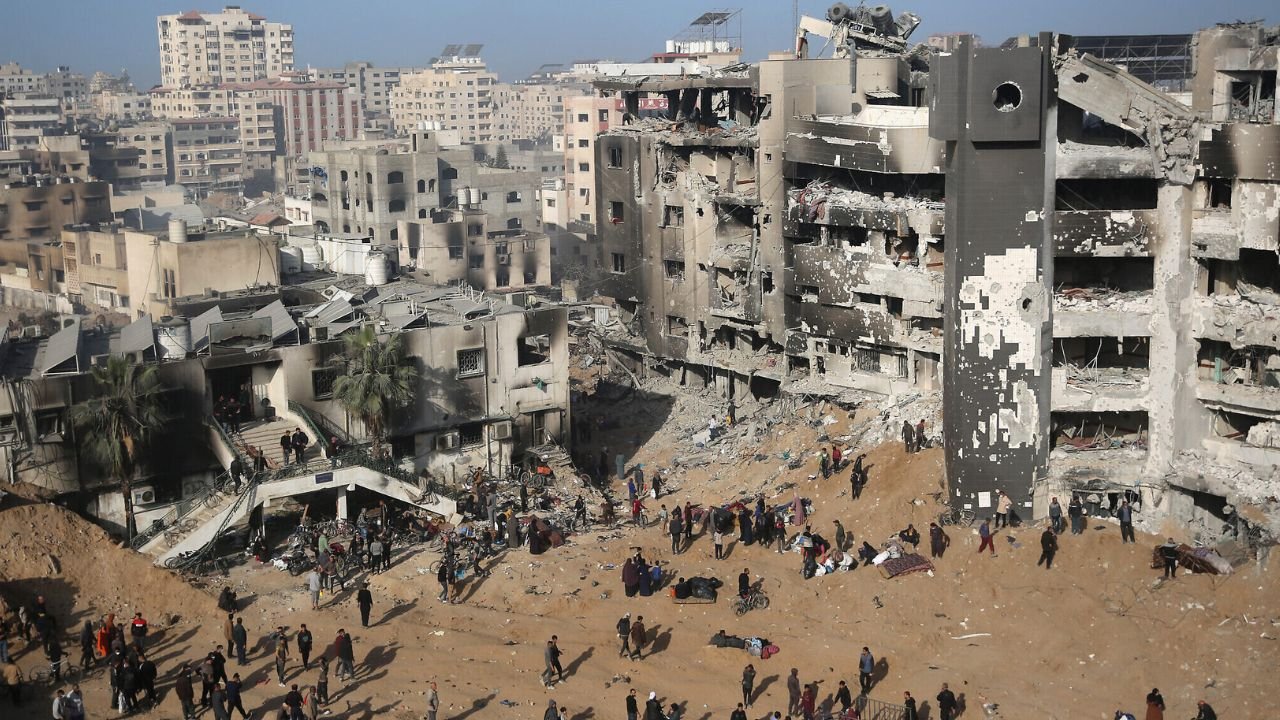
    Israeli forces on Monday pulled out of Gaza’s largest hospital complex after an intensive two-week military operation, leaving behind charred buildings and bodies strewn at the sprawling complex.

    Israel said it had battled Palestinian militants hiding inside Gaza City’s Al-Shifa Hospital, killed at least 200 fighters and recovered large stockpiles of weapons, explosives and cash.

    The health ministry in Gaza said that, after heavy Israeli air strikes and tank fire, “the scale of the destruction inside the complex and the buildings around it is very large”.

    “Dozens of bodies, some of them decomposed, have been recovered from in and around the Al-Shifa medical complex,” the ministry said, adding that the hospital was now “completely out of service”.

    A doctor told AFP more than 20 bodies had been recovered, some crushed by withdrawing vehicles.

    Israeli attacks have also flared around other Gaza hospitals almost six months since October 7 attacks which have destroyed swathes of the besieged coastal territory.

    The Hamas government press office said the army had blown up more than 20 houses within 24 hours in the main southern city of Khan Yunis, where battles have raged around the Nasser and Al-Amal hospitals.

    Israel destroys hospital

    Over the past two weeks, the Israeli army carried out what it labelled “precise operational activity” at the Al-Shifa complex, before declaring on Monday that the forces had withdrawn.

    The scene left behind was one of devastation, with windows blown out, concrete walls blackened and volunteers carrying away shrouded corpses across the sandy wasteland.

    Dozens of air strikes and shelling had hit the area around the complex in the morning, in heavy fire which the Hamas government media office said served to provide cover for the withdrawing troops and tanks.

    The army has in recent days released footage of its fighters moving through the hospital’s corridors, and pictures of large numbers of assault rifles, grenades and other weapons it said were recovered from the maternity ward.

    The military has said 200 Hamas fighters were killed in fighting in and around Al-Shifa.

    Hamas has denied operating from Al-Shifa and other health facilities.

    An Israeli strike also hit “a tent camp” inside central Gaza’s Al-Aqsa hospital compound, killing four people, said World Health Organization chief Tedros Adhanom Ghebreyesus on social media platform X.

  • No change in Gaza since UN ceasefire vote: MSF

    No change in Gaza since UN ceasefire vote: MSF

    The MSF medical charity lamented Thursday that nothing had changed on the ground in genocide ravaged Gaza since the United Nations Security Council resolution this week demanding an “immediate ceasefire”.

    After more than five months of war, the UN Security Council for the first time Monday demanded an immediate ceasefire in Gaza after Israel’s ally the United States, which vetoed previous drafts, abstained.

    That resolution demanded an “immediate ceasefire” for the ongoing Muslim holy month of Ramadan, leading to a “lasting” truce.

    But since then, “we haven’t seen any change after this resolution on the ground,” Christos Christou, MSF’s international president, told AFP in an interview.

    “We haven’t seen any impact in… people’s lives there every day; we haven’t seen an impact in our world, (and the) ways of delivering the humanitarian aid,” he said.

    “The situation remains the same.”

    And Christou stressed that MSF’s demands also remained unchanged.

    What was needed, he said, was an immediate and lasting ceasefire, a halt to all attacks on medical installations and personnel, and “unhindered humanitarian aid in Gaza”.

    For now, he acknowledged that “our efforts are just a little drop in the ocean of needs”.

    MSF still has local and international staff working in the few hospitals that are still functioning in Gaza.

    The organisation is among other things working to care for women after they undergo a caesarian section.

    He pointed out that in many cases, women who gave birth via a caesarian section were “literally kicked out of the hospital after a couple of hours because there were no beds”.

    “MSF has increased the capacity of beds in order to offer at least some quality of care to these women,” he said.

    Israel’s intensified attacks have killed at least 32,552 people, mostly women and children, according to the health ministry in Gaza.

    Christou said MSF was “extremely worried” about Israeli plans to push its ground offensive into Rafah, Gaza’s southernmost city which is packed with some 1.5 million people, many of them displaced from other parts of the territory.

    “This would be really catastrophic.”

  • Teens in Gaza hoping to be killed to end their ‘nightmare’: UN

    Teens in Gaza hoping to be killed to end their ‘nightmare’: UN

    The situation in genocide-ravaged Gaza is so desperate that teenagers are now saying they hope to be swiftly killed to escape the “nightmare”, a spokesman for the UN children’s agency said Tuesday.

    “The unspeakable is regularly said in Gaza,” said James Elder, spokesman for the United Nations children’s agency UNICEF.

    Speaking to journalists in Geneva via video message from Rafah in southern Gaza, he said the agency had on Monday held a meeting with adolescents.

    Several said they were “so desperate for this nightmare to end that they hoped to be killed”, he said.

    Israel’s intense attacks in Gaza have killed at least 32,333 people, most of them women and children, according to the health ministry.

    The UN has warned that Gaza is facing a looming famine, spurring increasingly urgent appeals for Israel to open up more border crossings and to stop hampering the movement of aid through the Palestinians territory.

    The Israelis “have a right to control. They inspect every single gram, litre, kilo of whatever goes into Gaza,” Jens Laerke, spokesman for the UN humanitarian agency, told reporters.

    “But they cannot say that once it’s inside, we leave it with you. They must create this enabling environment that allows us to move it around.”

    “We need to dispel this notion that their obligation with getting aid in somehow stops with getting a few trucks, a fraction of what is needed, across the border,” he said.

    “That is not correct.”

    Elder meanwhile pointed out that the Israelis had denied a quarter of the 40 mission requests to the north since the beginning of the month.

    “Now there is an existing old crossing point that could be used in the north 10 minutes from where those people are putting their hands to their mouth pleading for food,” he said, referring to the Erez Crossing.

    “10 minutes. Open that and we could turn this humanitarian crisis around in a matter of days. But it remains closed.”

    “Let’s be clear, life-saving aid is being obstructed, lives are being lost, dignity is being denied.”

  • Struggling for a can of food: starving Gazans scramble for aid drops

    Struggling for a can of food: starving Gazans scramble for aid drops

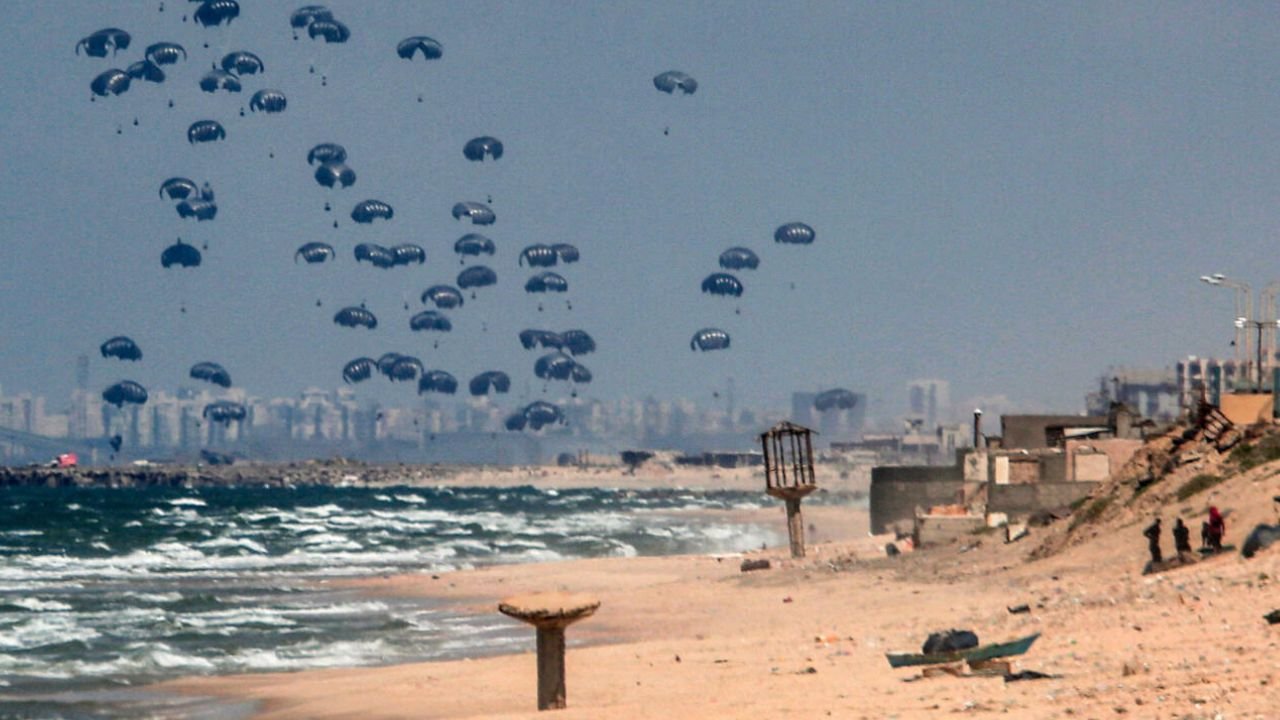
    A military plane banked over the war-ravaged ruins of Gaza City dropping dozens of black parachutes carrying food aid.

    On the ground, where almost no building within sight was still standing, hungry men and boys raced towards the beach where most of the aid seemed to have landed.

    Dozens of them jostled intensely to get to the food, with scrums forming up and down the rubble-strewn dunes.

    “People are dying just to get a can of tuna,” said Mohamad al-Sabaawi, carrying an almost empty bag on his shoulder, a young boy beside him.

    “The situation is tragic, as if we are in a famine. What can we do? They mock us by giving us a small can of tuna.”

    Aid groups say only a fraction of the supplies required to meet basic humanitarian needs have arrived in Gaza since October, while the UN has warned of famine in the north of the territory by May without urgent intervention.

    The aid entering the Gaza Strip by land is far below pre-war levels, at around 150 vehicles a day compared to at least 500 before the war, according to UNRWA, the UN agency for Palestinian refugees.

    With Gazans increasingly desperate, foreign governments have turned to airdrops, in particular in the hard-to-reach northern parts of the territory including Gaza City.

    The United States, France and Jordan are among several countries conducting airdrops to people living within the ruins of what was the besieged territory’s biggest city.

    But the aircrews themselves told AFP that the drops were insufficient.

    US Air Force Lieutenant Colonel Jeremy Anderson noted earlier this month that what they were able to deliver was only a “drop in the bucket” of what was needed.

    The air operation has also been marred by deaths. Five people on the ground were killed by one drop and 10 others injured after parachutes malfunctioned, according to a medic in Gaza.

    Calls have mounted for Israel to allow in more aid overland, while Israel has blamed the UN and UNRWA for not distributing aid in Gaza.

    “Palestinians in Gaza desperately need what has been promised — a flood of aid. Not trickles. Not drops,” UN chief Antonio Guterres said on Sunday after visiting Gaza’s southern border crossing with Egypt at Rafah.

    “Looking at Gaza, it almost appears that the four horsemen of war, famine, conquest and death are galloping across it,” he added.

    Israel has intensified its attacks in Gaza, killing at least 32,333 people, according to the health ministry in Gaza.

    Returning home in Gaza City with little to keep his family going, another Palestinian man said their situation was miserable.

    “We are the people of Gaza, waiting for aid drops, willing to die to get a can of beans — which we then share among 18 people,” he said.

  • No let-up in genocide in Gaza despite UN ceasefire resolution

    No let-up in genocide in Gaza despite UN ceasefire resolution

    Palestinian Territories – Israeli attacked Gaza on Tuesday, with no sign of a let-up in the war despite a UN Security Council resolution demanding an “immediate ceasefire”.

    The resolution was adopted on Monday after Israel’s closest ally the United States abstained amid growing concern for the worsening humanitarian situation after nearly six months of war.

    The text demands an “immediate ceasefire” for the ongoing Muslim holy month of Ramadan, leading to a “lasting” truce.

    It also demands that Hamas and other militants free hostages they took during the unprecedented October 7 attacks on Israel, though it does not directly link the release to a truce.

    In Gaza, there was intense fighting overnight, with Israeli operations in and around at least three major hospitals in the besieged territory.

    The Israeli military said its jets had struck more than 60 targets in Gaza in the past day, including tunnels, infrastructure and military structures “in which armed terrorists were identified”.

    The health ministry in the territory said 70 people were killed early Tuesday, 13 of them in Israeli air strikes around the southern city of Rafah.

    The Israeli military said air raid sirens sounded in areas near the Gaza border.

    The Security Council resolution was the first since the Gaza war erupted to demand an immediate halt in the fighting.

    After the vote, UN chief Antonio Guterres led calls for the resolution to be implemented. “Failure would be unforgivable,” he said on social media platform X.

    Israel reacted furiously to the US abstention, while Washington insisted that it did not mark a shift in policy, although it has taken a tougher line with Israel in recent weeks.

    The United States had previously vetoed successive draft resolutions calling for a ceasefire, but it has become increasingly concerned by the dire humanitarian situation in Gaza, where the United Nations has warned of famine in the north by May if urgent action isn’t taken.

    The Gaza health ministry said seven people had drowned in the Mediterranean trying to reach aid airdropped into the territory.

    Washington has also baulked at Israeli Prime Minister Benjamin’s determination to launch an assault on Rafah, the last major population centre still untouched by Israeli ground troops where most of Gaza’s population has sought refuge from the fighting.

    ‘Absolute interest’

    In protest at the United States’ abstention in the UN vote, which it said “hurts” both its war effort and attempts to release hostages, Israel cancelled a planned visit to Washington by a high-ranking delegation.

    Israel’s intensified attacks in Gaza killed at least 32,333 people in Gaza, most of them women and children, according to the health ministry.

    Hamas welcomed the Security Council resolution and reaffirmed its readiness to negotiate the release of hostages in exchange for Palestinian prisoners held by Israel.

    In a statement, the militant group blamed Israel for the failure to make progress in the latest round of talks hosted by mediator Qatar.

    Hamas said Netanyahu and his cabinet were “entirely responsible for the failure of negotiation efforts and for preventing an agreement from being reached up until now”.

    Netanyahu’s office hit back on X, charging that Hamas was “not interested in continuing negotiations” as it had been emboldened by the Security Council vote.

    Hamas leader Ismail Haniyeh was in Tehran on Tuesday for talks with Iranian officials, state media reported.

    It is Haniyeh’s second visit to key backer Iran since the start of the war.

    In the occupied West Bank, German Foreign Minister Annalena Baerbock met Palestinian president Mahmud Abbas.

    She welcomed the Security Council resolution and said it was “in the absolute interest of the people of Israel that we come to a ceasefire now so that the hostages can be released.”

    Hospital battles

    On the ground in Gaza, the fighting raged on unabated.

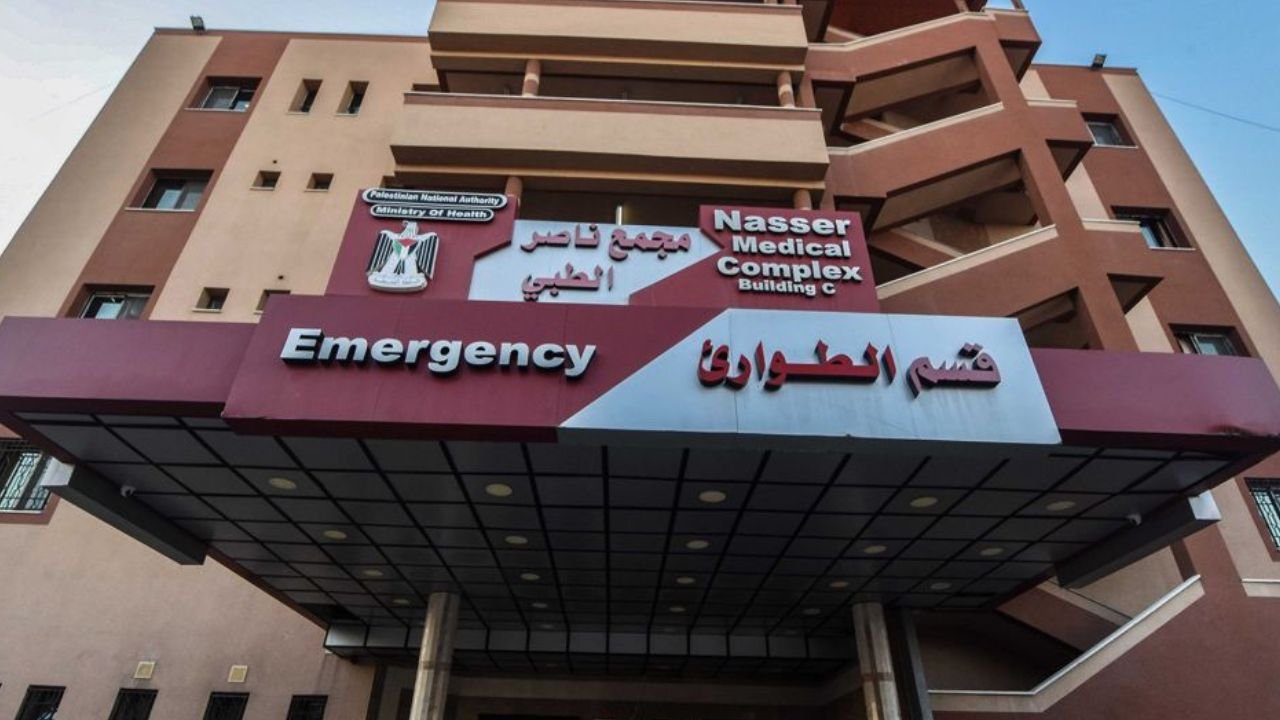
    Dozens of Israeli tanks and armoured vehicles surrounded the Nasser Hospital in the southern city of Khan Yunis, where thousands of displaced people have sought refuge, witnesses said.

    The health ministry said  shots were being fired around the sprawling complex, but no raid had yet taken place.

    At Gaza City’s Al-Shifa Hospital, the territory’s largest, Israeli troops have been involved in heavy fighting for the past nine days. Israel claims to have killed 170 Palestinian militants and arrested hundreds of others.

    And on Monday, the Israeli military reported killing about 20 fighters around Al-Amal Hospital, also in Khan Yunis, over the previous day in close-quarters combat and air strikes.

    Israel has labelled its operations “precise operational activities” and said it has taken care to avoid harm to civilians, but aid agencies have voiced concern for non-combatants caught up in the fighting.

    Palestinians living near Al-Shifa have reported corpses in the streets, constant bombardment and the rounding up of men who are stripped to their underwear and questioned.

    Palestinians in Rafah welcomed the UN vote and called on Washington to use its influence with Israel to ensure the resolution is implemented.

    Bilal Awad, 63, said Washington must “stand against an attack on Rafah, and support the return of the displaced to their cities”.

    Ihab al-Assar, 60, expressed hope that “Israel will comply” with the Security Council text.

    The fighting came as an independent UN-appointed expert, Francesca Albanese, said there were “reasonable grounds to believe” Israel’s actions in Gaza had met the threshold for “acts of genocide”.

    Israel rejected Albanese’s report, due to be presented to the UN Human Rights Council on Tuesday, as an “obscene inversion of reality”.

    bur-ser-dcp/kir

    © Agence France-Presse

  • Israel tanks surround Gaza’s Nasser Hospital: witnesses

    Israel tanks surround Gaza’s Nasser Hospital: witnesses

    Palestinian Territories – Dozens of Israeli tanks and armoured vehicles surrounded the Nasser Hospital in Gaza Tuesday, where thousands of displaced people have sought refuge from the fighting, witnesses said.

    Witnesses told AFP that shots were being fired at the sprawling complex in the southern city of Khan Yunis, but no raid was as yet taking place.

    Gaza’s health ministry said Israeli troops were shooting and firing “shells and (conducting) violent raids in its surroundings in preparation for its storming”.

    “Thousands of displaced people are still inside the hospital,” the ministry said. “They do not have sufficient quantities of drinking water, food and infant formula, and their lives are in danger.”

    The Israeli army did not immediately respond to an AFP request for comment.

    For the past nine days, Israeli troops have been involved in heavy fighting in and around Gaza City’s Al-Shifa Hospital, the territory’s biggest. They claim to have killed 170 Palestinian militants there and arrested hundreds of others.

  • UN expert accuses Israel of several acts of genocide in Gaza

    UN expert accuses Israel of several acts of genocide in Gaza

    A UN rights expert on Monday said there were “reasonable grounds” to determine that Israel has committed several acts of “genocide” in its war in Gaza, also warning of “ethnic cleansing”.

    Francesca Albanese, the UN special rapporteur on the rights situation in the Palestinian territories, said there were clear indications that Israel had violated three of the five acts listed under the UN Genocide Convention.

    “The overwhelming nature and scale of Israel’s assault on Gaza and the destructive conditions of life it has inflicted reveal an intent to physically destroy Palestinians as a group,” she said in a report, which was immediately rejected by Israel as an “obscene inversion of reality”.

    Albanese, an independent expert appointed by the UN Human Rights Council but who does not speak on behalf of the United Nations, said she had found “reasonable grounds to believe that the threshold indicating the commission of… acts of genocide against Palestinians in Gaza has been met”.

    The report, entitled “Anatomy of a Genocide”, listed those acts as: “killing members of the group; causing serious bodily or mental harm to the group’s members; and deliberately inflicting on the group conditions of life calculated to bring about its physical destruction in whole or in part”.

    Israel’s diplomatic mission in Geneva said the country “utterly rejects the report”, describing it as “simply an extension of a campaign seeking to undermine the very establishment of the Jewish State”.

    “Israel’s war is against Hamas, not against Palestinian civilians,” it said in a statement, slamming Albanese’s “outrageous accusations”.

    Israel has long been harshly critical of Albanese and her mandate, which the United States on Monday called “biased against Israel.”

    Washington is “aware” of Albanese’s report but has “no reason to believe Israel has committed acts of genocide in Gaza,” a US official told AFP.

    Last month Israel slapped a visa ban on her after she made comments denying that Hamas’s October 7 attack, which sparked the war in Gaza, was anti-Semitic.

    Israel’s relentless bombardment and ground offensive in Gaza has since killed more than 32,300 people, mainly women and children, according to the health ministry in Gaza.

    South Africa has already filed a complaint against Israel before the International Court of Justice, alleging its assault on Gaza amounts to a violation of the genocide convention.

    The court has yet to rule on the underlying issue, but earlier this year ordered Israel to do everything it could to prevent genocidal acts during its campaign and also to allow in humanitarian aid.

    In Albanese’s report, which she is due to present to the Human Rights Council on Tuesday, she maintained that Israel’s “genocidal acts” followed “statements of genocidal intent”.

    Statements by some senior Israeli officials spelling out an intent to forcibly displace Palestinians and replace them with Israeli settlers, she said, indicated that “evacuation orders and safe zones have been used as genocidal tools to achieve ethnic cleansing”.

    The report also found that Israel was treating all Palestinians and their infrastructure “as ‘terrorist’ or ‘terrorist-supporting’, thus transforming everything and everyone into either a target or collateral damage”.

    “In this way, no Palestinian in Gaza is safe by definition,” it said.

    “This has had devastating, intentional effects, costing the lives of tens of thousands of Palestinians.”

    The report also stressed that Israel’s mistreatment of the Palestinians had not begun on October 7.

    “Israel’s genocide on the Palestinians in Gaza is an escalatory stage of a longstanding settler colonial process of erasure,” it said.