Tag: harmful

  • Cambodia warns students of ‘losing dignity’ on Valentine’s Day

    Cambodia warns students of ‘losing dignity’ on Valentine’s Day

    Authorities in Cambodia have issued a stern rebuke to students to avoid “inappropriate activities” this Valentine’s Day, warning them of the perils of “losing dignity”.

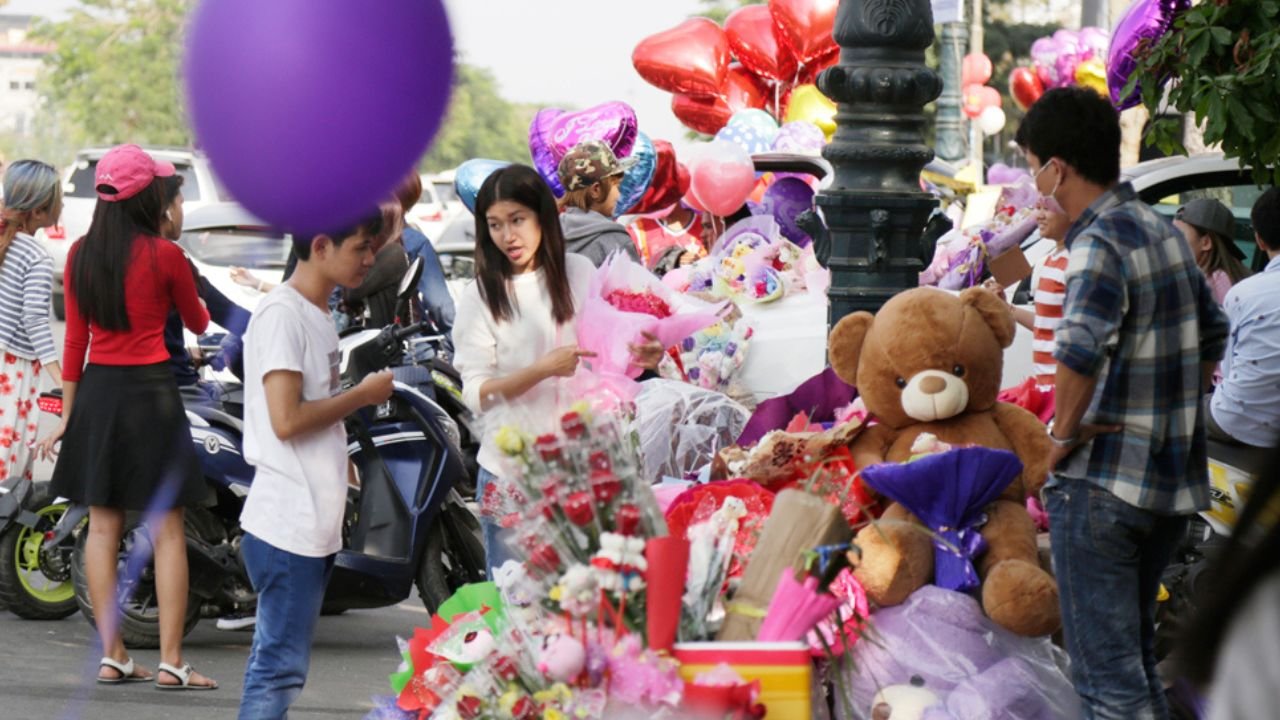
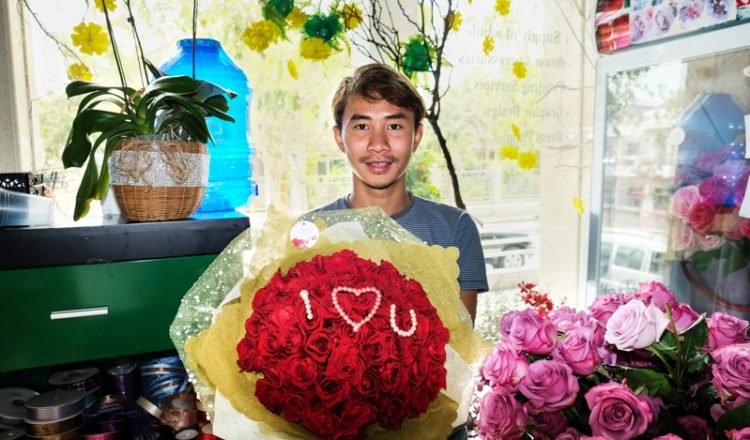
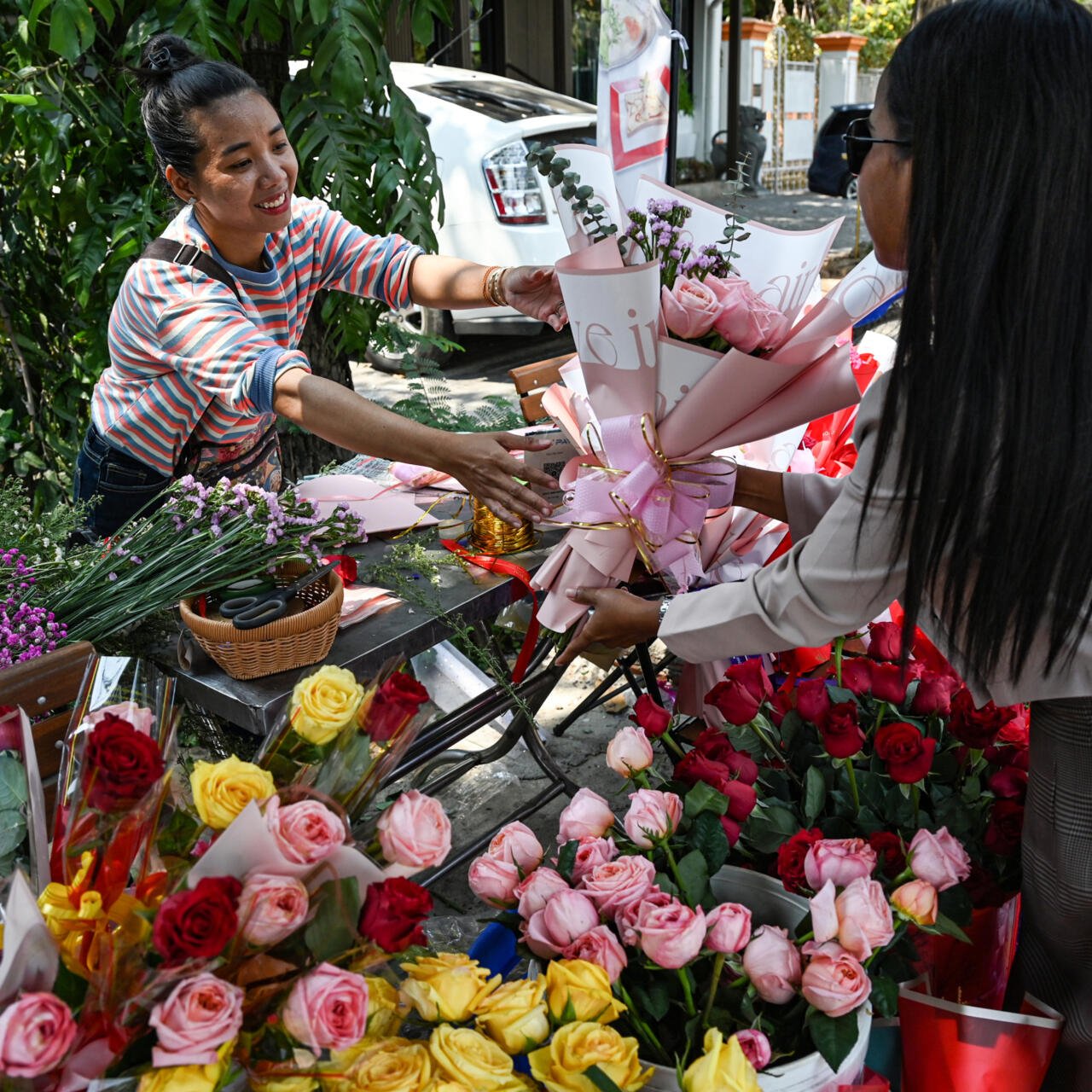
    Valentine’s Day has become popular among young people in many Southeast Asian countries in recent years, with bunches of red roses and heart-shaped chocolates popping up in stores and on street stalls in the days leading up to February 14.

    While some might see the annual celebration of love as a bit of harmless fun, the Cambodian government — which has form for issuing dire warnings about the pitfalls of young love and premarital sex — is rattled.

    The education ministry issued a directive to public and private schools late on Tuesday ordering them to “take measures to prevent inappropriate activities on Valentine’s Day”.
    “It is not tradition of our Khmer nationality,” the statement said.

    The ministry also noted that the event had made “a small number of youths… forget about studying and lose the dignity of themselves and their families”.

    The Ministry of Culture called on authorities and parents “to remind children to use the day in line with the beautiful Khmer tradition for the sake of their honour and dignity”.

    And the ministry of Women’s affairs weighed in, saying some people “misunderstand the meaning of February 14”.
    Cambodia’s National AIDS Authority warned that AIDS was still spreading and that some people, particularly youth, used Valentine’s Day to “show love that leads to possible sexual intercourse”.

    Last year, there were 7,600 people living with AIDS in Cambodia, including 1,400 new cases, it said.

    About 42 percent of the new cases are youths aged between 15 and 24, the authority said.

    Social conservatives see Valentine’s Day as a foreign import that represents a moral threat to traditional Buddhist beliefs.

    Cambodian women in particular are under intense social pressure to retain their virginity until marriage.

  • Air pollution reduces life expectancy by two years worldwide: Report

    Air pollution reduces life expectancy by two years worldwide: Report

    A recent study revealed that microscopic air pollution, mostly generated by the combustion of fossil fuels, affects life expectancy by more than two years globally.

    According to a report by the University of Chicago’s Energy Policy Institute, if fine particulate matter levels across South Asia reached World Health Organization criteria, the typical individual would live five years longer.

    The severe lung and heart illness caused by so-called PM2.5 pollution reduce life expectancy by eight years in the Indian states of Uttar Pradesh and Bihar, home to 300 million people, and by a decade in the capital city of New Delhi.

    PM2.5 pollution penetrates deep into the lungs and reaches the circulation, with a diameter of 2.5 microns or smaller, nearly the same as a human hair. It was declared a cancer-causing substance by the United Nations in 2013.

    According to the WHO, the concentration of PM2.5 in the air should not exceed 15 micrograms per cubic metre in any 24-hour period, or 5 mcg/m3 on an annual basis.

    The WHO strengthened these guidelines last year, the first revision since air quality guidance was established in 2005, in response to accumulating evidence of harmful health effects.

    In the Air Quality Life Index report, lead researcher Crista Hasenkopf and colleagues stated, “Clean air pays back in additional years of life for individuals all over the world.” “Reducing global air pollution to WHO recommendations permanently would add 2.2 years to average life expectancy.”

    Almost every inhabited region on the planet exceeds WHO limits, but not more so than Asia: Bangladesh, India, Nepal, and Pakistan all exceed WHO guidelines by 15-fold, 10-fold, and nine-fold, respectively.