
Tag: Health Sector

  • CDWP approves Rs7 billion for advancing Pakistan’s IT sector

    CDWP approves Rs7 billion for advancing Pakistan’s IT sector

    During the Central Development Working Party (CDWP) meeting, chaired by Deputy Chairman Planning Commission Mohammad Jehanzeb Khan, five development projects were given approval, totalling Rs13 billion, according to a press release.

    The meeting focused on projects within the information technology, health, and physical planning and housing sectors.

    Under the Ministry of Information, two projects were presented. The first, “Upgradation of Transmission Network & Replacement of Optical Fibre Cable, AJK & Gilgit Baltistan (revised),” with a budget of Rs2 billion, received approval from the CDWP.

    The second project, “Prime Minister’s Initiatives Support for IT Startups, Specialised IT Trainings, and Venture Capital (revised),” with a budget of Rs5 billion, was also granted approval.

    Furthermore, two projects from the Ministry of Law and Justice were considered and approved. The first involves the “Construction of Litigants Facilitation Centre for Litigants and Lawyers in Sector G-10/1, Islamabad,” with a budget of Rs1.86 billion. The executing agency and financing source for this project is the Capital Development Authority (CDA).

    The second project presented was the “Establishment of 93-No District Courts in Mauve Area G-11/4, Islamabad (revised),” with a budget of Rs2.23 billion.

    A project focused on skill development internships, the “Ba-ikhtiyar Naujawan Internship Program Balochistan,” worth Rs1.85 billion, was also approved by the CDWP. Notably, this project is fully funded through a World Bank loan.
  • Punjab govt approves Rs2.07 trillion budget for four months

    Punjab govt approves Rs2.07 trillion budget for four months

    In a significant development, the Caretaker Punjab Cabinet, under the leadership of Chief Minister Mohsin Naqvi, convened for its 31st session at the Chief Minister’s Secretariat on Monday.  

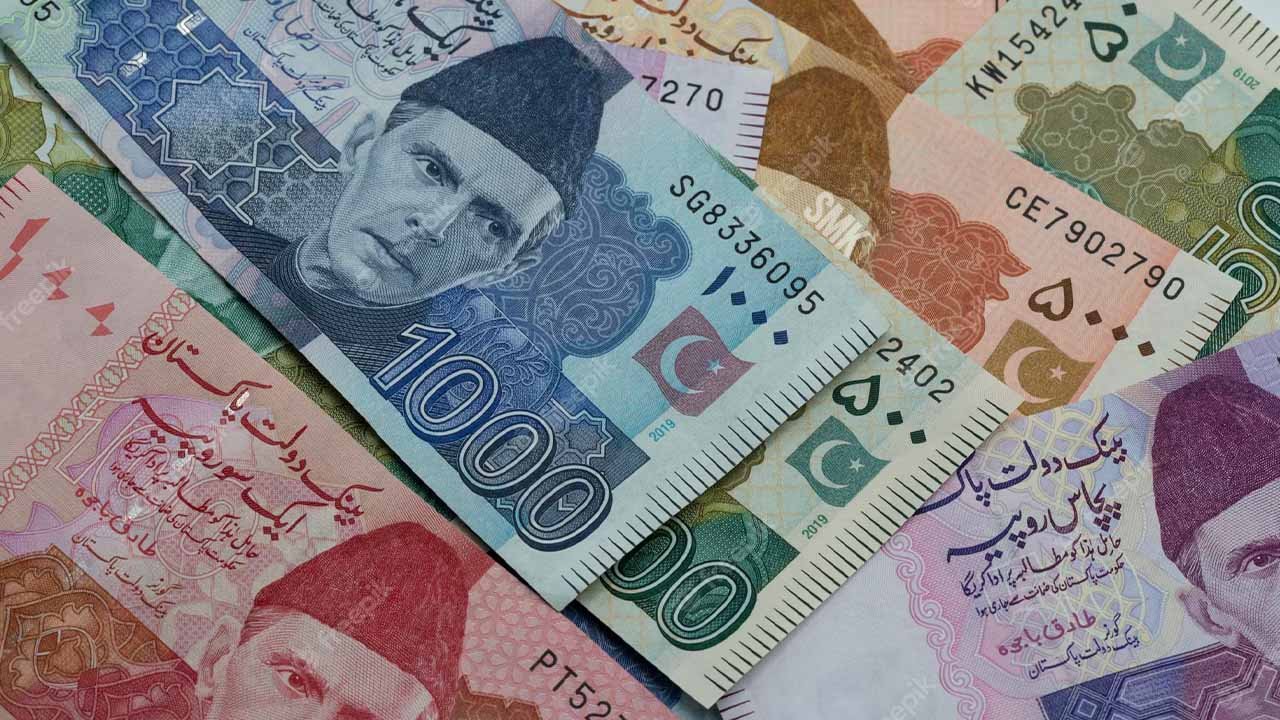
    During this session, the Cabinet approved a surplus budget of Rs2.07 trillion for the upcoming four months, with a substantial allocation of Rs351 billion dedicated to development projects. 

    It is worth noting that this budget represents a crucial step in the interim governance of the province, as the caretaker government lacks the authority to approve a full-year budget in the absence of an elected government.  

    This temporary budget is designed to ensure that essential ongoing expenses are accounted for, enabling the effective management of the province’s daily affairs. 

    Within this four-month budget, particular emphasis has been placed on directing resources towards critical sectors.  

    Notably, Rs208 billion has been earmarked for the healthcare sector, and Rs222 billion has been allocated for the education sector. An additional Rs10 billion has been allocated to promote the progress of the agricultural sector. 

    In addressing various challenges facing the province, the Cabinet has committed Rs1.80 billion to the National Health Support Programme and Rs5 billion to the Punjab Textbook Board. Moreover, an allocation of Rs7.30 billion has been designated to address climate change issues, reflecting the government’s commitment to environmental sustainability. 

    The Cabinet meeting also saw the finance secretary provide a comprehensive overview of the forthcoming four-month budget, highlighting the robust financial position and surplus resources of the Punjab government.  

    In a significant move, the Cabinet approved a minimum wage of Rs32,000 for workers, effective July 1, 2023, further promoting workers’ rights and economic well-being. 

    Furthermore, the meeting underscored the importance of anti-smog measures in various regions, including Sheikhupura, Sahiwal, Gujranwala, Hafizabad, Lahore, and Kasur.  

    Chief Minister Naqvi urged strict enforcement of regulations on smoke-emitting vehicles and brick kilns by commissioners and deputy commissioners.  

    Stringent measures were also advised for ongoing construction projects, including the regular use of water sprinklers and a strict ban on crop residue burning, contributing to environmental preservation. 

    The Punjab Price Control for Essential Commodities Ordinance, 2023, received the Cabinet’s approval, reinforcing the government’s commitment to regulating essential commodity prices and ensuring consumer protection.