Tag: health

  • PETA India names cow after Kim Kardashian to honour her dairy-free diet

    PETA India names cow after Kim Kardashian to honour her dairy-free diet

    The People for the Ethical Treatment of Animals (PETA) India has honoured billionaire lifestyle guru Kim Kardashian’s “dairy-free diet” by naming a cow after her.

    “For Mother’s Day, PETA India names rescued mother cow ‘Kim Kowdashian’ after reality TV star Kim Kardashian,” tweeted the animal rights advocate’s India branch.

    “Thanks for promoting a dairy-free diet Kim,” it added.

    In a statement, PETA India said that they wanted to “thank the mother of four for showing compassion to mums of all species by promoting a dairy-free diet to her more than 200 million followers.”

    The bovine, which was described as having “striking eyes and long, dark eyelashes” was chosen as she is just like her 40-year-old celebrity namesake.

    ‘Kim Kowdashian’ was reportedly rescued by a PETA-approved sanctuary after the animal rights boy caught her being abused on the streets by her former owner.

    Read more – Kim Kardashian slammed for lavish 40th birthday celebrations amid pandemic

    Meanwhile, Kardashian has been very vocal about her no-meat, nearly vegan lifestyle. She is also believed to have converted three family members, including sister Kourtney, to a plant-based diet.

    Earlier this year in February, Kim posted an Instagram picture in which she flaunted her chiseled abs.

    “Plant based does a body good,” she captioned the post.

  • Sindh health official suspended after out-of-turn vaccination of PML-N leader’s daughter

    Sindh health official suspended after out-of-turn vaccination of PML-N leader’s daughter

    The Sindh government has suspended a senior health official over out-of-turn vaccination of Pakistan Muslim League-Nawaz (PML-N) leader and former Sindh governor Muhammad Zubair’s daughter and son-in-law against COVID-19.

    As per the details, Sindh Health Minister Dr Azra Pechuho took notice of the incident after the couple posted on social media pictures of them receiving the vaccination shots.

    Reports quoted provincial government sources as saying that Karachi East Deputy District Health Officer Dr Anila was suspended as coronavirus vaccines were administered to acquaintances at other centres as well.

    A three-member committee has been formed to report its findings to the Sindh health minister within 72 hours.

    “If Mohammad Zubair had his family administered the vaccines privately then there is nothing wrong in it,” Information Minister Shibli Faraz told SAMAA TV.

    “But if it were the government-procured vaccines, then this was not the right thing to do,” he added.

    Earlier, a team of the National Command and Operation Centre (NCOC) led by Dr Faisal Sultan also met Sindh health officials and Planning Minister Asad Umar on Sunday.

    It directed the Sindh government to only vaccinate frontline health workers for now.

    The Sindh government on Friday had announced launching COVID-19 vaccination programme in 10 districts of the province and unveiled a detailed phase-wise plan to inoculate people, beginning with 170,000 frontline health workers.

    According to Dawn, In addition to the 82,359 doses to be received from the Centre, the provincial government also shared its plan for the procurement of the vaccine on its own though federal authorities are yet to respond to its request for permission for the procurement.

    “We are starting the vaccination from Wednesday [next],” Sindh Information Minister Syed Nasir Hussain Shah at a press conference. He was accompanied by a member of the Sindh vaccination taskforce and provincial lawmaker Qasim Soomro.

    Shah said 10 districts had been identified in Sindh where COVID-19 jabs would be provided. “This programme will be initiated in all the seven districts of Karachi along with Hyderabad, Jamshoro and Shaheed Benazirabad.

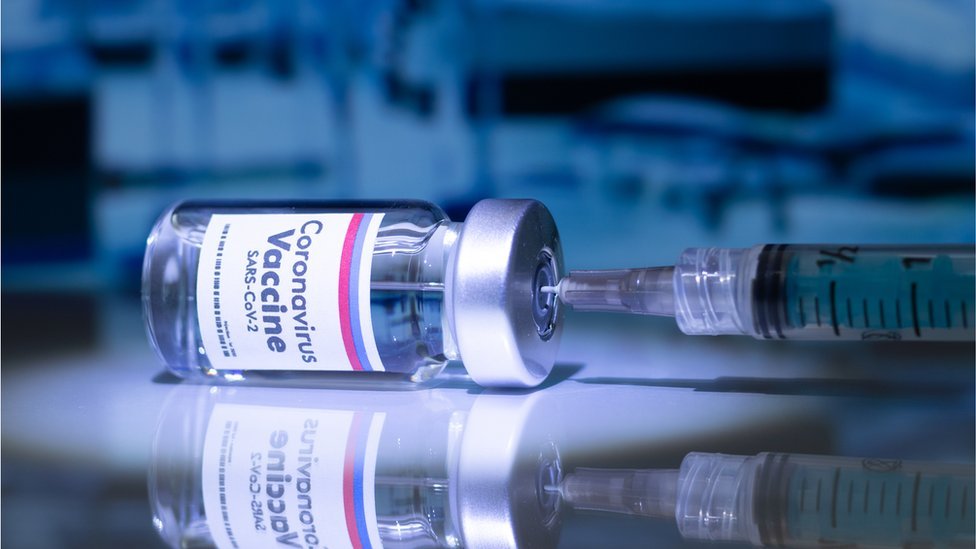
  • Will Pakistan get enough COVID-19 vaccines?

    Will Pakistan get enough COVID-19 vaccines?

    “If we are lucky to find a vaccine at $6-10 per dose, we would need a total of $540 to 900 million to acquire 90 million doses. Notwithstanding the existing allocation of $150 million and some vaccines as aid, it means that we are going to need much more money.”

    Will Pakistan get enough COVID-19 vaccines?

    Before we answer this question, we need to know how many vaccines we need. Pakistan has set a target to vaccinate 70 million people, out of its population of more than 220 million, to achieve “herd immunity”. Most of the COVID-19 vaccines in the market require two doses to be administered to each person. This means that we need at least 140 million doses, not taking into account any wastage.

    The next question we should ask is how many different vaccines there are in the market. So far, at least seven vaccines have been approved, out of which five have been approved for use outside their country of approval, including those by Pfizer, Moderna, Oxford-AstraZeneca, Sinopharm and Sputnik V. A number of other vaccines are in advanced stages of approval, including those by Johnson & Johnson, Novovax, CanSino and Bharat Biotech.

    Pakistan’s choice of vaccine will depend on three factors: price, storage and transportation requirement, and availability.

    The approximate per-dose price for Pfizer is $20, Moderna $10-50 (depending upon the quantity ordered), for Sputnik V less than $10, and for AstraZeneca $3-4. The price of Sinopharm’s vaccine is unknown but news reports suggest around $145 for two doses (or roughly $72.5 per dose). The price of Sinopharm seems excessive and it is not clear if Pakistan can get a discounted rate.

    The vaccines by Pfizer and Moderna need ultra-low temperatures to be stored. For instance, Pfizer’s vaccine needs to be stored at -75˚C, whereas that of Moderna needs -20˚C. This poses a serious challenge for developing countries like Pakistan, which have unreliable or mostly absent cold chains. Therefore, this handicap would prevent the wide usage of these vaccines in Pakistan. On the other hand, the Russian and Chinese vaccines as well as the one by AstraZeneca can be stored at standard refrigerator temperatures, making them much more suitable for us.

    The availability of vaccine, however, poses the most significant challenge. The manufacturers of all these vaccines have mostly booked their entire capacity for 2021 already. Some of them are now planning to further ramp up their capacity very quickly. Even the companies that are still in the final stage of vaccine trials have started to book orders from customers around the world.

    Looking at price and storage requirements, the Oxford-AstraZeneca vaccine seems to be the most suitable choice for Pakistan. However, AstraZeneca has gone into a partnership with Serum Institute of India for the supply of this vaccine to our entire region – South Asia. There is no reason to believe that Serum Institute would not prioritise Indian requirements over export orders. The rivalry between India and Pakistan is not going to help either. Sources suggest that while Serum Institute has indicated availability of the vaccine for exports by the third quarter of 2021, the volume that it would be able to provide to Pakistan remains unclear. There is also a chance that this stipulated timeline is not followed.

    This leaves Pakistan with the Chinese and Russian vaccines only.

    Incidentally, this is not a Pakistan-specific problem and instead a challenge faced by all low-income countries, which are struggling to acquire sufficient quantities of vaccine. Out of a total of 7.2 billion doses booked so far, 5.2 billion have been booked by high or upper middle-income countries, whereas 2 billion doses have been booked by lower middle-income countries, including 1.5 billion by India alone. So far, the low-income countries have booked no significant volumes of the vaccine.

    Nevertheless, it does not absolve the state of its responsibility to provide enough vaccines for its citizens and that too in a timely fashion.

    What has Pakistan done so far in this regard?

    We have so far adopted a three-pronged strategy. Firstly, we have joined the COVAX alliance, which is aimed at facilitating equitable access to COVID-19 vaccine. Secondly, the government is developing its own plan to acquire the vaccine and administer it through the public sector healthcare system. And lastly, the government has allowed the private sector to import the vaccine so that they can also provide them to those who can afford.

    COVAX is an alliance formed through efforts of the UN, WHO and GAVI. The Alliance is planning to make 2 billion doses available by the end of 2021 for high-risk and vulnerable populations. Out of this, 1.3 billion doses will be financed by donors and provided to 92 low and lower-middle income countries including Pakistan, targeting up to 20 per cent of their population, while the rest of 700 million doses will be made available to 80 wealthier nations that have joined COVAX, on a self-financed basis. Although COVAX, owing to its sheer size, has been able to secure some sizeable contracts for vaccine supply, it is not clear if it will be able to meet its ambitious target within the stipulated time. So far, COVAX has committed 50 million doses to Pakistan, which still leaves us with another 90 million doses to procure to meet the target of 140 million vaccine doses.

    For government’s own vaccine procurement, Pakistan has so far allocated $150 million to provide vaccines for the most vulnerable 5 per cent of the population. Reportedly, the government is also negotiating with development partners to get another $100 million. So far, the government has only confirmed booking for one million doses of the Sinopharm vaccine. In addition, China has also announced providing 0.5 million doses to Pakistan free of cost. These 1.5 million doses would be enough only for 750,000 people or 1 per cent of the targeted population.

    The price of the Chinese contract is unknown but if it’s anywhere close to $72.5 for a dose, then it would have taken $72.5 million or almost half the allocated amount. If, however, the Chinese have given the vaccine on a discount, it might have left us with more money.

    Although the government’s permission to allow private sector import of the vaccine is a good step, it is unlikely that the private sector would get a significant vaccine supply in 2021.

    If we are lucky to find a vaccine at $6-10 per dose, we would need a total of $540 to 900 million to acquire 90 million doses. Notwithstanding the existing allocation of $150 million and some vaccines as aid, it means that we are going to need much more money.

    Pakistan needs to act fast, mobilise financing and secure supply contracts from Chinese, Russians and those manufacturers that are in advanced stage of trials to get a timely supply of the vaccine. Then comes the challenge of vaccinating the massive target of 70 million people.

    In short, Pakistan may get enough vaccine, but it is likely to take more than a year. Given the current situation, it seems that Pakistan is not likely to meet its vaccination target before the second half of 2022.


  • Lockdown order withdrawn; Punjab returns to ‘pre-coronavirus’ routine with a few exceptions

    The Punjab Primary and Secondary Healthcare Department has allowed resumption of “pre-COVID-19 practices subject to the adoption of social distancing guidelines” as it withdrew the government’s lockdown order.

    According to the notification dated August 9, all sectors barring marriage halls and marquees and educational institutions have been allowed to resume operations from Monday (August 10), with timings and weekly holidays “reverted to pre-COVID-19 practice”.

    According to Dawn, religious congregations will only be held after approval from the administration and will be bound to follow the standard operating procedures laid out by the government. Operators of public transport — that has been allowed to resume function — will also have to ensure that preventive measures are being observed by passengers.

    The notification was issued three days after the federal government announced it was lifting restrictions on the tourism sector, restaurants and public transport, after months of suspension.

    The decisions were made in a meeting of the National Coordination Committee, which was presided over by Prime Minister Imran Khan and attended by representatives of all the provinces. The meeting participants also decided to lift restrictions on railways, airlines and metro buses.

    While the restrictions are being eased as government boasts of having successfully tackled the pandemic, it is worth mentioning that a sudden spike has been recorded in coronavirus infections over the past week. The number of per day fatalities, however, on Sunday dropped to single digits for the first time in over 110 days.

  • Coronavirus: Pakistan’s secret to ‘flattening the curve’

    According to a report published by The Washington Post on July 19, “Pakistan has flattened its coronavirus curve” as the past several days have seen fewer than 1,500 cases and 40 deaths on an average.

    So far, 5,677 people have succumbed to COVID-19 in Pakistan, which is 2.1% of the total infected population while almost 79% (210,468) patients have recovered.

    The initial estimate of the World Health Organization (WHO) was that the infection fatality rate (IFR) for COVID-19 would be 3.4%, which means that for every hundred cases at three or four people would lose their lives. But as per the Centre for Disease Control and Prevention, the IFR has turned out to be much lower — at a mere 0.65%

    READ: Did COVID-19 peak in Pakistan in June?

    Pakistan’s total number of deaths from COVID-19 in June was 2,835. Since the second week of June, an average of 80 to 100 people had been dying on a daily basis and the same trend continued till June 30. The highest single-day death toll was 153 on June 19.

    So far in July, the highest number of deaths was recorded on the fourth day while the daily death toll within the first week stood at around 80. The trend came down to 60 to 70 deaths a day in the second week and the latest trend suggests up to 30 or 40 COVID-19 fatalities a day.

    Punjab Health Minister Dr Yasmin Rashid says that due to the strict quarantine policy of the provincial government, the virus has not spread as expected. She also says most fatalities are of those who are older than 60 years of age or are suffering from certain other diseases.

    READ: Is coronavirus ending in Pakistan?

    The rate of COVID-19 infections and deaths seems to have dropped significantly in Pakistan but it is an open secret that the number of cases and deaths is also being grossly misreported.

    “I am aware of a few cases in which patients with COVID-19 symptoms were never taken to hospitals and in case of death were laid to rest at large funeral gatherings,” said Love for Data Chief Executive Officer (CEO) Syed Tajamul Hussain. He added that the country hadn’t had a mortality census in a while and it was highly likely that cases were being under-reported amid limited testing capacity.

  • Is coronavirus ending in Pakistan?

    Is coronavirus ending in Pakistan?

    The first three weeks of June saw not only a rapid spread of the new coronavirus but deaths attributed to the COVID-19 also stood at around a daily average of 100.

    While the country, since the last week of June, has witnessed a significant decrease in the number of coronavirus infections amid conflicting claims regarding what has led to the drop, Pakistan has an optimistic recovery rate as 67.5% of people who had contracted the virus have so far recovered.

    While it is still unclear if the virus has already peaked in Pakistan or not, testing, active cases and the recovery rate are the major factors proving helpful in estimating not only the spread of the virus but also the pandemic situation.

    So far, July hasn’t been as bad as last month as government statistics from the first two weeks show there has been an increase in COVID-19 recoveries while the number of new cases has also dropped significantly.

    While the reason behind the sudden drop still remains unclear as government boasts of its successful strategy and experts attribute the decline to Pakistanis’ better immunity due to exposure to various vaccinations, it cannot be denied that the drop has been led to also because of lower testing as compared to the month of June.

    People are realising that they would recover if they have mild symptoms and only need to isolate themselves without actually heading out to get tested, surveys suggest.

    Special Assistant to Prime Minister (SAPM) on Heath Dr Zafar Mirza has also confirmed that not many people are voluntarily showing up to get tested anymore. “We are unable to conduct as many tests as we were earlier, despite having a daily capacity 60,000. Pakistan has set up more than 125 labs for COVID-19 testing but we need human resources to run those labs as the testing capacity needs to continuously be enhanced.”

    Meanwhile, a majority of people are also making use of telehealth services by consulting their doctors over the phone or contacting the government’s coronavirus helpline (1166). According to a doctor working at a COVID-19 helpline centre, she alone receives around 40 calls a day for medical advice.

  • Health Benefits of Lychee

    Health Benefits of Lychee

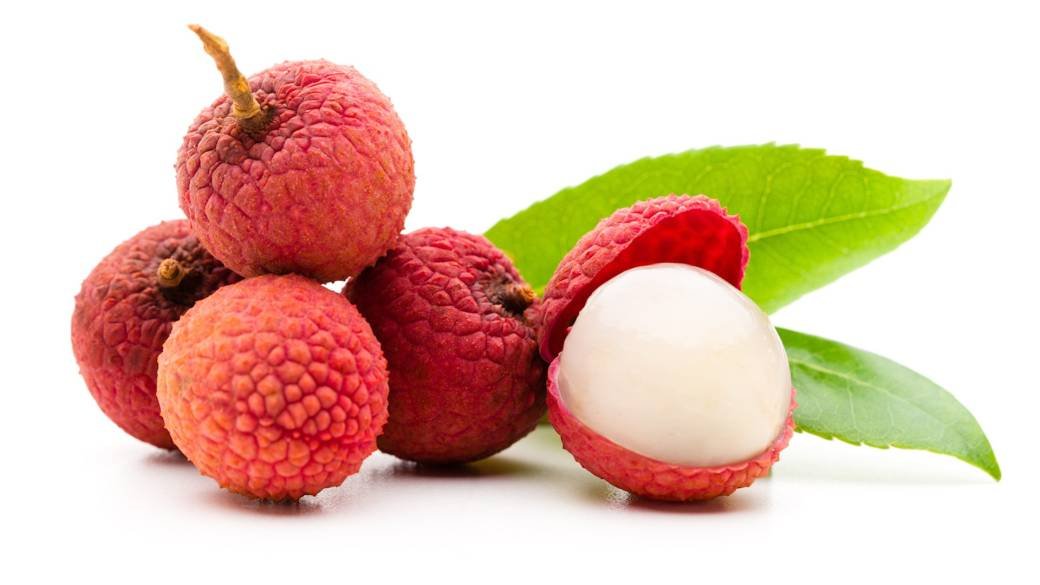
    Juicy, pulpy and tasty, lychees are one of summer’s most-loved fruits. From improving the immunity to aiding weight loss, lychees have many health benefits.

    Here are some of the benefits of the fruit: 

    Improves immunity

    Lychees are rich in vitamins that stimulate the activity of white blood cells that defend the body against germs, viruses and other foreign materials. Lychees also have more than 100% of the daily requirement of ascorbic acid (natural water-soluble vitamin )that works exceptionally well for boosting your immunity. 

    Good for your skin

    Lychee can help reduce signs of aging and blemishes. Vitamin E in lychees helps to heal sunburn that causes pain and irritation and helps keep the skin healthy and glowing.

    Helps indigestion

    Lychee has dietary fibres that help in the digestion process. It can be very beneficial for constipation and other tummy problems. It also stimulates gastric and digestive juices helping effective nutrient absorption.

    Reduces inflammation

    Lychees have anti-inflammatory properties. This helps is fighting flu and infections during the summer months.

    Aids Weight Loss

    Lychee is a great source of dietary fibre which plays an important role in weight loss. Lychee contains high water content and has reduced fat content which further makes it a perfect fruit for weight loss. It is also low on calories, making it a fulfilling snack.

  • Out-and-about Nawaz now spotted at London park

    Former prime minister (PM) Nawaz Sharif, who was allowed to leave the country for treatment despite his conviction and subsequent imprisonment in a National Accountability Bureau (NAB) case against him, has been advised to engage in physical activity and take daily walks as lockdown rules have eased in the United Kingdom (UK).

    Two days after Nawaz’s personal physician Dr Adnan Khan said that the ex-PM had been in self-quarantine due to his vulnerable age and a history of cardiovascular and metabolic disease, he was seen taking a walk at a park in London, which according to Adnan, had been advised by his doctors in the UK.

    “Now, as lockdown is eased & authorities are allowing to go out for health reasons, PM #NawazSharif is medically advised to take regular physical activity & should manage walks daily for physical well-being as essential in the management of Heart Disease, Diabetes & Hypertension,” Dr Adnan had tweeted earlier this week.

    The picture doing rounds over the internet showed Nawaz with his son Hussain Nawaz, grandson and two others, taking a walk.

    He did not have a mask on.

    “Former PM Nawaz Sharif has complex cardiac and carotid artery disease with significant co-morbidities, including diabetes, hypertension and chronic renal disease,” Dr Adnan told The News.

    Due to the UK government’s previous rules on lockdown amidst coronavirus pandemic, he was in self-quarantine at residence. Since the rules have been relaxed, his consulting doctors have advised him to take regular exercise and daily walks as an essential part of the disease management.

    “It is very unfortunate that controversy is made when an under treatment patient is out for a walk. While there’s little doubt that the intent behind leaking the picture was mala fide, in reality, had an opposite effect and a glimpse of Nawaz Sharif infused new life into his followers and workers.”

    Last week, a fresh picture of Nawaz at a roadside cafe in London had sparked a debate about his health. In the picture, he was seen sitting at the roadside eatery with his granddaughters, sporting a blue shalwar kameez and a cap. As the picture went viral on social media, it sparked a debate about the former premier’s health with his detractors asking why he does not return to Pakistan if he is well and roaming on London streets, while his supporters expressed joy at seeing their leader in good health and spirits.

    Dr Adnan, who left for Pakistan two weeks ago, said that he would soon return to London, as the former PM has to undergo planned cardiac intervention and further in-hospital treatment. He said that all possible necessary precautions guided by the consultants and international health advisories have been taken by Nawaz during walks and exercises.

  • Record 3,938 COVID-19 cases with 78 deaths in 24 hours in Pakistan

    Pakistan from Monday to Tuesday reported a record number of 3,938 new coronavirus cases with 78 deaths within 24 hours.

    The latest surge in cases took the nationwide tally of reported cases to 78,128 while the death toll crossed the 1,600 mark. According to statistics provided by National Command and Operation Centre (NCOC), Pakistan has broken its previous record number of 3,039 new COVID-19 cases reported over 24 hours on May 31.

    Earlier on Sunday, Pakistan reported its most number of deaths during 24 hours with 88 new fatalities, however, given the swelling number of coronavirus cases, doctors and health experts have warned that the number of cases will continue to rise unless a strict lockdown is not imposed.

    Sindh and Islamabad also recorded the highest number of cases reported over 24 hours with 1,402 and 304, respectively, on June 1. However, Punjab reported the most number of deaths and new cases reported over 24 hours with 1,610 cases and 43 new fatalities due to the COVID-19.

    On Monday, Prime Minister (PM) Imran Khan, in a live televised address, had apprised the nation on the decisions made regarding the lockdown in Pakistan to contain the novel coronavirus during the National Coordination Committee (NCC) meeting.

    “Since day one when we got to know that the coronavirus had started spreading in Pakistan, we imposed a lockdown following a national security committee meeting,” he had said.

    “We observed the conditions in the Chinese city of Wuhan and in Europe when the virus started spreading and we were seeing how the world was responding. But at that time, when we had discussions and meetings, I was very clear on the path Pakistan had to take.

    “Pakistan’s situation is different than that in China or Europe,” he had said, noting that he had earlier informed the nation that 25% of the country’s population was below the poverty line, which “means that nearly 50 million people in our country do not eat two full meals a day”.

    PM Imran had said doctors, elite, and the poor all had diverse opinions but it was the downtrodden ones of the society who did not have a voice.

    “But in hindsight, I should not have stopped businesses and construction because we had to balance it. Coronavirus is not going away until a vaccine is not formulated. We have to live with it,” he had noted.

  • Over 700 dead after consuming poison to cure COVID-19

    Over 700 dead after consuming poison to cure COVID-19

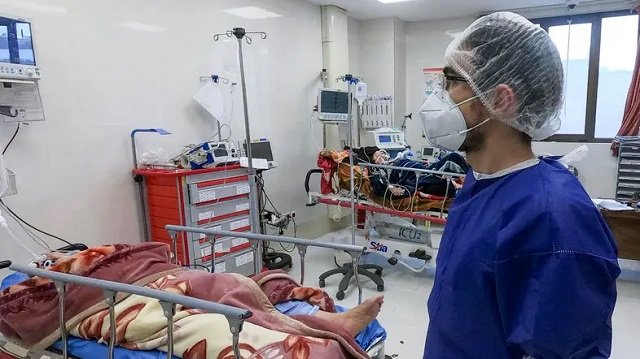
    More than 700 people have died after ingesting toxic methanol, thinking it can cure the new coronavirus — COVID-19.

    According to Al Jazeera, the incident took place in Iran where the national coroner’s authority says that alcohol poisoning has killed 728 Iranians between February 20 and April 7 amid the coronavirus outbreak as compared to last year’s 66 fatalities from the same.

    An adviser to the Iranian Health Ministry, Hossein Hassanian, said that the difference in death tallies is because some alcohol poisoning victims died outside of hospital.

    Some 200 people died outside of hospitals, Hassanian was quoted as saying.

    Iran is facing the worst coronavirus outbreak in the Middle East with 5,806 deaths and more than 91,000 confirmed case.

    Methanol cannot be smelled or tasted in drinks. It causes delayed organ and brain damage. Symptoms include chest pain, nausea, hyperventilation, blindness and even coma.

    In Iran, the government mandates that manufacturers of toxic methanol add an artificial color to their products so the public can tell it apart from ethanol, the kind of alcohol that can be used in cleaning wounds. Ethanol is found in alcoholic beverages, though its production is illegal in Iran.

    READ: Britain, France, Germany bypass US sanctions to send medical aid to virus-hit Iran

    Some bootleggers in Iran use methanol, adding a splash of bleach to mask the added color before selling it as drinkable. Methanol also can contaminate traditionally fermented alcohol.

    The consumption of alcohol is generally prohibited in Iran. However, minority Christians, Jews and Zoroastrians can drink alcoholic beverages in private.

    Following the coronavirus outbreak, Iran’s government announced it would issue permission for new alcohol factories quickly.

    Iran has currently some 40 alcohol factory that have been allocated for pharmaceutical and sanitising items.

    The report comes days after United States (US) President Donald Trump raised the possibility of injecting disinfectant into patients, causing an international uproar with manufacturers, doctors and government agencies rushing out warnings against consuming disinfectants like bleach.