Tag: health

  • Lahore High Court issues directives on safety, environmental hazards

    Lahore High Court issues directives on safety, environmental hazards

    Lahore High Court has issued a written order pertaining to environmental problems and safety hazards on roads.

    The court order said that those who use green belts for parking should be fined Rs 5,000, forwarding the order to all housing societies and authorities concerned.

    The court has also ordered the shutting down of polluting brick kilns, and filing criminal cases against the officials who do not take action against the kilns.

    Additionally, the court ordered the CTO to impose a fine of Rs 2,000 on motorcycle riders without helmets and this order will be enforced across the province.

    The Dolphin police have also been directed to keep a check on people in case of violation of the latest orders.

    Reforestation

    The Lahore High Court also shed light on the importance of reforestation, pointing at the Miyawaki model where more urban forests should be planted.

    To ensure that they meet the necessary environmental standards, the LDA will be closely working with the Environment Department while planning and executing development projects.

    Additionally, strict action is to be taken against kilns emitting black smoke which is one of the major contributors to poor air quality.

  • Russian woman lived with needle in brain for 80 years

    Doctors in Russia have found an inch-long needle in the brain of an 80-year-old woman, most likely inserted when she an infant.

    According to a post on Telegram by the Ministry of Health in Sakhalin, radiologists found the three-centimeter long needle during an x-ray scan, embedded in the woman’s left parietal lobe

    The woman’s name has not been disclosed and the discovery is said to have occurred in 2023. She is said to have born around the year 1943, making her at least 80.

    Officials claim that the needle has been in her brain since infancy, and doctors believe her parents tried to kill her when she was a baby.

    The ministry explained that during wars, “some desperate parents would insert a needle into a soft spot of a newborn’s head, where bones in the skull hadn’t yet come together.

    “That spot — the fontanelle — would then close and obscure the needle, though the infant would die.”
    Such cases were not uncommon during the famine years, the ministry added.

    Even though she pulled through the attempted infanticide, she never suffered headaches because of the needle.
    Doctors have decided against the removal of the needle because a surgery can worsen her condition, the ministry highlighted.

    The woman is currently being monitored by a physician, and her health is not in danger.

    According to Insider, Sakhalin is an island with a population of around 500,000 in the Sea of Okhotsk in north of Japan’s Hokkaido.

    Sakhalin was divided amongst the Soviet Union and the Japanese Empire in the early 20th century and was later fully seized by Moscow during World War II.

  • Three-year gap a must between two births: Punjab Minister for Population Welfare

    Three-year gap a must between two births: Punjab Minister for Population Welfare

    Punjab Minister for Population Welfare, Dr Jamal Nasir, has asserted that a three-year gap must be ensured between two child births for the health and safety of both the mother and the baby.

    While addressing a seminar on population welfare on Tuesday, Dr. Nasir added that under-nourishment and anaemia has resulted in women suffering from poor health.

    A policy is also being developed in which only employees with three or less than three children will be allowed to work in the Population Welfare Department.

    The caretaker government has reportedly promoted about 45,000 lady health workers in the province as part of its efforts towards improving mother and child healthcare and promoting population welfare.

    Dr Jamal Nasir pointed out that population control had never been seriously prioritised in Pakistan for sustainable development of the country, highlighting Iran and Bangladesh as role models pertaining to family planning.

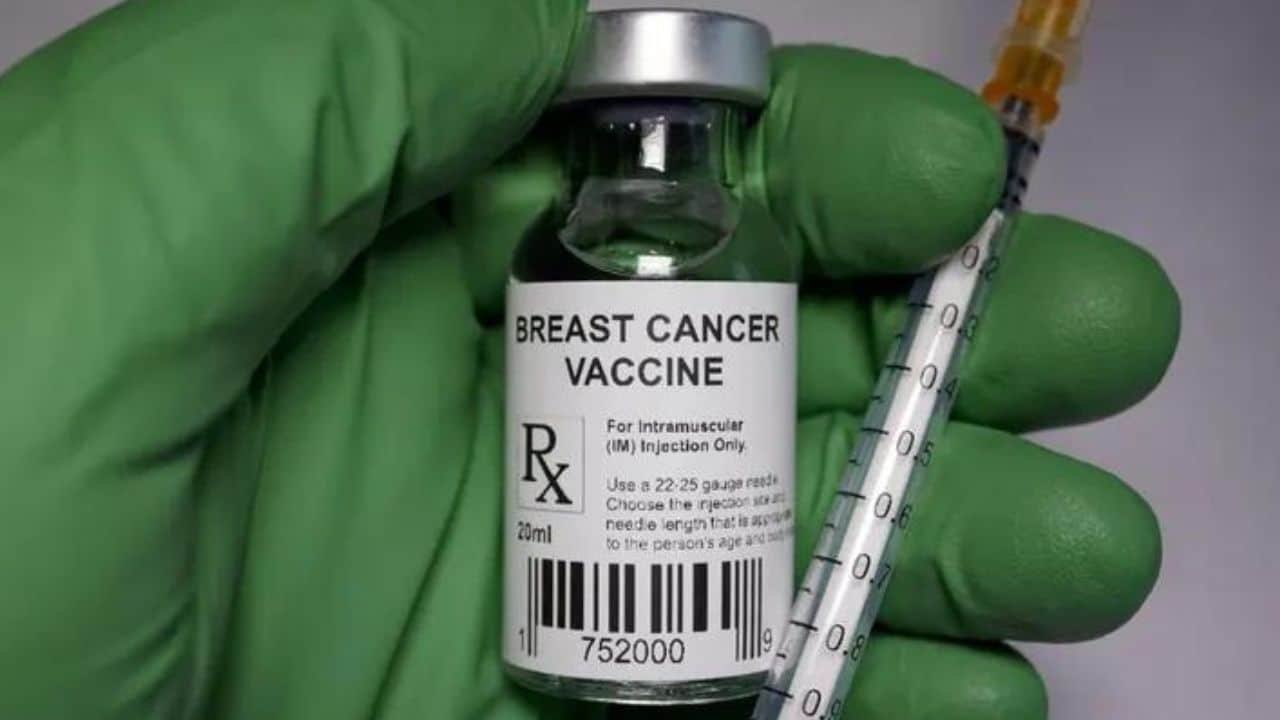
  • Vaccine to prevent recurrence of breast cancer produces good results in trial

    Vaccine to prevent recurrence of breast cancer produces good results in trial

    A vaccine developed for an aggressive form of breast cancer is currently being tested in human clinical trials.

    If the trials are successful, the vaccine would be groundbreaking, preventing recurrence of triple-negative breast cancer, which makes up about 10% to 15% of all breast cancers and is particularly challenging to treat.

    According to an article published by John Hopkins, triple-negative breast cancer is one of the most aggressive forms of breast cancer because it grows quickly and has a higher rate of recurrence — locally, in the breast area, or to other parts of the body, meaning metastasis. In fact, the risk of the cancer recurring within five years of being diagnosed is nearly three times higher in patients with triple-negative breast cancer than in those who don’t have that type of breast cancer.

    Yahoo! interviewed Jennifer Davis who is the first person to receive the vaccine as part of the clinical trial.

    Davis is a 46-year-old nurse and a mother of three living in Ohio, USA. She was diagnosed with triple-negative breast cancer in 2018, undergoing a double mastectomy and several rounds of chemotherapy and radiation.

    During her follow-up appointment, she came to know about the breast cancer vaccine trial.

    The vaccine has been under development for 20 years based on research led by Vincent Tuohy, who died in January 2023, and its human trials started in October 2021.

    “My [health care] team informed me of the vaccine that Dr. Tuohy had been studying for a long time,” Davis said.

    “It’s just that kind of breast cancer — that particular type — there’s nothing I can take afterward, no tamoxifen [a hormone therapy], and recurrence is high. If it does come back, outcomes are not the greatest. So I wanted to take something — the vaccine was that for me.”

    And because Davis is a nurse she claims to understand the importance of clinical trials, adding, “That’s how we advance medicine and make changes and one day, get rid of breast cancer.”

    Chairman and chief executive officer of Anixa Biosciences, licensed to create the vaccine, Amit Kumar says that 42% of women with triple-negative breast cancer will get the cancer again within five years. “It’s typically much more aggressive, so the outcome for those women is not very good,” he tells Yahoo Life.

    The purpose of the breast cancer vaccine is to “eliminate the recurrence for those women and eventually, prevent the cancer from ever arising.”

  • 15,105 pink eye cases reported in 24 hours in Punjab

    15,105 pink eye cases reported in 24 hours in Punjab

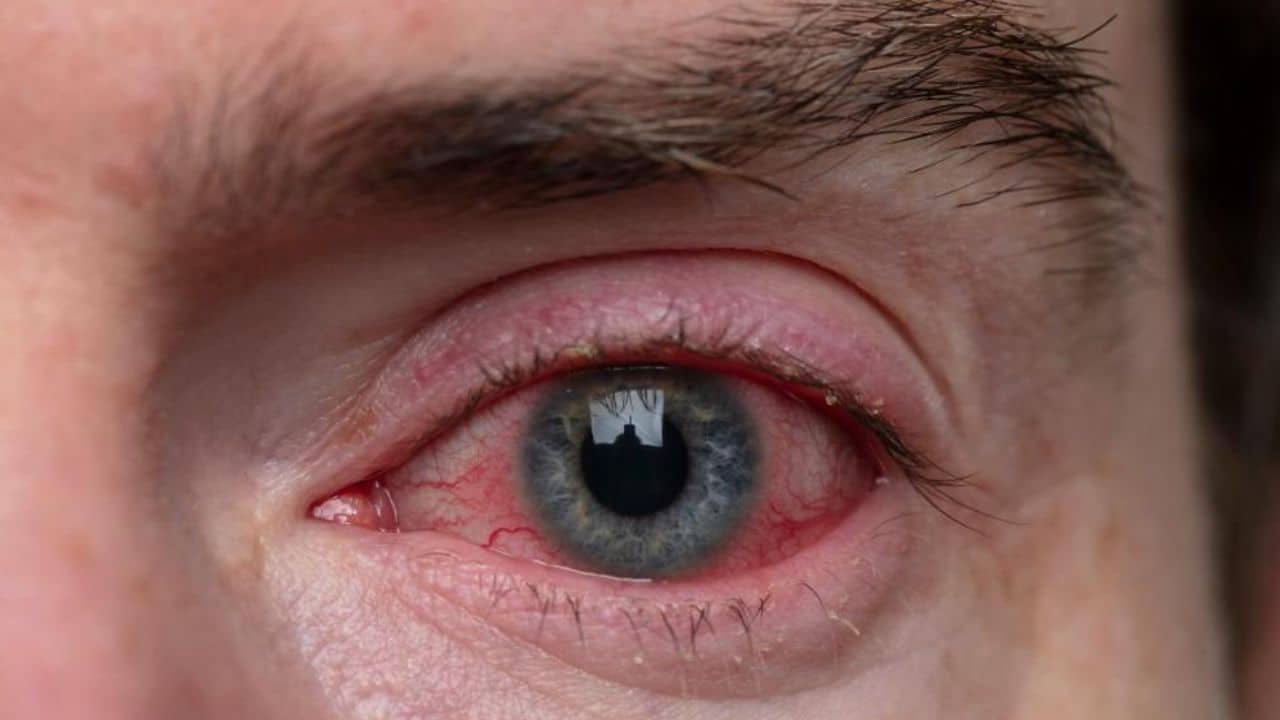
    Conjunctivitis infections are increasing in Punjab with 15,105 new cases reported during the last 24 hours.

    According to Primary Health Punjab, 3 lakh 79 thousand 690 cases of conjunctivitis were reported this year.

    Moreover, 22,481 cases were reported in Lahore this year, while 916 new patients were reported in the past 24 hours.

    Whereas in Multan and Faisalabad, 1217 and 1827 cases were reported respect yesterday.

    Due to the outbreak of conjunctivitis, schools across Punjab will remain closed until Monday.

  • Fallout of cheating scandal: MDCAT test to be conducted again

    Fallout of cheating scandal: MDCAT test to be conducted again

    Fall out of the cheating scandal of the Medical Dental College Admission Test (MDCAT) continues, with the government of Khyber Pakhtunkhwa announcing that it will again conduct the test following the insistence of candidates.

    Chief Education Secretary Arshad Khan presented a report regarding MDCAT in the supervisory cabinet meeting presided over by Chief Minister Khyber Pakhtunkhwa Muhammad Azam Khan.

    After discussing the report in the meeting, it was decided to conduct the test again within six weeks under the supervision of Khyber Medical University.

    On this occasion, caretaker information minister Barrister Feroze Jamal Kakakhel told the media in a briefing that the forensics of the gadgets seized from more than 200 students in MD CAT will be carried out.

    The minister said that samples of all the gadgets have been sent to Islamabad, to clean the systems from duplication and prevent such incidents.

    Previously, Peshawar police arrested seven suspects, including the mastermind “facilitating” cheating in MDCAT.
    City police also received several complaints of some students cheating via Bluetooth devices and more equipment.

    Additionally, 74 candidates, including men and women have also been arrested and 19 cases have been registered at eight police stations in the provincial capital.

    The case

    Dozens of candidates had been caught cheating in the Pakistan Medical and Dental Council (PMDC) MDCAT exams conducted in a number of cities on September 10.

    Over 40 candidates, including 20 female candidates, were arrested in Peshawar while 10 were taken into custody in DI Khan.

    All of the detainees were said to be using Bluetooth to cheat in the test. And as reported by Geo, DI Khan police sources claimed that VIP passes were issued to the candidates for which a hefty amount was paid to take the exam through dishonest means.

    Students and parents filed complaints to the Human Rights Cell in Peshawar regarding the results and integrity of the system which were then sent to the PHC chief justice.

    The applicants asserted that approximately 200 students were caught using Bluetooth devices during the examination.

  • American millionaire drives at 16 mph in attempt to live forever

    American millionaire drives at 16 mph in attempt to live forever

    Bryan Johnson is an American entrepreneur who is allegedly spending millions of dollars on an attempt to live longer than most individuals.

    The 46-year-old biotech entrepreneur has a longing for feeling 18-years-old again, and in his efforts to achieve that, he has an expensive routine tied with hopes of reversing his age.

    Credit: Business Insider

    Insider reports that Johnson spends about $2 million every year on an experimental program called Project Blueprint. His goal is to reduce his biological age and live forever.

    Johnson wakes up at 5 a.m., takes more than 100 supplements per day, his diet is calculated and he has his dinner (final and third meal of the day) at 11 a.m.

    He also goes to gym for cardio and weight training; and undergoes treatments like red light therapy and ultrasounds. He exposes himself to a laser face-shield to reduce collagen loss and wrinkles.

    Johnson works from 9 a.m. to 6 p.m., spends two and half hours for ‘family time’, relaxation, skincare, and dental care and goes to sleep by 8:30 p.m.

    He has kept his routine so calculated and is so adamant in living forever that he drives as slowly as 16 mph in Los Angeles since he believes that, “Driving is the most dangerous thing we do.”

    “What would be a more beautiful irony than me getting hit by a bus and dying?” he told TIME.

    He has also pointed out that according to the data compiled by his doctors, he has the bones of a 30-year-old and the heart of a 37-year-old, but doctors remain dubious of his lifestyle and its possible outcomes since there is not enough research to support the success of his project.

  • Over 80,000 errors in medical prescriptions reported

    Over 80,000 errors in medical prescriptions reported

    On World Pharmacists Day 2023 on Tuesday, The News highlighted that 80,000 prescription errors have been reported in the past year at major health centres in Islamabad, Lahore and Karachi.

    Prescription errors means that doctors either prescribed wrong medicine, incorrect dosage, or did not take into consideration the interaction between drugs, a potentially fatal error.

    “Of these 80,000 prescription errors, 96% errors were accepted and recognized by the prescribing physicians and surgeons and they rectified their prescriptions in consultation with clinical pharmacists to ensure patient safety”, Sardar Shabbir Ahmed, President of Pakistan Pharmacists Association (PPA), told a ceremony to mark the World Pharmacists Day 2023.

    He also highlighted that prescription error is the sixth leading cause of death in developed countries like America as 7000-9000 people die every year due to this mistake.

    He urged that there is an urgent need to “introduce clinical pharmacy services at all the public and private health facilities to prevent deaths and disabilities due to medication errors and adverse drug reactions”.

    A solution for that, as Shabir Ahmed provided, is pharmacovigilance centers across the country that will keep the prescription procedure in check by detecting, monitoring and preventing “adverse drug reactions” and keep patients safe.

  • Punjab govt ‘pleased to announce’ school holiday tomorrow due to pink eye

    Punjab govt ‘pleased to announce’ school holiday tomorrow due to pink eye

    Government and private schools across Punjab will remain closed on Thursday after Punjab government issued an alert in the light of increasing cases of the viral infection, pink eye.

    The Punjab Education Department has issued a notification to announce the closure.

    Teachers have been instructed to thoroughly check students at the main entrance of schools from Monday in order to detect any patients suffering from pink eye and stop the spread of the eye infection.

    The Punjab Health Department has reported 85 new cases of conjunctivitis within the past 24 hours.

  • Karachi ranked most polluted city in world, second day in row

    Karachi ranked most polluted city in world, second day in row

    Karachi has been at the top of the list of the world’s most polluted cities for the past consecutive two days.

    Dawn newspaper quoted ‘IQAir.com’, an air quality monitoring website, stating that Karachi topped the chart, followed by New Delhi.

    The concentration of 2.5 particulate matter (pm) in Karachi is 20.3 times higher than the annual air quality guideline value of the World Health Organization (WHO) as last night it recorded an air quality index of 175.

    Air quality index readings in the range of 151 to 200 are considered unhealthy, while air quality index readings between 201 and 300 are dangerous and severely harmful to health.

    According to the annual report released by ‘IQ Air’, the level of pollution in Karachi has not improved over the past few years, in fact it has increased.