Tag: health

  • MDCAT candidates caught cheating via Bluetooth

    MDCAT candidates caught cheating via Bluetooth

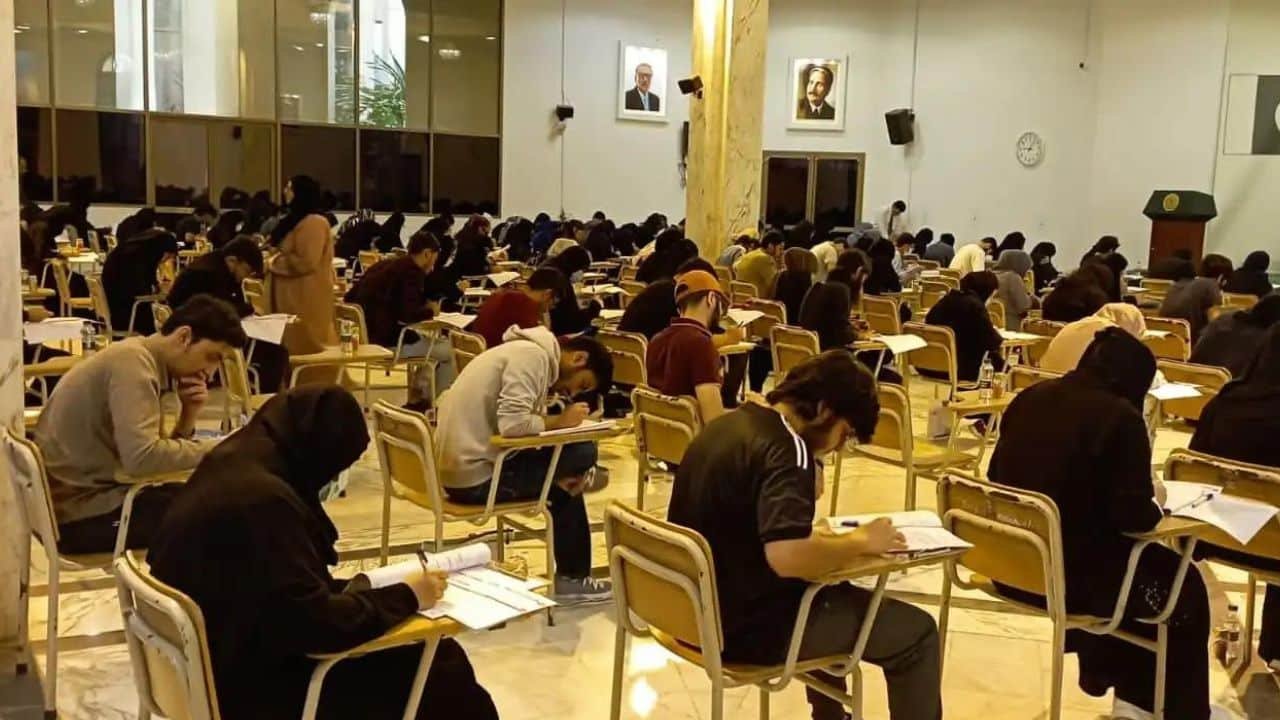
    Dozens of candidates have been caught cheating in the Pakistan Medical and Dental Council (PMDC) MDCAT exams conducted in a number of cities on Sunday.

    Over 40 candidates, including 20 female candidates, were arrested in Peshawar while 10 were taken into custody in DI Khan.

    All of the detainees were said to be using Bluetooth to cheat in the test. And as reported by Geo, DI Khan police sources claimed that VIP passes were issued to the candidates for which a hefty amount was paid to take the exam through dishonest means.

    Moreover, police received reports of MDCAT paper getting leaked via Bluetooth devices.

    Initially, FIRs were lodged at police stations Sharqi, Faqirabad and Pahari Pura. All the 43 candidates were later released on personal surety and will be produced before the court on September 11.

    Khyber Pakhtunkhwa (KP) Chief Secretary has issued instructions on tracking down government officials involved in cheating and to bring the facilitators to justice. He also asked the IT Board and higher education department to ameliorate their test strategy.
  • 31 cities accommodate more than 180,000 MDCAT candidates

    31 cities accommodate more than 180,000 MDCAT candidates

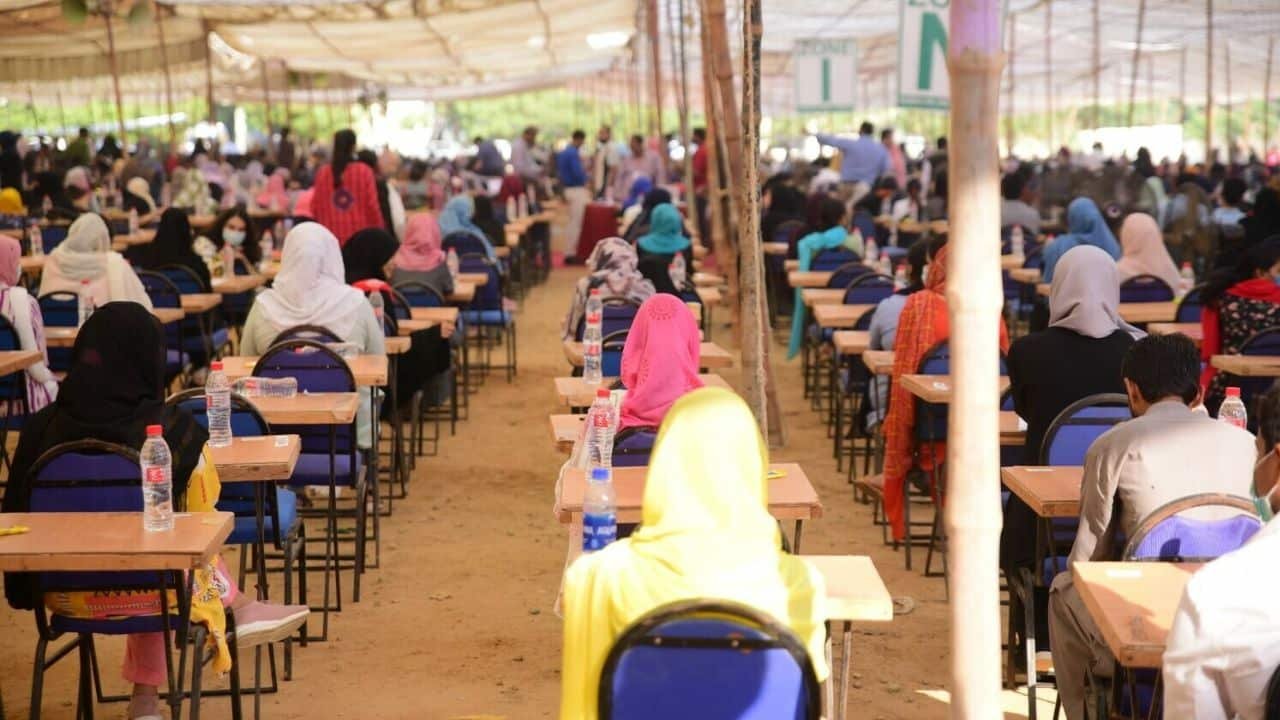
    Pakistan Medical and Dental Council (PMDC) conducted this year’s MDCAT on Sunday. The paper-based exam took place in centres across the country.

    PMDC President Professor Dr Rizwan Taj said that a total of 180,534 students from Pakistan appeared in the MDCAT exam. 180,151 registered candidates appeared in national venues whereas 382 candidates appeared at two international centres; 185 candidates in Dubai and 197 candidates in Saudi Arabia.

    Punjab hosted 66,875 candidates, Sindh 40,528, Khyber Pakhtunkhwa 46439, Balochistan 9,230, Gilgit 926, Azad Jammu and Kashmir 4,036 and Islamabad 12,118.

    The candidates were accommodated in 31 different cities including Islamabad, Rawalpindi, Lahore, Multan, Faisalabad, Bahawalpur, Gujranwala, Sahiwal, Sialkot, DG Khan, Sargodha, Gujrat, Faisalabad, Karachi, Jamshoro, Dera Ismail Khan, Malakand, Nawabshah, Swat, Swabi, Peshawar, Mardan, Kohat, Bannu, Abbottabad, Quetta, Gilgit, Muzaffarabad, Huripur, Larkana, Mansehra, and Mirpur.

    Dr. Taj pointed that special assistance had been provided to candidates with special needs or handicaps to fill out answer sheets.

    As per the spokesperson of the Sindh Medical University, MDCAT results will come out after around one week.

  • 2 out of 3 Pakistani marriages are between cousins

    Chakor, an Instagram-based platform providing data-driven insights, recently compiled statistics on cousin-marriages in Pakistan

    According to Chakor’s data, nearly 2 out of every 3 Pakistani marriages are between cousins. The organisation claims that Pakistan has one of the highest rates of marriages between cousins in the world.

    They further highlighted medical evidence about how detrimental cousin-marriages can be for women’s reproductive health, adding that such marriages can cause serious health complications for the child.

  • Flight takes U-turn after passenger gets severe diarrhoea

    Flight takes U-turn after passenger gets severe diarrhoea

    A Delta Air Lines airplane was flying from Atlanta to Barcelona when two hours into the journey, they were forced to turn around because of a “biohazard issue” after one of the passengers developed severe diarrhoea.

    In an audio posted on X (formerly Twitter), allegedly from air traffic control, the pilot can be heard telling that a passenger had diarrhoea “all the way through the airplane, so they want us to come back to Atlanta,”

    As per the BBC, the plane was cleaned and flew to Barcelona the next day.

    Delta confirmed in a statement to Insider website that the plane had to take a u-turn to Atlanta due to a “medical issue” on board and because the plane had to get cleaned:

    “Delta Flight 194 from Atlanta to Barcelona returned to Atlanta following an onboard medical issue.

    “Our teams worked as quickly and safely as possible to thoroughly clean the airplane and get our customers to their final destination. We sincerely apologise to our customers for the delay and inconvenience to their travel plans.”

  • Air pollution in South Asia can cut life expectancy by more than five years per person

    Air pollution in South Asia can cut life expectancy by more than five years per person

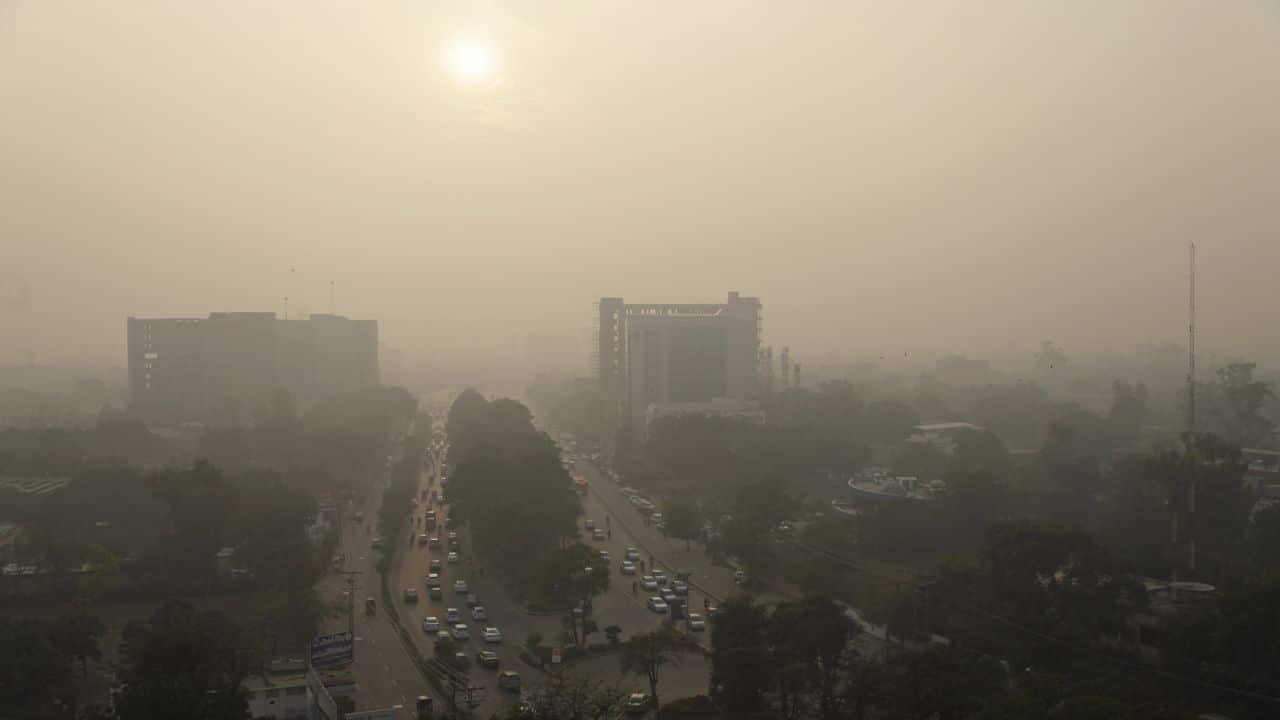
    University of Chicago’s Energy Policy Institute (EPIC) has published its latest report about Air Quality Life Index on Tuesday. The report deduced that rising air pollution can cut life expectancy by more than five years per person in South Asia which is currently one of the most polluted places in the world.

    Primary contributors in the region’s declining air quality are increasing industrialisation and population growth. The particulate pollution levels are resultantly more than 50 percent higher in comparison to the century’s start, posing a much greater health threat.

    What does the report say about Pakistan?
    According to the report, 98.3% of Pakistan’s population lives in areas exceeding the national air quality standard of 15 micrograms per cubic meter.

    From 1998 to 2021, average annual particulate pollution increased by 49.9% in Pakistan and reduced life expectancy by 1.5 years.

    In Punjab, Islamabad, and Khyber Pakhtunkhwa 65.5 million citizens reside (69.5% of Pakistan’s population), with the country’s people potent set to lose between 3.7 to 4.6 years of life expectancy on average relative to the World Health Organization (WHO) guideline and between 2.7 to 3.6 years relative to the national standard if the current pollution levels persist.

    Moreover, if Pakistan is able to meet WHO’s guideline, Karachi residents would gain 2.7 years of life expectancy whereas residents of Lahore would gain 7.5 years and people in Islamabad would gain about 4.5 years of life expectancy.
    Pakistanis would gain 3.9 years by meeting the WHO guidelines of limiting average annual PM 2.5 concentration to 5 micrograms per cubic meter.

    Others in South Asia

    The study further expounds upon other countries in the region.

    In light of the current pollution levels, Bangladeshis can lose 6.8 years of life on average per person compared to 3.6 months in the United States.

    A Nepali would live 4.6 years longer by meeting the WHO guidelines of limiting average annual PM 2.5 concentration to 5 micrograms per cubic meter.

    It is also highlighted that India is responsible for about 59 percent of the world’s increase in pollution since 2013, threatening to reduce lifespan in some of the country’s polluted regions.

    The average lifespan in New Delhi, a heavily populated and the world’s most polluted megacity, is down by more than 10 years.

    The report added that by reducing global levels of lung-damaging airborne particles, known as PM 2.5, to levels recommended by WHO could raise average life expectancy by 2.3 years.

    China has put in work to reduce pollution by 42.3 percent between 2013 and 2021. The report suggested the governments generate accessible air quality data in order to help bridge global inequalities in accessing tools to combat pollution.

  • New dengue cases reported across Punjab

    New dengue cases reported across Punjab

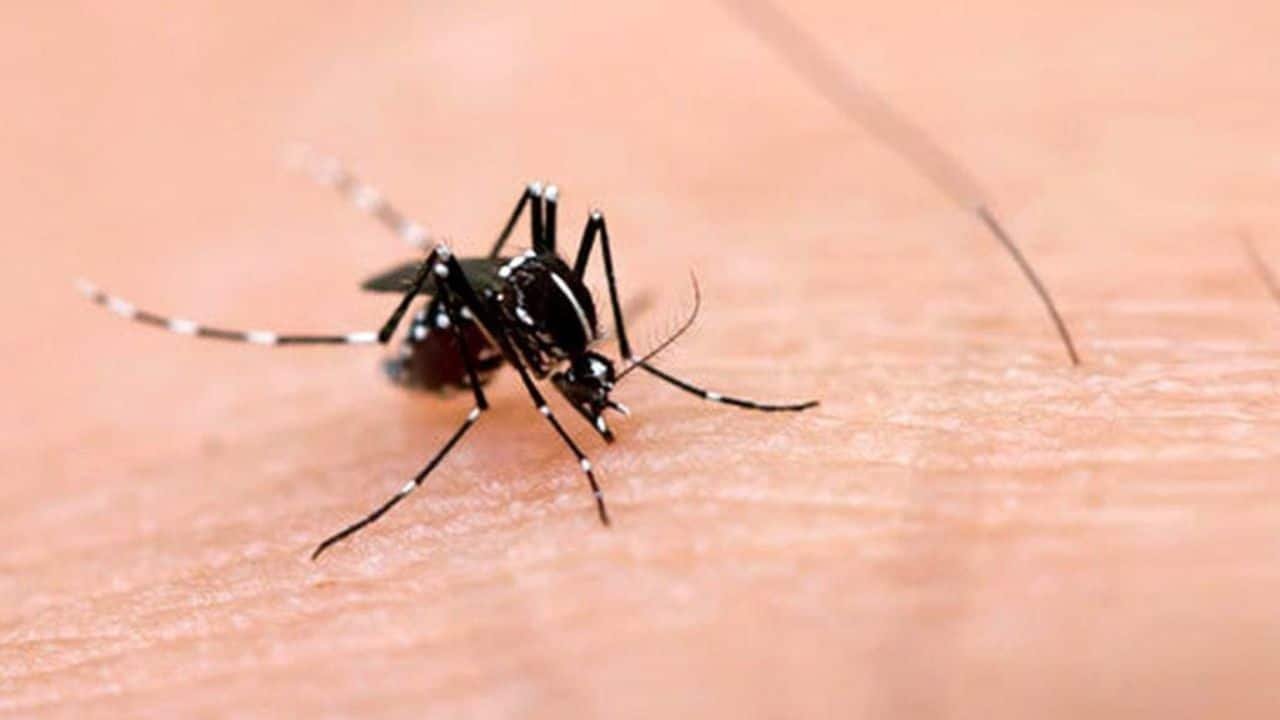
    New cases of dengue are being reported across Punjab. In Lahore alone, 18 confirmed cases have been reported in the past 24 hours while 83 confirmed cases were reported in less than a week.

    According to Dunya News, more than 30,000 dengue hotspots were found in the city by the government officials. Doctors are advising people to strictly follow standard operating procedures (SOPs).

    Similarly, dengue cases in Rawalpindi crossed 100 last week with at least 13 more patients diagnosed in the last 24 hours while 63 FIRs registered, 18 tickets issued, and 28 premises were sealed.

    District Coordinator Epidemics Prevention and Control Dr Sajjad Mehmood said the Rawalpindi administration registered as many as 1,802 FIRs on violations of anti-dengue SOPs from January 1 to date in various areas of the district.

    The Express Tribune has reported that the district administration, in collaboration with allied departments, had sealed 438 premises, issued tickets to 646 and a fine of Rs31,33,000 was imposed on violations of dengue SOPs in 2023.

    On August 23, Business Recorder reported that up till now, since January 1, 2023, a total of 678 confirmed dengue cases had been recorded in all the 36 districts of Punjab but fortunately there have been no deaths.

    Punjab Minister for Primary and Secondary Healthcare Dr Jamal Nasir has stated that on directions of caretaker Chief Minister Punjab Mohsin Naqvi, special dengue centres have been established in district and tehsil headquarters hospitals, which will provide free treatment to dengue patients.

    Dr Nasir has also claimed that larva monitoring has been increased throughout Punjab and strict legal action will be taken against the violators.

  • Medicine shortage in Lahore; which ones are being hoarded?

    According to Dawn.com, Lahore is experiencing a severe shortage of life-saving medicines with more than 120 drugs unavailable at the local pharmacies and medical stores. The shortage has resulted in stress among patients and attendants.

    These include medicines like Glucophage (for diabetics) that are prescribed at a large scale. In fact, an alternative to Glucophage for type 2 diabetes to control sugar levels, is also in short supply in local stores.

    Others include blood thinning medicines used by cardiac patients; Hepa-Merz used as a supportive therapy for liver diseases like jaundice, hepatitis (infection of the liver), hepatic cirrhosis (scarring/fibrosis of the liver).

    According to medical practitioners, medicines for diarrhea treatment are also in short supply even though the demand is high following rain spells. Severe stomach-related ailments can lead to complications and even death.

    Moreover, as per medical practitioners, widely-used drugs prescribed to children and adults for coughs are being sold in the black market and that pharmacy owners are hoarding commonly used medicines like Pyodine and Polyfax skin ointment etc to earn unjustified profits.

    Pharmaceutical companies are also struggling with drug manufacturing and supplying them against the approved rates due to the frequent dollar rate hike. This has also resulted in increased prices of raw material being imported from other countries.

    Additionally, medicines for Parkinson’s disease, epilepsy, and gynae-related complications are also short.

  • Poliovirus in Afghanistan poses a threat to Pakistan

    The International Health Regulations’ Emergency Committee has expressed concern over the increasing number of polio cases in Afghanistan which also pose a threat to Pakistan because of constant travel between the two countries.

    The Polio Emergency Committee issued a statement on Friday stating that there is still a risk of poliovirus spreading worldwide considering the “cross-border spread into Pakistan” from the eastern Afghan border.

    According to the committee, five new wild poliovirus cases were reported in Nangarhar province of Afghanistan. There were 32 positive environmental samples this year so far in the eastern region except for one site in Kandahar in the southern region and one from Balkh in the north.

    During the committee meeting summoned by the director general of World Health Organisation on August 16, it was stated that one new case of wild poliovirus was reported in Pakistan since May, total cases being two in 2023. Both the cases were reported from Bannu district.

    According to the committee statement, there have been 15 environmental surveillance positive samples in 2023. And while action plan in southern Khyber Pakhtunkhwa has resulted in 160,000 more children being vaccinated, it remain a challenge nonetheless due to “political instability, insecurity in some areas, with front line workers requiring police patrols to accompany them, and vaccination boycotts where communities make demands for other services in exchange for allowing polio vaccination”.

  • Woman in India dies as husband attempts delivery at home

    Woman in India dies as husband attempts delivery at home

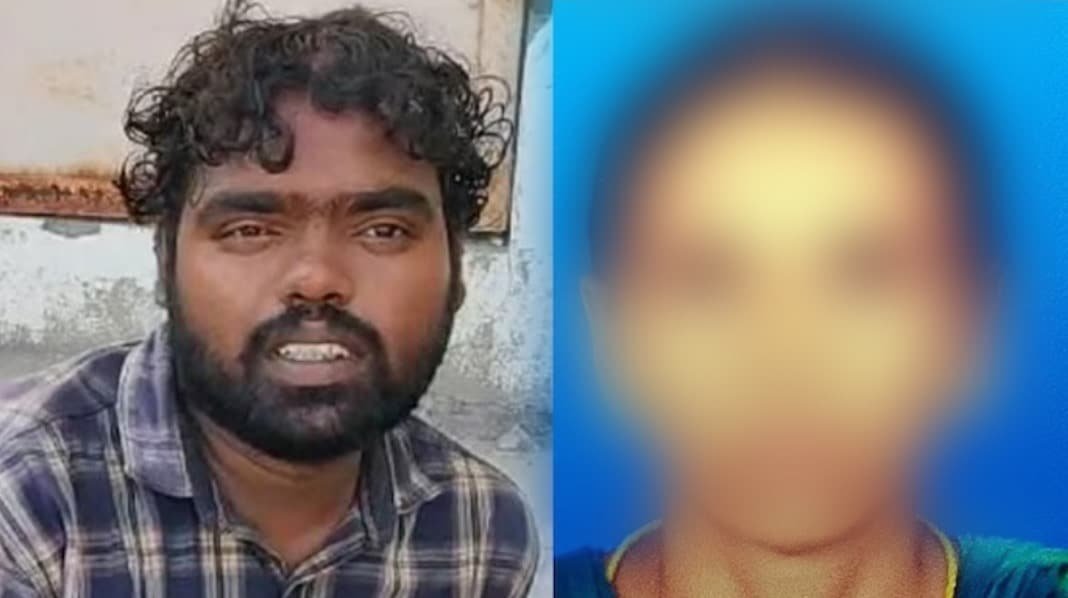
    A 27-year-old woman in Tamil Nadu’s Krishnagiri died while giving birth at home after her husband attempted to carry out the delivery himself using a technique he saw on YouTube.

    Nadu lost an excessive amount of blood as the husband failed to cut the umbilical cord properly, fainting from blood loss.

    Her husband took her to the Primary Health Center (PHC), however, she was declared dead. According to India Today, a medical officer at the hospital, Rathika, filed a complaint with the police. The police filed a case under Section 174 of the Code of Criminal Procedure (CrPC).

  • Sister donates womb in UK’s first successful transplant

    Sister donates womb in UK’s first successful transplant

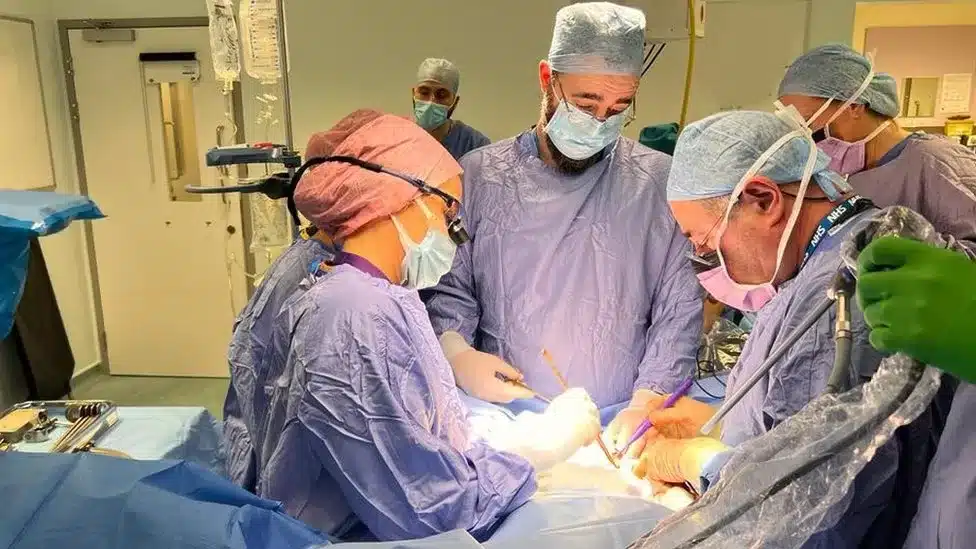
    Surgeons at Oxford have successfully carried out the first womb transplant in the UK.

    The womb was donated by a 40-year-old woman to her 34-year-old sister who was born without a uterus. The donor already had two children and considers her family to be complete. The sisters live in England and have requested to remain anonymous.

    The recipient was born with a rare condition known as Type 1 Mayer-Rokitansky-Küster-Hauser (MRKH) in which the uterus is “absent or underdeveloped, but has functioning ovaries”.

    The procedures were carried out by a team of 20 doctors which lasted around 17 hours in operating theatres at the Churchill hospital in February.

    It has been six months since the transplant and according to the doctors, both the women have “recovered well from surgery”. The recipient has embryos in storage that will be transferred.

    BBC reported that transplant surgeon Isabel Quiroga, who steered the team implanting the womb, said that the recipient was “absolutely over the moon, very happy, and is hoping that she can go on to have not one but two babies. Her womb is functioning perfectly and we are monitoring her progress very closely.”

    Prof Richard Smith, gynaecological surgeon, who led the organ retrieval team, has spent 25 years researching womb transplantation. He told the BBC it was a “massive success”.
    “The whole thing was emotional. I think we were all a bit tearful afterwards.”

    The donor is currently on immunosuppressive drugs in order to prevent tissue rejection however, the uterus will be removed after a maximum of two pregnancies due to long-term health risks.

    The first womb transplant surgery took place in Sweden in 2014 and the recipient successfully had a baby. She had received a womb from a friend in her 60s.
    Since then, 100 womb transplants have been carried out across the globe and around 50 babies have been born — mainly in the US and Sweden, but also in Turkey, India, Brazil, China, Czech Republic, Germany and France.

    According to British Journal of Obstetrics and Gynaecology, the surgeons in the UK were given permission to perform womb transplants in 2015, but “institutional delays” and Covid deferred it till now.