Tag: health

  • Novel bacteria strain holds potential to curtail malaria transmission

    Novel bacteria strain holds potential to curtail malaria transmission

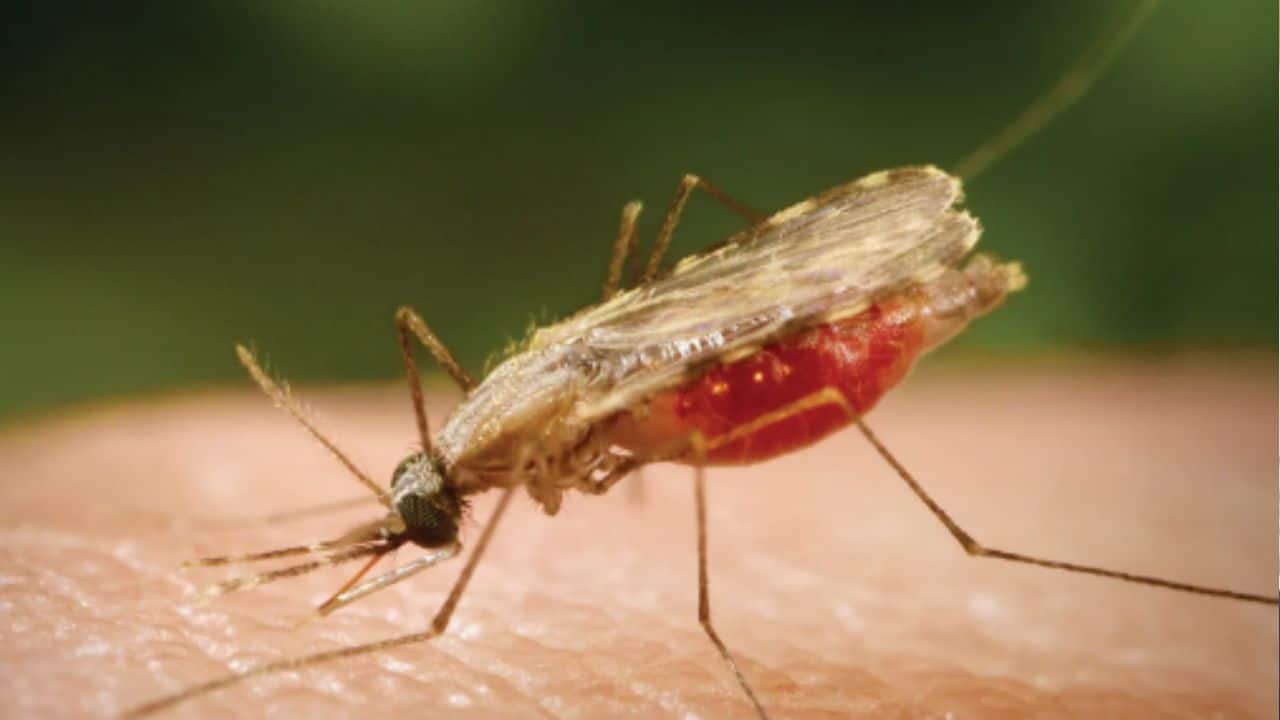
    In a promising stride against one of the world’s most deadly diseases, scientists have accidentally discovered a naturally occurring bacterium, TC1, that could impede the transmission of malaria from mosquitoes to humans, according to BBC.

    The groundbreaking finding came to light at a research facility in Spain, supervised by pharmaceutical giant GlaxoSmithKline (GSK). The researchers stumbled upon the phenomenon while conducting experiments on mosquitoes related to drug development.

    The team noticed an unexpected result: a group of mosquitoes remained free from malaria parasites. Further analysis led to the identification of a bacteria strain, TC1, existing in the natural environment, which seemed to halt the growth of malaria parasites inside the mosquito’s gut.

    The bacterium proved to be resilient, persisting throughout the mosquito’s lifespan and notably reducing its parasite load by up to 73%.
    This unexpected helper produces a molecule known as Harmane, which hinders the early development stages of the malaria parasite within the mosquito.

    Malaria continues to devastate populations globally, claiming around 620,000 lives each year, primarily among children under the age of five. While vaccines are in progress, their implementation in Africa remains in the nascent stages.

  • Study reveals higher risk of depression in new fathers

    Study reveals higher risk of depression in new fathers

    A study conducted by the University College London (UCL) has highlighted that men also have a high risk of depression during the transformative period of parenthood. The research, which analyzed medical records of 90,000 men who became fathers within the previous year, focused on the mental health of new fathers and its relation to postnatal depression.

    Led by Professor Irene Petersen, the study found that men with a history of depression who had previously used antidepressants were 30 times more likely to be prescribed them again in the first year after their child’s birth. It was emphasized that postnatal depression in fathers was not a risk for all men but rather more likely to affect those already prone to depression.

    This study brings attention to the mental well-being of new fathers, an area often overshadowed by the focus on mental health during pregnancy and postpartum for women. It suggests that fathers should consider having a mental health check-up in the first year after becoming a parent.

    According to Professor Petersen, some of the men in the study continued their existing treatment for depression, while others experienced a relapse of depression without a recent prescription. It’s possible that these individuals were more aware of the symptoms and sought treatment voluntarily. The study focused on the use of antidepressant treatment rather than making a formal diagnosis. The research showed that paternal post-natal depression is not a risk for all men but primarily affects those who are already prone to depression.

    “However, having a child might act as a trigger for depression in some men,” he concluded.

    Another researcher and PhD candidate involved in the study emphasized the intricacy of the connection between depression and fatherhood. They noted that previous antidepressant treatment played a significant role in determining whether antidepressants were used in the year after becoming a parent. This could be attributed to some men continuing the treatment they were on before becoming fathers, while others might be more susceptible to experiencing depressive feelings again, which may be exacerbated by the challenges of parenthood.

    The study also revealed that fathers living in the most deprived areas had an 18 percent higher risk of being prescribed antidepressants compared to fathers in the least deprived areas.

  • How to get fit and be happy this summer while sitting at home

    How to get fit and be happy this summer while sitting at home

    With summer now in full swing, individuals globally may be pondering on ideas to get fit and healthy without leaving their room. This article aims to share some innovative, fun, and easy fitness tips you can incorporate at home this summer.

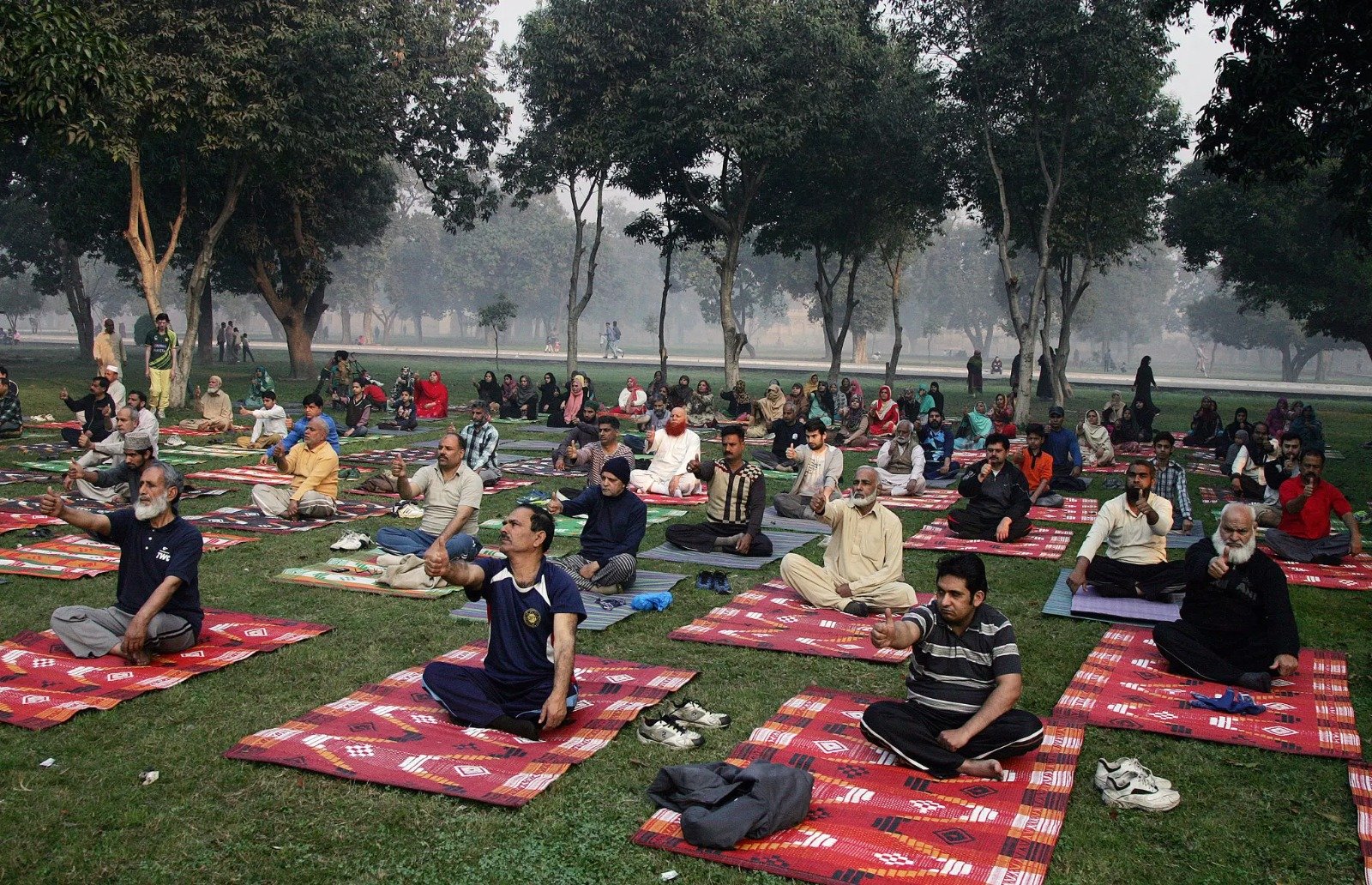
    First off, despite the scorching heat outdoors, summer is an excellent time to find your inner yogi. Yoga is not only a great means to enhance physical flexibility and strength but also helps in relieving stress and bolstering overall well-being. Online yoga classes and apps offer comprehensive sessions varying in lengths and difficulties, allowing you to choose according to your flexibility and skill level.

    When it comes to cardio-based exercises, home dance workouts can provide a delightful reprieve from traditional regimens. Diverse home-dance workout formats available online, from Zumba to hip-hop routines, can contribute significantly to calorie-burning. While offering fitness benefits, these sessions also add an exciting element to your daily routine, making workouts something to look forward to.

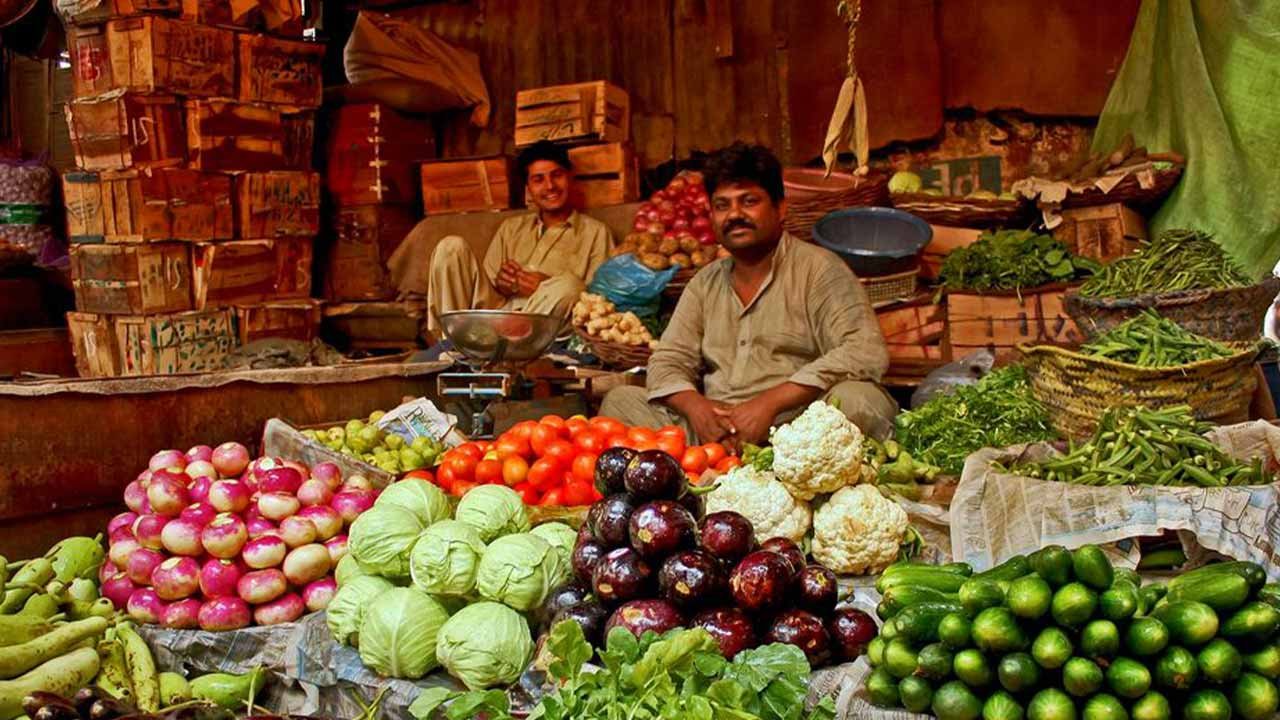
    Alongside exercising, it’s crucial to focus on healthy nutrition. Experimenting with summer salads and smoothies is a creative way to fulfill your nutritional needs. Including a variety of colorful fresh fruits and veggies in your meals ensures you receive ample vitamins and minerals, essential for maintaining a robust immune system, particularly important during these pandemic times.

    Moreover, proper hydration in summer can’t be overstated. Try adding fruits like watermelon or cucumber to your drinking water for a refreshing twist on staying hydrated. Also, you can experiment with homemade iced herbal teas, which are equally hydrating and provide numerous health benefits.

    Finally, mental health is as vital as physical fitness. Adopt mindfulness exercises or meditation to help manage stress effectively, improve focus and induce better sleep.

    Getting fit this summer while staying home doesn’t have to be tedious. Armed with these tips, you’re ready to transform your summer fitness journey into an enjoyable and rewarding experience.

  • Coca-Cola, with an alliance of Beverage Manufacturers in Pakistan, appeal to the Government for a fair and broad-based tax regime and an immediate withdrawal of unprecedented Federal Excise Duty

    Coca-Cola, with an alliance of Beverage Manufacturers in Pakistan, appeal to the Government for a fair and broad-based tax regime and an immediate withdrawal of unprecedented Federal Excise Duty

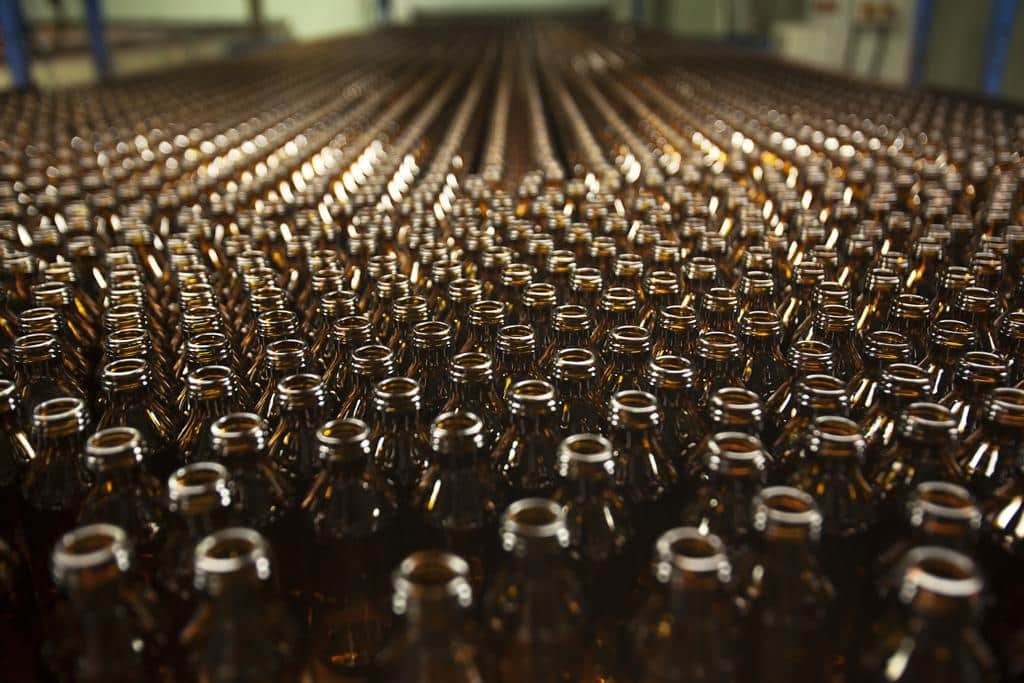
    Pakistan’s aerated beverage industry is grappling with a significant decline in volume, estimated at 35% to 40%, following the introduction of a 7% Federal Excise Duty (FED) in the February 2023 mini-budget. This latest tax increase has pushed the total FED on the industry to an unsustainable 20%, marking a staggering 50% surge from the previous rate of 13%. The repercussions are reverberating throughout the manufacturing chain, with an expected loss of thousands of jobs. If these regulatory challenges persist, businesses may be compelled to consider shutting down their operations, resulting in a further blow to government revenues, estimated at an annual loss of PKR 6-8 billion in FED collection.

    The beverage industry in Pakistan is already burdened with one of the highest tax rates globally, with a 20% FED that surpasses the average levy imposed on the food and beverage sector. Despite these challenges, the aerated beverage industry has stepped up as a key investor, contributing an estimated $200 million to bolster the country’s foreign exchange reserves during a time of Forex shortage. However, the recent tax measures have hindered the government’s revenue collections from this industry, leaving a negative impact.

    According to the Half-Year Report for 2022-2023 published by the State Bank Board of Directors, several sectors, including the beverage industry, have experienced negative growth. From the first half of the fiscal year 2022 to the same period in 2023, the beverage industry alone has contracted from 5% to a significant negative growth rate of -8.3%.

    The adverse economic consequences resulting from these measures have garnered attention from trade bodies such as the Pakistan Business Council, American Business Council, and various Chambers of Commerce. These associations recently presented their recommendations to Senator Saleem Mandviwalla, Chairman and Convener of the Senate Committee on Finance and Revenue. In a consultative session held on May 23, 2023, Coca-Cola, representing the industry, voiced concerns regarding the discriminatory nature of the tax applied in February 2023. The tax does not consider per-capita sugar consumption, resulting in an unfair burden on the beverage industry, which only accounts for approximately 6% of the country’s sugar consumption.

    The beverage sector, which operates transparently and in compliance with regulations, now urges the government to reassess its taxation policy. Specifically, the industry is calling for the immediate withdrawal of the 7% tax introduced in the mini-budget, as it was initially presented as a temporary, stop-gap measure. The industry maintains that a fair and broad-based tax regime would not only alleviate the burden on the beverage industry but also contribute to Pakistan’s economic stability and foster growth.

    The appeals made by Coca-Cola and other beverage manufacturers underscore the urgent need for a comprehensive review of the taxation policy affecting the industry. Striking a balance between tax obligations and recognizing the substantial investments made by these companies is vital to creating a conducive business environment and ensuring the long-term sustainability of Pakistan’s beverage sector.

  • 466 people are dying each day in Pakistan due to tobacco consumption

    466 people die daily in Pakistan due to tobacco use related diseases, Dr Ziauddin Islam, a former technical leader of the Health Ministry’s Tobacco Control Cell, has disclosed during a discussion hosted by SPARC, Ikram Junaidi has reported for Dawn.

    He also said that the number of smokers in Pakistan has reached 31 million people. Dr. Ziauddin also revealed that every day, 1,200 Pakistani kids between the ages of six and fifteen begin smoking.

    The Tobacco Health Levy Bill, which has been on hold since 2019, needs to be approved right away in order to stop the loss of life and healthcare resources, he added.
    “Evidence suggests that higher cigarette taxes deter smoking initiation, reduce cigarette consumption, and even lead smokers to quit. Last year, Pakistan raised tobacco taxes for the first time since 2019 however we are still far off from the 30pc increase suggested by the World Health Organisation (WHO),” said Country head of Campaign for Tobacco Free Kids (CTFK) Malik Imran Ahmed.

  • How to apply for government jobs in Pakistan

    How to apply for government jobs in Pakistan

    Many Pakistanis prefer working for the government over the private sector since a government job not only offers job stability but also other incentives that encourage people to work for the government.

    People from middle-class households typically favour working in the government. We have addressed the benefits that favour government jobs for career advancement because there are some benefits that the private sector does not provide.

    Here are some advantages of government jobs:

    Working hours

    The benefit of choosing government employment over the private sector is the flexible work schedule. In contrast to positions in the private sector, when employees are occasionally required to work a little bit extra, occupations in the public sector have set working hours. However, in some government agencies, working overtime is required without compensation.

    Job security

    The biggest benefit of working for the government is job stability. And there is no job security in the private sector. In contrast, there is very little chance that any government official will lose his or her job.

    Employees in the private sector are displaced like houseflies because this perk is only available to those working in government sectors.

    Promotions

    Another crucial element in the public sector is the promotional benefit. Promotion in government positions is always contingent on how well and how long you work. However, this can occasionally be both a benefit and a drawback because someone who is above average may not be able to develop as quickly as his typical counterparts.

    Benefits and perks

    Next in the government sector are the perks and rewards. As a result, the government sector offers a wide range of benefits, including pension plans, retirement benefits, health care, housing loans, and childcare, among others. However, several significant private sector enterprises do provide such advantages.

    In the government sector, however, retirement becomes crucial since it guarantees the longevity of a person’s career.

    Read more: Here’s how to use a SIM in a non-PTA approved phone

    Lesser stress

    The government sector, as we’ve seen above, has set working hours. Therefore, these hours will result in reduced work-related stress. The best time frame to finish the work on time and in the best way is offered by government jobs, which is not available in the private sector.

    Respect

    Along with all these advantages, working for the government increases respect. Everyone will treat you with respect if you work for the government because of your authority and position.

    Salary increments

    The other best perk of working for the government is, of course, wage increases. As a result, your compensation will rise without regard to how well you perform. So this is fantastic if you are an average performer.

    These multiple advantages provided by government employment may provide you a competitive advantage over the private sector. A government career is the ideal option, though, if you are considering doing something exceptional in the future and need job fulfilment.

    Where to apply?

    There are currently hundreds of job vacancies on the websites below:

    National Job Portal

    Punjab Jobs Online

    These websites allow interested applicants to submit applications for several Pakistani government job positions. Numerous openings, from entry-level to senior-level ones, are listed on these websites.

    Applying for posts in the following categories is possible: BPS-01, BPS-04, BPS-05, BPS-09, BPS-11, BPS-14, BPS-15, EVP/SEVP, G-1, G-2, G-3, G-4, Grade-10, Grade-11, Grade-12, MP-I, MS-VIII, PPS-10 and PPS-12.

    People who live in Punjab can apply for the most recent positions that the Punjab Government has posted, including those in the departments of planning and development, energy, and health care, by visiting Punjab Jobs Online.

  • Pakistan inflation hits highest level since 1973

    Pakistan inflation hits highest level since 1973

    According to the Pakistan Bureau of Statistics (PBS), Pakistan’s Consumer Price Index-based inflation (CPI) climbed by 27.3 per cent on a year-over-year basis in August 2022 as opposed to an increase of 24.9 per cent the previous month and 8.4 per cent in August 2021.

    Inflation has increased by an average of 26.1 per cent in the first two months of the current fiscal year 2023 compared to 8.36 per cent in 2022. August’s inflation rate was the highest since November 1973.

    According to brokerage house Arif Habib Limited (AHL) the Consumer Price Index (CPI) for the month of Aug’22 clocked in at 27.26 per cent YoY (+2.45 per cent MoM). This takes 2MFY23 average inflation to 26.1 per cent compared to 8.36 per cent in 2MFY22.

    CPI inflation

    Urban

    In August 2022, urban CPI inflation was 26.2 per cent on an annual basis, up from 8.3 per cent in August 2021 and 23.6 per cent the month before.

    It climbed by 2.6 per cent month over month in 2022, compared to 4.5 per cent the month before and 0.5 per cent in August 2021.

    Rural

    In addition, rural CPI inflation reached 28.8 per cent on an annual basis in August 2022, up from 8.4 per cent in August 2021 and 26.9 per cent in the preceding month.

    In August 2022, it climbed by 2.2 per cent month over month, compared to 4.2 per cent the month before and 0.7 per cent in August 2021.

    Further increase expected

    Rising inflation has become a major worry for Pakistan’s economy, which is already experiencing a loss of foreign exchange reserves.

    In the midst of severe flash floods that have resulted in at least 1,100 fatalities, extensive destruction, and millions of displaced people, experts have cautioned that the country will experience additional increases in food costs.

  • We have not invested enough in education, health and infrastructure: PM Shehbaz

    In an interview to The Economist on Pakistan’s Independence Day, Prime Minister (PM) Shehbaz Sharif highlighted the root problems of the economic crisis gripping the nation nowadays.

    Titled “Pakistan’s prime minister on his drive to modernise the country“, PM Shehbaz mainly talked about critical structural flaws that hindered the state’s economy. According to him, the first reason is that Pakistan’s political environment has become increasingly polarised.

    “Instead of debating how to run Pakistan better and rid the country of poverty, political parties have been at each other’s throats,” he pointed out.

    “We have not invested enough in the nuts and bolts of development: education, health and infrastructure. This is in part due to an abysmally low tax take, but it also reflects our priorities in public spending.”

    PM Shehbaz further highlighted the fact that Pakistan has not enjoyed the benefits of globalisation.

    “Today, we hardly make anything that the world wants and our companies remain very comfortable only operating within our borders, often protected by barriers to competition,” he stressed.

    He pointed out that Pakistan’s exports are just 10 per cent. Shehbaz said that where “two out of every three people are below the age of 30 and full of aspirations and where every third person lives on less than $3.20 a day and less than a quarter of our women work outside the home,” it is a moment that merits “serious introspection”.

    Pakistan was one of the biggest victims of state-sponsored terrorism’: PM Shehbaz

    In an interview with Newsweek’s senior foreign policy writer Tom O’Connor, PM Shehbaz said it was no secret that Pakistan was “one of the biggest victims of state-sponsored terrorism that is planned, supported and financed by hostile intelligence agencies”.

    He went on to say that terrorist attacks against Chinese nationals were “aided and abetted by forces inimical to the Pakistan-China strategic partnership”.

    Talking about friction between the US and China, the premier said: “While the Pakistan-China relationship is very special, Pakistan and the US have also maintained a long-standing historic bilateral relationship which covers all issues of mutual interest.”

    He was of the view that the world cannot afford to go back into another “era of Cold War or bloc politics”.

    The premier called for all parties to agree to the “minimum rules of the game in which the welfare of the people remains paramount”.

    “Systematic problems can be fixed through engagement and consultations among all political stakeholders. This course may take time, but is the only way forward for the system to become strong, resilient and efficient.”


  • ‘Go where Muslims are in minority if you want more kids,’ Abdul Qadir Patel on population control

    ‘Go where Muslims are in minority if you want more kids,’ Abdul Qadir Patel on population control

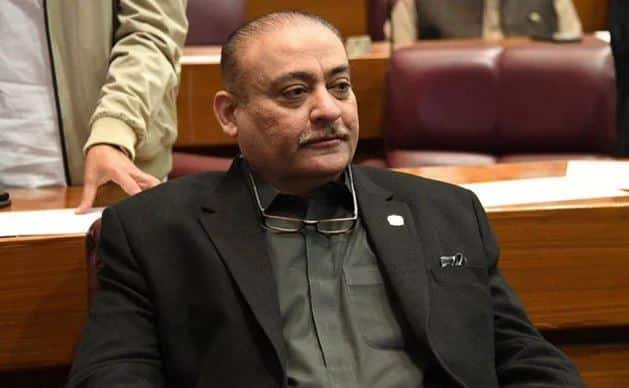
    Federal Minister for Health Abdul Qadir Patel on Monday presented a unique suggestion to control the population of Pakistan. The health minister said that if couples want to have more children, then they should go to another country where Muslims are in a minority so that the Muslim population can also increase around the world.

    Patel said that by 2030, Pakistan’s population is expected to cross 285 million. He said it is an “alarming situation”.

    “We do not want to decrease the Muslim population. We want Muslims to be better, more educated and provide them with better healthcare facilities.”

    Qadir Patel said that he has suggested to people to go have children in countries where the Muslim population is in a minority. “We are a lot in numbers here masha’Allah.”

    The federal minister emphasised that in order to control the growing population, there needs to be more awareness about family planning.

    Qadir Patel made the remarks while addressing a seminar in Islamabad.

    The world’s population could grow to around 8.5 billion in 2030 and 9.7 billion in 2050. According to a United Nations (UN) report, Pakistan is among eight countries where the projected increase of population is expected to be concentrated in 2050.

  • Pharmaceutical industry wants to raise drug prices by 25 per cent

    Pharmaceutical industry wants to raise drug prices by 25 per cent

    The government is given the deadline of June 30 to accept the pharmaceutical industry’s demands, or the cash-strapped sector will have no choice but to shut down.

    In order to prevent the collapse of the industry, Qazi Mansoor Dilawar, chairman of the Pakistan Pharmaceutical Manufacturers Association (PPMA), called for the refund of Rs40 billion that the government had collected as sales tax on the import of raw materials, the removal of the 17 per cent sales tax, and a 20 to 25 per cent increase in the price of medications during a press conference at the National Press Club.

    He also called for a 20 per cent increase in the maximum retail price (MRP). According to him, there is already a shortage of about 40 medicines on the market, and if immediate action is not taken, the shortage will grow alarmingly large.

    Dilawar claimed that the previous administration had pledged to refund the sales tax that had been imposed as a result of IMF pressure within 48 hours, but regretted that no mechanism had yet been established, preventing the refund of a significant Rs40 billion.

    The problem was made worse by a three-fold increase in the price of raw materials, a massive increase in freight costs, an increase in the price of fuel and electricity, and a drop in the value of the rupee. He added that 95 per cent of the raw materials used in the sector had to be imported.

    The president of the PPMA dismissed the notion that the industry was reaping huge profits by mentioning that many medications had costs that were higher than their retail prices.

    He asserted that about 70 per cent of Pakistani medications were less expensive than those found in India and Bangladesh.

    In response to a question, he stated that while there was much discussion about the increase in 600 drug prices after 13 years under the PTI government, there was little discussion of the decrease in 400 drug prices.

    The industry was not prepared to handle the challenge this time, according to the former PPMA chairman Qaisar Waheed, who also spoke about the recent increase in Covid-19 cases, particularly in Sindh.