Tag: health

  • Baby’s head cut in womb in Tharparkar

    Baby’s head cut in womb in Tharparkar

    A 32-year-old Hindu woman from a village in Chhachhro, Tharparkar, delivered a dead breech baby girl at a charity hospital on June 16.

    Breech delivery is when a baby’s bottom comes out first during the delivery.

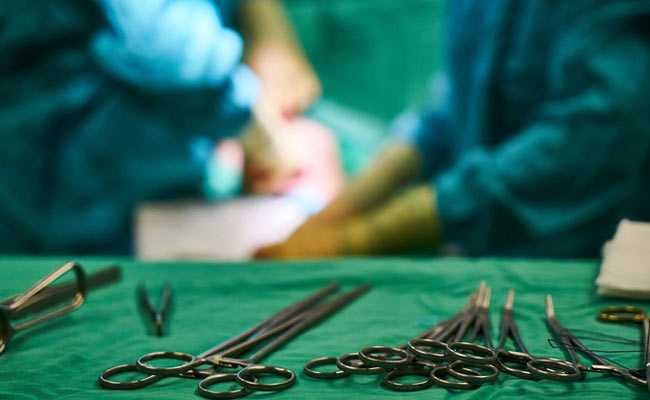
    In Chhachhro the hospital staff tried to deliver the breech baby’s head for half an hour but failed. After failing to deliver the rest of the baby, the hospital staff cut off the head before the mother was sent to Mithi hospital. The procedure was done in the absence of a gynaecologist and female staffers. The woman was then taken to the Mithi district headquarters hospital, where she was advised to rush to Liaquat University of Medical & Health Sciences, Jamshoro (LUH), which was 220 km away from Mithi. Altogether, she had to travel 319 km with the baby’s head inside her womb.

    According to the baby’s father, they had an X-ray taken from a hospital, where the doctor had told him that his wife would have an operation because the baby was upside down in the mother’s womb. According to him, the doctor also told him the date of delivery. He said that as soon as his wife’s condition deteriorated, he took her to a local midwife who said that she was not feeling well, after which he took his wife to the hospital.

    In LUH, an abdomen surgery was performed on her and the baby’s head was taken out after 18 hours of back-to-back delivery pains. This was the woman’s fifth child who died during delivery.

    Prof Dr Raheel Sikandar of LUH said that usually breech babies are delivered and they survive. According to him, the woman had a ruptured uterus.

    “Healthcare providers [in Chhachhro] might have tried to save the baby, but in vain. The baby’s head was entrapped. In such breech baby cases, deaths occur in one minute if they are not fully delivered.”

    “The baby’s buttocks and legs were fully developed, but unfortunately it was a dead breech baby,” Dr Sikandar added. However, the woman’s life has been saved. She is currently admitted to the gynecology unit of LUH.

    The charity hospital in Chhachhro said that while the nurses were cleaning the patient, the dead baby’s torso detached from the neck because the neck had already been broken. They revealed that at the time they didn’t have any gynaecologist, which is why they could not operate. The hospital further claimed that the woman’s family was told to go to Mithi but they insisted on getting the treatment at the charity hospital, reports BBC Urdu.

    Action taken by the authorities:

    A notification issued by the Director-General (DG) Sindh Health on Saturday stated: “The fetus was not in a cephalic position. So the head got stuck after delivering the torso because the delivery was done by inexperienced hands.” DG Sindh Health said that an investigation has been started in which the statements of the staff of the missionary hospital have been recorded. An inquiry was also ordered by the provincial health secretary.

    Pakistan has the highest infant mortality rate in South Asia. According to the United Nations International Children’s Emergency Fund (UNICEF), the country reported 54 infant deaths per 1,000 live births.

    News of infant deaths and the non-availability of doctors in hospitals have been circulating in the media for the last decade in Tharparkar. Several times, this issue was brought up in the Supreme Court (SC), High Court, and the Sindh Assembly but all in vain.

  • Air pollution reduces life expectancy by two years worldwide: Report

    Air pollution reduces life expectancy by two years worldwide: Report

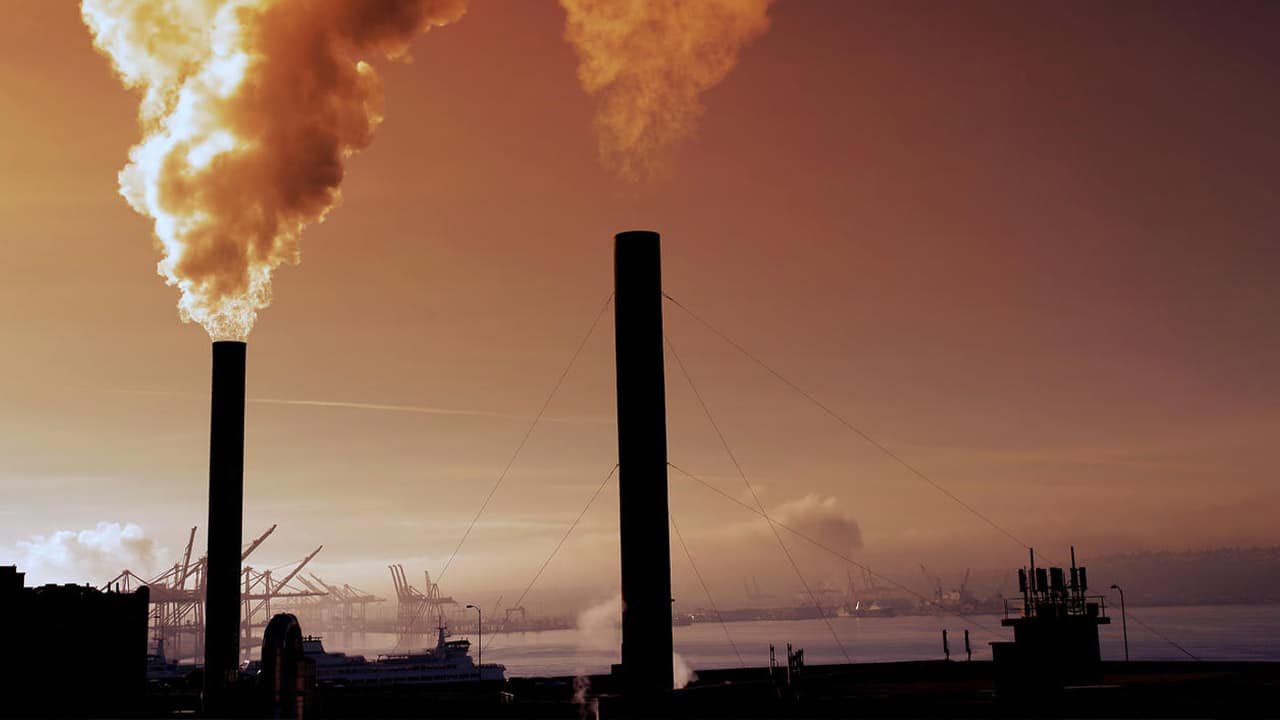
    A recent study revealed that microscopic air pollution, mostly generated by the combustion of fossil fuels, affects life expectancy by more than two years globally.

    According to a report by the University of Chicago’s Energy Policy Institute, if fine particulate matter levels across South Asia reached World Health Organization criteria, the typical individual would live five years longer.

    The severe lung and heart illness caused by so-called PM2.5 pollution reduce life expectancy by eight years in the Indian states of Uttar Pradesh and Bihar, home to 300 million people, and by a decade in the capital city of New Delhi.

    PM2.5 pollution penetrates deep into the lungs and reaches the circulation, with a diameter of 2.5 microns or smaller, nearly the same as a human hair. It was declared a cancer-causing substance by the United Nations in 2013.

    According to the WHO, the concentration of PM2.5 in the air should not exceed 15 micrograms per cubic metre in any 24-hour period, or 5 mcg/m3 on an annual basis.

    The WHO strengthened these guidelines last year, the first revision since air quality guidance was established in 2005, in response to accumulating evidence of harmful health effects.

    In the Air Quality Life Index report, lead researcher Crista Hasenkopf and colleagues stated, “Clean air pays back in additional years of life for individuals all over the world.” “Reducing global air pollution to WHO recommendations permanently would add 2.2 years to average life expectancy.”

    Almost every inhabited region on the planet exceeds WHO limits, but not more so than Asia: Bangladesh, India, Nepal, and Pakistan all exceed WHO guidelines by 15-fold, 10-fold, and nine-fold, respectively.

  • Govt unveils Rs9.5 trillion budget 2022-23, focused on sustainable growth

    Govt unveils Rs9.5 trillion budget 2022-23, focused on sustainable growth

    The federal budget for 2022-23 has been revealed with a total outlay of Rs9,502 billion. It includes measures for sustainable economic growth, industrial and agricultural development, and aid for the poor ones.

    Finance Minister, Miftah Ismail began his address by claiming that the PTI administration had left Pakistan’s economy in shambles and harmed investor confidence by often switching finance ministers and monetary policies.

    He slammed former Prime Minister Imran Khan, claiming that he never cared about the poor, claiming that “keeping an eye on potato and tomato prices is not a PM’s duty”.

    He claims that the governing party took control of the country despite the fact that it will have to make difficult decisions to save the economy, which will affect their individual parties’ appeal, but they chose to put the country’s interests ahead of their own.

    Relief for working class and the poor

    He claimed that the budget is geared at providing greater relief to the working class and the poor, as opposed to the wealthy, because the working class prefers to buy local products over foreign ones, boosting the economy.

    Budget 2022-23, according to Miftah Ismail, will concentrate on offering facilities to farmers planting crops that supply cooking oil, such as corn and sunflower, so that the country does not need to import palm oil, which is at an all-time high in the worldwide market.

    Slashing furniture, stationary expenses in govt offices

    Considering the current economic downturn, the administration has decided to restrict operational expenditures to the absolute minimum, and that new furniture and stationary for government offices will be completely prohibited. Other than obligatory diplomatic visits, all government-sponsored foreign trips will be prohibited.

    Education

    The government has set aside Rs65 billion for the Higher Education Commission (HEC) in the current budget. In addition, the HEC has been granted Rs44 billion for development programmes, which is 67 per cent more than the previous year.

    Miftah Ismail said that this is a demonstration of our commitment to the youth. We are encouraging provinces to completely fulfill their obligations in terms of higher education promotion in the coming years, he said. The HEC budget includes 5,000 scholarships for Balochistan and tribal district students. He added that a unique scholarship programme has been introduced for Balochistan’s coastal communities.

    The Finance Minister said that 100,000 laptops would be provided to students around the country on affordable instalments. Funds have also been set aside for the purchase of cutting-edge equipment to improve engineering and technology education.

    15 per cent Increase in govt employees’ salaries

    In Budget 2022-23, Miftah Ismail announced a 15 per cent increase in government employee salaries, as well as the merger of adhoc allowances.

    He said that the tax on savings certificates, pensioners’ benefit accounts, and martyrs’ family assistance accounts had been reduced from 10 per cent to 5 per cent.

    Small merchants will be subject to a new fixed income and sales tax regime, according to the Minister. Electricity bills would be used to collect taxes ranging from Rs3,000 to Rs10,000 under this method. This will be a final agreement, and FBR will have no right to inquire about the tax.

    According to Miftah Ismail, a proposal has been made to increase initial depreciation rates for industries and other businesses from 50 per cent to 100 per cent in the first year.

    Furthermore, he stated that any tariffs imposed on industrial units during the import of raw materials will be considered adjustable in order to protect the business community’s working capital.

    New industrial policy

    He stated that an industrial policy is being implemented in partnership with the Asian Development Bank in order to boost the country’s industrial base. He stated that the Prime Minister has directed that all exporter claims be resolved as soon as possible.

    A sum of Rs40.5 billion is due to them right now, and we will pay it as soon as possible. Regardless of financial challenges, sales tax refunds are issued swiftly. Industrial feeders have been spared from load-shedding, according to him, in order to ensure that the industrial sector has uninterrupted power supply.

    A new strategy for promoting investment in the country is being developed which aims to provide an enabling atmosphere for investors by eliminating the lengthy procedure. The government will overhaul the dispute settlement structure to make it easier for domestic and foreign investors.

    Boosting agriculture sector

    Talking about the agriculture sector, Finance Minister stated that Rs21 billion had been set aside to boost agriculture and livestock productivity. He stated that the Ministry of Food Security, in consultation with the Planning Commission and the provinces, has developed a three-year growth strategy. This plan aims to increase agri-production, increase farmer prosperity, and promote smart agriculture and self-sufficiency.

    National Youth Commission

    The Finance Minister also announced the development of a National Youth Commission to help youth realise their full potential. Various plans for the youth, he noted, have been offered. He stated that a coordinated strategy is being implemented to strengthen the role of educated youth in the growth of the country. According to him, the youth employment initiative will create over two million job chances.

    He added that a scheme to foster youth entrepreneurship will be launched, under which interest-free loans of up to Rs500,000 and loans of up to Rs25 million will be made available on easy payments. He stated that in this lending arrangement, a 25 per cent quota has been been aside for women. He stated that women will be given precedence in hi-tech training in order to achieve economic empowerment. Youth development centres would be set up over the country, he said.

    A green youth movement would be launched to involve young people in environmental initiatives. Funds will be set aside to distribute laptops on a merit-based and instalment basis, as well as the construction of 250 mini-sports stadiums across the country. Miftah Ismail stated that an innovation league would be established in order to improve the youth’s potential. He said that a talent quest and sports drive programme will be developed for youngsters between the ages of eleven and twenty-five.

    Reduction in govt spending

    According to the Finance Minister, the current government’s top focus is austerity. This budget includes a reduction in government spending, and we are taking meaningful moves in that direction. He stated that automobile purchases will be completely prohibited. Apart from development initiatives, procurement of furniture and other products would be prohibited. Cabinet members and government officials will have their gasoline quotas lowered by 40 per cent. There will also be a ban on international tours paid for by the government, with the exception of the most important ones.

    A medium-term macroeconomic framework has been established to put the economy on a road of development, according to the Finance Minister. He emphasised his belief that by implementing this framework, we will be able to steer the economy in the right way. Our biggest problem, he remarked, is to expand without a current account deficit. As a result, a minimum of 5 per cent will be obtained without disrupting the balance.

    Improved fiscal and monetary policy

    He said that the GDP will increase from Rs67 trillion to Rs78.3 trillion in the coming fiscal year and the government is attempting to lower inflation through improved fiscal and monetary policy. During the next fiscal year, inflation will be decreased by 11.5 per cent.

    He predicted that the tax-to-GDP ratio will rise to 9.2 per cent in the coming fiscal year, up from 8.6 per cent now. He noted that in 2017-18, we had kept this ratio at 11.1 per cent. He stated that the overall deficit, which is currently at 8.6 per cent, will be steadily reduced. In the coming fiscal year, this will be reduced to 4.9 per cent. Similarly, the overall primary balance, which presently stands at -2.4 per cent of GDP, will be reduced to 0.19 per cent.

    Import and export

    Imports, which are estimated to be $76 billion this fiscal year, would be lowered to $70 billion the following fiscal year, according to the Finance Minister. Exports are currently $31.3 billion, but will increase to $35 billion in the coming fiscal year. The current account deficit will be decreased from -4.1 per cent of GDP to -2.2 per cent of GDP.

    Remittances, which are predicted to continue at $31.1 billion this fiscal year, are expected to grow to $33.2 billion next fiscal year.

    Key allocations in Budget 2022-23

    Rs1,523 billion allocated for defence

    Rs800 billion allocated for Public Sector Development Program (PSDP)

    Rs699 billion allocated for targeted subsidy

    Rs364 billion allocated for Benazir Income Support Program (BISP)

    Rs64 billion allocated for Higher Education Program

    Rs25.99 billion allocated for Atomic Energy Commission

    Rs24 billion allocated for Health

    Rs21 billion allocated for Benazir Nashunuma Program

    Rs11 billion allocated for Agriculture

    Rs10.12 allocated billion for food security 

    Rs9.60 billion allocated for Climate Change

    Rs530 billion allocated for pension funds

    Rs3.46 billion allocated for Maritime Affairs

    Key announcements

    The GDP growth target has been set at 5 per cent.

    Remittances are expected to total $33.2 billion.

    Inflation will be held at 11.5 per cent.

    FBR has set a revenue target of Rs7,004 billion.

    Non-tax revenue objective is set at $2 billion.

    The goal set for imports is $70 billion.

    The target for exports is $35 billion.

    Government employees will have a 15 per cent raise in pay.

    Under a new employment scheme, youngsters will be eligible for interest-free loans up to Rs500,000.

    Distributors and manufacturers will no longer be subject to an 8 per cent withholding tax.

    On national saving systems, the profit rate dropped from 10 per cent to 5 per cent.

    Cinema owners and film makers are exempt from income tax.

    On cars with engines larger than 1600cc, the advance tax will be raised.

    Pharmaceutical materials are exempted from any customs duties.

    This is a developing story..
  • PANAH suggests tobacco taxes be raised even higher

    PANAH suggests tobacco taxes be raised even higher

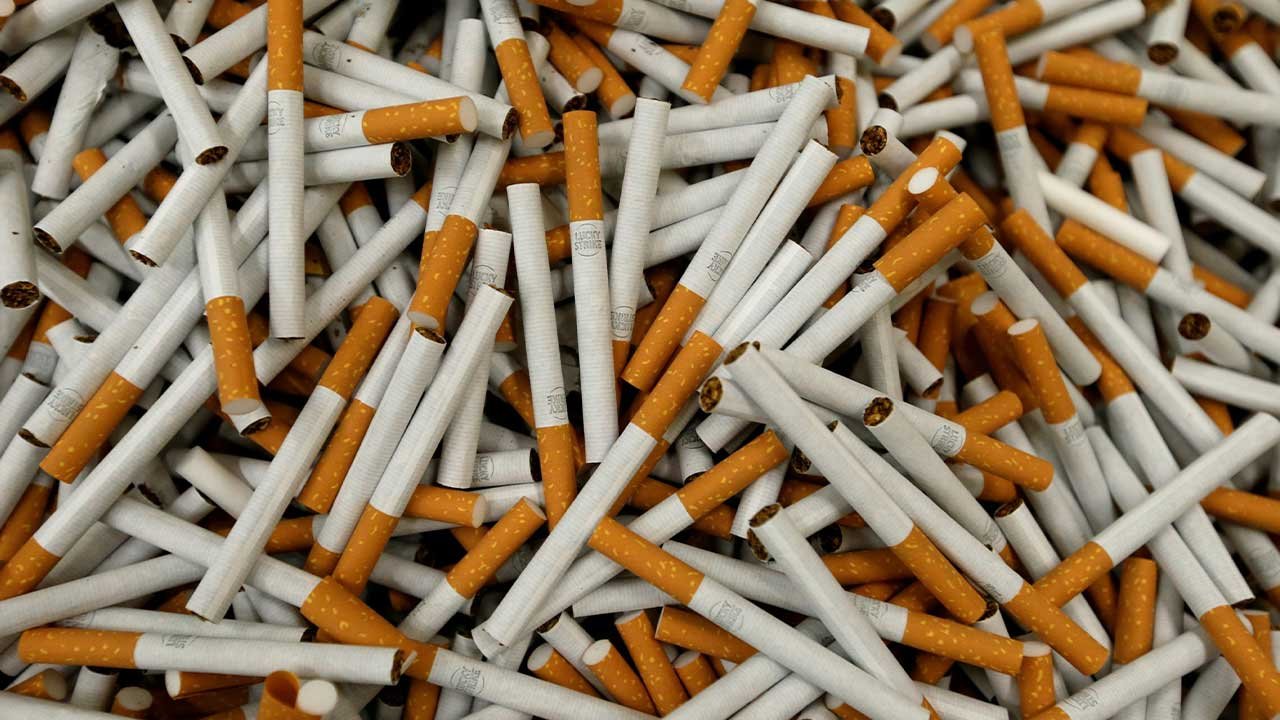
    Pakistan National Heart Association (PANAH) has proposed that the government increase tariffs on unnecessary and harmful tobacco products. Increased tobacco-related levies will lessen diseases and healthcare expenses while also helping to generate tax revenue.

    Sanaullah Ghumman, PANAH’s General Secretary, announced this at a news conference held by the Pakistan National Heart Association on Wednesday at a local hotel.

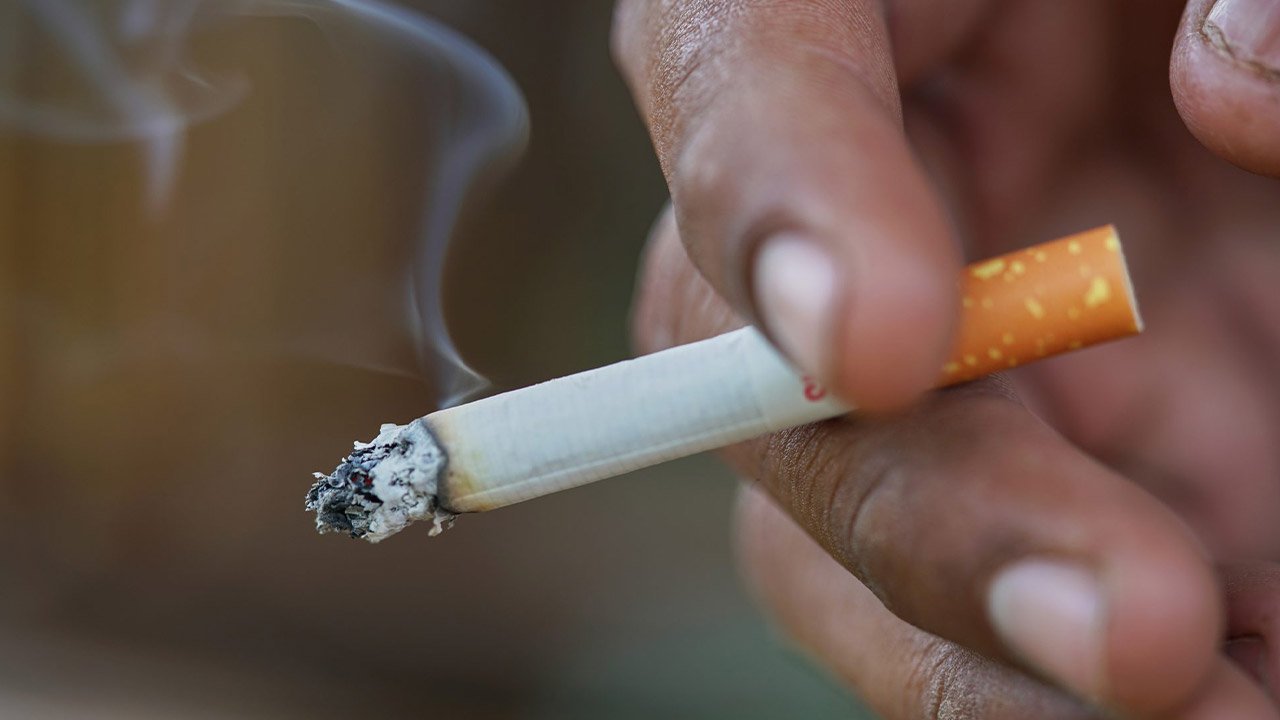
    Smoking, according to Sanaullah Ghumman, is not healthy for human health in any aspect, and it is the first step toward addiction. Health experts and civil society groups have also urged the Prime Minister to increase tobacco goods taxes.

    A significant number of health experts and civil society representatives attended the event. Tobacco kills 8 million people worldwide each year, according to a global study, and more than 1.5 million individuals in Pakistan lose their lives each year owing to smoking.

    On World Food Safety Day, PANAH proposed that tariffs on sugary drinks be increased as well, as these beverages are harmful to children and cause a variety of health problems.

    Sanaullah Ghumman spoke at the event, urging a 30 per cent rise in tobacco product taxes to protect minors from tobacco usage.

    “This will be a win-win situation for us,” he continued, “since it will lower the health burden while also dramatically increasing revenue”. PANAH, he claimed, had been educating the public about a variety of dangerous diseases, including heart disease and its causes, for 39 years.

  • Pakistan faces Rs615 billion annual deficit due to tobacco consumption

    Pakistan faces Rs615 billion annual deficit due to tobacco consumption

    Pakistan has a substantial Rs615 billion annual deficit owing to diseases caused by smoking and overall tobacco usage, with only Rs120 billion earning in tax revenue from the product.

    The government is expected to improve revenue by raising the tax on cigarettes by 30 per cent according to The Nation.

    This was voiced by speakers at a major symposium held in Islamabad on May 18. The Pakistan National Heart Association (PANAH) held a seminar on the theme ‘Harms of Tobacco Products and the Importance of Tax Policy,’ which was presided over by Patron General (R) Ashraf Khan and hosted by General Secretary Sana Ullah Ghumman.

    As per the speakers at the event, tobacco usage is a major cause of serious heart, lung, and cancer diseases in the country. A fact sheet on the health and economic costs of cigarette usage was released by the Social Policy and Development Centre (SPDC).

    According to the survey, tobacco is used by 31 million persons over the age of 15. More than 260,000 people are predicted to start smoking in the country if tobacco taxes are not raised in the budget for 2022-23.

    Engineer Iqbal Zafar Jhagra, the former governor of KP and a senior PML-N leader, was the special guest at the event. Nisar Cheema, a member of the National Assembly, was also present.

    Read more: Tobacco companies in Pakistan may bump cigarette prices

    PANAH Patron General (R) Ashraf Khan congratulated the attendees and informed them of the organization’s goals and objectives.

    Smoking was declared the primary cause of deaths from non-communicable diseases (NCDs) such as heart, cancer, respiratory, and chronic diseases, according to participants, with an estimated 163,360 persons dying in 2017.

  • Heatwave intensifies, Disaster Management Authorities on high alert

    Heatwave intensifies, Disaster Management Authorities on high alert

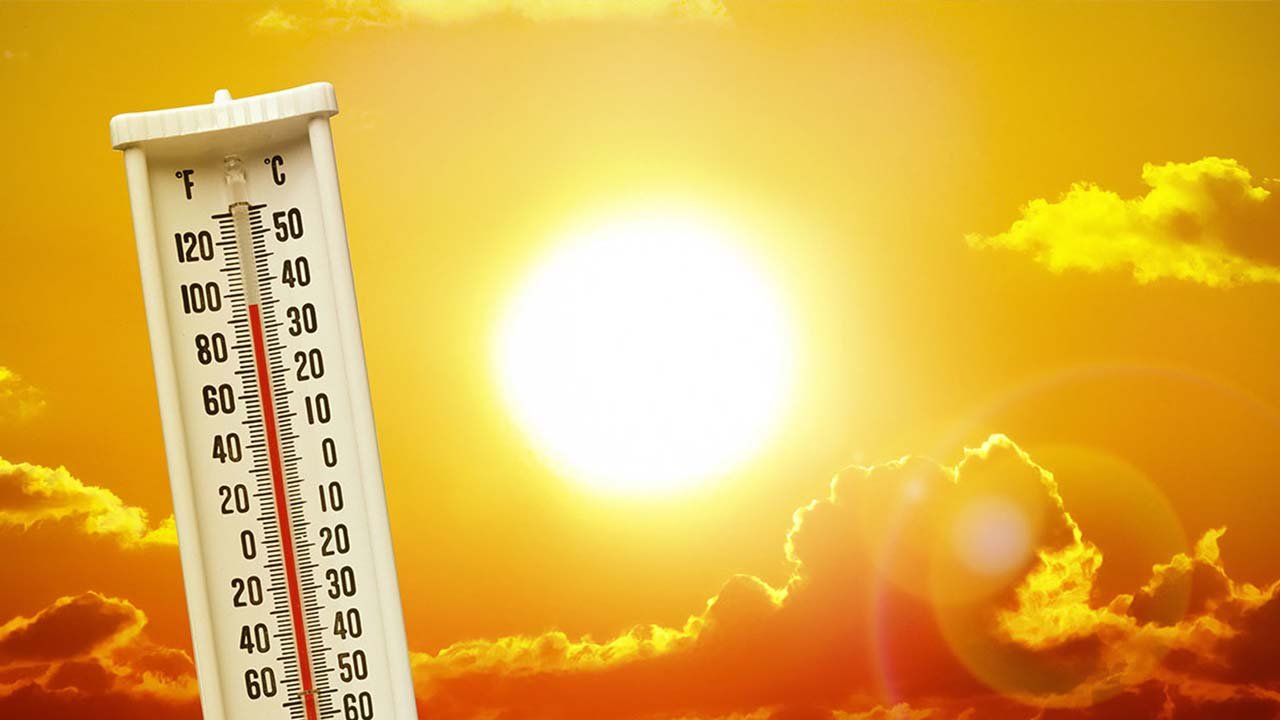
    Keeping in view the meteorological department’s prognosis of a heatwave for the coming week, the Punjab government issued an advisory on Friday, requesting that all relevant ministries in the province take steps to mitigate the effects of the heat.

    The provincial and district crisis management agencies have been activated across the province to avert health-related occurrences, according to Punjab Chief Secretary Kamran Ali Afzal, who issued an advisory to several ministries.

    Hospitals and the emergency service Rescue 1122 have also been placed on high alert, he said. For sensitive areas, temporary water-drinking sites and early reaction centers, according to the chief secretary, should be erected. He urged individuals to take all necessary precautions to protect themselves from the heatwave and to heed the health department’s advice.

    The Provincial Disaster Management Authority (PDMA) has already issued a warning for severe heatwave conditions in upper, central, and southern Punjab during the next week.

    Read more: Rescue 1122 service to officially launch in Karachi this month

    From May 15, a high-pressure system is expected to hold the upper atmosphere, according to the Met Office.

    Day temperatures are expected to rise to 7-9 degrees Celsius above normal owing to the high pressure in upper Punjab, and 6-8 degrees Celsius beyond average in the central and south Punjab, during the heatwave.

  • Nearly everyone on earth is breathing polluted air: WHO report

    The World Health Organization (WHO) announced Monday that 99 per cent of people on Earth breathe air that comprises numerous contaminants, citing poor air quality for millions of deaths each year.

    According to new data from the UN health organization, air pollution affects every part of the globe, albeit the problem is far worse in developing nations.

    “Almost the entire global population (99 percent) breathes air that exceeds WHO air quality limits, and threatens their health,” the organization said in a statement.

    WHO had already established that about 90 per cent of the world’s population was impacted in its previous report from 2018, but it has subsequently expanded its boundaries.

    According to the WHO, the evidence base for the harm caused by air pollution is quickly advancing, and even low levels of certain air pollutants can cause serious illness.

    Despite UN statistics suggesting that pandemic lockdowns and travel restrictions improved air quality for a short time in 2021, WHO warned that air pollution continues to be a major threat.

    The WHO report includes data on air quality from over 6,000 cities and communities in 117 countries. Keeping in view the frightening statistics, the organisation emphasised the need to immediately limit the usage of fossil fuels.

  • ‘Was breathless’: Mohammad Rizwan talks about health, pillow he carries

    ‘Was breathless’: Mohammad Rizwan talks about health, pillow he carries

    Pakistan’s wicket keeper-batter Mohammad Rizwan, who was exceptionally good at the T20 World Cup and scored 281 runs off his 6 innings, has recently talked about his health during the tournament in a media interaction on Monday.

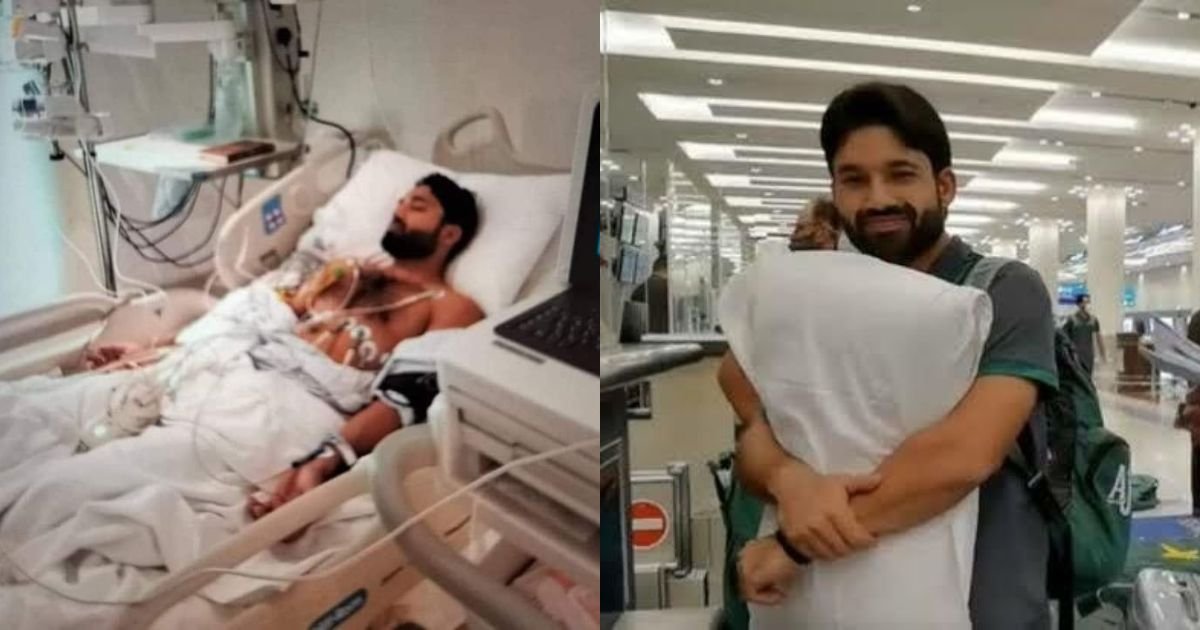
    The record holder batter reportedly developed a severe chest infection just before the T20 World Cup semi-final. He narrated his journey from the hotel to the hospital and then to the cricket ground.

    Rizwan said that though he had told his family in the hotel that he is just going to have an ECG done downstairs to keep them calm, he had lost his breath by the time he reached the hospital.

    “My condition was not good,” said Rizwan. He said that the doctors told him that both his oesophagus and respiratory tract were blocked. The cricketer added that he cannot even recall their names.

    “They were not telling me anything and saying that I will get well by the morning,” said Rizwan.

    “The next afternoon, they told me that I will get discharged [from the hospital] by the evening.”

    The cricketer said at this point, he asked a nurse about his condition and she told him that “both his oesophagus and the reparatory tube would have burst if he got 20 minutes late” in reaching the hospital.

    The nurse told Rizwan that he would have to remain hospitalised as long as the doctors would advise.

    Rizwan said that the medical team performed different kinds of tests but he kept himself convinced that “this test or that test would make him better”.

    He said that the doctor told him that he wants him [Rizwan] to play the semi-final for Pakistan.

    “This gave me a boost,” said Rizwan, adding that one encouragement from the doctors made him take two steps towards the recovery.

    Rizwan said he was a bit “dismayed when the doctor told him that his condition was not stable enough for him to play”.

    Rizwan said that he missed few sessions of practice in Dhaka for the upcoming series with Bangladesh. But he shared that he will be going to the practice sessions after the rest he was advised by the doctors.

    While talking about his pillow, the 29-year-old said that this is a medicated pillow and a wicket-keeper always has a neck issue because of the keeping and batting as well. “I was referred this medicated pillow to tackle the stiffness due to the exertion.”

    He added: “It helps me a lot. When you are recovering, sleep is very much important and that is why I carry the pillow with me. It is spotted with me because I don’t want to miss it for even one night and send it with the bags.”

    “I just carry it with myself in my hands so I recover with its help to play the matches.”

    Playing in the first ICC semi-final of his career, Rizwan became the first player in the history of the game to score 1,000 T20I runs in a calendar year.

    Rizwan scored a half-century against Australia in the second semi-final of the T20 World Cup. He was also the the third highest scorer of the tournament.

    Rizwan is included in the squad of Test matches and T20Is against Bangladesh, which is set to start from November 19.

  • Three-year report card: PTI’s quest to achieve Naya Pakistan

    Three-year report card: PTI’s quest to achieve Naya Pakistan

    As Pakistan Tehreek-e-Insaf (PTI) goes into its third year of being in power, it becomes imperative to review its scorecard and what they have accomplished so far.

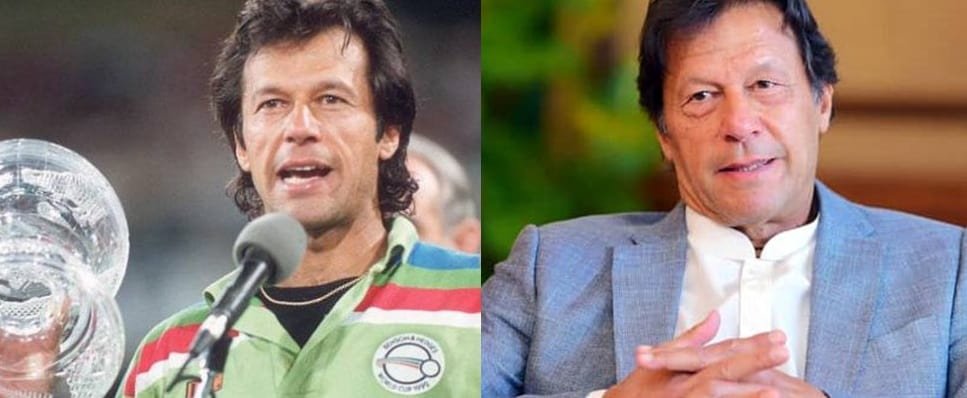
    Prime Minister Imran Khan was voted into power based upon the idea of building a ‘Naya Pakistan’. The voters were inspired by a movement that calls for a more equitable approach to governance, particularly one built around the principles of Riyasat-e-Madina.

    Prior to being elected, PTI promised to carry out extensive reforms pertinent to the state’s welfare should they manage to establish a government.

    Governance:

    The PTI government struggled to define its vision and manifest it into an actionable policy based on clear ideas and directives. The party witnessed a continuous shuffle in its cabinet members and lawmakers, sometimes blaming these frequent reshuffles on lackluster performance and incompetence. Every reshuffle saw the party falling into instability which further weakened the overall party narrative of change and transparency.

    Despite having a majority, PTI failed to execute a much-needed face-lift at a provincial level. One of the ruling party’s promises before forming the government was to “spearhead the creation of a South Punjab province on administrative lines”, which is still a work in progress.

    “We want to make Karachi the urban jewel of Pakistan,” the PTI stated in its manifesto. But despite their promises, several projects have yet to be completed.

    PTI aimed to depoliticise the police by building upon Khyber Pakhtunkhwa’s successful police reform model, which was to be replicated nationally. In their own words, the PTI manifesto acknowledges that the police in Pakistan are ill-equipped, poorly trained, deeply politicised, and chronically corrupt. However, very little has been done to enforce the depoliticisation of law enforcement agencies in order to circumvent these deeply entrenched issues.

    Reforming the civil service through transparent and merit-based recruitment with regional representation was another one of the party’s ambitious objectives. Civil service reform also included performance-based promotions and compulsory training at all requisite levels, providing equal opportunities for career advancement. Work is still underway when it comes to reforming the civil service as well.

    Economy:

    Under PTI governance in its first year, the economic growth rate of the country was 5.5 percent, which proceeded to drop to 1.9 percent. During the party’s second year in power, the country witnessed negative growth due to Covid-19. Pakistan’s debt grew from Rs24 trillion to Rs38 trillion in three years.

    From a deficit of $8.56 billion in the calendar year 2019, the current account balance swung into a surplus of $245 million in 2020. But in the first three months of 2021 it swung back to a deficit of $274m, and then registered a further deficit of $188m in April and $632m in May.

    Health:

    A motion to change the name of Benazir Income Support Programme (BISP) faced resistance from the Opposition and was later abandoned. The party instead placed it under the umbrella of Ehsaas — the PTI’s flagship social safety programme.

    The World Bank has listed the Ehsaas Emergency Cash programme among the top four social protection interventions globally in terms of the number of people covered. The programme distributed cash among 15 million underprivileged families after they suffered financially due to Covid-19 related lockdowns.

    Prime Minister Imran Khan’s federal government expanded the Sehat Sahulat Programme on a nationwide scale.

    Over the past three years, the government has announced the extension of health care coverage to journalists, Islamabad police, the transgender community, overseas labourers, and people with disabilities.

    Covid-19:

    National Command and Operation Centre (NCOC) led by Federal Planning Minister Asad Umar did a commendable job combating the deadly virus. COVID-19 exposed the terrible state of the health sector but NCOC managed to prop up systems on a war-footing to cope with the emergency.

    Education:

    Prime Minister Imran Khan said that his focus will be centered on improving public sector education, including madrassas. He also discussed providing young persons with loans to cultivate and promote entrepreneurship.

    A uniform education system will be introduced in the country next year under the Prime Minister’s auspices. The Single National Curriculum (SNC) has been approved and made functional in the country for students from Grade 1 through 5. One system of Education for all, in terms of curriculum, medium of instruction, and a common platform of assessment so that all children have fair and equal opportunities when it comes to receiving a high-quality education.

    In May 2019, the Ministry for Federal Education started the registration process for madrassas in the country. In October of the same year, the Directorate General of Religious Education (DGRE) was set up.

    The party had promised to provide stipends for female secondary school students and to prioritize the upgrade and establishment of schools for girls.

    The Kamyab Jawan Programme (KJP) was launched in October 2019. It is a small-and-medium-enterprise lending scheme, aimed at stimulating job creation and economic empowerment for young persons.

    Furthermore, the Hunarmand Jawan programme is another PTI initiative that aims to promote economic emancipation amongst young people through high-quality training.

    Accountability:

    Prime Minister Imran Khan has been categorically saying that his government would not interfere with the process of accountability and that “every corrupt individual” would have to face justice irrespective of their status or party.

    The National Accountability Bureau (NAB) has seemingly been the most active throughout PTI’s tenure. The anti-graft body had recovered 484 billion PKR over a span of two years from 2018 to 2020. On the contrary, previous governments had managed to recover a mere 290 billion PKR from 1999 to 2017.

    However, the Supreme Court has criticised NAB for “selectively applying its law on individuals” and said that there is a widespread perception of the NAB laws “being employed as a tool for oppression and victimisation of political opponents by those in power”.

    Freedom of speech:

    The PTI government has been determined to control the media through new laws, which will eventually span electronic, print, and digital media platforms.

    Pakistan has recently been criticized both internally and externally for the issues surrounding freedom of speech within its borders.

    Pakistan ranks at 142 on the Reporters Without Borders (RSF) Press Freedom Index. According to the Pakistan Press Freedom Foundation’s report, Pakistan has witnessed the murders of 72 journalists since 2002. Most of these cases remain unsolved.

    Pakistan Media Development Authority (PMDA) has been described in the Ordinance as “an independent, efficient, effective and transparent authority, which will regulate all forms of media, including digital media”.

    Under the Ordinance, print and digital media organisations will also need a license to operate in the country.

    Media bodies and organisations have vehemently opposed the PMDA and criticised it.

    Electoral Reforms:

    PTI has worked towards electoral reforms with great vigor, stating that electronic voting is the only way to ensure transparency and prevent rigging.

    Electoral reforms, electronic voting, and the voting process for overseas Pakistanis have been major projects spearheaded by PTI. The party has successfully launched electronic voting to aid the process of having smooth and transparent elections.

    On June 10th, the National Assembly passed the Elections (Second Amendment) Bill which pertains to fair, free, and transparent elections through a more contemporary approach to technology.

    PTI sees overseas Pakistanis as an asset to the country and has worked to involve them in the election process.

  • EXCLUSIVE: The real deal to Shahzeb Khanzada’s six pack

    EXCLUSIVE: The real deal to Shahzeb Khanzada’s six pack

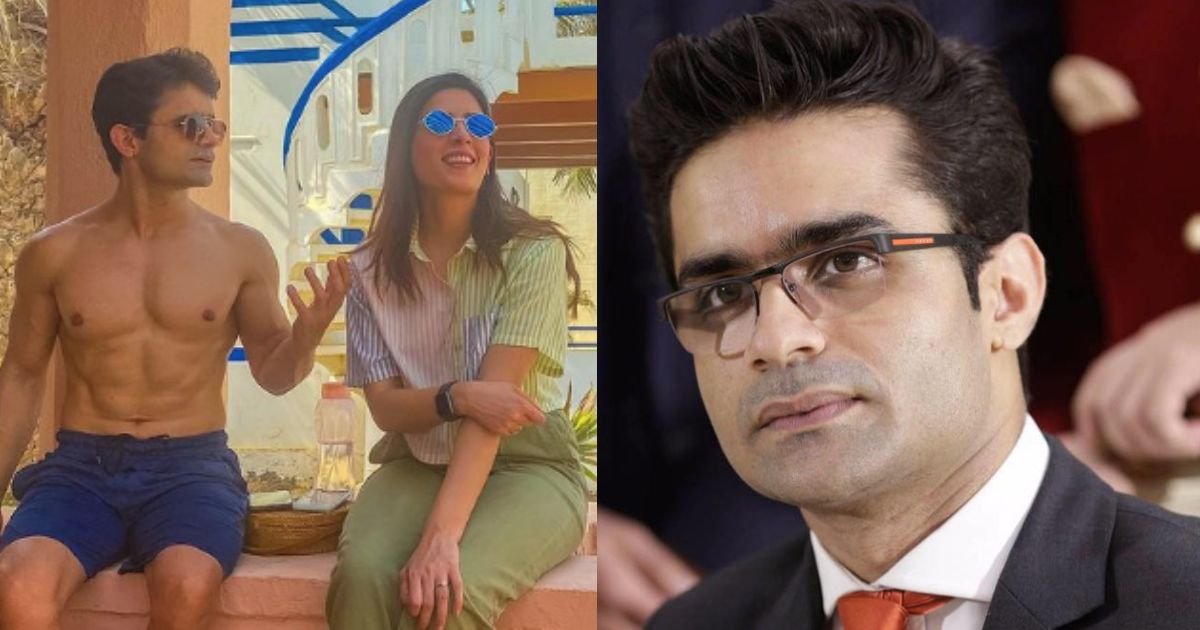
    A picture of Journalist and Anchorperson Shahzeb Khanzada with six-pack abs is circulating on social media and fans are amazed to see a serious anchor person with such a hot physique.

    His wife Rushna Khan took to Instagram to share the picture.

    After the picture went viral on social media, we The Current reached to a very close source to Shahzeb and asked some questions about his fitness and daily eating routine.

    The source revealed that Shahzeb wakes up early in the morning and reads the newspaper while having black coffee. The source further added that Shahzeb usually has fruits and juice in breakfast and his usual lunch is six egg whites.

    When we inquired about his workout routine, it was revealed that he works out two hours daily at home as he stopped going to the gym after Covid-19 had started. He trains by himself, without a trainer.

    When we asked about his dinner routine, the source said that Shahzeb has chicken pieces or dry qeema for dinner. No rice, roti or carbs are included in his diet. While it was also revealed that he cheats once in two weeks, it is limited to four or five spoons of rice/biryani along-with other things.

    Shahzeb hosts a Pakistani television evening current affairs talk show, ‘Aaj Shahzeb Khanzada Kay Sath’ which airs on Geo News every Monday to Friday.

    Also, the hot mug with steam coming out of it on his show contains green tea, the source has confirmed.