Tag: healthcare

  • S. Korea starts procedures to suspend licences of 4,900 striking doctors

    S. Korea starts procedures to suspend licences of 4,900 striking doctors

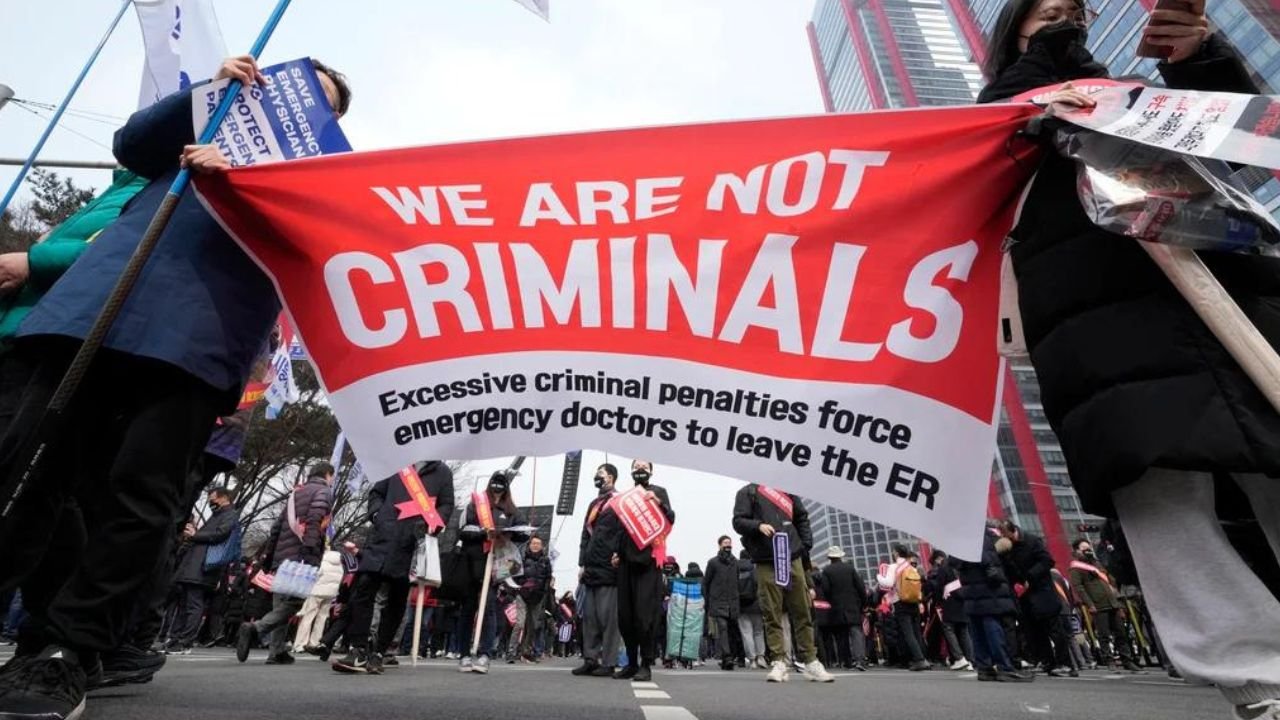
    South Korea said Monday it had started procedures to suspend the medical licenses of 4,900 junior doctors who have resigned and stopped working to protest government medical training reforms, causing health care chaos.

    The walkout, which started February 20, is over government plans to sharply increase the number of doctors, which it says is essential to combat shortages and South Korea’s rapidly aging population, while the medics argue it will erode service quality.

    Nearly 12,000 junior doctors — 93 percent of the trainee workforce — were not in their hospitals at the last count, despite government back to work orders and threats of legal action, forcing Seoul to mobilize military medics and millions of dollars in state reserves to help.

    The Health Ministry on Monday said it had sent administrative notifications — the first step to suspending the doctors’ medical licenses — to thousands of trainee doctors after they defied specific orders telling them to return to their hospitals.

    “As of March 8 (notifications) have been sent to more than 4,900 trainee doctors,” Chun Byung-wang, director of the health and medical policy division at the health ministry, told reporters.

    The government has previously warned striking doctors they face a three month suspension of their licenses, a punishment which, it says, will delay by at least a year their ability to qualify as specialists.

    Chun urged the striking medics to return to their patients.

    “The government will take into account the circumstance and protect trainee doctors if they return to work before the administrative measure is complete,” he said, indicating doctors who come back to work now could avoid the punishment.

    “The government will not give up dialogue. The door for dialogue is always open … The government will respect and listen to opinions of the medical community as a companion for the medical reforms,” he added.

    The government last week announced new measures to improve pay and conditions for trainee medics, plus a review of the continuous 36-hour work period, which is a major gripe of junior doctors.

    The strikes have led to surgery cancelations, long wait times and delayed treatments at major hospitals.

    Seoul has mobilized military doctors and earmarked millions of dollars of state reserves to ease service shortfalls, but has denied that there is a full-blown health care crisis.

    Military doctors will start working in civilian hospitals from Wednesday this week, Chun said.

    Under South Korean law, doctors are restricted from striking, and the health ministry has asked police to investigate people connected to the work stoppage.

    The government is pushing to admit 2,000 more students to medical schools annually from next year to address what it calls one of the lowest doctor-to-population ratios among developed nations.

    Doctors say they fear the reform will erode the quality of service and medical education, but proponents accuse medics of trying to safeguard their salaries and social status.

  • “It’s inhumane”: Dr Tanya Haj-Hassan describes conditions Gaza doctors are working in

    “It’s inhumane”: Dr Tanya Haj-Hassan describes conditions Gaza doctors are working in

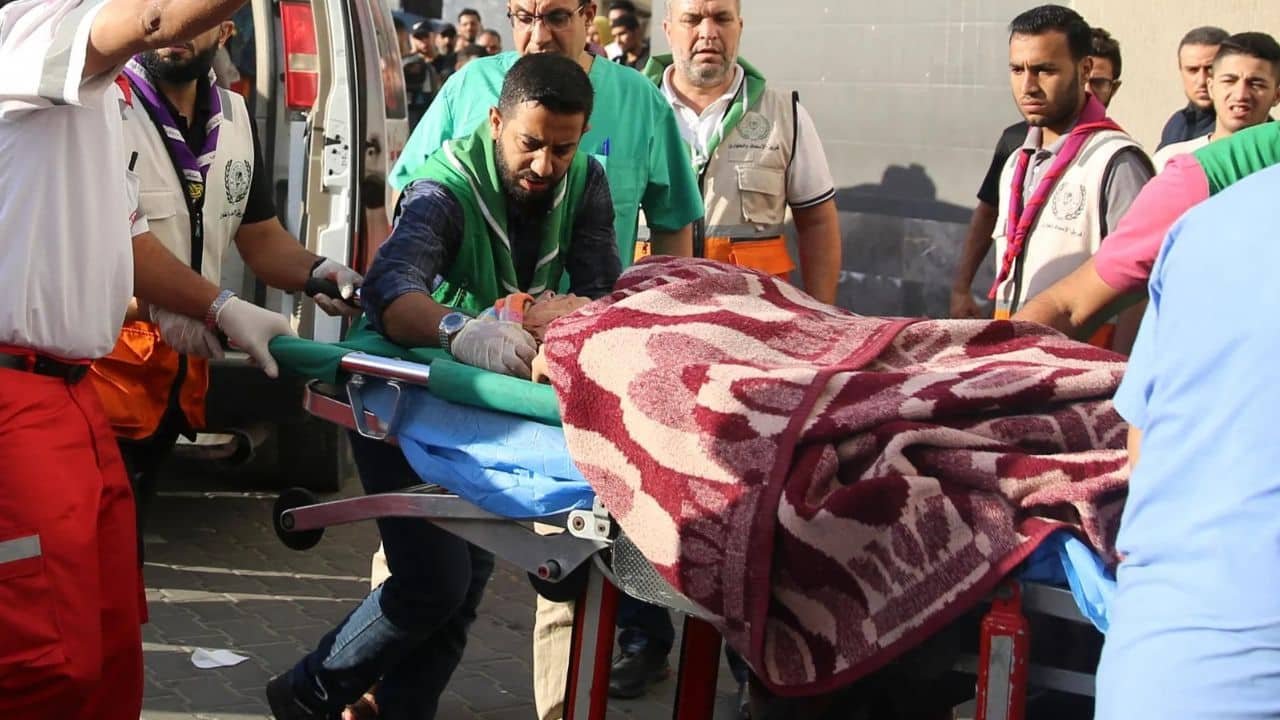
    Dr Tanya Haj-Hassan, a paediatric intensive care doctor for Doctors Without Borders and a co-founder of the GazaMedicVoices social platform, reflects in an interview on the on-going struggle of doctors in Gaza who are working under dearth of basic medical supplies.

    “I refuse to let my imagination go to the places where reality has taken us in these last three weeks.” she said.

    “Everyday I feel like things can’t get worse, and then they seem to get worse.”

    Dr. Tanya asserted Gaza doctors are “World class experts in the field of medicine and in the field of mass casualties” but she goes on to remark that having to carry out medical procedures without pain control or anaesthesia “makes it sound very barbaric.”

    With “hands tied” and being “stripped of every tool” used in modern medicine — from anaesthesia to ventilators and monitors — it is an unfathomable place to be in, she described.

    “I can’t fathom being in the position that they are in,” she stated, highlighting that the doctors in Gaza are working every day despite the trauma they are seeing, despite fear for their family’s well being, despite fear for their own life, and constantly being threatened to be bombed in the health facility because they “refuse to leave” their patients and evacuate.

    “I’ve never been in that position and I don’t know many people that have been in that position to be honest. The conditions that we’re seeing in the Gaza strip right now are unthinkable.” she added, calling it “unprecedented in modern times”.

    She further highlighted in her interview that the children there are coming in with 70-90 per cent of their bodies burned, stressing that doctors would normally and “obviously” give them immediate pain control. And a regular change of dressing would be carried out under sterile conditions; and if the burns are extensive, they are put to sleep for the process because it is so “exquisitely painful”.

    But in Gaza, pain relief is not an option.

    Dr. Tanya also quoted the doctors currently serving in Gaza who, to describe their situation, used words like “inhumane”, “intolerable”, “unbearable”.

    “They are crying out to the outside world and many of them are giving up. They’re saying the world has come together to eliminate us,” she reiterated.

    Others say, “They are deaf and blind to our suffering. All we have is God.”

  • Seven hospitals, 21 health centres out of service: What do we know about day 14

    Seven hospitals, 21 health centres out of service: What do we know about day 14

    Church Attack

    The Greek Orthodox Saint Porphyrius Church, a shelter for several Palestinian families in Gaza, was struck by Israeli bombing on Thursday night.

    Muslims and Christians, together, were seeking refuge under its roof however, Israel military targeted the Church killing and injuring dozens.

    According to Gaza’s Hamas-run government media office, 18 Christian Palestinians were among the killed.

    Israel air strike destroys al-Omari Mosque

    In another Israeli air raid, the historic al-Omari Mosque in the northern Gaza Strip has been razed.

    Humanitarian aid stuck at the closed Rafah crossing

    Humanitarian aid consisting of food, medicine, water purifiers, hygiene products and blankets have been stacking up in Egypt’s Sinai region at El Arish airport.

    It had been decided that Rafah border, the gateway to Gaza, would open but as of Friday morning, it remains closed.

    Some report that it could open on Saturday.

    On Thursday, the UN chief Antonio Guterres said in Cairo that “rapid, unimpeded humanitarian access” is urgently required and that the Rafah crossing and El Arish airport “are not only critical, they are our only hope” and “lifelines” for the people of Gaza.

    100+ targets attacked Gaza overnight

    The Israeli army claims to have attacked more than 100 targets last night across Gaza Strip.

    The attacks have reportedly destroyed tunnel shafts, munitions warehouses and dozens of operational headquarters.

    Read more: Israel attacks church sheltering displaced Christians and Muslims

    7 hospitals, 21 health centres out of service

    Health ministry spokesperson Ashraf al-Qudra spoke at a press briefing outside al-Shifa Hospital in Gaza City, saying that seven main hospitals and 21 health centres are now out of service.

    Forty-six members of medical teams have been killed and 23 ambulances are completely destroyed.

    “What’s going on in the Gaza Strip is a big massacre against our Palestinian people, against the Muslims and Christians … Israel is undoubtedly going to commit more massacres and the international world is witnessing [this],” he said.

    He also reported that 4,137 people have been killed in Israeli attacks since October 7 which includes 1,661 children whereas 13,260 people are wounded.

    Palestinians harassed in West Bank

    Since October 7, raids and arrests of Palestinians have increased in the West Bank — to be specific, more than 900 have been arrested in just two weeks whereas at least 10 people have been taken from Nur Shams refugee camp last night.

    20 arrested in the Nur Shams refugee camp

    The Israeli army has arrested 20 people and killed a dozen “terrorists” during its operation in the Nur Shams refugee camp in the occupied West Bank.

    According to Al Jazeera, at least 13 people have been killed among whom seven were children.

    Since the Hamas attack in Israel, around 900 people have been arrested from the occupied West Bank, and at least 10 people were taken from this refugee camp alone last night.

    Credits: Al Jazeera

  • KP govt limits Health Card benefits, shifts focus to fiscal sustainability

    KP govt limits Health Card benefits, shifts focus to fiscal sustainability

    The Khyber Pakhtunkhwa (KP) caretaker government, under the leadership of caretaker Chief Minister Muhammad Azam Khan, recently convened a significant cabinet meeting. During this gathering, attended by cabinet members, the chief secretary, additional chief secretary, and administrative secretaries, the pivotal topic of discussion was the Health Card scheme.

    During a press conference, Advisor to the Chief Minister on Health, Riaz Anwar, said that due to escalating expenses, the full benefits of the Health Card scheme would now be exclusively available to beneficiaries of the Benazir Income Support Programme. The financial liability associated with the scheme had surged from Rs30 billion to Rs39 billion, leading to a proposal to potentially discontinue the programme.

    The cabinet subsequently approved a set of reforms for the Health Card initiative. Under these reforms, individuals with an income of up to Rs37,000 will be required to cover 25 per cent of their medical expenses. This contribution will be calculated based on data from the Benazir Income Support Programme, ensuring that those with higher incomes contribute to their healthcare costs.

    While the poor and underprivileged will continue to receive free healthcare services, access to free facilities at the emergency ward will be extended to everyone. Importantly, it was clarified that the Health Card programme itself would not be terminated; instead, it would persist in serving the underprivileged.

    According to Samaa, this shift in focus is a response to budgetary constraints, as the expenses of KP’s Health Card programme rose from Rs30 billion to Rs39 billion.

  • ‘Baby killer’ Lucy Letby will spend the rest of her life in prison

    ‘Baby killer’ Lucy Letby will spend the rest of her life in prison

    Lucy Letby, the newborn murdering serial killer, has been sentenced to life imprisonment on Monday by a Manchester court. The 33-year-old nurse was convicted of murdering seven babies and attempting to kill six more while on duty in the children’s ward at the Countess of Chester Hospital in northwest England.

    Manchester Crown Court judge Justice Gross said at the sentencing, “You acted in a way that was completely contrary to the normal human instincts of nurturing and caring for babies.”

    Her offences also include “inappropriate remarks” she made after the deaths of the babies.
    “Lucy Letby has destroyed our lives. The anger and the hatred I have towards her will never go away. It has destroyed me as a man and as a father,” said a father of two babies murdered by Letby.

    The former nurse, however, was not present in the courtroom during her sentence hearing nor did she follow the hearing via videolink from prison.

    According to Sky New, Judges have the choice to compel people to appear before them for sentencing but it is reliant on prison governors to execute this order as it would be their staff who would have to force someone from their cell. Nonetheless, an extra two years can be added to a sentence if the person refuses to attend the court.

    UK’s prime minister, Rishi Sunak has said “I think it’s cowardly that people who commit such horrendous crimes do not face their victims”

    The parents of the victims were present at the sentencing. One mother said, “Even in these final days of the trial, she tried to control things, the disrespect she has shown the families and the court show what type of person she is.

    “We have attended court day in and day out, yet she decides she has had enough, and stays in her cell, just one final act of wickedness from a coward.”

    Journalists Josh Halliday, present in the courtroom, tweeted: “The most harrowing two hours I’ve ever spent in a courtroom. I spent some of it writing through tears. The families’ statements – delivered to an empty dock where Letby should have been sitting – were utterly shocking from start to finish.”

    The Letby Case

    Senior doctors became concerned with a sudden rise in medical emergencies and deaths of babies at the neonatal unit from January 2015 to a span of 18 months. In each case, the child would suddenly develop life threatening complications.

    Police were soon asked to look into the matter, and they quickly honed in to Lucy Letby, present at each of the emergencies, usually during the night shift.

    She was arrested in July 2018 and then in June 2019. She was arrested once again in November 2020 and was charged with murder and murder attempts between June 2015 and July 2016.

    According to the prosecutors, Letby tried to kill 17 babies. It is said that while the babies were in the ward, Letby would give them lethal amounts of insulin, inject air into their bloodstream or stomach, or give them excessive milk.

    Her victims include a pair of twins as well as two siblings whom she killed on consecutive days. The youngest victim was a day old while the oldest was an 11 weeks old girl who Letby tried to kill four times till she finally succeeded. Additionally, among premature babies were hopeful cases whose improving condition worsened during the nights shift when Letby was on duty.

    As per Reuters, the police have not been able to conclude the motive behind the attacks. “Unfortunately, I don’t think we’ll ever know unless she just chooses to tell us,” said Detective Superintendent Paul Hughes, who led the investigation.

    Detective Chief Inspector Nicola Evans, the deputy senior investigating officer, said that Letby had a “healthy social life, she had a circle of friends, she had her parents and holidays”. She claims that police could not find anything unusual for “a woman of her age at that point in her life”.

    However, as reported by CNN, handwritten notes and memos were found during a search of her house that read, “I don’t deserve to live. I killed them on purpose because I’m not good enough to care for them,” and “I am a horrible evil person” and in capital letters “I am evil I did this.”

    Police will be reviewing Letby’s career before the period covered under the charges at Countess of Chester Hospital and at the Liverpool Women’s Hospital where she had spent part of her training.

    More than 4,000 babies were admitted in the two hospitals between 2012 to 2016. And while every admission will be thoroughly reviewed, only the “concerning” cases will be further investigated, say Hughes.

  • Google’s healthcare tech uses AI to predict heart disease with just an eye scan

    Google’s healthcare tech uses AI to predict heart disease with just an eye scan

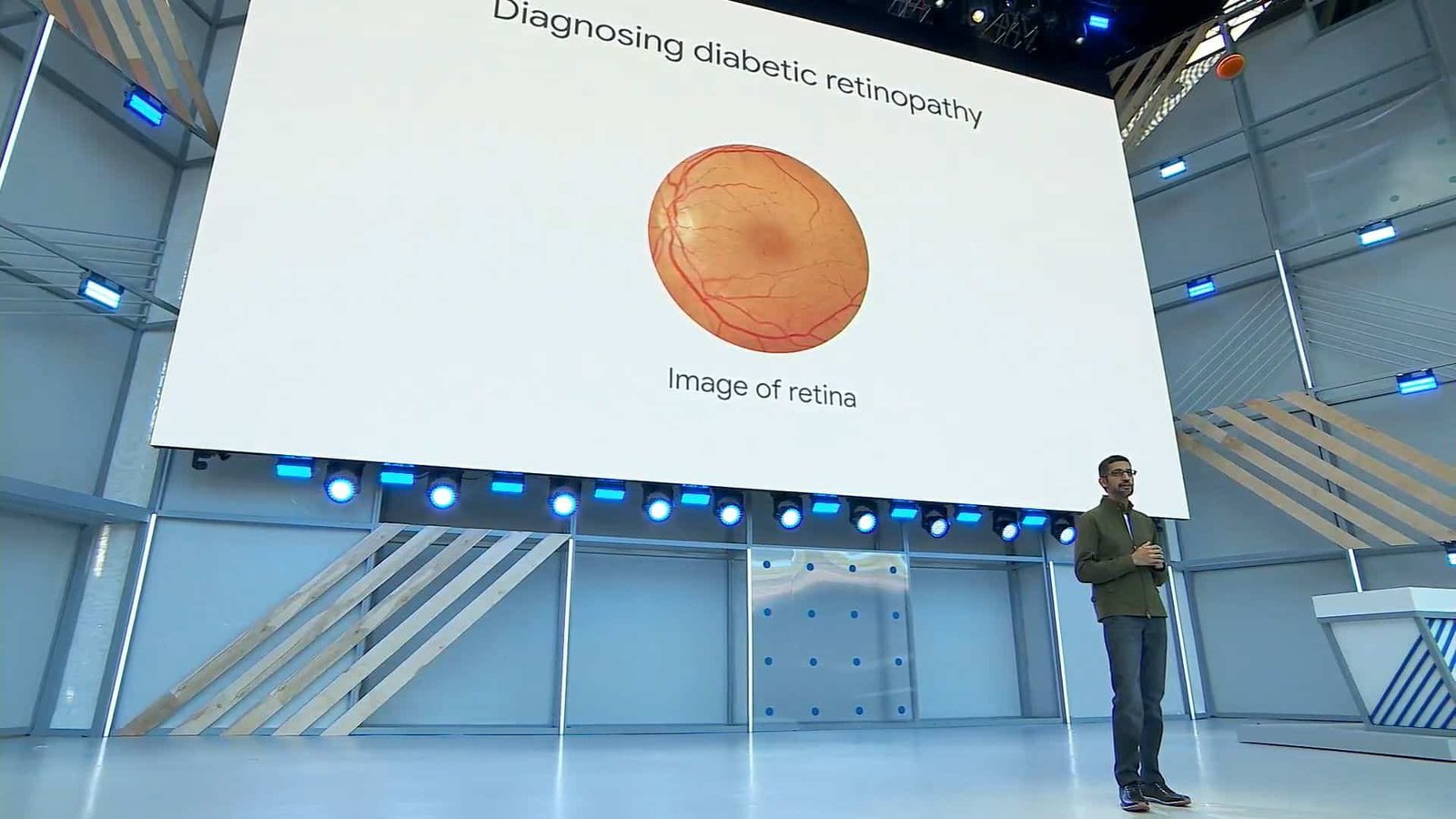
    Google’s Artificial Intelligence (AI) diagnosis of diabetic retinopathy (a leading cause of blindness) has shown things in the retinal scans that “human beings didn’t know to look for”, according to CEO Sundar Pichai. The AI eye scans hold information with which Google can predict the five year risk of someone having a heart attack or a stroke.

    At last year’s Google IO, CEO Sundar Pichai announced GoogleAI, a culmination of the company’s efforts to bring the benefits of AI to everyone. DermAssist, Google’s AI program that detects and provides diagnosis for skin conditions, will be available on Google browser by the end of this year.

    Google had also been running field trials across hospitals in India, where Google used deep learning to help doctors diagnose diabetic retinopathy. Pichai says the field trials have been going very well, with AI offering expert diagnoses to places where trained doctors are scarce.

    As luck would have it, the very same eye scans that have helped successfully diagnose diabetic retinopathy also hold vital information that GoogleAI could use to predict the five year risk of an individual having an adverse cardiovascular event.

    Although the idea of looking into someone’s eyes to diagnose the condition of their heart sounds unusual, it actually draws from established research. The rear interior wall of the eye (the fundus) is full of blood vessels that reflect the body’s overall health. Information such as someone’s age, their biological sex, whether or not they smoke, their BMI and systolic blood pressure is readily available to doctors through a simple eye scan.

    According to Pichai, this could be the new basis for a non-invasive way of detecting cardiovascular risk. He says Google will be working with their partners to field trials.

    Another exciting AI-health related development is that AI can help in the prediction of medical events. Machine learning can go in and analyse over 100,000 data points per patient (obviously, more than one doctor could ever do), and then quantitatively predict the chance of readmission 24-48 hours to advance. This is hugely beneficial as it gives doctors more time to act.

  • Future of communication: Scientists use AI to translate brain activity into words

    Future of communication: Scientists use AI to translate brain activity into words

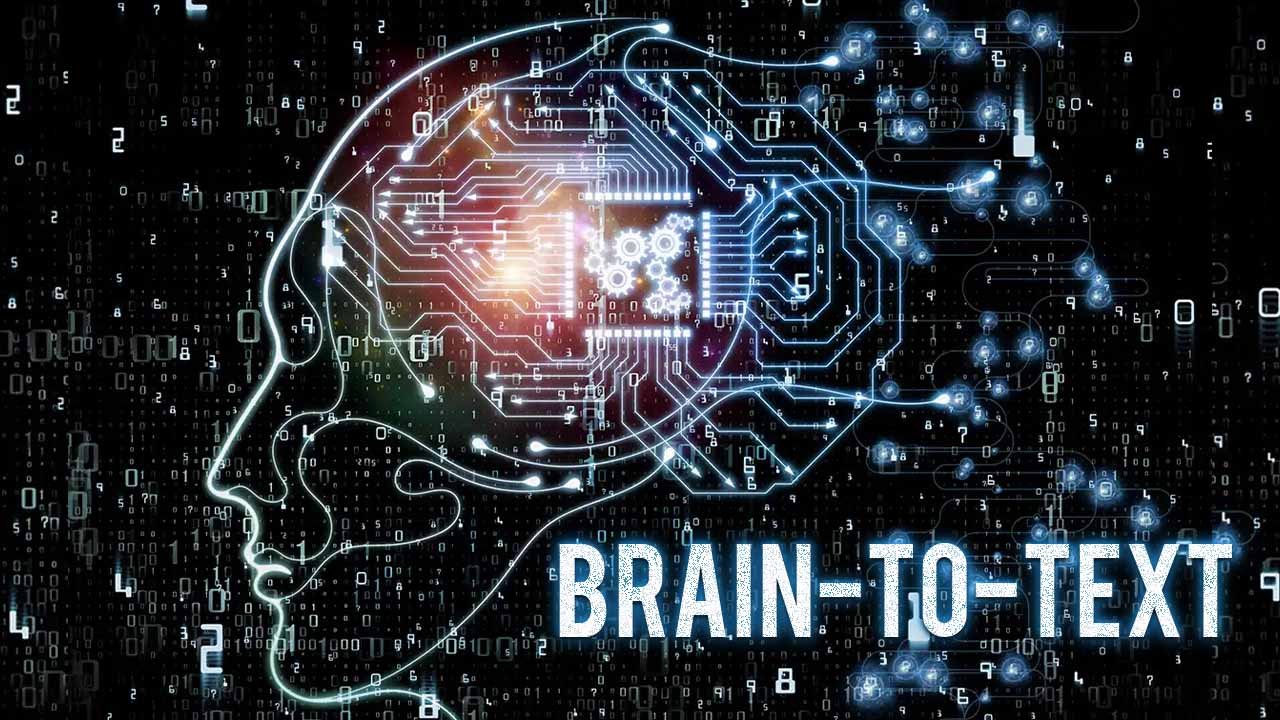
    Neuroscientists at the University of Texas in Austin have made a significant breakthrough by using artificial intelligence (AI) powered ChatGPT to translate brain activity into words. This discovery has the potential to greatly benefit patients suffering from conditions such as “locked-in” syndrome and stroke, which leave them unable to communicate effectively.

    The researchers leveraged OpenAI’s advanced chatbot technology, which has demonstrated its applications in various sectors, including healthcare. The integration of AI into our daily lives is steadily advancing, and this development showcases its potential in the field of neuroscience.

    Alexander Huth, an assistant professor of neuroscience and computer science at the University of Texas, emphasized that the term “mind reading” is inaccurate and misleading, as it implies capabilities that are beyond our current reach.

    To conduct their study, Professor Huth spent 20 hours inside an fMRI (functional magnetic resonance imaging) machine while listening to audio clips. The machine captured detailed snapshots of his brain activity, which were then analyzed by the AI system. Through this analysis, the technology was able to predict the words Professor Huth was hearing solely by monitoring his brain activity.

    The researchers utilized OpenAI’s chatGPT-1 model, which has been trained on a vast database of books and websites. They found that the AI system accurately predicted participants’ auditory and visual experiences based on their mental activity.

    While still in its early stages, this technology holds promise, particularly in assisting individuals who have lost the ability to communicate. Professor Huth explained that the true potential application lies in aiding patients with conditions such as “locked-in” syndrome and stroke, whose brains are functional but lack the ability to speak.

    Importantly, this breakthrough demonstrates the achievement of high accuracy levels without the need for invasive brain surgery. The researchers believe this marks the first step toward helping individuals regain their ability to communicate without resorting to neurosurgery.

    However, the technology’s results have also raised concerns regarding its potential use in controversial contexts. The researchers highlight the importance of obtaining consent from subjects and conducting brain scans within an fMRI machine. Additionally, the AI technology requires extensive training on an individual’s brain for accurate predictions to be made.

    Jerry Tang, the lead author of the research paper, emphasizes the need for safeguarding the privacy of brain data. He asserts that everyone’s brain data should be kept private, as our thoughts represent one of the last frontiers of personal privacy. Tang acknowledges the potential misuse of brain decoding technology and emphasizes the importance of legislators taking mental privacy seriously.

    Professor Huth clarifies that the technology can discern the general ideas and narratives individuals have in mind, effectively capturing internal storytelling. However, Tang warns against complacency, highlighting that technology is continually evolving, which could impact the accuracy of decoding methods and the extent to which an individual’s cooperation is required.

    In summary, the use of AI to translate brain activity into words has emerged as a groundbreaking discovery by neuroscientists. Although promising, further development and considerations regarding privacy and ethical use are necessary before widespread implementation can occur.

  • Pakistan’s Population: A Brighter Future For All

    Population Experts and Government officials gathered in Islamabad to discuss improving population health in Pakistan.

    Islamabad, Pakistan – May 24, 2023 – Today marks the beginning of a two-day learning event by DAFPAK, a leading organization dedicated to improving population health outcomes in Pakistan, focused on ensuring a brighter future for Pakistan, titled “Pakistan’s Population: A Brighter Future For All.”

    Delivering Accelerated Family Planning In Pakistan (DAFPAK) is a £90m Foreign, Commonwealth & Development Office (FCDO) programme that aims to improve family planning outcomes across Pakistan by improving access to family planning services for the most vulnerable and disseminating messages for the common good under a platform called KhairKhwah.

    “The British High Commission has been investing in family planning since 2012. Our current support programme, DAFPAK is the largest donor-funded program on family planning which has served over 8 million women and girls in mostly marginalized areas”, said Andrew Dalgleish, Acting British High Commissioner to Pakistan while addressing the event in Islamabad.

    Chief Guest, Federal Minister for Planning, Development & Special Initiatives, Professor Ahsan Iqbal Chaudhry, emphasized the urgency of addressing the population growth rate, stating, “Unless we control our population, we won’t be able to distribute resources in a manner where we can provide healthcare, education and bright futures to our people. Our future is linked to how fast we can control Pakistan’s population growth.”

    Rapid population growth in Pakistan has created immense pressure on the country’s resources, and it has become difficult to provide essential services such as healthcare and education to all citizens. The event aims to address these issues and come up with strategies to improve population health.

    Dr Sara Shahzad, Health Advisor, FCDO highlighted the need for increased investment in healthcare infrastructure, improved partnerships with the private sector, and a holistic multi-sectoral approach towards family planning.

    Goodwill Ambassador for Population & Family Planning, Shehzad Roy, while addressing the event emphasised the significance of transforming mindsets alongside policy changes. “As a global ambassador of Family Planning, I would like to share that while inventing new policies is very important, what’s even more important is changing mindsets because only then we’ll be able to bring true change.”
    Over the course of two days, participants will share their insights on family planning, population growth, and its impact on the country. The event features keynote speeches, panel discussions, and interactive sessions.

    The event is being organized by Palladium Pakistan under DAFPAK-PSSD in collaboration with UNFPA, PSI, MSS, DKT, and M&C Saatchi in partnership with The Ministry of National Health Services, Regulation and Coordination Islamabad, and provincial Health and Population Welfare Departments of Punjab, Sindh, and KP.

  • AIC warns of reputational damage to Pakistan’s investment appeal due to internet shutdown

    AIC warns of reputational damage to Pakistan’s investment appeal due to internet shutdown

    The Asia Internet Coalition (AIC), an industry association of major internet and technology companies, has released a statement urging the Pakistani government to consider the serious consequences of their recent actions on the people and economy of the country.

    The AIC has called for the immediate restoration of internet access in Pakistan. Jeff Paine, the Managing Director of the AIC, has expressed concern that the government’s actions will damage the country’s reputation as an investment destination, and has urged the government to focus on the opportunities presented by the digital economy to promote overall economic growth.

    More than one hundred prominent members of the Pakistani business community, tech entrepreneurs, and civil society have condemned the government’s use of partial and complete internet shutdowns, as well as targeted content and app blocking.

    These actions have been taken in response to recent nationwide protests. Tens of millions of Pakistanis rely on internet-dependent services for essential business activities, and by blocking or shutting down these services, the government is limiting civic space, creating economic uncertainty, and disrupting access to healthcare, emergency services, and financial services.

    The government’s decision to shut down mobile internet services across the country has resulted in significant revenue losses for mobile phone companies and online taxi and bike services. This decision was made in response to the arrest of former Prime Minister Imran Khan, which led to nationwide protests.

    As a result of the internet shutdown, online taxi and bike services have been unavailable for the past two days, causing inconvenience to commuters who depend on these services for transportation.

    According to sources in the Pakistan Telecommunication Authority, there are no plans to restore internet access in the country today.

  • WHO assures assistance in essential healthcare in flood- affected areas

    WHO assures assistance in essential healthcare in flood- affected areas

    World Health Organization’s (WHO) Country Representative Dr Palitha Gunarathna Mahipala on Saturday said that essential healthcare services will be provided in flood-affected areas.

    During a media briefing on the WHO’s role in relief efforts in flood-hit areas, he said that WHO was working on a plan to aid in establishing effective healthcare systems.
    The WHO country director stated that his agency was fully aware of the destruction brought on by the recent floods in Pakistan, stressing that the flood seriously harmed the delivery of health-care services, leading to a variety of health hazards.

    He continued by saying that numerous diseases like cholera, malaria, dengue fever, skin infections, and typhoid were on the rise in the impacted areas.

    “In order to prevent mortality due to malaria, WHO is providing rapid diagnostic kits and anti-malarial medicines worth $2.5 million while technical support is also being provided to the federal and provincial governments to deal with malaria outbreaks. As larvicidal preventive measures are not possible in flood-affected areas, prophylactic treatment and post-exposure treatments are being arranged to treat malaria patients”, he added.
    WHO will hire an additional 107 technical specialists and staff to help manage the health emergency in Pakistan’s flood-affected regions.