Tag: heart disease

  • Video of man adding more oil to salan has Twitter in tears

    Video of man adding more oil to salan has Twitter in tears

    Chahe kuch bhi ho, tufan ajaye, bijli kat jaye, mulk mein nokri na mile, leiken Lahoriyon ki khaanay kay saath love story kabhi khatam nahi honi.

    A video of a man in a restaurant adding a bucket of ghee that could last a month for a family, into a cooking pot, is driving Twitter to tears.

    Exactly how much ghee is too much for Lahoris? Seems like the number doesn’t exist.

    Ever since this video went viral, users have been in fits on how seriously Lahoris take their food.

    And I oop

    https://twitter.com/sher_bangla/status/1633679595638497282?s=20

    How to tell someone isn’t Lahori without telling they’re not Lahori? This

    Wheezing

    *cricket noises*

  • PANAH suggests tobacco taxes be raised even higher

    PANAH suggests tobacco taxes be raised even higher

    Pakistan National Heart Association (PANAH) has proposed that the government increase tariffs on unnecessary and harmful tobacco products. Increased tobacco-related levies will lessen diseases and healthcare expenses while also helping to generate tax revenue.

    Sanaullah Ghumman, PANAH’s General Secretary, announced this at a news conference held by the Pakistan National Heart Association on Wednesday at a local hotel.

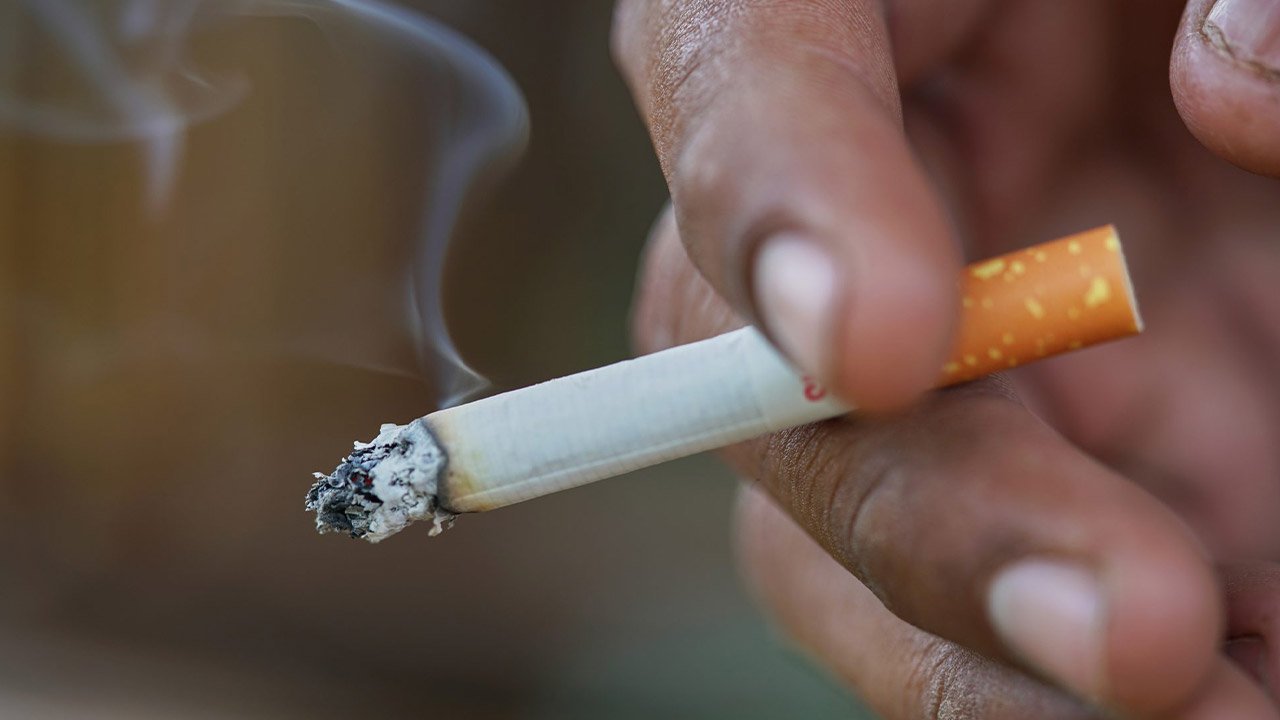
    Smoking, according to Sanaullah Ghumman, is not healthy for human health in any aspect, and it is the first step toward addiction. Health experts and civil society groups have also urged the Prime Minister to increase tobacco goods taxes.

    A significant number of health experts and civil society representatives attended the event. Tobacco kills 8 million people worldwide each year, according to a global study, and more than 1.5 million individuals in Pakistan lose their lives each year owing to smoking.

    On World Food Safety Day, PANAH proposed that tariffs on sugary drinks be increased as well, as these beverages are harmful to children and cause a variety of health problems.

    Sanaullah Ghumman spoke at the event, urging a 30 per cent rise in tobacco product taxes to protect minors from tobacco usage.

    “This will be a win-win situation for us,” he continued, “since it will lower the health burden while also dramatically increasing revenue”. PANAH, he claimed, had been educating the public about a variety of dangerous diseases, including heart disease and its causes, for 39 years.

  • Pakistan faces Rs615 billion annual deficit due to tobacco consumption

    Pakistan faces Rs615 billion annual deficit due to tobacco consumption

    Pakistan has a substantial Rs615 billion annual deficit owing to diseases caused by smoking and overall tobacco usage, with only Rs120 billion earning in tax revenue from the product.

    The government is expected to improve revenue by raising the tax on cigarettes by 30 per cent according to The Nation.

    This was voiced by speakers at a major symposium held in Islamabad on May 18. The Pakistan National Heart Association (PANAH) held a seminar on the theme ‘Harms of Tobacco Products and the Importance of Tax Policy,’ which was presided over by Patron General (R) Ashraf Khan and hosted by General Secretary Sana Ullah Ghumman.

    As per the speakers at the event, tobacco usage is a major cause of serious heart, lung, and cancer diseases in the country. A fact sheet on the health and economic costs of cigarette usage was released by the Social Policy and Development Centre (SPDC).

    According to the survey, tobacco is used by 31 million persons over the age of 15. More than 260,000 people are predicted to start smoking in the country if tobacco taxes are not raised in the budget for 2022-23.

    Engineer Iqbal Zafar Jhagra, the former governor of KP and a senior PML-N leader, was the special guest at the event. Nisar Cheema, a member of the National Assembly, was also present.

    Read more: Tobacco companies in Pakistan may bump cigarette prices

    PANAH Patron General (R) Ashraf Khan congratulated the attendees and informed them of the organization’s goals and objectives.

    Smoking was declared the primary cause of deaths from non-communicable diseases (NCDs) such as heart, cancer, respiratory, and chronic diseases, according to participants, with an estimated 163,360 persons dying in 2017.

  • Nawaz still very ill, new medical reports submitted to court

    Nawaz still very ill, new medical reports submitted to court

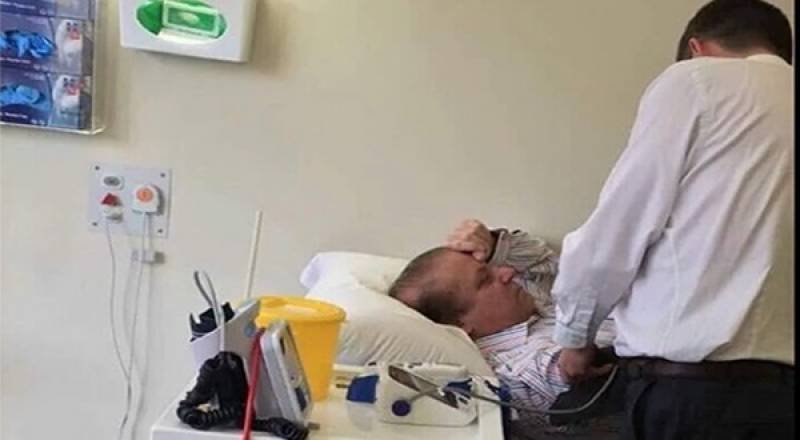
    Former Prime Minister Nawaz Sharif’s new medical reports have been submitted to the Lahore High Court (LHC) after the British authorities turned down his request for an extension in his stay, pleading that he cannot return as doctors have not yet allowed him air travel, reports Dawn.

    Since November 2019, this is Nawaz’s 11th medical report submitted to the LHC.  In all medical reports, a similar plea had been taken that ‘doctors have stopped him (Nawaz) from air travel’.

    Pakistan Muslim League-Nawaz (PMLN) President Shehbaz Sharif has already said that Nawaz Sharif will not return until his complete recovery and stated that he can legally stay in the UK till the British immigration tribunal makes a final decision.

    Nawaz’s consultant, cardiothoracic surgeon David Lawrence, in Nawaz’s medical report wrote, “Nawaz Sharif, undoubtedly, has complex and complicated medical issues which need to be treated holistically. Great care needs to be exercised in dealing with each of the diseases and comorbidities he is suffering in order to maintain the right balance.”

    “There is also the appearance of the transient ischemic dilatation suggesting significant ischemic burden that amounts approximately 22 per cent of the myocardium. This is indicative of significantly reduced blood supply to the heart in the circumflex territory and impaired functionality. Mr Nawaz is advised cardiac catheterisation and subsequent management given the significant risk of worsening of his heart disease but once his comorbidities (ITP, hypertension, diabetes, and chronic kidney disease) were stabilised by a multidisciplinary approach,” said the doctor.

    “He developed Immune thrombocytopenic purpura (ITP) during his incarceration and his response to the first and second-line therapies was unsatisfactory, a stable platelet count within the medically prescribed range was paramount to ensure the safety of diagnostics and treatment. In addition to the recent finding of him having developed carotid artery’s stenosis, he was assessed to have had an exacerbation of his coronary artery disease and deterioration of renal functions. The intention was indeed to proceed with the management of his cardiac and carotid diseases once he was given clearance from hematology and nephrology specialties,” says the medical report.

    “He should, by all means, avoid travelling and visiting public places like airports. He should only stay in close proximity to the healthcare facilities where he has been getting his treatment until the Covid-19 threat is over and his health problems are adequately addressed,” Lawrence said.

    “Mr Nawaz needs to take serious precautions being a clinically extremely vulnerable person,” added the report.

  • Carmat introduces artificial hearts for heart patients

    Carmat introduces artificial hearts for heart patients

    Artificial hearts will be available on sale for those suffering from critical heart diseases in Europe.

    French medical company Carmat has developed the technology and named it Aeson. According to details, it will be available for purchase in the second quarter of 2021. The company has also received approval for it from regulatory authorities.

    The 900g machine created to mimic the biological characteristics and functioning of a normal heart is fully capable of facilitating blood circulation in the body.

    “The idea behind this heart, which was born nearly 30 years ago, was to create a device which would replace heart transplants, a device that works physiologically like a human heart, one that’s pulsating, self-regulated and compatible with blood,” said Stéphane Piat, Carmat’s CEO.

    The device is designed to replace a real heart for years in patients with end-stage biventricular heart failure. For now, it has only been approved as a temporary implant for those awaiting a heart transplant.

    According to several estimates, around 2,000 biventricular heart failure patients are on transplant waiting lists across Western Europe.