Tag: heatwave

  • Six dead In Tokyo heatwave

    Six dead In Tokyo heatwave

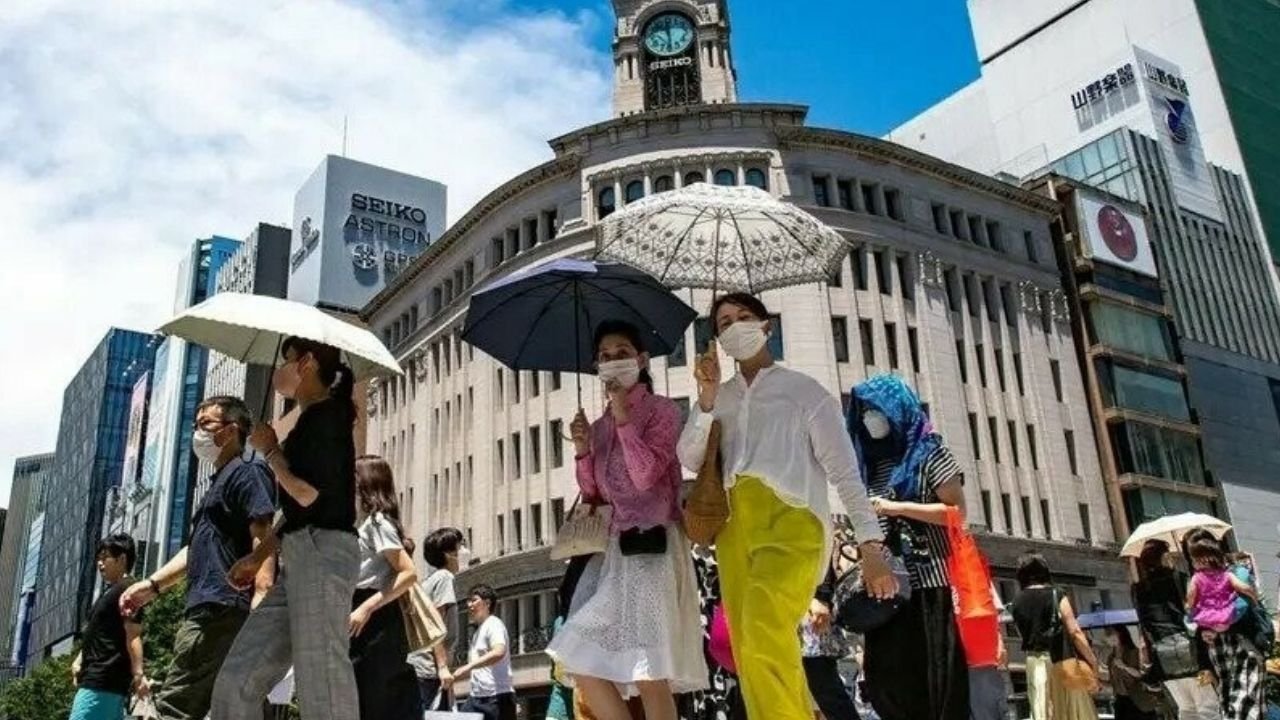
    Six people have died of heatstroke in Tokyo as Japan swelters under a rare rainy season heatwave, prompting authorities to issue a flurry of health warnings.

    Over the weekend, the central Shizuoka region became the first in Japan to see the mercury reach 40 degrees Celsius (104 Fahrenheit) this year, far surpassing the 35-degree threshold classified by weather officials as “extremely hot”.

    Such severe heat in the middle of Japan’s rainy season is “rather rare”, caused in part by a strong South Pacific high-pressure system, a weather agency official told AFP.

    Temperatures also hit record highs near 40 degrees Celsius on Monday at observation posts in Tokyo and in the southern Wakayama region, according to local media.

    The past few days, authorities have issued heatstroke alerts in much of the country, urging residents to avoid exercising outside and to use air conditioning.

    The capital logged three deaths linked to heatstroke on Saturday and three more on Monday, when the mercury hovered around 35 degrees Celsius at midday, according to the city’s medical examination office.

    “Without the AC on, I find it difficult to survive,” Tokyo resident Sumiko Yamamoto, 75, told AFP, adding she feels “it’s gotten drastically hotter” since last year.

    “Through the advice given on TV, I try to stay hydrated as much as possible. Because I’m old, I’m being careful not to collapse,” she said.

    Heatstroke is particularly deadly in Japan, which has the second-oldest population in the world after Monaco.
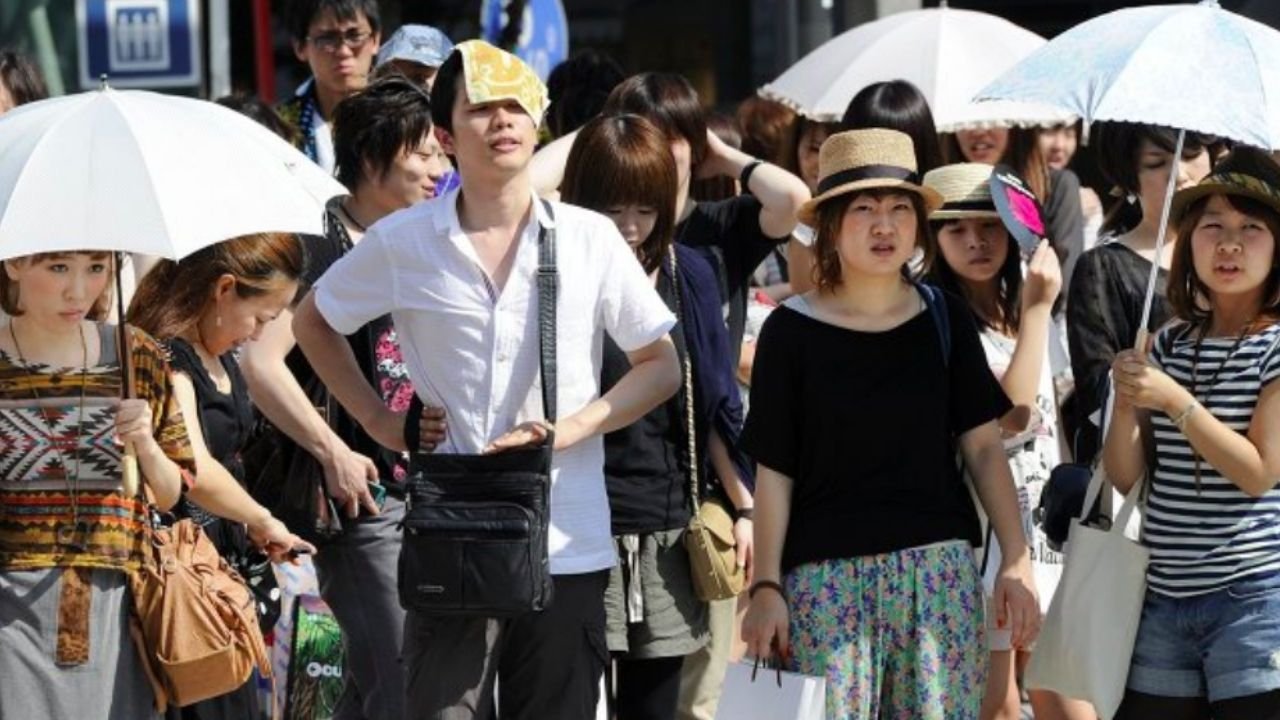
    Yamamoto’s age puts her in the demographic flagged by health experts as particularly vulnerable to heatstroke, along with infants and those living alone or who are too poor to afford air conditioning.

    The Japanese Association for Acute Medicine on Monday warned of the rising death toll from heat exhaustion nationwide, which grew from just a few hundred per year two decades ago to around 1,500 in 2022.

    The sheer number of fatalities suggests that heatstroke now poses a danger on par with that of “a major natural disaster”, the group said, warning against non-essential outings.

    Tokyo business executive Mikio Nakahara, 67, says the difference between Tokyo 50 years ago and now is stark.

    “Tokyo wasn’t as hot as it is now,” he told AFP.

    But these days, “I try to work remotely as much as possible so I don’t have to go outside.”

    With ever-hotter summers becoming the norm around the world, tourists like Ainhoa Sanchez, 29, aren’t too surprised by Tokyo’s temperatures.

    “So the plan is going sightseeing a little bit. Drinking a lot of liquids. Maybe when we get too hot, we can get into a shop, look around, chill a bit and then go back to the street,” she told AFP.

  • Makkah, Madina to have shorter khutbas

    Makkah, Madina to have shorter khutbas

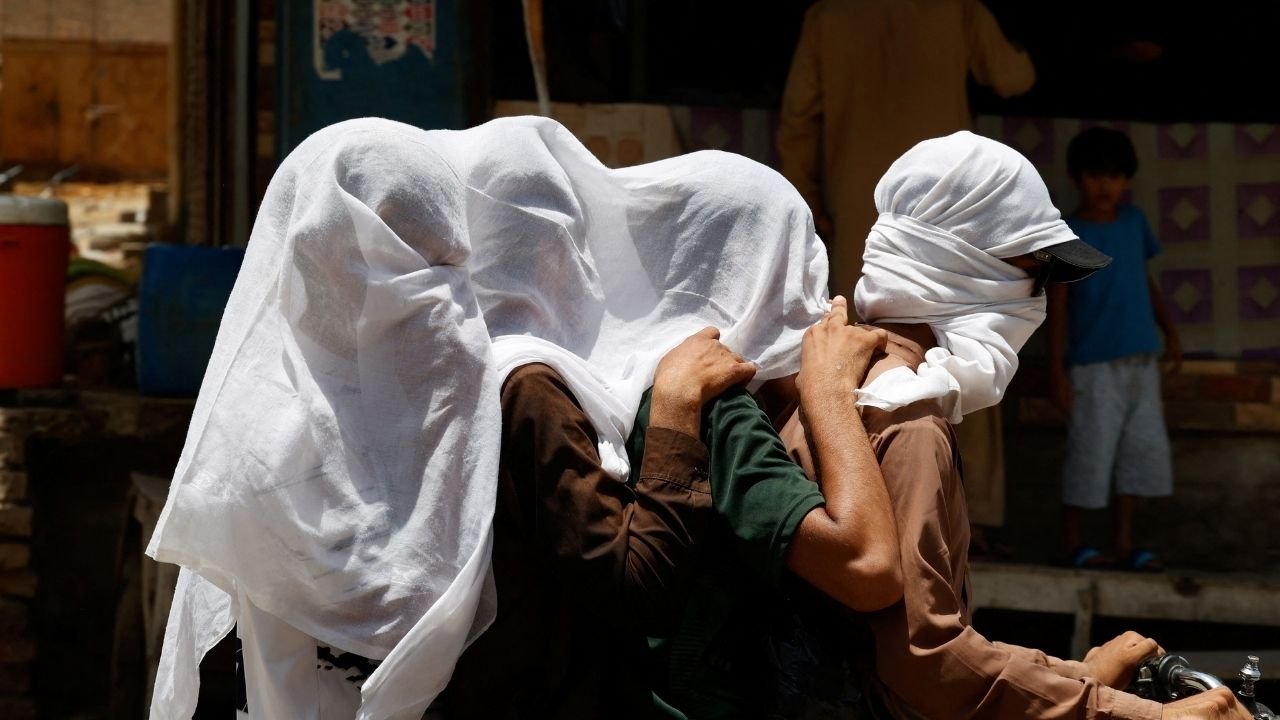
    Amidst an intense heat wave in Saudi Arabia, the Friday sermon (Khutbah-e-Jummah) and jummah time in Masjid al-Haram and Masjid an-Nabawi (PBUH) have been reduced.

    In the wake of intense heat, Friday sermons and prayers will be 15 minutes long only in Masjid al-Haram and Masjid Nabawi, while Friday sermons in the United Arab Emirates has also been limited to 10 minutes.

    Emirates authorities say that protecting human lives from extreme heat is a priority.

    The temperature in the desert areas of the Gulf country has reached 50 degrees Celsius in summer.

  • Karachi commissioner refutes heatstroke fatality toll

    Karachi commissioner refutes heatstroke fatality toll

    Karachi Commissioner Syed Hasan Naqvi has denied the reported death toll of the heatwave that has engulfed the coastal city, asserting that the actual number of deaths is lower than claimed and remains unconfirmed by officials.

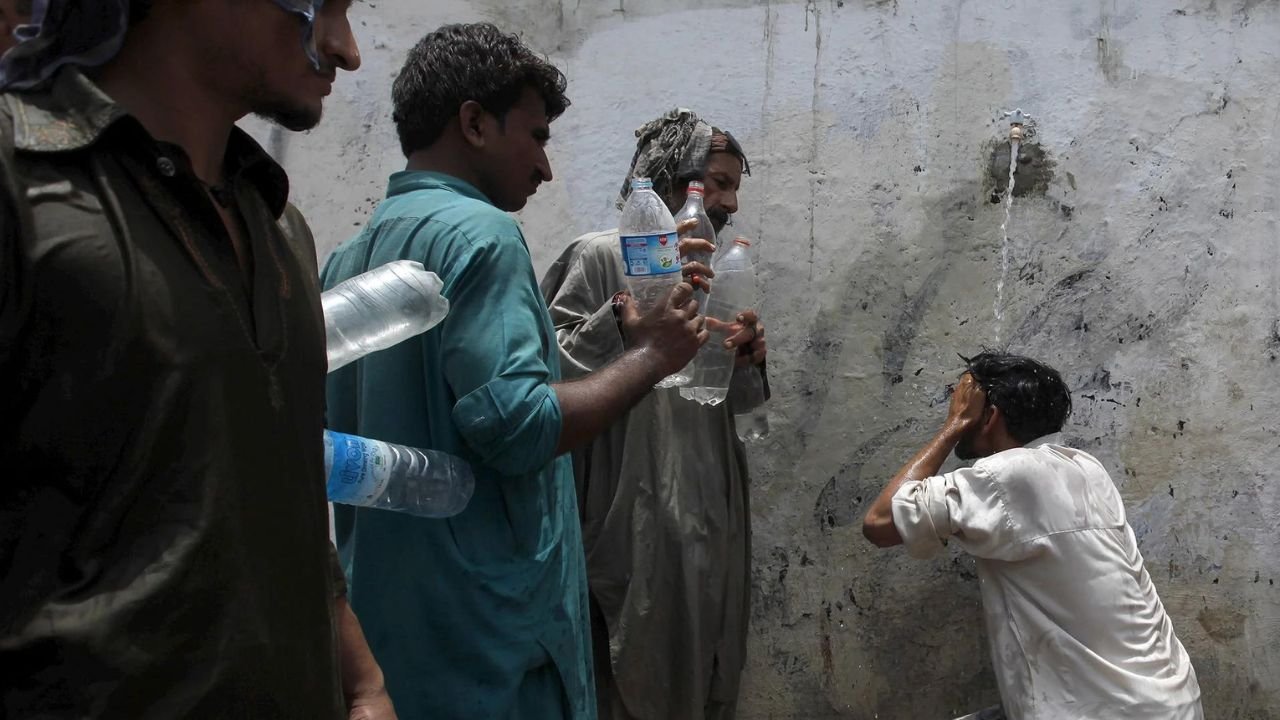
    Speaking at a press briefing on Wednesday, the commissioner disclosed that ten people had succumbed to heatstroke over the past two days, with approximately 1,700 cases of heatstroke reported across the city.

    Providing specifics on recent fatalities, Naqvi stated that eight deaths occurred on Monday and two on Tuesday.

    Meanwhile, the Edhi Foundation estimated around 568 deaths from heatwave-related medical emergencies, and the Human Rights Commission of Pakistan voiced concerns on the impact of the extreme weather and its extent.

    It is reportedly the first time since 2015 that temperatures in Karachi reached 42°C in June, with “feels like” temperatures peaking at 51°C.

    Addressing the unverified reporters, the commissioner urged welfare organisations to verify death figures with government authorities before releasing them to the public.

    Naqvi also instructed Karachi-Electric (KE) to refrain from load shedding between 12am and 6am during the heatwave, which typically lasts two to three days.

    The Karachi administration has established 124 heatwave centres equipped with water facilities as well as specialised wards in hospitals to provide medical aid to those affected by heatwave.

  • 52 dead within two days in Indian heatwave

    52 dead within two days in Indian heatwave

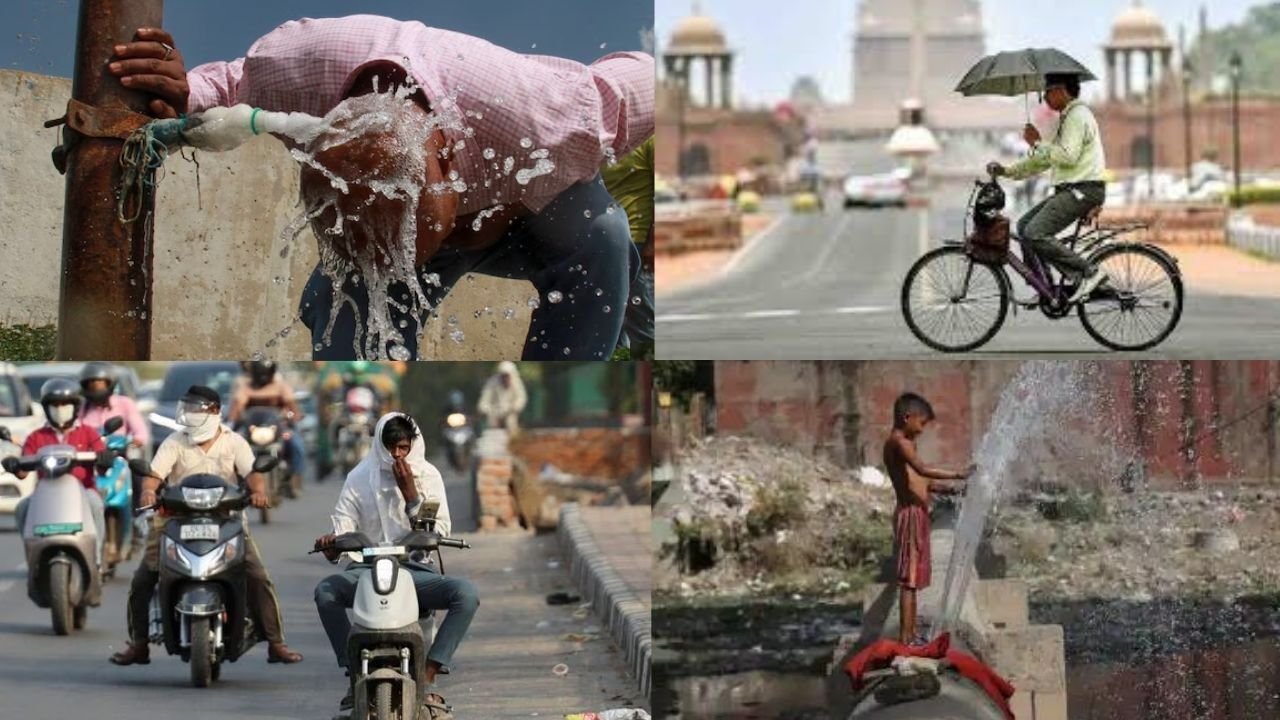
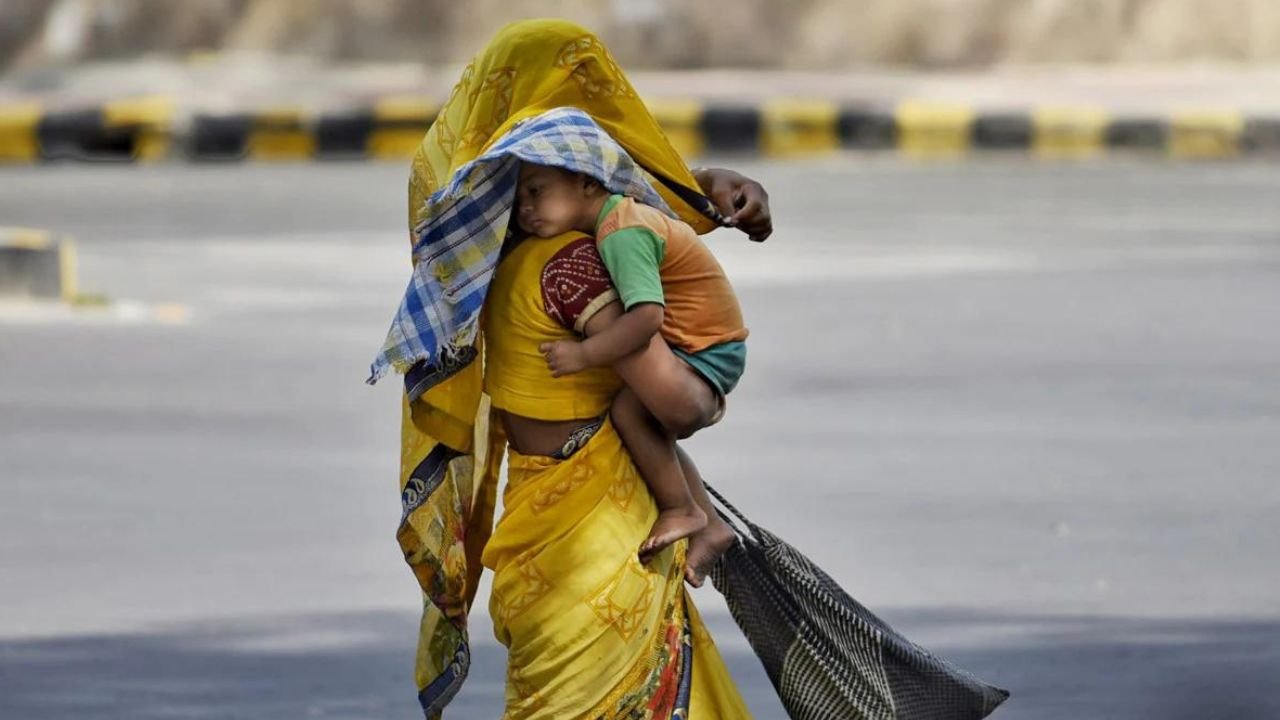
    A total of 52 deaths have been reported within two days as an intense heatwave grips the Indian capital of New Delhi.

    As yet, 192 homeless persons have died in New Delhi in heatwaves that hit the ancient city between June 11 and 19, Indian media has reported.

    More than 40,000 cases of heat stroke have been reported in India this summer, and at least 110 deaths have been confirmed between March 1 and June 18.
    Recent media reports suggested that the mercury hit 52 degree Celsius, however no break is in sight.

    The Meteorological Department’s assessment says the temperature will be several times higher than normal this month, while New Delhi had its hottest night in more than 50 years on Wednesday.

  • Heatwave in India kills 33, including election officials

    Heatwave in India kills 33, including election officials

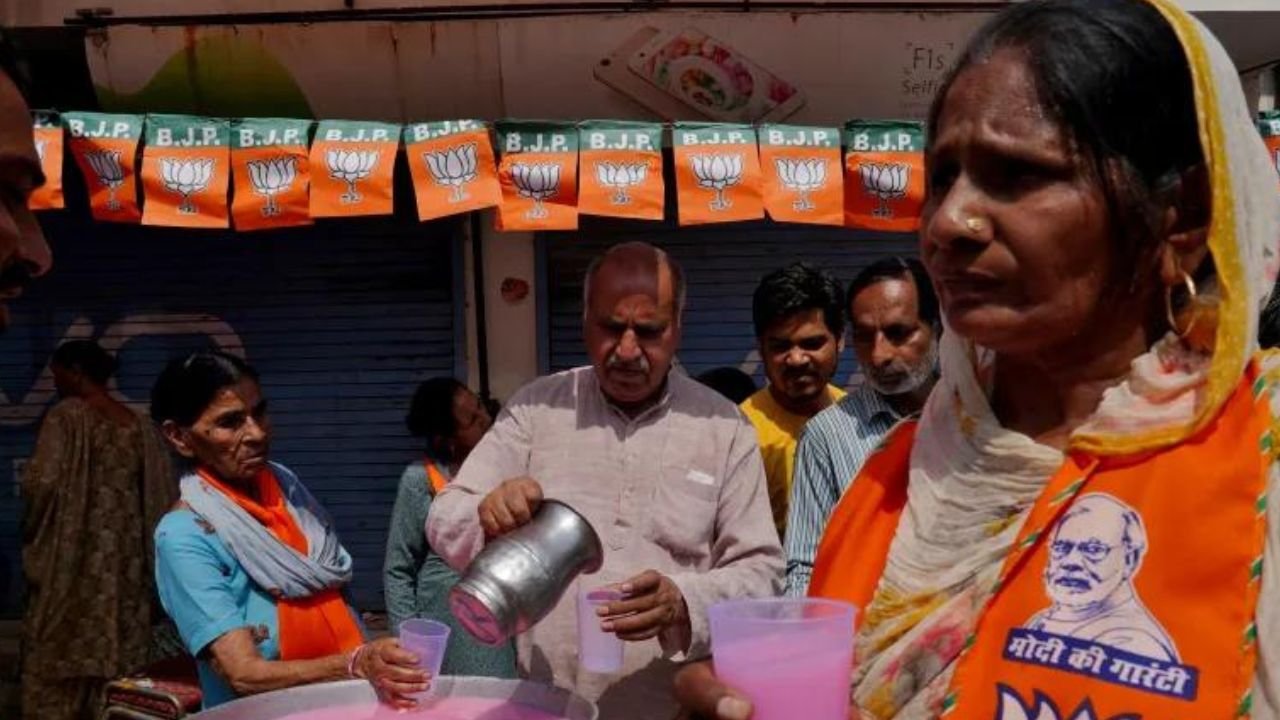
    Thirty-three people, including election officials on duty, died of suspected heatstroke in three major Indian states on Friday, including Bihar, Uttar Pradesh, and Odisha.

    Fourteen people died in Bihar on Thursday, including 10 people involved in organising the seven-phase national elections that are currently underway. Many election officials are usually required to stand on duty all day, many times outdoors.

    Parts of Bihar are voting in the final round of polling on Saturday as well.

    In Uttar Pradesh, nine election personnel, including security persons, died on Friday, government officials said.

    Ten deaths were reported from the government hospital in Odisha on Thursday, authorities said, prompting government to advise against outdoor activities between 11:00 am and 3:00 pm local time when temperatures heighten.

    Three people died of suspected heatstroke in Jharkhand state, neighbouring Bihar.

    India has been experiencing a record hot summer. A locality of the capital Delhi recorded the country’s highest-ever temperature at 52.9°C this week.

    While temperatures in north-western and central India are expected to fall in the coming days, the prevailing heatwave over eastern India is likely to continue for two days, according to India’s Meteorological Department (IMD), which declares a heatwave when the temperature is 4.5°C to 6.4°C higher than normal.

    The last phase of voting is scheduled to be held on Saturday and votes will be in counted on Tuesday.

    However, the deadly heatwave in the South Asian region is expected to continue until Saturday.

  • Why is Pakistan severely hit by heatwaves?

    Why is Pakistan severely hit by heatwaves?

    The Meteorological Department has explained the reason behind the ongoing heatwave in Pakistan.

    Most of the plain areas of the country will continue to be affected by extreme heat in the coming days, while this week in Karachi, temperature is likely to reach 42 degrees Celsius.

    But why is heatwave so severe in Pakistan?

    According to the Department of Meteorology, the phenomenon has stemmed from the combination of meteorological and environmental factors.

    To sum it up, high air pressure in the upper atmosphere and the presence of limited clouds lead to heatwaves.

    This year, scorching heat across the country broke yet another record, with Mohenjo-Daro being the hottest city in the country at 53 degrees on Sunday.

  • New schedule announced for Matric and Inter Exams in Karachi

    New schedule announced for Matric and Inter Exams in Karachi

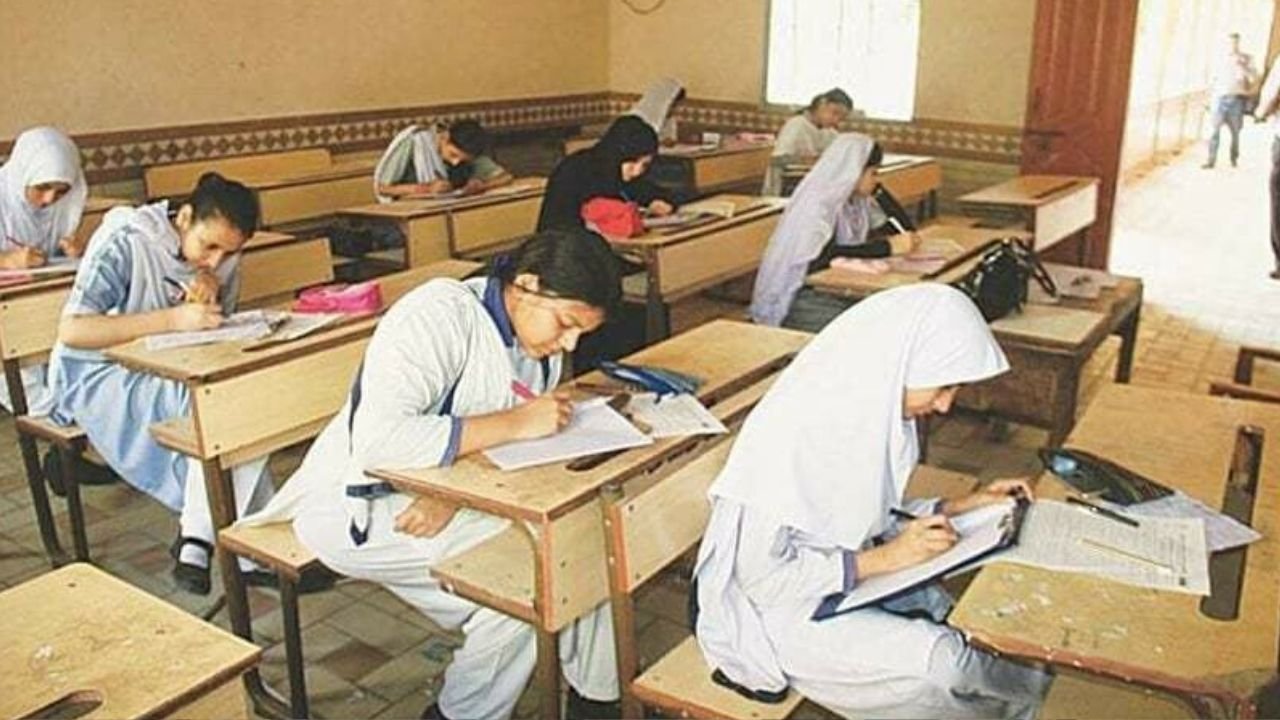
    The Board of Secondary Education Karachi (BSEK) on Wednesday announced the new schedule for the matric and inter exams, previously postponed due to the ongoing heatwave.

    Today, the examination board released a notification including the revised exam schedule.

    The remaining exams of Class 10 will resume on May 28 as per the schedule.

    BIEK’s Chairman Professor Nasim Ahmed Memon on Wednesday said that the exams of inter classes are scheduled to take place from June 1.

    “Intermediate exams will be held from June 1 as it is not possible to conduct them from May 28,” said the chairman.

    Memon said that the Board has sought permission from the education minister to extend the exams for four days. He added that 21 higher secondary schools were set up as a centre for the exams.

    The chairman said that the Inter exams were to be held in the centres in the morning while matric exams were scheduled for the evening.
    Speaking about the matric exams, the chairman said that they were postponed due to hot weather. “Postponed papers will be taken from May 28 in the same centres,” he added.

    The BIEK chairman said that it was not possible to hold matric and intermediate exams in the same centres at the same time.

    The BSEK had postponed the remaining papers of the secondary classes which were supposed to be held between May 21-27, in light of heatwave in Sindh.

  • Temperature to reach 50 degrees, glaciers start melting

    Temperature to reach 50 degrees, glaciers start melting

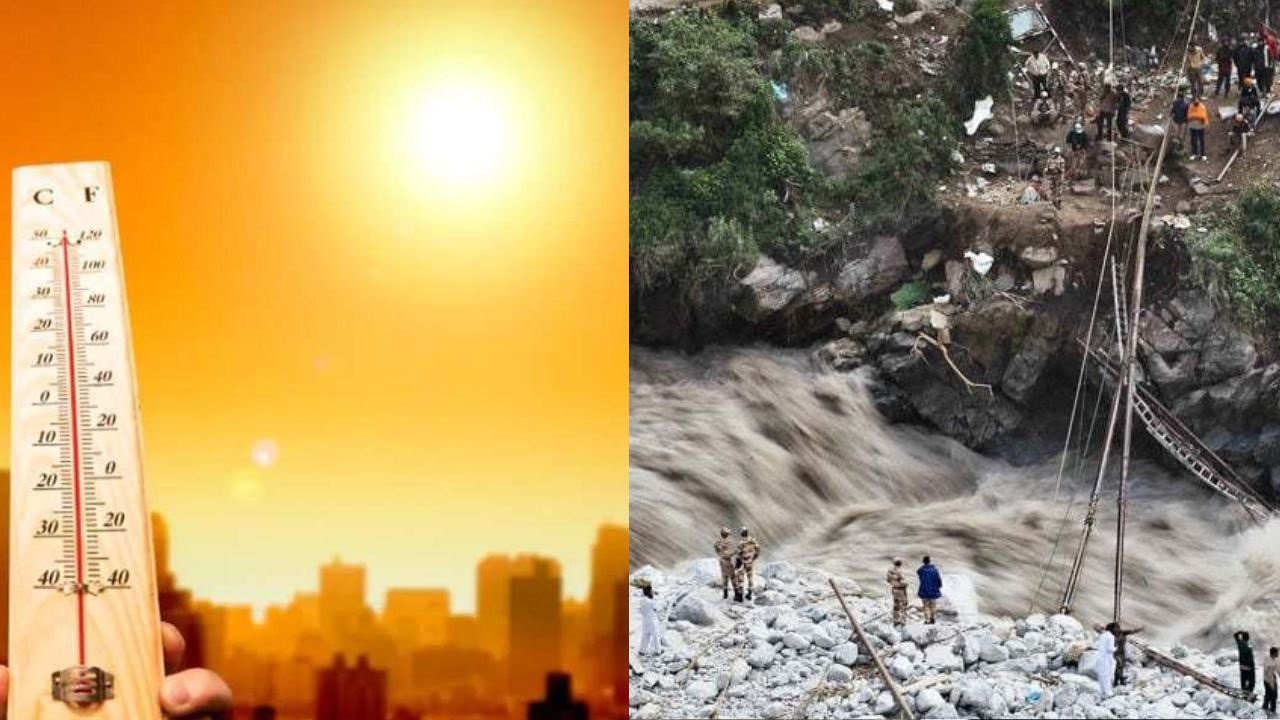
    Pakistan is on high alert after the Meteorological Department predicted an intense ongoing heatwave in the country, possibly causing glaciers to melt.

    Samaa’s Omar Asif has reported that Mahr Sahibzad Khan, the director of the Meteorological Department, has predicted that temperature is likely to rise further in Sindh, Punjab, and Islamabad. In specific regions, such as Mohenjodaro, Jacobabad, Thatta, Benazirabad, and Nawabshah, the mercury level could soar to an unprecedented 50 degrees Celsius.

    Similarly, areas in Punjab currently experiencing 46-degree temperatures may see an increase to 48-49 degrees. Islamabad, which is presently at 41 degrees, may climb to 43-44 degrees.

    Heatwave in Karachi, Sindh could extend till June.

    An increased rate of glacier melting is observed in the northern areas of the country, as per the Indus River System Authority (IRSA).

    The melting of the glaciers has significantly boosted water flow in the country’s rivers, with the current total flow reaching 284,000 cusecs. Meanwhile, the country’s dam reservoirs are holding a combined water storage of 4.9 million acre-feet, Express Tribune quoted IRSA.

    A day ago, residents of Gilgit-Baltistan were warned about potential Glacial Lake Outburst Floods (GLOF) and flash floods this week.

  • College timings changed in Punjab as heatwave lingers on

    College timings changed in Punjab as heatwave lingers on

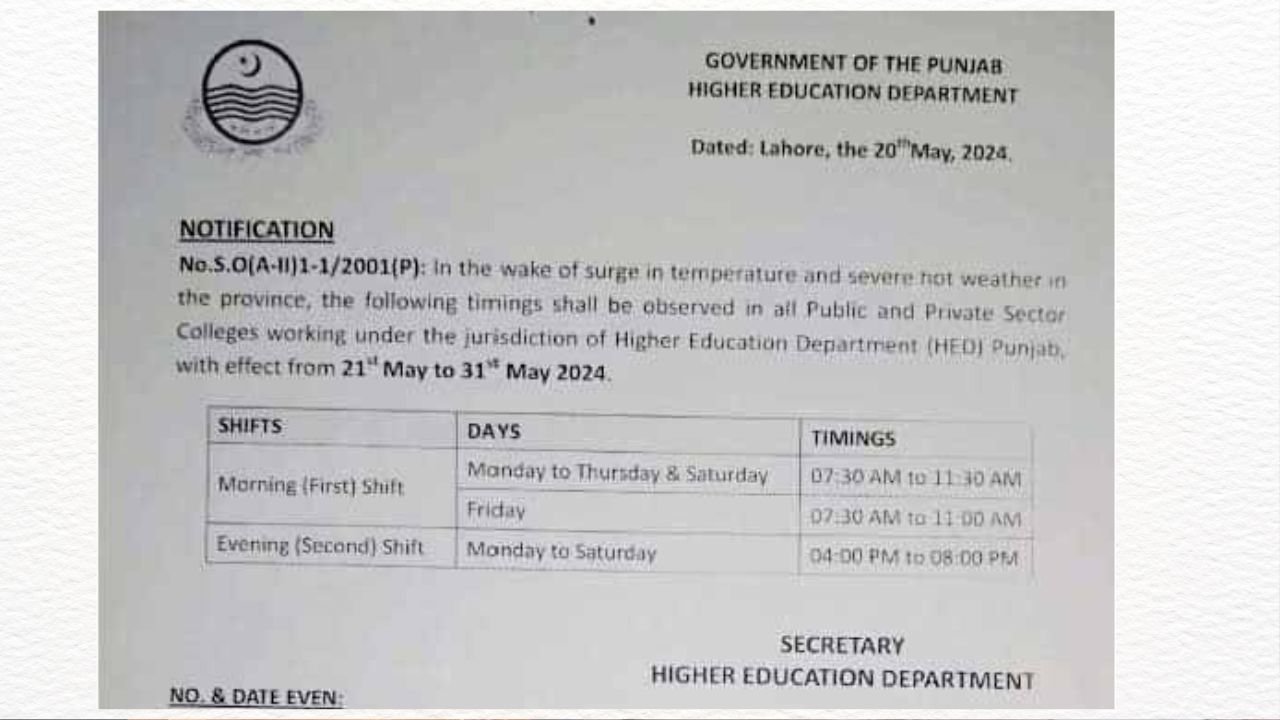
    Working hours of colleges in Punjab have been changed as the prevalent heatwave intensifies across the province.

    Department of Higher Education Punjab has announced that from May 21 to 31, colleges will be open from 7:30 am to 11:30 am and on Fridays from 7:30 am to 11:00 pm, while the second shift of colleges will be from 4:00 pm to 8:00 pm.

    Provincial Disaster Management Authority Punjab has issued a heatwave alert from May 21 to 27 and the district administration has been directed to create awareness through a helpline, announcements in mosques, and media.

    The Health Department is directed to set up special counters in hospitals, ensure the availability of medicines, and cancel the leave of doctors and paramedical staff.

  • India shuts schools as temperatures soar

    India shuts schools as temperatures soar

    Indian authorities in the capital have ordered schools shut early for the summer holiday, after temperatures hit 47.4 degrees Celsius (117 degrees Fahrenheit) with Delhi gripped by a “severe heatwave”.

    Delhi city officials asked schools to shut with “immediate effect” due to the blistering heat, according to a government order quoted by the Hindustan Times Tuesday, cutting short the term by a few days.

    India’s weather bureau has warned of “severe heatwave conditions” this week, with the mercury reaching the sizzling peak of 47.4 degrees Celsius in Delhi’s Najafgarh suburb on Monday, the hottest temperature countrywide.

    Authorities in other states — including Haryana, Madhya Pradesh, Punjab and Rajasthan — have also ordered schools close, Indian Today reported.

    India is no stranger to searing summer temperatures.

    But years of scientific research have found climate change is causing heatwaves to become longer, more frequent and more intense.

    The Indian Meteorological Department warned of the impact of the heat on the health especially for infants, the elderly and those with chronic diseases.

    In May 2022, parts of Delhi hit 49.2 degrees Celsius (120.5 Fahrenheit), Indian media reported at the time.

    The next round of voting in India’s six-week-long election takes place on Saturday, including in Delhi.

    Turnout in voting has dipped, with analysts suggesting the hotter-than-average weather is a factor — as well as the widespread expectation that Prime Minister Narendra Modi will easily win a third term.

    India’s election commission has formed a task force to review the impact of heatwaves and humidity before each round of voting.

    At the same time, India’s southern states including Tamil Nadu and Kerala have been lashed by heavy rains over the past few days.

    Severe storms also hit parts of the country last week, including in the financial capital Mumbai, where strong winds flattened a giant billboard that killed 16 people and left dozens more trapped.

    ash/pjm/sn

    © Agence France-Presse