Tag: heritage

  • Lahore among ‘places to love in 2021’

    Lahore among ‘places to love in 2021’

    Lahore has been listed among the world’s most-loved cities by the New York Times.

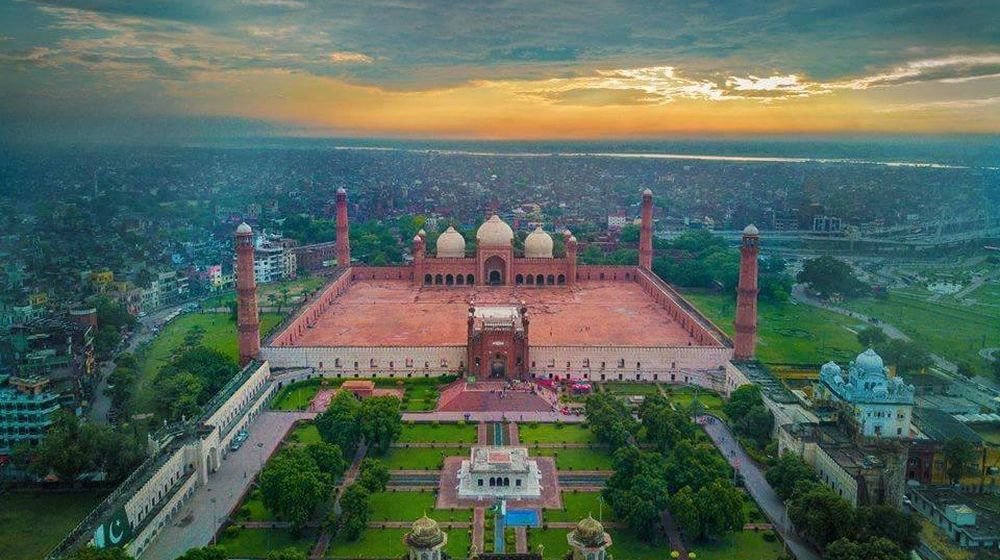
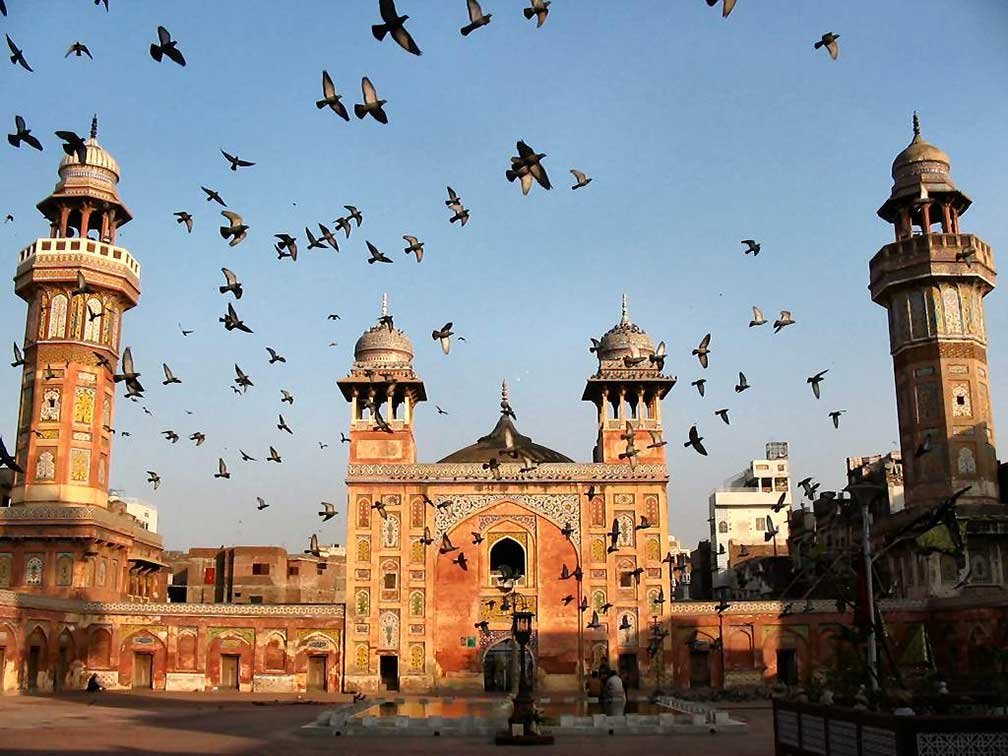
    The New York Times recently published a piece in which the publication asked people about the places that delighted or comforted them in 2020. While it received more than 2000 suggestions, only 52 of them got the chance to be featured in the publication’s article. According to the American daily, Lahore is among the most-loved cities for its food, culture, and historical architecture.

    “Especially in winter, this city nourishes you. It opens its arms to you, then feeds you and wraps you in a hug,” wrote the author while expressing the beauty of the city.
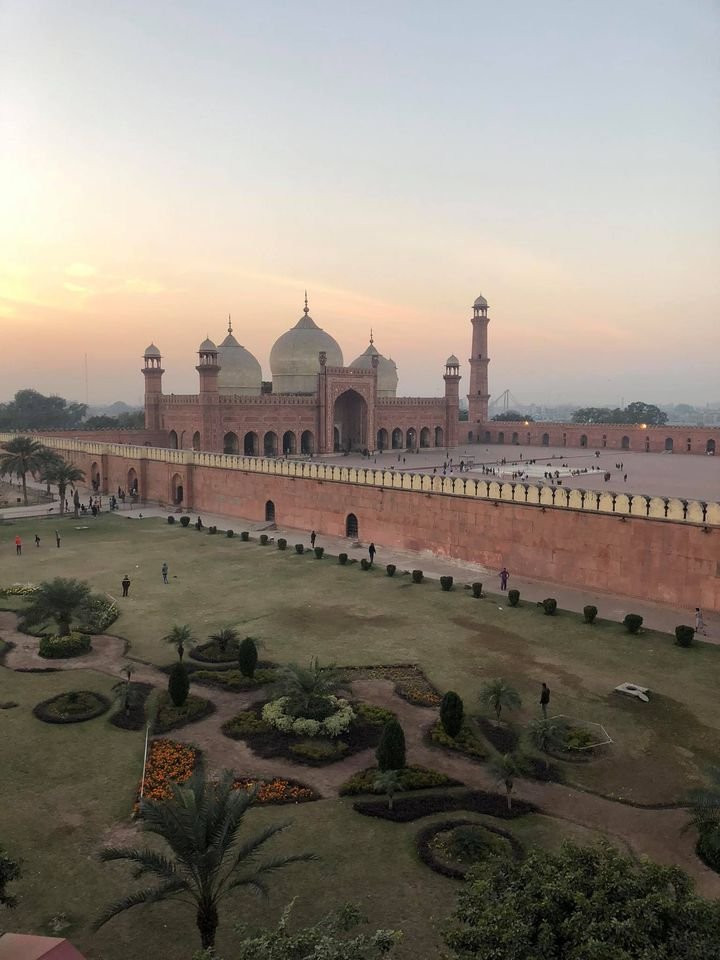
    Lahoris are admired for their hospitality and the city is loved for its rich historical architecture.
    Other tourist spots on the list include Andros of Greece, Lebanon’s Beirut, Romania, Siberia, Jordan’s Wadi Rum and Kaliya Dhrow, India.

    It is pertinent to add there that even Turkish actor Engin Altan Düzyatan couldn’t resist saying “Lahore, Lahore hai” during his visit to the city.
  • 1,300-year-old Hindu temple discovered in KP

    1,300-year-old Hindu temple discovered in KP

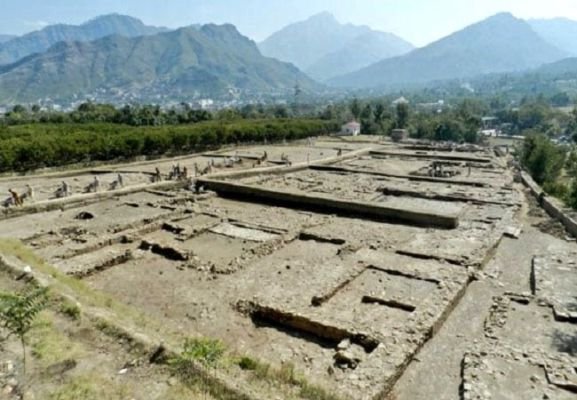
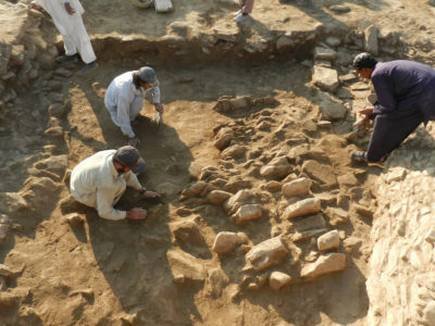
    A Hindu temple, believed to be 1,300 years ago, has been discovered by Pakistani and Italian archaeological experts at a mountain in Swat district. The discovery was reportedly made during an excavation at Barikot Ghundai.

    According to Fazle Khaliq of Khyber Pakhtunkhwa Department of Archaeology, the temple discovered is of Lord Vishnu. It was built by the Hindus 1,300 years ago during the Hindu Shahi period, he said.

    The Hindu Shahis or Kabul Shahis (850-1026 CE) was a Hindu dynasty that ruled the Kabul Valley (eastern Afghanistan), Gandhara (modern-day Pakistan), and present-day northwestern India.

    During their excavation, archaeologists also found traces of a cantonment and watchtowers near the temple site. Experts also found a water tank near the temple site which they assume was used by the Hindus for bathing before worship.

    Khaliq said that the Swat district is home to numerous ancient archaeological sites, some of which are thousands of years old, but traces of the Hindu Shahi period have been found for the first time in the area.

    Dr Luka, the head of the Italian archaeological mission, said this was the first temple of the Ghandhara Civilisation discovered in Swat district.

    Swat district is among the top 20 sites in Pakistan which is home to every kind of tourism such as natural beauty, religious tourism, cultural tourism and archaeological sites.

    Several places of worship of Buddhism are also situated in Swat district.

    Read more – KP Police arrest offenders involved in vandalising ancient Buddha statue

    Last year in October, archaeologists and historians discovered another temple, reportedly built in the 7th century, during the Turki Shahi period, on the top of Ghwandai mount at Bazira in Barikot Swat.

  • Historical British-era tunnel restored and reopened in Ayubia

    Historical British-era tunnel restored and reopened in Ayubia

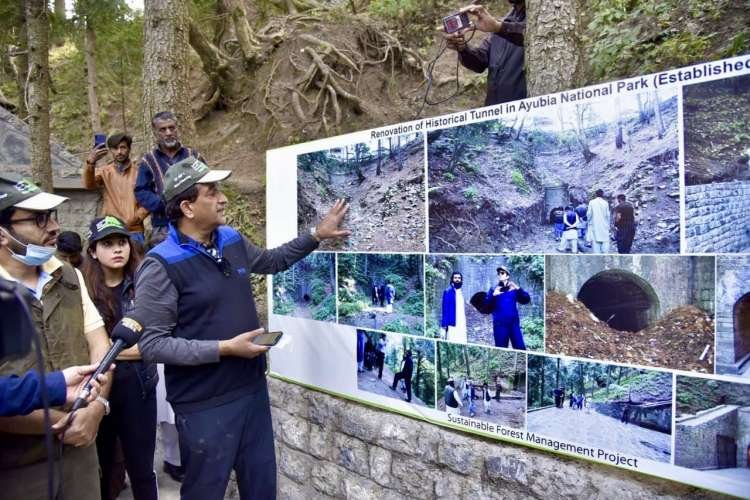
    Special Assistant to Prime Minister on Climate Change, Malik Amin Aslam, on Thursday, reopened a 129-year old historical ‘Motto Tunnel’ at Ayubia National Park.

    Read more – Sindh Govt comes under fire for ‘painting ancient archaeological sites white’

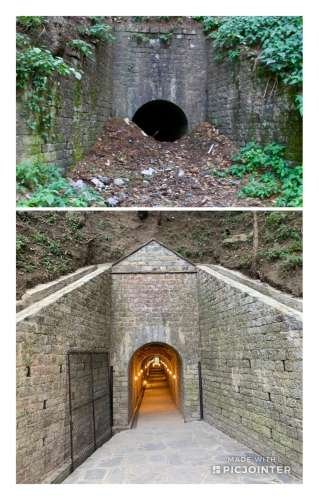
    The tunnel has been reopened for tourists after almost 20 years. Restoration work on it has been done by the Ministry of Climate Change in collaboration with the Department of Wildlife.

    According to a press release, Aslam while inaugurating the tunnel said that unsustainable and exploitative tourism practices in various parts of the country, particularly in biodiversity-rich and environmentally-sensitive areas, over last several years have badly harmed local fragile ecosystems that house wildlife species and their habitats.

    The special assistant said: “Given the realisation, the incumbent government is taking all-out measures to usher in sustainable models of eco-tourism in consultative with local partners and communities as a part of Prime Minister’s vision for Clean and Green Pakistan.”

    Sharing details about the tunnel, Aslam said that the tunnel was built in 1891 between Ghora Dhaka (presently Ayubia) to Khaira Gali (Murree) beneath the road and residential area in Ayubia Town. The tunnel had remained in terrible condition due to lack of maintenance over the last several decades.

    He said that this tunnel is 12 kilometres long and has a flat track. This track was 4 kilometres long before 12 more kilometres was added to it – it is now 16 kilometres in total.

    “Besides, reopening and renovation of the different segments of the tunnel, the tunnel site has also been provided with various facilities for tourists including paved track to the tunnel, information centre, guiding facilities, sitting and resting areas and coffee shop,” highlighted Aslam.

    The PM’s aide hoped that the glorious cultural icon would add value to the natural beauty of the national park and provide added attraction to tourists.

    He said: “We are taking practical steps to promote tourism. The restoration of this tunnel is also a link to the same series.”

  • Sindh Govt comes under fire for ‘painting ancient archaeological sites white’

    The Sindh Government has come under fire after they shared pictures of restoration work done on Tando Fazal Monument (Masjid) Hyderabad. Their efforts did not sit well with the public who accused them of destroying heritage sites and whitewashing them. Following the criticism and backlash, the culture department deleted the tweets from social media.

    Read more – Pakistan’s forgotten heritage sites

    Social media users did not hold back from expressing their outrage over the matter.

    Some users urged the government and Supreme Court to look into the matter.

    Meanwhile, others made a meme out of the scenario.

    https://twitter.com/SyedXaidi110/status/1293567234397396994?s=20

    Later, Minister for Culture, Tourism and Antiquities, Sardar Shah explained the process and steps that were taken to restore the monument.