Tag: higher education

  • List of illegal, unrecognised universities across Pakistan made public

    List of illegal, unrecognised universities across Pakistan made public

    The Higher Education Commission (HEC) of Pakistan recently released a list of illegal and ‘fake’ campuses of universities and higher education institutions across the country. According to the HEC, degrees obtained from these institutions will not be recognised by the commission. To ensure students across the country obtain valid degrees, the HEC has urged students to avoid seeking admission to these institutions.

    Colleges on the list range from local sounding institutions (for instance, the Quaid-e-Azam College of Information Technology), while others seem to present themselves as branches of international universities, such as the American University of London. Though funnily enough, no such university actually exists in London.

    The HEC is responsible for recognising degrees from both private and public chartered universities and higher education institutions in Pakistan. HEC also extends recognition to affiliated campuses. 

    The general public are advised to exercise caution and refrain from enrolling in any fake, illegal, or unrecognised universities/colleges. The HEC has published, and regularly updates, its list of accredited institutions, so if the institution you are enrolling for is not mentioned on the website, you will likely acquire an invalid degree by the end of it. 

    View the entire list of illegal universities and colleges on HEC’s website.

  • AI instructors to teach Harvard students next year

    AI instructors to teach Harvard students next year

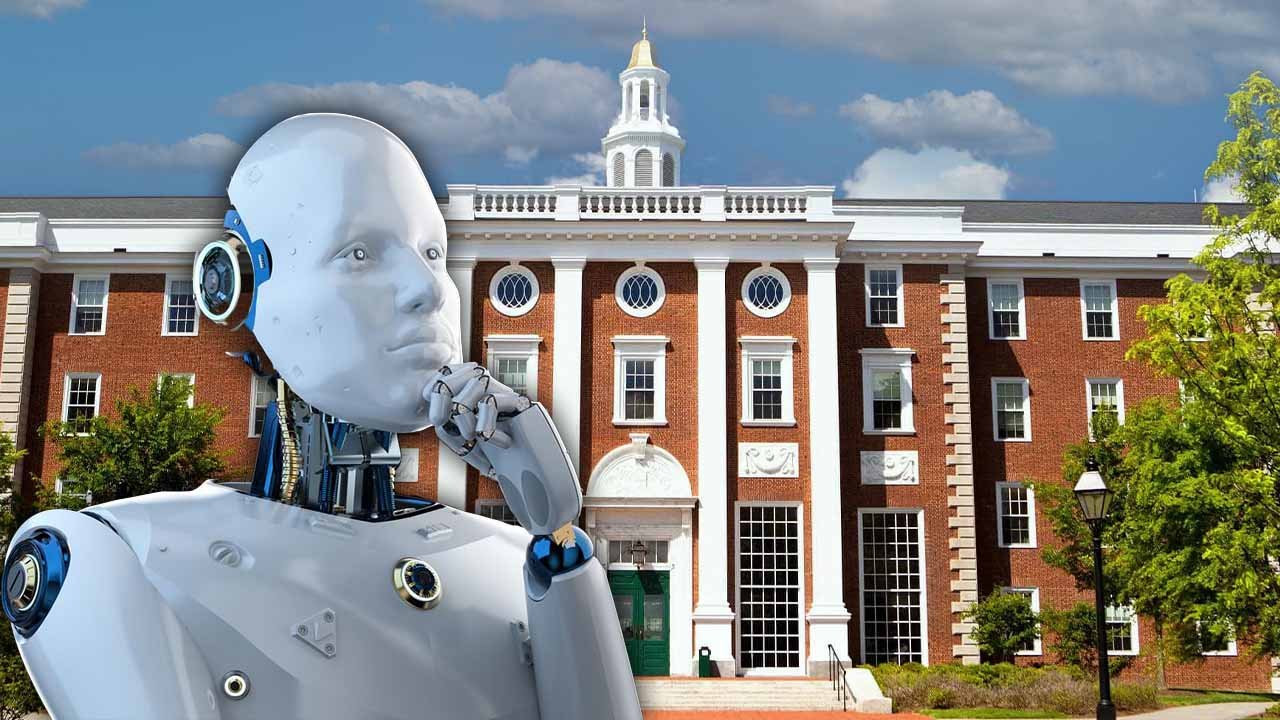
    Harvard University, one of America’s most prestigious and expensive colleges, is planning to introduce an AI-powered teaching assistant to instruct students in its popular introductory coding course.

    Professor David Malan, who oversees the course, explained that the use of AI in the syllabus aligns with the course’s history of incorporating new software. He stated that the introduction of a ChatGPT AI teacher is a natural progression in their teaching methods. The aim is to eventually provide students in the CS50 course with software-based tools that can support their learning individually, ensuring a 1:1 teacher-to-student ratio.

    Professor Malan mentioned that they are currently experimenting with both GPT-3.5 and GPT-4 models, as reported by Harvard’s newspaper, the Crimson. However, developers and software engineers outside the Ivy League have encountered difficulties integrating OpenAI’s ChatGPT-4 into their workflows.

    Some have raised concerns about the algorithmic co-worker’s coding abilities, perceiving a decline in quality compared to earlier versions. The AI’s software skills have been described as inferior, exhibiting superficial responses and inadequate coding prompt answers.

    Considering the significant cost of a four-year degree from Harvard, estimated at around $334,000 for the 2022-23 academic year, students who are paying for their education will likely expect the CS50 staff’s experimentation with ChatGPT to be thoroughly refined by September.

    CS50 is highly regarded and widely accessed through Harvard’s online learning platform, edX, which was established in partnership with MIT in 2012. The universities sold edX to educational technology company 2U for $800 million in 2021, ensuring its operation as a public benefit entity that offers courses for free auditing.

    Professor Malan acknowledged that early iterations of AI programs like ChatGPT may occasionally underperform, but expressed his confidence in the AI teaching assistant’s ability to streamline tasks and reduce the time spent on assessing students’ code. This, in turn, would allow teaching fellows to focus on more meaningful, interpersonal interactions with their students, resembling an apprenticeship model.

    Reflecting on the purpose of education, Professor Malan emphasised the importance of critical thinking for students, urging them to exercise discernment when processing information, regardless of its source.

    In summary, Harvard University intends to leverage AI technology by introducing a ChatGPT-powered teaching assistant in its CS50 course. While challenges have been encountered with the latest ChatGPT-4 model, Professor Malan and his team are committed to refining the AI’s performance.

    The goal is to enhance the learning experience for students and enable teaching fellows to allocate their time more effectively, fostering meaningful interactions. This development aligns with Harvard’s commitment to providing quality education through its online learning platform, edX, which remains accessible to a wide audience.
  • PM Shehbaz allocates Rs14 billion for Pakistan Endowment Fund for Education, adds coding to national curriculum

    PM Shehbaz allocates Rs14 billion for Pakistan Endowment Fund for Education, adds coding to national curriculum

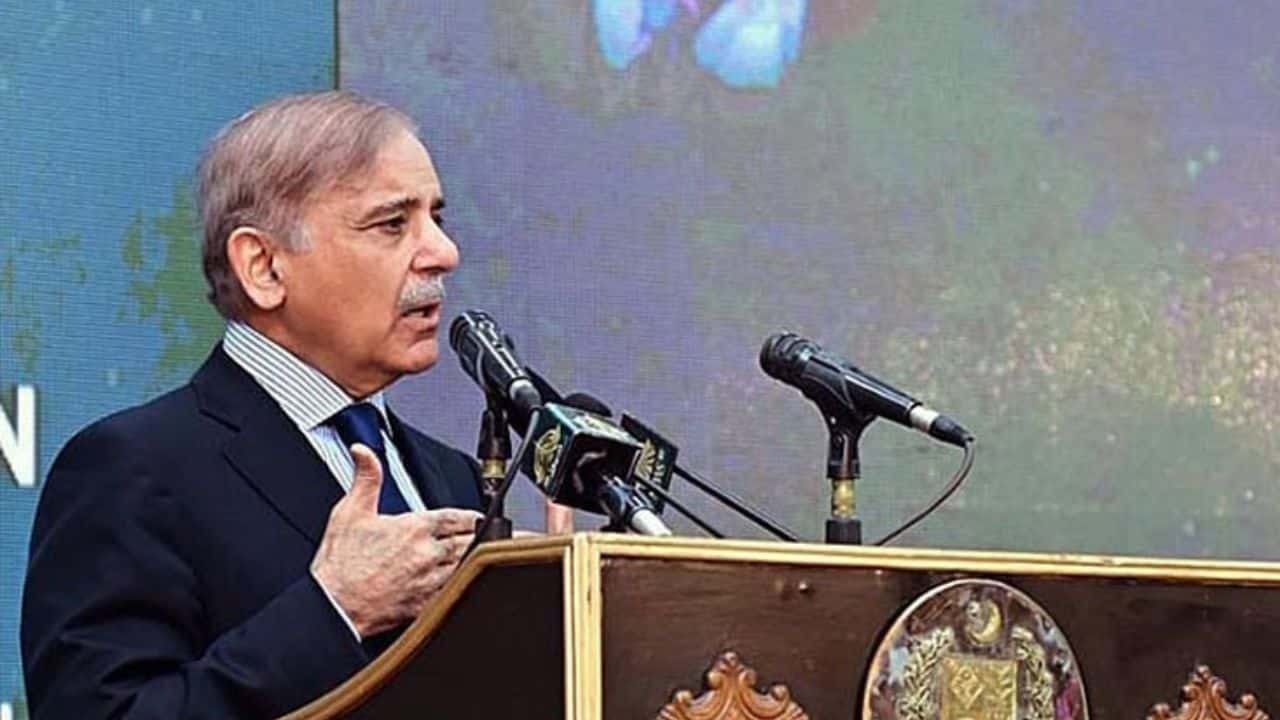
    On Wednesday, Prime Minister (PM) Shehbaz Sharif officially launched the Pakistan Endowment Fund for Education, which includes the incorporation of computer coding and constitutional studies into the National Curriculum. During the launching ceremony, he announced a budget of Rs14 billion for the program over the next four years, with Rs3 billion allocated for the current fiscal year.

    PM Shehbaz Sharif expressed his desire to sustain this project indefinitely, with increased funding, in order to provide maximum opportunities for higher education to deserving students. He emphasised the importance of prioritising the education sector in the future and recommended that the next elected government allocate up to Rs140 billion for the program over the next 10 years.

    The prime minister reflected on his past achievements as the Chief Minister of Punjab, where he initiated the Punjab Education Endowment Fund (PEEF) in 2008 with an annual allocation of Rs2 billion. He proudly mentioned that more than 400,000 students have benefited from this fund and are now serving the country in various professions.

    PM Shehbaz Sharif emphasised that the promotion of education should not be influenced by political motivations, but rather be considered a form of worship. He pledged to focus on underdeveloped areas of the country, where many young people are unable to complete their studies due to limited resources.

    Regarding the financial situation of the country, the prime minister noted that the International Monetary Fund (IMF) board meeting was scheduled for that day, with hopes of approving a $3 billion stand-by agreement with Pakistan. He acknowledged the need for self-reliance and expressed his determination to make serious efforts for the development and prosperity of the country, highlighting China as an example of regaining lost glory through a focus on education and various sectors.

    PM Shehbaz Sharif also mentioned the support received from friendly countries, including China, which had provided $5 billion in the past three months. He further mentioned that Saudi Arabia had sent $2 billion, and another $1 billion was expected from the UAE in the near future.

    During the ceremony, PM Shehbaz Sharif distributed scholarship checks to talented and deserving students as part of the newly launched project. Minister for Education and Professional Training, Rana Tanvir Hussain, explained that the program was designed based on the Punjab Education Endowment Fund (PEEF) and aimed to provide merit-based scholarships to talented students in fields such as engineering, nursing, agriculture, social sciences, and allied health sciences.

    Minister Hussain also mentioned the government’s decision to introduce computer coding and constitutional studies into the national curriculum, considering the current situation. He emphasised that the amended curriculum, agreed upon by all provinces under the leadership of Prime Minister Shehbaz Sharif, was necessary to provide students with quality education and enable them to contribute to the socio-economic development of the country.

    Federal Secretary of Education, Waseem Ajmal, informed that scholarships under the Pakistan Endowment Fund for Education would be provided to students through the Higher Education Commission (HEC) and National Endowment Scholarships for Talent (NEST).

  • Govt’s ‘Rehmatul-Lil Alameen Scholarship’ to also cover non-Muslims

    Prime Minister (PM) Imran Khan has launched the Rehmatul-Lil Alameen scholarship program for underprivileged students, Radio Pakistan has reported.

    As per details, a budget of 27.93 billion rupees has been approved for this national-level program which will be used over the next five years. The program will be implemented in 129 public sector universities across the country.

    Speaking at the inauguration ceremony in Islamabad, PM Imran said the scholarship will be available to all Pakistanis including non-Muslims, adding that the federal government will annually provide Rs 5.5 billion for 70,000 scholarships. 

    PM Khan said that under the scholarship program a total of 350,000 scholarships will be provided in five years at a cost of Rs 28 billion.

    He further said that the provincial governments of Punjab and Khyber Pakhtunkhwa will also separately provide scholarship to the students.

    Read more – Pakistanis appreciate PM Imran for ‘Koi Bhooka Nahi Soye Ga’ programme

    The premier asserted that the government is especially focusing on the education sector with the aim that “our youth learn from the Sunnah of Hazrat Muhammad Sallallaho Alaihe Wa Salam Khatim-un-Nabiyeen“.

    Meanwhile, speaking on the occasion, Minister for Education Shafqat Mahmood said the Rehmatul-Lil Alameen Scholarship is a nationwide program and will be implemented in 129 universities across the country.  He said fifty percent scholarships will be given to women whilst two percent to specially-abled persons.

    Minister for Information and Broadcasting Fawad Chaudhry and Minister for Human Rights Shireen Mazari also announced the news on social media, encouraging those eligible to apply for it.

    The provinces are also separately pursuing the Rehmatul-Lil Alameen Scholarship program. In Punjab, one billion rupees has been approved for this scholarship program annually, while Khyber Pakhtunkhwa has allocated Rs 427 million for it.

  • Peshawar university employees take pay cuts after varsity runs out of money

    Peshawar university employees take pay cuts after varsity runs out of money

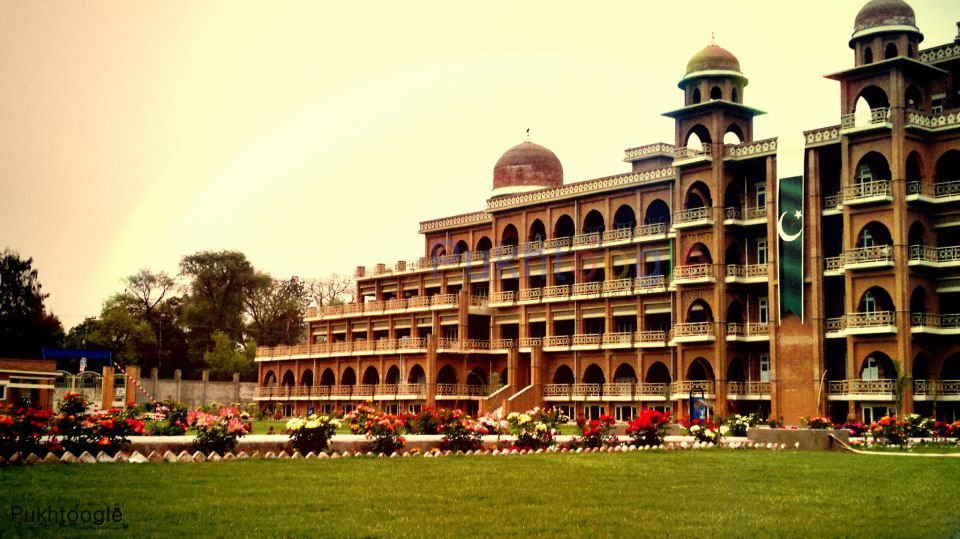
    The administration of the University of Peshawar has announced that it will not able to “disburse full salary to its employees for the month January” due to the financial constraints.

    In a notification issued by the registrar on Jan 21, the university said it will only be able to pay “basic and personal pay” due to lack of funds.

    The Current confirmed the veracity of the notification from the Peshawar University’s registrar office. A news report said that the university will pay its employees only 30 per cent of the salaries due to the constraints.

    The registrar was quoted as saying that the provincial government had approved Rs250 million for the university, but Rs150 million only was released and the remaining funds were linked with the introduction of some reforms.

    “We have requested the government for more money, but they haven’t responded to our request yet,” the registrar was quoted as saying.

    Earlier this month, the Higher Education, Archives and Libraries Department of Khyber Pakhtunkhwa (KP) had issued a notification to the public sector universities directing to implement “no pension liability” for all future initial recruitments in addition to other strict measures to overcome the rising deficit.

    The department had also directed delinking of the pay scales from the basic pay scale scheme and university pay scale, while further stating in a notification that government grant and other resources meant for higher education shall not be expended on meeting the shortfall of the schools run by the universities.

    “These schools should have separate Board of Governors (BoG),” it had read.

    Furthermore, house subsidy and requisition should be paid to the employees on the provincial government rates. All medical allowances in their current form had been abolished and shall be paid at the provincial government rates, it had said, adding that the maintenance cost, including repair, security and other facilities’ costs, should be fully recovered from the employees provided with accommodation by the universities.

    “The universities will be assisted in the process of exploring new avenues of financial resources, including renting out academic blocks to other institutions,” the notification had said.

  • No pension for new hirings at KP universities in ‘Naya Pakistan’: report

    In what appears to greatly contradict claims of the ruling Pakistan Tehreek-e-Insaf (PTI) for ‘Naya Pakistan [new Pakistan]’, Higher Education, Archives and Libraries Department of Khyber Pakhtunkhwa (KP) has issued a notification to the public sector universities directing it to implement “no pension liability” for all future initial recruitments in addition to other strict measures to overcome the rising deficit.

    According to a report by Express Tribune, the department has also directed delinking of the pay scales from the basic pay scale scheme and university pay scale, while further stating in a notification that government grant and other resources meant for higher education shall not be expended on meeting the shortfall of the schools run by the universities.

    “These schools should have separate Board of Governors (BoG),” it reportedly read.

    Furthermore, house subsidy and requisition should be paid to the employees on the provincial government rates.

    All medical allowances in their current form have been abolished and shall be paid at the provincial government rates, says the notification, adding that the maintenance cost including repair, security and other facilities’ costs should be fully recovered from the employees provided with accommodation by the universities.

    “The universities will be assisted in the process of exploring new avenues of financial resources, including renting out academic blocks to other institutions,” says the notification.

    The report also quoted a university official as saying that in the presence of the University Act 2012, amended in 2016, all the incentives provided to the employees by the universities had completely been protected and in the presence of an act, no notification could change it including abolishing of the pension, house rents and medical allowances.