Tag: Hike

  • July remittances post significant hike

    July remittances post significant hike

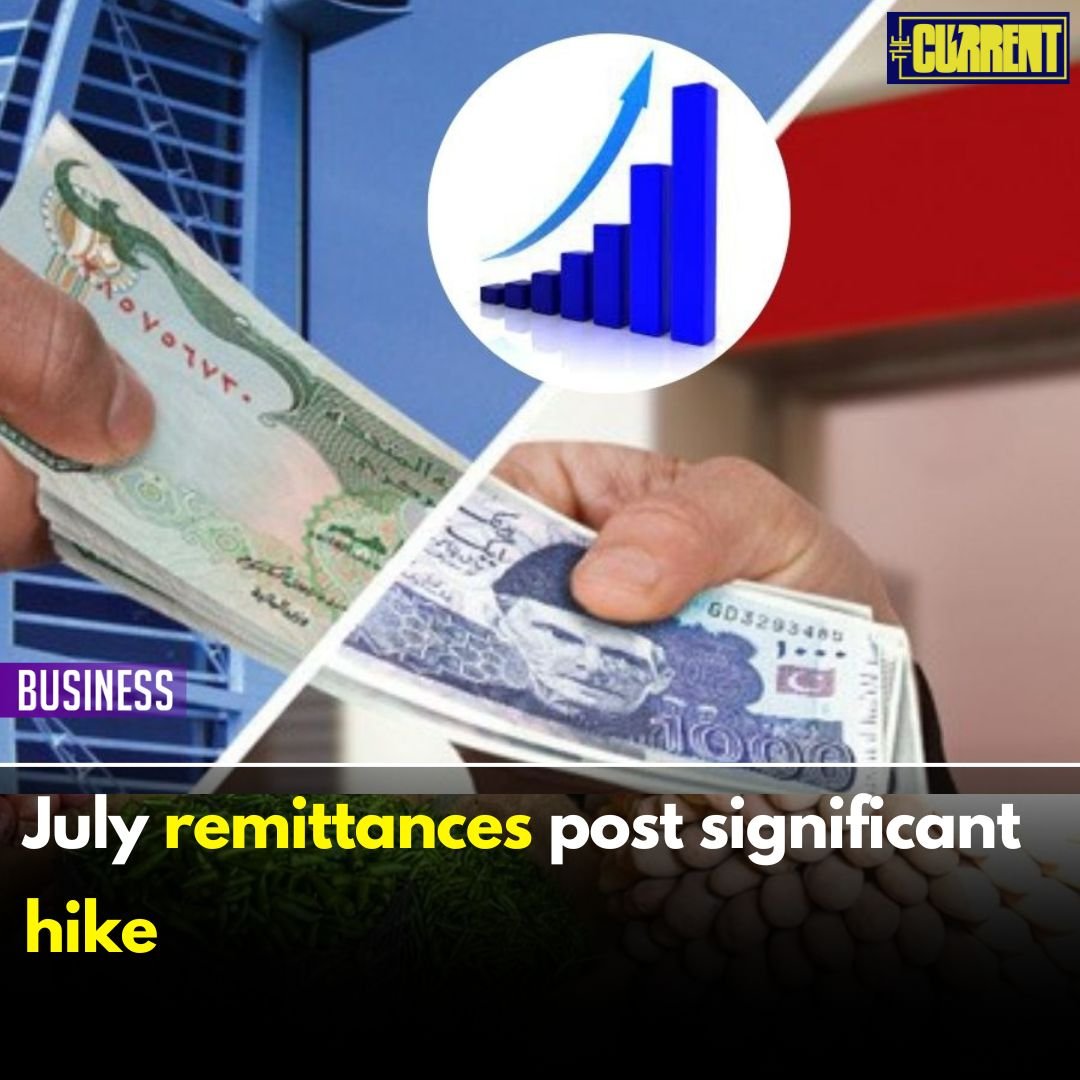
    The Pakistani diaspora has sent $3 billion back home in July, 48 percent higher than the previous year, The News has reported.
    State Bank Pakistan (SBP) data shows that remittances from Saudi Arabia increased by 56 percent to $761 million in July, while those from the United Arab Emirates increased by $611 million.
    The percentage reflected a 94 percent surge from the UAE compared to July 2023.

    Remittances from the United Kingdom totaled $443 million, a 45 percent increase from the previous year. Workers also sent $300 million from the United States, a 24 percent hike from last July.
    The research director at AKD Securities Limited, Awais Ashraf said, ‘’This increase is mainly due to the movement of worker remittance into the formal channel, spurred by the reduced rate difference between exchange companies and the interbank market’’.

    Throughout FY24, Pakistan posted a current account deficit of $681 million, equivalent to 0.2 percent of the gross domestic product.

  • Petrol price increased to historic high of Rs305.36 per litre

    Petrol price increased to historic high of Rs305.36 per litre

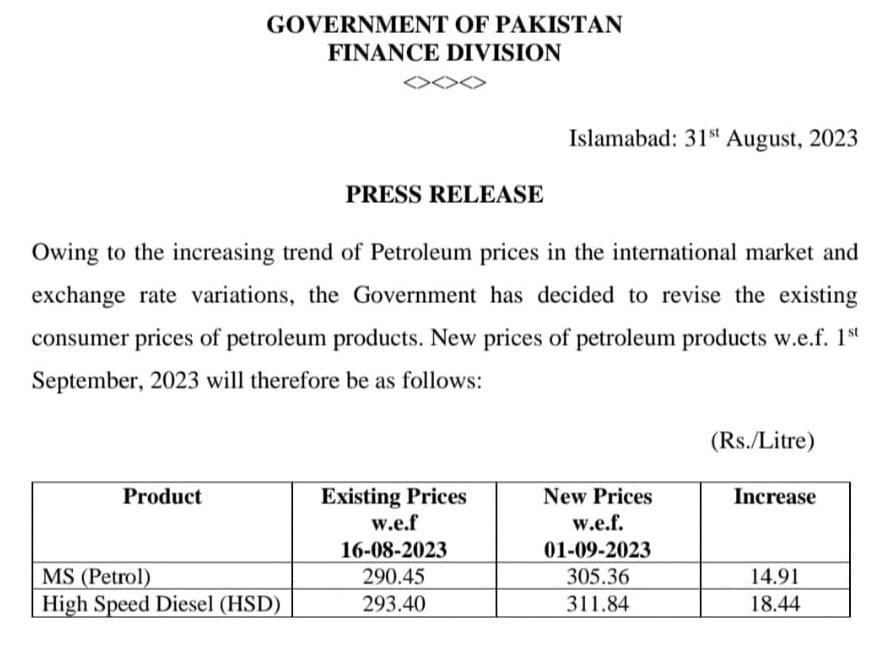
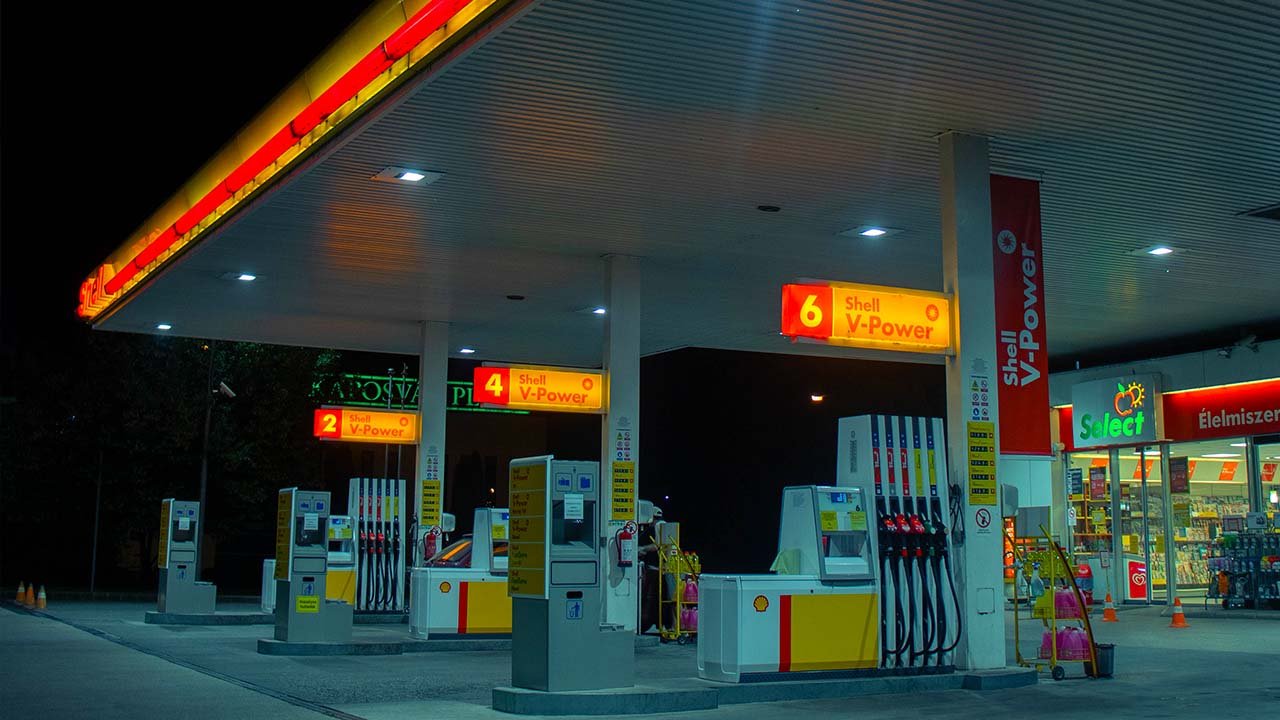
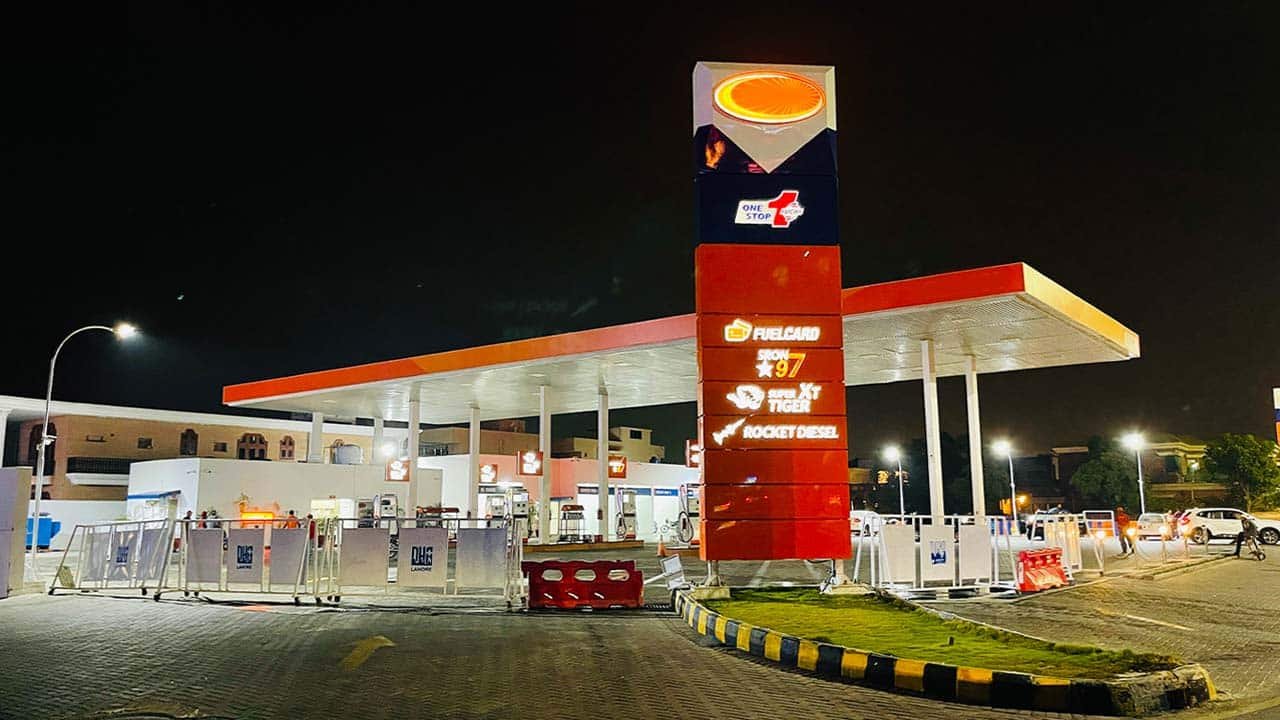
    For the first time in Pakistan’s history, the price of petrol has crossed the Rs300 mark due to a recent hike of Rs14.91. This brings the new petrol price to Rs305.36 per litre. The diesel price has also increased by Rs18.44, now at Rs311.84 per litre.

    The government has attributed these revisions to the upward trajectory of global petroleum prices and the consequential fluctuations in exchange rates.

    A statement issued by the finance ministry highlights that due to the escalating trend of petroleum prices in the international market and the subsequent shifts in exchange rates, the Government has opted to recalibrate the prevailing consumer prices of petroleum products.

    In the days ahead, the effects of these significantly heightened petrol and diesel prices will become evident. These price fluctuations are poised to have a substantial impact on individuals who rely on personal vehicles, such as bikes and cars, as well as those who depend on public transportation services.

  • Petrol, diesel prices expected to increase by more than Rs32 per litre from tomorrow

    Petrol, diesel prices expected to increase by more than Rs32 per litre from tomorrow

    The prices of petroleum products are expected to increase by more than Rs32 per litre from February 16th, due to fluctuations in the US dollar exchange rate. The current price of petroleum, oil and lubricants is set at Rs236.40 per dollar, which equates to Rs271.82 for the next fortnight. It’s worth noting that free-on-board Platt prices have seen a decline when compared to last fortnight’s pricing.

    Official and industrial sources have indicated that the price of Mogas is expected to increase by 12.8 per cent per litre, or by Rs32.07, resulting in a new price of Rs281.87 from the previous price of Rs249.8 per litre. The price of diesel is also set to rise by 12.5 per cent, or by Rs32.84, to reach Rs295.64 per litre, up from the previous price of Rs262.8 per litre.

    Kerosene oil is predicted to increase by 14.8 per cent, or by Rs28.05, bringing the new price to Rs217.88 per litre. Additionally, light diesel oil (LDO) could go up 5.3 per cent, or by Rs9.90, resulting in a new price of Rs196.90 per litre from Rs187 per litre set in the last review.

    According to The News, based on current government taxes and estimated Pakistan State Oil (PSO) incidentals, the prices mentioned above are projected. However, there is a possibility of the government adjusting the exchange rate to over Rs251, which could result in an increase of Rs15 per litre for both Mogas and diesel products. Moreover, the petroleum levy for diesel, currently standing at Rs40, may increase by Rs10 to reach Rs50 from February 16th.

    The government had set a target of earning Rs850 billion by imposing a petroleum levy on petroleum, oil, and lubricants. However, there is an estimated shortfall of Rs250 billion, and the authorities are hoping to collect a revenue of Rs600 billion.

    It’s worth noting that the government had implemented a significant increase of Rs35 per litre from February 1st, 2023, until February 15th. Presently, the government is charging Rs50 per litre as a petroleum levy, and the general sales tax (GST) has not been imposed yet.

    According to an official, the losses incurred by the refineries and oil marketing companies (OMCs) due to the exchange rate will be eliminated in a phased manner, as the government does not wish to burden consumers with the entire exchange rate at once.

    The federal government’s last review of petroleum product prices took place on January 29, 2021.

    At present, Pakistan is experiencing a shortage of petrol, with the province of Punjab, which has the largest population, bearing the brunt of the crisis. Petroleum dealers have been blamed for the situation.

    Additionally, it has been alleged that hoarders are stockpiling petrol in anticipation of a price hike scheduled for February 15th (today).
  • ‘Misleading and incorrect’: OGRA rejects speculations about massive petrol price hike

    ‘Misleading and incorrect’: OGRA rejects speculations about massive petrol price hike

    The Oil and Gas Regulatory Authority (OGRA) on Saturday rubbished rumours about a whooping increase of Rs80 per litre in petrol price.

    “It has been observed that speculative prices of gasoline and diesel are being reported in the print and electronic media since last evening, which is misleading and incorrect,” an OGRA spokesman said in a press statement.

    He advised the elements to avoid disseminating speculative prices of petroleum products in the “public interest” by spreading misleading and incorrect information.

    Earlier, OGRA also denied reports of a shortage of diesel and gasoline in the country, saying that sufficient stocks were available. However, in line with the government’s aim to convince the International Monetary Fund (IMF), the Ministry of Finance is expected to increase the price of petroleum in the upcoming fortnightly review.

    The massive depreciation of the local currency against the US dollar in the last two days would not reflect greatly in the review due on January 31 (Tuesday) as the average exchange rate would clock in at Rs240, information gathered from the country’s oil sector showed.

    However, the fortnightly review due on February 15 may reflect a significant increase in domestic petroleum prices on account of rupee depreciation.

    Free on board (FOB) pricing will result in a significant increase in the price of fuel and gasoline in the subsequent weekly review the following week, according to The News.

    According to sources with knowledge of the situation, using FOB would likely result in an increase of Rs25 in the price of fuel. “The exchange rate would create some hike, but not so much”, they said, attributing the hike to FOB as diesel price in the international market went up to $117 per barrel compared to $114 per barrel.

  • SBP hikes export financing markup rates from 11% to 13%

    The State Bank of Pakistan (SBP) has revised the rates of specialised lending schemes in accordance with its increased monetary policy rate of 16 per cent.

    SBP said it had decided to reduce the gap between its policy rate and the Export Finance Scheme (EFS) and Long-Term Financing Facility (LTFF) rates from the existing 5 per cent to 3 per cent, according to a circular released by the central bank.

    The notification stated that the revised tariffs will be effective from December 30, 2022.

    “Further, as mentioned in above referred circular, in [the] future with any change in the SBP policy rate, markup rates for EFS and LTFF will be revised automatically so that the gap between [the] policy rate and EFS & LTFF rates is maintained at 3 per cent,” the central bank added.

    Exporters and industrialists, who are already feeling the strain of strong inflationary pressures together with record increases in energy costs, are anticipated to see a rise in the cost of doing business as a result of higher financing rates.

  • NEPRA okays Rs3.21 per unit hike in power tariff

    NEPRA okays Rs3.21 per unit hike in power tariff

    A quarterly adjustment of Rs3.21 per unit of power for the period of April to June 2022 has been approved by the National Electric Power Regulatory Authority (NEPRA).

    A further burden of Rs93.95 billion will be placed on energy consumers as a result of the most recent price increase. To be effective as of October 1, 2022, the authority transmitted its decision to the federal government.

    According to specifics, the prior adjustments’ time period ended on September 3, 2022. As of October 1, the electricity customers will not receive any respite as the authority implements fresh adjustments immediately following the expiration of the prior adjustment.

    For K-Electric customers, the NEPRA earlier in the day authorised a cut in power rates of Rs4.89 per unit due to a fuel cost adjustment (FCA) for August 2022.

    The notification states that, in contrast to KE’s plea for Rs4.21, the fuel cost adjustment for K-Electric customers would be reduced by Rs4.89 per unit. However, it specified that the tariff cut for July would only be valid for that particular month.

    According to the NEPRA, all consumer categories would be affected by the drop in FCA, with the exception of lifeline consumers, home consumers consuming up to 300 units, agriculture consumers, and EVCS (Electric Vehicle Charging Station).

  • Govt may announce revised petrol prices today

    Govt may announce revised petrol prices today

    After Prime Minister (PM) Shehbaz Sharif returns to Pakistan from Uzbekistan today, the federal government is expected to announce revised petroleum product prices.

    Amid these rumours, fuel pump owners have stopped buying petroleum goods, according to Geo News.

    Reportedly, the Prime Minister’s Office has notified the Finance Ministry of the POL price announcement.

    According to sources, the Oil and Gas Regulatory Authority (OGRA) did not advise lowering gasoline and diesel prices in its brief given to the finance division. Instead, a minor increase in POL costs is predicted. However, the final decision on POL prices is likely today.

    Previously, it was expected that the price of petrol would fall from Rs235.98 per litre to Rs226.36 after a Rs9.62 per litre reduction over the next two weeks.

    Moreover, the price of diesel is likely to rise by Rs3.04 per litre, raising the rate from Rs247.26 to Rs250.30 during the specified period.

    KP Finance and Health Minister Taimur Khan Jhagra took to Twitter to criticise the government’s delay in announcing revised POL pricing, sparking a debate on the social media platform.

  • Pakistan to import vegetables from neighbouring countries to overcome shortage

    Pakistan to import vegetables from neighbouring countries to overcome shortage

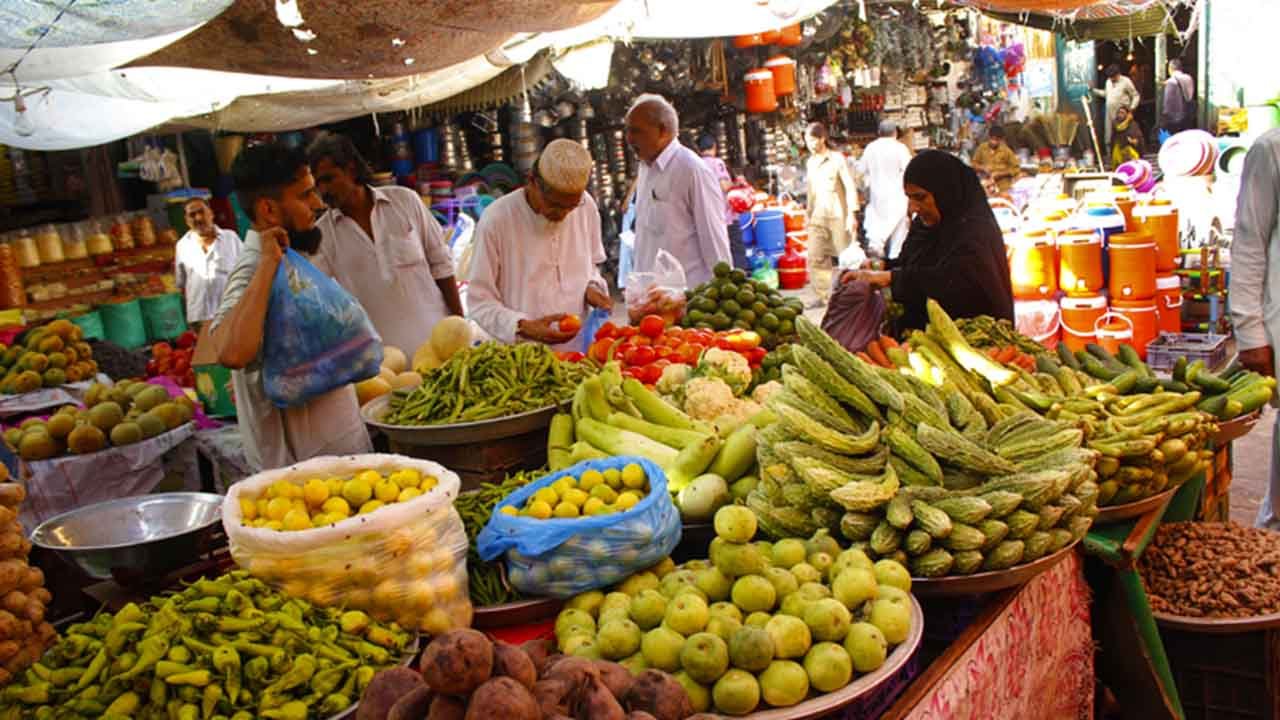
    After devastating floods ravaged the nation, Pakistani officials made the decision to import onions and tomatoes from Iran and Afghanistan due to the rising prices and imminent food crisis.

    The production and supply of vegetables and other crops has been impacted by the recent torrential rains and flooding.

    At a meeting presided over by Commerce Minister Naveed Qamar, the Ministry of Commerce made the announcement. The minister also examined the country’s supply of tomatoes and onions.

    To address the nationwide demand for these crops, the session voted to facilitate the import of onions and tomatoes from Afghanistan and Iran.

    According to The News, the panellists predicted that there will be a tomato and onion shortage in the nation within the next three months. They also stated that because recent flooding has harmed crops, a shortage and price increase are anticipated.

    The News reports that the importation of tomatoes and onions will help to uplift their availability and maintain their pricing.

    The Ministry of Commerce would collaborate with the FBR and the Ministry of National Food Security, it was decided at the meeting. The session also resolved to request reductions in taxes and charges from the federal cabinet’s Economic Coordination Committee for imported tomatoes and onions.

    Earlier, Qamar had emphasised the importance of taking quick action to make tomatoes and onions available to consumers and to stabilise the skyrocketing costs of these commodities. Due to a lack of supply in the market as a result of recent floods, the price of onions and tomatoes has reached Rs 300 per kg.

  • ‘I am an easy target’: Miftah Ismail reacts to criticism after another petroleum hike

    ‘I am an easy target’: Miftah Ismail reacts to criticism after another petroleum hike

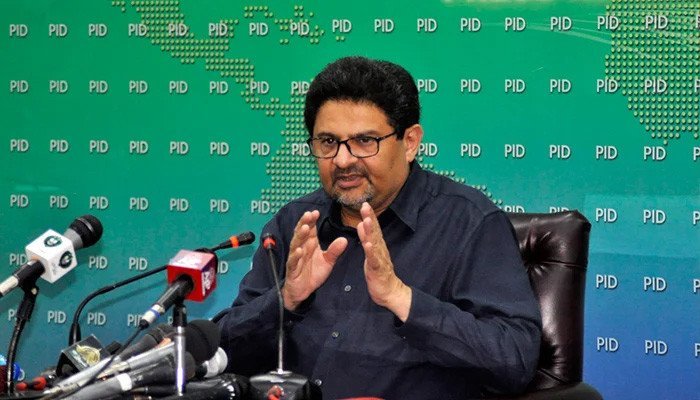
    Finance Minister (FM) Miftah Ismail once again explained how the petrol prices are calculated after receiving criticism for the increase in petroleum prices.

    Responding to senior journalist Hamid Mir on Twitter, he said the government has not imposed any tax on petroleum products.

    Clarifying his position, the minister said that he did not say that the price will not be increased.

    “Mir sahib I said I will not add one penny of new taxes or levies to the price. And I have not. But you know Hamid sahib that the fuel price summary is moved by OGRA and sent to Finance division through the Petroleum division. We get it only a few hours before prices are set.”

    “I am an easy target. Which is fine. But this price change only reflects the change in PSO costs and doesn’t have any new taxes,” said Miftah Ismail.

    The finance minister added that people are welcome to critique or criticise him.

    “I know I am sincere to my country and have saved it from default and working to the best of my ability.”

    Zardari unhappy with govt’s decision to increase petrol prices

    Pakistan People’s Party (PPP) Co-Chairperson Asif Ali Zardari distanced himself from the recent increase in the petroleum prices by the government.

    Zardari said the PPP is a part of the government and supports it, but there must be consultations on such decisions.

    “We are all here in this government to give relief to the people and that should be our top priority. We are with the prime minister and will meet him soon and talk about the economic team,” he added.

    ‘I am not involved in this decision’: Nawaz Sharif leaves party meeting over increase in petrol prices

    Pakistan Muslim League-Nawaz (PML-N) leader Maryam Nawaz took to Twitter and said that PML-N supremo Nawaz Sharif was unhappy with the government increasing the petrol prices and as a result left the meeting.

    “Mian Sahib strongly opposed this decision and even said that I cannot burden the people with one more penny. And if there is any compulsion of the government, I am not involved in this decision and he left the meeting,” tweeted Maryam.

    She further tweeted, “I stand with the people. Cannot support this decision.”

    The government increased the price of petrol by Rs6.72 per litre and decreased the price of high-speed diesel (HSD) by Rs0.51 and kerosene oil by Rs1.67 per litre.

    Read more: Govt raises petrol price by Rs6.72 to Rs233.91 per litre

    The price of light diesel oil (LDO) was raised by Rs0.43 per litre by the government.

    Prior to this, the coalition administration had decreased the cost of petrol and LDO starting on August 1 by Rs3.05 and Rs0.12, respectively.

  • Govt raises petrol price by Rs6.72 to Rs233.91 per litre

    Govt raises petrol price by Rs6.72 to Rs233.91 per litre

    Despite several reports of an expected decrease in prices of petroleum products, the government increased the price of petrol by Rs6.72 per litre and decreased the price of high-speed diesel (HSD) by Rs0.51 and kerosene oil by Rs1.67 per litre.

    The price of light diesel oil (LDO) was raised by Rs0.43 per litre by the government.

    Prior to this, the coalition administration had decreased the cost of petrol and LDO starting on August 1 by Rs3.05 and Rs0.12, respectively.

    However, starting on August 1, 2022, the government had increased the price of HSD by Rs8.95 per litre and kerosene oil by Rs4.62 per litre.

    With the most recent announcement, the price of petrol has gone up from Rs227.19 per litre to Rs233.91 per litre, and that of LDO has gone up to Rs191.75 from Rs191.32 per litre; and that of HSD has gone up to Rs244.95 from Rs244.44.

    Kerosene oil is now available for Rs199.40 per litre as opposed to its earlier price of Rs201.07 per litre.

    The rapid depreciation of the rupee against the dollar had previously also been a significant determinant of oil prices.

    The standing of the rupee against the dollar had improved recently. In spite of this, the cost of gasoline had increased.

    Additionally, there had not been a significant decrease in the cost of diesel, which is widely used in the nation’s transportation and agricultural sectors.