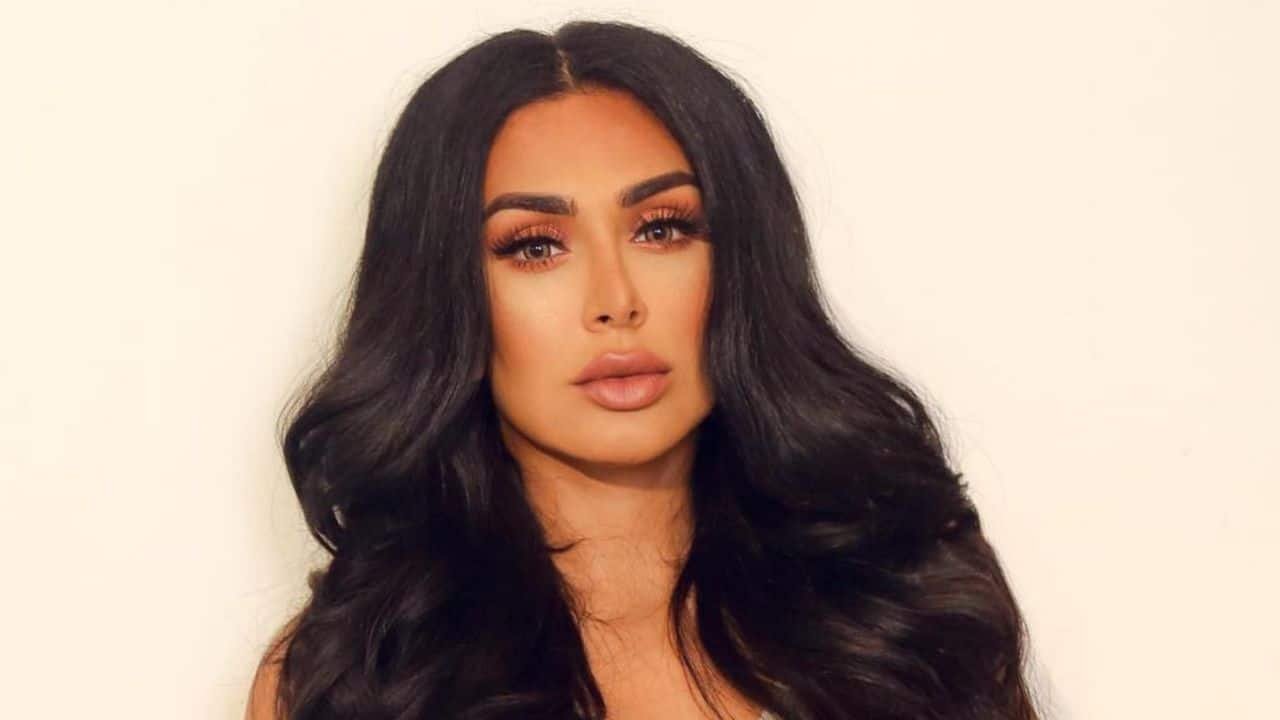
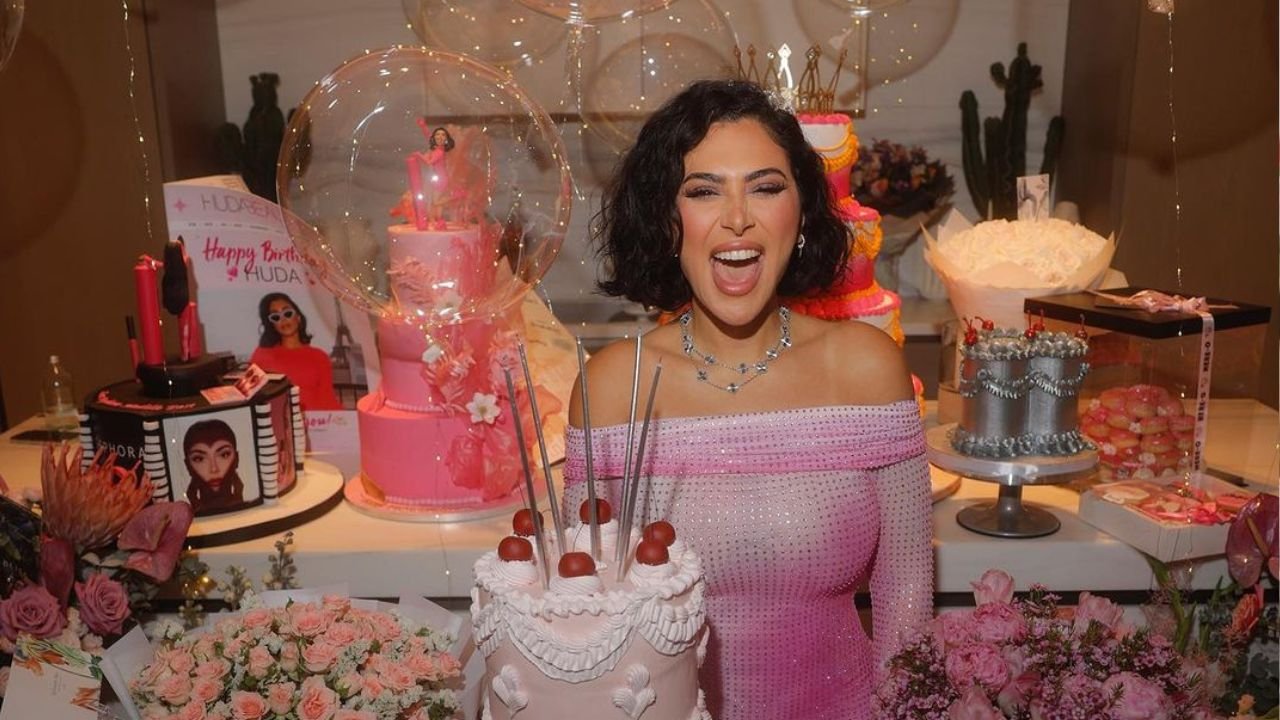
Huda Kattan, the founder of Huda Beauty, posted a video on December 11, stating that she will “not be intimidated” by the backlash she has faced for speaking up against Israeli atrocities in Gaza.
“I am speaking on behalf of humanity, and I will not be intimidated,” Kattan said in her video.
“We can’t be afraid to lose anything; we have to trust the process. If we lose something, something else will come to us the right way because we are doing good work — I believe that wholeheartedly,” she said.
She also asserted that she is willing to risk her business for what’s right and fair.
“I am willing to risk my entire business, everything that I have on that, in search of the truth and justice,” Kattan stressed.
“I’m not antisemitic; I’m not anti any people and never will be. I stand against that,” Kattan added, pointing at the attempts being made to redefine terms related to genocide and that Israel is jeopardizing Jewish people.
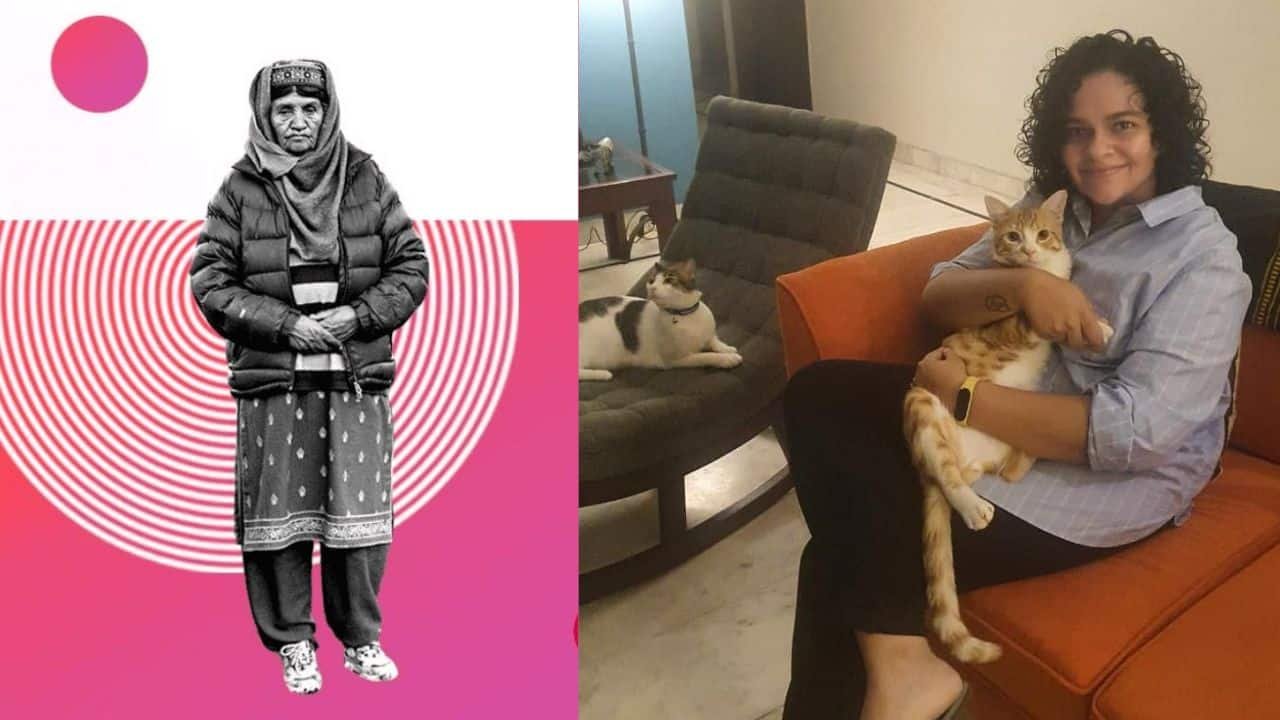
Two Pakistani women have been included into the BBC’s list of this year’s top 100 inspiring and influential women. The list highlights women who became trailblazers in their field and worked to spread awareness about issues like climate change, political instability and natural disasters. Among the list are famous Muslim figures like lawyer Amal Clooney, Pakistani Nobel Prize winner Malala Yousafzai, Iraqi-American beauty mogul Huda Kattan.
The first Pakistani woman included in the list is Afroze-Numa, one of the last Wakkhi shepherdess who has taken care of goats, yack and sheep for over three decades.
“Having learnt the trade from her mother and grandmothers,” the BBC description reads, “she is part of a centuries-old tradition that is now dying out in Pakistan’s Shimla valley.”
“Every year these shepherdesses take their flocks to pastures 4,800m (16,000ft) above sea level, where they prepare dairy products to barter, while their animals feed.
Their income has brought the village prosperity and allowed them to provide an education for their children. Afroze-Numa still fondly remembers being the first woman in the valley to own a pair of shoes.”
The second Pakistani woman included in the list is Neha Mankani, a midwife who travelled to flood-affected areas in order to provide life-saving birthing kits and midwifery care to mothers and their babies.
“Her typical practice focuses on low-resourced settings, emergency response and climate-affected communities,” the BBC said, adding that Mama Baby Fund has now raised enough money to launch a boat ambulance that will transport pregnant women living in coastal communities to nearby hospitals and clinics for urgent treatment.
Taking to Instagram to share the post, Mankani wrote she was honoured to receive the acknowledgement from BBC.
“Really honoured to be on the @bbc100women list this year as a climate hero, celebrating the important role of midwives in climate emergencies and highlighting my work with @mamababyfund in last year’s floods and in the climate affected island communities of Karachi. Head over to @bbc100women to read about all the really amazing women highlighted this year”
Huda Kattan, the brains behind the successful beauty brand ‘Huda Beauty’, has consistently raised her voice to end the ongoing genocide in Gaza. The beauty mogul went viral a few weeks ago when she shut down an Israeli supporter who threatened to boycott her products.
Since then, Israeli supporters are circulating a petition to attempt to remove Huda Kattan’s products from beauty giant retailer Sephora. But despite the backlash, Huda Beauty announced on its Instagram account that the brand was donating one million dollars to humantarian organisations in Gaza.
“it’s been A MONTH of immense suffering in Gaza, and unfortunately things are getting worse.
It’s important that we always stand on the side of the oppressed & use our platforms to shed light on any injustice. We cannot stand by and pretend like this is not happening.
Our Huda Beauty brands, including Huda Beauty, Kayali and WISHFUL will be donating $1 million to humanitarian organisations in Gaza.
This is only because of you that we are able to make this donation, so thank you for your support. Together we can bring change.”
Beauty mogul Huda Kattan has given us yet another reason to purchase her products.
The owner of Huda Beauty has been sharing videos of Gaza, spreading awareness of the genocide inflicted by Israel.
Among the comments was an Israeli woman, threatening to stop buying her products if Huda kept affirming her pro Palestine stance. To which the beauty mogul responded: “I don’t want blood money.”
Twitter users lauded Huda Kattan’s blunt response to the Israeli commenter who claimed people from Gaza have no money.
And that “the Palestinian people have no money” shit was absolutely disgusting. Poverty is a system that benefits an oppressor. That line didn’t hit the way that person thought https://t.co/juGET2hSus
zionists saying “gaza prefers to invest in weapons” is insane considering 1. “israel” stole all of palestine’s resources 2. gaza is an open air prison and “israel” has to approve anything coming in or out of there, palestinians are prisoners in their own land. https://t.co/OgUjLtR4im
the audacity of these mfs to talk about the wealth and the lack of it on palestenians land like YOU have not stolens their gas, agriculture & resources!!!!??? all that while gaza is under a blackout!!! and they have been crying trying to make it two sided thing!!! https://t.co/LfkD87EQa6
Billionaire make-up mogul Huda Kattan has said that she has “had enough” of filters and photo editing, as they have warped modern beauty standards into something “unrealistic”.
Kattan – popularly referred to as Huda Beauty – is calling for greater transparency when photos have been manipulated through editing and filters.
The 37-year-old make-up blogger wants the public, influencers and beauty brands to highlight when pictures have been enhanced – through a hashtag or disclaimer that makes it clear when a photo has been digitally altered, saying that without this people are being sold “lies”, which can have the detrimental effect of damaging their self-confidence and self-esteem.
According to a survey by Girlguiding, more than a third of girls and young women refuse to post pictures of themselves unless they’ve changed aspects of their appearance – typically with editing and filters.
Speaking to Sky News, Huda said: “I look at my daughter – she’s nine – she thinks it’s normal to use filters and I don’t like that. Is she going to grow up in a world where people are honest? Could that possibly happen? Is that too much to ask?”
“I’ve had enough,” added the makeup mogul. “When are we going to start being real? If I was scrolling through social media and I saw [a disclaimer], I would feel better about myself… because I would know there were experts involved to make this photo/person look the best they can.”
Huda clarified that she does not have a problem with the use of filters, saying that they are problematic only when you fail to “recognise the person”.
She says that is when they create “unrealistic, unhealthy standards” that need to be challenged.
Kattan further said that she has personally committed to not using any filters on her skincare social media account.
A household name in the world of makeup, Huda started her cosmetics line Huda Beauty in 2013. As her online presence grew, so did her company – which Forbes valued at over $1bn (£800m) in 2018.
The make-up artist and entrepreneur left the finance world for make-up eight years ago because she felt “ugly”. Transforming her face, she says, was her way of fitting in. But in the ’90s – this was through make-up, not technology.
“When I first got into make-up, I felt ugly. It was a tool that made me feel complete, worthy,” said Huda. “I felt there was something lacking in me that lacked beauty… and if I put concealer on, foundation, changed my brows, put tonnes of mascara on that somehow I would look and feel better… but I was wearing a mask.”
Fast forwards a few years and the rise of filters on apps like FaceTune, Snapchat and Instagram have radically changed the game. Now, within the press of a button, users can take pictures that create the effect of physical make-up. This form of augmented reality allows users to radically change the appearance of their face – with typical options allowing users to achieve a contoured face, tanned and flawless skin, plumper lips, voluminous eyelashes and brightly coloured eyes.
“Airbrushing, Photoshop and filters have morphed beauty standards into something that is so unrealistic,” said the makeup artist, adding: “[These levels of] beauty are never really attainable. You will always need to use something else – that’s the danger.
Acknowledging her role in the problem, Huda said: “Some people say I’m part of the problem – fair. There was a time I had too much Botox, too much fillers… I am a part of a big problem, and I admit that. I’m also stuck in this revolving door, stuck in this never-ending game.”
Kattan said that she now wants to be part of the solution – and claims she is speaking out as it is time to “break that habit” of overthinking how we look in pictures.
She wants all people – men and women alike – to move towards the “powerful” place of “self-acceptance”.
She admits it is a “long journey” – but one she will keep fighting.
“I’m in contact with a lot of founders (of beauty brands) and have asked them to join me… and I haven’t got any response from them,” said Huda. “I’m hoping to put more pressure on them. I haven’t got a response just yet.”
“I don’t know what everyone is so afraid of,” added the makeup artist.