Tag: human rights

  • Asma Jahangir Conference receives flak for expelling pro-Palestinian protestors

    Asma Jahangir Conference receives flak for expelling pro-Palestinian protestors

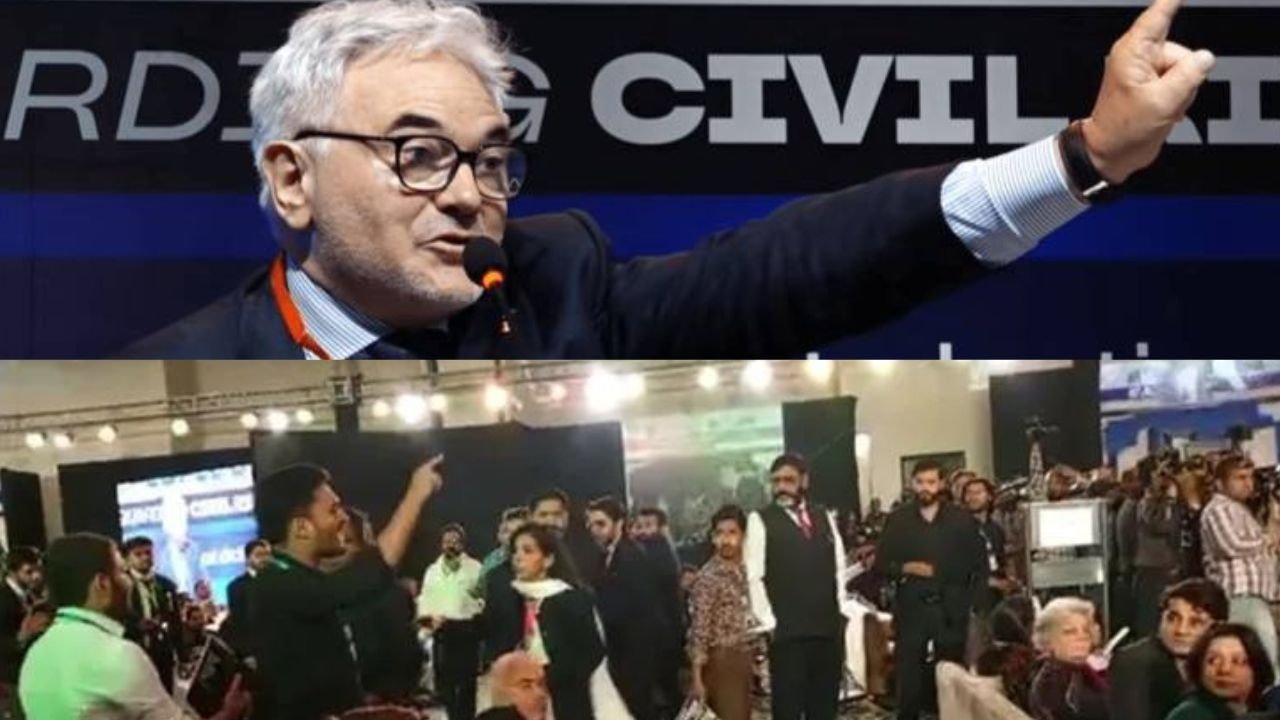
    Asma Jahangir Conference that was held in Lahore over the weekend was disrupted by protests of pro-Palestine students during the German Ambassador’s speech. The Ambassador was there to speak about civil rights. He was interrupted by students calling him out for his country being complicit in the genocide by Israel in the Gaza Strip. To this, the ambassador responded, ‘If you want to shout, go out!’”. The students were reportedly expelled from the event.

    The move was heavily criticised by netizens all over the internet.

    Founder of Digital Rights Foundation Nighat Dad spoke at the conference and condemned the act of expelling students as she said, “What happened yesterday should not be taken lightly, as this sets a very wrong example”.

    Ikram Ullah Maseed criticised the organizers of the conference by saying, “Shameful betrayal of Asma Jahangir’s legacy. If radical voices aren’t welcome, why hold the conference?”

    Senator Allama Raja Nasir called out the organizers of the conference for blatantly banning the voices of dissent. “Germany’s systematic suppression of pro-Palestinian voices, including the banning of prominent speakers like former Greek Finance Minister Yanis Varoufakis, exposes a shameful bias and undermines the very foundations of democratic discourse.”

    Journalist Arafat Mazhar who was one of the first to share the videos of the German Ambassador shutting down the protestors recently tweeted that, “Twitter has completely banned me from retweet or comments of on the video of German ambassador shouting at civil rights activist at the asma jahangir human rights conference”

    The protesting students, who belonged to Progressive Students’ Collective, released a statement calling out the German Ambassasor for speaking about human rights while the German government is supporting Israel in its aggression and genocide in Gaza.

  • Pakistan rejects ‘politically motivated’ US human rights report

    Pakistan rejects ‘politically motivated’ US human rights report

    Pakistan has rejected the US State Department’s human rights report “2023 Country Report on Human Rights Practices”, terming it “unfair, based on inaccurate information and completely divorced from the ground reality.”

    Foreign Office (FO) spokesperson Mumtaz Zahra Baloch gave a press briefing in which she said, “These reports use a domestic social lens to judge human rights in other countries in a politically biased manner. This year’s report is once again conspicuous by its lack of objectivity and politicisation of the international human rights agenda.”

    She pointed out the “double standards” by the United States on humanitarian issues and underscored that the US and the world continue to downplay or ignore the gross human rights violations such as in Gaza and Indian Illegally Occupied Jammu and Kashmir (IIOJK).

    Baloch said that only a politically motivated report could ignore the alarming situation in Gaza.

  • Information Minister admits X still restricted in Pakistan

    Information Minister admits X still restricted in Pakistan

    Following earlier assertions that social media giant X, formerly known as Twitter, was accessible to online users, Information Minister Atta Tarar has now conceded that the popular social networking app remains suspended in the country.

    During an interview with a local news channel on Monday, Tarar acknowledged, “Twitter was already banned when we assumed power, and there is no official notification regarding its status.” Emphasising the necessity for a charter delineating “do’s and don’ts,” the information minister advocated for discussions among political parties to establish “red lines” that should not be crossed on the platform.

    Expressing his dismay over allegations against women, abuses, misconduct, and smear campaigns targeting the sacrifices of martyrs on social media, Tarar highlighted the need for accountability.

    It is noteworthy that Tarar dismissed inquiries about X’s suspension in Pakistan on March 13, stating, “Twitter [X] is operational. Tweets continue to be posted on Twitter as well. If there is an official notification mandating its closure, then it should be presented for discussion.”

    The continued unavailability of X, a vital source of information, to millions of users in Pakistan for over a month now, since its suspension preceding the February 8 general election, raises concerns. Despite various court orders urging the restoration of uninterrupted access, users have faced sporadic disruptions and obstacles.

    Furthermore, on March 13, human rights activists and civil society organisations issued a joint statement expressing deep concern over the escalating instances of internet shutdowns and social media platform blocks, advocating for the immediate reinstatement of X.

  • Understanding GSP+ status: What it means for Pakistan’s trade relations

    Understanding GSP+ status: What it means for Pakistan’s trade relations

    The Pakistan Tehreek-e-Insaf (PTI) has vehemently dismissed accusations levelled by Federal Information Minister Attaullah Tarar, labelling them as unfounded and baseless.

    In a statement issued today, the PTI refuted claims made by Tarar, asserting that they are nothing but a concoction of falsehoods and rhetoric aimed at maligning the party’s reputation.

    Earlier, Tarar had accused the PTI of plotting to undermine Pakistan’s Generalised Scheme of Preferences Plus (GSP+) status.

    He alleged that the party’s spokespersons were actively engaged in activities detrimental to the country’s interests under the directives issued from confinement.

    Understanding GSP+ and its significance for Pakistan’s economy

    The GSP+ status, a cornerstone of Pakistan’s trade relations with the European Union (EU), holds significant importance for the nation’s economy.

    Under this scheme, selected developing countries, including Pakistan, receive extensive trade concessions aimed at fostering sustainable development and good governance practices.

    The European Union’s GSP+ Scheme is founded on the effective implementation of 27 United Nations conventions covering various aspects such as human rights, labour rights, climate change, narcotics control, and corruption.

    Once granted GSP+ status, beneficiary countries are subject to rigorous monitoring to ensure compliance with the stipulated conventions and reporting requirements.

    The dialogue on GSP+ compliance involves various stakeholders, including international monitoring bodies, civil society, trade unions, and businesses.

    Regular monitoring visits are conducted by the EU to assess the progress of beneficiary countries in addressing the outlined issues.

    The significance of GSP+ for Pakistan’s economy cannot be overstated, particularly for its textile industry and workforce.

    Over the past decade, Pakistan has witnessed a notable increase in exports to the EU, accompanied by a surge in EU imports, owing to the preferential treatment offered under the GSP+ scheme.

  • Women lawyers file plea against Aurat March

    Women lawyers file plea against Aurat March

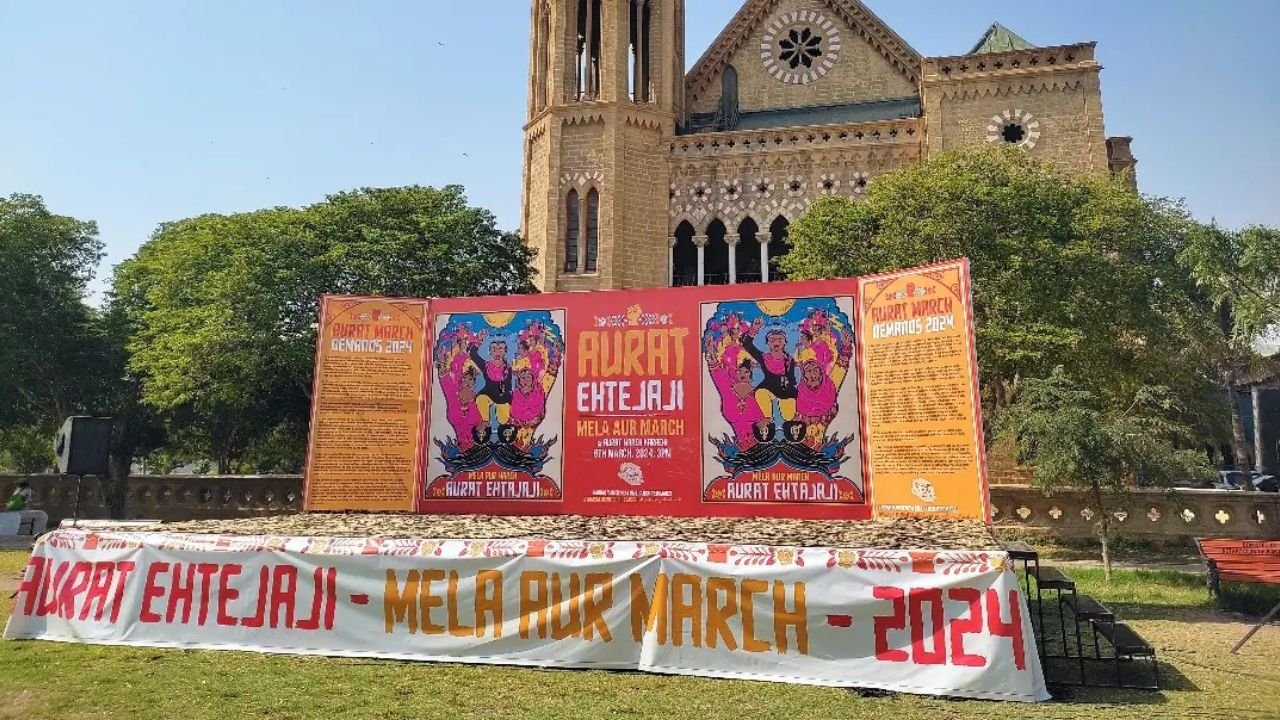
    Notices have been issued to the provincial government and other concerned parties by Sindh High Court (SHC) in the light of a petition filed against this year’s Aurat March.

    Aurat March was held on March 8 on International Women’s Day. The petition was filed by women lawyers who deemed the movement damaging to society, adding that the “dance and nudity were being promoted in the name of women’s freedom, and organisations such as the Arts Council were allowing it to happen”.

    A two-judge bench headed by Chief Justice SHC Justice Aqeel Ahmad Abbasi heard the case, filed before March 8.

    While the court affirmed that under Islamic Law, women have freedom, it nonetheless stated that certain negative acts can be detrimental to society.

    The petitioners highlighted that Aurat March is held at cultural centres and parks and similar events should be stopped.

    The SHC then issued notices to the Pakistan Electronic Media Regulatory Authority (PEMRA), the federal and provincial governments, the Arts Council and other organisations linked to Aurat March. The concerned parties have been asked to submit their response by March 19.

  • Pakistan’s women ‘Rowdy Riders’ take on traffic and tradition

    Pakistan’s women ‘Rowdy Riders’ take on traffic and tradition

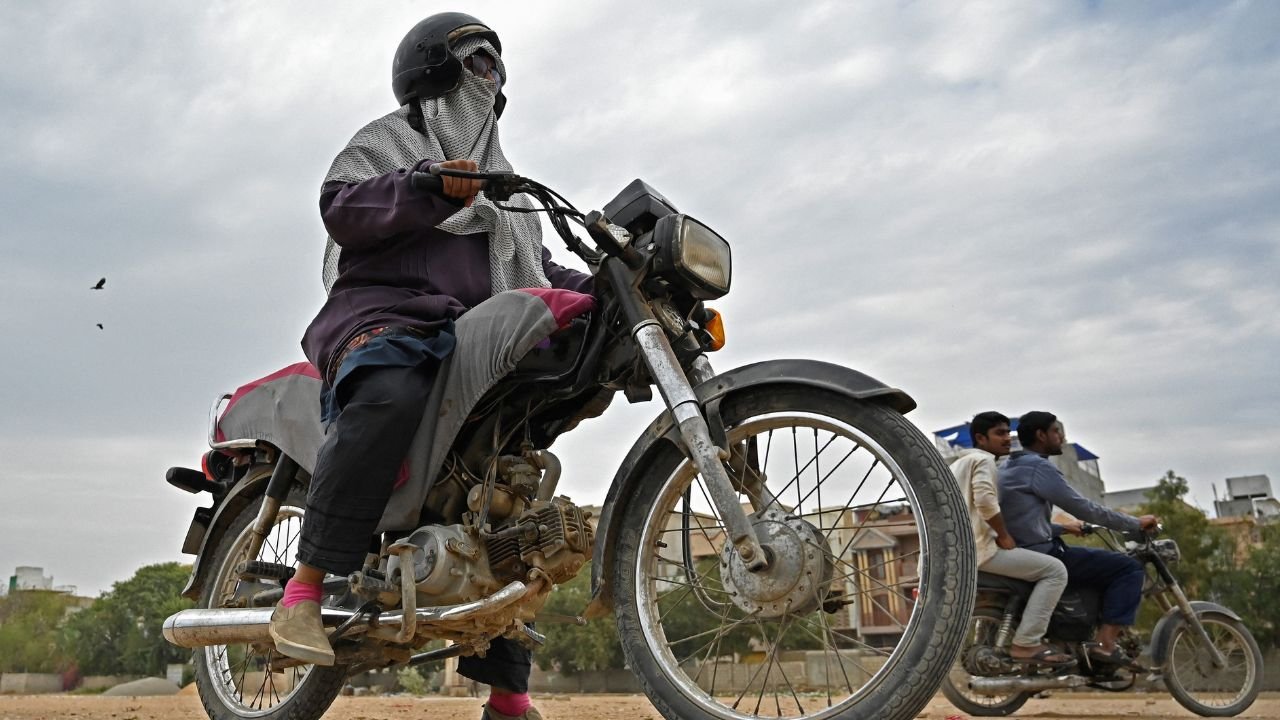
    Karachi (AFP) – Revving round a dusty oval in the heart of Pakistan’s largest city, women on motorbikes practise looping a row of safety cones, their helmets securing colourful headscarves in place.

    It is a rare sight in the culturally conservative country, where women are typically relegated to the back seats of cars or to riding side-saddle on motorbikes, ferried by a male relative.

    “Change is under way,” says Zainab Safdar, demonstrating how to mount a two-wheeler while cloaked in a pink body-covering abaya.

    The 40-year-old is an instructor for the “Rowdy Riders”, a women-only group teaching novices in Karachi everything from the basics of balancing on a bicycle to high-octane gear changing and negotiating traffic.

    Since being founded in 2017 by a handful of pioneering riders, the self-described “Rowdies” have swollen in number to more than 1,500 housewives, students and professionals.

    “In the past, there were misconceptions about girls riding bikes,” Safdar said, referring to doubts about their abilities.

    “Fortunately, with greater awareness, these notions have been dispelled.”

    Women’s participation in the workforce is impacted by the limited availability of public transport services that ensure their safety.

    In the sprawling megacity, granting women the skill and confidence to join legions of male bikers in the helter-skelter of congestion unlocks a new tier of freedom.

    Most of the riders hail from Karachi’s middle class, but rigid gender norms often still hold sway.

    University lecturer Shafaq Zaman said “it took a while to get permission” from her family to start classes to master a pedal bike two months ago.

    Among the few dozen bikers assembled under the mid-afternoon sun, she looks on with her seven-year-old daughter Aleesha as a convoy of women open up their engines and rip past in a haze of dust.

    “I am so inspired that now I have my own dream for me, that I want to ride on a heavy bike. I want to ride the whole of Pakistan,” 30-year-old Zaman said.

    Her story is not unusual. In Pakistan, very young boys are often seen steering motorbikes, but many of the “Rowdies” did not learn to ride a bicycle until well into adulthood.

    “There should be a bike in every house, and usually there is, but it’s rotting because men do not use it and women don’t know how to,” said Sana Kamran, sitting confidently astride a 110cc Suzuki.

    “If women can manage household responsibilities and earn a living, why can’t they ride a bike for their convenience?” the 41-year-old asked.

    Motorbikes are ubiquitous across Pakistan — most commonly red Honda models or cheaper Chinese reproductions, considered capable of mastering any terrain.

    The quest to conquer a bike has seen 26-year-old Farwa Zaidi suffer multiple bone fractures — but the injuries are a badge of honour she wears as proudly as the “Rowdy Riders” crest on her jacket.

    “Here I am, standing strong,” she said alongside her 70cc electric scooter.

    At four feet and six inches (137 centimetres) tall, Zaidi said her small stature made it difficult to claim a spot on crammed city buses.

    Learning to ride gave her a new sense of possibility.

    “Once we master cycling, it instils a new-found confidence in our ability to conquer other challenges,” she says.

  • Why did Aurat March hold a Feminist Press Conference?

    Why did Aurat March hold a Feminist Press Conference?

    This Friday, on March 8, as the world will celebrate Women’s Day, Aurat March will take to the streets in Lahore, Karachi, Islamabad and Multan.

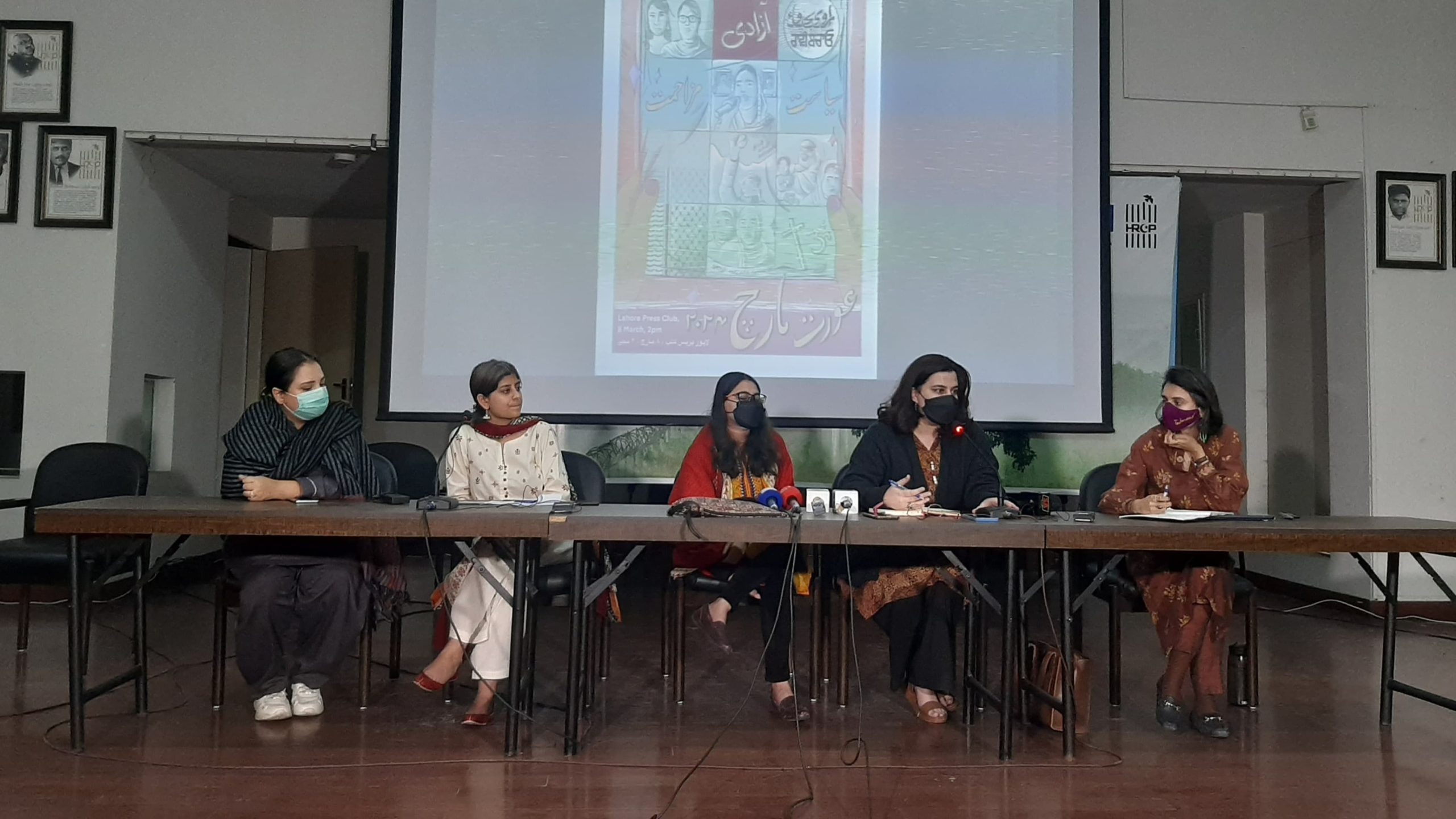
    The Current attended this year’s Aurat March press conference and got details about how this year is different from the ones before.

    Every year, the press conference is dominated by men from media platforms, leaving little or no room for women and transgender journalists to interact with Aurat March members.

    Moreover, coming with preconceived notions and biases, male journalists reportedly have been condescending and aggressive towards Aurat March members who conduct the conference with the aim to explain their manifesto and charter of demands prior to the big day.

    To counter this issue, this year Aurat March decided to hold a Feminist Press Conference.

    The purpose of a Feminist Press Conference was to provide a space to women, transgender, and minorities where they can get a fair chance to not just raise questions in respect to the March, but meaningfully engage with members.

    “This year’s press conference, in comparison to previous ones, was definitely much better,” said one of the representatives (who requested to remain anonymous).

    “Today, we were able to talk about our manifesto, we took questions from the reporters, and the interaction was respectful.”

    The member further denoted that this has never happened before. She explained that in the past, no reporter would come having read Aurat March’s charter of demands and the manifesto and instead, would resort to stereotypical questions.

    “When we would try to counter their queries, they wouldn’t listen to us because they wanted to hear the preconceptions they came with.

    “In fact, we are happy that this year, because the conference was conducted peacefully, we even got suggestions from journalists – which will, of course, help us as well”, she added.

    On Youtubers

    Last year, Youtubers disrupted the press conference, and media journalists stated that they do not consider YouTubers as journalists. “I am glad this year, we talked about [YouTuber disruption] as well”, the members highlighted.

    “The journalist community should think through ways to distance themselves from or critique YouTubers who are badmouthing their profession.”

    Some YouTubers, who attend the March as independent journalists, are known for their alleged misconduct at Aurat March. They have also been called out for spreading disinformation about performances and placards at the marches, and also harassing marchers with irrelevant and demeaning questions.

    This poses a threat to Aurat March members as well as attendees, and above all, the propaganda hinders socio-political awareness that the March intends to raise.

    The irony of today’s feminist press conference was when a YouTuber reached out to Aurat March members, upset for not getting a chance to ask his questions during the session. Well, I hope he realized how women feel when men take up their rightful space.

  • Mark your calendars: Aurat March is around the corner!

    Mark your calendars: Aurat March is around the corner!

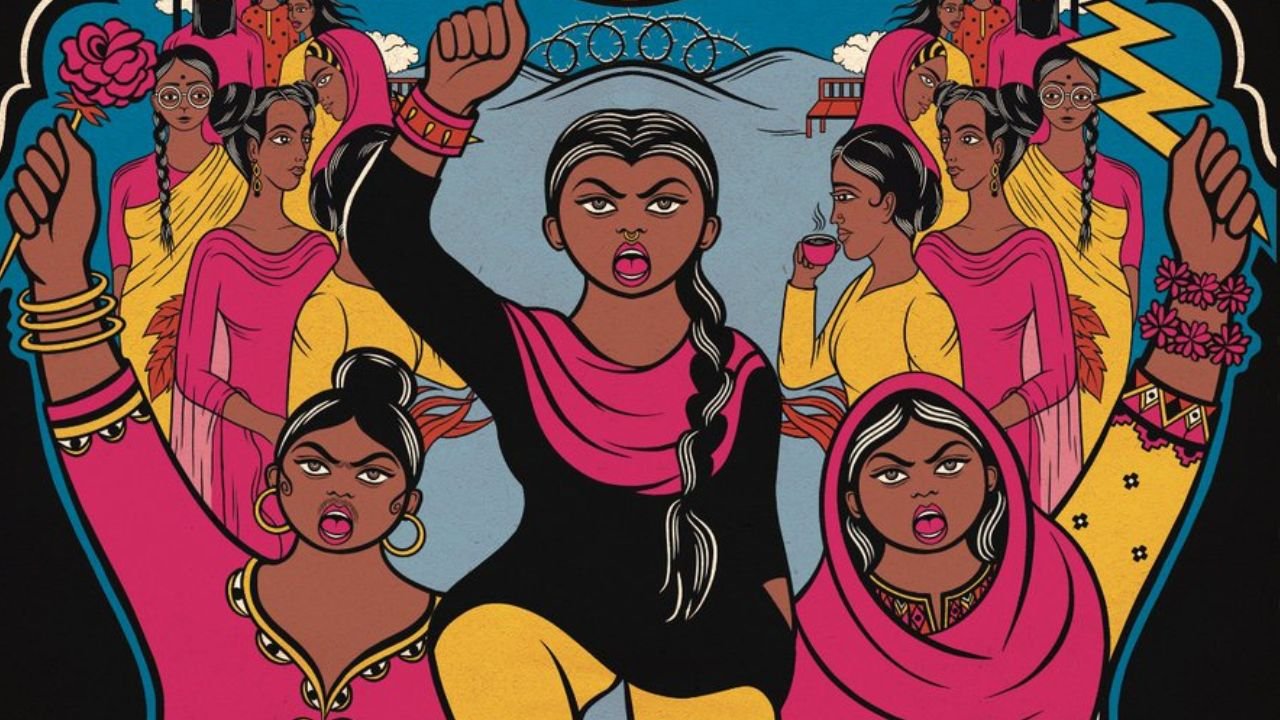
    March is finally here which means that 8th of the month is Women’s Day around the world and in Pakistan, Aurat March in major cities will walk through the streets to remind the state and the society of the due rights of women and minorities of the country.

    Where and when to join Aurat March?

    Lahore
    Time: 8th March, 2 pm
    Place: Lahore Press Club

    Karachi
    Time: 2:30 pm
    Place: Frere Hall

    Islamabad
    Time: 2 pm
    Place: Islamabad Press Club

    Multan
    Time: 3 pm
    Place: Nawan Shehar Chowk

    What are the demands this year?

    Lahore

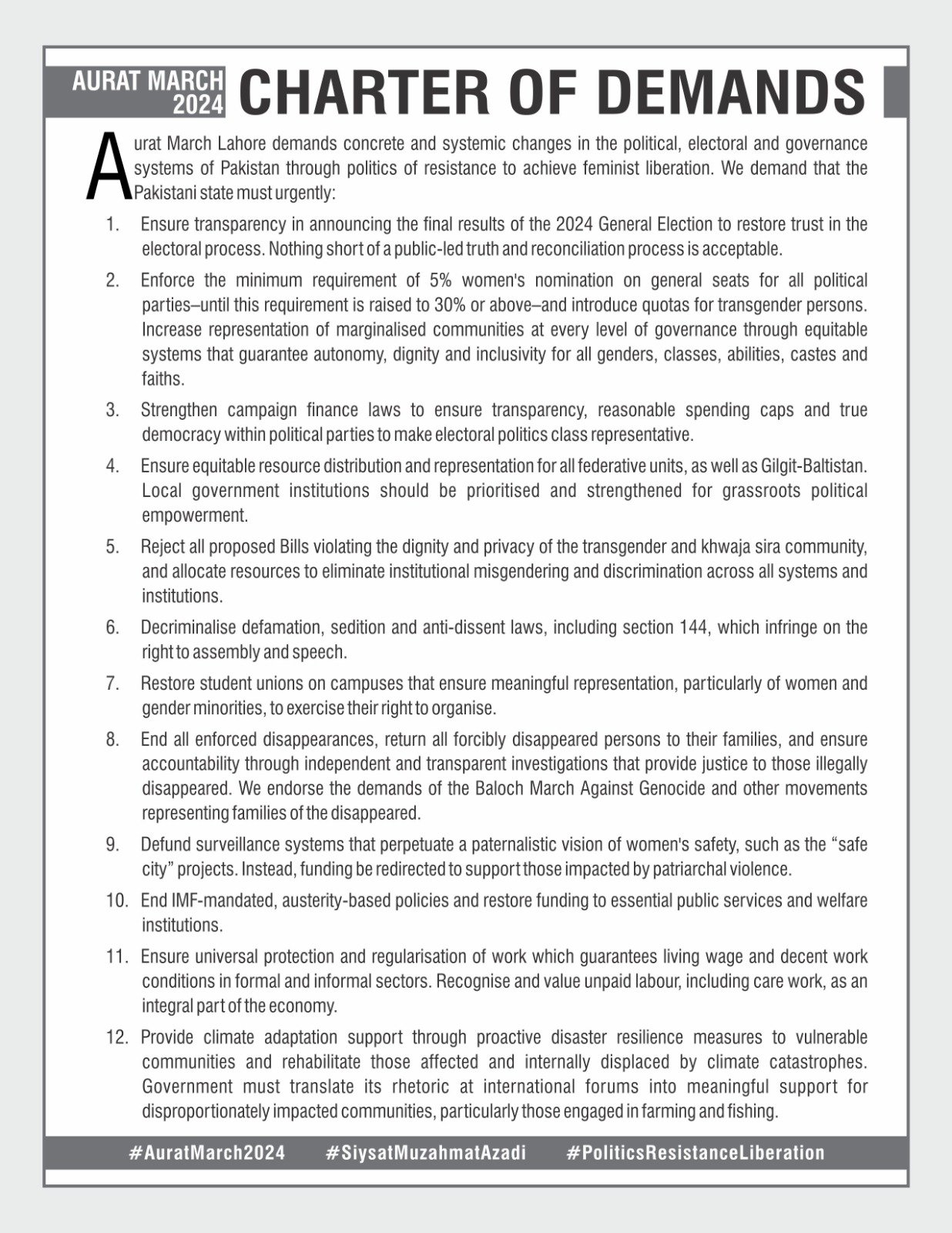
    This year, Lahore based its theme on “Siyasat, Muzahamat aur Azadi” which means that the manifesto addresses the electoral politics (in the light of the recent General Elections of Pakistan back in February 8), as well as asserts on the re-envisioning political participation where “oppressed groups and communities on the margin take center stage.”

    Here are the demands by Aurat March Lahore:

    Karachi

    In Karachi, Aurat March will focus on domestic violence, sexual violence, enforced disappearances, extrajudicial killings, land grabbing, state-sponsored poverty, religious extremism, repression of gender and body politics, fascistic capture of politics and everything “the patriarchy subjects us to under its militaristic control of our bodies.”

    Islamabad

    The capital’s theme this year is Resistance and Hope:

    Calling on to end enforced disappearances; promoting “hope and world peace” in light of Israeli genocide in Gaza; end to gender-based violence; to take action against cyber harassment targeting women, minorities, and children with effective legislation; end to period poverty by making period products accessible for all and provind period education in school; economic justice i.e. integrating women’s reproductive labour into country’s Gross Domestic Product (GDP), formalisation of informal sector to ensure work standards and safe working environment, action against child labour, wage regularisation, right to unionisation, and allocation of funds to rehabilitate women farmers, shopkeepers, small landlords; improved access to universal education and healthcare; political rights of women; as well as rights of religious minorities.

    Read the details on the demands by Islamabad here:

    Multan

    With the main focus on climate justice right and economic liberation, here are the demands by the city of Multan this year:

    1. Education for All: Guarantee education for girls up to the age of 16, ensuring equal access to knowledge and opportunities.
    2. Right to Identity: Ensure that all men, women, and transgender people in Siraiki Wasaib have their identity cards without any hindrance from the state.
    3. Combat Harassment: Form active committees against sexual harassment in educational institutions and workplaces, enforcing strict adherence to anti-harassment laws.
    4. Student Empowerment: Lift the ban on student unions in universities across Pakistan, allowing students to exercise their rights and have a say in their education. Also, Establish new colleges and universities with equitable access for all, fostering an environment of learning and growth.
    5. Inclusive Infrastructure: Implement accessible architecture in schools, government offices, and public spaces, catering to the needs of people with disabilities.
    6. Fair Wages: Enforce inflation-adjusted and gender-conscious minimum wage policies, promoting economic justice for all.
    7. Protect Domestic and Small Industry Workers: Safeguard the rights of domestic workers, particularly young girls, from exploitation and abuse.
    8. End Early Marriage: Enact laws against early marriage and forced religious conversion, setting the legal marriage age to 18.
    9. Transgender Rights: Implement the Transgender Rights Act 2018, ensuring equality and protection for transgender individuals.
    10. Political Victimisation: Stop the unjust targeting and unlawful detention, especially of women, for political reasons.
    11. Women’s Protection: Fully implement the Women Protection Bill and expedite the completion of Women Crisis Centers in Multan.
    12. Holistic Education: Incorporate human rights, climate change, and gender education into the high school curriculum, fostering awareness and understanding.
    13. Healthcare Access: Ensure accessible healthcare and employment opportunities, along with childcare facilities for women in both government and non-government sectors.
    14. Remove Taxes: Eliminate taxes on women’s hygiene products and essential items, relieving financial burdens on women.
    15. Worker Rights: Abolish the exploitation of various marginalized groups, including brick kiln workers, farmers, journalists, and factory workers.
    16. Combat Terrorism: Take legal action against activities that terrorize women, ensuring the rule of law prevails.
    17. Judicial Representation: Increase the number of women judges, particularly in the Lahore High Court, Multan, and Bahawalpur Benches, promoting gender parity in the judiciary.
    18. End Corruption: Eradicate corruption and mistreatment of women in social support programs.
    19. Report Mechanisms: Establish effective portals to report incidents of harassment and violence against women, ensuring swift action and justice.
    20. Religious Freedom: Protect religious places and minorities from desecration and criminal acts, upholding fundamental freedoms for all.
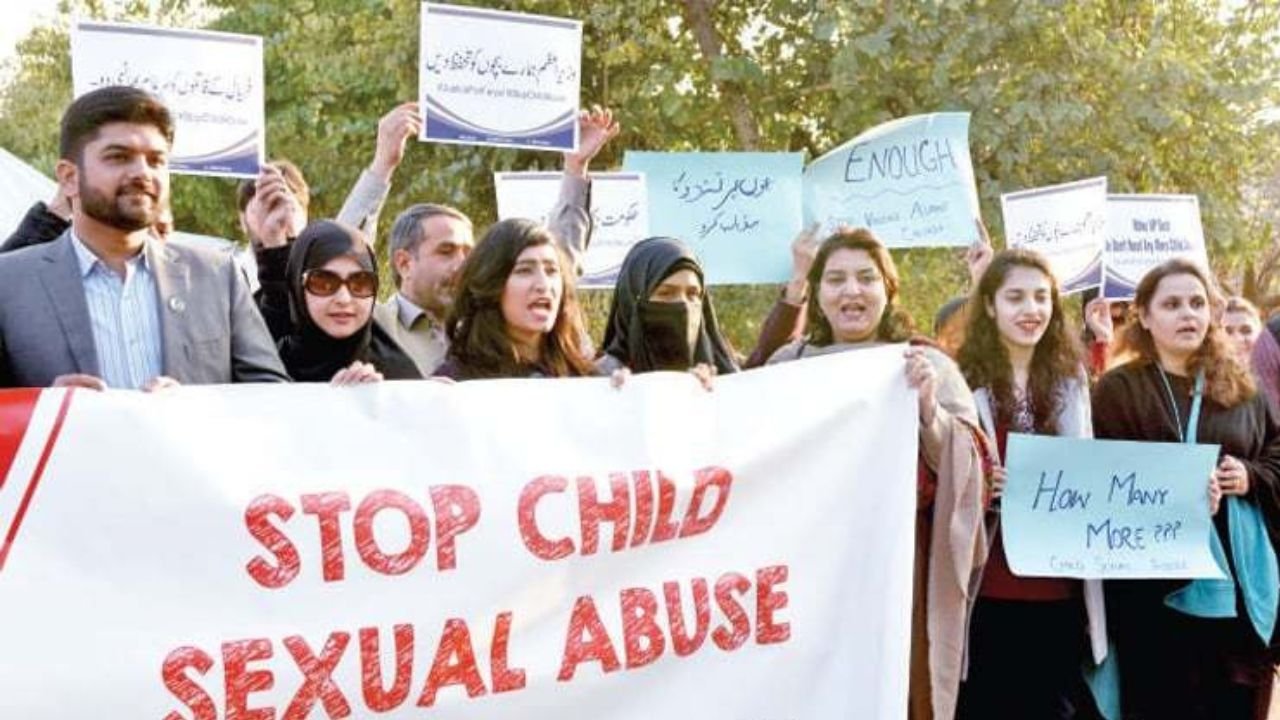
    21. Child Protection: Implement stringent measures to prevent the sexual abuse of children, safeguarding the innocence and well-being of our youth.
    22. Safe Spaces: Ensure the fundamental freedoms and protection of women in Dar ul Aman and working women hostels, providing safe havens for those in need.
    23. Digital Access: Declare internet access as a fundamental right and bridge the digital divide, ensuring equitable access to technology for all.
    24. Combat Stereotypes: Eliminate gender stereotypes in educational materials, electronic media, and social platforms, promoting equality and diversity.
    25. Justice for All: Pay homage to human rights leaders like Rashid Rehman and demand justice for those who have sacrificed for the cause of equality and justice.
  • More than 4,000 cases of child abuse recorded in Pakistan in 2023: Report

    More than 4,000 cases of child abuse recorded in Pakistan in 2023: Report

    The latest National Commission for Human Rights (NCHR) report reveals another concerning figure of child abuse recorded in 2023.

    According to the report, Cruel Numbers 2023, a total of 4,213 children were reportedly affected by abuse of various kinds in Pakistan.

    This indicates that 11 children were abused everyday.

    The report is compiled by Sahil and as per the reported cases, 53 percent of the victims were girls while 47 percent were boys.

    The youngest age group of children sexually abused was between 0-5 years old.

    Highest number of cases recorded were in Punjab with 75 percent reported incidents.

    Sahil Executive Director Manizeh Bano points out that Article 25-A of the Constitution assures free education for children aged between five to 16 years, further asserting on the “importance of providing life-skills based education to empower children and protect them from exploitation”.

  • Domestic violence victim Rizwana admitted to hospital again

    Domestic violence victim Rizwana admitted to hospital again

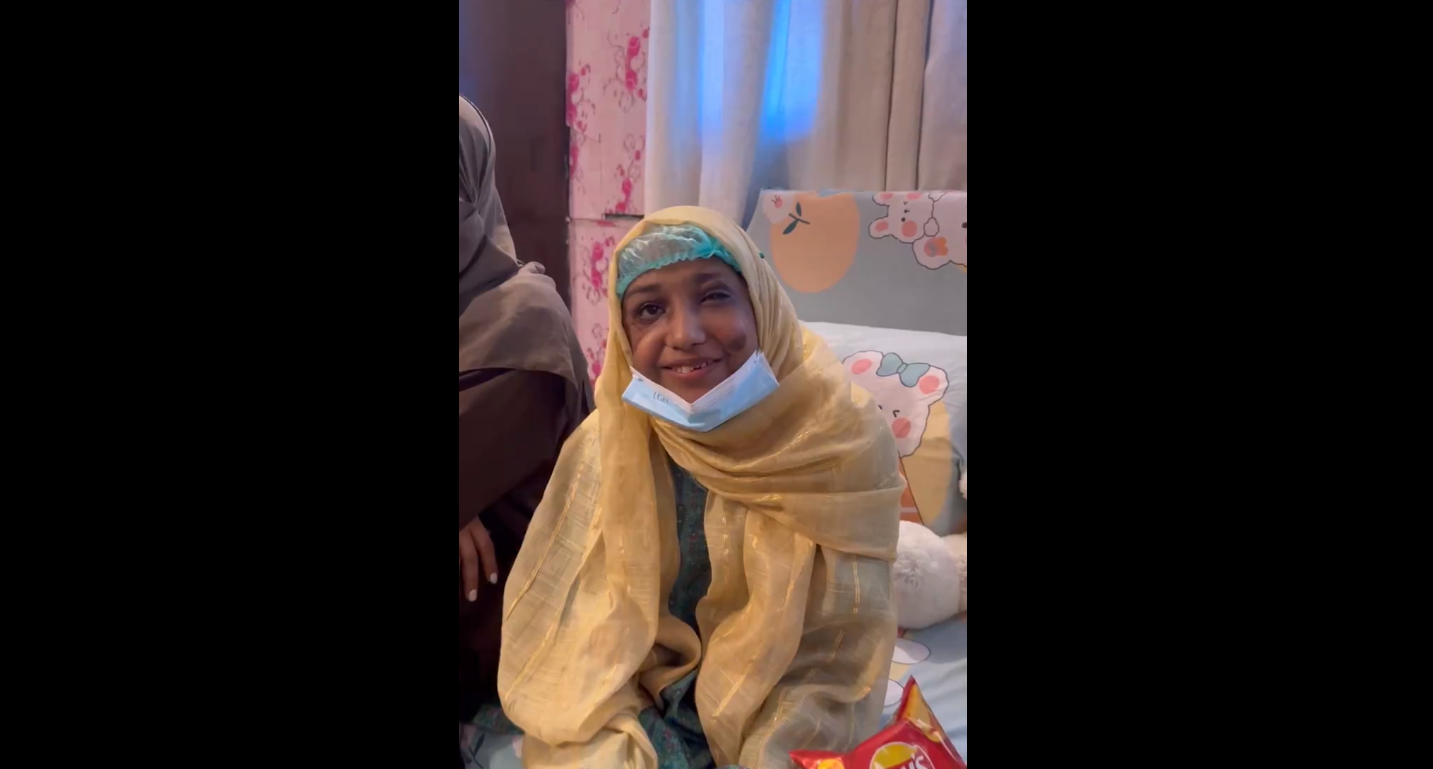
    The child victim of abuse at the hands of her employers, Rizwana has been admitted to Lahore General Hospital again.

    According to the General Hospital administration, Rizwana, a minor and a victim of domestic violence, was discharged after recovering a few months ago.

    Three weeks ago, however, Rizwana was again brought to the hospital due to pain in her arm. The doctors admitted her after examination.

    According to hospital administration, a surgery will be performed on the girls’ arm.

    Last year, in July, it was revealed that Rizwana, a young girl working at the house of a civil judge in Islamabad, was subjected to assault by her employers. The torture continued and when her condition worsened, the civil judge’s wife handed her over to her mother.

    Rizwana had torture marks all over her body. A wound on her head had rotted due to lack of treatment, becoming infected by worms.