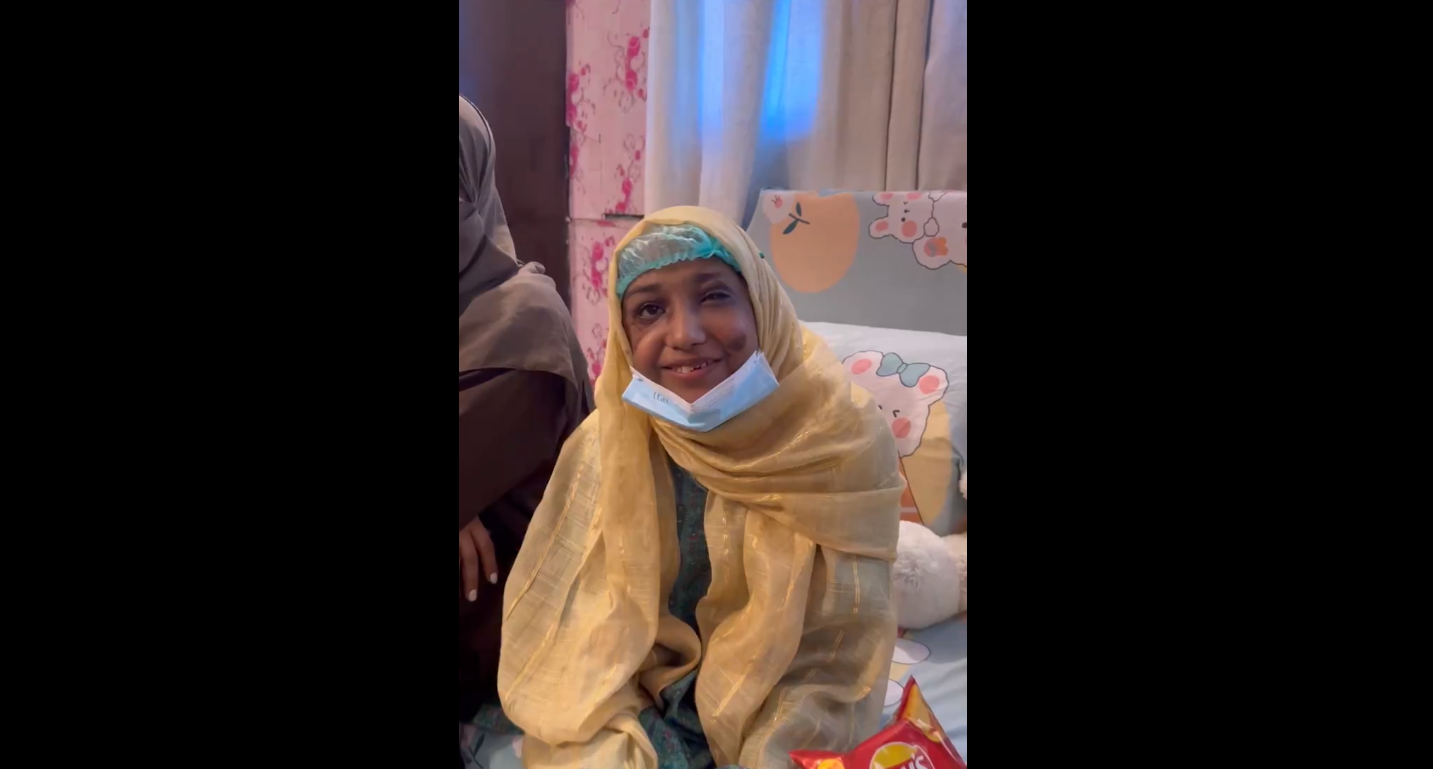
The district and sessions court Islamabad has on Friday indicted Somia Asim, wife of Civil Judge Asim Hafeez, in the Rizwana torture case.
The case was heard by civil judge Umar Shabbir. Rizwana’s mother and the suspect Somia Asim appeared in the court with their respective lawyers.
During the hearing, the court read out the indictment while Somia Asim denied the crime.
The court has formally started the trial against Somia and adjourned the hearing of the case till March 20, calling the witnesses to record their statements at the next hearing.
Somia Asim is accused of torturing the young domestic maid Rizwana.
Case
Rizwana had been allegedly tortured and abused while working at a civil judge’s home in Islamabad, after she was accused of stealing jewellery. Rizwana’s family revealed that the girl was not paid a single penny by the family for the extensive workload she was doing and was instead subjected to violence.
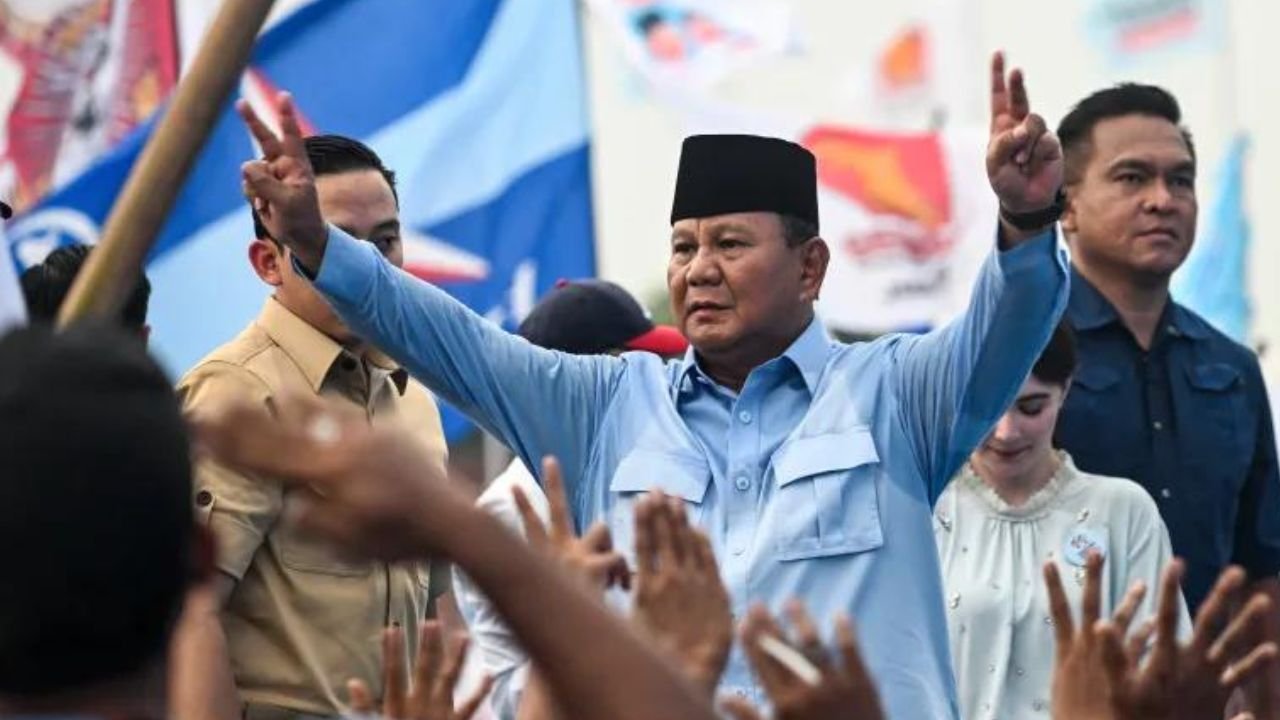
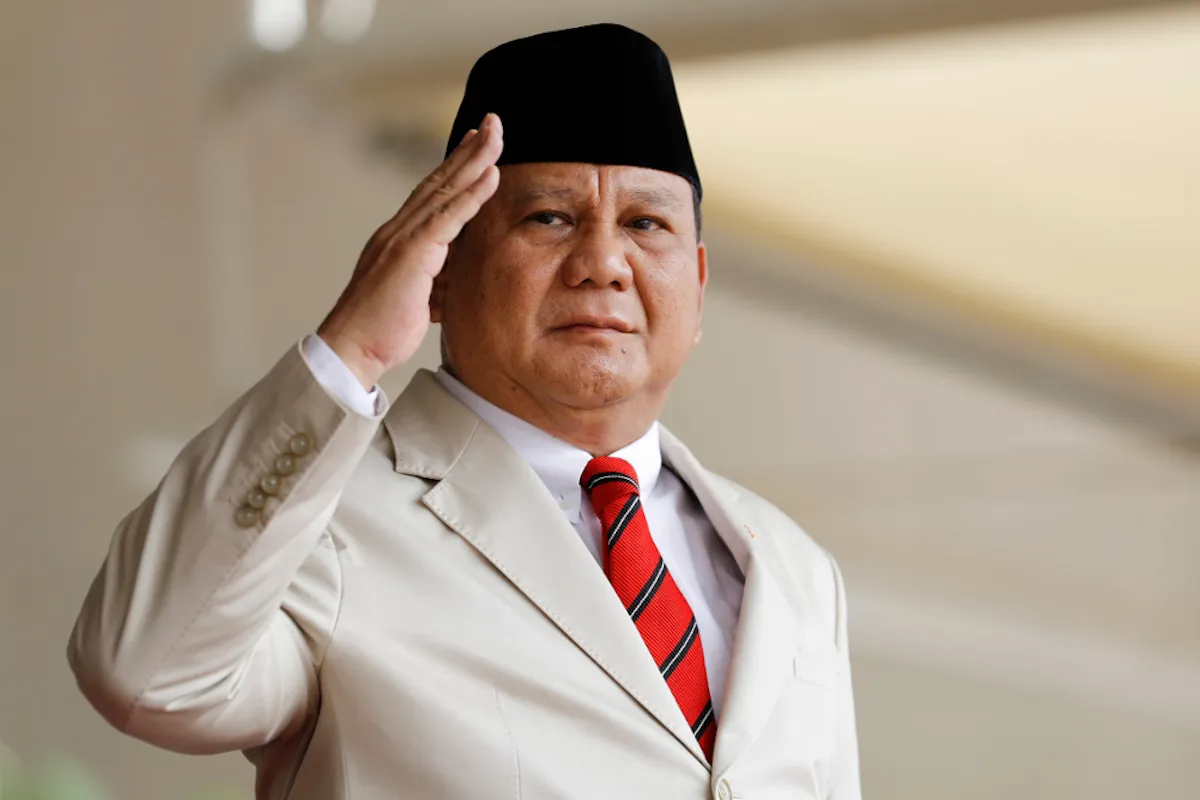
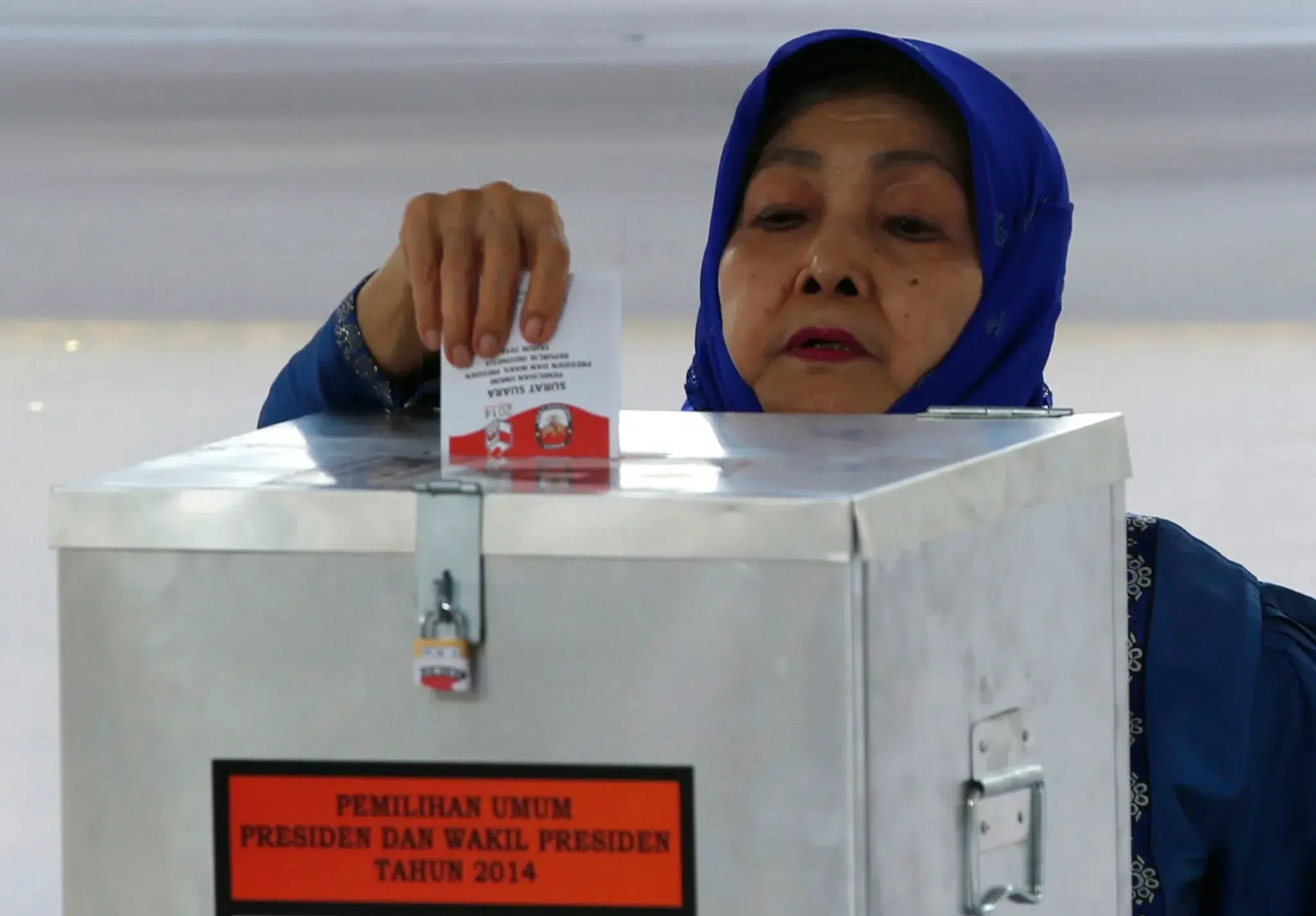
Indonesians began voting for a new president Wednesday with Defence Minister Prabowo Subianto the frontrunner to lead Southeast Asia’s biggest economy despite concerns over his human rights record.
Polls project Subianto, a military chief during the Suharto dictatorship a generation ago, to secure a majority and replace popular outgoing president Joko Widodo, who observers claim indirectly supported his campaign.
The 72-year-old is the clear favourite after a campaign mixing populist rhetoric with pledges to continue the policies of Widodo, who has presided over steady economic growth but reached the constitutional two-term limit.
“The hope is to win,” Subianto told reporters before voting in Bogor on Wednesday.
“Come to the voting station… cast your votes according to your conscience.”
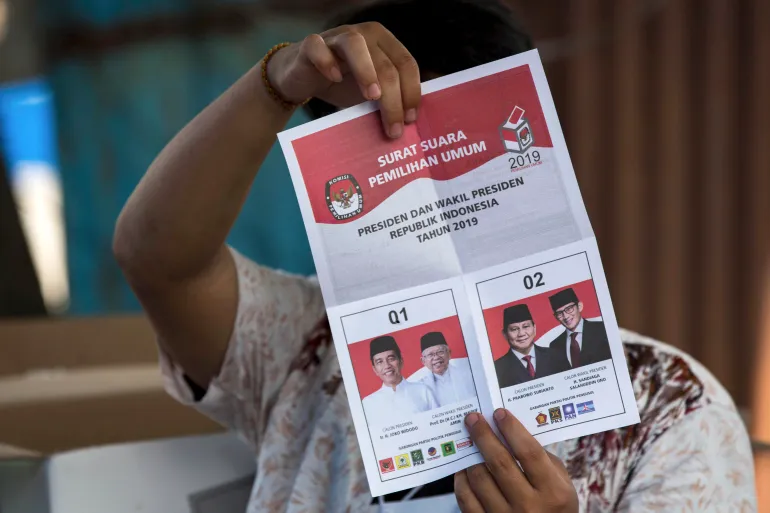
Nearly 205 million people are eligible to vote for Subianto or his rivals, former Jakarta governor Anies Baswedan and former Central Java governor Ganjar Pranowo, in just the fifth presidential election since the end of Suharto’s dictatorship in 1998.
Polling stations opened at 7:00 am (2200 GMT) in the easternmost region of Papua and were due to close at 01:00 pm (0600 GMT) at the other end of the country in jungle-clad Sumatra.
A logistical feat involving more than 800,000 polling stations and 20,000 seats up for grabs saw planes, helicopters, speedboats and even cows used to cart ballots around the sprawling archipelago of nearly 280 million people.
In Papua’s Timika city, officials inspected makeshift polling stations built from logs, metal sheets and palm leaves as voters arrived to eye candidate lists.
In the capital Jakarta, a thunderstorm deluged 34 polling stations, according to the city’s disaster mitigation agency.
Workers wearing shirts that read “not voting is not an option” relocated some stations where ballot boxes had been wrapped in plastic, while others used pumps to drain floodwater.
Official results are not expected until March, but so-called quick counts from government-approved pollsters — shown to be reliable in the past — are expected to indicate the winner later Wednesday.
‘Decisive leader’
Consultant Debbie Sianturi was one of those determined to vote.
“I want to have a leader that will continue the democracy,” the 57-year-old said.
Another said Subianto’s experience made him a popular candidate.
“He has a military background, so I think he will be a decisive leader,” said Afhary Firnanda, a 28-year-old office worker in Jakarta.
Election commissioner Idham Kholik told AFP all voters should be allowed to cast their ballots if large queues remained when polls closed.
Subianto needs to claim more than 50 percent of the overall vote and at least a fifth of ballots cast in over half the country’s 38 provinces to secure the presidency.
If he falls short, a second-round vote will be held in June.
Baswedan, seen as the favourite to challenge Subianto in that event, told supporters to help ensure a fair vote in the graft-riddled country where voters dip their fingers in halal ink to prevent double voting.
“Come back to the voting station, monitor the vote count,” he told reporters.
Pranowo, who entered election day last in polls after once being the front-runner, said he hoped for a clean election.
“Today is the best time for all to return to the good path of democracy,” he told reporters.
Commitment to democracy
Another key factor in Subianto’s popularity is having Widodo’s eldest son, 36-year-old Gibran Rakabuming Raka, as his vice presidential running mate, a move that has raised eyebrows.
In October, Indonesia’s then-chief justice, who is Widodo’s brother-in-law, changed the rules that had barred candidates below the age of 40 from running for high office.
Widodo enjoys near-record approval ratings after two terms of solid economic growth and relatively stable politics in the nation’s young democracy.
However, some legal experts and rights groups have accused Widodo of improperly using government funds to support Subianto.
Subianto and his aides have rejected accusations of impropriety.
Subianto was dismissed from the military in 1998 over accusations he ordered the abduction of democracy activists at the end of Suharto’s rule, but he denied the accusations and was never charged.
He has since rehabilitated his image, thanks in part to a savvy social media campaign targeting Indonesia’s youth that portrayed him as a “cuddly grandpa”.
But rights groups have expressed alarm that he could roll back hard-won democratic freedoms, pointing to the alleged disappearances.
“We’ve been always worried about his commitment towards democracy,” said Yoes Kenawas, a researcher at Jakarta-based Atma Jaya Catholic University.
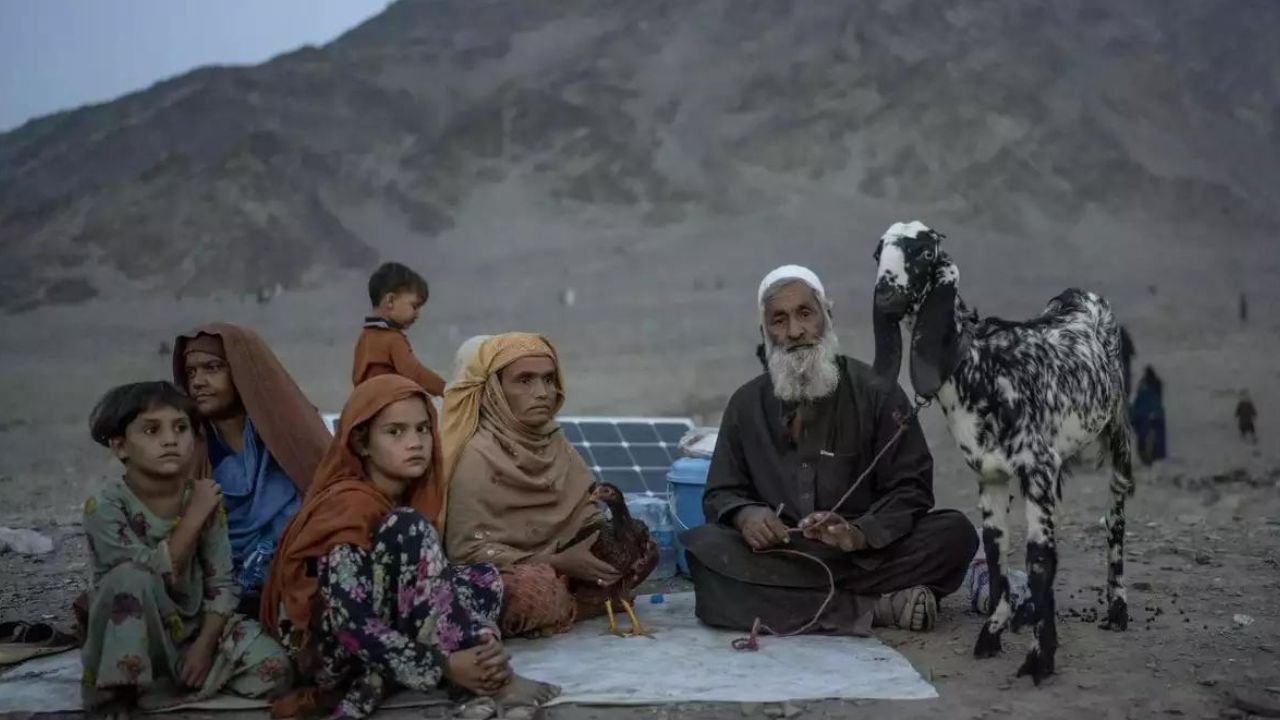
More than 500,000 Afghans have fled Pakistan in the four months since Islamabad ordered undocumented migrants to leave or face arrest, the International Organization for Migration (IOM) said Monday.
According to the latest figures reported by the UN migration agency, 500,200 Afghans left Pakistan between September 15, 2023 and January 13, 2024.
Most rushed to the border in the days leading up to a November 1 exit deadline Islamabad set for the 1.7 million Afghans it said were living illegally in Pakistan, and as police opened dozens of holding centres.
“Since the initial peak around November 1, the number of individuals crossing these official border points have consistently decreased but remains higher than pre-September 15th,” an IOM statement said.
Pakistan defended the crackdown by pointing to security concerns in its regions bordering Afghanistan and pressure on its struggling economy.
“Some Afghans forced to return may be at risk of persecution, arbitrary arrest and detention and/or torture or ill-treatment,” the UN’s Afghan mission said in a report on Monday.
Meanwhile, the busiest border crossing between the two countries remained closed for the tenth day running in a dispute over document rules for commercial drivers.
The row centres on demands for drivers from both sides to have visas and passports — documents many Afghans do not have — as Pakistan cracks down on cross-border movements.
More than 400 trucks were stranded on the Pakistan side of the Torkham crossing on Monday, according to a border official who asked not to be named.
Relations between Pakistan and Afghanistan have grown increasingly fraught in recent months, with Islamabad accusing the Taliban government of failing to root out militants staging attacks in Pakistan from their soil.
Kabul has always rejected the allegations.
Millions of Afghans fleeing conflict have poured into Pakistan over the past four decades, including some 600,000 since the Taliban ousted the US-backed government and imposed its harsh interpretation of Islamic law.
Some of the Afghans crossing into Afghanistan as a result of Islamabad’s eviction scheme were entering the country for the first time, having lived their whole lives in Pakistan.
Upon arrival, migrants have received modest assistance from the government and NGOs in a country contending with one of the worst humanitarian crises in the world.
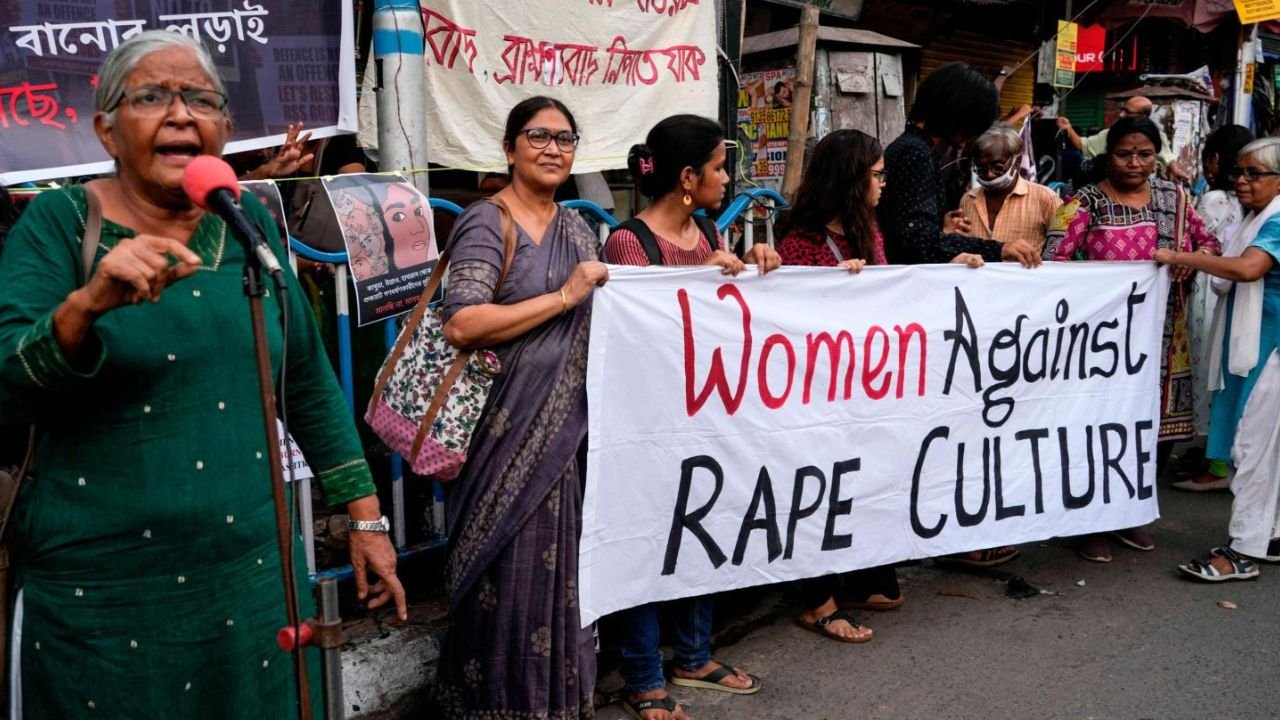
India’s top court ruled Monday that 11 murderers convicted of a gang rape that drew global outrage but who were released early must return to jail.
Bilkis Bano and two of her children were the only survivors among a group of Muslims attacked by a Hindu mob in the western state of Gujarat in 2002 during one of post-independence India’s worst religious riots.
Bilkis was pregnant at the time and seven of the 14 people murdered were relatives, including her three-year-old daughter.
The attack took place when Hindu nationalist Narendra Modi, now India’s prime minister, was the premier of Gujarat.
Modi was accused of turning a blind eye to the riots but was cleared of any wrongdoing in 2012, two years before his Bharatiya Janata Party (BJP) won national power.
The 11 convicts were freed in August 2022 following a recommendation by a state government panel, but must now return to jail within two weeks, the Supreme Court in New Delhi ruled.
“Their plea for protection of their liberty is rejected,” the Supreme Court said.
Allowing them to remain free would “not be in consonance of the rule of law”, it added.
The men were accorded a heroes’ welcome when they were released in 2022 and a viral video showed relatives and supporters welcoming them with sweets and garlands.
The convicts’ release triggered angry reactions across the country, especially since it coincided with India’s Independence Day celebrations, when Modi spoke about women’s safety and security.
Soon afterwards, Bilkis said she was “bereft of words”.
At the time, she said in a statement released by her lawyer that she “trusted the system” and was “learning slowly to live with her trauma”.
“The release of these convicts has taken from me my peace and shaken my faith in justice,” she said then. “My sorrow and my wavering faith is not for myself alone but for every woman who is struggling for justice in courts.”
The opposition Congress party welcomed Monday’s ruling, saying it exposed the BJP’s “callous disregard for women”.
“It is a slap on the face of those who facilitated the illegal release of these criminals and also those who garlanded the convicts and fed sweets to them,” spokesman Pawan Khera posted on X, previously known as Twitter.
“India will not allow administration of justice to be incumbent on the religion or the caste of the victim or the perpetrator of a crime.”
New Delhi (AFP) – India’s government has recently targeted high-profile journalists with Pegasus spyware, Amnesty International and The Washington Post said in a joint investigation published Thursday.
Created by Israeli firm NSO Group and sold to governments around the world, Pegasus software can be used to access a phone’s messages and emails, peruse photos, eavesdrop on calls, track locations and even film the owner with the camera.
Amnesty said journalists Siddharth Varadarajan of The Wire and Anand Mangnale of The Organized Crime and Corruption Reporting Project had been targeted with the spyware on their iPhones, with the latest identified case occurring in October.
“Our latest findings show that increasingly, journalists in India face the threat of unlawful surveillance simply for doing their jobs, alongside other tools of repression including imprisonment under draconian laws, smear campaigns, harassment, and intimidation,” said Donncha O Cearbhaill, Head of Amnesty International’s Security Lab.
India’s government did not immediately respond, but it denied similar accusations in 2021 that it used Pegasus spyware to surveil political opponents, activists and journalists.
Indian media reported last month that the country’s cyber security unit was investigating allegations by opposition politicians of attempted phone tapping after they reported receiving Apple iPhone warnings of “state-sponsored attackers”.
In that case, Ashwini Vaishnaw, the information and technology minister, said the government was “concerned” by the complaints.
Hollywood A-lister and human rights activist Angelina Jolie, has talked about the hypocrisy in the world when it comes to human rights application.
“The world is suffering from ambivalence on the issue of human rights,” she remarked in a recent interview.
Jolie lamented the duplicity and discrimination of the world regarding human rights, saying that the scale of human rights is different for everyone, the fact is that the world works on business interests. Her comments come on the heels of her unequivocal demand for a ceasefire of Israeli attacks on Gaza.
“Human rights can be for some people and some people can never be. Accountability for some people’s crime and not at all for some people, this is the ugly face of the world.” The actress said that she does not know of any country in the world which is free from these things.
“Some people think that the colonial system has ended but the fact is that the control and exploitation of developing countries is still going on,” the actress observed.
In her statement about Gaza, the Hollywood actress said that what happened in Israel cannot be a justification for bombing the civilian population of Gaza, pointing out that a few trucks cannot meet the aid needs of the besieged population, more than 20,000 of whom have been killed by Israel while the rest are at risk of starvation and disease.
Angelina Jolie added that Gaza has a total population of two million, half of whom are children, who have been living under siege for two decades.
Geneva, Switzerland – The United Nations said Monday that it needed $46.4 billion next year to bring life-saving help to around 180 million people in desperate circumstances around the world.
The UN said the global humanitarian outlook for 2024 was “bleak”, with conflicts, climate emergencies and collapsing economies “wreaking havoc” on the most vulnerable.
While global attention focuses on the conflict raging in the Gaza Strip, the UN said the wider Middle East, Sudan and Afghanistan were among the hotspots that also needed major international aid operations.
But the size of the annual appeal and the number of people it aims to reach were scaled back compared to 2023, following a decrease in donations.
“Humanitarians are saving lives, fighting hunger, protecting children, pushing back epidemics, and providing shelter and sanitation in many of the world’s most inhumane contexts,” UN aid chief Martin Griffiths said in a statement.
“But the necessary support from the international community is not keeping pace with the needs,” he said.
The 2023 appeal was for $56.7 billion but received just 35 percent of that amount, one of the worst funding shortfall in years. It allowed UN agencies to deliver assistance and protection to 128 million people.
With a few weeks left to go, 2023 is likely to be the first year since 2010 when humanitarian donations declined compared to the previous year.
The UN therefore scaled down its appeal to $46.4 billion this time around, and will focus on those in the gravest need.
72 countries
Launching the 2024 Global Humanitarian Overview, Griffiths said the sum was nonetheless a “massive ask” and would be tough to raise, with many donor countries facing their own cost of living crises.
“Without adequate funding, we cannot provide life-saving assistance. And if we cannot provide that assistance, people will pay with their lives,” he said.
The appeal covers aid for 72 countries: 26 states in crisis and 46 neighbouring nations dealing with the knock-on effects, such as an influx of refugees.
The five largest single-country appeals are for Syria ($4.4 billion), Ukraine ($3.1 billion), Afghanistan ($3 billion), Ethiopia ($2.9 billion) and Yemen ($2.8 billion).
Griffiths said there would be 300 million people in need around the world next year — a figure down from 363 million last year.
But the UN aims to reach only 180.5 million of those, with NGOs and aid agencies targeting the remainder — not to mention front-line countries and communities themselves who provide the first help.
Climate impact
The Middle East and North Africa require $13.9 billion, the largest total for any region in 2024.
Beyond Syria, the Palestinian territories and Yemen, Griffiths also pointed to Sudan and its neighbours, and to Ukraine, Afghanistan, Venezuela and Myanmar as hotspots that needed sustained global attention.
Ukraine is going through a “desperate winter” with the prospect of more warfare on the other side, he said.
With the Gaza war between Israel and Hamas, plus Russia’s war in Ukraine, Griffiths said it was hard for the Sudan crisis to get the attention it deserved in foreign capitals.
More broadly, Griffiths said climate change would increasingly impact the work of humanitarian aid workers, who would have to learn how to better use climate data to focus aid resources.
“There is no doubt about the climate confronting and competing with conflict as the driver of need,” he said.
“Climate displaces more children now than conflict. It was never thus before,” he said.
In a strategic manoeuvre aimed at reducing its reliance on China, Apple has reportedly communicated a strong preference for manufacturing iPhone 16 batteries in India.
As part of this initiative, an existing Indian battery supplier has been encouraged to scale up production, while Chinese suppliers, including Desay and Simplo Technology, have received directives to establish battery factories within India.
Additionally, Japanese battery supplier TDK is gearing up for its own production facility in the country.
This significant shift in strategy deviates from the original decision made by Steve Jobs to centralize most of Apple’s manufacturing operations in China, a move that was previously lauded as a key achievement by Tim Cook during his tenure as COO.
The change reflects a growing recognition of the strategic risks associated with being overly dependent on a single country, evident in events such as the COVID-19 pandemic and ongoing geopolitical tensions between the US and China.
The multifaceted rationale behind this move includes concerns about the impact of global events on manufacturing capacity, the unpredictability of trade relations between major economies, and the reputational challenges posed by close associations with a country facing human rights criticisms.
Apple’s decision aligns with a broader industry trend of diversifying manufacturing locations to mitigate risks associated with geopolitical and economic uncertainties.
Notably, the company aims to prioritise Indian production for iPhone 16 batteries, with local government support evident in a Japanese supplier, TDK, establishing a significant facility in Manesar, Haryana.
While this facility is expected to begin production in 2025, post-iPhone 16 release, it signifies a strategic commitment to bolstering the electronics manufacturing ecosystem in India.
Apple’s move underlines the industry’s evolving approach to supply chain management in response to a dynamic global landscape.
Rizwana, 13, a domestic worker who was assaulted by the wife of a civil judge, has started her education.
Sarah Ahmed, chairperson of the Child Protection Bureau, stated that the girls studying in Child Protection School welcomed Rizwana on her first day.
She added that along with education, Rizwana will also be taught cooking, given psychological counselling, and her medical monitoring will also continue.
The young domestic worker, beaten up during employment by the wife of a civil judge in Islamabad, was under treatment in Lahore General Hospital for five months. Rizwana was brought to the facility from Sargodha with injuries on her head, face and back.
According to the medical report, due to lack of timely treatment, Rizwana’s wounds were infected with worms, the girl had 15 injury marks on her body including her head, while her internal organs were also affected.
“Lady Health Workers (LHWs) should not be asked to do security duty during elections,” said Bushra Arain, Founder and Chairperson of the All Lady Health Workers’ Programme Union (ALPU).
Acknowledging that other government workers are called in for duty, Bushra Arain pointed out that they are given easier tasks and are trained before the elections. “We are asked to do difficult duties and there is no security or training for LHWs,” she observed.
As elections are near, Bushra Arain is worried that LHWs will be again asked to work during elections without protection or training.
“LHWs are already soft targets, and elections in Pakistan are not safe, we worry for our safety,” emphasised Bushra.
Rubina Ghaffar is an LHW in Karachi, and she was called on election duty in 2018.
“Elections are near, and many of us are afraid that we will be put on security duty again,” said Rubina, “Last time we were tasked to do two things: count votes and provide security to the polling staff. We were not trained how to do this nor given any protective gear.”
Rubina continued, “On the morning of election day, a group of us were driven to the polling station early in the morning. Our duty began at 6 am and ended only when we protested and demanded that we be allowed to go home. It was very late in the night”, Rubina said. “We were brought to the polling station in police vehicles but had to go home on our own late at night.”
Rubina further said, “There was no security at the polling stations and although we were paid Rs4500 as compensation for the duty, it was not enough considering LHWs are already soft targets as we have seen. We were giving the voter list to tally with voters’ ID cards and tally the numbers.”
She added, “Afterwards we counted the votes, this was checked by the relevant people. We not allowed to leave and were asked to keep sitting despite asking to leave. We were hungry and thirsty; we had not been provided anything throughout the day although the political workers were provided with lunch and tea. We couldn’t even order food as we were not allowed to step out of the polling stations. It was only after we protested, we were allowed to go home. It was quite late, and we had to travel back in small groups.”
People living in urban areas are probably not interested in the lives and work of LHWs. They may not be disrespectful or disregard LHWs but since most of them don’t have any real interaction with them and may only meet them during a polio campaign, these women remain invisible and faceless to most of the urban population.
LHWs don’t play an important role for urban dwellers their role is quite significant for slum dwellers in many cities, as well as rural areas where a large section of the population especially women rely on the basic health services LHWs provide. Many of these people have never received proper medical service and LHWs are their link to medicines and vaccinations.
Former prime minister Benazir Bhutto launched the Lady Health Workers Programme in 1994 and at the end of the programme, LHWs were merged into the health sector. This was the logical step so that these trained community health workers could enhance health services to marginalised communities. However, instead of being beneficial for the LHWs, it only added to their problems.
“When the LHW programme ended, LHWs were absorbed by the health department. This didn’t help to improve our status. Like other employees of this department, we were government servants but unlike them, we have no benefits like promotions, pensions, or increments. The main reason for this is that we don’t have a proper service structure under which we would be given these rights and benefits,” said Bushra.
She added, “We are sent to all kinds of “special duties” including election and census duties, but we are not given any training or protection when we are doing security during elections. We worked throughout the pandemic without any protective gear or hand sanitisers. LHWs are vulnerable and we have lost many members to targeted terrorism., it is not fair to send us for election duty without proper training or protective gear.”
Bushra further said she understands LHWs will be sent on special duties like other government employees, “Why aren’t we given benefits like other members of our department? Why isn’t our service structure made despite the Supreme Court’s orders in 2012? Why are we being deprived of our rights like increments, promotions, and pensions despite the court’s order? Many LHWs have retired without receiving benefits. And when we protest, we are beaten.”
Elaborating on this, Maqsood Ahmed, trade unionist and trainer, said, “LHWs work in the most deplorable conditions. They do the work of doctors, nurses, counsellors, and community & social workers for marginalised communities. The LHWs do more than they should – this exploitation is only because their service structure has not been enforced.”
He added, “In March 2013, the Supreme Court ordered that the service structure be made for LHWs, and they be regularised. And after the 18th Amendment, the devolution of 1,56,000 LHWs including supervisors, drivers, and accountants should have been done by the provinces but this has not been done till date.”
“The Civil Servants Act governs government and public services. Different rules help to determine the number of leaves, pensions, promotions, and other benefits to the employee. Depriving LHWs of their service structure is in contravention of the Apex Court’s orders. Over time more than two to three thousand LHWs have retired increasing the workload. More LHWs should be hired as the population is increasing but this cannot be done until the service structure is made.”
“If Bushra Arain and ALPU members don’t speak up for their rights no one else will help them,” said Maqsood Ahmed.
Bushra added to this, “We will continue to speak up for our rights because no one is willing to give them to us despite the court’s order. Our union will keep fighting.”