Tag: human rights

  • Dulha arrested for child-marriage in Faisalabad

    Dulha arrested for child-marriage in Faisalabad

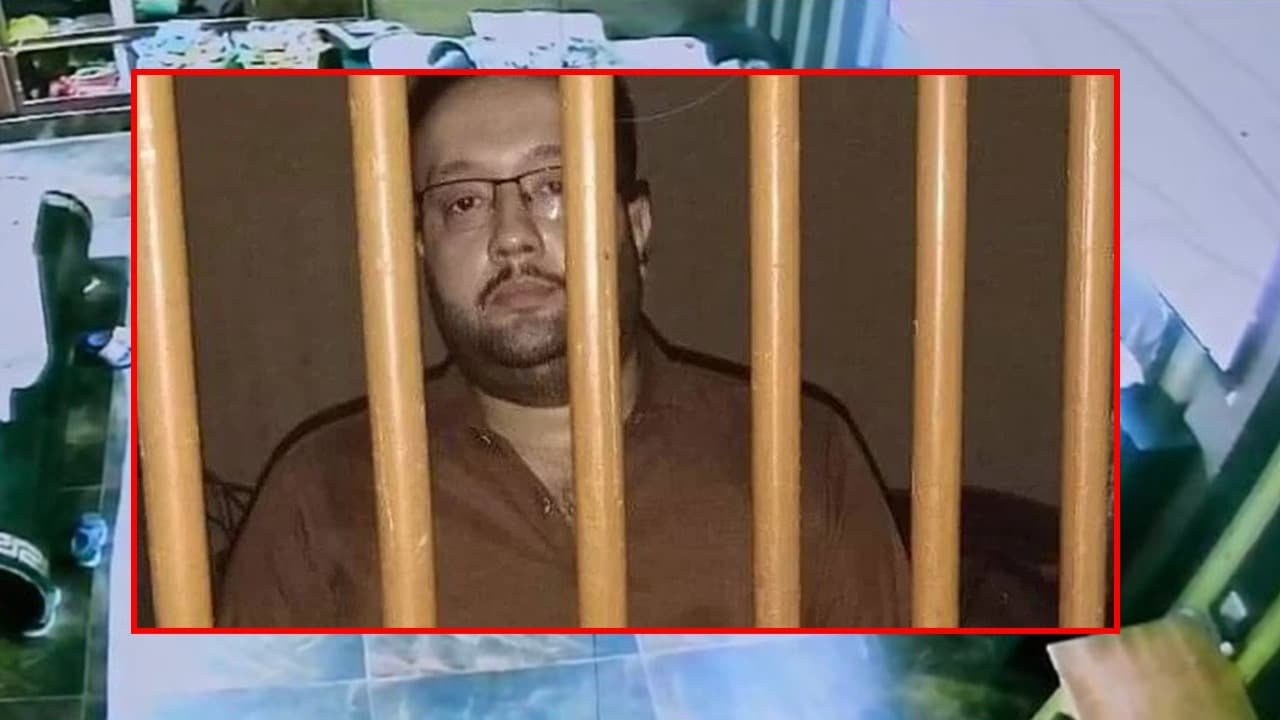
    A groom has been arrested on the charge of child-marriage in Satyana area of Faisalabad.

    According to the local police, the accused had married a 10-year-old girl two weeks ago.

    The local police say that raids are being conducted in search of the young bride, while they are also searching for the nikah-khawan, witnesses, and the father of the bride — all of whom are to be arrested

  • Jailed Iranian activist Narges Mohammadi wins Nobel Prize

    Jailed Iranian activist Narges Mohammadi wins Nobel Prize

    A jailed Iranian women’s rights advocate, Narges Mohammadi, is the winner of the 2023 Nobel Peace Prize for her fight against the oppression of women and advocacy for social reform.

    She was awarded the prestigious prize on Friday, while she is till behind bars, for her efforts to promote human rights and freedom for all”, as stated by the Norwegian Nobel Committee.

    “Her brave struggle has come with tremendous personal costs. Altogether, the regime has arrested her 13 times, convicted her five times, and sentenced her to a total of 31 years in prison and 154 lashes,” head of the Norwegian Nobel Committee, Berit Reiss-Andersen, said in Oslo during the announcement.

    51-year-old Mohammadi is an Iranian human rights activist who has played a leading role in the campaign for women’s rights and the abolition of the death penalty in the country.

    She is currently serving a number of sentences in Tehran’s Evin prison, adding up to about 12 years of jail, including charges of spreading anti-state propaganda.

    Mohammadi is the deputy head of the Defenders of Human Rights Center, a non-governmental organisation led by Shirin Ebadi, the 2003 Nobel Peace Prize laureate.

    The New York Times approached her after she was named the winner. “I will continue to fight against the relentless discrimination, tyranny and gender-based oppression by the oppressive religious government until the liberation of women,” she stated.

    “I also hope this recognition makes Iranians protesting for change stronger and more organised. Victory is near.”
    On the contrary, Tehran has accused the Nobel committee of politicising the issue of human rights.

    “The action of the Nobel Peace Committee is political move in line with the interventionist and anti-Iranian policies of some European governments,” Nasser Kanaani, a spokesperson for Iran’s Foreign Ministry, said.

    “The Nobel Peace committee has awarded a prize to a person convicted of repeated law violations and criminal acts, and we condemn this as biased and politically motivated,” he added in a statement carried by state media.

  • 13-year-old Rizwana stands up three months after being tortured

    13-year-old Rizwana stands up three months after being tortured

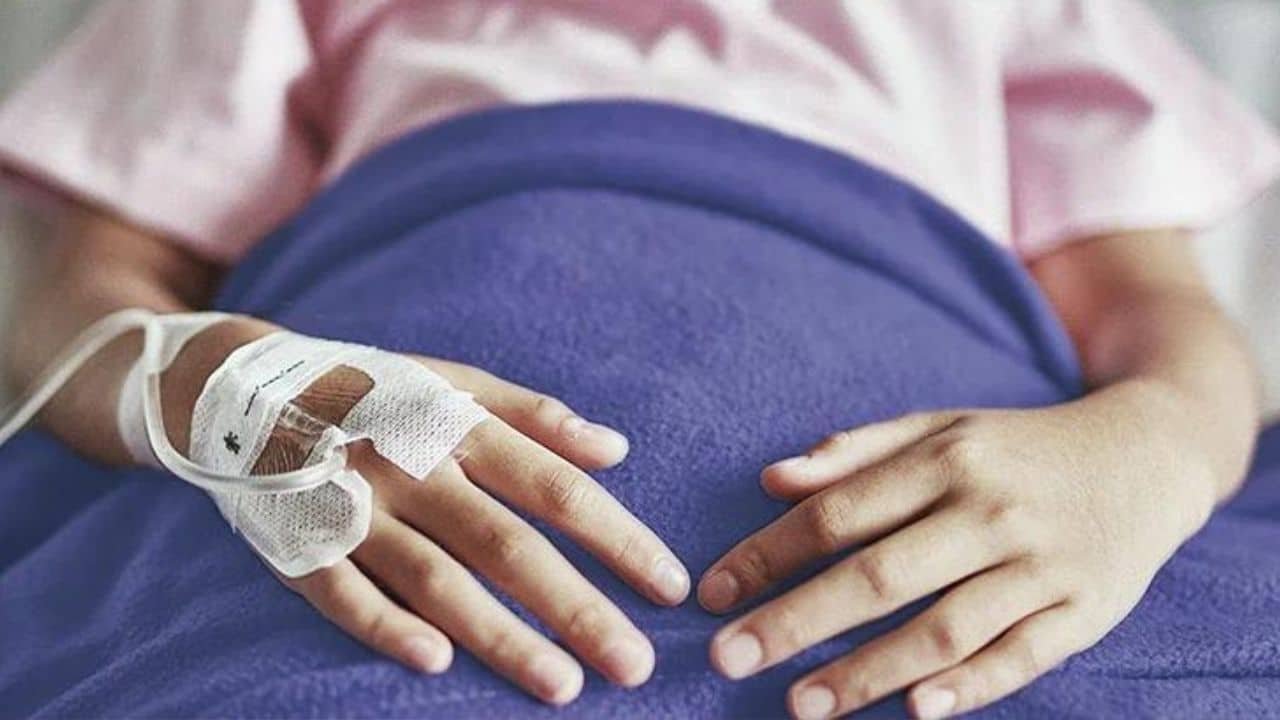
    13-year-old Rizwana, a domestic violence victim who had been under treatment in the General Hospital in Lahore since three months, has taken her first steps after the ordeal.

    While talking to Geo, the head of the medical board treating Rizwana, Prof. Jodet Saleem, said that 90% of Rizwana’s treatment has been completed and she has started walking now.

    Rizwana’s injuries have also healed, but she still needs an arm surgery as the Orthopaedic is yet to confirm a date.

    Prof. Saleem further said that Rizwana is likely to be discharged from the hospital soon, but she will likely stay in Lahore.

    According to the medico-legal certificate (MLC) issued in July, the extent of Rizwana’s injuries was concerning. The report revealed lacerations on her head, face, and body, including broken teeth, bruises, and signs of strangulation. The girl’s harrowing ordeal came to light when her father, a laborer, filed a complaint with the Humak police station.

    In August, plastic surgery was also performed on the girl.

    Rizwana had been allegedly tortured and abused while working at a civil judge’s home in Islamabad, after she was accused of stealing jewellery. Rizwana’s family revealed that the girl was not paid a single penny by the family for the extensive workload she was doing and was instead subjected to violence.

  • Afghan Taliban slam crackdown against refugees as ‘unacceptable’

    Afghan Taliban spokesman Zabihullah Mujahid has deemed Pakistan’s strategy to expel undocumented Afghan nationals as “unacceptable” and has urged authorities to revisit the policy.

    Only a day before Taliban’s response, on October 4, the caretaker government set November 1 as a deadline for the illegal immigrants residing in Pakistan, warning that action will be taken against them after the deadline. The decision was taken during an apex committee meeting on the National Action Plan (NAP) at the Prime Minister’s House. 

    “We have given them [foreigners residing in Pakistan unlawfully] a deadline of November 1 to willingly return to their countries and if they don’t, all law enforcement agencies (LEAs) of the state and provinces will deport them,” announced Interim Interior Minister Sarfraz Bugti on Tuesday at a press conference.

    On Monday, the caretaker government led by Prime Minister Anwaarul Haq Kakar announced its intention to repatriate 1.1 million foreign nationals who are currently residing in Pakistan without legal authorisation. The government’s plan involves a multi-phase approach. 

    In the initial phase, those individuals who are residing in Pakistan unlawfully, colloquially referred to as “aliens”, will be subject to eviction, as will individuals who fail to renew their visas. Subsequent phases will target individuals with Afghan citizenship who possess proof of residence cards. 

    The decision to take action against illegally residing Afghan citizens was made due to concerns that this group is linked to activities such as funding, facilitating, and smuggling terrorists. Additionally, a significant number of Afghan nationals have not renewed their proof of residence in Pakistan, further raising security concerns.

    However, the United Nations (UN) said Tuesday that refugees residing in Pakistan should be allowed to exit the country voluntarily and no pressure should be exerted on them. 

    “Any refugee return must be voluntary and without any pressure to ensure protection for those seeking safety,” Qaisar Khan Afridi, a spokesman for the UN High Commissioner for Refugees (UNHCR), told Anadolu.

    People react

  • Malala will make history as the youngest speaker at Mandela Annual Lecture

    Malala will make history as the youngest speaker at Mandela Annual Lecture

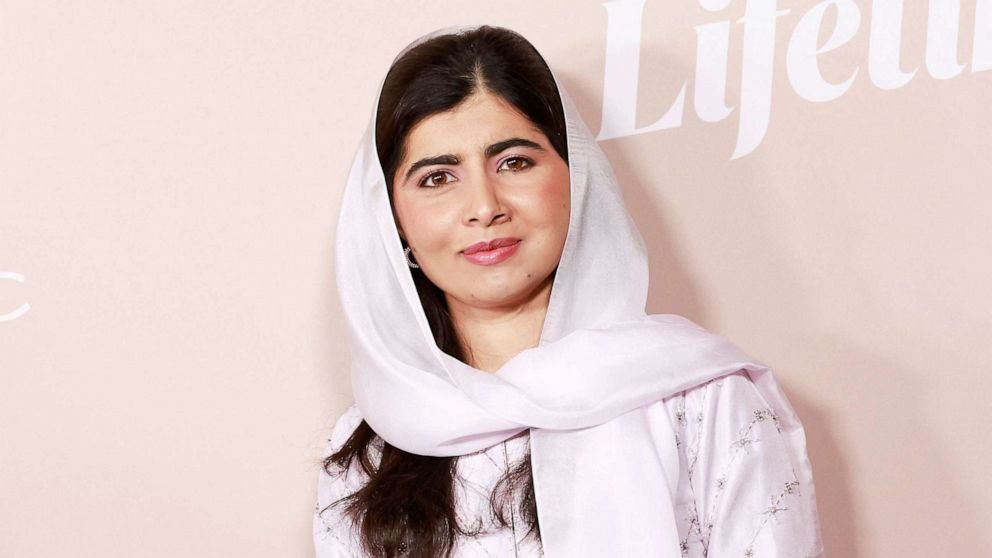
    Youngest Nobel laureate and education activist Malala Yousafzai will be delivering the 21st Nelson Mandela Annual Lecture in Johannesburg, South Africa.

    The announcement was made by Nelson Mandela Foundation (NMF) on social media on Monday.

    The NMF acting Chief Executive Verne Harris posted on X (formerly Twitter): “Scheduled for 5 December 2023, this lecture holds special significance as it coincides with the tenth anniversary of Madiba’s passing.”

    The Nelson Mandela Annual Lecture Series consists of prominent people initiating debate on significant social issues and difficult subjects in order to address the challenges the world encounters.

    Nelson Mandela was the first Black president of South Africa (1994–99). He was jointly awarded the Nobel Prize with South African Pres. F.W. de Klerk for Peace in 1993 for their efforts towards the rights of Africans.

    “Malala embodies the type of leadership we believe the world needs across all levels of society. In the face of current global challenges, which can seem daunting, she stands as an inspiring symbol of hope for a just and equitable future,” said Harris.

    Some of the previous speakers include South Africa’s Chief Justice Mogoeng Mogoeng, former US president Barack Obama; Nobel laureate Wangari Maathai; former UN secretary-general Kofi Annan; Microsoft founder and philanthropist Bill Gates.

  • Sheikhupura woman beaten by father-in-law for serving food late

    Sheikhupura woman beaten by father-in-law for serving food late

    A video has been making rounds on X (formerly Twitter) in which an old man can be seen beating his daughter-in-law while three children try to protect her. It is being claimed that the daughter-in-law delayed serving food to the man, resulting in the beating.

    The incident happened in Sheikhupura. In the video, the man can be seen hitting the woman with an item resembling a wooden rolling pin and then he proceeds to pull her arm and kick her in the face as she struggles to protect herself. All the while, three little children can be seen defending the daughter-in-law (we do not have the confirmation if they are her children or not).

    After the video got attention, Sheikhupura police replied to the post, stating that an FIR has been registered against the man seen in the video and that a police team is conducting raids to arrest him.

    Additionally, as per claims, the police got in touch with the daughter-in-law who was brutally beaten.

    “Justice will be served”, the police replied.

    However, later, in a video message posted on X, the daughter-in-law addresses the incident stating, “I misbehaved which is why he hit me”, adding that it is a personal, domestic matter which has now been resolved and that she does not intend to take any action against her father-in-law.

  • IMF spokesperson urges fair taxation and protection for vulnerable in Pakistan

    IMF spokesperson urges fair taxation and protection for vulnerable in Pakistan

    The International Monetary Fund (IMF) has emphasised that its $3 billion Standby Arrangement (SBA) programme with Pakistan serves as a critical policy framework. This framework addresses both domestic and international economic imbalances while also facilitating financial support from various donors, including the refinancing of outstanding debts.

    According to Geo, during a recent press conference held at the IMF headquarters in Washington, DC, Julie Kozack, the spokesperson for the global lender, fielded questions regarding the IMF’s engagement with Pakistan. These inquiries encompassed Pakistan’s request for relief and permissions within the existing agreement, specifically in relation to rising energy costs, notably electricity bills.

    In response to concerns about potential human rights implications, particularly for minority populations and the vast number of people living below the poverty line (an estimated 92 to 95 million), the IMF spokesperson emphasised that the programme received approval on July 12. It is a nine-month standby arrangement amounting to $3 billion, designed to support the economic stabilisation programme of the Pakistani government.

    The core objectives of this programme revolve around providing a policy framework to address both domestic and external economic imbalances, along with establishing a structure to secure financial support from various donors, both multilateral and bilateral. This includes securing fresh financing and addressing upcoming debt obligations.

    The IMF outlined that policy efforts are focused on implementing the fiscal year 2024 budget, formulating appropriate monetary policies to combat inflation, and continuing reforms to enhance the sustainability of the energy sector.

    These reforms are ultimately geared towards fostering higher, more inclusive, and more resilient economic growth. They also aim to bolster social development and climate resilience by strengthening public financial management, improving tax administration, and enhancing the prioritisation of public investments.

    Furthermore, these efforts are conducted in collaboration with partner institutions, not only the IMF but also the World Bank and the Asian Development Bank, underscoring a collective commitment to Pakistan’s economic stability and development.

    Kozack also highlighted IMF Managing Director Kristalina Georgieva’s strong stance on poverty and inequality. She emphasised the importance of wealthier segments of society bearing a fair tax burden, particularly in a context where Pakistan’s tax-to-GDP ratio is notably low.

    The IMF’s commitment extends to safeguarding the interests of the poor and vulnerable members of society within the programme’s framework, aligning with the goal of achieving a more equitable and inclusive society.

  • Poverty-driven child marriages surge in flood-hit Balochistan

    Poverty-driven child marriages surge in flood-hit Balochistan

    Journalist and storyteller Shahar Baloch has recently reported for BBC about the aftermath of the devastating floods in Balochistan last year. The report reveals that families from lower income backgrounds, impacted by the aftereffects of the floods, are being compelled to sell their daughters due to mounting debts. The dire situation was uncovered in the Chowki Jamali area, one of the regions hit hardest by the 2022 floods.

    Chowki Jamali, a remote area on the border of Sindh and Balochistan, is home to approximately 50,000 people, primarily farmers and daily wage laborers. The 2023 floods displaced over 3.2 million families in 2022, with Sindh and Balochistan experiencing the worst of the brunt.

    As families struggled to recover, the economic downturn pushed many to sell their young daughters to older men, aged between 40 and 60 years, in exchange for money to pay off debts or cover medical expenses. Daily wage laborers, earning as little as 500 rupees a day, say that they are left with no other option.

    Residents of the area say that early marriages have been conducted here in the past as well.

    The Provincial Disaster Management Authority (PDMA) conducted a survey of 14 districts of Balochistan in August 2022. According to the survey, there has been a 13 per cent increase in the number of cases of selling female children.

    Most girls are sold for amounts ranging from three to five lakh rupees, providing relief for financially strained families, who often rely on the transaction to settle debts, access medical treatment, or invest in their son’s education.

    The situation is exacerbated by the fact that in some cases, girls are sold multiple times if they do not “adjust” to their new circumstances. Some girls even run away upon learning of their impending sale, leaving their younger sisters to be married off in their place.

    The term “climate brides” is used to describe these girls, and this alarming practice is not unique to Balochistan; it also occurs in countries like Africa and India where poverty and climate change intersect.

    Climate change and floods have made agriculture increasingly unprofitable in Balochistan, driving families to desperate measures. With little income and food scarcity, many in Chowki Jamali resort to selling their daughters to survive.

    Even though education has made a difference, parents continue to sell their daughters due to extreme poverty.

    Health workers report severe health consequences for young girls married off early, including complications during pregnancy and the development of conditions like fistulas. Despite being aware of this issue, authorities have struggled to curb these marriages.

    Lady health worker Shehzadi told the BBC that in some cases, girls cry in pain, and some die here. “We still make noise, we can say something, but the mothers of these girls cannot say anything in this matter because it is the men of the house who decide to sell the girls.”

    Madad Community, an organization working on climate change in Balochistan, recently said that as a result of climate change and floods, it has become very difficult to earn from the agriculture sector.

    Organizer Maryam Jamali said that most people were forced to migrate, including the middle class of Balochistan. Poor farmers still have nowhere to go. As a result of extreme heat, more droughts and floods have been predicted.

    Fauzia Shaheen, Chairperson of the Government Commission for Women, revealed that Balochistan lacks effective laws to prevent child marriages, and efforts to pass the Child Marriage Restraint Bill have faced obstacles.

    In Balochistan, it is clear that the true cost of flood damage is being borne by the region’s vulnerable young girls, who are forced into early marriages due to dire economic circumstances.

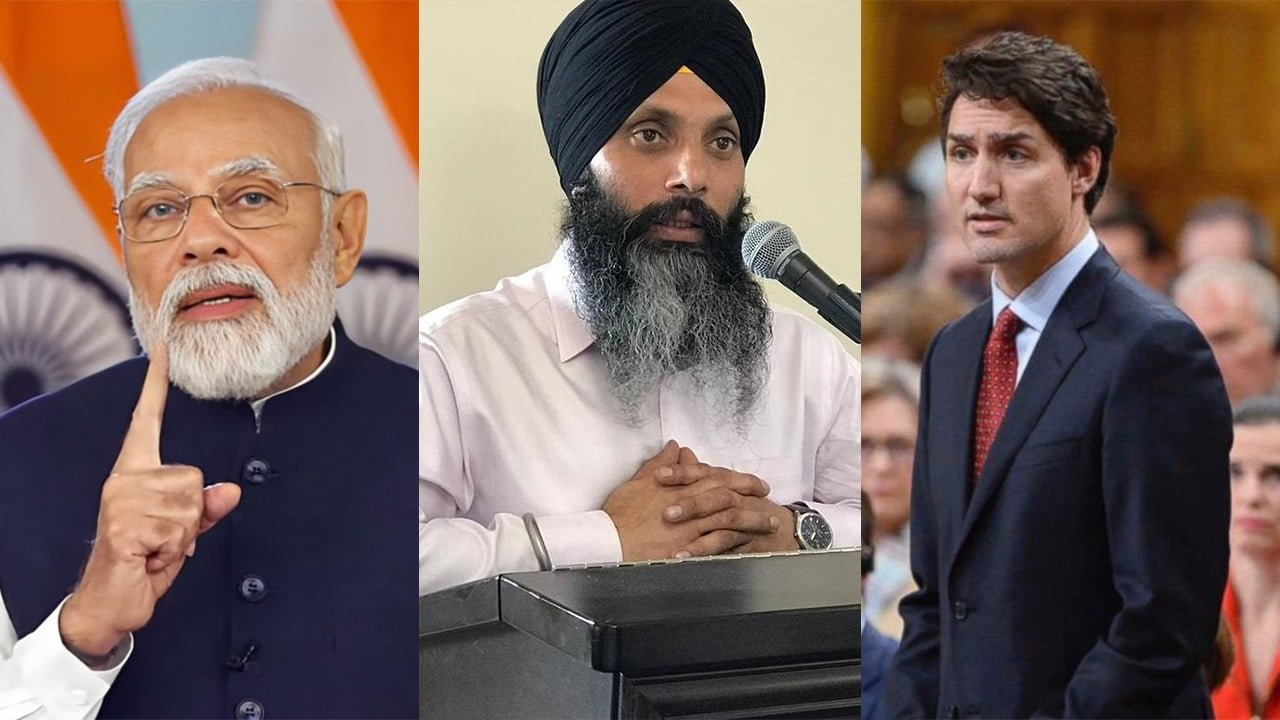
  • ‘Credible allegations’; Trudeau blames Indian govt agents for Nijjar murder

    ‘Credible allegations’; Trudeau blames Indian govt agents for Nijjar murder

    US, UK, Australia ‘deeply concerned’ over possible Indian role in Sikh leader’s murder

    The world is reacting after Prime Minister Justin Trudeau’s statement citing suspicion towards India in Hardeep Singh Nijjar’s murder case.

    The White House said it was “deeply concerned” about the allegations made by Trudeau.

    “We remain in regular contact with our Canadian partners. It is critical that Canada’s investigation proceed and the perpetrators be brought to justice,” White House National Security Council spokesperson Adrienne Watson said.

    Then, in an official statement, spokesperson for Australian foreign minister Penny Wong said, “Australia is deeply concerned by these allegations and notes ongoing investigations into this matter. We are closely engaged with partners on developments. We have conveyed our concerns at senior levels to India.”

    Foreign Secretary of the UK posted on X (formerly Twitter), “All countries should respect sovereignty and the rule of law. We are in regular contact with our Canadian partners about serious allegations raised in the Canadian Parliament. Important that Canada’s investigation runs its course and the perpetrators brought to justice.”

    Pulling no punches, Canadian Prime Minister Justin Trudeau gave a harshly worded statement on Monday about the murder of Hardeep Singh Nijjar, mentioning links between the killers and the Indian government.

    The Canadian government has been probing into Nijjar’s murder case and the latest findings direct the fingers at the involvement of the Indian Government.

    Hardeep Singh Nijjar, a Canadian Sikh leader, was shot outside a Sikh temple on 18 June in Surrey, British Columbia, Canada. As per the police’ evaluation, it was a “targeted” attack.

    “Any involvement of a foreign government in the killing of a Canadian citizen on Canadian soil is an unacceptable violation of our sovereignty,”, said Trudeau.

    “In the strongest possible terms, I continue to urge the government of India to cooperate with Canada to get to the bottom of this matter.”, he added

    Similarly, Canadian Minister of Foreign Affairs, Mélanie Joly, also gave a staemnt in which she told the media that Indian diplomat, Pavan Kumar Rai, the head of RAW — India’s external intelligence agency — had been expelled over the case.

    “We see this possible breach of sovereignty as completely unacceptable, and so that is also why we’re coming [out] with this information today,” she added.

    On the other hand, in a tit-for-tat move, India ordered a senior Canadian diplomat to leave the country, keeping in view the “growing concern at the interference of Canadian diplomats in our internal matters and their involvement in anti-India activities”.

    India’s foreign ministry has rejected all allegations, deeming them as “absurd”.

    In a statement, the ministry said: “Allegations of Government of India’s involvement in any act of violence in Canada are absurd and motivated,”

    “We are a democratic polity with a strong commitment to rule of law.”

    Previously, prime minister Trudeau shed light on the murder while in conversation with Indian prime minister, Narendra Modi at the G20 summit last week in New Dehli. He stated that the Indian role in the case would not be acceptable and that they expected the state’s cooperation in the investigation.

    Who was Hardeep Singh Nijjar?

    Nijjar moved to Canada in 1997, working first as a plumber and later establishing a plumbing business in Surrey, B.C. He also played a vital role in the Khalistan movement — a call for a separate Sikh nation in India.

    Terming him a “terrorist”, the Indian government said he was wanted by the state for his alleged active involvement in the Khalistan Tiger Force (KTF) — an organisation deemed as a terrorist group by the country.

    Nijjar’s friend and fellow Sikh nationalist Gurpatwant Singh Pannun spoke with Global News, stating that he was warned that “Indian intelligence agents had put a bounty on his head”.

    Similarly, the Canadian Security Intelligence Service also warned Nijjar that they had information that he was, “under threat from professional assassins,”.

  • Autopsy reveals 10-year-old Fatima died of physical injuries

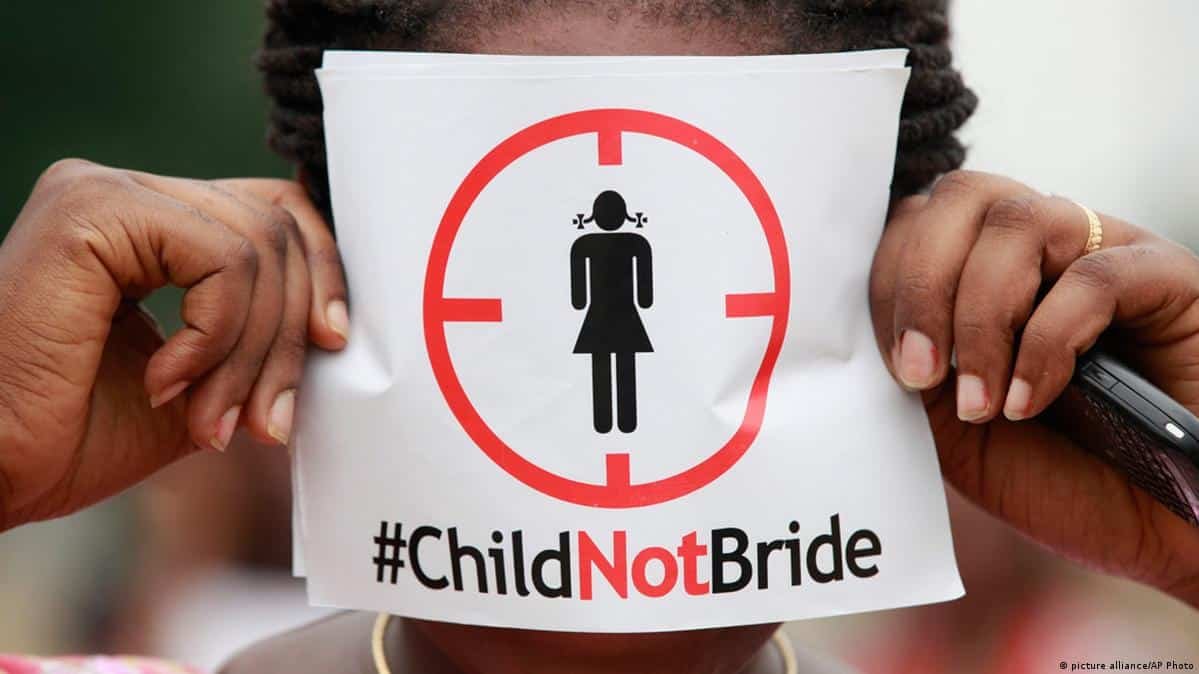
    Autopsy reveals 10-year-old Fatima died of physical injuries

    The post-mortem report of 10-year-old Fatima has been released, while the final post-mortem report has been submitted in the court of Judicial Magistrate, Ranipur.

    According to the autopsy report, Fatima died due to head and chest injuries, and she was not provided any treatment after being assaulted which eventually led to her demise.

    Marks of torture on her arm have also been identified.

    Fatima’s case

    A domestic maid, 10-year-old child Fatima Phuriro, was found dead under suspicious circumstances in Ranipur.

    The child had been working as a domestic worker at a haveli owned by an influential local, Pir Asad Shah Jilani.

    Fatima’s mother, Shabana, was informed about the death by the employer who asked her to remove the body from the premises where two of Fatima’s sisters were also employed.

    According to DIG Sukkur Javed Jiskani, the parents initially did not share the facts of the case with the police and claimed that the girl was suffering from gastroenteritis. While her diagnosis was also confirmed by Dr Abdul Fatah Memon who treated her, the DIG revealed that Fatima was taken to the hospital either by the Pir or his staff and that the SHO was present at the time she was pronounced dead.

    It was not until videos of the child were leaked by an unknown source and circulated in social media that the case caught the media’s eye. By then, the family had buried Fatima on August 15.

    The body was later exhumed and sent for an autopsy which revealed that the girl had been raped both vaginally and anally.