Open Society Barometer conducted a survey on one question: Can Democracy Deliver?
The survey is based on representative polling in 30 countries with a combined population of over 5.5 billion people, including Pakistan, to reflect on geographic, economic, and political diversity.
The report surveyed 36,344 respondents aged 18 or older in each country
According to the survey, 86 per cent of respondents have faith in democracy while only 20 per cent believe that authoritarian countries can deliver “what citizens want.”
72 per cent believe that human rights have been a “force for good” in the world, and 71 per cent agree that “human rights reflect values that I believe in.”
It is noteworthy that only 57 per cent of 18-35-year-olds prefer democracy to any other form of government, compared to 71 per cent of older respondents.
Democracy and Pakistan The global average percentage of respondents who deem it important to live in a democratically governed country is 86 per cent while in Pakistan it is 79 per cent.
Similarly, 56 per cent of Pakistanis preferred democracy over other form of governance in comparison to 62 per cent of the global average.
The global average percentage of respondents who believe human rights have been a force for good in the world is 72 per cent while in Pakistan it is 81 per cent.
Human Rights and Pakistan
With the global average of 72 per cent respondents, 81 per cent Pakistanis believe human rights have been a force for good in the world.
78 per cent of Pakistanis believe human rights reflect the values that they believe in in comparison to the global average of 71 per cent.
The highest percentage of Pakistanis, i.e. 39 per cent, rank economic and social rights as the most important. This is followed by civil and political rights with 23 per cent, environmental rights with 16 per cent and digital rights with 12 per cent.
Most importantly, 43 per cent of Pakistanis disagree with army rule as a “good way of running a country” in comparison to 33 per cent who agree.
Likewise, 45 per cent of Pakistanis disagree with having a leader who “does not bother with parliaments or elections is a good way of running a country” while 33 per cent agree.
Equity, justice and Pakistan
73 per cent of Pakistanis fear that political unrest in their country could lead to violence next year in comparison to 58 per cent of the global average.
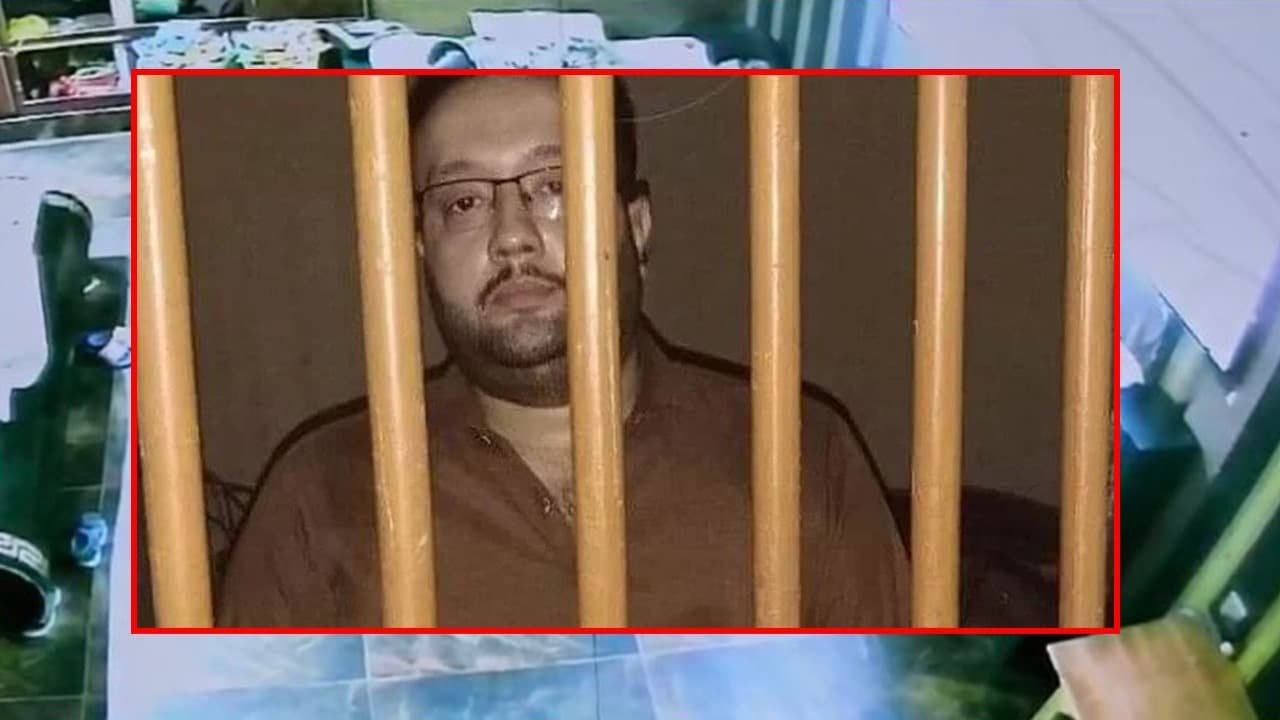
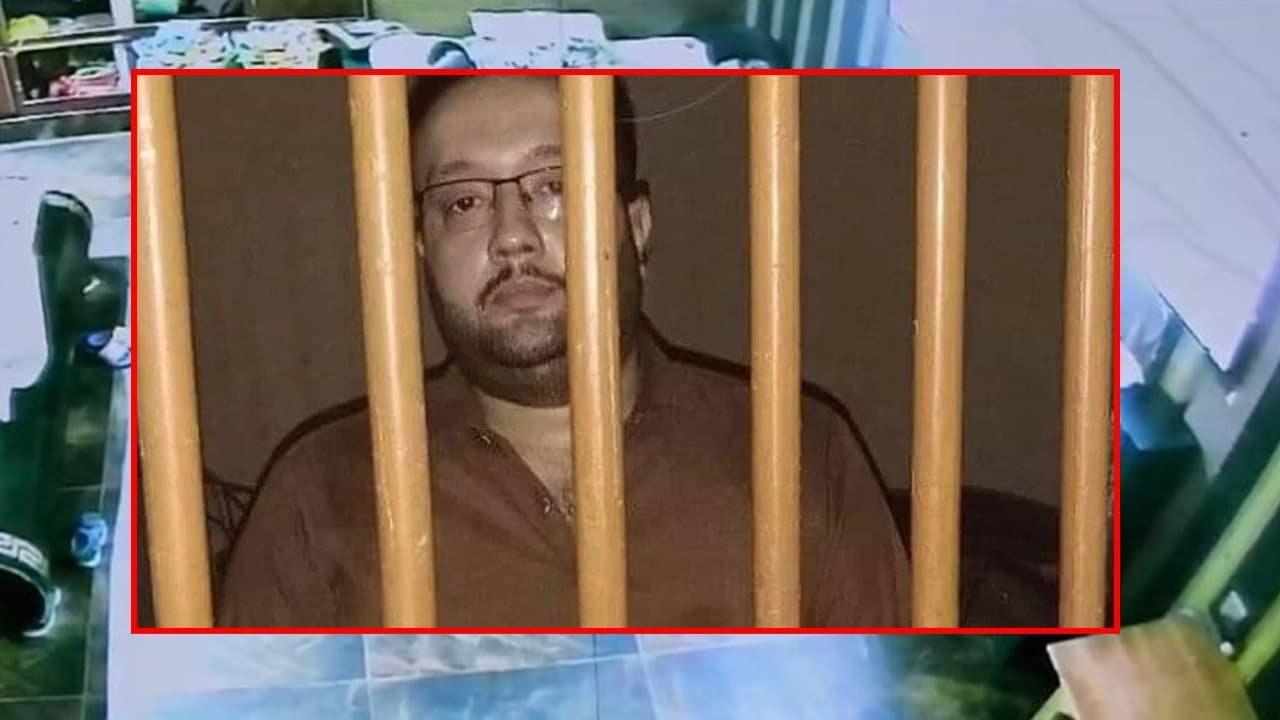
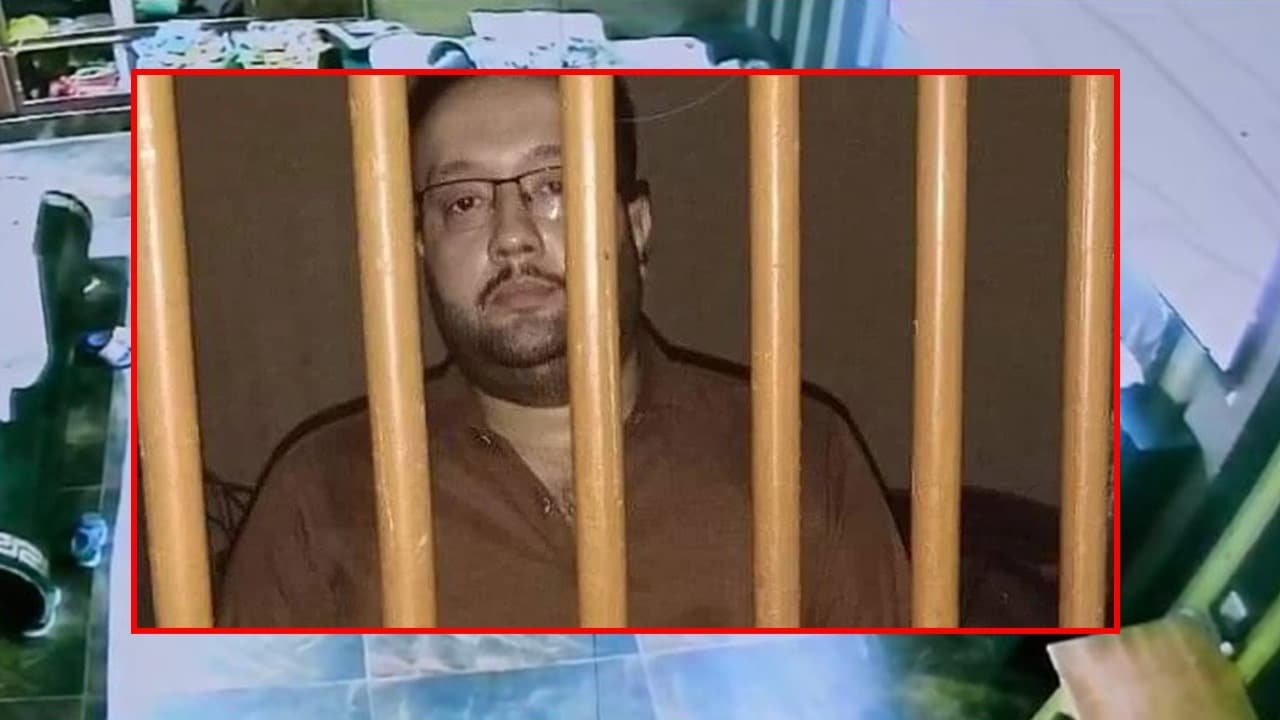
The police have arrested Pir Syed Suraj Shah’s brother Pir Shahzeb Shah in the case of the death of 10-year-old Fatima.
According to the police, Pir Syed Suraj Shah is the Gadinishin of Dargah Ghousia.
Police say that Pir Shahzeb Shah is being investigated in relation to Hina Shah and her father, Fayaz Hussain Shah Jilani.
Additionally, only a day after an investigating officer working on the case of the murder of 10-year-old Fatima in Khairpur, another officer has also been transferred.
DSP Safiullah Solangi was appointed as the new investigating officer just a few days ago, however, he was removed the very next day and DSP CTD Abdul Qudous Kalhoro was appointed as the new investigating officer.
Dissatisfied with the performance of the investigating officer Inspector Bachal Qazi, the Anti-Terrorism Court had ordered that an officer of DSP level should be appointed as the investigating officer.
Earlier, the lawyer of the murdered girl had said in the court that the police are not cooperating, and that so far the pin code of the mobile phone has not been obtained from the main suspect, Pir Asad Shah.
Fatima’s case
A domestic maid, 10-year-old child Fatima Phuriro, was found dead under suspicious circumstances in Ranipur.
The child had been working as a domestic worker at a haveli owned by an influential local, Pir Asad Shah Jilani.
Fatima’s mother, Shabana, was informed about the death by the employer who asked her to remove the body from the premises where two of Fatima’s sisters were also employed.
According to DIG Sukkur Javed Jiskani, the parents initially did not share the facts of the case with the police and claimed that the girl was suffering from gastroenteritis. While her diagnosis was also confirmed by Dr Abdul Fatah Memon who treated her, the DIG revealed that Fatima was taken to the hospital either by the Pir or his staff and that the SHO was present at the time she was pronounced dead.
It was not until videos of the child were leaked by an unknown source and circulated in social media that the case caught media’s eye. By then, the family had buried Fatima on August 15.
The body was later exhumed and sent for an autopsy which revealed that the girl had been raped both vaginally and anally.
In a meeting of the Senate Standing Committee on Human Rights held on Monday in Islamabad, the Ministry of Human Rights and the Human Rights Committee have recommended the formation of a National Coordination Committee to avoid incidents like Jaranwala riots.
The committee has also asked for details of incidents related to blasphemy across the country.
Blasphemy Laws:
Chairman of the Standing Committee on Human Rights, Senator Waleed Iqbal, spoke with Annie Shirazi for Independent Urdu, stating that, “Great concern has been expressed on the matter of people taking the law into their hands.”
“Several recommendations were to be presented on this matter, including the recommendations of the Ministry of Human Rights, while a couple of members also presented recommendations in the meeting.”
Senator Waleed Iqbal said an important and necessary change in mindset is required in the country, which includes brotherhood, love, and mutual tolerance.” These are the values that are derived from the teachings of Prophet Muhammad, he emphasized, adding the issue will be discussed in detail.
The Senate Committee recommended the formation of a National Coordination Committee.
In the committee meeting, Senator Sami Ezadi of Pakistan Tehreek-e-Insaf proposed to review the blasphemy law again. He pointed, “Not many incidents like this used to take place in the past.”
“Many people are afraid to even talk about it. The blasphemy law should be re-examined.”, he added
Pakistan Muslim League-Nawaz (PML-N) Senator Irfan Siddiqui, however, did not agree and said, “If there is no law then there will be no prevention. There should be laws to prevent every incident. The road should not be closed.”
Sami Ezidi replied that the road won’t be closed and the law will be reviewed.
The committee also sought details of blasphemy incidents across the country.
Briefing of Ministry of Human Rights on Jaranwala Incident: Human Rights Secretary Allah Dino Khawaja told the committee in the briefing that two young Christians were accused of desecrating the Holy Quran. More than 60 houses were burnt, while 100 people were also arrested in the case. “The entire community should not be targeted at the request of one person.”
“Our mothers and sisters were not afraid of animals as much as they were of humans.”, he added
He said that the Ministry of Human Rights has decided to compensate 92 families.
The Federal Secretary confirmed a lack of communication between the federation and the provinces regarding such incidents and supported the proposal for the establishment of a National Coordination Committee.
Allah Dino also revealed that four such incidents took place in Karachi, Lahore and Faisalabad after the Jaranwala incident, while two people were shot in Faisalabad on the charge of alleged blasphemy.
In this regard, the federal secretary emphasised on the need for reforms in the police as well. After the meeting, Senator Sami Ezadi also spoke with Independent Urdu and said that such incidents there is a reason for such incidents taking place. People believe that if they do this, they will go to heaven. We have only to revise the law, we have not changed the law, he said.
“We are not changing the law, we will only review it. If the law is right, then it is right.” We have to make this decision after a great deal of thought, he stressed.
There are fears of further delay in 10-year-old Fatima’s case as police officers working on the child’s mysterious death have been reappointed.
Currently, the new SSP Khairpur, Samiullah Soomro, has taken charge of his post.
Pir Asad Shah, the main suspect, and compounder Imtiaz Merasi, are on physical remand while accused Hina Shah and her father could not be arrested.
Police say that Asad Shah’s recovered DNA samples have been sent to Lahore, adding that it will take more time to receive relevant reports.
According to police sources, the final post-mortem report of the girl has not been received yet.
Fatima’s case
A domestic maid, 10-year-old child Fatima Phuriro was found dead under suspicious circumstances in Ranipur city, District Khairpur.
The child had been working as a domestic worker at a haveli owned by an influential local, Pir Asad Shah Jilani.
Fatima’s mother, Shabana, was informed about the death by the employer who asked her to remove the body from the premises where two of Fatima’s sisters are also employed.
According to DIG Sukkur Javed Jiskani, the parents initially did not share the facts of the case with the police and claimed that the girl was suffering from gastroenteritis. While her diagnosis was also confirmed by Dr Abdul Fatah Memon who treated her, the DIG revealed that Fatima was taken to the hospital either by the Pir or his staff and that the SHO was present at the time she was pronounced dead.
It was not until videos of torture were leaked by an unknown source and circulated in social media that the case caught media’s eye. By then, the family had buried Fatima on August 15.
The body was later exhumed and sent for an autopsy which revealed that the child had been raped both vaginally and anally.
US Ambassador to Pakistan, Donald Blome, visited Lahore from September 4-6 and The Current got the opportunity to sit down with him and have a little chat.
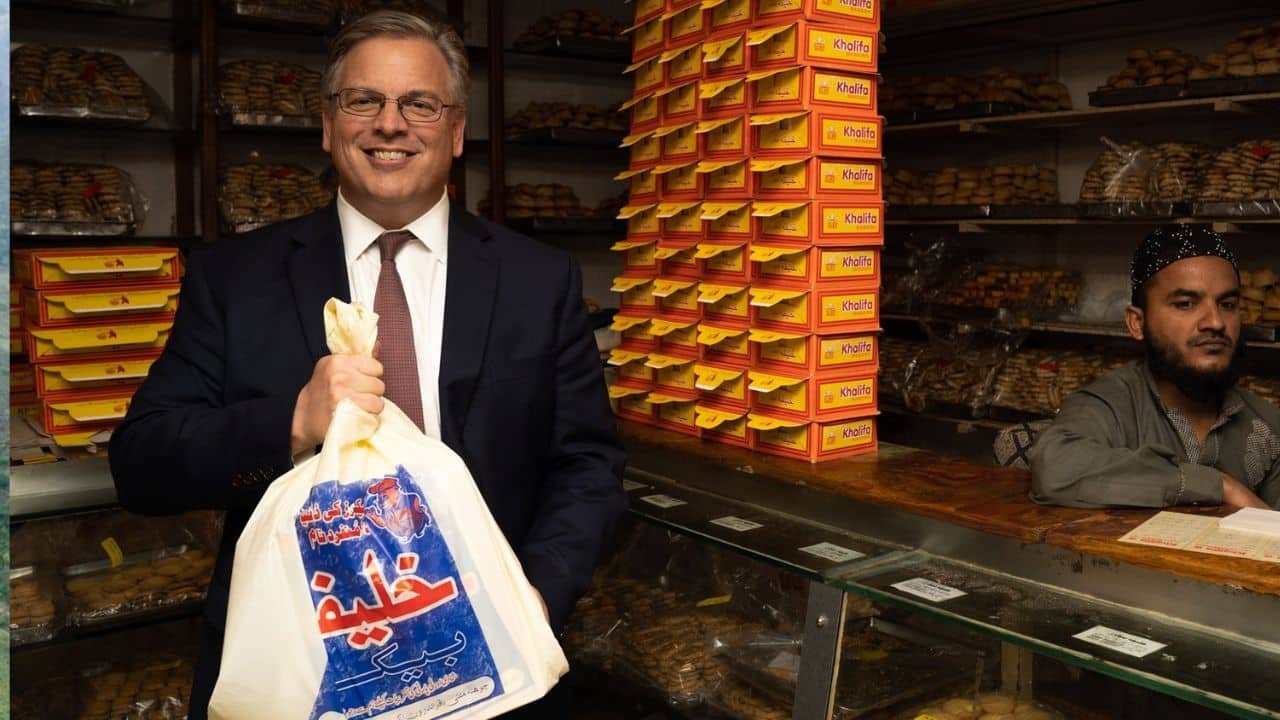
And yes, you read it correctly. The ambassador is a lover of Khalifa nan-khatai. He told us that he discovered the biscuits last year when he came to Lahore. Later, during his February trip, he even stopped by Khalifa Bakers in the Walled City.
Visit to Lahore Over the course of his latest tour, Ambassador Blome visited PepsiCo’s FritoLay Snack plant and NetSol Technologies Ltd. While the focus of the ambassador’s trip was to foster the economic ties between the United States (US) and Pakistan, special emphasis was placed upon the importance of human rights and inclusive workspaces — particularly in regards to women.
“It is not just a matter of simply hiring — there are things you have to change, and ensure a welcoming environment for women with different needs and different requirements to excel in the workforce,” he pointed out.
Playing a leading role in corporate social responsibility, American-based companies have not only created employability in Pakistan, but they endeavour to cater to the local communities through initiatives that actively work towards women’s empowerment as well as education, health, disaster relief, and skills development.
Ambassador Blome cited a USAID programme in partnership with PepsiCo that aims its attention on women farmers of Pakistan who are working in one of the more difficult areas, toiling under a strenuous work environment.
Cultural Barriers Taking into consideration the socio-domestic constraints that often restrict women from growing in their careers, Ambassador Blome believes that practical initiatives can make workplaces more inviting for women in Pakistan.
“It is the simple things; like having child care facilities, providing safe transportation — beyond that is developing a culture that ensures that equal chance is given to women to advance within their jobs and careers, and that they are valued in the same way every other employee is valued.”
He further stated that he hopes American firms like PepsiCo, which has advanced gender parity in managerial roles globally, are exemplary models providing a leadership structure for the local businesses.
“A lot of things work through to get there. But many Pakistani companies are also trying to head in that direction,” Ambassador Blome acknowledged.
Success stories While a number of US businesses have actively countered gender inequality, Ambassador Blome particularly highlighted the digital sector as a success. He mentioned that not only more women are being employed by IT firms but certain institutes have been accommodating by providing opportunities for flexible work like allowing to work partly at home, partly in office.
NetSol Technologies, an American software company, is known for being an “equal opportunity employer with the largest concentration of female employees in Lahore”.
This year, they took an initiative to encourage women back into workspaces — women who are married or left the job after having a baby. This was carried out by creating women-exclusive jobs which catered them through on-office facilities.
Ambassador Blome, however, also hailed a number of “impressive” Pakistani women-led organisations that are in the lead when it comes to facilitating women.
“It is a whole constellation of different issues that come together,” he underlined.
“If companies are able to make that work [i.e. create inclusive workspaces], it would be incredibly effective because it brings unique talents and energy, and it is something badly needed for Pakistan. The participation of women in force is too low here and it hurts the country in many ways — to forgo this incredible resource the country has.”
For the past week, Pakistan has witnessed extensive protests against the recent surge in electricity prices. In several cities, these protests escalated into violence.
The government-sanctioned price increase arrives at a critical juncture as Pakistan grapples with one of the most severe economic crises in its history. This crisis imperils the fundamental rights of millions, including access to healthcare, nutrition, and a satisfactory standard of living.
According to Human Rights Watch, successive Pakistani governments have failed in reforming the country’s energy sector, contributing to the current crisis. The recent surge in prices is linked to a substantial US$3 billion agreement between the International Monetary Fund (IMF) and Pakistan.
This pact, sanctioned in July 2022, stipulates the government’s obligation to eliminate energy and fuel subsidies, transition to a market-driven exchange rate, and implement tax increments.
While Human Rights Watch fundamentally opposes fossil fuel subsidies due to their adverse climate impact, the removal of these subsidies without substantial investment in social security often results in disproportionate repercussions for individuals with low incomes.
Elevated electricity prices can further elevate the costs of essential commodities like food, housing, and services.
Recognising the right to an adequate standard of living, Human Rights Watch asserts that access to dependable, secure, clean, and affordable electricity without discrimination is imperative.
Given the situation, it is imperative for the IMF to conduct a comprehensive assessment of the consequences of these adjustments. Rather than abrupt subsidy removal, the IMF should establish a comprehensive reform strategy aimed at mitigating price escalations and facilitating a seamless transition to sustainable energy sources.
Such reforms could encompass the implementation of a universal social protection system designed to extend benefits to individuals at higher risk of income insecurity, including children, elderly citizens, and people with disabilities.
Four suspects in the 10-year-old Fatima case have been rearrested after a short release on Sunday.
The suspects included SHO Ameer Chang; two doctors Dr. Fateh Memon and Dr. Ali Hasan Wasan and hospital worker Imtiaz Meerasi.
According to Investigation Officer, Qazi Bachal, they were released on evidence of their innocence. However, they are still under investigation.
The four were accused of concealing facts, concealing crime and neglect of duties.
Samaa news reports that no suspect was produced in court and that they were free without any investigation allegedly due to political pressure.
Additionally, on Saturday, Judicial Magistrate Khairpur extended the physical remand of Pir Asad Shah, the main suspect in the Fatima murder case, by three days.
Previously
Pir Asad Shah, the main suspect in the Fatima murder case at Ranipur Haveli in Khairpur, was being facilitated by a local SHO of police to remain in contact with his mureeds [followers], geo.tv has reported.
Earlier, DIG Sukkur Javed Jaskani had said in a conversation with Geo News that the police will not accommodate any pressure in the case.
The seven days long bail period of Hina Shah, another suspect in the case, has also ended.
Pir Asad Shah is the main suspect in the killing of 10-year-old Fatima who was found dead at the Haveli. The child, who was working as a domestic servant at the Haveli, was hastily buried. However, subsequent exhumation and autopsy revealed that Fatima had multiple injuries over her body, and had been raped vaginally and anally.
More cases linked to Ranipur Haveli
Recently, National Commission for Human Rights tweeted that four children, along with their mothers, have been rescued from Ranipur Haveli in Khairpur, where they had been working.
However, more troubling details emerged from the Haveli where 10-year-old Fatima was previously found dead.
A 20-year-old girl named Sana has reportedly gone missing from the Haveli.
She was a resident of Meena village in Qamber. According to Geo, Sana’s father Deedar Gurhmani said that he sent his daughter to the haveli of Pir of Ranipur Syed Sohail Ahmed Shah, one and a half years ago, “for trust and protection until his problems were resolved”.
It was about a month ago that Shah called him to tell that Sana had disappeared. When Gurhmani tried to get more details, Sohail told him off.
While the family still does not know about her whereabouts, the parents claim that the police have still not lodged a complaint regarding the girl’s disappearance despite their insistence.
They also appealed to higher authorities to help find their daughter.
Sindh caretaker Chief Minister Justice (retired) Maqbool Baqar has taken notice of the incident and has directed the Sukkur divisional commissioner and DIG to ensure the safe recovery of the missing girl.
Previously, Fatima’s mother stated that her daughter had been burned with hot iron, had her hair pulled out, and was also sexually assaulted.
As reported by Samaa news, Fatima’s mother has claimed that hundreds of teenage girls are held as maids by the Pir’s family. These girls are the daughters of mureeds, each of whom is supposed to send one girl to ‘serve’ the Pir. They are kept as domestic workers and can meet with their families only if the mureed allows it.
According to a representative of Khairpur Civil Society (KCS), “There are mureeds who willingly entrust their children to Pirs as they view it as an honour,” while others are financially unstable and give their children at the Pir’s service so that they have shelter and food.
The representative, however, says that not all Pirs are like this, “there are good and bad people everywhere”.
However, social activist and a member at Sindh Human Rights Commission, Dr. Aisha Hassan Dharejo, tweeted the account of two more girls working at the haveli. They, too, have been subjected to torture and sexual abuse.
SP Mir Rohal Khoso responded to the tweets saying that their statements have been recorded “so that the element of torture in this particular case may be evident and the case be stronger, to ensure conviction”.
یہ دوں لڑکیاں بھی اُسی حویلی کے وکٹم ہیں جہاں سے فاطمہ کا لاش گھر پہنچا تھا ان کے ظلم کے داستاں سُنیں ،یہ حویلیاں جہاں بچوں سے جبری کام لیا جاتا ہے جہاں پر عورتوں اور بچیوں کو جنسی طور پر حراساں کیا جاتا ہیں جہاں پر بچیوں کو تشدد کا نشانا بنایا جاتا ہے @khalidkoree@NJLahoripic.twitter.com/WhE7kMWqWr
10-year-old child named Fatima Phuriro has been found dead under suspicious circumstances in Ranipur city, District Khairpur.
The child had been working as a domestic worker at a haveli owned by an influential local, Pir Asad Shah Jilani.
Fatima’s mother, Shabana, was informed about the death by the employer who asked her to remove the body from the premises where two of Fatima’s sisters are also employed.
According to DIG Sukkur Javed Jiskani, the parents initially did not share the facts of the case with the police and claimed that the girl was suffering from gastroenteritis. While her diagnosis was also confirmed by Dr Abdul Fatah Memon who treated her, the DIG revealed that Fatima was taken to the hospital either by the Pir or his staff and that the SHO was present at the time she was pronounced dead.
It was not until videos of torture were leaked by an unknown source and circulated in social media that the case caught media’s eye. By then, the family had buried Fatima on August 15.
As per police sources, CCTV footage from the house’s bedroom also revealed Fatima in a troubling state. In the video, the child can be seen lying on the ground. She tries to get up, then gets agitated, before collapsing. A woman later enters the room with another minor maid. They both try to wake the girl up. When they fail to do so, a man gets up from the bed and tries to shake her awake.
Journalist Riyaz Sohail claimsedthat the police had been trying to coerce the relatives to remain silent about the incident.
DSP Qudoos Kalwar met Fatima’s parents and reported the seriousness of the case to the DIG and demanded exhumation of the body. After being taken into confidence, Shabana revealed details to the SSP Khairpur district Rohail Khoso. “The parents were told that if they didn’t disclose facts, police will take action on their own, and they will go for exhumation and lodge a case,” the DIG said.
Moreover, according to Dawn.com, Sindh Director General Health Dr Irshad Memon believes that the doctors’ reports about her examination needed to be verified.
The SSP ordered to conduct a DNA test in case of apprehension of rape.
“My daughter had a fractured arm. She had bruises and some marks — apparently of torture — were there on her body, especially around her neck and belly.”, described Shabana.
According to Geo reports, Shabana claimed that Fatima was subjected to torture for several days and that she died as a result of multiple injuries.
DIG Sukkur formed a team headed by an SSP, and ordered an investigation into the matter. He also ordered to that the body of the child be exhumed to verify the allegations of torture. The investigation team also includes DSP Counterterrorism Department Sukkur Abdul Qudoos Kalwar and ASP Gambat, Noman Siddiqui.
The DIG also suspended SHO Ranipur Ameer Chang.
Furthermore, the police arrested Pir Asad following the registration of an FIR under Sections 302 (qatl-i-amd; premeditated murder) and 34 ( acts done by several persons in furtherance of common intention) of the PPC on the Shabana’s complaint.
Asad has denied all charges and said that his family’s name is being tainted. He says that Fatima’s death was caused by a stomach ailment.
As Fatima Phuriro’s case came to the fore, rumours circulated that the alleged murderer, Pir Asad Shah Jilani, is the son-in-law of PPP vice chairman, Syed Fayyaz Shah.
Bakhtawar Bhutto dismissed these rumours while condemning the murder in her latest tweet.
For sheer political hatred people are projecting blame away from the demented perpetrator (who personally speaking should be burnt alive for his sins) & instead deflect to somehow blame PPP – the only party that has actually legislated against both child labour & child marriage. https://t.co/LXVoX3LDTZ
Qazi Asif, a Sindh based senior journalist, has on Sunday shared the autopsy report of 10-year-old Fatima who was found dead in suspicious circumstances at the haveli of a pir in Ranipur. Viral footage filmed most likely on CCTV cameras inside one of the bedrooms in the house showed the child collapsing on the ground, after rising up in a distressed state from a makeshift bed on the ground.
A man, purportedly Pir Asad Shah Jelani, a member of the notable Pirs of Ranipur, can allegedly be seen in the video, rising from bed and trying to wake the girl up.
The post mortem examination has confirmed her parents’ fears, revealing that the 10-year-old domestic worker was raped both vaginally and anally. The report also pointed out multiple injuries all over her body.
Islamabad police have arrested a woman after yet another case of torture on a minor working as domestic help in a house.
Andaleeb Fatima, 13 was named as the victim in the FIR, filed by her mother, Khalida Bibi, a resident of Chiniot in Punjab. Andaleeb had been working for the accused woman since July of this year and according to her mother, she was unable to talk to her daughter since was not allowed to do so by her employer.
It was only when Khalida Bibi visited Fatima after several unanswered calls that she found out about the torture inflicted upon her daughter. She found bruises on different parts of her daughter’s body. Fatima told her mother that her employer routinely beat her and tormented her with a hot spoon. She also locked her up and did not feed her food.
On Khalida’s arrival, the employer locked mother and daughter in a room so that they are unable to speak against her. However, later, she released them from confinement and sent them off without Andaleeb’s salary.
Andaleeb has been admitted in a hospital for medical examination while investigation into the case has been initiated. The registered case is based on the charges of 328-A (cruelty to a child), 342 (punishment for wrongful confinement) and 506 (punishment for criminal intimidation) under the Pakistan Penal Code (PPC).According to Dawn.com, the accused was presented before a magistrate’s court and was later sent to Adiala Jail in Rawalpindi on judicial remand.
After being crowned Miss Netherlands, Rikkie Valerie Kollé will represent the country at the Miss Universe pageant.
The 22-year-old will be the second openly transgender woman to participate in the Miss Universe pageant. Kollé took to Instagram to express her excitement and share her story.
“Yes I’m trans and I want to share my story but I’m also Rikkie and that’s what matters to me. I did this on my own strength and enjoyed every moment,” she wrote.
Kollé said she wants to be an example for others and is excited for the next adventure.
National Commission for Human Rights (NCHR) has complied a fact sheet on the allegations of torture and sexual abuse of prisoners who were arrested in connection with May 9 riots. The report has been compiled in collaboration with Justice Project Pakistan and Human Rights Commission of Pakistan.
The fact-sheet read that one third of male prisoners complained about the use of force during arrest. The brief report further added that most prisoners were not told about the grounds of the arrest.
However, contrary to the allegations made by Pakistan Tehreek-e-Insaf (PTI) chairman Imran Khan, no female prisoner complained about torture or sexual abuse.
As per the report, most jails were overcrowded, housing prisoners beyond their official capacity, while most prisoners were unaware of their rights.
NCHR concludes report on allegations of torture & sexual abuse of prisoners in connection with May 9 protests. Members from civil society @JusticeProject_ & @HRCP87 accompanied NCHR team. Fact sheet below: pic.twitter.com/IDlIxqIyeU
— National Commission for Human Rights (@nchrofficial) June 23, 2023