Tag: humanitarian crisis

  • In times of division and hatred, Kabli Pulao was the necessary television content we needed

    In times of division and hatred, Kabli Pulao was the necessary television content we needed

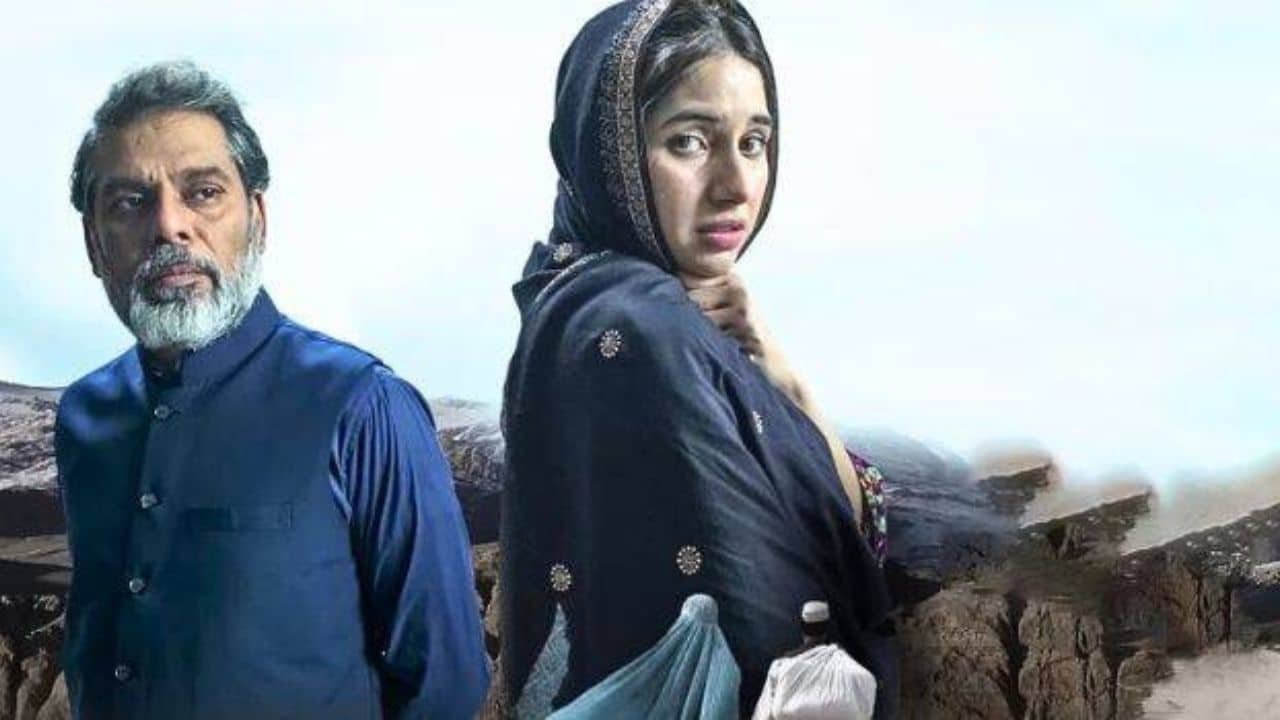
    Who would have thought that at a time when Pakistan is seeing discrimination and hatred displayed openly for the vulnerable Afghan refugees, we get to watch a television show displaying cultural solidarity and harmony in such a beautiful manner? When Green Entertainment announced ‘Kabli Pulao’ among their list of to-be-released dramas, many were curious about whether it would follow the lines of the misogynist trope involving an old man marrying a younger woman, given the wide age gap between the main lead actors Sabeen Farooq and Mohammed Ehteshamuddin. But, this is a show every person needs to watch to accept our cultural differences, and that no one is an ‘illegal alien’.

    The drama centres around elderly bachelor Hajji Mushtaq, who spent his life caring for his sisters and their children, and is lovingly referred to as ‘baray abba’ by them. When he meets Barbeena while travelling in Mardan, her brother begs him to marry her to protect her from falling into the hands of her abusive brother-in-law. Hajji Mushtaq reluctantly agrees to do so.

    Their marriage is obviously not met with approval at first. Barbeena’s entry into Mushtaq’s family is met with scorn and racism. Mushtaq’s sisters Chammo and Zubaida at first suspect she is a spy, sent to take over their brother’s wealth and force them out of the family. Barbeena has to pretend she is a newly hired maid, and after a feud reveals that she is actually Mushtaq’s wife, she is met with accusations of shaming the honour of the family.

    But the willingness displayed by Barbeena to win over the family, and especially how she brings joy into Hajji Mushtaq’s life, and then slowly for the rest of the family members, is something no other drama has ever displayed. It is Barbeena’s Afghan background that helps her win over everyone else. In episode four, the family fawns over her roghni naans and her kabli pulao. Barbeena bonds with the younger children by singing Afghan songs, sharing her traditional dresses and dancing with them. Soon she partners with Hajji Mushtaq to set up her business selling the kabli pulao to customers.
    It was some time ago when I was re-watching episode three, where the family hounds Hajji Mustaq and begs him to send Barbeena away. Ironically at this point, there was a heartbreaking video going viral on the internet featuring a young Afghan boy with tears in his eyes saying goodbye to his classmates as his family was being sent back to Afghanistan. Since that moment, we’ve seen consistently how much burden the term ‘illegal alien’ carries, the way it strips a human of their humanity and dignity.

    Videos from Aurat March show how Afghan refugees were kept in cramped conditions, denied basic respect as their children were picked up by officers and ‘accidentally deported’ over racist assumptions. Irony lies in how this is the same country where ‘Kabuli Pulao’ was became one of the best television shows to come out this year, yet it’s sole inspiration, the Afghan refugees, are treated with such malice.

    The enduring message of Barbeena’s resilience, and her blossoming relationship with Hajji Mushtaq, was that there is beauty in our cultural diversity. Barbeena’s uniqueness in her Afghan heritage, turned this drama into more than just a simple love story but a message on how Pakistani’s need to know more than ever to open up their hearts rather than shut them down. Accept our neighbours as our friends rather than turn them away because of our own internalised racism.

    This message resonates with the horrific treatment of the Palestinians in Gaza, and how their oppression is justified with terms like ‘human animals’ and ‘barbarians’. Because now more than ever, us Pakistanis need to become the anti-thesis of hateful rhetoric and learn to hold those close who had no choice but to leave their homes in search of better opportunities.

    All episodes of ‘Kabli Pulao’ are available to watch on Youtube.

  • McDonald’s Pakistan donates Rs1 crore to aid Gaza victims via Edhi Foundation

    McDonald’s Pakistan donates Rs1 crore to aid Gaza victims via Edhi Foundation

    McDonald’s Pakistan has officially announced a donation of Rs1 crore to provide support to Gaza victims through the Edhi Foundation. This announcement was made via the company’s official social media account on X (formerly known as Twitter).

    This philanthropic effort arises amidst a global controversy surrounding McDonald’s due to allegations of indirectly supplying free meals to the Israeli occupation army. In response, McDonald’s Pakistan, in an official statement, clarified its stance by emphasising that it is an independently operated entity with no connections to McDonald’s Israel.

    The company reiterated its commitment to addressing the urgent humanitarian crisis in Gaza, underscoring its dedication to assisting those impacted by the ongoing conflict in the region. However, it’s important to note that this act of goodwill also sheds light on the broader controversy surrounding McDonald’s, as its involvement in providing complimentary meals to the Israeli occupation army has triggered global protests and boycott movements.

    Numerous McDonald’s branches in different countries have taken swift measures to distance themselves from the actions of the Israeli branch, asserting that the Israeli branch’s actions do not represent their own positions. This announcement may be an attempt to mitigate the backlash from some Pakistanis who criticised the food chain for its perceived support of Israel. Whether these events have impacted McDonald’s Pakistan’s sales remains uncertain at this time.

  • Afghani emerges as top-performing currency against US dollar 

    Afghani emerges as top-performing currency against US dollar 

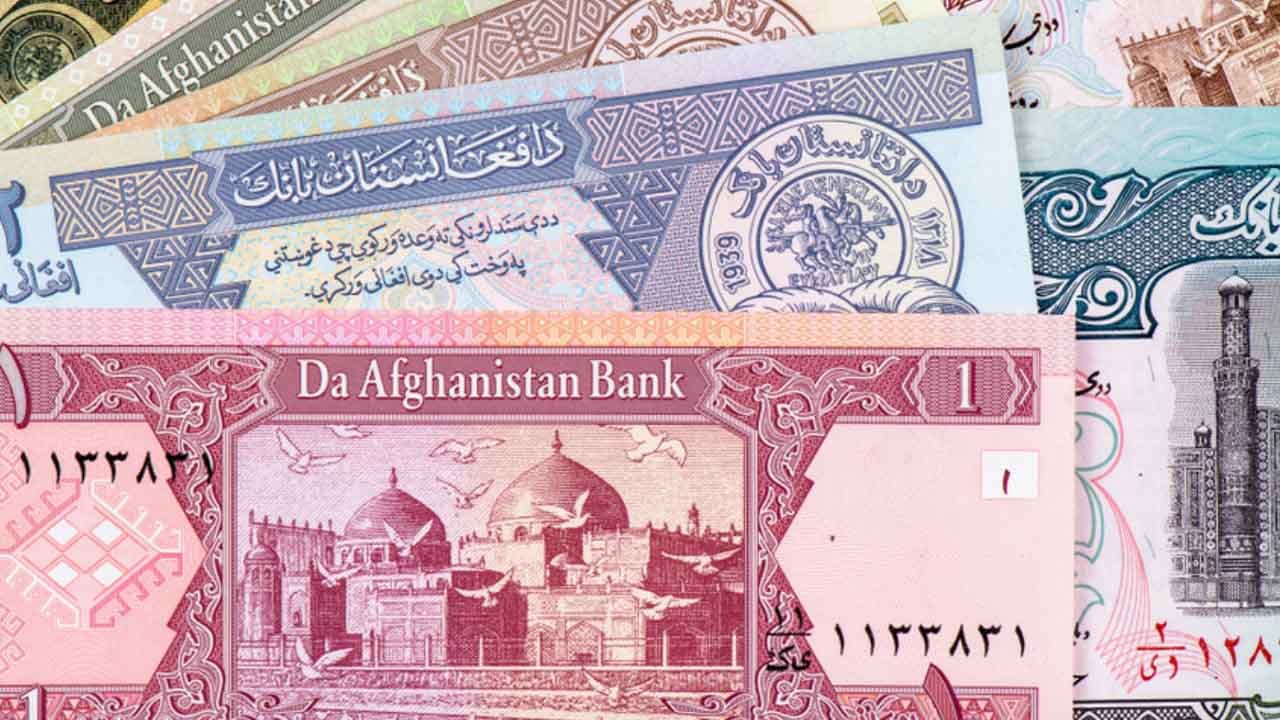
    In the third quarter of 2023, the Afghani, the official currency of Afghanistan, has exhibited exceptional performance, marking itself as the standout currency in the global financial landscape. Its remarkable ascent against the US dollar, with a substantial 9 per cent surge since the commencement of July, stands as a testament to its resilience and strength. 

    This impressive trajectory positions the Afghani as the third-strongest performer among global currencies in 2023, trailing only behind the Colombian peso and the Sri Lankan rupee. This distinction underscores the Afghani’s resilience amid challenging economic circumstances. 

    In Afghanistan, the pivotal role of facilitating foreign currency transactions falls upon the numerous money exchange establishments known as “sarrafs.” These sarrafs are ubiquitous, dotting the landscapes of both urban centres and rural villages alike, serving as the lifeblood of currency exchange activities. 

    Among these financial hubs, the Sarai Shahzada market in Kabul takes centre stage as Afghanistan’s premier financial epicenter. It serves as a bustling hub where substantial sums of currency are traded daily, exemplifying the nation’s financial vitality. Remarkably, the central bank places no restrictions on these exchange transactions. 

    Due to stringent financial sanctions, a significant portion of funds flowing into Afghanistan from foreign nations now traverse through the age-old money transfer system known as Hawala. This venerable system plays a pivotal role in the operations of sarrafs, further cementing their significance in Afghanistan’s financial ecosystem. 

    It is noteworthy that the United Nations (UN) has identified Afghanistan’s dire need for approximately $3.2 billion in aid for the current year, with roughly $1.1 billion already disbursed. This underscores the critical importance of international assistance in alleviating the nation’s pressing humanitarian challenges. 

    A sombre backdrop to these financial dynamics is the fact that, just last year, the UN disbursed nearly $4 billion in aid as Afghanistan grappled with a dire famine that affected half of its 41 million citizens. This staggering statistic underscores the profound challenges faced by the Afghan population. 

    Since the Taliban’s resurgence in Kabul in August 2021, stringent currency controls have been imposed, disallowing the use of the US dollar and Pakistani rupee by locals and restricting online trading activities. While these measures have seemingly contributed to Afghanistan’s stability, the broader Afghan economy has suffered, with soaring unemployment rates exacerbating the nation’s humanitarian crisis. 

    Regrettably, a staggering 79 per cent of the population now languishes in poverty, with a distressing 44 per cent of the people unable to secure adequate nourishment. The plight of Afghanistan’s populace remains a pressing global concern, necessitating concerted efforts to address both immediate humanitarian needs and long-term economic stability. 

  • Innocent lives lost: Israeli bombing claims the life of four-year-old Palestinian boy

    Innocent lives lost: Israeli bombing claims the life of four-year-old Palestinian boy

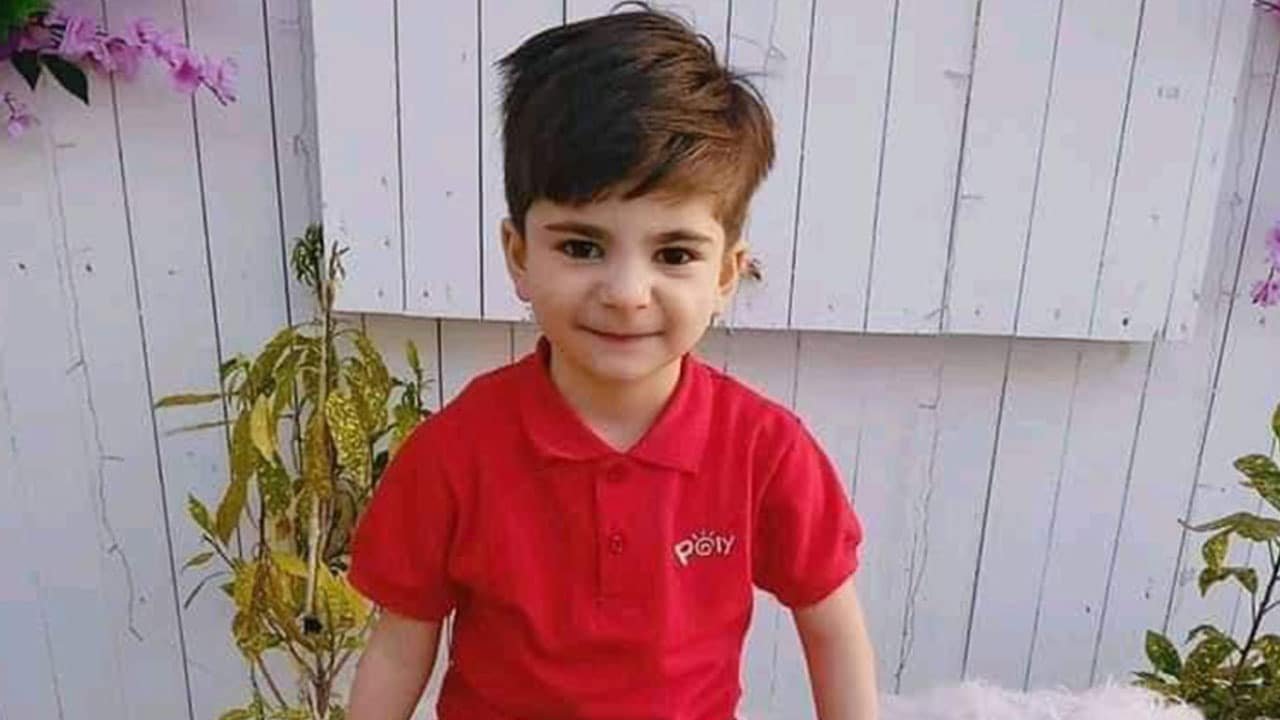
    Tamim Daoud, a Palestinian boy who was about to turn five years old in June, was asleep at home in al-Remal, a neighbourhood in the centre of the Gaza Strip, on Monday night when he was awoken by the sound of Israeli bombs.

    The bombing caused a residential building near Tamim’s home to be targeted, resulting in shattered windows and destruction in the neighbourhood.

    Tamim became frightened and began to weep heavily, suffering from a panic attack that caused him to gasp for air. Although he eventually returned to sleep, he suffered from another panic attack about five hours later, which prompted his father to rush him to the hospital.

    Tamim’s heartbeat was very faint, and despite medical treatment in the intensive care unit, he died at dawn.

    As of Thursday afternoon, the latest round of Israeli attacks on Gaza had killed 28 Palestinians and five Islamic Jihad (IJ) commanders, with at least five children among the dead.

  • Taliban to reopen universities, silence on female students maintained

    Taliban to reopen universities, silence on female students maintained

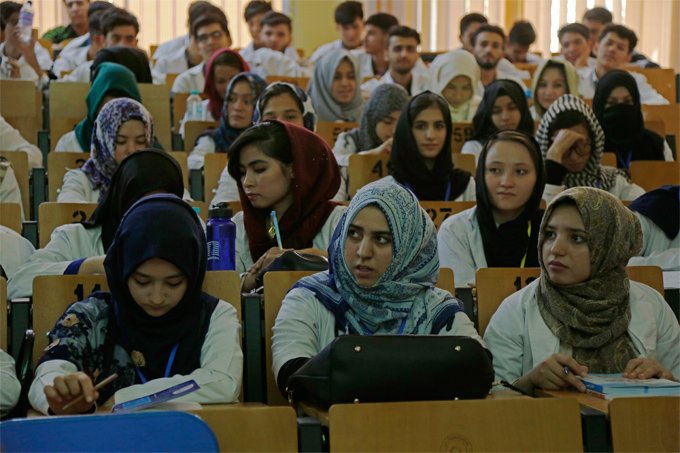
    The Taliban acting Higher Education Minister Shaikh Abdul Baqi Haqqani has made an announcement that the public universities will be opened next month, i.e. February, across the country without specifying whether female students would be able to return or not.

    According to Reuters, the minister said universities in warmer provinces will reopen from February 2, while those in colder areas would reopen on February 26.

    The minister did not say what arrangements, if any, would be made for female students. However, earlier this month, government officials said that they hope to open all schools for girls and women in the country after March 21 but stressed that girls and boys must be completely segregated in schools.

    Since Taliban’s takeover in August, girls in most of Afghanistan have not been allowed back to school beyond grade seven. However, private universities in Kabul are still operating.

    Western governments have made education for female students a part of their demands as the Taliban seek more foreign aid and the unfreezing of overseas assets for which they have called Muslim countries to recognise them and made a recent visit to Oslo, Norway, where they presented their demands.

  • At least 1 million Afghan children at risk of starvation, warns UNICEF director

    At least 1 million Afghan children at risk of starvation, warns UNICEF director

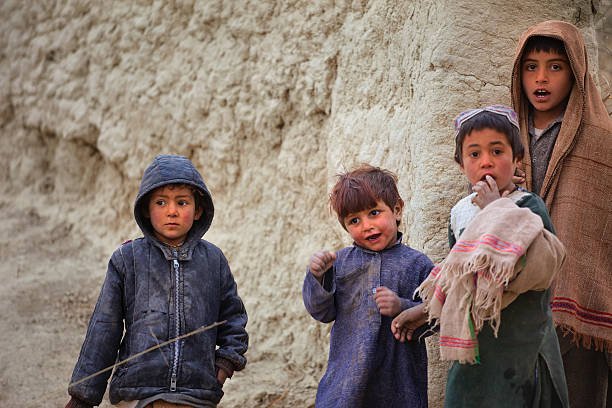
    At least one million children in Afghanistan will suffer from severe acute malnutrition this year and could die without proper treatment, warned United Nations International Children’s Emergency Fund’s (UNICEF) Executive Director Henrietta Fore. “Please help us,” she said.

    According to a report by CNBC, Fore implored the international community and wealthy nations to help avert further suffering after the Taliban takeover in Afghanistan.

    “Nearly 10 million girls and boys depend on humanitarian assistance just to survive,” she said at a UN ministerial-level meeting on the humanitarian crisis unfolding in Afghanistan.

    Fore also emphasised UNICEF’s ability to operate in Afghanistan. She said, “UNICEF has been on the ground in Afghanistan for more than 70 years. We know what needs to be done for children. And we can get it done.”

    According to Fore, during the last week of August, UNICEF provided 4,000 severely malnourished children under five with life-saving therapeutic treatment.

    “Please help us. There has never been a more urgent time to stand with the children of Afghanistan and the people who serve them,” she said.

  • PM Imran Khan to address UNGA on Kashmir, Afghanistan issues today

    Prime Minister Imran Khan will address the United Nations General Assembly (UNGA) today. His speech is going to focus on raising his voice against Indian atrocities in Occupied Kashmir and speak about the humanitarian crisis in Afghanistan.

    The prime minister will speak at 1:30am Pakistan Standard Time (PST) on September 25 [4:30 pm, September 24, Eastern Standard Time]. As per reports, the prime minister is seventh on the list of speakers to address the UNGA today in the afternoon session.

    The premier’s policy address will serve to enhance Pakistan’s diplomatic outreach and engagement with its international partners and key institutions.