Tag: Iceland

  • 10 easiest European citizenships

    10 easiest European citizenships

    Many people from developing countries aspire to acquire citizenship in European states. Some countries offer relatively straightforward paths to citizenship, while others present significant challenges. Sweden stands out as the easiest country in Europe for obtaining citizenship, whereas Estonia and Latvia are the most challenging.

    A recent study by CIS analysed Eurostat immigration data from 2009 to 2021 to identify which countries have the highest and lowest rates of non-EU residents acquiring citizenship.

    The analysis revealed that the nine most challenging countries to obtain citizenship are located in Central Europe. Estonia ranks as the most difficult country for non-EU citizens to naturalise, with the lowest average acquisition rate—approximately one in 200 residents. Additionally, the acquisition rate for men in Estonia is lower at 0.58 percent compared to 0.69 percent for women.

    Latvia, the Czech Republic, and Lithuania also have acquisition rates of less than 1 percent for non-Europeans, contrasting sharply with the average of 3.56 percent across European countries. Austria, Liechtenstein, Slovakia, Slovenia, and Germany follow, granting citizenship to about one in fifty non-EU residents. Denmark, outside Central Europe, presents the next highest hurdle with an acquisition rate of 2 percent.

    Over the past decade, six of the ten most challenging countries have seen an increase in citizenship grants year-on-year, particularly Denmark, which experienced a notable rise. Germany’s acquisition rate remained stable, while Latvia, Lithuania, and Slovenia saw declines.

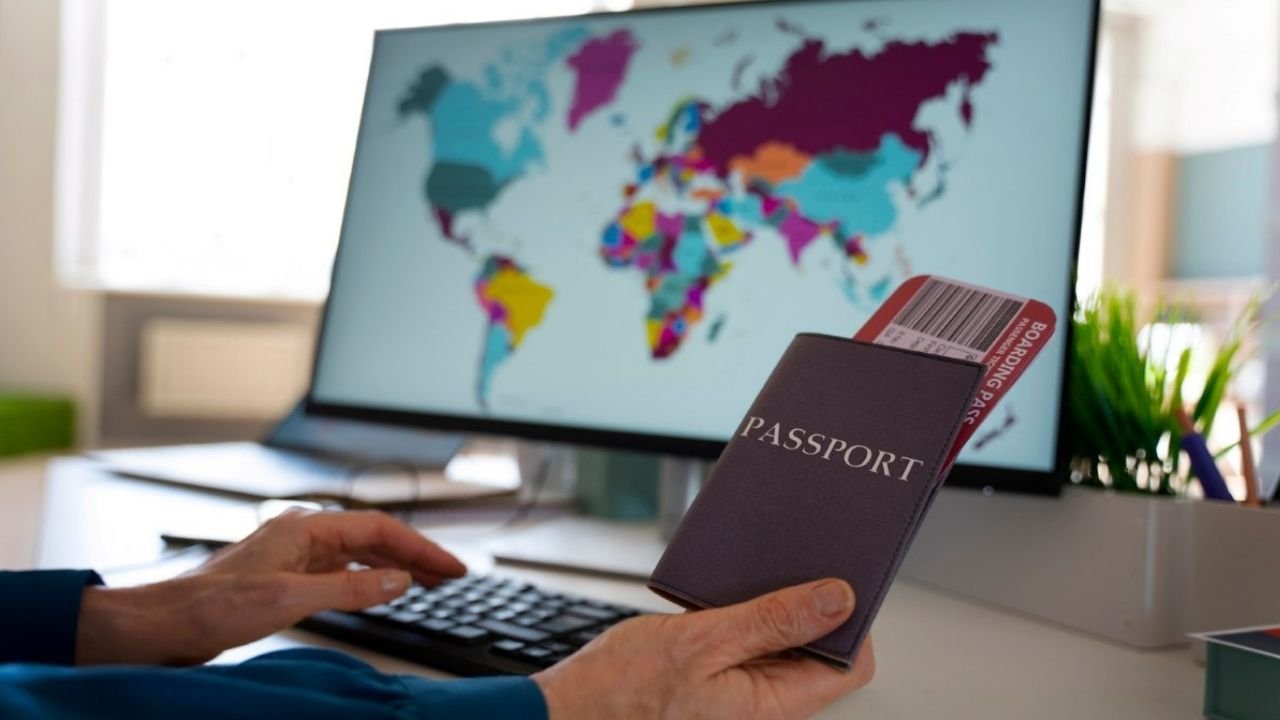
    Many countries implement various programs aimed at attracting foreigners, including opportunities for investment, as well as citizenship and tax benefits.

    Individuals seeking migration often favour Golden Visa and Golden Passport routes, terms that are sometimes used interchangeably despite minor distinctions.

    10 Easiest European Countries to Get Citizenship

    According to the report, Sweden ranks as the easiest country, with nearly one in ten (9.3 Perce) non-EU residents obtaining citizenship—more than double the EU average.

    Sweden boasts the highest acceptance rates for both genders, with women experiencing a slightly higher acceptance rate of 10.02 percent compared to 8.66 percent for men.

    Norway, the Netherlands, Portugal, and Iceland follow as the second to fifth easiest countries to acquire citizenship, with an acquisition rate of one in 25 (4 percent).

    Data shows that northern European countries generally have the highest citizenship acquisition rates, with Sweden, Norway, Iceland, and Finland leading the pack.

    In southern Europe, Portugal emerges as the easiest, while the Netherlands, Ireland, and the United Kingdom are the most accessible Western European states for citizenship. The UK ranks eighth, with nearly three in 50 (3.2 percent) residents granted citizenship.

    Poland and Croatia are the easiest countries in Central Europe for changing nationality, with acquisition rates of 4 percent and 3.9 percent respectively. Northern and Western Europe present the most accessible regions for nationality changes, with an acquisition rate of 5.9 percent compared to 1.9 percent in Central Europe and 3.6 percent in the South.
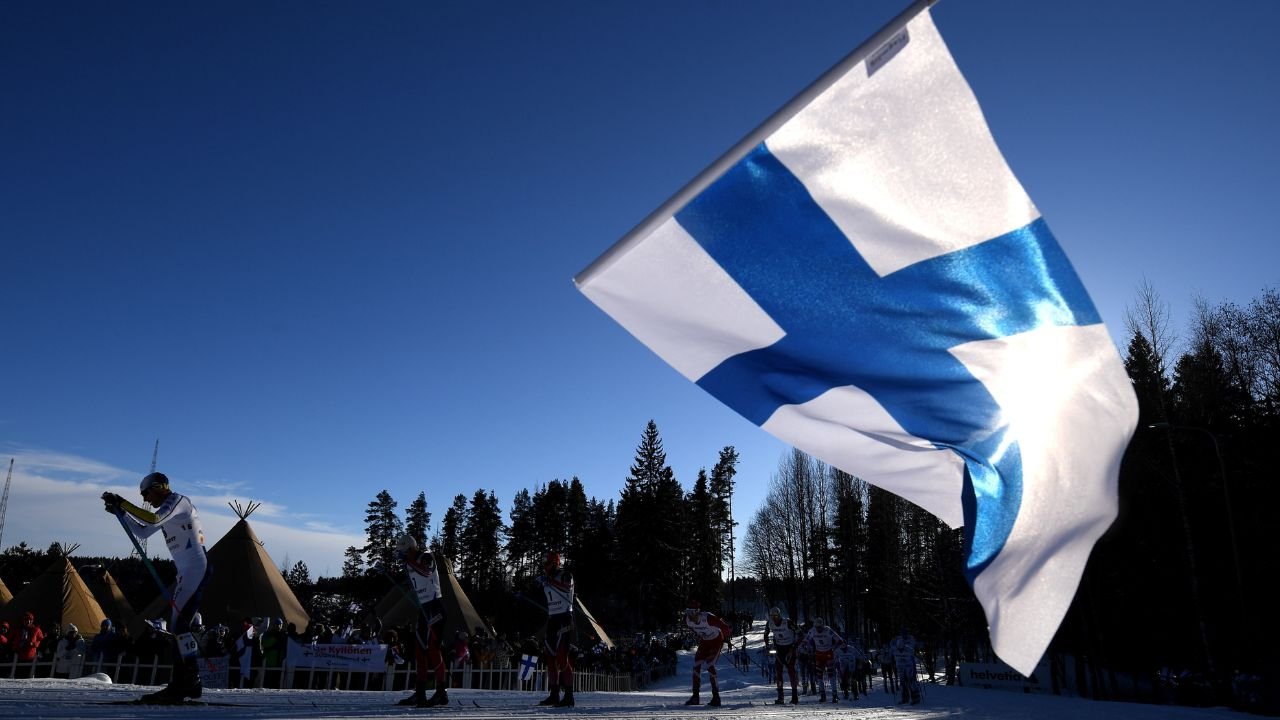
  • Finland is world’s happiest country for seventh year: study

    Finland is world’s happiest country for seventh year: study

    Helsinki (AFP) – Finland remained the world’s happiest country for a seventh straight year in an annual UN sponsored World Happiness Report published on Wednesday.

    And Nordic countries kept their places among the 10 most cheerful, with Denmark, Iceland and Sweden trailing Finland.

    Afghanistan, plagued by a humanitarian catastrophe since the Taliban regained control in 2020, stayed at the bottom of the 143 countries surveyed.

    For the first time since the report was published more than a decade ago, the United States and Germany were not among the 20 happiest nations, coming in 23rd and 24th respectively.

    In turn, Costa Rica and Kuwait entered the top 20 at 12 and 13.

    The report noted the happiest countries no longer included any of the world’s largest countries.

    “In the top 10 countries only the Netherlands and Australia have populations over 15 million. In the whole of the top 20, only Canada and the UK have populations over 30 million.”

    The sharpest decline in happiness since 2006-10 was noted in Afghanistan, Lebanon and Jordan, while the Eastern European countries Serbia, Bulgaria and Latvia reported the biggest increases.

    The happiness ranking is based on individuals’ self-assessed evaluations of life satisfaction, as well as GDP per capita, social support, healthy life expectancy, freedom, generosity and corruption.

    Growing inequality

    Jennifer De Paola, a happiness researcher at the University of Helsinki in Finland, told AFP that Finns’ close connection to nature and healthy work-life balance were key contributors to their life satisfaction.

    In addition, Finns may have a “more attainable understanding of what a successful life is”, compared to for example the United States where success is often equated with financial gain, she said.

    Finns’ strong welfare society, trust in state authorities, low levels of corruption and free healthcare and education were also key.

    “Finnish society is permeated by a sense of trust, freedom, and high level of autonomy,” De Paola said.

    This year’s report also found that younger generations were happier than their older peers in most of the world’s regions — but not all.

    In North America, Australia and New Zealand, happiness among groups under 30 has dropped dramatically since 2006-10, with older generations now happier than the young.

    By contrast, in Central and Eastern Europe, happiness increased substantially at all ages during the same period, while in Western Europe people of all ages reported similar levels of happiness.

    Happiness inequality increased in every region except Europe, which authors described as a “worrying trend”.

    The rise was especially distinct among the old and in Sub-Saharan Africa, reflecting inequalities in “income, education, health care, social acceptance, trust, and the presence of supportive social environments at the family, community and national levels,” the authors said.

  • Iceland’s Prime Minister strikes over gender pay gap

    Iceland’s Prime Minister strikes over gender pay gap

    Tens of thousands of women in Iceland, including the prime minister, walked off the job on Tuesday to demand equal pay and protest violence against women, organisers said.

    Iceland already tops a World Economic Forum (WEF) ranking for gender equality, but organisers said the country needed to make even more progress and lead by example.

    “We are keenly aware that we have not reached gender equality, and even though the situation may be better than other places, there is no reason to just call it a day,” Steinunn Rognvaldsdottir, one of the organisers of “Kvennafri” (Women’s Day Off), told AFP.

    The protest day has been called six times since 1975, this was only the second time that organisers made it a full-day strike, she added.

    The other times, women walked off the job at a symbolic hour after which they were technically no longer earning a salary compared to male colleagues.

    The average wage gap between men and women was 10.2 percent in 2021, according to Statistics Iceland.

    Around 90 percent of Iceland’s women took part in the first protest in 1975, “which was momentous”, Rognvaldsdottir said.

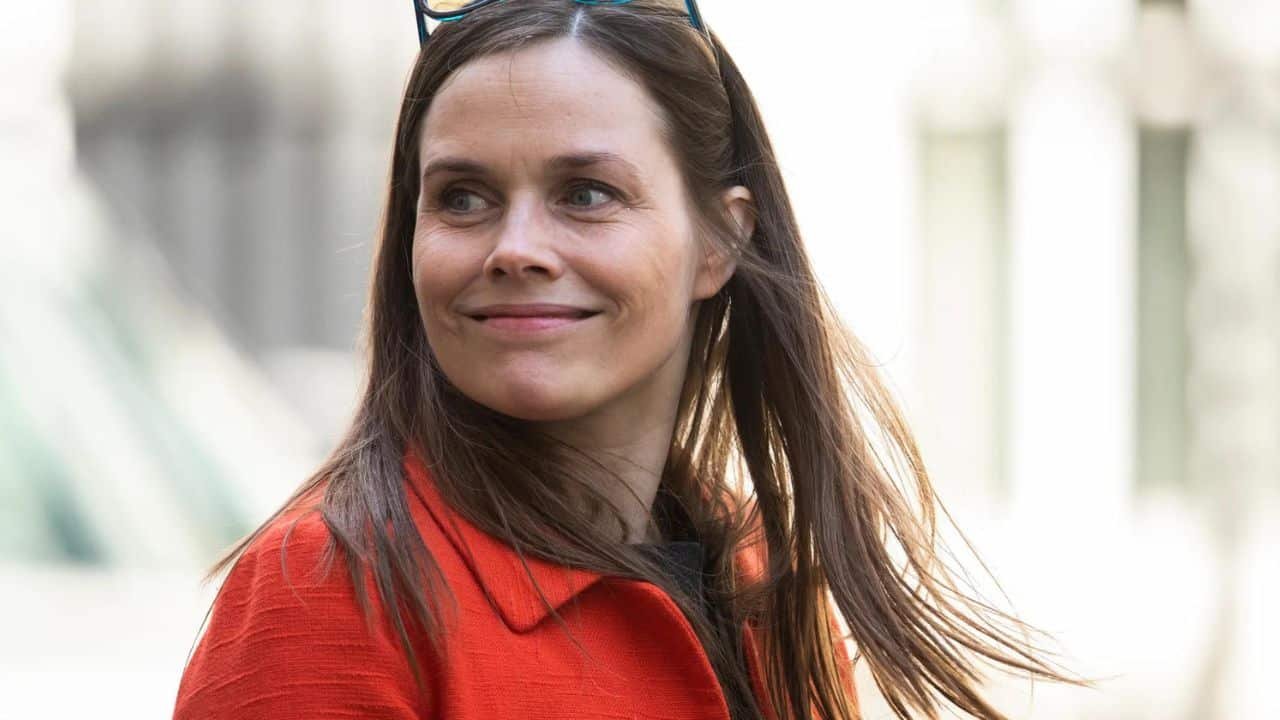
    Prime Minister Katrin Jakobsdottir was among those striking, her office told AFP.

    “She will not attend to official duties and in that regard today’s scheduled cabinet meeting has been moved to tomorrow,” a spokesman said.

    – ‘A present for mother-in-law’ –

    Tens of thousands of women gathered for a large demonstration in the afternoon at the main square of the capital Reykjavik, and protests were also planned in other towns around the country of 400,000 people.

    In Reykjavik, where 75 percent of city employees are women, 59 daycare centres and preschools were closed and all city services were affected by the strike.

    City employees taking part in the strike will not lose pay, the city said.

    Organisers of the movement said they expected men to take charge of the unpaid work that often falls to women.

    “For this one day, we expect husbands, fathers, brothers and uncles to take on the responsibilities related to family and home, for example: preparing breakfast and lunch boxes, remembering birthdays of relatives, buying a present for your mother-in-law, making a dentist appointment for your child.”

    “We always have to be on guard when it comes to our rights,” Lina Petra Thorarinsdottir, 45, told AFP.

    “In Iceland we are proud of what we have accomplished and I am thankful for the women that came before us,” said Thorarinsdottir, head of tourism at marketing group Business Iceland.

    But she said would continue to protest until women enjoyed “equal rights in full”.

    The strikers also wanted their protest to raise awareness of gender-based violence.

    “We still see that up to 40 percent of women have experienced some form of violence or will experience some form of violence in their lifetime,” Thorarinsdottir said.

    “The strike is for both equality when it comes to paid and unpaid work, it also has to do with violence against women and non-binary people,” she said.

    Fjola Helgadottir, a 41-year-old nurse, was unable to take part in Tuesday’s strike action.

    “I would have liked to participate in today’s protest but because we work in the children’s emergency room, we have to provide that service,” she told AFP.

    “The cause is extremely important.”

  • Video of Ali Sadpara singing ‘Tum Chalay Ao’ goes viral as rescue operation enters third day

    Video of Ali Sadpara singing ‘Tum Chalay Ao’ goes viral as rescue operation enters third day

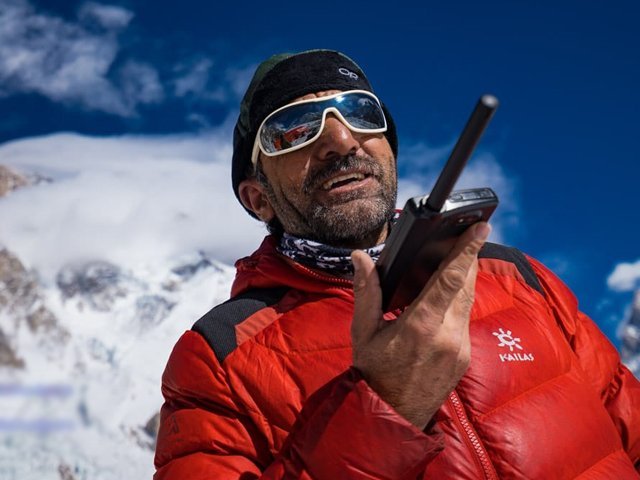
    An old video of Pakistani mountaineer Muhammad Ali Sadpara singing Tum Chalay Ao has gone viral on social media. In the video, the brave mountaineer can be seen singing, clapping and dancing to the song with his friends in a camp.

    Sadpara, who had embarked on a mission to summit K2 in the winters with Iceland’s John Snorri and Chile’s JP Mohr went missing on Friday.

    Sadpara’s son Sajid Ali Sadpara on Sunday told the media that the chances of the mountaineers’ survival are very low. Efforts to locate the missing climbers are ongoing since Saturday but have been unsuccessful due to poor weather conditions.

    Talking to the reporters in Skardu, Sajid had said: “Rescue operations now only make sense if they are carried out to bring back the bodies. Otherwise, the chances for anyone to survive after being missing for two to three days at 8,000 meters are very bleak.”

    https://twitter.com/SajidAliSadpara/status/1358421202977497088?s=20

    However, Sajid is convinced that his father summited the peak.

    “My father has the experience of summiting all the mountains,” wrote Sajid on Twitter. “I saw him near the K2 mountain last time. I am sure he has summited K2.”

    “On the way back, there were gusty winds that might have caused a problem,” he added.

    https://twitter.com/SajidAliSadpara/status/1358667085585539072?s=20

    Later, Sajid also shared a picture of himself before leaving for a rescue mission on the third day.

    https://twitter.com/SajidAliSadpara/status/1358643110004355078?s=20

    Gilgit Baltistan’s Home Secretary Muhammad Ali Randhawa also shared pictures taken of the K2 on the Pakistan Army Aviation Helicopters during the search operation.

    Meanwhile, Alpine Club of Pakistan secretary Karrar Haider told AFP that “a second helicopters’ search found no sign of missing climbers”.

    He added that the helicopters’ crew traced the route up to a height of 7,000 metres (23,000 feet).

    Chhang Dawa Sherpa, their expedition manager, said he was part of one search team trying to trace the mountaineers.

    “The search team went through the Abruzzi and other routes, we had less weather visibility above C 4 (camp 4), unfortunately, no trace at all,” Sherpa said in a statement.

    Bad weather today (Monday) forced Pakistan Army helicopters to temporarily halt their search for three mountaineers. The officials are uncertain about when weather conditions would improve enough for it to resume again.

    Conditions on K2 are harsh: winds can blow at more than 200 kilometres per hour (125 miles per hour) and temperatures can drop to minus 60 degrees Celsius (minus 76 Fahrenheit). Unlike Mount Everest, which has been scaled by thousands of climbers young and old, K2 is much less travelled due to its tough conditions.

    Earlier on Saturday Special Assistant to the Prime Minister (SAPM) on Overseas Pakistanis, Zulfi Bukhari had said that Prime Minister Imran Khan and Chief of Army Staff General Qamar Javed Bajwa have expressed their concern over the missing climbers and are personally monitoring all developments.

  • COVID-19: Flight carrying medical supplies from China draws heart over hospitals for healthcare workers

    COVID-19: Flight carrying medical supplies from China draws heart over hospitals for healthcare workers

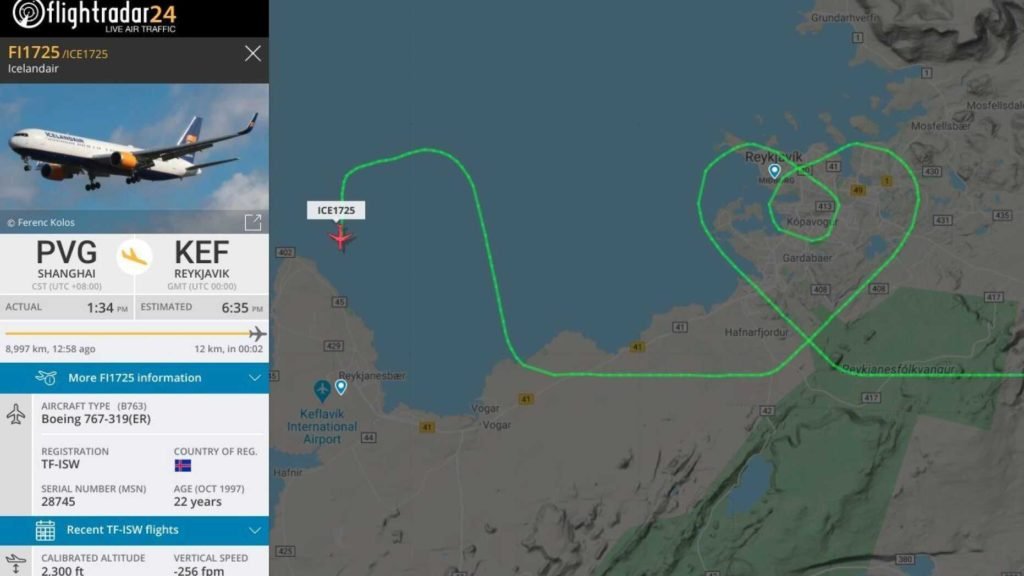
    A pilot of Icelendair —  flag carrier airline of Iceland — has drawn a heart in the sky over hospitals in the capital city of Reykjavík to thank healthcare workers for their bravery and dedication during the coronavirus pandemic.

    According to The Reykjavík Grapevine — an Icelandic magazine –, during a recent flight from China, the anonymous pilot of the Boeing 767 aircraft drew a large heart with the plane’s flight path. It was an important journey of nearly 5,600 miles, as the Icelendair flight was importing much-needed medical supplies.

    Before the flight landed, the plane doubled back to doodle a heart above two of the capital city’s hospitals. Though the change in course reportedly added another nine minutes to the flight, it was a heartfelt salute for the nation’s healthcare personnel.

    The plane marked the last of three flights from China that have carried a total of some 50 tonnes of various medical supplies, including masks and protective suits, intended for Iceland’s healthcare workers treating those infected with the coronavirus.

    As of Wednesday, 1,778 confirmed cases of the novel coronavirus had been reported in Iceland. The viral disease has also claimed the lives of at least ten people in the Nordic island nation.