Tag: IESCO

  • Power outage alert: Residents of Rawalpindi and Islamabad to experience disruption today 

    Power outage alert: Residents of Rawalpindi and Islamabad to experience disruption today 

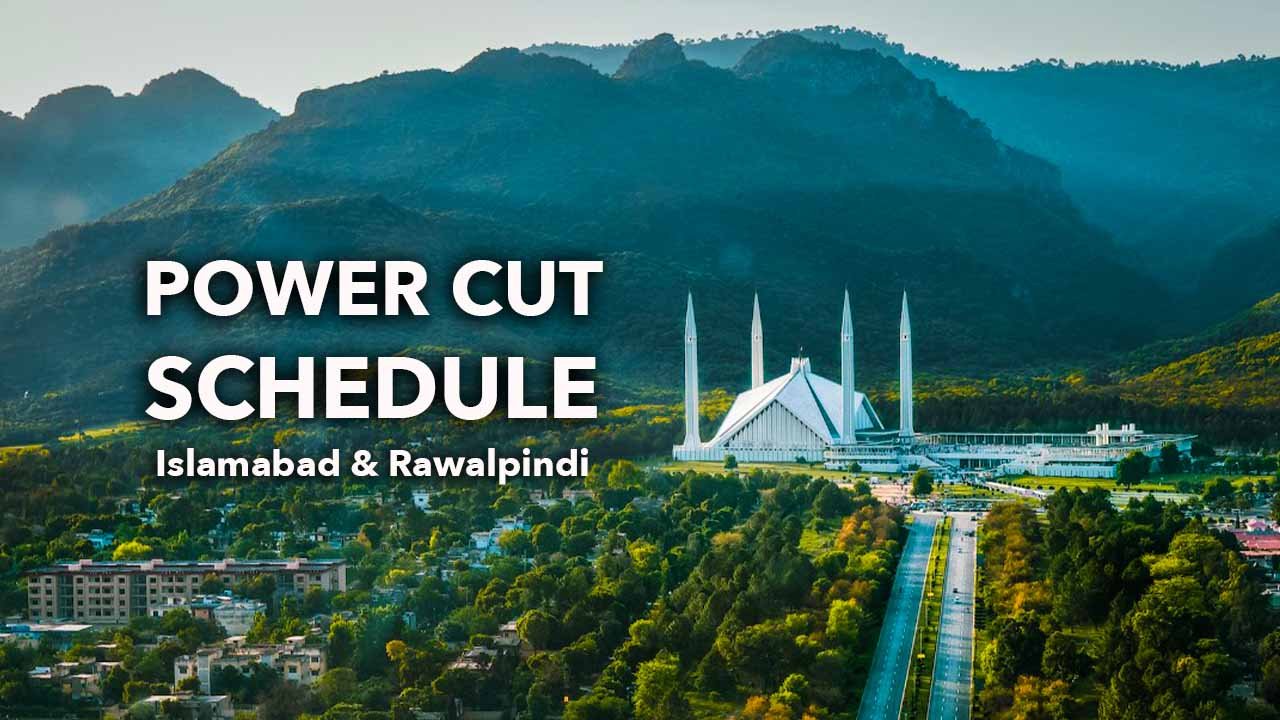
    Residents of Rawalpindi and Islamabad are slated to experience a power outage today. The Islamabad Electric Supply Company (IESCO) has announced a scheduled power suspension programme for various areas within its jurisdiction. This planned interruption is imperative to facilitate necessary maintenance and routine development work. 

    According to an IESCO spokesperson, the power supply to different feeders and grid stations will be temporarily suspended during specific time windows. From 08:00 AM to 01:00 PM, the affected areas include Islamabad Circle, Anguri, NCP, Mengyal, Shahdara, Shahpur, Khayaban Iqbal, Pir Suhawah, Quaid-e-Azam University, Punjab House, Bari Imam, Mandala, Athal, NIH, and Suhadran Road Feeders. 

    Additionally, from 07:00 AM to 12:00 Noon, the power supply will be interrupted in the following areas: Islamabad Circle, SES, Fazal Ghi, NDC-1, H-11/4, I-10/2, New Exchange, Kidney Centre, Dr AQ Khan, Islamic University, Bahria University, G-10/1, 2 & 4, G-9/1, CWO, Dhok Najo, Raja Sultan, Eid Gah, Khasala, I-8/4, Service Road, Muslim Town, and FHS Feeders. 

    This scheduled power outage will also affect areas within Rawalpindi Cantt Circle, including FECHS, Swan Garden-I, IST, New Rawat, Old Rawat, CWO, AOWHS, and Sparco Feeders. Furthermore, areas covered by Rawalpindi City Circle, Pindhon, I-14/3, Noon, I-16/1, HPT Radio Pak, Lakho Road, Ameer Hamza, Officer Colony, New Milpur, Jinnah Camp, KRL, Zeeshan Colony, and Lakho Feeders will experience power interruptions. 

    According to APP, residents in Attock Circle, specifically Ghorghashti, Bara Zee, Maskinabad, Shah Dir, Radio Pak-I & II, Larnpur, Qaziabad, GBHP Colony, HMC Road, Taxila, Sher Shah Suri, Islampura Feeder, Chakwal Circle, Chakra Feeders, Jhelum Circle, and F-3 Gul Afshan, Sanghui, Chotala, Kantrela, Pakhwal feeders, and their surrounding areas will also be affected by this planned power suspension. 
  • Installment plans introduced for power consumers struggling with full bill payments

    Installment plans introduced for power consumers struggling with full bill payments

    In a strategic move aimed at addressing the protests triggered by soaring electricity bills and alleviating the burden on citizens, Dr Muhammad Amjad Khan, Chief Executive of the Islamabad Electric Supply Company (IESCO), has issued a comprehensive directive. This directive mandates all IESCO offices to introduce installment plans tailored to assist customers who are facing challenges in paying their electricity bills in full.

    Against the backdrop of mounting public outcry, Dr Khan’s proactive step aims to alleviate the financial burden on power consumers. These installment plans are envisioned to provide customers with a respite, allowing them to manage their electricity bill payments more effectively while maintaining their financial stability.

    To further enhance customer convenience, IESCO has also taken the initiative to extend the due dates for electricity bill payments. This calculated move underscores the company’s commitment to accommodating the unique challenges faced by its customers.

    Dr Amjad Khan underscored the importance of open communication, urging IESCO’s patrons to engage with the relevant Sub-Divisional Offices, Revenue Offices, or Customer Service Centers for any concerns related to their bills. This approach underscores IESCO’s dedication to ensuring customer satisfaction and resolving any uncertainties promptly.

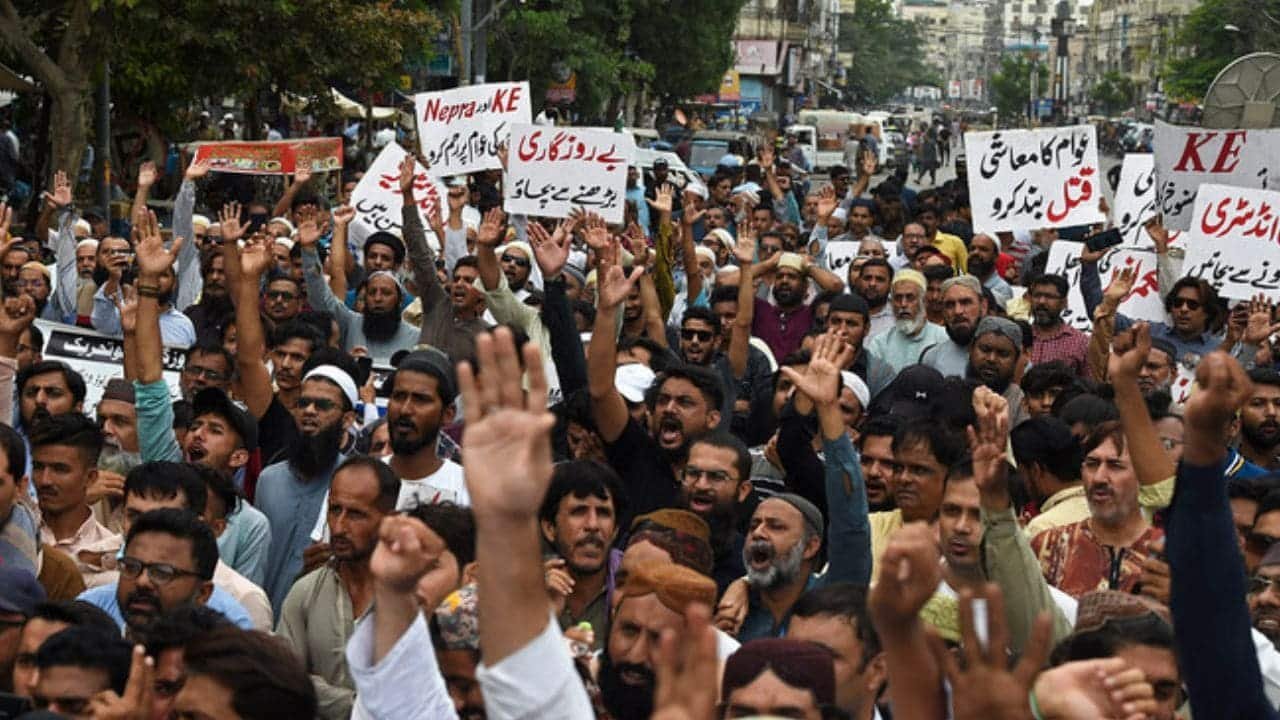
    Nevertheless, this considerate move coincides with ongoing protests across the nation, ignited by grievances against inflated electricity bills. Demonstrators, who have congregated outside the IESCO office in Rawalpindi for the past four days, have now rallied in various cities, including Sargodha, Hafizabad, Vehari, and Hyderabad.

    In response to the heightened tensions, IESCO officials have taken precautions by involving the local police to bolster security measures. This step is aimed at safeguarding the well-being of both the demonstrators and IESCO’s employees.

    The protestors have been resolute in their demands, seeking a reduction in the substantial charges or even pledging to withhold bill payments until their concerns are heard. These demonstrations, set against a backdrop of broader economic challenges and escalating inflation, reflect the mounting frustrations of citizens grappling with financial hardships.

    The protestors hail from diverse backgrounds, encompassing members of civil society, men and women alike, traders, farmers, and representatives from legal and business sectors. This broad participation underscores the pervasive concern and unified front against economic difficulties and price hikes.

    As electricity prices continue their upward trajectory and taxes weigh heavily on citizens, these widespread demonstrations emphasise the pressing need to address economic grievances.

  • PM Kakar sets 48-hour deadline for relief plan amid electricity bill protests

    PM Kakar sets 48-hour deadline for relief plan amid electricity bill protests

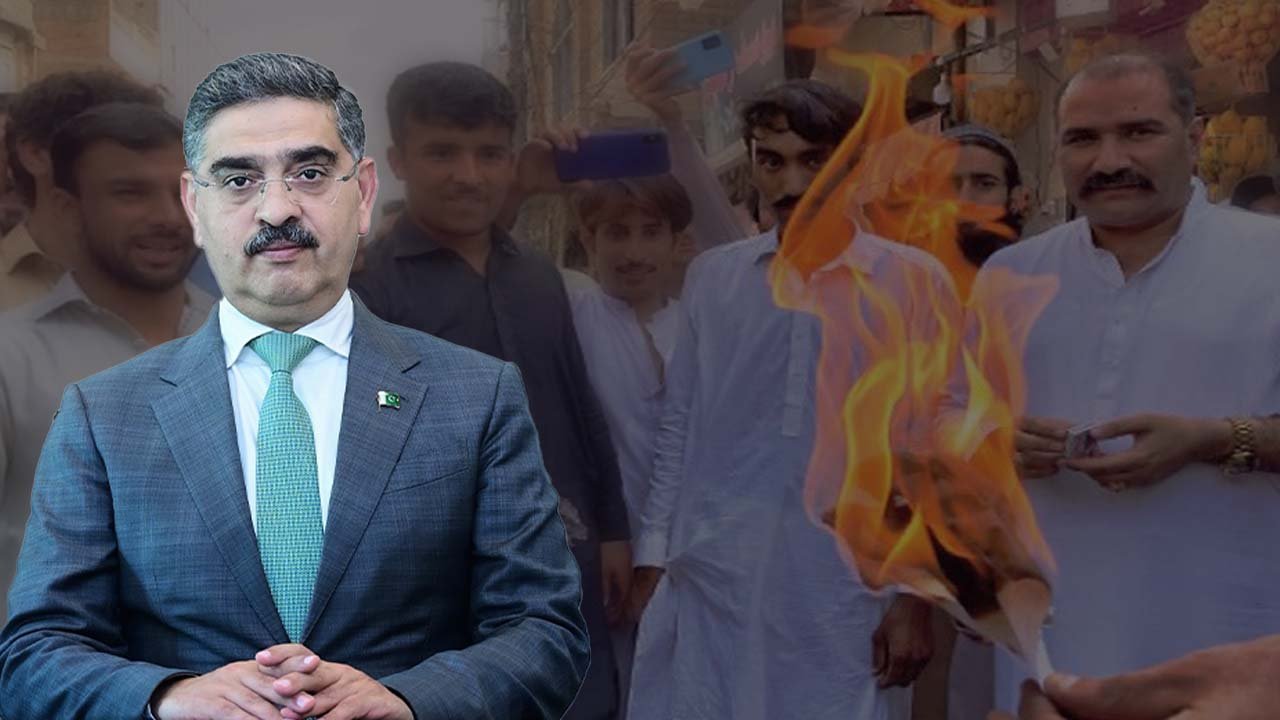
    Amid escalating protests across the nation demanding relief from inflated power bills, Caretaker Prime Minister Anwaar ul Haq Kakar has taken proactive steps to address the pressing issue. In response to the ongoing unrest, Prime Minister Kakar convened a high-level meeting yesterday to strategise and formulate a comprehensive relief plan within the next 48 hours.

    The focal point of the meeting was an informative briefing provided by the Power Division, shedding light on the notable increase in power bills during the month of July. Attended by esteemed members of the interim cabinet, including Dr Shamsad Akhtar, Dr Gohar Ijaz, and the PM’s advisor, Dr Waqar Masood, the meeting aimed to address the mounting concerns over the substantially high electricity bills. There are growing fears that if swift action is not taken, the situation could spiral into widespread public protests and potentially even riots.

    In the aftermath of the meeting, PM Kakar took to social media to communicate the intended course of action. “The Ministry of Energy and the Ministry of Finance have been tasked with collaboratively devising an action plan aimed at providing relief to the public with regard to their electricity bills,” announced the Prime Minister, reiterating the government’s commitment to addressing the pressing issue.

    Beyond seeking immediate measures to curtail electricity consumption on government premises, Prime Minister Kakar emphasised that consultations would be initiated with all provincial representatives. He further assured the public that the caretaker government was resolute in its commitment to providing the maximum possible relief while remaining within its designated mandate.

    The Caretaker Minister for Information and Broadcasting, Murtaza Solangi, echoed the Prime Minister’s sentiments by sharing the key outcomes of the meeting via social media. He conveyed that PM Kakar had stressed the urgency of devising an action plan within the next 48 hours to alleviate the mounting financial burden caused by excessive charges on electricity bills. The Prime Minister’s emphasis was on implementing measures that wouldn’t have a detrimental impact on the national exchequer yet would genuinely alleviate the financial strain on consumers.

    The meeting concluded with a comprehensive commitment to tackle electricity theft, roll out energy-efficient initiatives, and initiate dialogue with provincial chief ministers regarding the substantial charges incurred in July. The meeting also included detailed briefings on pertinent issues within the electricity sector and strategies to counteract electricity theft.

    Against the backdrop of sustained protests, political parties from diverse backgrounds have voiced their concerns and demands. Jamaat-e-Islami has taken a decisive step by announcing a nationwide strike on September 2 as a means of voicing their discontent with the drastic surge in electricity bills. The party’s leader, Siraj-ul-Haq, articulated his intention to mobilise people across the country to participate in these protests, lamenting the financial hardship faced by salaried individuals due to soaring living costs.

    According to Brecorder, adding to the chorus of concerns, MQM-P leaders have issued a stern warning that the ongoing protests could rapidly escalate into violent riots if prompt relief measures are not taken. Farooq Sattar, Senior Deputy Convener of MQM-P, highlighted the burden of multiple taxes contributing to the high electricity bills, underscoring the palpable frustration among the populace.

    As the nation anticipates the proposed relief plan within the stipulated 48-hour timeframe, the government’s actions in response to the mounting crisis will significantly shape the trajectory of the ongoing protests and public sentiment at large.

  • Over 500 personnel deployed by Rawalpindi police to provide security for IESCO and WAPDA employees amid protests

    Over 500 personnel deployed by Rawalpindi police to provide security for IESCO and WAPDA employees amid protests

    Large-scale protests erupted across Pakistan on Friday as traders’ associations and the general public voiced their frustration over skyrocketing electricity bills and heavy taxes. The demonstrations, which gained momentum in cities like Karachi and Islamabad, highlighted the widespread discontent with the financial burden faced by the population.

    In Karachi, a significant protest gathered steam with the backing of the Jamaat-e-Islami (JI) party. The focal point of the protest was a call for a reduction in the surging electricity prices and the additional taxes added to power bills.

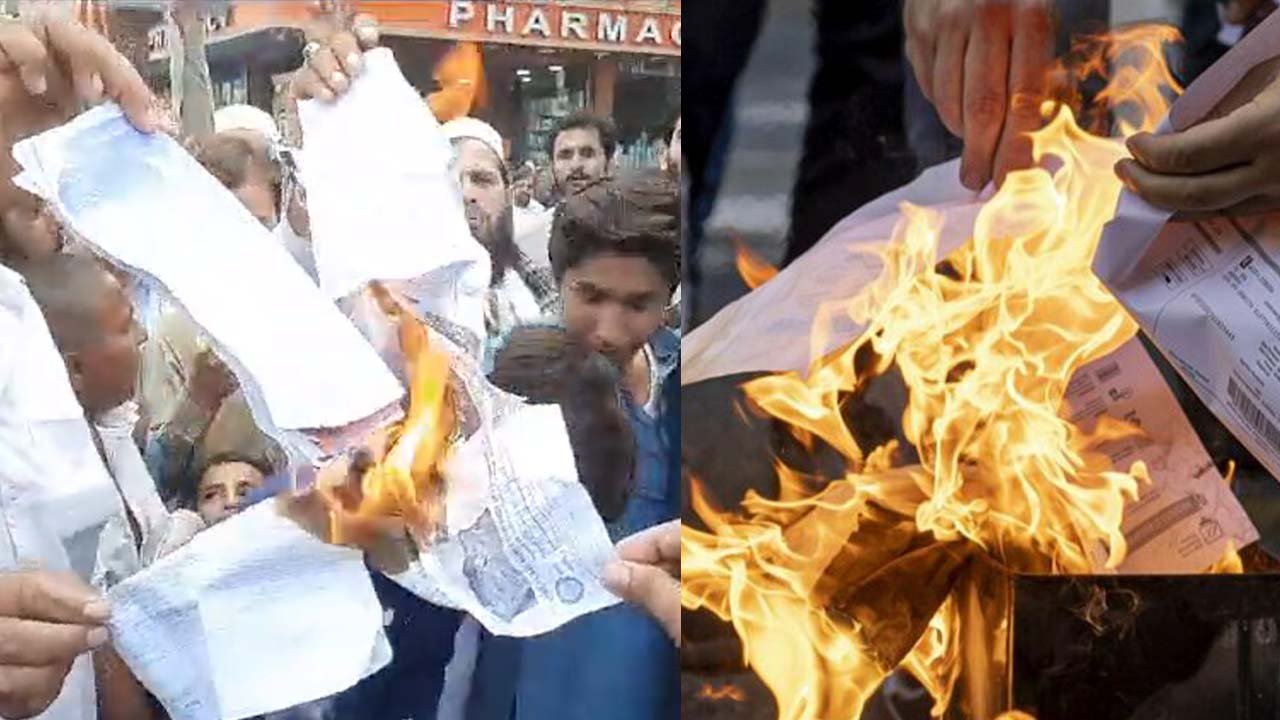
    Rawalpindi saw its own protest against added electricity charges, with citizens chanting slogans against the Islamabad Electric Supply Company. Protesters in various cities also directed their chants against the Water and Power Development Authority (WAPDA) while symbolically burning electricity bills.

    The backdrop of these protests is the recent approval by the federal cabinet to increase the national average tariff. This move led to an increase of up to Rs7.5 per unit in the national uniform electricity tariff starting July 1, 2023. This pushed the total cost of electricity, including extra charges and taxes, beyond Rs55 per unit for certain categories of consumers.

    520 police officers deployed to secure IESCO and WAPDA offices

    The growing protests have also raised concerns about the safety of power company employees, prompting calls for enhanced security measures. In Rawalpindi, over 500 police personnel have been deployed to address potential public unrest.

    Here is a letter from IESCO requesting the police to enhance security at electricity offices:

    Amidst the escalating situation, the IESCO (Islamabad Electric Supply Company) has taken steps to secure their offices and installations. The Superintendent Engineer of Rawalpindi sent a request to the Central Police Officer (CPO) of Rawalpindi for additional security. According to Express Tribune, this step was taken due to agitated consumer groups visiting IESCO offices and staging protests, putting the safety of IESCO employees at risk during work hours.

    Following the request, the Rawalpindi police have taken action by assigning over 500 personnel to enhance security at electricity offices. A police spokesperson has confirmed that 520 officers and personnel are now in charge of keeping IESCO and WAPDA employees safe.

    The authorities are closely monitoring the situation, and the police officials are on high alert to ensure everything runs smoothly.

  • Iesco issues two-hour load-shedding plan for Rawalpindi, Islamabad

    Iesco issues two-hour load-shedding plan for Rawalpindi, Islamabad

    All areas of Rawalpindi, Islamabad, Jhelum, Chakwal, Azad Kashmir, Murree, Attock, Pindigheb, Kotli Sattiyan, and other circles will face two hours of load-shedding, according to the Islamabad Electric Supply Company (Iesco).

    According to The News, the citizens of these cities have been experiencing regular load-shedding for more than a month that lasts between six and eight hours. Muhammad Tanvir Kiani, who is head of Iesco’s technical division, stated that Iesco has announced a two-hour load-shedding timetable in each of the aforementioned locations.

    He said that the load-shedding schedule would initially last indefinitely until further instruction. Furthermore, he stated that due to an electricity shortage, load-shedding has been implemented in all areas in light of the current situation.

  • PM orders discos to suspend staff leaves and work nonstop to correct electricity bills

    PM orders discos to suspend staff leaves and work nonstop to correct electricity bills

    The staff of power distribution companies (DISCOs) must work nonstop to correct the electricity bills of consumers using less than 200 units per month, following a directive from Prime Minister (PM) Shehbaz Sharif.

    He gave the order for all staff members’ leaves to be ended, the bills should be corrected right away, and a report should be given to him. In order to deposit electricity bills in the upcoming days, he continued, the banks should be instructed to stay open.

    PM Shehbaz gave the orders while presiding over a high-level meeting to address the issues facing electricity consumers.

    Furthermore, a high-level committee was formed by the prime minister to address the issues of power users.

    The gathering was informed that efforts are being made to ensure the adoption of the relief package for power consumers that the prime minister had announced. According to him, bill adjustments are being made as part of the relief for 16.6 million consumers related to the change in fuel prices.

    The relief measures must be put into effect right away, according to directives issued by the prime minister.

  • Fuel Cost Adjustment: Consumers protest against inflated electricity bills

    Fuel Cost Adjustment: Consumers protest against inflated electricity bills

    Power consumers protested in major cities against the government and power supply companies due to excessive residential and commercial bills that were issued under the pretext of Fuel Cost Adjustment (FCA).

    A number of Lahore residents were seen protesting outside LESCO offices, complaining about the skyrocketing electricity bills, chanting anti-LESCO slogans at Dharam Pura, Begum Kot and Ghazi Road.

    A number of farmers in Jhang also participated in a protest by burning their power bills while obstructing traffic on the Jhang Road. On the other hand, the shopkeepers and locals of Faisalabad organised a sizable protest against FESCO for billing residential and commercial customers for nearly twice the actual cost of electricity.

    PM Shehbaz demands urgent report on inflated electricity bills

    In response to complaints from the public about excessive electricity bills, Prime Minister Shehbaz Sharif ordered the relevant authorities to provide an immediate report to address the issue.

    The premier ordered the concerned officials to present a thorough report with recommendations for resolving consumer complaints against energy bills on an urgent basis.

    What is FCA?

    In addition to criticising the power supply companies, consumers are questioning the FCA charges that take up a significant portion of their monthly bills.

    Understanding the actual fuel cost (the cost of fuel in a month) and the reference fuel cost is crucial for comprehending the fuel price adjustment.

    Simply put, FCA is charged/adjusted in customers’ monthly bills to reflect the actual increase or decrease in fuel prices.

    Based on the price of fuel (such as coal, LNG, or furnace oil) used in the nation’s various energy sources, the total cost of fuel used in the production of electricity in a month (basket fuel cost) is calculated.

    The entire fuel cost for that month is therefore compared to the reference fuel cost at the end of each month, and as a result, the FCA is applied to the power bills after two months.

    The electricity bill will reflect a change in the FCA amount if the total fuel cost for that month exceeds the reference cost, while it will reflect a change in the FCA amount if the total fuel cost is less than the reference cost. We refer to this as a fuel price adjustment.

    How power suppliers calculate FCA?

    Whenever a power plant uses coal, it is possible to estimate how much coal was burnt and at what cost, as well as the total cost of the energy needed to generate the power.

    For instance, if hydel electricity generation has increased, the overall fuel price will reduce; likewise, if gas is consumed more frequently in a month due to its higher price, the fuel price would climb.

    It is also impacted by the rupee’s appreciation or depreciation. This is due to the fact that coal, LNG, and furnace oil are imported, therefore a weakening or strengthening rupee directly affects the cost as a whole.

  • Rawalpindi faces water shortage amid repeated power outages

    Rawalpindi faces water shortage amid repeated power outages

    Water supply from Rawal Dam and Khanpur Dam has been disrupted, causing severe water shortages in the city.

    The water crisis has been attributed to long hours of unscheduled load shedding by Islamabad Electric Supply Company (Iesco), which cuts the electricity every hour and on a regular basis, according to the Water and Sanitation Agency (Wasa) Managing Director.

    Wasa claims that the water supply from Khanpur Dam and Rawal Dam has been severely impacted and that it is insufficient to meet demand.

    On a daily basis, the city requires around 60 million gallons of water. It is, however, only supplied with 30 million gallons per day.

    All tube wells remained closed due to long and unexpected load shedding, according to Wasa Managing Director Raja Shaukat Mehmood. In this situation, he stated, getting water from Rawal Lake Filtration Plant was impossible.

    He stated that we are not receiving enough water from Khanpur Dam to meet demand. Due to persistent load shedding, we were unable to store water in tanks, he said. He said that hardly half of the water from Rawal Dam is delivered to the city and cantonment board districts.

    Read more: Shopkeepers fined in Islamabad for not adhering to DC rates

    Mehmood further stated that due to low voltage and tripping, some motors have been burned. He has pleaded for the provision of uninterruptible electricity in order to deliver water to the inhabitants.

  • PM Imran’s office likely to lose electricity over non-payment of bills

    PM Imran’s office likely to lose electricity over non-payment of bills

    The supply of electricity to the Prime Minister’s (PM) Secretariat is likely to be snapped over non-payment of bills running into millions, Khaleej Times has reported.

    According to reports, the Islamabad Electric Supply Company (IESCO) has also issued a notice in this regard as the secretariat currently owes the distributor over Rs4 million in power bills.

    “This is a recurrent problem with the secretariat. We will cut off the power supply if dues are not paid,” reports quoted sources in the IESCO as saying and added that the dues had not been cleared despite several reminder notices being sent.

    Meanwhile, the country’s annual fiscal deficit has reportedly risen to the highest in the last three decades at 8.9 per cent for the financial year 2018-19.

    Fiscal deficit is the difference between revenues and expenditures of a federal government. According to reports, the deficit that increased to 8.9 per cent of Pakistan’s gross domestic product in the financial year that ended in June, was recorded at 6.6 per cent last year.

    The figure that depicts the situation of the country’s crippling economy, coincides with one-year completion of the Imran Khan-led Pakistan Tehreek-e-Insaf (PTI) government.