Tag: IMF agreement

  • Moody’s upgrades Pakistan’s credit rating to Caa2, citing improved economic stability

    Moody’s upgrades Pakistan’s credit rating to Caa2, citing improved economic stability

    Moody’s Investors Service has upgraded Pakistan’s long-term issuer rating from “Caa3” to “Caa2” with a stable outlook, reflecting a moderate improvement in the country’s macroeconomic conditions and external financial position.

    This decision follows a similar move by Fitch Ratings in July, which upgraded Pakistan’s credit rating from “CCC” to “CCC+.”

    Moody’s stated that the upgrade is a result of reduced default risks, which are now more consistent with a Caa2 rating.

    This improvement is partly due to greater certainty in Pakistan’s external financing, bolstered by the sovereign’s staff-level agreement with the International Monetary Fund (IMF) on 12 July 2024, for a 37-month Extended Fund Facility (EFF) worth $7 billion. The IMF Board is expected to approve the EFF in the coming weeks.

    Pakistan’s foreign exchange reserves have nearly doubled since June 2023, although they remain below the levels required to meet its external financing needs. The country continues to rely on timely support from official partners to fully meet its external debt obligations.

    Despite the upgrade, Pakistan’s Caa2 rating still reflects very weak debt affordability, which poses a significant risk to debt sustainability. Moody’s expects interest payments to consume about half of the government’s revenue over the next two to three years. The rating also takes into account the country’s weak governance and high political uncertainty.

    The stable outlook indicates a balance of risks, with potential for further improvement if the government can reduce its liquidity and external vulnerability risks and achieve better fiscal outcomes, supported by the IMF programme.

    Sustained implementation of reforms, particularly those aimed at increasing government revenue, could enhance debt affordability. Timely completion of IMF reviews would enable Pakistan to secure continued financing from official partners, essential for meeting external debt obligations and rebuilding foreign exchange reserves.

    The upgrade to Caa2 from Caa3 also applies to the backed foreign currency senior unsecured ratings for The Pakistan Global Sukuk Programme Co Ltd, which Moody’s views as direct obligations of the Government of Pakistan. The outlook for The Pakistan Global Sukuk Programme Co Ltd is positive.

    Additionally, Moody’s has raised Pakistan’s local and foreign currency country ceilings to B3 and Caa2 from B3 and Caa1, respectively.

    The two-notch gap between the local currency ceiling and the sovereign rating is due to the government’s significant role in the economy, weak institutions, and high political and external vulnerability risks.

    The two-notch gap between the foreign currency ceiling and the local currency ceiling reflects limited capital account convertibility and relatively weak policy effectiveness.

  • Pakistan experiences highest dollar outflow since FY18 amid economic adjustments

    Pakistan experiences highest dollar outflow since FY18 amid economic adjustments

    Pakistan, grappling with a shortage of US dollars, has seen a significant outflow of foreign exchange as international investors repatriated dividends and profits at unprecedented levels.

    In fiscal year 2024 (FY24), foreign investors withdrew $2.2 billion, the highest outflow since the $2.3 billion withdrawn six years ago. This surge, representing a dramatic 569.2 per cent year-on-year increase, is primarily due to a low base in FY23.

    The country’s foreign exchange reserves were critically low in FY23, prompting the government to impose restrictions on dollar outflows to avoid a potential default. Consequently, repatriations fell sharply to $331 million, an 80.3 per cent decrease from FY22, marking one of the lowest figures on record.

    A pivotal change occurred in June 2023 when Pakistan reached a Staff Level Agreement (SLA) worth $3 billion with the International Monetary Fund (IMF).

    The agreement mandated the removal of capital controls and a shift towards a more functional foreign exchange market. This move, driven by foreign pressure and the IMF’s conditions, resulted in the lifting of these restrictions, leading to a substantial increase in outflows in FY24.

    In particular, May 2024 set a record with the highest monthly outward remittance of $918.1 million.

    Notably, the outflow for the year exceeded the total foreign investment of $1.52 billion. Key sectors contributing to this outflow included Financial Business, Power, and Communications, with the Financial Business sector repatriating the most at $638.6 million.

    Among the countries, the United Kingdom led with $558.57 million in repatriated profits, a substantial increase from $20.14 million the previous fiscal year. The UAE and Netherlands followed in repatriation figures.

    Despite the significant outflow, there is an optimistic outlook for Pakistan’s economy. The State Bank of Pakistan (SBP) has confirmed that there are no outstanding profit repatriation payments, alleviating concerns of foreign companies and potentially attracting new investors. The recent Fitch rating upgrade further supports the country’s economic stability.

    On a positive note, Pakistan’s foreign exchange reserves saw a 110 per cent increase, reaching $4.92 billion in FY24.

    However, JPMorgan has cautioned that unresolved dividend backlog issues might impact the PKR in the short term. Addressing these could improve transparency and enhance the attractiveness of Pakistan as an investment destination.

  • SBP expected to lower interest rates on Monday as inflation stabilises

    SBP expected to lower interest rates on Monday as inflation stabilises

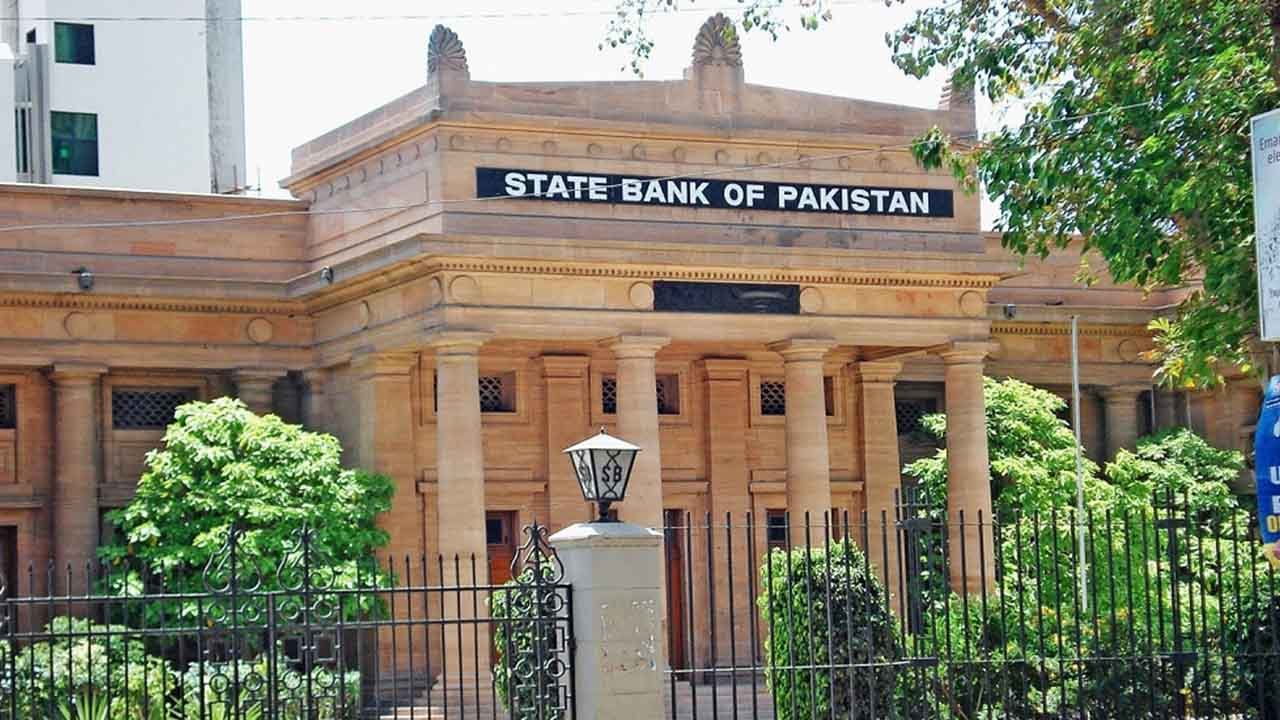
    The State Bank of Pakistan (SBP) is anticipated to reduce its key interest rate once more during its upcoming policy meeting on Monday.

    This will be the first meeting following the recent staff-level agreement with the International Monetary Fund (IMF) and the announcement of a new state budget, according to analysts.

    Earlier this month, Pakistan and the IMF reached an agreement on a 37-month loan programme. The deal has introduced stringent measures, including increased taxes on agricultural incomes and higher electricity prices, which have sparked concerns among lower and middle-income citizens already struggling with inflation and the potential for increased taxes.

    In June, the SBP lowered its key interest rate by 150 basis points, reducing it from a historic high of 22 per cent. This marked the central bank’s first rate cut in nearly four years, aimed at stimulating economic growth amid a significant decrease in retail inflation. Inflation had dropped to 12.6 per cent in June, down from 38 per cent in May 2023.

    Out of 14 analysts surveyed, only one predicted that the SBP would maintain the current rate of 20.5 per cent. The majority forecast a rate cut, with seven analysts expecting a reduction of 100 basis points, five anticipating a 150 basis points cut, and one predicting a 200 basis points decrease.

    Mustafa Pasha, Chief Investment Officer at Lakson Investments, noted that the anticipated inflationary surge following the budget has not occurred. The central bank had previously cautioned about potential inflationary pressures from the budget, citing insufficient progress on structural reforms to expand the tax base.

    To compensate, the government set a demanding tax revenue target of Rs13 trillion ($47 billion) for the current fiscal year, representing a nearly 40 per cent increase from the previous year, and aims to reduce the fiscal deficit to 5.9 per cent of GDP from 7.4 per cent in the previous year to secure essential IMF funding.

    Pasha added that the clarity on the IMF programme, currency market stability, and steady foreign inflows into domestic debt and equities provide “ample comfort to the SBP to continue easing the policy rate in July and beyond.”

  • Pakistan working to secure foreign investment and extend existing loans: Finance Minister

    Pakistan working to secure foreign investment and extend existing loans: Finance Minister

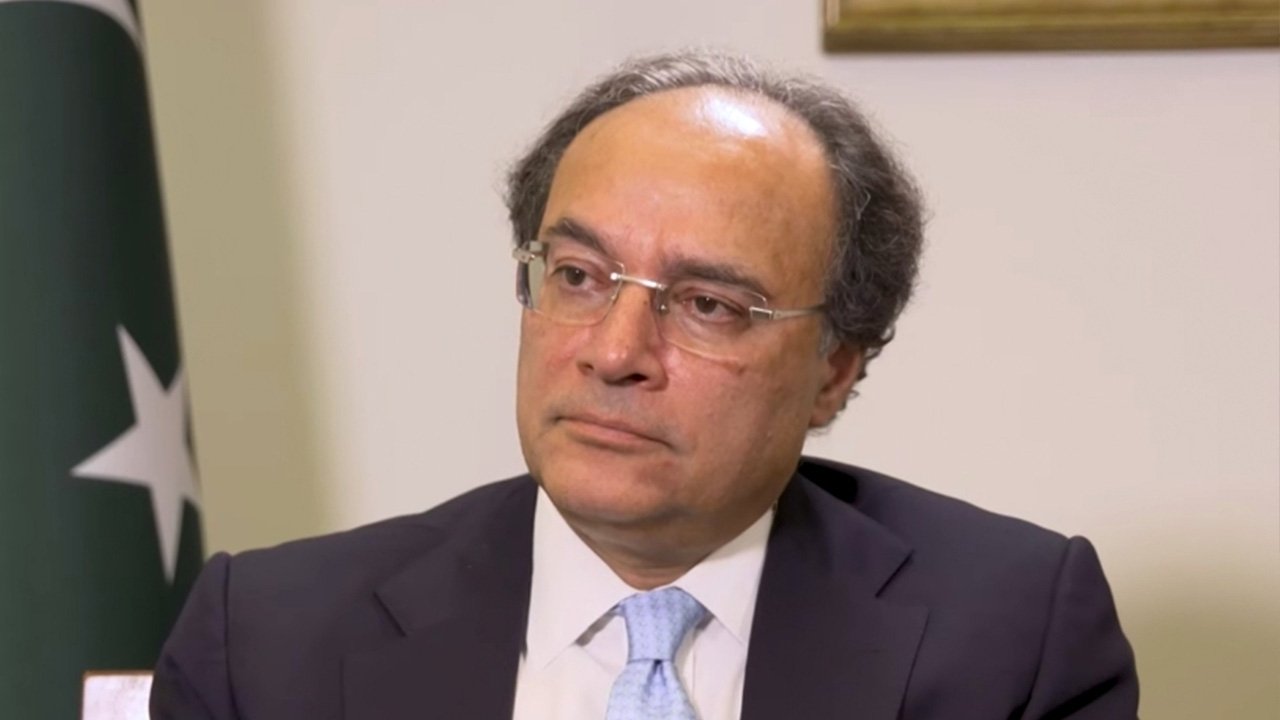
    Pakistan is working to secure foreign investment and extend existing loans to meet its external financing needs, as it prepares to implement a new $7 billion deal with the International Monetary Fund (IMF). Finance Minister Muhammad Aurangzeb shared these plans with Reuters on Friday.

    The new 37-month IMF agreement requires Pakistan to enforce tough measures, including higher taxes on agriculture and increased electricity prices. These changes have raised concerns about their impact on the country’s poorer and middle-class citizens, who are already struggling with inflation.

    Historically, Pakistan has frequently relied on IMF programmes to avoid financial crises, sometimes coming close to default. The country has also depended on financial support from allies like the United Arab Emirates (UAE) and Saudi Arabia to meet its IMF targets.

    Aurangzeb highlighted that while external financing remains essential, the government is now focusing on sustainable solutions, such as attracting foreign direct investment and securing climate finance. “We expect loan rollovers to continue and have requested extensions for loan maturities,” he said.

    Past support from Saudi Arabia, the UAE, and China, along with IMF backing, has been crucial for Pakistan’s financial stability. The IMF has stated that the new Extended Fund Facility programme requires approval from its Executive Board and confirmation of necessary financing from Pakistan’s development and bilateral partners.

    Aurangzeb is optimistic about managing the external financing gap, describing it as “manageable and doable.” He emphasized a shift towards foreign direct investment, particularly in the Reko Diq copper and gold mine. The finance minister also noted that his government is working on projects to attract investment from Saudi Arabia and the UAE.

    Pakistan, currently the IMF’s fifth-largest debtor with $6.28 billion owed as of 11 July 2024, is also expecting a significant investment from the World Bank’s International Finance Corporation (IFC) in the Reko Diq project. Aurangzeb plans to discuss further reforms with China during a visit by the end of July.

  • PM Shehbaz urges FBR to modernise tax system without burdening honest taxpayers

    PM Shehbaz urges FBR to modernise tax system without burdening honest taxpayers

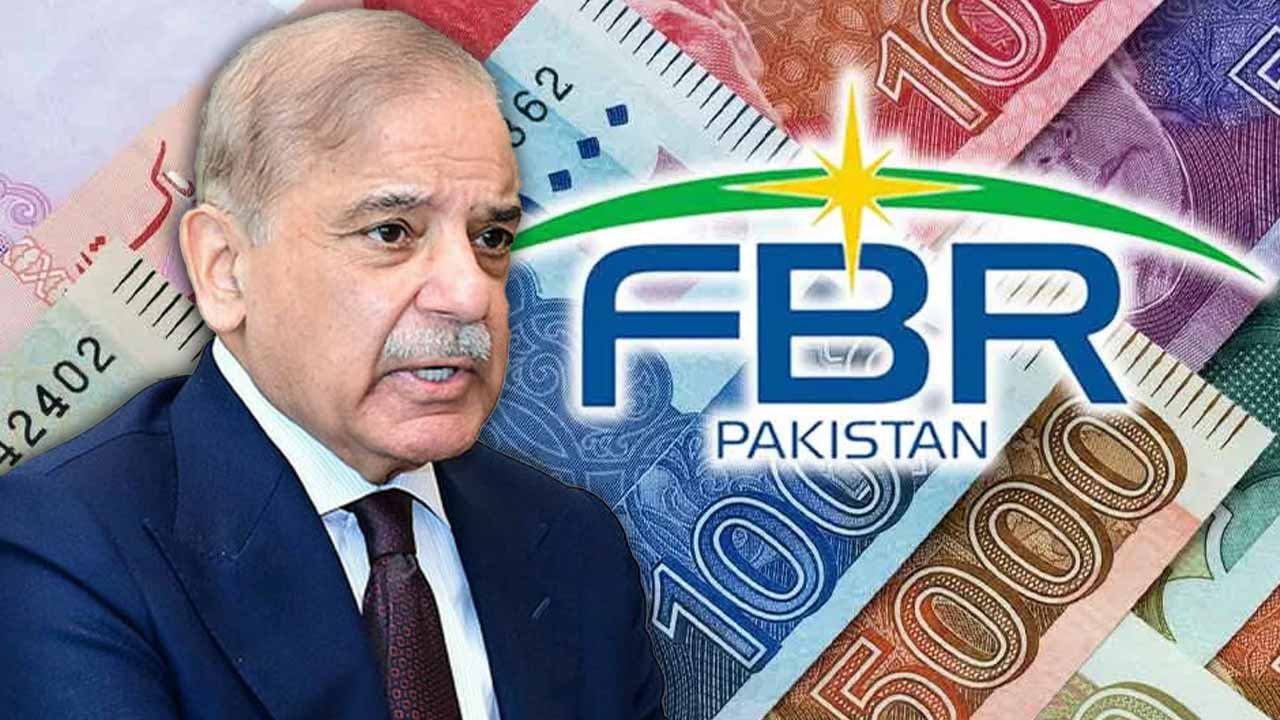
    Prime Minister Muhammad Shehbaz Sharif has directed the Federal Board of Revenue (FBR) to implement a strategy using the latest technology to expand the tax base without imposing additional burdens on honest taxpayers.

    During his visit to the FBR Headquarters, the Prime Minister underscored the government’s commitment to steering Pakistan towards economic progress and stability.

    Prime Minister Sharif highlighted the necessity of collective and individual efforts, sincerity, and sacrifices to prioritise national interests over personal gains.

    He described the recent staff-level agreement with the International Monetary Fund (IMF) as a positive development for the country’s economy and expressed optimism that the IMF board would endorse it.

    He urged the FBR to work diligently to ensure this IMF programme is the last one needed, paving the way for a prosperous future.

    Sharif emphasised the importance of taxing those who evade payments to alleviate the repeated financial strain on honest taxpayers, including government employees. He advocated for leveraging modern technologies, such as artificial intelligence, to digitise FBR operations, which he viewed as crucial for broadening revenue sources without unfairly burdening compliant taxpayers.

    The Prime Minister criticised the reliance on foreign debts, stressing that sustainable nation-building requires self-reliance and effective tax collection. He insisted that current FBR reforms be conducted objectively and transparently, prioritising national interests. Sharif also instructed FBR Chairman Malik Amjad Zubair Tiwana to bring any departmental issues to light promptly.

    Acknowledging FBR’s success in collecting 30% more revenue compared to the previous year, Sharif insisted that tax enforcement should focus on achieving set targets without causing undue difficulties for compliant businesses and industrialists.

    He recalled the introduction of agricultural tax in Punjab 27 years ago, which was subsequently adopted by other provinces, highlighting the need to address general sales tax collection issues.

    Upon his arrival at FBR Headquarters, Sharif was welcomed by key government officials, including Finance Minister Muhammad Aurangzeb and Minister of State for Finance Ali Pervaiz Malik. The Prime Minister paid homage to the FBR’s fallen heroes by laying a wreath and offering Fateha. He reiterated that the automation and digitisation of FBR are government priorities and authorised the immediate release of Rs2 billion to enhance the Web-Based One Customs System (WeBOC).

    The meeting, attended by several ministers and senior officials, included a briefing on ongoing FBR reforms and the progress of the digitisation strategy.

    The Prime Minister was informed of the completion of the first phase of the FBR Tajir Dost Mobile application, which simplifies tax return processes. Additionally, the use of advanced technology has identified approximately 4.9 million potential taxpayers.

    Sharif instructed the FBR to expand the tax net to include these identified individuals and to address the legitimate demands of flour mill owners through direct engagement.

  • IMF says focus on economic reforms rather than size of loan

    IMF says focus on economic reforms rather than size of loan

    The Director of International Monetary Fund (IMF) Middle East and Central Asia has said that Pakistan must focus more on the implementation of structural reforms instead of a loan.

    “I think what is important at this stage is to accelerate the reforms, double down on the structure of reforms in order to provide Pakistan with its full potential of growth,” Jihad Azour told a press conference on the sidelines of the IMF 2024 Spring Meetings.

    The statement comes as Finance Minister Muhammad Aurangzeb, who is currently in Washington DC, to finalise yet another bailout package that the country is seeking from IMF.

    Pakistan is nearing the end of a nine-month, $3-billion SBA with the IMF designed to tackle a balance-of-payments crisis, which brought it to the brink of default last summer.

    The Finance Minister in a recent interview, had mentioned that Pakistan would need two to three years of to implement the structural reforms.

  • IMF wants Pakistan to increase petrol prices

    IMF wants Pakistan to increase petrol prices

    The International Monetary Fund (IMF) conveyed to the Pakistani authorities that while the Petroleum Development Levy (PDL) has considerably increased in recent years, the taxation of petroleum products has declined since 2019. “The relatively low rate of taxation of petrol is also reflected in the sale price relative to other countries.” The IMF emphasized that there is a difference of gasoline prices when compared to selected neighboring countries and emerging economies.

    The average 2023 price of gasoline at the pump was $1.12 per litre against $0.97 per litre in Pakistan. The IMF report said that taking off the exemption of petroleum products under the Sales Tax would increase prices by 18% with the standard rate of General Sales Tax.
    Moreover, the IMF has also recommended in its Technical Assistance Report with the Pakistani authorities to raise taxes on domestically manufactured automobiles and on luxury goods such as yachts. It also said to increase border control to stop smuggling of oil derivatives.

    Pakistan faces a problem of smuggling especially on it Western borders with both Iran and Afghanistan. A 2023 Civil Intelligence Agency report exposed that Pakistan faced loss of more than Rs. 60 billion annually due to smuggling of more than 2.81 billion litres of oil from Iran to Pakistan, as per the report of Business Recorder.

    The Fund also recommended the Federal Board of Revenue (FBR) to tax e-cigarettes equal to tobacco in the country.

  • PKR sustains positive momentum, gains 0.04% against US dollar in ninth consecutive session

    PKR sustains positive momentum, gains 0.04% against US dollar in ninth consecutive session

    In the inter-bank market, the Pakistani rupee continued its positive trend against the US dollar for the ninth consecutive session on Monday, appreciating by 0.04 per cent to settle at Rs280.24, reflecting a gain of Re0.12, according to the State Bank of Pakistan (SBP).

    During the preceding week, the Pakistani rupee sustained its upward movement, appreciating by Rs1.04 or 0.37 per cent against the US dollar, settling at 280.36 in the inter-bank market.

    This surge in value is attributed to the recent announcement of a staff-level agreement (SLA) between Pakistan and the International Monetary Fund (IMF) on the first review of the $3 billion Stand-by Arrangement (SBA). Consequently, the approval of the second tranche of the package ensued.

    The IMF Executive Board completed the first review of the SBA last week, facilitating an immediate disbursement of $700 million.

    As of January 5, the foreign exchange reserves held by the State Bank of Pakistan amount to $8.15 billion, with expectations of further augmentation through IMF inflows.

    On the global front, the US dollar experienced a decline on Monday amid renewed anticipations of a Federal Reserve rate cut in March.

    Simultaneously, the Chinese yuan faced challenges, hovering near a one-month low ahead of forthcoming economic data releases.

    The likelihood of a Fed cut in March gained traction following unexpected December data indicating a decline in US producer prices, prompting a slide in US Treasury yields. The US dollar index remained stable at 102.50, exhibiting minimal fluctuations in recent sessions.

    In the realm of oil prices, a significant indicator of currency parity, a slight uptick was observed on Monday. This movement was influenced by concerns over potential supply disruptions in the Middle East, following strikes by US and British forces aimed at preventing Houthi militia in Yemen from attacking ships in the Red Sea.

  • Winning streak: Pakistani rupee appreciates 0.04% in fourth consecutive session

    Winning streak: Pakistani rupee appreciates 0.04% in fourth consecutive session

    In a resilient display, the Pakistani rupee continued its upward trajectory against the US dollar, marking gains for the fourth consecutive session in the interbank market on Monday. 

    The State Bank of Pakistan (SBP) reported a noteworthy appreciation of 0.04 per cent, with the rupee settling at Rs281.28 after a rise of Re0.12.

    This positive trend extends the rupee’s recent performance, as it achieved a 0.16 per cent appreciation during the preceding week, settling at Rs281.40 against the US dollar in the inter-bank market. 

    Impressively, this marks the eighth consecutive week of the local currency advancing against the greenback.

    The momentum driving the rupee’s strength can be attributed to the recent announcement of a staff-level agreement (SLA) between Pakistan and the International Monetary Fund (IMF). 

    This agreement pertains to the first review of the $3 billion standby arrangement (SBA), reinforcing investor confidence in Pakistan’s economic stability.

    A significant development contributing to this positive outlook is the notable increase in foreign exchange reserves held by the State Bank of Pakistan. 

    According to SBP data from the previous week, the central bank’s reserves surged by $464 million on a weekly basis, reaching $8.2 billion as of December 29.

    Internationally, the US dollar maintained stability on Monday, with investors eagerly awaiting a crucial US inflation report later in the week. This report is expected to provide clarity on the Federal Reserve’s monetary policy outlook. 

    The greenback’s recent rally was supported by a rebound in US Treasury yields as traders adjusted their expectations regarding the pace and scale of potential Fed cuts this year. 

    This cautious optimism globally has complemented Pakistan’s positive economic indicators, contributing to the sustained strength of the Pakistani rupee against the US dollar.

  • Pakistan navigates economic turbulence in 2023: A year of challenges and resilience 

    Pakistan navigates economic turbulence in 2023: A year of challenges and resilience 

    2023 posed significant challenges for Pakistan’s economy, characterised by a sharp slowdown, escalating inflation, and a near-default situation. However, amidst the turbulence, glimpses of progress emerged, suggesting a potential path towards recovery. 

    To meet International Monetary Fund (IMF) conditions, the government undertook stringent fiscal reforms, such as raising taxes and cutting subsidies. Despite being unpopular, these measures were deemed necessary to control the budget deficit and rein in inflation. 

    The latter part of the year witnessed positive indicators. Inflation, though still elevated, began to exhibit a downward trend. The agricultural sector experienced a robust comeback, particularly in cotton and rice production, while large-scale manufacturing showed a modest improvement. 

    Despite these positive developments, Pakistan’s economic recovery remains precarious. The global economic slowdown and geopolitical tensions continue to pose external challenges. Internal factors, such as political uncertainty and ongoing security issues, further contribute to the risks. 

    Throughout 2023, Pakistan consistently made headlines, grappling with economic crises, food shortages, mass protests, political arrests, and election-related upheavals. Here’s a recap of the key events in Pakistan during the year: 

    In 2023, Pakistan faced new lows, with the Pakistani rupee hitting an all-time low, surpassing the PKR 300 mark against the US dollar in August. Foreign reserves with the State Bank of Pakistan (SBP) dwindled to a concerning $3.1 billion in January 2023. 

    The country struggled to secure funding from the IMF, leading the SBP to raise interest rates by 300 basis points to 20 per cent, the highest since October 1996. Additional taxes were introduced, accompanied by increases in gas and electricity prices. Despite occasional reductions, petrol prices remained above Rs250 per litre. 

    The Consumer Price Index (CPI) reached an unprecedented 38.0 per cent YoY in May 2023, as per the CEIC database. Although it moderated to 26.9 per cent YoY in October, essential items like milk and onions became prohibitively expensive. 

    To combat inflation, Pakistan launched a free flour scheme, particularly in Punjab, under the Ramzan package. However, a tragic stampede in Karachi in April-March resulted in over 10 casualties at a free food distribution centre. 

    In a significant development, Pakistan secured a staff-level agreement with the IMF for a $3 billion, nine-month standby arrangement (SBA). The IMF executive board is set to convene on January 11, 2024, to consider final approval for the next $700 million tranche. 

    Summing up 2023 for Pakistan, the year was marked by elevated bank credit costs, volatile energy supplies, import restrictions, political instability, and weakened law and order. While some sectors, such as sugar, fertilisers, cement, and IT services, performed relatively well, others, like textiles, automotive, and pharmaceuticals, faced considerable distress. 

    Entrepreneurs faced unprecedented challenges, with a myriad of crises affecting the business landscape. Experts described the first six months as particularly challenging, citing uncertainty, a balance of payments crisis, and a shortage of foreign exchange. 

    The latter half of the year saw some alignment of factors, but challenges persisted, including inflation, unemployment, and continued monetary policy tightening. Despite these, there was improvement in donor relationships, credit rollovers, and foreign exchange inflows. 

    The automotive industry faced an extremely challenging year with import restrictions and demand suppression contracting the market. Despite absorbing the impact, optimism prevails for long-term gains from the envisioned economic restructuring. 

    For sustainable economic growth, Pakistan must commit to fiscal prudence, structural reforms, and export diversification. Investments in human capital, especially in education and healthcare, are crucial for long-term success. 

    In the backdrop of Pakistan’s economic challenges, its relations with neighbouring countries, particularly Afghanistan and India, continue to play a pivotal role in shaping the economic landscape.

    Islamabad’s interactions with Kabul and New Delhi remain tense, adding another layer of complexity to the existing economic challenges.

    Pakistan faces persistent challenges in its relationship with Afghanistan, characterized by sporadic skirmishes along the Afghanistan-Pakistan border.

    These clashes, involving Pakistani and Taliban forces, result in temporary cross-border closures and gunfire exchanges.

    In September 2023, a key closure led to an estimated $1 million loss over one week. Diplomatic efforts to curb cross-border attacks and pressure the Taliban demonstrate the evolving nature of these regional ties.

    Furthermore, Pakistan’s implementation of the Illegal Foreigners Repatriation Plan in late 2023 triggered widespread public unrest, particularly impacting nearly 2 million undocumented Afghan refugees.

    The policy raised concerns about its implications for cross-border trade and travel, leading to protest campaigns along the Chaman-Spin Boldak border.

    Unlike the Russia-Ukraine war, the ongoing Israel-Palestine conflict has had a limited economic impact on Pakistan. The main consequence is an increased cost, which, fortunately, has remained around six per cent thus far.

    Officials in the planning ministry and the State Bank closely monitor Middle East developments, formulating strategies to mitigate potential adverse impacts on the economy.

    While the likelihood of an Arab oil embargo is low, vigilance is crucial, especially for a country with a fragile economy. Contingency plans should be in place to address various possible scenarios, considering the potential for disruptions in global markets and supply chains.

    Global conflicts and economic stability

    Conflicts worldwide, including the Russia-Ukraine war, have demonstrated the potential for disruptions in fuel and food prices. Middle East nations, as key global oil suppliers, significantly influence Pakistan’s economy.

    The intensifying Middle East conflict poses challenges, impacting oil prices, currency fragility, and potential cost escalations in goods and services.

    Given Pakistan’s historical ties with Western countries, including FDI, the conflict raises concerns about the stability of the economy. The textile industry emphasises the necessity for early elections and a stable elected government to effectively address challenges arising from the conflict.

    Business organisations, such as the Federation of Pakistan Chamber of Commerce and Industry (FPCCI), view the situation as evolving and refrain from taking a stance at this point.

    The president of Pakistan’s textile industry advocates for early elections and a stable government to address challenges effectively.

    Economists highlight Pakistan’s susceptibility to oil price fluctuations and the potential impact of the Gulf crisis on remittance inflows.

    While some businesses anticipate no major shift in consumer preferences regarding Western brands, concerns linger about negative sentiments affecting certain brands. Calls to boycott Western brands may arise, although consistent follow-through remains uncertain.

    In the midst of these regional and global challenges, Pakistan’s economic resilience is being tested. Successful navigation through these complexities requires strategic planning, continued reforms, and a steadfast commitment to stability and prosperity.