Tag: IMF agreement

  • Petrol and diesel prices expected to surpass Rs300 per litre this week

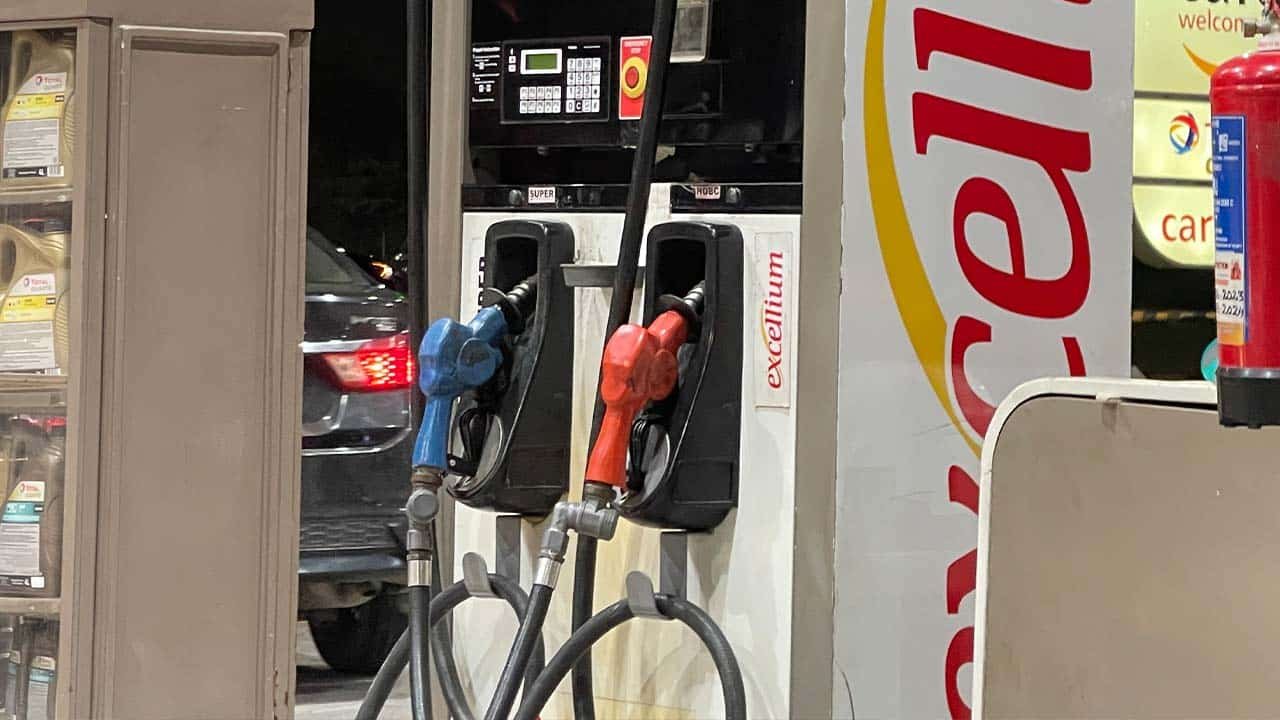
    As global oil rates surge and the rupee’s value against the US dollar weakens, there are growing indications that petrol and diesel prices in Pakistan could soon breach the significant Rs300 mark. The Oil and Gas Regulatory Authority (Ogra) is reportedly contemplating recommending a substantial increase in petroleum product prices for the upcoming fortnight, in an attempt to address the challenges posed by these economic dynamics.

    Sources indicate that if the proposal is approved, petrol prices might experience a sharp upswing of around Rs12 per litre, while diesel could see an even more substantial increase of Rs14.83 per litre. These potential hikes, set to take effect from September 1, 2023, have sparked concerns about their impact on the already high inflation rate, which currently stands at 28 per cent.

    A senior official from the Energy Ministry has expressed apprehensions regarding the potential consequences of these price adjustments. Balancing the need to mitigate citizens’ financial burdens with the demands of existing agreements, the government is grappling with a challenging decision. Notably, any attempt to counteract the price hikes could put the caretaker government in a precarious situation, as it might be perceived as a default on the International Monetary Fund’s (IMF) stipulations tied to a $3 billion standby agreement (SBA) loan.

    The depreciation of the rupee against the dollar has further fueled the need for these adjustments. With the dollar’s value reaching Rs301.75 in the interbank market and around Rs319 in the open market, the impact on petroleum prices is undeniable. The authorities have decided to recalibrate their calculations, opting for a dollar rate of Rs299 to account for the recent Rs12 exchange rate impact.

    Beyond the exchange rate, the recent surge in LC (letter of credit) confirmation charges, marked by a 10 per cent increase, has also played a role in pushing petroleum prices upwards. These charges have contributed to the overall increase in the cost of PSO (Pakistan State Oil) petroleum products. Presently, Mogas (motor gasoline) is priced at Rs290.45 per litre; however, this could rise by Rs12 per litre if the recommendations are greenlit. Similarly, the price of HSD (high-speed diesel) might surge from Rs293.40 per litre to Rs308.23 per litre, assuming the proposed Rs14.83 increase goes into effect.

    According to The News, of particular concern is the potential hike in diesel prices, given its primary use in powering heavy transport vehicles, trains, and various agricultural engines. This ripple effect could raise the cost of essential commodities, putting pressure on consumers’ wallets. 

    On the other hand, a surge in petrol prices would directly affect private transportation, rickshaws, two-wheelers, and small vehicles, disproportionately impacting the budgets of middle and lower-middle-class citizens. The impending decision on petroleum prices presents a delicate challenge for the government, requiring a careful balance between economic realities, inflation concerns, and public sentiment.
  • Govt hikes petrol and diesel prices by nearly Rs20 per litre

    Govt hikes petrol and diesel prices by nearly Rs20 per litre

    In a move to fulfill its commitment with the International Monetary Fund (IMF), Pakistan’s Finance Minister Ishaq Dar has announced a substantial increase in petrol and diesel prices. The revision has taken effect immediately today (August 1st), with petrol price rising by Rs19.95 per litre and diesel price climbing by Rs19.90 per litre.

    Here are the new petrol and diesel prices:

    Product Old prices New prices Increase
    Petrol Rs253 Rs272.95 Rs19.95
    Diesel Rs253.50 Rs273.40 Rs19.90

    Minister Dar stated that the price hike was necessary to comply with the IMF’s requirement to impose a petroleum development levy (PDL) on the rates. He mentioned that despite attempts to mitigate the impact on inflation-weary citizens, the government had little room to maneuver due to the binding agreement with the IMF.

    The announcement was originally scheduled for July 31, but the government delayed the decision as officials sought ways to minimise the impact on the general public. The Finance Minister, making this announcement for the last time before his government’s term ends on August 12, emphasised that the decision was taken in the “national interest.”

    Dar clarified that if it were not for the IMF agreement, the government would have attempted to reduce the PDL to provide relief to the masses. He referred to the measures taken by the previous government that decreased petrol prices but resulted in a breach of commitments with the IMF.

    Explaining the reasons behind the price hike, the finance minister highlighted the surge in international market prices of high-speed diesel, which necessitated adjustments in local rates. He stressed that it was crucial to pass on the minimum amount to the consumers, considering the nation’s interests.

    The sudden increase in fuel prices is likely to have significant implications on the overall economy, including its impact on inflation rates and the cost of living for ordinary citizens. With the government’s term ending soon, the incoming administration will face the challenge of managing economic stability and addressing public concerns over rising fuel costs.

  • Pakistan’s foreign exchange reserves boosted by $2 billion deposit from Saudi Arabia

    Pakistan’s foreign exchange reserves boosted by $2 billion deposit from Saudi Arabia

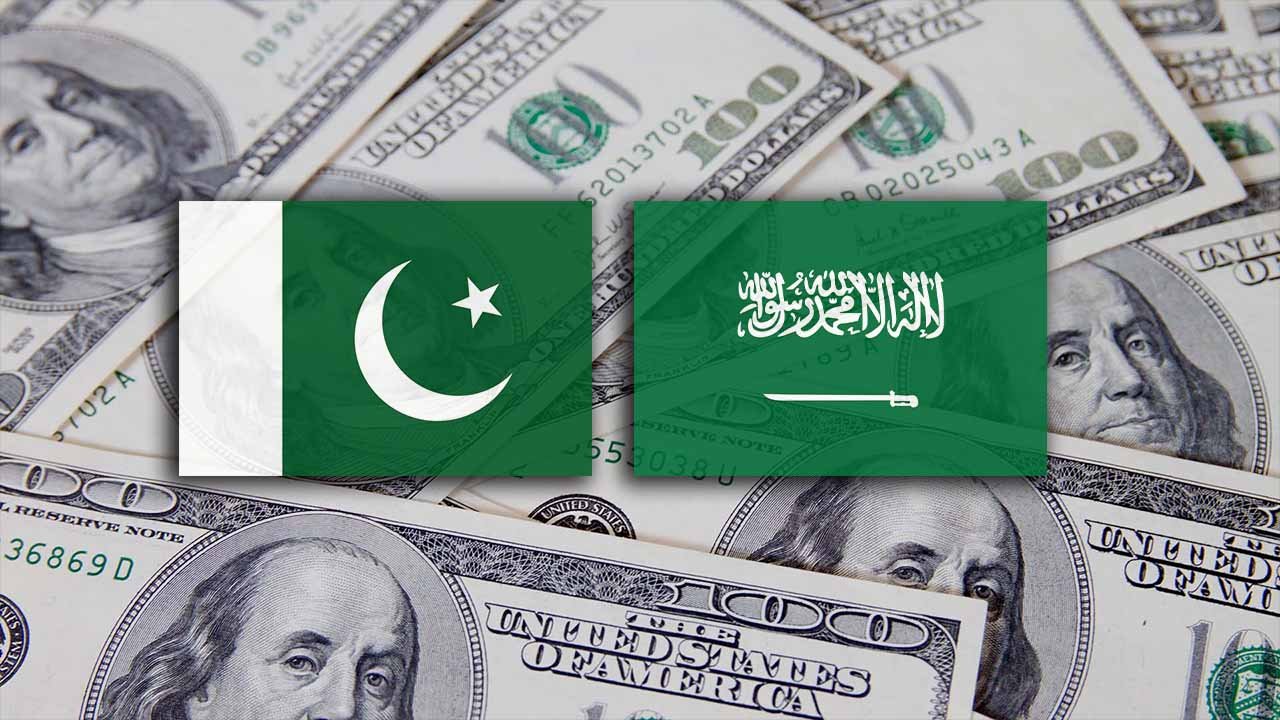
    Pakistan’s central bank has received a significant financial boost of $2 billion from Saudi Arabia, as announced by Federal Minister Ishaq Dar. This infusion of funds will greatly bolster the country’s low foreign exchange reserves.

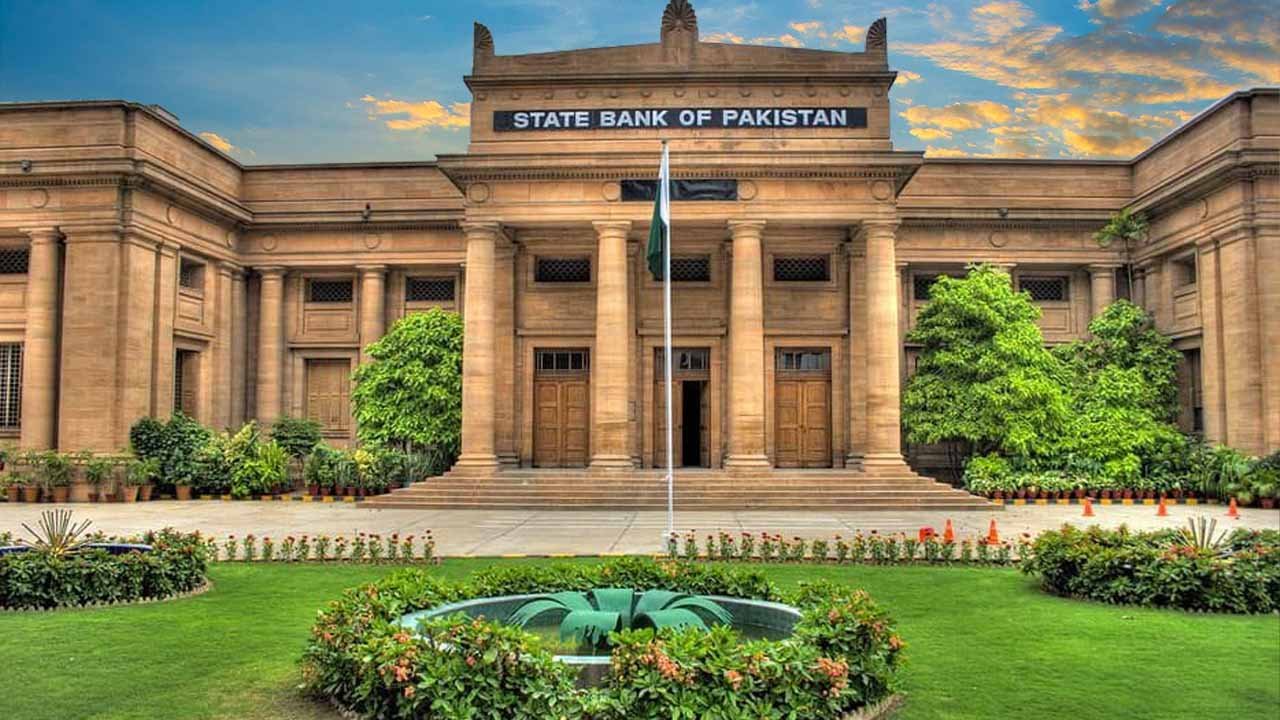
    During a media briefing on Tuesday, Dar expressed gratitude, stating, “Our brother nation, Saudi Arabia, has deposited $2 billion into the account of the State Bank of Pakistan (SBP).” He further emphasised that this contribution will directly enhance Pakistan’s foreign exchange reserves.

    At the close of last week, the SBP’s forex reserves grew by $393 million to reach $4.463 billion, primarily due to official government inflows. Over the past two weeks, the SBP’s reserves have surged by $937 million. However, it is important to note that these reserves still only cover approximately a month’s worth of imports.

    Dar stated, “These $2 billion will be reflected in the SBP’s reserves by the week ending 14th July.” The finance minister also commended the Saudi government, specifically King Salman and Crown Prince Mohammad bin Salman, for their instrumental role in this gesture of support. Dar extended heartfelt appreciation to the leadership of the Kingdom of Saudi Arabia for depositing $2 billion with the SBP and expressed optimism about future positive economic developments. He declared that Pakistan’s economic situation has nearly stabilised and is poised for growth.

    This development follows the recent announcement by the International Monetary Fund (IMF) that its staff and Pakistani authorities have reached an agreement on policies backed by a $3 billion, nine-month Stand-By Arrangement (SBA). The staff-level agreement is pending approval by the IMF Executive Board, with a decision expected on 12th July.

    Read more: Pakistan commits to 4% annual profit on $2 billion deposit from Saudi Arabia

    Nathan Porter, IMF Mission Chief to Pakistan, stated, “The new SBA builds upon the authorities’ efforts under Pakistan’s 2019 EFF-supported program, which expires at the end of June.” The new IMF arrangement, viewed as highly favorable for the government and economy amidst the ongoing crisis, extends Pakistan’s commitment to the lender well into the second half of fiscal year 2023-24. Moreover, it represents an upgrade from earlier expectations of receiving $1.1 billion following the ninth review.

    Experts have consistently emphasised the critical nature of resuming the IMF bailout package for Pakistan, a cash-strapped South Asian economy grappling with a balance of payments crisis. In addition to mitigating risks of potential default, the funding from the international lender is expected to pave the way for additional inflows from Pakistan’s multilateral and bilateral partners.

  • State Bank of Pakistan’s foreign exchange reserves surge to $4.46 billion with $393 million increase

    State Bank of Pakistan’s foreign exchange reserves surge to $4.46 billion with $393 million increase

    The State Bank of Pakistan (SBP) has announced an increase of $393 million in its foreign exchange reserves, bringing the total to $4.46 billion. In an official statement, the central bank stated that this rise occurred on June 30, 2023. The boost in reserves is seen as a positive development for the country’s economy.

    At the same time, the overall liquid foreign reserves held by Pakistan now stand at $9.74 billion, with commercial banks accounting for $5.28 billion of that amount. These figures reflect the country’s efforts to stabilise its foreign reserves and strengthen its financial position.

    This increase in foreign exchange reserves is largely attributed to Pakistan’s recent agreement with the International Monetary Fund (IMF). The country signed a staff-level agreement with the IMF, amounting to $3 billion, for a duration of 9 months. The IMF’s “Stand-By Arrangement” with Pakistan has been successfully concluded, signaling a positive outlook for the nation’s economic stability.

    Nathan Porter, the IMF Mission Chief, commended Pakistan for its commitment to achieving its economic goals and acknowledged the parliament’s crucial role in this accomplishment. He emphasised that the staff-level agreement under the Stand-By Arrangement is a significant milestone.

    The agreement is now awaiting final approval from the IMF’s executive board, which is anticipated to occur in mid-July. Once approved, Pakistan will be eligible to receive the $3 billion loan from the IMF.

    In his remarks, Porter highlighted the parliament’s efforts to enhance tax revenues, an essential component of Pakistan’s economic growth. The parliament has taken noteworthy steps to increase funds allocated to the Benazir Income Support Programme and has also limited tax exemptions.

    These measures are expected to lead to an increase in tax revenues, which, in turn, could result in a primary surplus of 0.4 per cent for Pakistan’s economy. The additional funds generated through these increased tax revenues can then be directed towards crucial social sectors.

    Overall, the increase in foreign exchange reserves for the State Bank of Pakistan is an encouraging sign for the country’s economic stability. With the IMF agreement on the horizon and the parliament’s dedication to boosting tax revenues, Pakistan is poised to make significant strides in its economic development.

    The final approval of the agreement by the IMF’s executive board will mark a crucial milestone in Pakistan’s journey towards a more prosperous future.

  • Govt increases levy on petrol to Rs55 per litre, maintains Rs50 levy on diesel

    Govt increases levy on petrol to Rs55 per litre, maintains Rs50 levy on diesel

    In a recent development, the government has decided to raise the petroleum development levy (PDL) on petrol in accordance with a staff-level agreement worth $3 billion signed with the International Monetary Fund (IMF).

    Starting from today, the PDL on petrol will be increased from Rs50 to Rs55 per litre, while there will be no change in the development levy on high-speed diesel (HSD), which remains at Rs50 per litre.

    The announcement was made by Finance Minister Ishaq Dar, who clarified that petrol prices would not be affected by this decision. However, diesel prices will see an increase of Rs7.50 for the next two weeks, with the new price becoming effective from July 1.

    Minister Dar emphasised this during a late-night press conference, ensuring that there would be no change in the price of petrol.

    To enable this adjustment, the government sought the power to amend the Petroleum Products (Petroleum Levy) Ordinance, 1961 (XXV of 1961) through the Finance Act 2023-24. This amendment grants the government the authority to increase the petroleum levy, eliminating the requirement for parliamentary approval to determine the maximum limit of the levy.

    According to The News, the Ministry of Finance shared with the Senate Standing Committee on Finance that the PDL has been set at Rs60 per litre, aiming to generate revenue of Rs879 billion in the upcoming fiscal year. This target surpasses the revised target of Rs542 billion for the previous financial year, which concluded on June 30, 2023.