Tag: imf bailout

  • Latest IMF bailout: Temporary relief?

    Latest IMF bailout: Temporary relief?

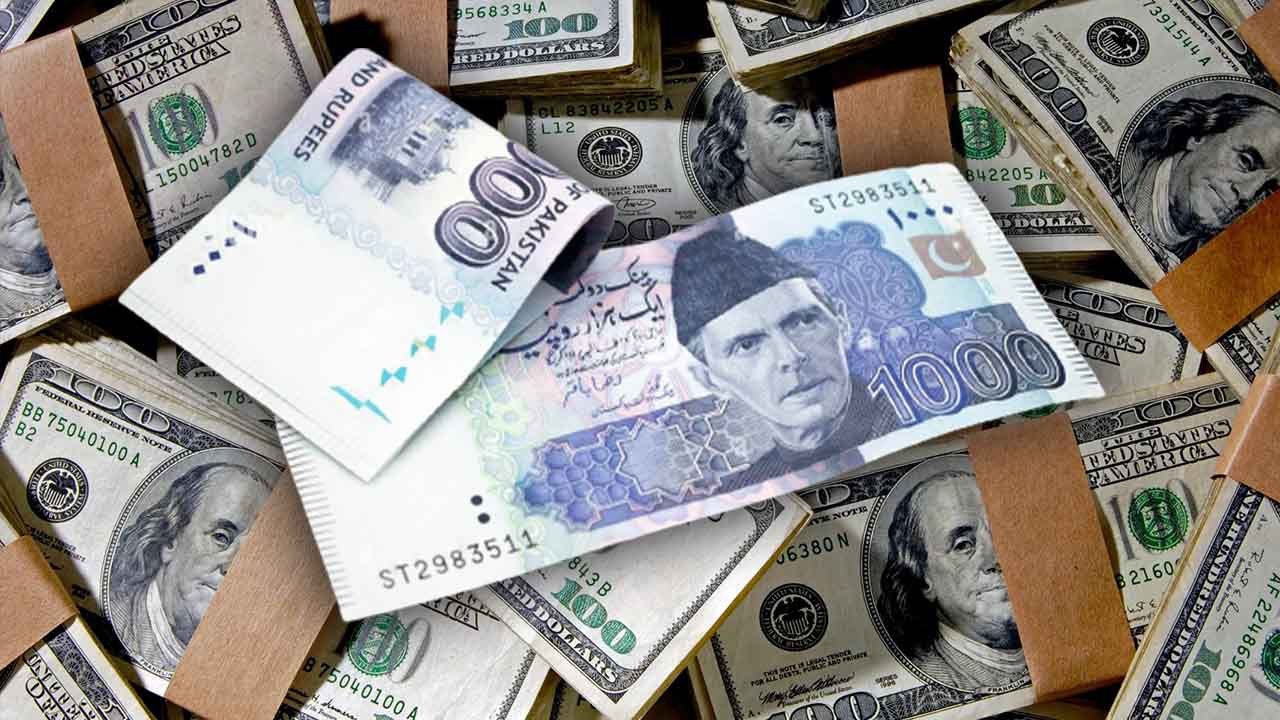
    Whispers of the latest disbursement of the IMF package to Pakistan can be heard in Islamabad as the International Monetary Fund (IMF) plans to release $1.1 billion to the cash-strapped nation on September 30.

    But what does this mean for the economy and, more importantly, the Rupee?

    To figure that out, we must consider the historical relationship between IMF loan programs and the value of the PKR alongside other economic indicators.

    The release of IMF funds signals the commitment of the country to IMF-stipulated reforms and financial stability. This will boost investor confidence as they will know Pakistan is committed to maintaining fiscal discipline and policy stability. The PKR, as a result, will appreciate as financial capital inflows to the country will rise.

    With the availability of these funds, the State Bank of Pakistan (SBP) can partake in open market operations to artificially increase the value of the PKR. The SBP can buy PKR in circulation using the freshly gained foreign exchange reserves.

    This move is likely to reduce inflation in the short term as well, leading to everyone breathing a much-needed sigh of relief because, as per the Finance Division of the Government of Pakistan, the Consumer Price Index inflation rate sits at an uneasy 26 per cent for July-April FY 2024.

    As far as inflation is concerned, the IMF-mandated fiscal discipline will lead the government to take austerity measures. To put it simply, government expenditures will be slashed while taxation will increase.

    The government is likely to want to retain the IMF’s goodwill to guarantee the disbursement of the remaining $5.9 Billion. These austerity measures will reduce consumer demand for goods and services, resulting in a decline in the inflation rate, thus easing inflationary pressures plaguing the economy.

    While reduced government expenditure will result in a fall in the GDP growth rate initially, it’s not all doom and gloom.  

    The fall in government expenditures should help private investors, as the financial scale of Government projects will shrink, causing interest rates to decline.

    This is true for two reasons.

    Firstly, the government often borrows money from local banks at exorbitant rates, putting upward pressure on the interest rates. This crowds out private investments as investors are not keen to borrow money at high interest rates. If the government ceases to borrow money from local banks, interest rates are expected to decline.

    Secondly, the decline in government expenditures will reduce inflation that was previously caused by expansionary fiscal policy. This will allow the SBP to target a lower interest rate, as inflation will be lower.

    The main question for the curious reader, however, should be whether Pakistan is likely to ever get out of its debt problems.

    Having spent the past 22 out of 30 years in bailout programs, Nadeem ul Haque doesn’t think so, as he called Pakistan an IMF addict. Prime Minister Shehbaz Sharif has, nonetheless, expressed hope and enthusiasm despite the quagmire the economy finds itself in.

    “God willing, this will be Pakistan’s last IMF Programme,” he has claimed.
  • Pakistan to retain stake in PIA amid privatisation efforts

    Pakistan to retain stake in PIA amid privatisation efforts

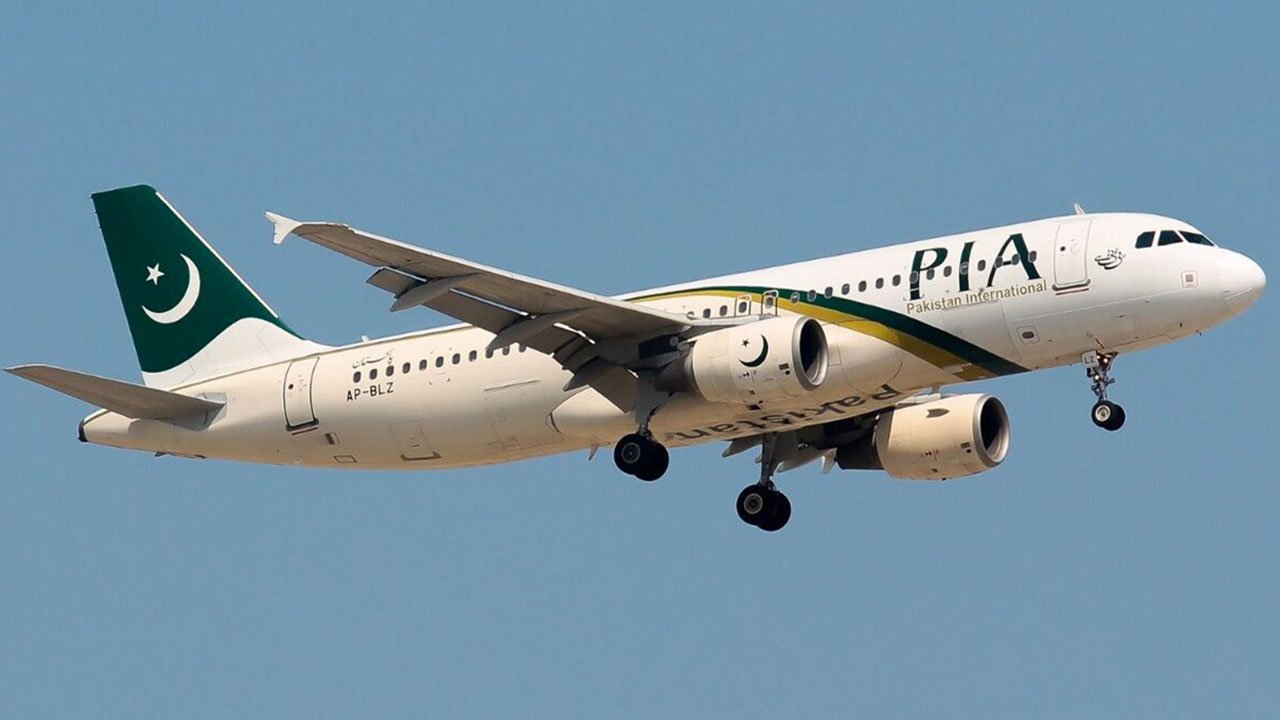
    Pakistan intends to retain a stake in the state-owned Pakistan International Airlines (PIA) to capitalise on its potential value increase following the airline’s sale, according to a report by Bloomberg.

    Usman Bajwa, Secretary at the Privatisation Commission, announced during a news briefing that the nation aims to finalise the bidding process within the next ten days. The privatisation agency plans to offer a minimum of 51 per cent of PIA’s shares to six pre-selected groups.

    PIA has struggled financially, failing to generate a profit for nearly two decades. This sale marks a significant step in the government’s broader strategy to implement economic reforms, which are part of the conditions set by the International Monetary Fund (IMF) for a bailout. Previous attempts to privatise the airline have been unsuccessful.

    In addition to PIA, Pakistan plans to divest from ten other state-owned entities, including power distribution companies, within the next year, as per the privatisation ministry.

    The government is also soliciting initial bids for the Roosevelt Hotel in New York, considering options such as an outright sale, joint venture, or long-term lease.

    Last month, Pakistan shortlisted six groups to bid for PIA, featuring prominent figures and conglomerates. These include tycoon Arif Habib and a consortium led by the Yunus Brothers Group. Pak Ethanol Pvt.’s consortium comprises Switzerland’s Swiss Aviation Group AG, Austria’s Airport Competence GmbH, and Australia’s Pearl Asset Management.

    This privatisation drive reflects Pakistan’s commitment to economic reform and stabilisation, aiming to attract investment and improve the financial health of its state-owned enterprises.

  • Pakistan aims for more than $6 billion IMF bailout, targets agreement this month

    Pakistan aims for more than $6 billion IMF bailout, targets agreement this month

    Pakistan is on track to finalise a staff-level agreement with the International Monetary Fund (IMF) for a bailout exceeding $6 billion by the end of this month, announced Junior Finance Minister Ali Pervaiz Malik on Wednesday.

    The country, grappling with escalating domestic dissent over new tax measures, has set ambitious revenue targets in its latest budget, aimed at securing IMF approval to avert an economic crisis.

    “We hope to conclude this IMF process within the next three to four weeks,” Malik stated, highlighting the urgency to reach a staff-level agreement before the IMF board’s recess. While estimating the bailout package to exceed $6 billion, Malik underscored that the IMF’s endorsement remains paramount at this juncture.

    Pakistan’s fiscal blueprint for the fiscal year starting July 1 includes a daunting tax revenue target of 13 trillion rupees ($47 billion), marking a nearly 40 per cent surge from the previous year.

    Concurrently, the government aims to slash the fiscal deficit to 5.9 per cent of the Gross Domestic Product (GDP) from 7.4 per cent in the preceding year.

    Malik defended the stringent budgetary measures, asserting that they were essential to pave the way for an IMF programme, which he claimed the lender had acknowledged positively during discussions. However, the anticipated budget approval from the IMF could exacerbate public discontent, analysts warn.

    “While these budget reforms may strain the local economy, the IMF programme prioritises economic stabilisation,” Malik affirmed.

    Economist Sakib Sherani, from the private firm Macro Economic Insights, highlighted the urgency of sealing a swift deal with the IMF to mitigate pressure on Pakistan’s foreign exchange reserves and currency, given impending debt repayments and the unwinding effects of earlier capital and import controls.

    “If delays persist, the central bank may need to temporarily reinstate import and capital controls, leading to a period of uncertainty with potential implications for equity markets,” Sherani cautioned.

    In conclusion, Pakistan’s pursuit of an IMF bailout underscores its efforts to stabilise its economy amidst mounting challenges, balancing economic imperatives with public sentiment.

  • Economic challenges await next govt as Pakistan votes

    Economic challenges await next govt as Pakistan votes

    Pakistan is set to hold its national elections on Thursday, a crucial event for the country grappling with multiple crises.

    As the new government prepares to take charge, it faces daunting challenges in stabilising the economy.

    Last summer, Pakistan narrowly avoided a sovereign default through a last-minute $3 billion bailout from the International Monetary Fund (IMF).

    However, this lifeline is set to end in March, and officials anticipate the need for a new, extended programme.

    Negotiating this program swiftly is imperative for the incoming government, as the economy is burdened by record-high inflation and slow growth resulting from stringent reforms.

    The country’s headline inflation stood at 28.3 per cent year-on-year in January, slightly lower than December’s 29.7 per cent. Despite government expectations, citizens are anxious for the new administration to address the soaring inflation that has significantly impacted their daily lives.

    Moreover, recent increases in gas prices, with a 35.13 per cent hike for Sui Northern Gas Pipelines Limited (SNGPL) and 8.57 per cent for Sui Southern Gas Company Limited (SSGC), add to the economic challenges. The move, effective from January 1, 2024, is the second increase in gas prices this fiscal year.

    In addition to rising gas prices, the cost of petrol and diesel has surged, with a notable increase of Rs13.55 per litre announced on February 1, 2024. This hike is attributed to the ongoing tensions in the Middle East, including Israel’s conflict with Gaza and Houthi attacks in the Red Sea.

    Amid these economic hardships, the National Electric Power Regulatory Authority (NEPRA) has approved an increase in electricity tariffs for distribution companies (Discos) by Rs4.57 per unit for December 2023. This adjustment addresses the escalating fuel costs impacting the power sector.

    The new government is also expected to address the exchange rate concerns as the Pakistani rupee struggles against the US dollar, currently standing at around Rs279.

    The disparity has led to increased prices for essential commodities, further straining the population.

    Adding to the complexity of the upcoming elections is the high political tension, with former prime minister Imran Khan describing a crackdown on him and his party.

    Khan, who has been in jail since August, faces pending cases, including accusations of ordering violent attacks on military installations.

    Despite his imprisonment, Khan maintains substantial popular support, and continued political unrest could jeopardise the stability needed for economic recovery and foreign investment.

    As Pakistan stands at a critical juncture, the incoming government’s ability to navigate these challenges will determine the nation’s economic trajectory in the coming years.

  • Inflation may drop to 20-22% in the coming year: SBP report

    Inflation may drop to 20-22% in the coming year: SBP report

    In the Governor’s Annual Report 2022–23, released ahead of the upcoming national election, the Chief of the State Bank of Pakistan (SBP) conveyed that the country’s inflation is expected to decrease to approximately 20–22 per cent in fiscal year 2024.

    The SBP remains committed to making decisions aimed at preventing persistently high inflation. Notably, Pakistan’s economy fell significantly short of its fiscal and primary surplus targets in FY23, resulting in a contraction of the real GDP to 0.2 per cent.

    During FY23, Pakistan, with a population of 241 million, witnessed its highest-ever inflation, leading to historic lows in its currency value. The situation was mitigated by a $3 billion IMF bailout in July, preventing an imminent sovereign default.

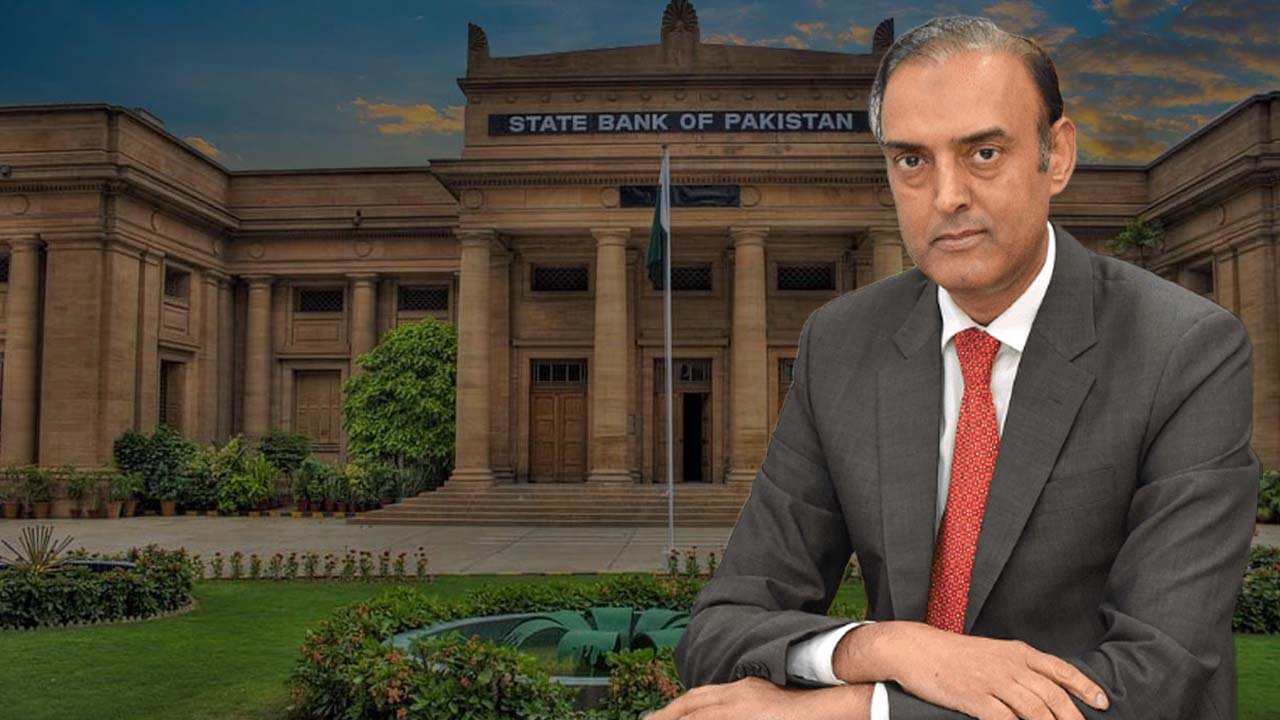
    Governor Jameel Ahmed highlighted in the report that the Consumer Price Index (CPI) surged to 29.2 per cent in FY23, aligning with the upper bound of the bank’s revised projections.

    The SBP remains committed to anchoring inflation expectations to achieve its medium-term target of 5-7 per cent by the end of FY25.

    Fiscal and policy measures implemented before and after the bailout are contributing to stabilising Pakistan’s $350 billion economy as the country approaches the national election scheduled for February 8.

    Despite missing fiscal and primary surplus targets by a considerable margin, the SBP emphasises its dedication to curbing inflation.

    Simultaneously, the finance ministry anticipates a moderate inflation outlook for the remaining months of FY24, even with the upward revision of administered prices, particularly gas prices.

    According to the ministry’s monthly economic report, Consumer Price Index (CPI)-based inflation in Pakistan for December is projected to be in the range of 27.5-28.5 per cent.

    Looking ahead, the ministry foresees a further easing of inflation to 24–25 per cent in January 2024.

  • Rising debt levels: Pakistan’s national debt surpasses Rs61 trillion

    Rising debt levels: Pakistan’s national debt surpasses Rs61 trillion

    The federal government has witnessed a substantial increase in its total debt, which has surged to nearly Rs62 trillion. This significant escalation is primarily attributed to the government’s strategic borrowing from both domestic and foreign sources, a measure aimed at covering the fiscal deficit.

    According to The News, data from the State Bank of Pakistan (SBP) reveals that as of July 2023, the total debt of the government stands at Rs61.75 trillion. This figure reflects a substantial year-on-year increase of 22.11 per cent, compared to Rs50.57 trillion recorded in July 2022. Furthermore, on a month-on-month basis, the government’s debt exhibited a 1.49 per cent increase from Rs60.84 trillion in June 2023.

    The surge in the debt burden can be predominantly attributed to the government’s reliance on domestic and foreign borrowing mechanisms to address fiscal deficits.

    Breaking down the composition of the debt, data from the central bank highlights that a significant portion of Rs39.02 trillion is domestically sourced, representing a notable year-on-year growth of 24.08 per cent. This domestic debt comprises Rs29.59 trillion in long-term debt and Rs9.29 trillion in short-term debt. The remaining Rs22.73 trillion is external in nature.

    By the close of July 2023, the government’s long-term debt had escalated by 24.44 per cent year-on-year to Rs29.59 trillion when compared to the figure of Rs23.78 trillion recorded in the same period a year earlier. In parallel, short-term debt exhibited a substantial year-on-year increase of 27.14 per cent as opposed to Rs7.31 trillion in July 2022.

  • Currency crisis alert: Pakistani rupee could drop to Rs350 against dollar without IMF assistance

    Currency crisis alert: Pakistani rupee could drop to Rs350 against dollar without IMF assistance

    The Pakistani rupee is poised to face a significant downfall, with expectations that it may plummet to as low as Rs350 against the US dollar. This alarming projection has raised concerns among stakeholders, as the weakening currency is anticipated to have far-reaching implications, particularly in terms of inflationary pressures that will disproportionately affect the lower and middle classes.

    According to Geo, the steep devaluation of the rupee, which has already lost approximately 20 per cent of its value this year, positions it among the worst-performing currencies worldwide.

    Experts, including economists Ankur Shukla and Abhishek Gupta, attribute this weakness to a range of factors. Capital flight from Pakistan is intensifying due to the growing apprehension that the International Monetary Fund (IMF) may not provide the much-needed bailout required to prevent a fiscal default in the upcoming fiscal year commencing in July.

    The delay in receiving aid, which has been stalled since November, is suspected to be linked to political unrest, further exacerbating the rupee’s decline. The country’s leadership has been plagued by instability since the removal of Imran Khan, Chairman of Pakistan Tehreek-e-Insaf (PTI), through a no-confidence motion vote in April last year.

    Khan’s recent arrest has heightened tensions between him, the government, and the military. Following his imprisonment, the rupee experienced a sharp drop to a record low of 299 per dollar, only to partially recover and stabilize at 285 after his release.

    Multiple experts are warning of an imminent massive drop in the rupee, with some analysts even foreseeing a further 20 per cent depreciation. The currency’s future trajectory heavily depends on the ongoing clashes between Khan and the government, as well as the IMF’s decision regarding financial assistance.

    Adil Ghaffar, CEO at Premier Financial Services Pvt in Karachi, concurs, stating that failure to secure the loan could lead to a slump in the rupee’s value to Rs350 per dollar in June. Market sentiment remains precarious, and economists such as Farooq Pasha highlight the persistent uncertainty surrounding the rupee’s path.

    In the near term, politics will continue to pose a key risk until the elections. The bond market has also been adversely affected, with bond investors growing increasingly nervous as the spread between Pakistan’s dollar bonds and US Treasuries reached a record high of over 35 per cent this month.

    With the looming prospect of the rupee’s significant decline, the economic landscape of Pakistan hangs in a precarious balance.

  • Historic high: Gold price in Pakistan soars to record-breaking Rs225,300 per tola

    Historic high: Gold price in Pakistan soars to record-breaking Rs225,300 per tola

    Pakistan’s economic turmoil and an increase in international gold rates have led to a new high in the value of the precious metal in the country.

    According to data provided by the All Pakistan Sarafa Gems and Jewellers Association (APSGJA), the rate of gold (24 carats) surged by Rs2,600 per tola and Rs2,229 per 10 grams to reach Rs225,300 and Rs193,158, respectively.

    The price of gold in the international market also rose by $29 to settle at $2,044 per ounce. In Pakistan, the rising gold rate is a consequence of weakened economic fundamentals, rupee depreciation, and record-high inflation.

    During such times, people prefer to buy gold as a hedge against inflation and currency depreciation. Furthermore, the delay in an agreement with the International Monetary Fund (IMF) for a much-needed economic bailout has led to increased demand for gold as it negatively impacts the currency market.

    The APSGJA also revealed that the price of gold is Rs2,500 per tola “undercost” in Pakistan as compared to the Dubai market, indicating that the Pakistani gold market is currently cheaper than the global market.

    Finally, the rate of silver also increased to a new high in the country, with the rate of silver rising by Rs120 per tola and Rs102.88 per 10 grams to settle at Rs2,870 and Rs2,357.68, respectively.

  • US urges Pakistan to implement IMF reforms as economic crisis deepens

    The United States has urged Pakistan to take urgent action to implement the necessary reforms required by the International Monetary Fund (IMF) to address the country’s rising economic crisis. Inflation has been a major issue for Pakistan, and discussions between the two parties have been ongoing since January to find a consensus on multiple conditions before signing a deal that includes external financing from friendly nations.

    Elizabeth Horst, the State Department official in charge of Pakistan, stressed the importance of Pakistan’s compliance with the IMF’s agreed-upon reforms to ensure the country’s financial stability and avoid falling further into debt. She emphasised that although the reforms may not be easy, they are essential for the growth of Pakistan’s economy.

    Horst also expressed the US government’s concern over Pakistan’s economic situation and promised support for the country, particularly in policy, business, and transparency. She pointed out that the trade relationship between the two countries is already worth over nine billion dollars and will continue to increase.

    Highlighting the close cooperation between the US and Pakistan in areas such as trade and investment, climate change, and security, Horst revealed that the Pakistan-US Green Alliance has been initiated to further enhance these relations. She emphasised the importance of Pakistan’s sovereignty and that it is free to make its own choices.

    The State Department official also emphasised that both countries are working together to ensure regional security, counter-terrorism, and counter-narcotics. She expressed concern over the rising number of terrorist incidents in Pakistan and stressed the importance of continuing cooperation between the two countries to prevent Afghanistan from becoming a haven for terrorists.

    Horst concluded by stating that a peaceful and stable Afghanistan is in the interest of both Pakistan and the US. She emphasised the importance of pushing the Taliban to fulfill their promises for peace and stability, as thousands of lives have already been affected by terrorism.

  • US Ambassador assures Pakistan of continued assistance for IMF bailout programme

    On Thursday, US Ambassador to Pakistan Donald Blome reassured Finance Minister Ishaq Dar that Washington would continue to assist Islamabad in unlocking a long-stalled International Monetary Fund (IMF) bailout. This bailout is intended to help the liquidity-challenged country’s economy avoid imminent default. The assurance was given during a meeting between the finance minister and the ambassador in the federal capital.

    According to details, the envoy was briefed on the progress of the Washington-based lender’s programme. During the meeting, FinMin Dar requested the US ambassador’s assistance in unlocking the bailout programme. He also informed him about a $2 billion commitment from Saudi Arabia and ongoing talks with the United Arab Emirates for financing $1 billion. The minister expressed the need for additional resources and financing, to which Blome promised cooperation from the United States.

    According to an official statement from the Ministry of Finance, Dar briefed the envoy on the country’s economic outlook and the challenges faced by the nation. He also shared the government’s pragmatic policy decisions aimed at stabilising and growing the economy.

    The statement noted that Blome expressed confidence in the government’s policies and programmes, supporting them for the economic sustainability of the country and the socio-economic upliftment of the masses. He extended his support to promote bilateral economic, investment, and trade relations between both countries.

    The two sides discussed matters of common interest and showed an interest in enhancing the existing bilateral relations between both countries. They also talked about various economic avenues through which both countries can strengthen their ties. This meeting with Blome took place days after FinMin Dar met with UAE’s ambassador to Pakistan, Hamad Obaid Ibrahim Salim Al-Zaabi, to discuss economic relations.

    Since early February, Islamabad has been hosting an IMF mission to negotiate a series of policy measures aimed at securing $1.1 billion in funding for the cash-strapped economy, which is on the verge of collapse.

    The IMF has requested Pakistan to secure assurances on external financing from friendly countries and multilateral partners to fund its balance of payment gap for this fiscal year, ending in June. The funds are part of a $6.5 billion bailout package the IMF approved in 2019, which analysts say is critical for Pakistan to avert defaulting on external payment obligations.