Tag: IMF demands

  • Petrol price likely to increase by Rs15 per litre after August 16

    Petrol price likely to increase by Rs15 per litre after August 16

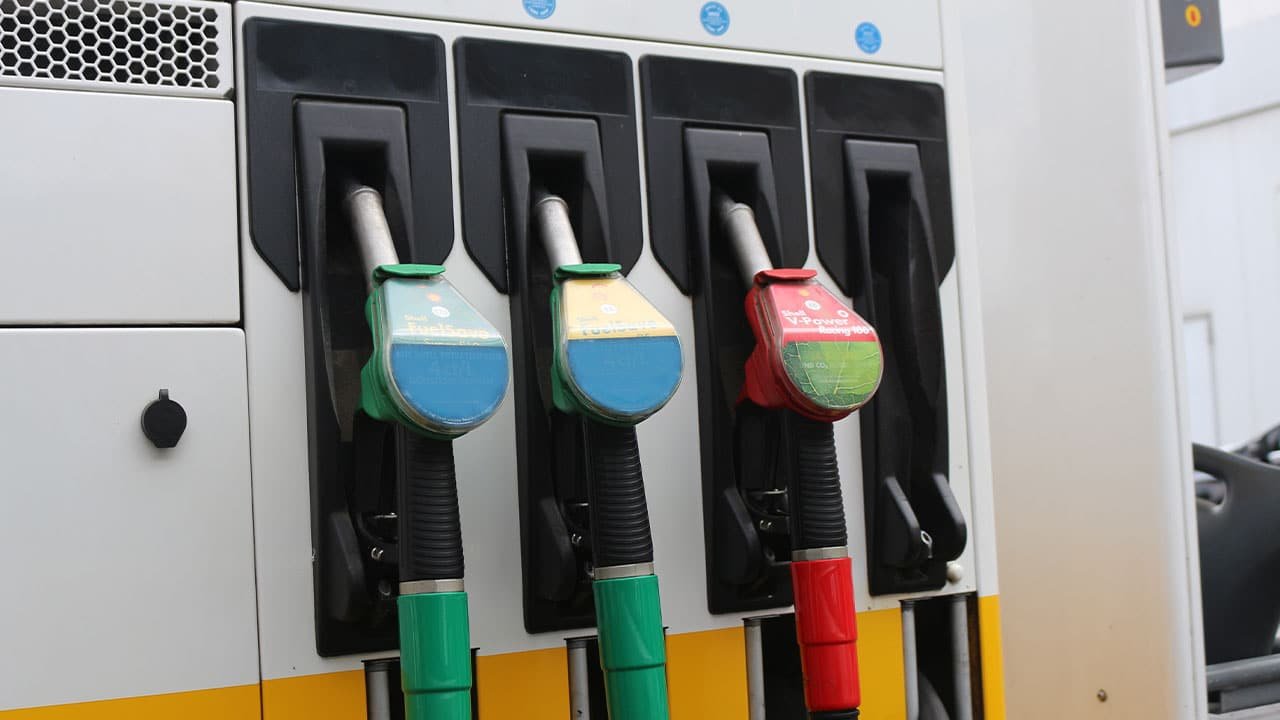
    Starting August 16, petroleum products are expected to undergo a notable price hike. In particular, the price of petrol is projected to rise by Rs15 per litre, while diesel will likely see a steeper increase of Rs20 per litre.

    This surge in prices is attributed to a rise in global commodity rates. Recent reports indicate that the cost of crude oil has climbed by $5 per barrel, going from $86 to $91 per barrel. This increase is largely due to the elevated prices of petroleum products on the global market. Additionally, a separate premium charge of $2 per barrel has been applied to crude oil.

    Simultaneously, the international prices for both diesel and gasoline have also experienced a $5 surge, climbing from $97 per barrel to $102 per barrel.

    Should these prices remain unchanged, the anticipated effect on Pakistan’s fuel market would translate to a Rs15 per litre hike for petrol and a more substantial Rs20 per litre increase for diesel.

    In the context of the previous fortnightly review conducted by the outgoing government, a significant Rs19 per litre escalation in petrol and diesel prices had been announced. This decision was justified as being in alignment with the demands of the International Monetary Fund.
  • Govt gives nod to massive power tariff hike to meet IMF demands

    Govt gives nod to massive power tariff hike to meet IMF demands

    In a recent late-night development, the federal cabinet of Pakistan has given its approval for a significant increase in the electricity base tariff. This decision comes as part of the country’s efforts to meet the conditions set by the International Monetary Fund (IMF).

    According to the information provided by insiders, the federal government has decided to raise the basic power tariff for various consumer categories, with the increase ranging from Rs3 to Rs7.5 per unit.

    The National Electric Power Regulatory Authority (Nepra) played a pivotal role in this decision, as the cabinet approved the tariff hike based on Nepra’s recommendation.

    For non-protected residential consumers who use 1 to 100 units, the proposed increase is Rs3 per unit, which will elevate the current cost from Rs13.48 per unit to Rs16.48 per unit.

    Similarly, residential consumers using above 700 units might see a significant increase of Rs7.5 per unit, raising the existing rate from Rs35.22 per unit to Rs42.72 per unit.

    The government has now referred the matter to Nepra, which will conduct a public hearing to gather input and make a final decision before releasing an official notification. If approved, the new tariff will take effect from July 1.

    It is noteworthy that Nepra had already granted the federal government an increase of Rs4.96 per unit in the base electricity tariff on July 14.

    This move aligns with Prime Minister Shehbaz Sharif’s commitment to IMF Managing Director Kristalina Georgieva, assuring full adherence to the agreement made with the global lender, leaving no room for any violation.