Tag: IMF negotiations

  • Pakistan Stock Exchange achieves record high, crossing 58,000 points

    Pakistan Stock Exchange achieves record high, crossing 58,000 points

    A positive shift in market sentiment fueled the Pakistan Stock Exchange’s (PSX) upward trajectory as the benchmark KSE-100 Index surpassed the historic 58,000 level for the first time in Wednesday’s trading session.

    At 12:45 pm, the benchmark index reached 58,203.85, marking a noteworthy increase of 832.27 points, or 1.45 per cent. 

    Widespread buying, particularly in index-heavy sectors such as automobile assemblers, cement, chemicals, commercial banks, fertiliser, and oil and gas exploration companies, contributed to this surge, with OMCs also registering gains.

    The benchmark index climbed by 294 points, or 0.51%, the previous day, settling at 57,371.59.

    This sustained bullish trend reflects improved economic indicators in the country and the interim government’s successful negotiations with the International Monetary Fund (IMF) for the first review, unlocking $700 million in funding.

    Analysts expect that, following the review, Pakistan will attract additional inflows from both multilateral and bilateral partners.

    Commenting on this rapid yet anticipated recovery at PSX, Mohammed Sohail, CEO of Topline Securities, stated, “PSX is experiencing one of the fastest but not unexpected recoveries.”

  • Nepra approves Rs1.46 per unit fuel charge adjustment

    Nepra approves Rs1.46 per unit fuel charge adjustment

    In the midst of widespread protests over surging electricity bills in Pakistan, the National Electric Power Regulatory Authority (Nepra) has taken a significant step.

    They have given the green light for power distribution companies to impose an additional charge of Rs1.46 per unit on consumers in the form of a fuel charge adjustment (FCA) for the month of July.

    This decision, rooted in the Regulation of Generation, Transmission, and Distribution of Electric Power Act of 1997, comes as an attempt to address financial challenges in the power sector.

    The FCA, however, excludes electric vehicle charging stations (EVCS) and lifeline consumers. This means that this adjustment will be itemised separately on consumers’ bills based on their electricity usage in July 2023. The billing for this adjustment is scheduled for September 2023.

    The background to this move involves costly imported coal inventory held by coal-based power plants, particularly the Sahiwal coal power plant, and limitations in the power transmission system. The latter includes issues such as the HVDC transmission line’s inability to efficiently transport cost-effective power from southern generators. These factors have placed a considerable financial burden on power consumers.

    This tariff increase compounds the woes of consumers, who are already grappling with record inflation, high fuel prices, and elevated electricity rates. As a result, consumers are expected to bear a cumulative burden of Rs24.76 billion in their September 2023 bills due to over 14 billion units sold in July.

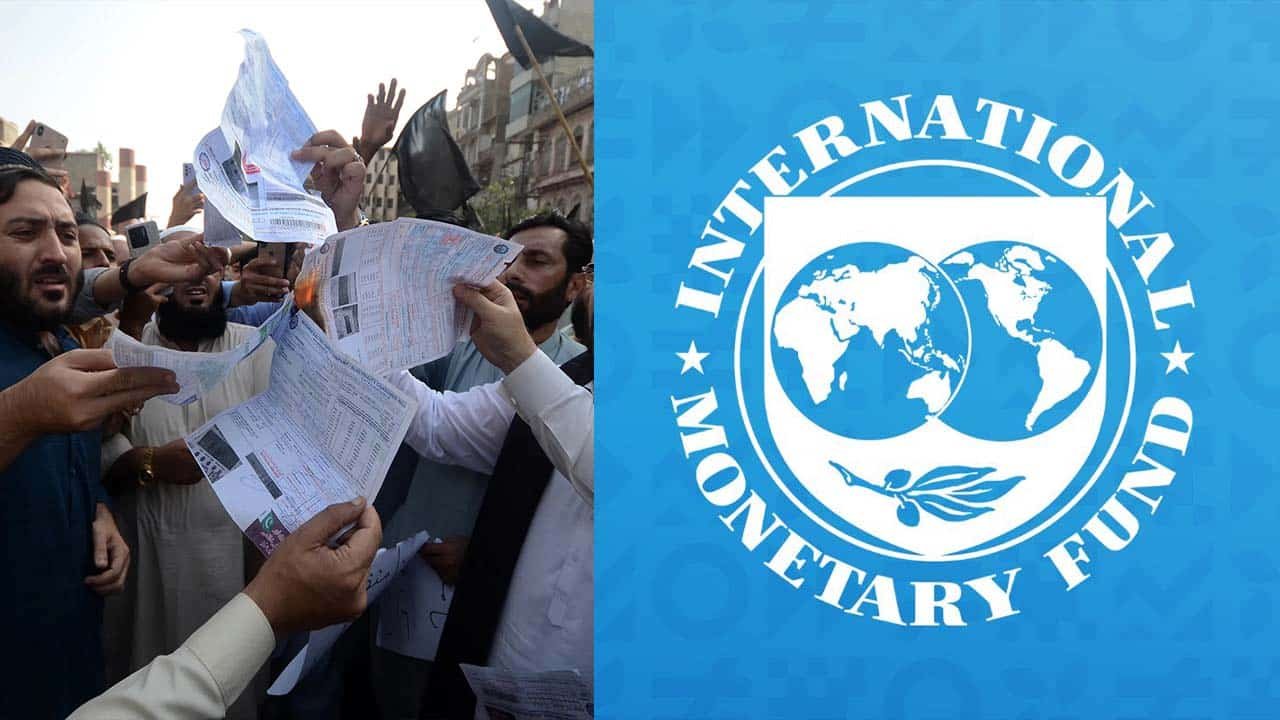
    In response to public protests and growing dissatisfaction, the interim government, led by Prime Minister Anwaar-ul-Haq Kakar, has sought assistance from the International Monetary Fund (IMF) to provide immediate relief to electricity consumers.

    According to Geo News, Pakistan is under an IMF programme, making any relief or subsidy contingent upon IMF approval. Negotiations between the government and the IMF have been intense, resulting in some relief for consumers using up to 200 units, allowing them to pay electricity bills in installments.

    However, the IMF rejected the government’s plan to provide relief to those consuming up to 400 units of electricity per month, which could have benefited 32 million consumers. Instead, the IMF stressed the need to address electricity and gas theft and improve revenue collection.

    Furthermore, the IMF has proposed a 45 to 50 per cent increase in gas tariffs starting July 1, pending approval by the federal cabinet. These developments reflect a challenging situation in Pakistan’s energy sector as the government grapples with the need for reform amid rising consumer discontent.
  • IMF’s ‘yes or no’ decision nears on relief for electricity bills

    IMF’s ‘yes or no’ decision nears on relief for electricity bills

    In the midst of extensive protests regarding soaring electricity charges, the interim government has reportedly devised a strategy aimed at alleviating the financial burden on electricity consumers in the country.  

    According to Geo News, the interim government is preparing a relief package that will grant up to Rs3,000 in relief to customers who use up to 300 units of electricity in their October bills. Furthermore, those facing electricity bills between Rs60,000 and Rs70,000 stand to benefit from a significant reduction of Rs13,000. 

    Simultaneously, discussions between the International Monetary Fund (IMF) and the interim government are ongoing, focusing on providing relief to electricity consumers. 

    In a separate report by The News, it’s revealed that the IMF, headquartered in Washington, has requested additional data from the Power Division to inform its decision regarding various proposals to address the impact of high bills in August and September. 

    “We have shared the required data with the Fund people hoping that IMF may today (Monday) come up with its response with a yes or no to the assertions of the Finance and Power Divisions, seeking permission for relief to inflation-stricken people in electricity bills,” shared sources involved in discussions with the IMF. 

    Currently, officials from both the Power and Finance divisions are engaged in intensive discussions with IMF representatives, considering the data associated with proposed measures to alleviate power tariffs and their potential effects on circular debt, cash flow, and potential delays in Independent Power Producers (IPPs) payments, ensuring the stability of the power sector. 

    In response to continuous protests by citizens and traders against soaring power bills and added taxes, the government is actively seeking to convince the global lender to grant immediate relief to electricity consumers in a nation already grappling with severe inflation.