Tag: IMF

  • Sharp rise in petrol price drives weekly inflation up, worsening daily struggles for Pakistanis

    Sharp rise in petrol price drives weekly inflation up, worsening daily struggles for Pakistanis

    The Sensitive Price Index (SPI) in Pakistan has risen by 1.30 per cent compared to the previous week, intensifying the financial burden on the already struggling population. The nation is grappling with ever-depreciating financial resources as it faces a sharp increase in petroleum prices and food inflation.

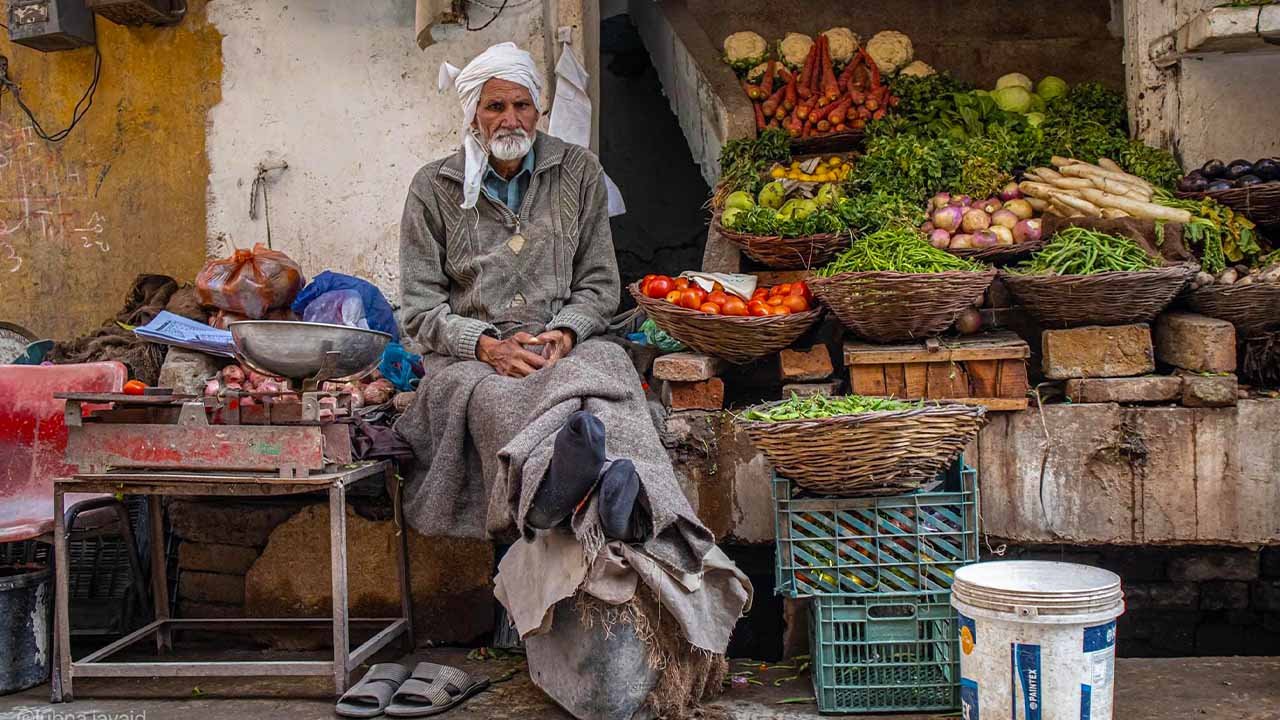
    One of the major contributors to the rising costs is the persistent increase in petroleum and oil prices over the past year-and-a-half. This increase directly affects commuters who have to bear the brunt of higher transportation costs, making it more challenging for them to manage their daily expenses, particularly when it comes to purchasing essential goods like food items.

    Although the SPI has seen a significant decline since reaching its highest level of 48.35 per cent on May 4, the overall inflation remains a concern. The International Monetary Fund (IMF) predicts the Consumer Price Index (CPI) for the current fiscal year to be 25.9 per cent, which is still high despite being lower than the 29.6 per cent recorded in 2022-23.

    According to the latest data released by the Pakistan Bureau of Statistics, the SPI has witnessed a staggering 29.83 per cent jump compared to the same week last year. This increase followed the government’s decision to hike petrol and high-speed diesel prices by Rs19.95 and Rs19.90 per litre, as well as a substantial increase in the rate of liquefied petroleum gas (LPG).

    The outgoing government, whose constitutional term is about to expire on Aug 12, defended the decision to increase fuel prices, citing the recently reached $3 billion IMF deal as being in the national interest.

    The SPI, which covers 51 essential items, has seen prices of 23 items go up, 7 items go down, and 21 items remaining unchanged compared to the previous week. The largest week-on-week rise was observed in the prices of tomatoes, increasing by 16.85 per cent, followed by chillies powder (7.58 per cent), garlic (5.71 per cent), onions (5.50 per cent), powdered milk (5.17 per cent), eggs (3.86 per cent), and rice basmati broken (2.06 per cent).

    Looking at the year-on-year comparison, the prices of wheat flour have surged by a staggering 131.40 per cent, while rice basmati broken and rice Irri-6/9 have increased by 82.86 per cent and 72.73 per cent, respectively. This is alarming as wheat flour and rice are staple foods for the majority of the population, and such steep price hikes can exacerbate the existing nutritional deficiencies and lack of protein in the daily diet.

    Adding to the concern is the rising cost of pulses, lentils, chicken, eggs, potatoes, and other vegetables, which are crucial components of the daily diet. This trend points towards a looming food insecurity crisis in Pakistan.

    The situation is expected to worsen as Pakistan must implement the harsh IMF conditions, which revolve around higher prices of utilities and fuel. This will make it even more challenging for the inflation-hit people to sustain the required food intake, leading to further hardship for the already struggling population.
  • Load shedding and unbearable hike in electricity prices hit Pakistani homes and businesses

    Load shedding and unbearable hike in electricity prices hit Pakistani homes and businesses

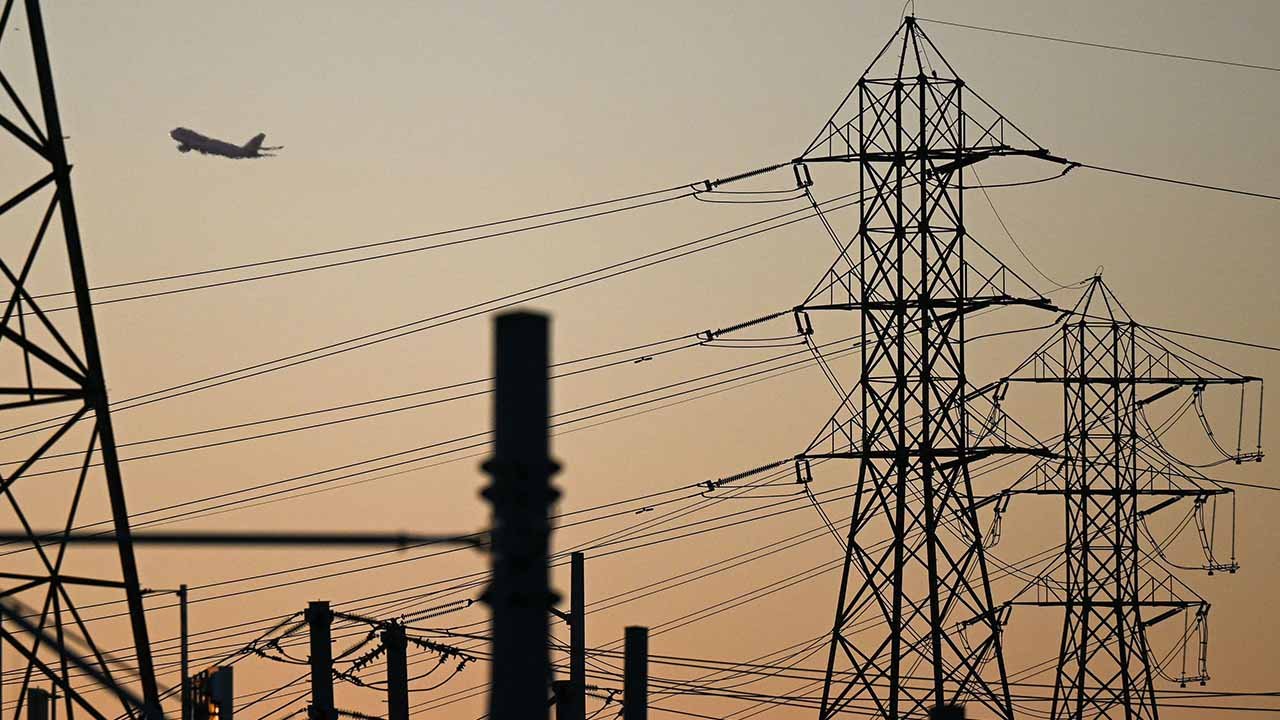
    Pakistan is facing an ongoing and unbearable increase in electricity tariffs, causing hardships for the majority of the population. The government justifies these price hikes by claiming they are under pressure from the International Monetary Fund (IMF) to generate more revenue. However, the tariff increase is mainly due to fuel price adjustments and high taxes imposed by the government.

    Consumers, especially low- to middle-class households, are struggling to pay their electricity bills, which have more than doubled. The rise in fuel price adjustments and government taxes further exacerbates the burden on consumers. The government’s commitment to the IMF to implement a fifty per cent increase in the base tariff from July to October contributes to the escalating bills.

    Unfortunately, the increase in electricity prices is expected to continue, and there is no progress in essential power sector reforms to reduce system losses, corruption, power theft, and reliance on imported fuels. As a result, the National Electric Power Regulatory Authority (NEPRA) has raised the average tariff to ensure funds for loss-making power distribution companies, putting additional financial strain on consumers.

    The government claims that the tariff increase is necessary to meet the IMF’s requirements and support energy sector viability. However, the business community also suffers, fearing a loss of competitiveness and increased costs. Industries have cut down production due to high energy prices and inflation, affecting economic growth and job creation.

    Many argue that successive governments have failed to implement essential structural reforms, leading to Pakistan’s economic predicament. The solution proposed by economists involves fixing the energy sector’s deep-rooted issues, taxing sectors adequately, and implementing a credible privatization plan to reduce pressure on the budget.

    In conclusion, Pakistan’s never-ending increase in electricity tariffs has become a major burden for the population, and without significant reforms, the situation is unlikely to improve. The government’s need to meet IMF requirements clashes with the urgency of boosting industrial activity and economic growth, leaving the country in a challenging economic predicament.

  • Painful IMF compliance, but no new taxes on agriculture and real estate, clarifies Dar

    Painful IMF compliance, but no new taxes on agriculture and real estate, clarifies Dar

    Finance Minister Ishaq Dar made a resolute declaration on Thursday, assuring the public that the coalition government, despite having taken stern measures that burdened the masses, has no intentions of imposing additional taxes on the agriculture and real estate sectors.

    Speaking passionately on the floor of the National Assembly, Dar firmly stated, “I want to state categorically […] that no new tax will be imposed on agriculture or real estate. We have endured much pain in meeting the IMF’s conditions.”

    This assurance comes in the wake of the International Monetary Fund (IMF) approving a $3 billion bailout program for Pakistan, with $1.2 billion already disbursed to help stabilise the nation’s struggling economy.

    Media reports had indicated that the IMF requested a plan from the government to impose taxes on the real estate and agricultural sectors as a condition to release the remaining funds. The news caused concern among those associated with the agriculture sector, especially since the government had expanded the loan volume to support it in the budget.

    Dar emphasised that all prior actions demanded by the lender had been successfully completed, and the agreement with the IMF was carried out in a transparent manner. He reassured the public, “No further burden will be passed on to the people. All the commitments made with the IMF are available on the finance ministry’s website.”

    The positive effects of the deal are already evident, with investors in the country experiencing relief in the stocks, exchange rate, and bonds markets. Additionally, longstanding allies Saudi Arabia and the United Arab Emirates have recently deposited $3 billion in Pakistan’s central bank, while China rolled over $5 billion in loans over the past three months to prevent the country from defaulting.

    In light of the IMF’s observation that both agriculture and construction sectors are under-taxed in Pakistan, economist Khaqan Hassan Najeeb stressed their significance in broadening the tax base and promoting progressivism.

    Regarding the real estate sector, Najeeb advocated for a genuine capital gains tax, levied at the marginal income tax rate of the individual making the capital gains over the years, to encourage investment from unproductive real estate to more productive sectors like manufacturing.

    Read more: Pakistan’s petroleum dealers temporarily postpone nationwide petrol pump shutdown

    However, Najeeb acknowledged that such reforms would be better suited for implementation by a long-term new government after the upcoming elections. Moreover, he highlighted that provincial governments hold authority over agriculture income tax, which presently contributes only insignificantly. He urged provinces to contemplate a progressive income tax on agriculture, considering the size of farm holdings.

    With Minister Dar’s assurance and the IMF’s support, Pakistan’s economic prospects seem brighter, but the road ahead calls for careful consideration and judicious decision-making to ensure a sustainable and progressive financial future.

  • IMF wants Pakistan to implement property and agriculture tax

    IMF wants Pakistan to implement property and agriculture tax

    The International Monetary Fund (IMF) has recently granted Pakistan a $3 billion loan, subject to certain conditions that require a second review.

    According to reports, the Washington-based institution has asked the Pakistani government to devise a plan for implementing taxes on the real estate and agricultural sectors, with the aim of bolstering the country’s revenue generation.

    The IMF perceives a potential for Pakistan to enhance its revenue through taxation of these two sectors.

    Should the plan devised by the Federal Bureau of Revenue (FBR) gain approval from the IMF, it will result in the release of a mini-budget. However, the decision to impose taxes on the property and agriculture sectors ultimately rests with the new government.

    Additionally, sources indicate that assistance will be sought from the World Bank to facilitate the taxation of these sectors.

    It is worth noting that Pakistan recently received the initial disbursement of $1.2 billion from the IMF.

    IMF officials emphasise that Pakistan must fulfill the conditions outlined in the agreement to achieve economic stability.

    Prime Minister Shehbaz Sharif has also assured the IMF Managing Director of the government’s commitment to implementing the agreement in its entirety.

  • Pakistan’s foreign exchange reserves rise to $8.4 billion

    Pakistan’s foreign exchange reserves rise to $8.4 billion

    Foreign exchange reserves held by the State Bank of Pakistan (SBP) have surged by over $4 billion following a deposit of $1.2 billion from the International Monetary Fund (IMF).

    As per data shared by the central bank, Pakistan has also received $1 billion from the UAE and $2 billion from Saudi Arabia, resulting in a significant increase in the SBP’s foreign exchange reserves, which now stand at $8.4 billion.

    During a televised address earlier today, Finance Minister Ishaq Dar stated that Pakistan’s foreign exchange reserves are projected to reach approximately $13-$14 billion by July 14.

    He emphasised that Pakistan is experiencing a resurgence in development and prosperity. Minister Dar acknowledged the instrumental role played by Prime Minister Shehbaz Sharif in reaching an agreement with the IMF, highlighting the unwavering support provided by the economic team throughout the intricate process.

    It is noteworthy that the International Monetary Fund granted approval for a $3 billion loan to Pakistan, subsequent to the signing of a staff-level agreement last month.

  • Pakistan receives $1.2 billion deposit from IMF

    Pakistan receives $1.2 billion deposit from IMF

    The State Bank of Pakistan (SBP) has received a substantial deposit of $1.2 billion from the International Monetary Fund (IMF), offering a glimmer of hope to the economically strained nation that has been on the verge of default for an extended period.

    This deposit follows the approval by the IMF’s executive board, during a late-night session, of a nine-month programme under a $3 billion Stand-By Agreement (SBA). The agreement, reached after arduous negotiations over fiscal discipline lasting eight months, marks a significant milestone for Pakistan.

    Last month, Pakistan successfully reached a staff-level agreement with the IMF, securing a short-term pact that exceeded expectations in terms of funding for the country, which is home to 230 million people. This achievement is of particular importance given the acute balance of payments crisis that Pakistan faced, with its central bank reserves barely sufficient to cover a month’s worth of controlled imports.

    During a televised address from Islamabad, Finance Minister Ishaq Dar expressed that Pakistan will receive the remaining balance of the agreed amount following two reviews. The first review is scheduled for November, while the second review will take place in February.

    These reviews are crucial milestones that need to be met to ensure the disbursement of the funds by the IMF, thus supporting Pakistan’s pursuit of economic stability.

  • Pakistan successfully secures final IMF approval for $3 billion bailout

    Pakistan successfully secures final IMF approval for $3 billion bailout

    The International Monetary Fund (IMF) has officially granted approval to Pakistan for a 9-month Stand-By Arrangement (SBA) amounting to approximately $3 billion. This decision comes shortly after reaching a staff-level agreement with the country.

    In a statement, the IMF announced, “Today, the Executive Board of the International Monetary Fund (IMF) approved a 9-month Stand-By Arrangement (SBA) for Pakistan for an amount of SDR2,250 million (about $3 billion, or 111 percent of quota) to support the authorities’ economic stabilization program.”

    Earlier on the same day, Finance Minister Ishaq Dar confirmed that Pakistan had received $1 billion from the United Arab Emirates (UAE) as part of their financial commitment to assist Pakistan in securing the IMF bailout package. During a televised media address, the finance minister stated, “The UAE has deposited the amount into the State Bank account.”

    Additionally, Saudi Arabia had previously deposited $2 billion in the State Bank of Pakistan (SBP) account, fulfilling the IMF’s condition to bridge the external financing gap and bolster the country’s foreign reserves. This contribution aims to support the economic stability of Pakistan.

    Pakistan had signed a short-term IMF deal on June 30, under which the country was set to receive $3 billion over nine months, pending approval from the IMF’s board. With the Executive Board’s approval, an immediate disbursement of SDR894 million (approximately $1.2 billion) is authorised, as stated by the IMF.

    The remaining funds will be disbursed in phases throughout the duration of the programme, subject to two quarterly reviews, according to the IMF’s statement. The IMF acknowledges that Pakistan is currently facing a challenging economic situation due to external difficulties, devastating floods, and policy missteps, resulting in significant fiscal and external deficits, rising inflation, and depleted reserve buffers in the fiscal year 2023.

    The IMF sees the new SBA-supported programme as a means to address both domestic and external imbalances and provide a framework for financial support from multilateral and bilateral partners. Pakistan’s successful acquisition of the IMF bailout package was contingent upon implementing difficult economic measures, such as interest rate hikes and tax increases, to fulfill the IMF’s conditions.

  • Govt to implement Rs7 per unit power tariff hike, expecting over Rs3.2 trillion in revenue

    Govt to implement Rs7 per unit power tariff hike, expecting over Rs3.2 trillion in revenue

    The government is planning to raise the power base tariff by approximately Rs7 per unit. This move is expected to generate over Rs3.2 trillion in additional revenue from power consumers. The International Monetary Fund (IMF) Executive Board is set to discuss a stand-by arrangement, which is the final step in solidifying the IMF Staff Level Agreement. The government will then need to fulfill the program’s requirements.

    The increase in power tariff is a crucial condition set by the IMF for providing financial assistance to Pakistan. The Fund has been urging the government to raise the tariff and eliminate power subsidies to reduce the country’s fiscal deficit. The proposed increase, along with an 18 per cent GST on bills, could lead to a significant financial burden on power consumers.

    Nepra, the regulatory authority, has conducted hearings with distribution companies (Discos) on this matter. While the privatised company, K-Electric, will be insulated from the increase in base tariff, the price of electricity it draws from the national grid will become costlier.

    The increase in base tariff, estimated at nearly Rs7 per unit, is awaiting submission to the federal government for notification. If finalised, it would raise the base tariff to Rs31.80 per unit from the current Rs24.80. The increase is aimed at reducing the power sector’s circular debt accumulation, which currently stands at approximately Rs2.64 trillion due to inefficiencies in power generation, transmission, and distribution.

    The rise in power tariffs will impact consumers across residential, commercial, and industrial sectors, leading to inflation. Businesses will pass on the increased costs to consumers, while households will need to allocate more funds for power, straining their budgets. However, the government asserts that this step is necessary to revive the power sector and the economy. It has also promised targeted subsidies to alleviate the burden on the poor and vulnerable.

    In a positive development, the government has made a payment of Rs142 billion to Independent Power Producers (IPPs), reducing their outstanding dues and improving their cash flows. However, the power sector still faces a circular debt of Rs2.64 trillion. Additionally, the IMF has called for a 45-50 per cent increase in gas tariffs, affecting consumers of Sui Northern Gas Pipelines Limited (SNGPL) and Sui Southern Gas Company Limited (SSGCL).

    The government is likely to continue its policy of having high-end consumers subsidise low-end consumers. The circular debt in the energy sector amounts to over Rs4.30 trillion, including debts from the oil and gas sector.

    Finance ministry and Nepra officials have experienced confusion regarding the finalisation of the increase in base tariff, as the IMF board meeting approaches. The regulator is awaiting projections from the finance ministry to determine the final base tariff. The government aims to achieve a value of Rs240 for the US dollar, despite setting it at Rs290 billion in the federal budget.

    Overall, the government’s objective is to address the financial challenges in the power sector while providing support to those affected by the tariff increase. The proposed measures are crucial to stabilise the power sector and stimulate the economy.

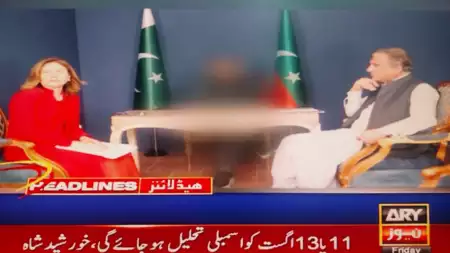
  • Channel faces ridicule for blurring Imran Khan in IMF meeting coverage

    Channel faces ridicule for blurring Imran Khan in IMF meeting coverage

    ARY News is facing criticism and ridicule for blurring Prime Minister Imran Khan in footage and photos captured during a meeting held between International Monetary Fund (IMF) officials and Pakistan Tehreek-e-Insaf (PTI).

    #ShameonAry started trending on Twitter soon after screenshots of the coverage were shared on social media.

    PTI supports from all over the country called out ARY news for their coverage.
    One tweep wrote:

    “Everyone must boycott and unsubscribe their YouTube channel and also unfollow them on Twitter, Facebook etc.”
    Another user on twitter blurred the pictures of all the journalists of ARY except the late Arshad Sharif.

  • Pakistan commits to boost foreign exchange reserves to $11.7 billion by 2024

    Pakistan commits to boost foreign exchange reserves to $11.7 billion by 2024

    Pakistan has made a commitment to the International Monetary Fund (IMF) to significantly increase its gross foreign exchange reserves by $7.65 billion. The goal is to raise the reserves to $11.7 billion by the end of the financial year 2024, up from the current level of $4.056 billion in the financial year 2023. This move is aimed at building a buffer of foreign exchange reserves to protect the national economy from external shocks.

    The assurance was given through a Letter of Intent (LoI) signed by Finance Minister Ishaq Dar and State Bank of Pakistan (SBP) Governor Jameel Ahmed. Under a $3 billion stand-by arrangement (SBA) for nine months, Pakistan assured the IMF and its executive board of its commitment to bolster its foreign exchange reserves.

    If the gross foreign exchange reserves reach $11.7 billion by the end of June 2024, they will be sufficient to meet the country’s import requirements for goods and services for approximately 1.8 months.

    The balance of payment (BoP) chart, agreed upon by the IMF and Pakistan, indicates that projected disbursements of foreign loans during the current financial year 2023-24 are expected to amount to $15.01 billion from multilateral and bilateral creditors. This financial year started on July 1, 2023, and will end on June 30, 2024.

    The analysis of the BoP data suggests that Pakistan needs to secure external financing from multilateral and bilateral creditors during the current fiscal year. Additionally, Pakistan is seeking an additional deposit of $2 billion from the Kingdom of Saudi Arabia and $1 billion from the United Arab Emirates (UAE). The Islamic Development Bank (IsDB) has agreed to provide a $1 billion loan program.

    Furthermore, Pakistan is actively working on program loans and project financing from the World Bank, Asian Development Bank, and Asian Infrastructure Investment Bank (AIIB) to secure a total disbursement of $15 billion from all multilateral and bilateral sources.

    To further strengthen its reserves, Pakistan intends to engage with bilateral partners, especially China, Saudi Arabia, and the UAE, to extend the maturity of their existing deposits, which amount to $2 billion, $3 billion, and approximately $2 billion, respectively, in the current financial year.

    The IMF executive board is scheduled to convene on July 12, 2023, in Washington DC, to review and consider Pakistan’s request for approval of a $3 billion short-term bailout package, including a $1 billion tranche release. Upon approval by the executive board, the $1 billion tranche will be disbursed within a few days.

    The IMF staff has already circulated copies of the Letter of Intent among the executive board members. In this document, Finance Minister Ishaq Dar and the SBP governor have provided assurances regarding the implementation of crucial fiscal and energy reforms to address fiscal challenges. Islamabad has also committed to tackling issues in the energy sector, including measures to control the circular debt problem.

    To address energy sector concerns, the government plans to raise power and gas tariffs in line with the determinations made by the regulators. The National Electric Power Regulatory Authority (NEPRA) will finalise the power tariff, while the facts regarding gas tariffs are being ascertained by relevant officials.

    The Oil and Gas Regulatory Authority (OGRA) has already recommended increasing gas tariffs by 45 per cent and 50 per cent for two major gas utilities. The government has a 40-day timeframe to make a decision on this matter, after which the recommendations will be notified in the second week of July 2023.

    Under the nine-month SBA program, it is anticipated that there will be two reviews conducted by the IMF mission in September and December 2023. Each review is expected to lead to the disbursement of a $1 billion installment.

    Overall, Pakistan is taking significant measures to strengthen its foreign exchange reserves, seek external financing, and implement necessary reforms in order to address its economic challenges and ensure stability.