Tag: IMF

  • The journey of economic progress will pick up pace: PM Shehbaz

    The journey of economic progress will pick up pace: PM Shehbaz

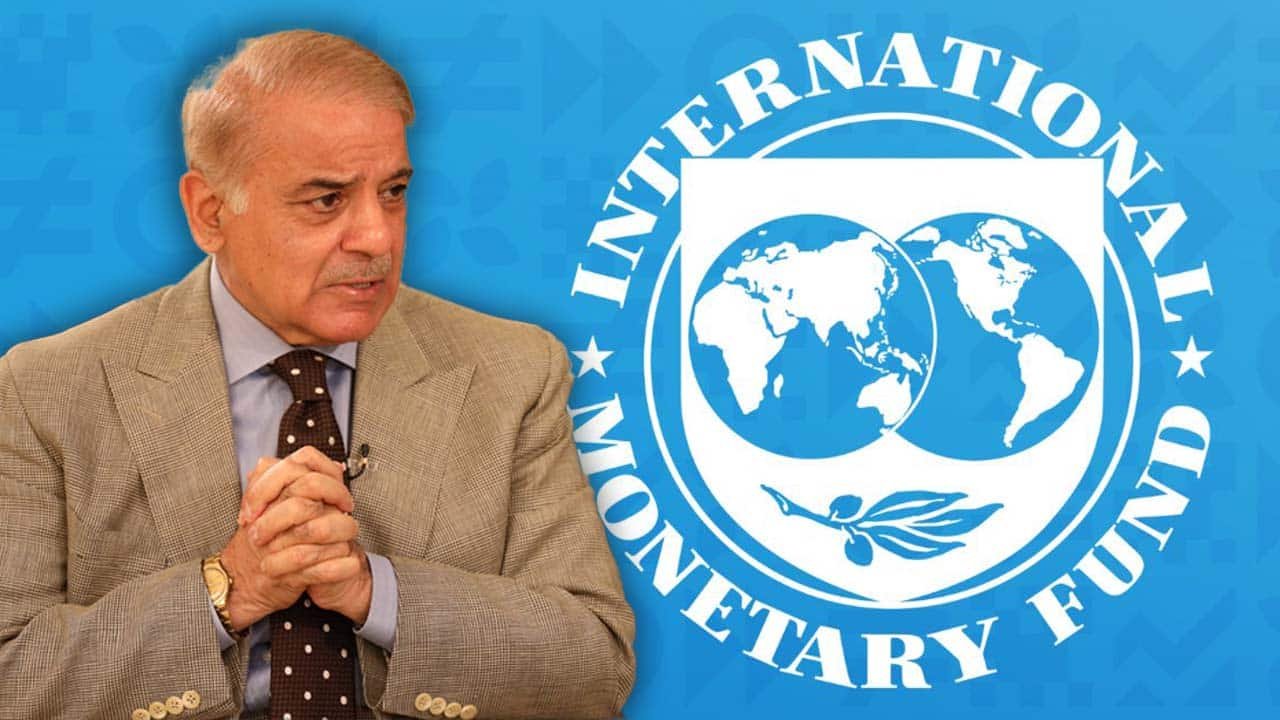
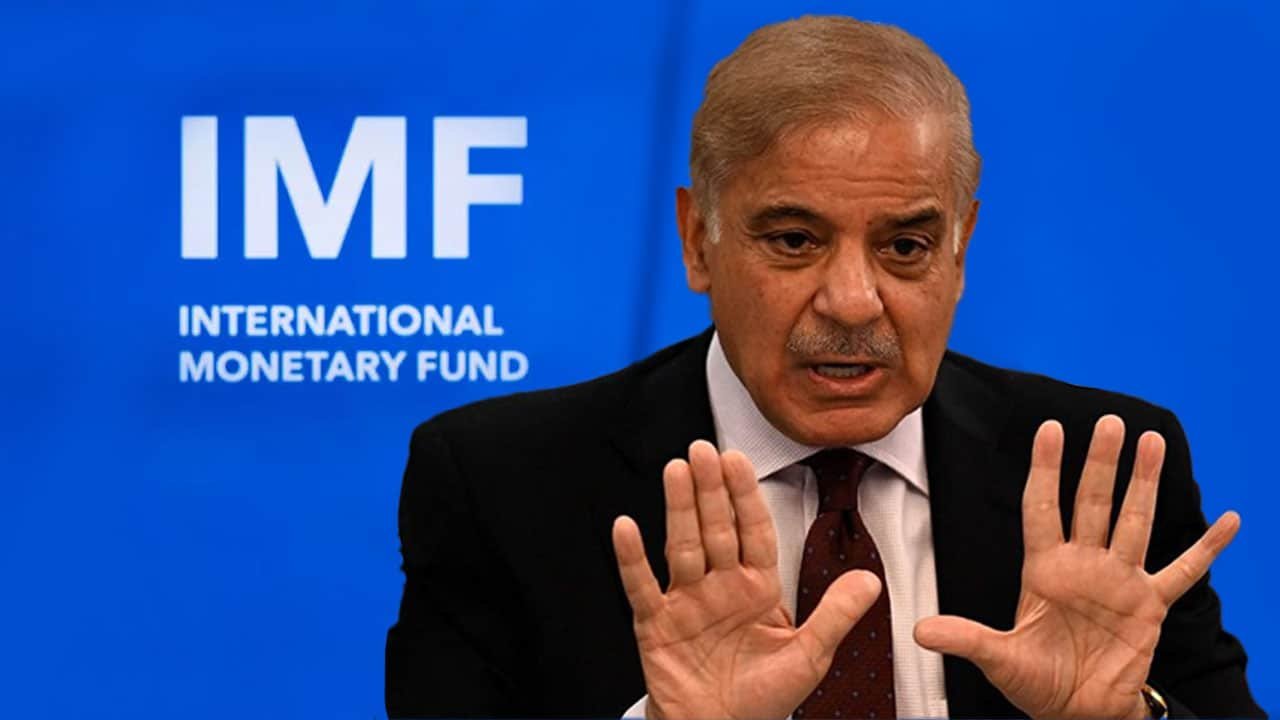
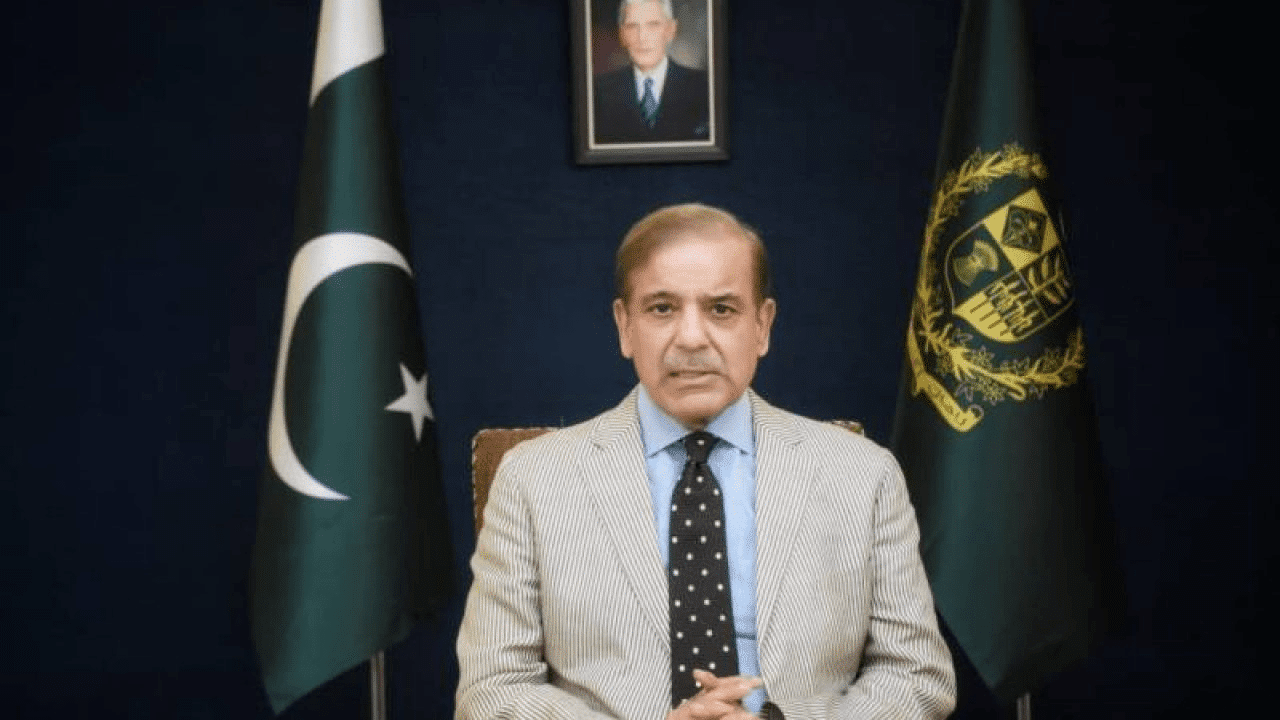
    Prime Minister Shehbaz Sharif congratulated the nation and the business community on the start of business activities with a remarkable flow of 2231 points in the stock exchange on the first day of the week.

    In a statement, the PM said that the country’s economic recovery has started, crediting it to the continuous hard work and effective policies of the government.

    The PM said that the journey of economic development, reduction in inflation, and progress in Pakistan is going to restart again. Shehbaz Sharif further said that the country is again on the track of development.

    He congratulated the nation, saying a new light of hope had emerged after severe disappointments, after the staff-level agreement with the International Monetary Fund (IMF).

    He further said that the country will continue the journey of economic development and stability with the same hard work and passion.

    The PM also said that the journey of progress will pick up pace in multiple sectors like agriculture, Information Technology (IT), and industry.

  • Pakistan Stock Exchange gains over 2,300 points on revived investor confidence after signing IMF agreement

    Pakistan Stock Exchange gains over 2,300 points on revived investor confidence after signing IMF agreement

    The Pakistan Stock Exchange (PSX) experienced a substantial increase of over 2,300 points on Monday, fueled by renewed investor confidence after the signing of a staff-level agreement between Pakistan and the International Monetary Fund (IMF) on Friday.

    At 12:00 pm, the benchmark KSE-100 index of the Pakistan Stock Exchange surged by 2,381 points, currently trading at 43,833 points.

    Market experts attribute this bullish trend in the PSX to the revival of the loan programme with the international lender.

    Last week, Pakistan officially signed a staff-level agreement worth $3 billion with the International Monetary Fund (IMF). The signing ceremony took place in Lahore and was attended by Prime Minister Shehbaz Sharif, Finance Minister Ishaq Dar, and Information Minister Marriyum Aurangzeb.

    The International Monetary Fund (IMF) announced the successful completion of a “Stand-By Arrangement” between the global financial institution and Pakistan.

    The staff-level agreement, valued at $3 billion for a duration of 9 months, was reached through virtual negotiations conducted by IMF Mission Chief Nathan Porter and his team, who maintained continuous communication with Pakistani authorities.

    The final approval of this agreement will be granted by the IMF’s executive board, expected to occur in mid-July. Once approved, Pakistan will be eligible to receive the $3 billion loan.

  • IMF’s $3 billion stand-by arrangement expected to bolster Pakistan’s economy and restore investor confidence

    IMF’s $3 billion stand-by arrangement expected to bolster Pakistan’s economy and restore investor confidence

    Pakistan and the International Monetary Fund (IMF) have achieved a significant milestone with the announcement of a staff-level agreement (SLA) on a $3 billion stand-by arrangement (SBA).

    Nathan Porter, the IMF’s Mission Chief to Pakistan, expressed his satisfaction, stating that the IMF team has reached a staff-level agreement with the Pakistani authorities on a nine-month Stand-by Arrangement (SBA) in the amount of SDR2,250 million (about $3 billion or 111 per cent of Pakistan’s IMF quota).

    The Pakistani economy has been facing multiple challenges since the completion of the seventh and eighth reviews under the 2019 Extended Fund Facility (EFF) in August 2022. The country has experienced external shocks, including devastating floods in 2022 that affected millions of Pakistanis, as well as a surge in international commodity prices due to the conflict in Ukraine involving Russia.

    These shocks, combined with certain policy missteps such as constraints on the foreign exchange market, have resulted in a stagnant economic growth rate. Furthermore, inflation, particularly for essential items, has risen significantly.

    Despite the authorities’ efforts to reduce imports and the trade deficit, foreign reserves have declined to alarmingly low levels. The power sector is also facing liquidity issues, with mounting arrears (circular debt) and frequent load shedding.

    The newly established stand-by arrangement (SBA) will serve as a critical support mechanism for the Pakistani government in stabilising the economy and mitigating the impact of recent external shocks. It aims to maintain macroeconomic stability while providing a framework for financial assistance from both multilateral and bilateral partners.

    The $3 billion funding for a duration of nine months has exceeded expectations and will contribute to restoring investor confidence. The uncertainty surrounding the upcoming change in government after June 2023 has been alleviated to a considerable extent. The agreement also opens avenues for social and development spending by improving domestic revenue generation and ensuring careful execution of expenditures to address the needs of the Pakistani people.

    The successful implementation of steadfast policies is paramount for Pakistan to overcome its current challenges. This includes demonstrating greater fiscal discipline, adopting a market-determined exchange rate to absorb external pressures, and making further progress on reforms, particularly in the energy sector, to enhance climate resilience and improve the business climate.

    Given the formidable obstacles faced by Pakistan, the newly established stand-by arrangement (SBA) serves as both a policy anchor and a platform for financial support from multilateral and bilateral partners in the foreseeable future.

  • IMF reaches $3 billion stand-by arrangement with Pakistan, averting impending default

    IMF reaches $3 billion stand-by arrangement with Pakistan, averting impending default

    The International Monetary Fund (IMF) and Pakistan have reached a staff-level agreement on a stand-by arrangement worth $3 billion, announced the lender. This decision has been eagerly anticipated by Pakistan, a South Asian nation that is on the verge of default.

    The approval of the IMF board, expected in July, is required to finalise the deal. After an eight-month delay, this agreement brings some relief to Pakistan, which is currently grappling with a severe balance of payments crisis and dwindling foreign exchange reserves.

    The funding of $3 billion, which will be disbursed over a period of nine months, surpasses initial expectations. Pakistan had been awaiting the release of the remaining $2.5 billion from a $6.5 billion bailout package that was initially agreed upon in 2019, and which expired on Friday. As a result, the country’s stock and currency markets remained closed on that day.

    According to IMF official Nathan Porter, the new stand-by arrangement builds upon the 2019 programme. Porter acknowledged the significant challenges faced by Pakistan’s economy in recent times, including devastating floods last year and rising commodity prices following the war in Ukraine.

    He stated, “Despite the authorities’ efforts to reduce imports and the trade deficit, reserves have declined to very low levels. Liquidity conditions in the power sector also remain acute.” Porter further emphasised that the new arrangement would serve as a policy anchor and a framework for financial assistance from both multilateral and bilateral partners in the foreseeable future.

    Porter also highlighted the acute liquidity conditions in the power sector, characterised by mounting arrears and frequent power outages. Reforming the energy sector, which has accumulated a debt of nearly 3.6 trillion Pakistani rupees ($12.58 billion), has been a pivotal aspect of the discussions between Pakistan and the IMF.

  • Will Pakistan secure IMF’s bailout? Decision expected within 48 hours

    Will Pakistan secure IMF’s bailout? Decision expected within 48 hours

    Prime Minister Shehbaz Sharif engaged in a telephonic conversation with Kristalina Georgieva, the Managing Director of the International Monetary Fund (IMF), on Tuesday.

    During the discussion, Prime Minister Shehbaz Sharif expressed his optimistic outlook, anticipating that a decision regarding the bailout programme would be reached within the next day or two.

    In an official statement issued by the Prime Minister’s Office (PMO), it was highlighted that the premier and IMF MD delved into various matters pertaining to the IMF programme. The statement further indicated that the efforts of the finance minister and his team were duly acknowledged by the IMF MD.

    The statement continued to convey the Prime Minister’s expectation that the coordination efforts on finer details would culminate in an IMF decision in the coming days. Additionally, Shehbaz reiterated his commitment to achieving the shared goal of improving the economic situation through collaborative endeavors.

    Last week, Prime Minister Shehbaz Sharif held a meeting with Georgieva during the Summit for a New Global Financial Pact in Paris, wherein he provided a comprehensive briefing on Pakistan’s economic outlook. The Prime Minister expressed hope that the critical funds would be disbursed as a result.

    Pakistan is currently engaged in a race against time to revive its halted bailout programme, which is set to conclude on June 30. Experts emphasise the significance of resuming the IMF bailout, which has been at a standstill since November of the previous year.

    The cash-strapped South Asian economy is grappling with a balance of payment crisis, making the expected funding of $1.1 billion from the international lender crucial. This funding would also pave the way for additional inflows from Pakistan’s multilateral and bilateral partners, effectively reducing the risks associated with a potential default, as per expert opinion.

  • PM Shehbaz urges IMF to release stalled funds, assures compliance with conditions

    PM Shehbaz urges IMF to release stalled funds, assures compliance with conditions

    On Thursday, Prime Minister (PM) Shehbaz Sharif had a meeting with Kristalina Georgieva, the Managing Director of the International Monetary Fund (IMF), where he urged the lender to release the stalled funds for Pakistan. He assured the IMF of Pakistan’s compliance with all the conditions set by the lender.

    The meeting took place during the Summit for a New Global Financial Pact held in Paris, emphasising Pakistan’s commitment to fulfilling its promises.

    During the meeting, the two leaders discussed the ongoing programmes and cooperation between Pakistan and the IMF. The prime minister briefed Georgieva on Pakistan’s economic outlook, highlighting the government’s efforts for economic growth and stability.

    He emphasised that all the necessary actions for the 9th review under the Extended Fund Facility (EFF) had been completed, and Pakistan was fully dedicated to meeting its obligations as agreed with the IMF.

    The prime minister expressed his hope for the timely release of the funds allocated under the EFF, as it would contribute to Pakistan’s ongoing efforts in economic stabilisation and provide relief to the people.

    Georgieva shared the IMF’s perspective on the ongoing review process and acknowledged the meeting as an opportunity to assess the progress made in that context.

    It is crucial to note that Pakistan’s currency reserves are currently sufficient to cover only one month’s worth of imports. The country had expected $1.1 billion of the funds to be released in November, but the IMF has imposed certain conditions before making further disbursements.

    With only one IMF board review remaining before the end of the $6.5 billion EFF programme, Pakistan is expected to present a budget aligned with the programme objectives, restore proper functioning of the foreign exchange market, and bridge the $6 billion gap before the board review.

  • Government mulling handing over Karachi Ports to UAE

    Government mulling handing over Karachi Ports to UAE

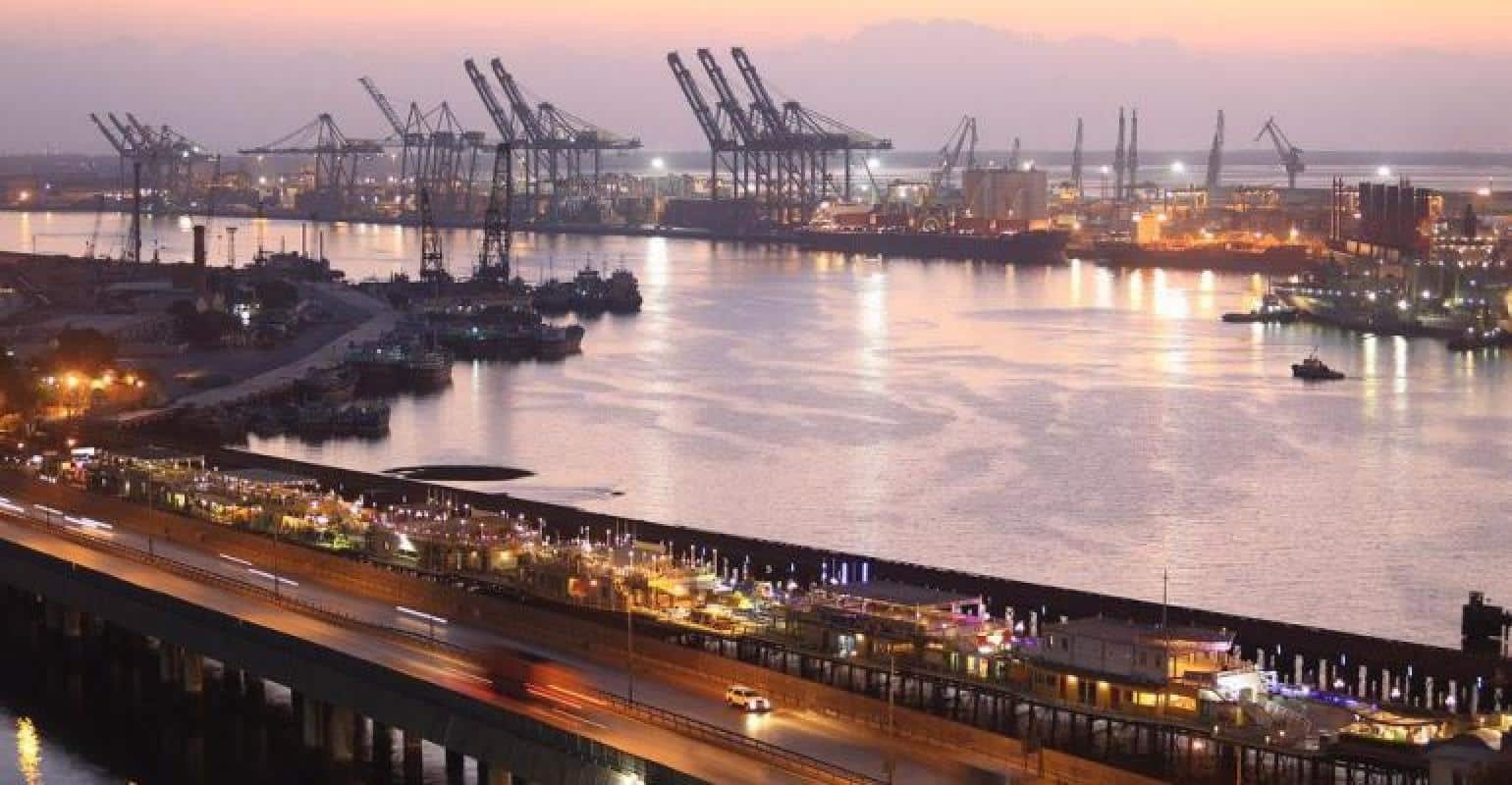
    In a last-ditch attempt to raise much needed foreign exchange, Pakistan’s government is planning to finalise a deal to hand over Karachi’s port terminals to the United Arab Emirates (UAE).

    This move may constitute the first intergovernmental transaction under the Intergovernmental Commercial Transactions Act, a law which was enacted last year in 2022. This law is aimed at selling state assets on a fast-track basis to raise funds.

    Last year, Pakistan’s coalition government created the effective-immediately bill to raise emergency funds.

    Finance Minister Ishaq Dar chaired the meeting of the Cabinet Committee on Inter-Governmental Commercial Transactions on Monday. A decision was made to set up a committee that would negotiate a commercial agreement between the Karachi Port Trust (KPT) and the UAE government, as reported by The Express Tribune.

    The negotiation committee constituted to finalise a framework agreement will be headed by the Minister for Maritime Affairs, Faisal Sabzwari. Committee members include the additional secretaries of Finance and Foreign Affairs, the special assistant to PM Jehanzeb Khan, the Chairman of the Karachi Port Terminal (KPT), and the general managers of the KPT.

    The UAE government had shown interest in acquiring the Karachi port terminals that were under the administrative control of Pakistan International Containers Terminals (PICT) last year. However, for now, PICT will maintain operational control over the ports.

    The Ministry of Maritime Affairs (MoMa) released the following statement, as reported by Dawn: “KPT was of the view that they couldn’t operate the terminal due to lack of time and resources and interface with the clients/shipping lines and the timeframe for bidding had lapsed and the events have created an unforeseeable situation where the time limits laid down for open or other methods of procurement cannot be met.”

    The MoMA said and went on to report that “the (KPT) has, therefore, recommended that in the given circumstance only PICT is in a position to provide management services to keep the terminal operational”.

    According to The Express Tribune, sources indicate that the government needs to be extra careful when finalising a deal with the UAE, considering it is the first transaction of its kind and the outgoing operator is posing some challenges.

    Pakistan’s IMF loan of $6.5 billion was signed in 2019 and is set to terminate on June 30. Its termination date drawing closer has sent panic through the Pakistani government. Already suffering one of the worst economic crises Pakistan has faced, the threat of the country defaulting looms ominously near.

    Prime Minister Shehbaz Sharif held a meeting with the ambassadors the United States, the United Kingdom, France, Germany, the European Union, Japan, China, Saudi Arabia, Qatar and the United Arab Emirates. Sharif wants to rouse support for the revival of Pakistan’s stalled deal with the IMF.

    The prime minister stressed that the government was keen to get at least the $ 1.2 billion IMF loan tranche out of the remaining $2.6 billion, which is attached with the completion of the pending 9th review of the program, according to sources at The Week.

  • IMF’s disapproval of budget raises odds of default and economic fallout for Pakistan

    IMF’s disapproval of budget raises odds of default and economic fallout for Pakistan

    In a recent report, the International Monetary Fund (IMF) expressed criticism of Pakistan’s latest budget, increasing the likelihood that the lender may withhold the much-needed aid before the bailout programme concludes at the end of June.

    According to Bloomberg, this development could lead to a severe dollar shortage in the first half of the upcoming fiscal year, potentially resulting in a higher chance of default, lower growth, and increased inflation and interest rates.

    The IMF’s critique of the budget stems from its belief that it does not adequately address the need to broaden the tax base and includes a tax amnesty. The current foreign currency reserves of Pakistan stand at $4 billion. However, with approximately $900 million in debt repayment due this month, the reserves will deplete by the end of June unless the expected IMF aid materialises.

    The country faces the challenge of repaying an additional $4 billion between July and December, which cannot be rolled over. Given the projected reserves falling below $4 billion at the start of fiscal year 2024, default seems highly probable, according to the report titled “Pakistan Insight.”

    The absence of an IMF programme would significantly limit the options for obtaining fresh external funding. The report suggests that negotiations for a new bailout agreement with the IMF are unlikely to commence until after the elections in October. Furthermore, even if an agreement is reached, actual aid disbursement under a new programme would not occur until December.

    In the meantime, Pakistan must focus on conserving dollars by restricting import purchases and maintaining a surplus in its current account balance to fulfill its obligations. To avert default in the first half of fiscal year 2024, the country will also need to seek assistance from friendly nations.

    The report warns of severe consequences for Pakistan’s economy if the anticipated IMF aid is not received by the end of June. Import restrictions will need to remain in place, and the State Bank of Pakistan is expected to raise interest rates above the current level of 21 per cent to further reduce demand for imports and preserve foreign exchange reserves.

    The report’s base case assumes that the State Bank of Pakistan will maintain its current policy stance until December, but that prediction relies on the assumption of IMF aid arriving by the end of June.

    Continued import restrictions and a weaker Pakistani rupee are likely to contribute to higher inflation in fiscal year 2024 compared to current forecasts. It is projected that inflation will average around 22 per cent, while increased borrowing costs and limitations on importing raw materials will further hamper production and dampen consumption.

    In addition, if the expected IMF aid does not materialise this month, the report predicts that Pakistan’s growth in fiscal year 2024 will be much weaker than the current forecast of 2.5 per cent.

    Furthermore, the higher interest rates resulting from the aid shortfall will lead to increased debt servicing costs for the government. The report reveals that approximately half of the fiscal year 2024 budget is allocated to debt servicing, exacerbating the country’s fiscal challenges.

    With the IMF aid hanging in the balance, Pakistan faces a critical period in its economic trajectory, where strategic financial decisions, reliance on friendly nations, and stringent economic measures will be essential to avoid further complications and ensure stability in the future.
  • IMF meetings schedule excludes Pakistan till June 29 amidst pending 9th review

    IMF meetings schedule excludes Pakistan till June 29 amidst pending 9th review

    In a setback for Pakistan, the International Monetary Fund (IMF) Executive Board has excluded the country from its upcoming meetings, raising concerns about the completion of the 9th review under the Extended Fund Facility (EFF) programme. The IMF’s executive board calendar reveals that Pakistan is not on the agenda for the scheduled meetings until June 29, leaving little time to restart the $6.7 billion bailout programme before the end of the current financial year on June 30, 2023.

    Pakistan is currently facing challenges in securing fresh loans to bridge its $6 billion refinancing gap. Despite the impending expiration of the current programme, the Finance Ministry is still striving to reach an agreement with the IMF. However, the lender has raised concerns about Pakistan’s budget for the fiscal year 2023-24, particularly regarding non-tax revenue and the need to broaden the tax base.

    Last week, the IMF questioned the credibility of Pakistan’s budgetary numbers, which has cast a shadow of doubt over the country’s ability to meet the conditions for the bailout programme. In response, the Ministry of Finance issued a press statement on Friday, attempting to address these concerns. However, the statement failed to dissipate the doubts surrounding Pakistan’s economic situation.

    The IMF and Pakistan may now consider combining the pending ninth review with the tenth review in the new fiscal year. Such a move would likely require Pakistan to implement more stringent tax collection measures in exchange for a larger bailout package.

    The delay in completing the 9th review and the exclusion of Pakistan from the upcoming IMF Executive Board meetings have intensified the challenges faced by the country’s economy. As the June 30 deadline approaches, the Pakistani government and the IMF will need to work diligently to resolve their differences and pave the way for the resumption of the bailout programme.

    Pakistan’s ability to secure the IMF’s support is crucial for stabilising its economy, attracting foreign investments, and addressing the refinancing gap. The outcome of the negotiations and the subsequent decisions taken by both parties will have far-reaching implications for Pakistan’s financial stability and economic growth in the coming months.

  • Pakistan’s foreign exchange reserves get a boost as China rolls over $1 billion loan

    Pakistan’s foreign exchange reserves get a boost as China rolls over $1 billion loan

    In a significant development, China has rolled over a $1 billion loan to Pakistan, bolstering the country’s foreign exchange reserves held by the State Bank of Pakistan (SBP). This move comes as a much-needed relief for cash-strapped Pakistan, which has been grappling with a severe liquidity crunch and the looming expiration of its International Monetary Fund (IMF) programme.

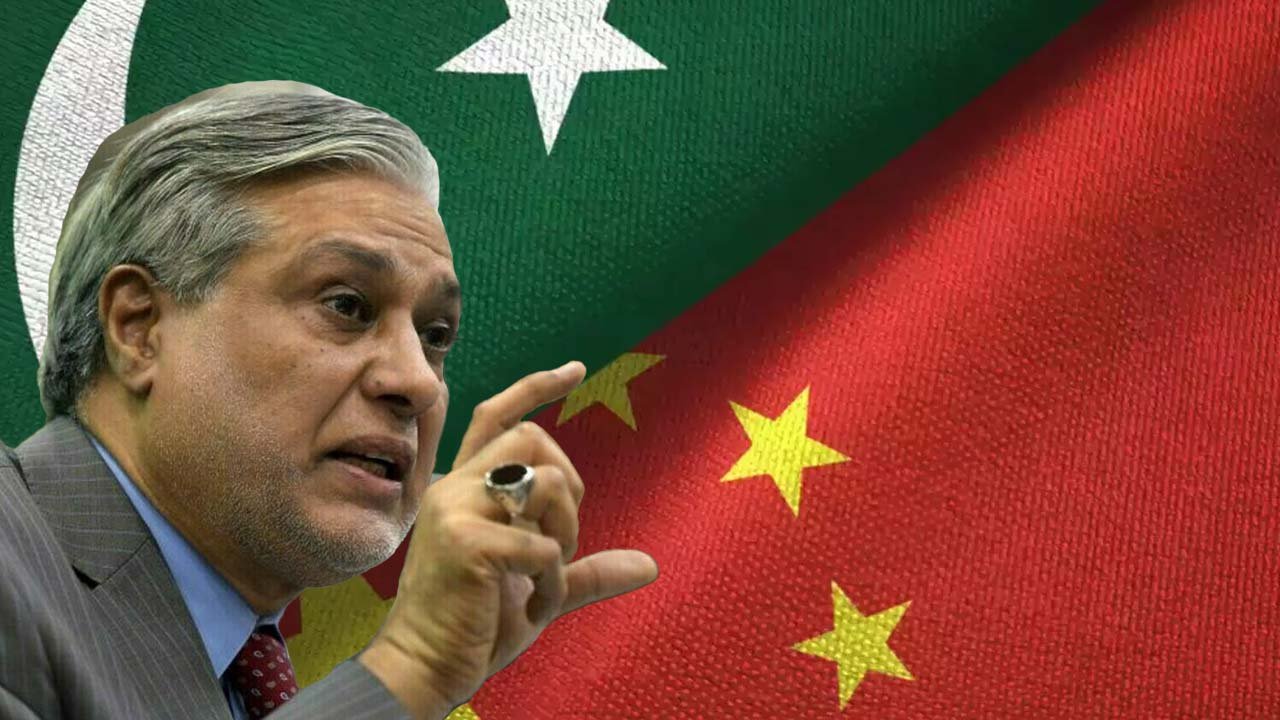
    Pakistan’s Finance Minister Ishaq Dar said that the $1 billion loan from China would be received on Monday. Additionally, negotiations are underway with the Bank of China for a loan amounting to $300 million. Pakistan is also set to benefit from the dollars obtained through its swap agreement with China.

    Prior to this infusion of funds, the SBP and commercial banks jointly held foreign exchange reserves amounting to $9.4 billion as of June 9. With the $1 billion loan, the reserves will rise to $10.4 billion, providing some stability to Pakistan’s economic situation.

    The IMF has made external financing a prerequisite for Pakistan, emphasising the importance of securing additional funds. In an effort to address its financial challenges, Pakistan had approached China to refinance commercial loans worth $1.3 billion. However, without the revival of the IMF programme, the SBP’s foreign exchange reserves were at risk of plummeting to less than $3 billion.

    Despite these positive developments with China, Pakistan is still struggling to secure external financing in a timely manner, primarily due to ongoing political instability. The country’s fragile economy, valued at $350 billion, continues to be in turmoil, with financial woes exacerbating the situation. The delayed agreement with the IMF has further compounded the need for crucial funding to avoid the risk of default.

    Negotiations between the Pakistani government and the IMF have been ongoing since the end of January to resume the $1.1 billion loan tranche that has been on hold since November. This loan is part of a larger $6.5 billion Extended Fund Facility agreed upon in 2019. The impending challenge lies in repaying $900 million to multilateral creditors, which includes both principal and mark-up repayments, by the end of June 2023.

    Pakistan remains hopeful that these recent developments with China will provide some respite in the face of its economic challenges. However, the government must continue its efforts to secure external financing and navigate through the political instability to ensure long-term stability and growth for the country’s economy.