Tag: IMF

  • Pakistan has averted default, Army Chief assures businessmen of economic prosperity

    Pakistan has averted default, Army Chief assures businessmen of economic prosperity

    The Chief of Army Staff (COAS), General Asim Munir, held a meeting on Monday night with the top businessmen in the country, in the presence of Finance Minister Ishaq Dar. While no official statement has been issued about the meeting, sources suggest that the army chief expressed optimism and confidence that the current economic difficulties would be overcome. He assured the businessmen that Pakistan has overcome the possibility of default, and urged them to remain firm and confident.

    The businessmen raised concerns about political polarization and chaos, and urged the military to ensure that this did not deepen further. They asked the army chief why politicians were not being brought together to meet the country’s challenges.

    The army chief emphasized that difficult times are a natural part of a nation’s progress, and reassured the businessmen that the worst is behind them. He referred to Islamic teachings to reinforce his message of resilience and strength.

    One participant, who requested anonymity, said that the businessmen had requested the meeting with the army chief. The meeting was deemed successful by the participants, and it was revealed that all prior conditions of the IMF had been met.

    The businessmen were told that agreements with friendly countries to provide dollars for the country’s foreign exchange reserves should be documented, and commitments had been secured for investments in agriculture, mining, and IT, with advanced equity expected from these countries.

    Sources further said the business community also expressed hope that army won’t allow unrest in the country. 
  • Economy is a feminist issue, Aurat March releases its manifesto (and we couldn’t agree more)

    Aurat March has selected it’s theme for this year: Feminism in the Times of Crisis, and the social movement has released a statement on their Instagram page detailing their demands from the government to improve the economic conditions of the country.
    “The economic crisis in Pakistan is not just a financial problem, it is a humanitarian crisis that affects the most vulnerable people in our society. The government’s reliance on Western lenders is a short-term solution that will have long-term consequences for the poor and marginalized. The current economic policies of the government are exacerbating inequality and perpetuating the cycle of poverty. We must prioritize pro-poor growth and invest in the well-being of its most marginalized citizens,” the statement reads.

    The manifesto went on to address current talks between the Pakistani government and the International Monetary Fund (IMF), stating how the measures implemented due to these loans will impact women, working class and the rural poor directly:
    “The government is relying on bailout loans from Western lenders like IMF to starve off an impending economic collapse. These loans come with conditions like privaitization of public institutions and services, removal of electricity and fuel subsidies, increase in indirect taxes, and cuts in social expenditures. These measures will impact those who are already marginalized. Women, working-class people, and rural poor are already caught up in the crushing cycles of poverty, struggling to survive amidst structural issues like mounting debt, and situational economic blows like COVID-19, the Russia-Ukraine conflict, and unprecedented destruction in the wake of the 2022 floods.”
    The movement went on to reveal that global rankings show Pakistan ranks the lowest regarding per capita income, health, and education in South Asia, and needs to introduce economic policies that prioritize the poor and marginalized of the country:
    “Global rankings increasingly evidence the need for Pakistan to prioritize pro-poor growth that ensures the wellbring of its most marginalized. The country has the lowest HDI rankings for per capita income, health, and education in South Asia. Even Bangladesh and Nepal, two of the least developed countries in the region, have better rankings. Pakistan’s expenditure on defense is higher than the combined expenditure on health and education.”
    The note ended with the movement demanding that the government introduce economic policies that prioritized the well being of the working class and poor of Pakistan:
    “We demand decent work and living wages for all residents, including regularization of temporary work and the expansion of social protection coverage. Secondly, IMF-driven policies that benefit polices that benefit global capitalism at the expense of all the poor and marginalized should be stopped. Finally, we demand rollback of budget cuts in public institutions, the reinstallment of HEC scholarships, and the implementation of survivor-centric welfare systemsn as well as quality education and healthcare for all.”

    Read their complete statement here:

  • Another IMF condition met as Pakistan imposes 25% sales tax on luxury items

    On Tuesday, the federal cabinet led by Prime Minister Shehbaz Sharif approved the imposition of a 25 per cent sales tax on luxury items, fulfilling a condition set by the International Monetary Fund (IMF) for the revival of the $7 billion Extended Fund Facility (EFF) that had been stalled for months.

    The cabinet approved the 25 per cent general sales tax (GST) on luxury items through a circulation summary. The Federal Board of Revenue will issue a formal notification in the coming days, and the new rate will be applicable from March 1.

    The list of items subject to the 25 per cent GST includes aerated water and juices, imported cars, mobile phones, pet food, sanitary and bathroom wares, carpets (excluding Afghanistan), chandeliers and lighting devices or equipment, chocolates, cigarettes, confectionery items, corn flakes, cosmetics, shaving items, tissue papers, crockery, decorative devices, doors and window frames, fish, footwear, fruits and dry fruits, furniture, home appliances (CBU), luxury leather jackets and apparel, mattress and sleeping bags, frozen or processed meat, musical instruments, arms and ammunition, shampoos, sunglasses, tomato ketchup and sauces, and travel bags and suitcases.

    The federal government also imposed a 25 per cent GST rate on locally manufactured luxury vehicles of 1,400cc and above. The FBR has estimated that it will collect an additional Rs15 billion in taxes through the enhanced GST rate of 25 per cent in the four-month period.

    According to sources, Pakistan and IMF held virtual negotiations on Monday to revive the loan program that had been stalled for months. During the meeting, the lender expressed satisfaction with the country’s measures, while Pakistan insisted on early finalization of the staff-level agreement.

    The negotiations were moving positively as the Fund did not place any new demands during the virtual session. The State Bank of Pakistan (SBP) informed IMF representatives about the estimated collection of foreign exchange reserves of $10 billion until June, and sources claimed that Pakistan had achieved future targets before the staff-level agreement.

    It is worth mentioning that the government has expedited the implementation of IMF demands to unlock the loan tranche for the country’s economic recovery.

  • Weekly inflation in Pakistan jumps to 41.07% due to edible oil, sugar prices

    Weekly inflation in Pakistan jumps to 41.07% due to edible oil, sugar prices

    According to data provided by the Pakistan Bureau of Statistics (PBS) on Friday, edible oil, sugar, and vegetables helped drive the weekly inflation up to 41.07 percent on an annual basis.

    Sensitive Price Index (SPI) measurements of short-term inflation were still on the high side and would go up much more once customers start to feel the full effects of increased electricity tariffs.

    The cost of bananas, chicken, sugar, cooking oil, gas, and cigarettes increased for the week ending March 2, despite a 0.30 percent weekly decline in inflation.

    Of the 51 items, 32 saw price increases, nine saw price decreases, and 10 witnessed no change in price.

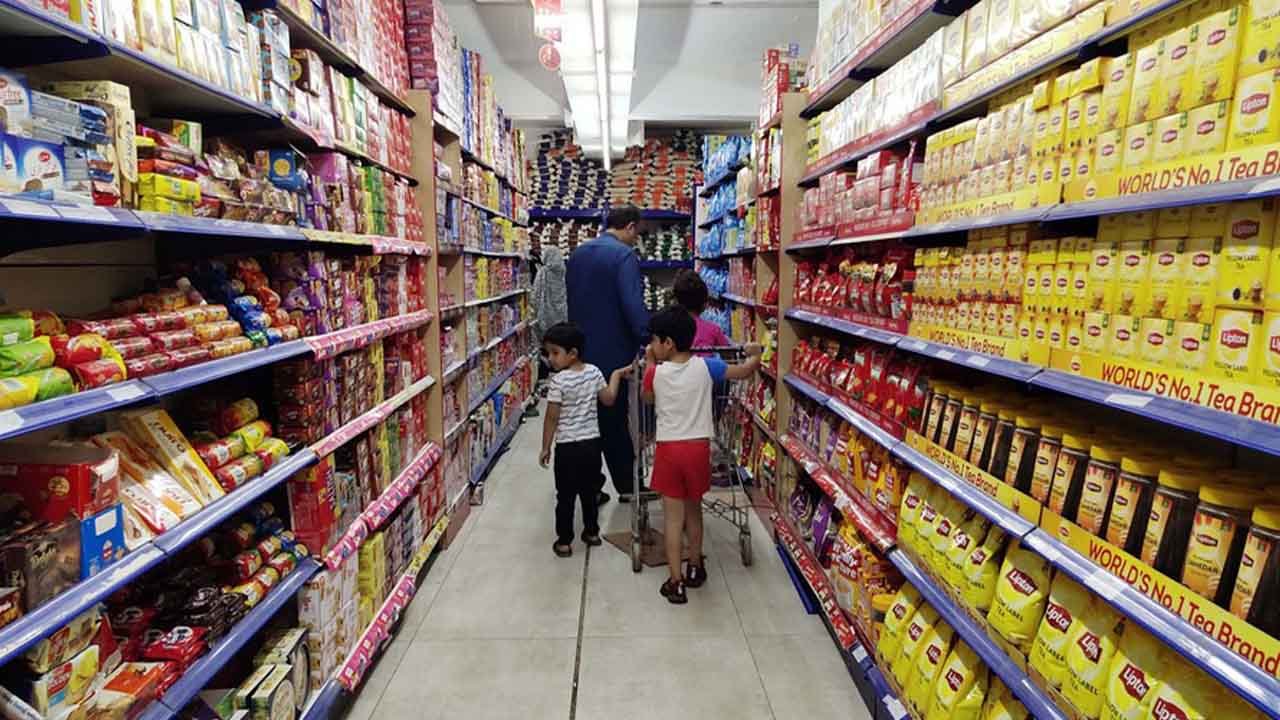
    The items whose prices rose the greatest during the reviewed week in comparison to the same week last year were: onions (311.17 per cent), cigarettes (165.86 per cent), gas charges for Q1 (108.38 per cent), diesel (93.82 per cent), petrol (77.89 per cent), eggs (77.83 per cent), rice irri-6/9 (76.96 per cent), rice basmati broken (75.55 per cent), pulse moong (73.30 per cent), bananas (72.66 per cent), chicken (64.70 per cent) and tea Lipton (64.53 per cent).

    Moreover, the highest year-on-year fall was recorded in the prices of tomatoes (56.29 per cent), chillies powdered (7.42 per cent).

    The prices of bananas (7.34 per cent), long cloth (3.44 per cent), energy saver (3.33 per cent), 1Kg vegetable ghee (2.48 per cent), gur (2.03 per cent), cooked daal (1.87 per cent), Lipton tea (1.79 per cent), match box (1.66 per cent), lawn printed (1.52 per cent), 5-litre cooking oil (1.45 per cent), and sugar (1.07 per cent) experienced the biggest week-on-week increase.

    On the other hand, the prices of onions (13.24 per cent), eggs (6.11 per cent), garlic (4.24 per cent), chicken (2.00 per cent), tomatoes (0.59 per cent), gram pulse (0.38 per cent), and potatoes (0.33 per cent) decreased compared to the previous week. However, LPG (1.84 per cent) and petrol (1.80 per cent) saw an increase in prices.

    The government, under the IMF’s conditions, has been implementing strict measures to cool the economy and curb inflation. The policy rate increase and the general sales tax increase from 17 per cent to 18 per cent are expected to further increase the retail price of consumer goods.

    To generate revenue and bridge the fiscal deficit, the government has already taken several measures, including adopting a market-based exchange rate, increasing fuel and power tariffs, withdrawing subsidies, and imposing more taxes.

    As a result of these measures, the government has revised its annual inflation rate projection from 26 per cent to 31 per cent.

  • Pakistani rupee drops by more than Rs18 against US dollar due to delay in IMF deal

    Pakistani rupee drops by more than Rs18 against US dollar due to delay in IMF deal

    Pakistani rupee (PKR) experienced a significant decline of over Rs18.8 against the US dollar in the interbank market during intra-day trade, ahead of the monetary policy review and delay in the International Monetary Fund (IMF) deal.

    At approximately 11:40 am, the greenback was being traded at Rs285 against the local currency, compared to its previous day’s closing of Rs266.11.

    Zafar Paracha, the General Secretary of ECAP, expressed concern over the delay in the agreement with IMF and the lender’s demand to peg the currency rate with that of the grey market, which has resulted in market uncertainty.

    In his opinion, the current rate is too high and should not have risen to this extent. He also noted that the greenback was being traded at Rs290 in the grey market a day earlier.

    Adnan Asghar, a currency market expert, stated that the delay in the deal between Pakistan and the IMF has contributed to the depreciation of the rupee.

    He added that the uncertain political situation has also been a factor in the decline of the rupee’s value. Asghar warned that the country is approaching a default situation due to this delay.

  • Pakistan accepts IMF pre-condition to increase interest rate by 2%

    Pakistan accepts IMF pre-condition to increase interest rate by 2%

    Pakistan has agreed to increase its policy (interest) rate by two percent or 200 basis points, as a pre-condition for the release of $1.1 billion in critical funding from the International Monetary Fund (IMF). The funding is part of a $6.5 billion bailout package.

    The increase is based on rates set by the government in an auction to raise domestic debt and will push the interest rate to 19 per cent. This is just below the previous record of 19.5 per cent set in October 1996.

    Sources from the Ministry of Finance stated that there had been technical-level discussions between Islamabad and the IMF review mission and that it was expected that Islamabad would increase the interest rate by two percent. Most of the pre-conditions set by the IMF had been fulfilled, according to these sources.

    Sources also indicated that discussions on some issues related to the power sector were in the final stages, after which a staff-level agreement with the IMF would be reached. Additionally, Pakistan provided a detailed briefing to IMF officials on the sources of foreign exchange until June.

  • Gas and cigarette prices push Pakistan’s weekly inflation to 41%

    Gas and cigarette prices push Pakistan’s weekly inflation to 41%

    According to official data released by the Pakistan Bureau of Statistics (PBS), Pakistan’s weekly inflation has remained high, with an increase of 2.78 per cent week-on-week and 41.54 per cent year-on-year for the seven-day period that ended on February 23.

    The latest figures of the Sensitive Price Index (SPI) reveal that the rise is due to an increase in gas prices for Q1 (108.38 per cent), cigarettes (76.45 per cent), bananas (6.67 per cent), chicken (5.27 per cent), sugar (3.37 per cent), cooking oil 5 litre (3.07 per cent), vegetable ghee 2.5kg (2.79 per cent), vegetable ghee 1kg (2.20 per cent) and prepared tea (1.09 per cent).

    The government of Pakistan almost doubled the gas charges for up to 3.3719 mmBtu to secure the International Monetary Fund’s (IMF) approval for the $1.1 billion tranche out of the $6.5 billion bailout package under the Extended Fund Facility. Previously, the rate was Rs147.57, which now stands at Rs295.

    The PBS attributes the YoY increase in SPI to the rise in prices of onions (372.03 per cent), cigarettes (164.71 per cent), gas charges for Q1 (108.38 per cent), chicken (85.65 per cent), diesel (81.36 per cent), eggs (75.81 per cent), rice irri-6/9 (75.41 per cent), rice basmati broken (74.16 per cent), bananas (72.22 per cent), pulse moong (70.39 per cent), petrol (69.87 per cent), tea (62.76 per cent), pulse gram (57.02 per cent), bread (55.36 per cent), pulse mash (53.90 per cent) and LPG (52.59 per cent). However, there was a decrease in the prices of tomatoes (67.93 per cent), chilli powder (7.42 per cent) and electricity charges for Q1 (6.64 per cent).

    Analysts had predicted that inflationary pressures would intensify due to tax measures and adjustments in electricity, petroleum and gas prices made by the government to unlock the IMF programme.

    Consumers have been facing the burden of rising prices of essential kitchen items, particularly edibles. The average price of 1kg broiler chicken was Rs469.81 during the week under review compared to Rs446.29 last week. For the groups spending up to Rs17,732; Rs17,733-22,888; Rs22,889-29,517; Rs29,518-44,175; and above Rs44,175; WoW SPI increased 2.42, 2.86, 2.32, 2.18, and 3.10 per cent respectively.

    The YoY SPI for the expenditure groups went up 37.81, 39.80, 40.95, 41.94, and 42.98 per cent respectively. For the week under review, SPI was recorded at 241.29 points against 234.77 points registered last week and 170.47 points recorded during the week ended February 24, 2022.

  • President Alvi approves mini-budget amidst concerns of pushing Pakistanis into deeper poverty

    President Alvi approves mini-budget amidst concerns of pushing Pakistanis into deeper poverty

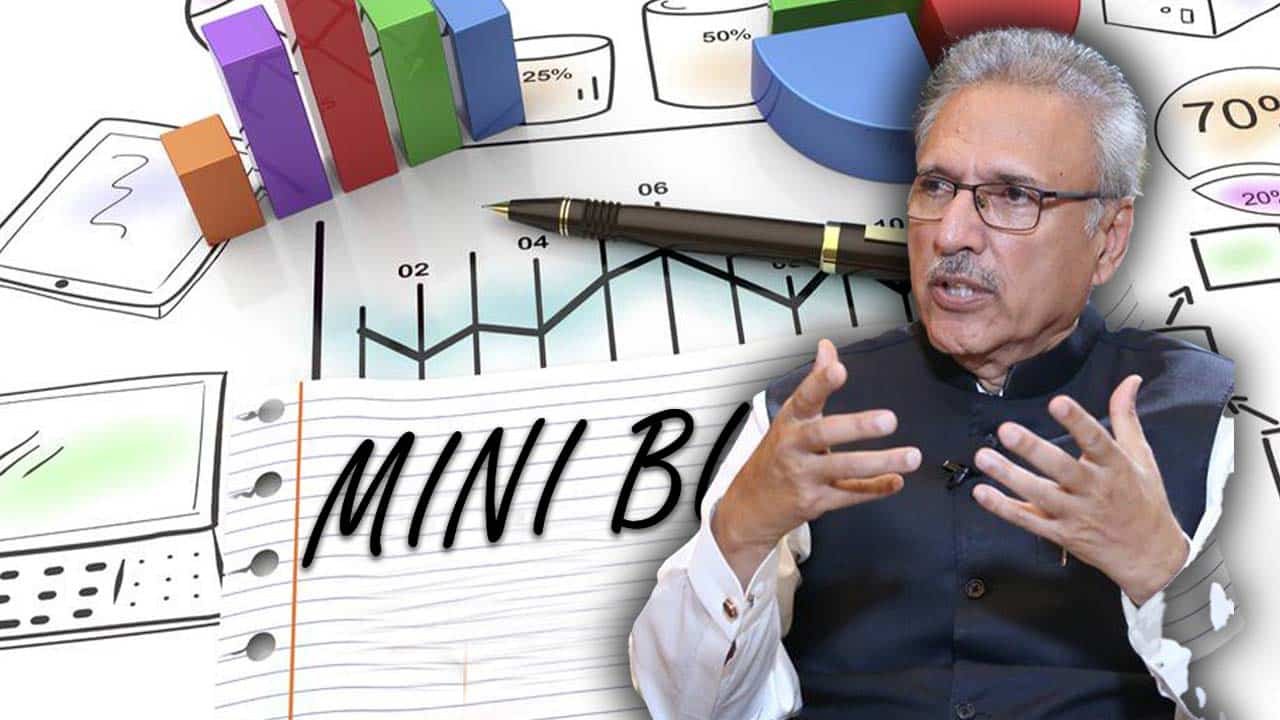
    President Dr Arif Alvi has given his approval for the Finance (Supplementary) Bill 2023, also known as the mini-budget, under Article 75 of the Constitution, which requires the president to assent to a bill presented to him within 10 days.

    National Assembly had passed the Rs170 billion mini-budget with some modifications, which will have an annual impact of about Rs550 billion.

    The budget’s approval has brought Pakistan closer to an agreement with the International Monetary Fund (IMF) but at the cost of pushing people deeper into the poverty trap.

    The majority of the taxation measures were implemented, although the president had not given his assent when the National Assembly passed the bill.

    Finance Minister Ishaq Dar admitted during his wind-up speech that inflation was unbearable for the people and blamed the maladministration of the previous government of former prime minister Imran Khan.

    Dar also admitted that the news stories about Rs675 billion to Rs700 billion taxes were not untrue and the IMF had demanded those measures, which the government did not accept. Dar added that almost all major issues with the IMF had been sorted out, and Pakistan is now very near to the staff-level agreement.

  • No luxury cars, no five-star hotels, federal cabinet’s perks and salaries cut amid economic crisis

    Prime Minister (PM) Shehbaz Sharif has announced major cuts in perks and facilities that were being given to the federal cabinet as the economic crisis worsens.

    Addressing a press conference on Wednesday in Islamabad, the Premier, flanked by members of the federal cabinet, said that ministers, state ministers and special advisers had decided “willingly” to forego their salaries and perks. He said that all ministers would now pay their own telephone, electricity, water and gas bills.

    The premier further said that federal ministers would also travel in economy class and will not stay in five-star hotels during foreign trips.

    He asserted that no cabinet member or government officer will use a luxury car, adding that “Until June 2024, there will be a complete ban on purchasing all types of new cars.”

    The head of government also said that “to conserve gas and electricity, advice for opening offices at 7:30am during summer has been accepted.”

    Shehbaz Sharif said that it has also been decided that government employees will not be allotted more than one plot, saying that this would be implemented from tomorrow.

    He said that in terms of food, only a single dish would be allowed at government events.

    Talking about the Toshakhana, the premier said that the federal cabinet has decided that no one will be allowed to retain state gifts worth more than $300 (approx. Rs70,000). He also added that the government has decided to make the Toshakhana record public.

    Responding to a question from a reporter, PM Shehbaz said that the measures would save Rs200 billion annually.

    He said that matters with the International Monetary Fund (IMF) are at the “last stage” and hoped that everything will go well.

    The development has taken place while Pakistan is eyeing a staff-level agreement with the International Monetary Fund (IMF) this week as the country reels under a foreign reserve shortage.

    Earlier this week, the National Assembly passed the IMF-dictated Finance (Supplementary) Bill 2023, seeking to impose an additional Rs170 billion in taxes.

  • Gold prices rise on weaker Pakistani rupee and economic outlook

    Gold prices rise on weaker Pakistani rupee and economic outlook

    On Tuesday, gold prices rose further to reach a one-week peak achieved last week, supported by a weaker Pakistani rupee. Investors were keeping an eye on upcoming economic developments that could impact the market’s direction. The All-Pakistan Sarafa Gems and Jewellers Association (APSGJA) reported that the price of gold (24 carats) rose by Rs500 per tola and Rs429 per 10 grammes to settle at Rs197,000 and Rs168,896, respectively.

    The decline of the Pakistani rupee against the US dollar in the interbank market by 0.24 per cent to Rs262.51 boosted the appeal of the precious metal. However, the outlook for gold remained uncertain as the prospects of the rupee’s recovery against the dollar increased, driven by optimism surrounding the revival of the International Monetary Fund (IMF) programme.

    The yellow metal gained Rs3,800 per tola over the last three sessions. Silver prices in the domestic market also increased by Rs20 per tola and Rs17.14 per 10 grams to settle at Rs2,150 per tola and Rs1,843.27 per 10 grammes, respectively.

    Meanwhile, in the international market, gold prices dropped by $12 per ounce to settle at $1,832 due to the rise of the dollar, while investors awaited US economic data to determine the Federal Reserve’s interest rate strategy. The dollar index remained high, making dollar-priced gold more expensive for buyers with other currencies.

    Han Tan, chief market analyst at Exinity, said that gold’s primary driver remains the changing expectations surrounding the Fed’s policy moves, and the upcoming release of the FOMC minutes could provide more clues. If the US economy continues to defy the Fed’s rate hikes, it could lead to a higher peak for US rates, which would disappoint bullion bulls.

    The market focus this week is on the release of the Federal Open Market Committee’s January meeting minutes on Wednesday, followed by US gross domestic product data on Thursday and Friday’s core PCE price index. Although gold prices reached their highest level since April 2022 earlier this month at $1,959.60, they have dropped by approximately $130 after US data indicated a robust economy.