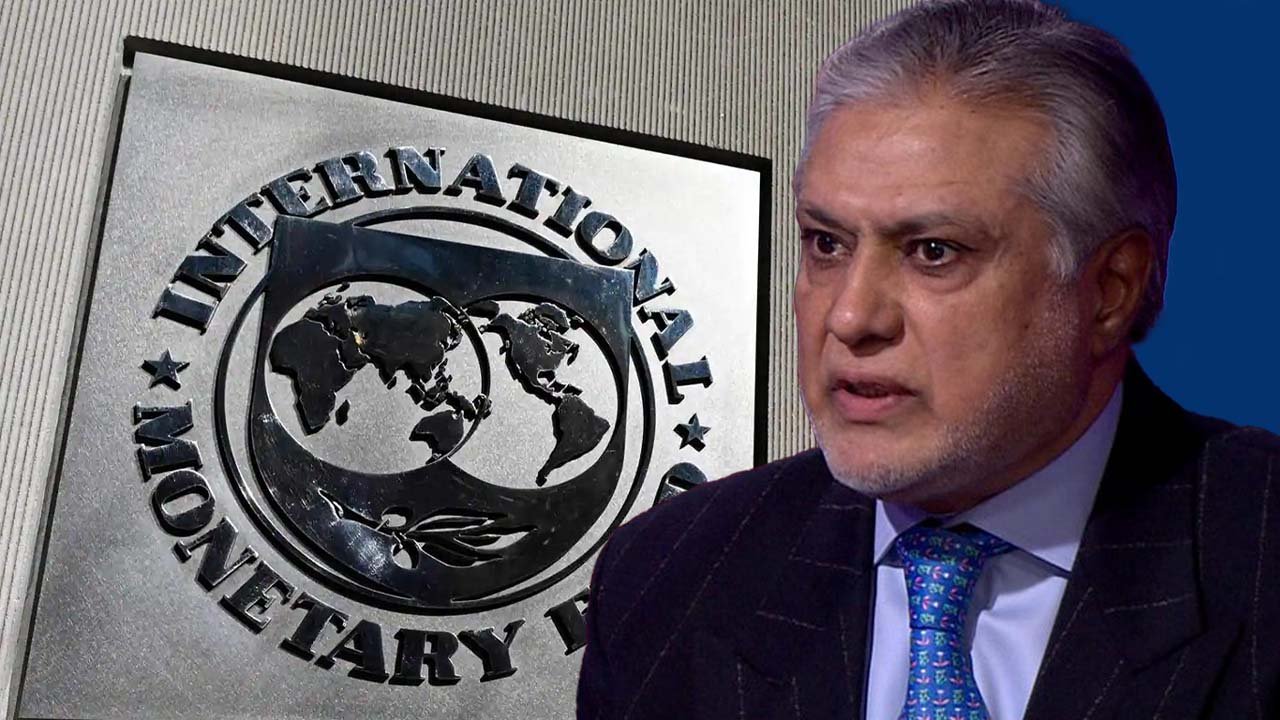
Tag: IMF

  • Pakistani rupee breaks winning streak, closes at Rs262.51 against dollar

    Pakistani rupee breaks winning streak, closes at Rs262.51 against dollar

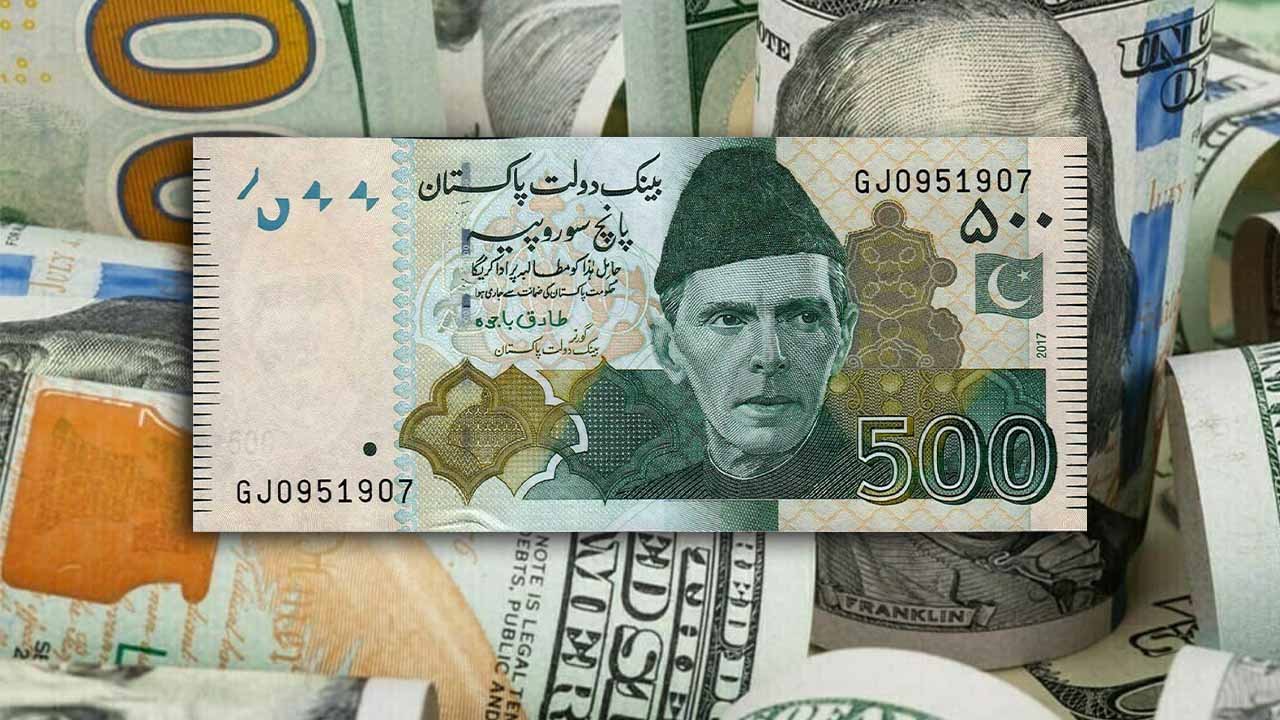
    During Tuesday’s interbank trading, the Pakistani rupee (PKR) declined and experienced losses against the dollar, reaching a low of Rs265 versus the dollar.
    The rupee lost 63 paisas versus the dollar by the time markets closed, depreciating by 0.24 per cent.

    The local currency commenced trading at Rs261.50 versus the US dollar with full red value. By lunchtime, the dollar had risen to about Rs264 versus the rupee. Before the interbank closure, the local currency was mostly bearish versus the top foreign currency after 1 PM.

    The National Assembly passed the Finance (Supplementary) Bill, 2023, on Monday, proposing extra taxes and tariffs of Rs170 billion, ending the rupee’s five-day winning streak against the dollar and clearing the way for the staff-level deal with the International Monetary Fund (IMF).

    After its record-breaking single-day plunge of Rs25 in the latter week of January, when the rupee was finally “freed” versus the US dollar in the inter-bank market, the rupee has lost more than Rs27. The PKR has decreased by 62.99 paisas today based on observable market trends and fiscal developments.

    Money exchangers claim that a further delay in the staff-level agreement with the IMF might increase pressure on the PKR as investors and exporters alike track exchange rate movements to calculate profit yields in the face of constrained revenue estimates and related import restrictions.

    The rupee may appreciate until the conclusion of the current fiscal year, 2022–2023, in the event that the rescue is successful.

    After obtaining a $2.5 billion loan, the IMF’s current loan programme will end on June 30, 2023. Pakistan will have to reapply for the new loan programme if necessary in the next fiscal year.

  • National Assembly passes mini-budget to meet IMF targets

    National Assembly passes mini-budget to meet IMF targets

    The National Assembly of Pakistan passed the Finance (Supplementary) Bill, 2023, aimed at amending certain laws relating to taxes and duties. The bill is intended to generate an additional Rs170 billion within the next four and a half months, to fulfill the last prior actions agreed upon with the International Monetary Fund (IMF).

    Pakistan’s reserves have fallen to a critically low level of $2.9 billion, which experts believe is sufficient for only 16 to 17 days of imports. The completion of the ninth review of a $7 billion loan programme with the IMF would lead to a disbursement of $1.2 billion, as well as unlock inflows from friendly countries.

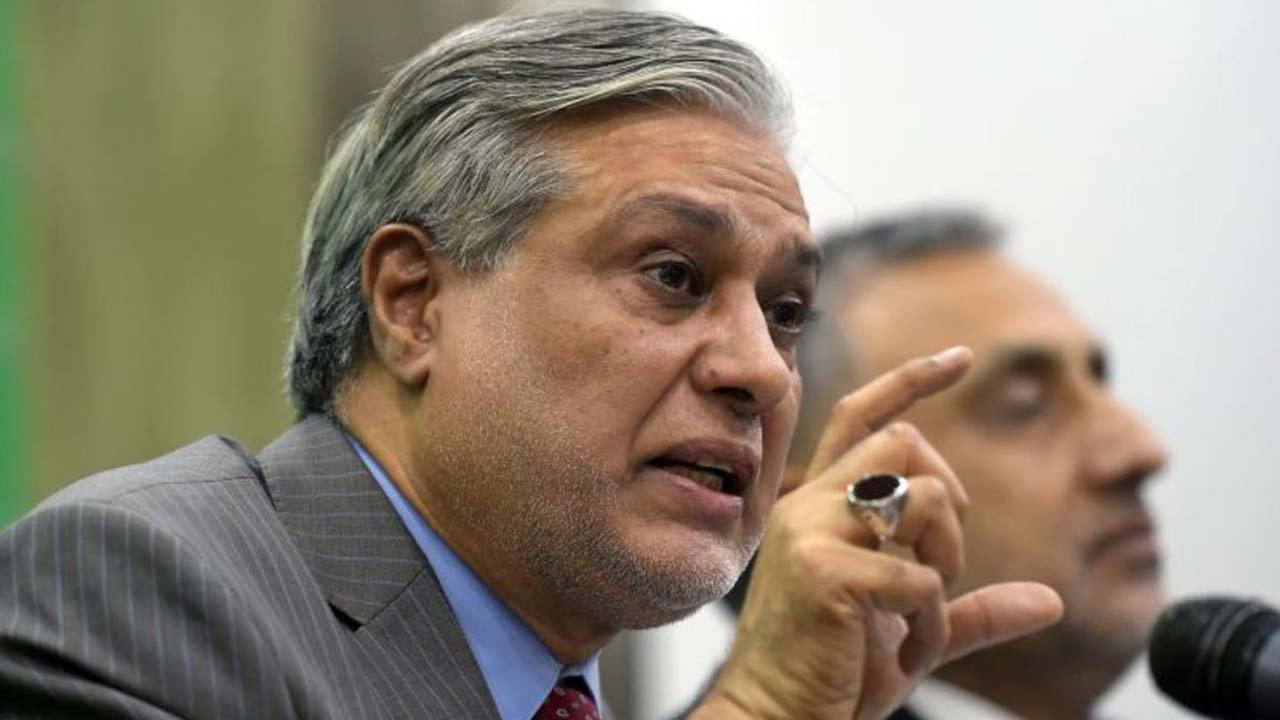
    The Finance Minister, Ishaq Dar, introduced the bill to the National Assembly on February 15, and the formal debate started on it after moving a motion by Commerce Minister Syed Naveed Qamar on February 17. In his concluding speech during the NA session, Dar said the new taxes proposed in the bill would not affect the poor segments of society, as most of the new taxes are being imposed on luxury items that they don’t use.

    The government has also proposed an increase of Rs40 billion in the budget of the Benazir Income Support Programme (BISP) to help the poor cope with rising inflation.

    The Finance Bill aims to increase the general sales tax (GST) rate from 17 per cent to 18 per cent, with an increase to 25 per cent on luxury items. The bill proposes to raise the federal excise duty (FED) on cigarettes, and aerated and sugary drinks. GST on 33 categories of goods covering 860 tariff lines, including high-end mobile phones, imported food, decoration items, and other luxury goods, will increase from 17 per cent to 25 per cent, however, the raise will be notified through another notification.

    The excise duty on cement has been raised from Rs1.5 to Rs2 per kilogram, a measure expected to generate an additional Rs6 billion. An excise tax of 10 per cent has been proposed on non-aerated drinks like juices, including mango and orange, to raise an additional tax of Rs4 billion.

    The finance bill also proposed a 10 per cent withholding tax on functions and gatherings held in marriage halls, marquees, hotels, restaurants, commercial lawns, clubs, community places, or other places, expected to raise Rs1 billion to Rs2 billion from this tax. The excise duty on carbonated or aerated drinks has been raised to 20 per cent from 13 per cent to generate an additional Rs10 billion for the government.

    The proposed increase in excise duty on business, first, and club-class air tickets will raise an additional Rs10 billion for the government, with a tax rate of 20 per cent (or Rs50,000, whichever is higher) proposed on the value of air tickets.

  • Latest gas price hike will hit the rich, not the poor: Petroleum Minister

    Latest gas price hike will hit the rich, not the poor: Petroleum Minister

    Minister of State for Petroleum Dr Musadik Malik stated that the latest hike in gas tariff was implemented without imposing a burden on the low-income segment. In a media briefing, he added that the government separated the poor and rich segments to protect low-income individuals from its impact.

    However, Malik admitted that the low-income segment in Pakistan is facing tough times. He also shared that 60 per cent of the Pakistani public will remain unaffected by the gas price hike, and the low-income segment might even see a decrease in their bills.

    Malik agreed with former finance minister Miftah Ismail that Pakistan is experiencing elite capture. He emphasized that Pakistan is different for the high-income and low-income segments, and the gas tariff has mostly increased for the high-income segment.

    During the speech, Malik criticised the developed countries for fancying development and progress, which he believed have put most of the world’s population – nearly 5 billion – at peripheries.

    According to Dawn, the minister said that the development has not been inclusive and countries like Pakistan were paying the price despite having “zero” contribution in carbon emissions and lately, it became the third most affected country from global warming.

    He made these comments after the government raised gas prices in line with the International Monetary Fund’s recommendation. As a result, the weighted average cost of gas has increased by 43 per cent from Rs620 to Rs885 per million British thermal units.

  • Imported mobiles priced above $500 to become more expensive under proposed GST of 25%

    Imported mobiles priced above $500 to become more expensive under proposed GST of 25%

    The Federal Board of Revenue (FBR) has put forward a proposal to significantly augment the sales tax on imported mobile phones.

    This proposal is part of the Finance (Supplementary) Bill, 2023, which incorporates amendments to the Ninth Schedule of the Sales Tax Act 1990, specifically focusing on mobile phones.

    As per the proposed bill, a sales tax of 25 per cent would be applicable on premium mobile phones that are imported and have a value of more than Rs132,000 ($500).

    The proposed amendment entails an increase in sales tax from 17 per cent to 18 per cent for imported mobile phones with an import value ranging from Rs53,000 ($200) to Rs132,000 ($500).

    It is noteworthy that this range includes two distinct categories within the Ninth Schedule, namely $200-$350 and $350-$500.

    It has been announced that the sales tax rate for imported mobile phones with a value up to $200 will remain unchanged. No proposed changes have been put forward for this import value category.

  • Ishaq Dar presents mini-budget in National Assembly to meet IMF conditions

    Ishaq Dar presents mini-budget in National Assembly to meet IMF conditions

    A crucial tax amendment bill to fulfil the conditions of the International Monetary Fund (IMF) to revive a stalled loan programme that the country needs to stave off default was presented in both houses of parliament on Wednesday.

    Finance Minister Ishaq Dar introduced the Finance (Supplementary) Bill 2023 first in the National Assembly and then in the Senate.

    The Pakistani government approved a proposal last night to increase the general sales tax (GST) rate from 17 to 18 per cent and to raise the Federal Excise Duty (FED) on cigarettes. The aim is to generate an additional Rs115 billion out of Rs170 billion, which was agreed upon by Pakistan in accordance with the IMF conditions.

    Through the implementation of the “mini-budget,” led by the Pakistan Democratic Movement (PDM)-led government, the country intends to reduce the budget deficit and enhance its tax collection efforts to meet the conditions set by the IMF, a Washington-based lender.

    The National Assembly will not be referring the bill to the Standing Committee on Finance and Revenue for further review, while the Senate has sent the legislation to the relevant committee. Officials at the Ministry of Finance have stated that they anticipate the bill to be passed by Thursday morning, which will allow for the receipt of funds not only from the IMF but also from other multilateral and bilateral sources.

    Last week, Pakistan and the International Monetary Fund (IMF) were unable to reach an agreement, and the visiting IMF delegation left Islamabad after 10 days of talks. However, negotiations are set to continue. The Pakistani economy, valued at $350 billion, is in dire need of financial assistance as it grapples with a severe economic crisis.

    In an effort to appease the IMF, the government initially intended to implement the fiscal measure via an ordinance. However, President Dr Arif Alvi recommended that the administration obtain the parliament’s approval instead.

    During his address to the lower house, Finance Minister Dar highlighted the unprecedented crises the nation is currently facing due to the “substandard” policies of the Pakistan Tehreek-e-Insaf (PTI) government. In contrast, the country had experienced economic growth during the previous government led by the Pakistan Muslim League-Nawaz (PML-N), during which the Gross Domestic Product (GDP) had increased by $112 billion.

    “The PML-N always tries to take fewer loans. Foreign investment had also increased during PML-N’s tenure. In contrast, during the PTI’s government, the loans hit record highs, and a common man’s income also plunged.”

    According to Geo, the finance minister stated that in addition to the challenges that the current government is confronting as a result of the Pakistan Tehreek-e-Insaf’s (PTI) policies, the country suffered losses exceeding $8 billion due to last year’s floods.

    “But, we should always prefer the state over politics,” he reiterated — the mantra that PDM leaders have time and again propagate as they face an uphill task on the economic front.

    This is a developing story…

  • Govt to present Finance Bill 2023 today to fulfil IMF conditions

    Govt to present Finance Bill 2023 today to fulfil IMF conditions

    The federal government has been forced to head to parliament after President Arif Alvi ‘adv­ised’ Finance Minister Ishaq Dar on Tuesday to take parliament into confidence over the Rs 170 billion in new taxes that are being levied.

    As per the agenda, the National Assembly will meet at 3:30pm and Finance Minister Senator Ishaq Dar will present the Finance Supplementary Bill, 2023 in the lower house.

    A session of the Senate has also been summoned at 4:30pm to move the bill there as well so the document can be sent to President Dr Arif Alvi immediately for assent.

    Prime Minister Shehbaz Sharif, who didn’t attend the last session, will be present during today’s meeting.

    The governm­ent had initially planned to introduce “tax and non-tax mea­­sures” to generate funds to the tune of Rs 170 billion. However, in a last-minute change, it decided to drop proposals pertaining to non-tax measures, particularly the flood levy to the tune of Rs 100 billion.

    In a late-night development, the Federal Board of Revenue (FBR) issued SRO178 to enhance a federal excise duty on locally manufactured cigarettes which would generate up to Rs 60 billion in taxes on tobacco products.

    The government will generate Rs 55 billion more through a 1 per cent increase in GST – from 17pc to 18pc. The remaining Rs 55 billion will be collected through an increase in excise duty on airlines tickets, sugary drinks and an increase in withholding tax rates.

    Dar had called on President Alvi to apprise him about the talks with the IMF for the revival of the programme.

    The government decided to approach the Parliament after President Dr Arif Alvi gave the government a cold shoulder on bringing the mini-budget via an ordinance in his meeting with Dar.

    “The president advised that it would be more appropriate to take parliament into confidence on this important subject, and that a session be called immediately so that the bill is enacted without delay,” a statement issued by the President House said after the meeting.

  • PTI’s Shaukat Tarin booked for allegedly sabotaging IMF deal

    Former Finance Minister Shaukat Tarin has been booked in a sedition case by Federal Investigation Agency (FIA) for allegedly sabotaging negotiations between Pakistan and International Monetary Fund (IMF).

    The Pakistan Tehreek-e-Insaf (PTI) leader landed in the center of controversy in August last year when telephonic conversations between him and two provincial finance ministers surfaced. A voice, allegedly Tarin’s, was heard telling Khyber Pakhtunkhwa’s (KP) finance minister Taimur Jhagra and Punjab finance minister Mohsin Leghari, both of the PTI, to tell the coalition government in the centre and the IMF that they would not be able to commit to a provincial budget surplus in light of the monsoon floods.

    The leaked audio came to light when the international lender’s executive board was scheduled to consider Pakistan’s request of releasing the $1.2 billion tranche under the Extended Fund Facility (EFF).

    On Monday, the coalition government also allowed the FIA to arrest the former finance minister after the agency sought the interior ministry’s nod to detain him.

    PTI lawmakers protested in Senate against the possible arrest of Tarin on the same day.

    Interestingly, senior leader of arch-rivals Pakistan Muslim League-Nawaz (PML-N), Shahid Khaqan Abbasi, lent support to Tarin, stating that there should be a trial and he shouldn’t be arrested.

    He pointed out that many arrests took place when Imran Khan was PM and that now the incumbent government shouldn’t follow in his footsteps.

  • Rs170 billion in taxes to be imposed through mini-budget for revival of IMF loan program

    The Minister of Finance, Ishaq Dar, has announced that the talks between Pakistan and the International Monetary Fund (IMF) have concluded positively. In order to revive the loan program, the government will be required to implement a mini-budget, which includes collecting approximately Rs170 billion in taxes.

    During a media briefing, the finance minister confirmed receipt of the draft of the Memorandum of Economic and Financial Policies (MEFP) from the IMF based in Washington. At the outset of his media address, the minister emphasized that the current government is continuing to implement the program signed by former Prime Minister Imran Khan with the IMF in 2019-2020, and that the talks are being held as a “sovereign commitment” under the leadership of Shehbaz Sharif.

    “This is an old agreement which had been suspended and delayed previously,” he noted. 

    Regarding the discussions between Pakistan and the IMF mission, the finance minister stated that the talks, which lasted for ten days, were comprehensive and covered a range of topics including the power and gas sectors, as well as the fiscal and monetary aspects.

    “The SBP governor and officials from different departments and ministries participated in the talks,” said Dar.

    Finance Minister Ishaq Dar has shared details of the agreement reached with the IMF regarding the country’s financial situation. The finance minister confirmed that taxation measures of Rs170 billion will be taken, dispelling rumors of a larger figure of Rs700-800 billion.

    Dar highlighted that reforms in the energy sector will be a key focus, aimed at curbing the flow of circular debt, particularly in the gas sector where efforts will be made to bring the circular debt to zero and minimize untargeted subsidies.

    The minister acknowledged that some of the reforms suggested by the IMF are beneficial for Pakistan and emphasized the need for reforms in the country. He added that Prime Minister Shehbaz Sharif has assured the IMF of the government’s commitment to implement the necessary reforms.

    As per the standard procedure, a MEFP and a letter of intent are given. “The government has received the MEFP draft this morning and we will go through it on the weekend. A virtual meeting with the IMF will be held after that on Monday,” he added.

    “We believe that there are some sectors that need to be reformed in Pakistan’s interest,” he said.

    The Minister of Finance, in a statement, indicated that the country’s economy is facing significant challenges, with its current ranking standing at 47. The minister attributed the economic struggles to poor governance and mismanagement, and emphasized the need to address and rectify the situation.

    In reference to the power sector, the finance minister noted that a large portion of the national budget, approximately Rs3,000 billion, is spent on electricity generation, however, the recovery rate for these expenditures is only Rs1,800 billion. This highlights the pressing need for reforms and improvements in the sector to enhance efficiency and ensure sustained economic growth.

    “Even though these reforms are painful but we will have to implement them,” he maintained.

    He said that the government had decided that Pakistan will complete the IMF’s programme for the second time.

    “Pakistan will get $1.2 billion after the approval of IMF’s Executive Board.”

    The Minister of Finance announced that it has been determined to increase the budget of the Benazir Income Support Program (BISP), bringing it to a total of Rs400 billion. This increase is aimed at mitigating the impact of inflation on the most vulnerable segments of society.

    Regarding the declining foreign currency reserves, the minister provided reassurance that efforts are underway to boost them. The minister credited the State Bank of Pakistan (SBP) with managing the situation and noted that support from friendly countries has also been secured through commitments.

    “Pakistan had made big payments to countries during this time, and once the programme is finalised, we will get the amount back,” said Dar.

    The Minister of Finance criticized the previous administration for the credibility gap in the country’s reputation, stating that the lack of trust from the IMF is a result of the previous government’s failure to implement reforms, and even reversing them during a period of political instability.

    “This has negatively portrayed Pakistan’s image and this has affected the recent talks as [the IMF] is not sure if we would agree to it,” he added.

    He added that the government refused to impose sales tax on petrol and the IMF conceded it. “It was mutually agreed that there will be no sales tax on petroleum products,” he said. He added that the general sales taxes will be added to the Rs170 billion.

    Dar said that it is necessary to recover Rs170 billion in taxes within the current fiscal year, within a period of four months.
  • Pakistani rupee strengthens by Rs2.82 against dollar, closes at Rs270.51

    Pakistani rupee strengthens by Rs2.82 against dollar, closes at Rs270.51

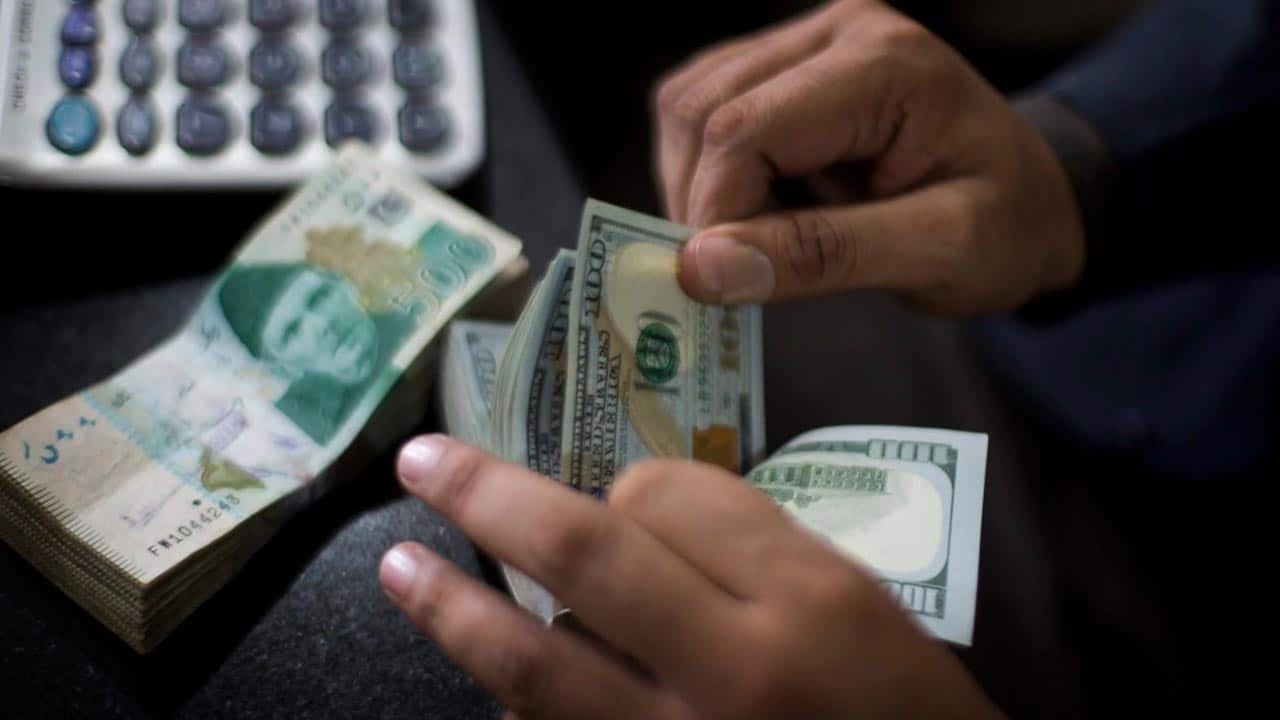
    The Pakistani rupee (PKR) experienced an upward trend against the US dollar in the inter-bank market on Thursday, appreciating by 1.04 per cent due to expectations surrounding the revival of the International Monetary Fund (IMF) program.

    According to the State Bank of Pakistan (SBP), the currency closed at Rs270.51 against the US dollar, reflecting an increase of Rs2.82. Despite this improvement, the currency has depreciated by 23.7 per cent during the current fiscal year against the US dollar.

    On Wednesday, the PKR also saw significant gains against the US dollar, closing at Rs273.33, reflecting an appreciation of Rs2.95 or 1.08 per cent.

    In a key development, Finance Minister Ishaq Dar said on Thursday negotiations between Pakistan and the IMF are “on track” and “we will announce good news soon”.

    Speaking to the media, Dar said talks between the two sides had entered the final round, progress has been “satisfactory” and he hopes discussions will conclude today.

    The dollar index, which measures the US currency against six rivals, was 0.029 per cent higher on Thursday at 103.460, having dropped nearly 0.3 per cent in the previous session.

    Gold prices, rose for a fourth straight session as the dollar faltered, although bullion’s outlook remained cloudy amid the comments made by Fed officials.

    Meanwhile, oil prices, a key indicator of currency parity, were broadly steady on Thursday as the prospect of higher fuel demand in China as it reopens post-COVID curbs were offset by fears that US crude stocks hitting their highest for months may signal weakening demand in the world’s number one economy.

  • Everything is going alright with IMF, says Ishaq Dar

    Everything is going alright with IMF, says Ishaq Dar

    Finance Minister Ishaq Dar said on Thursday that it is expected that the matters between the government and the International Monetary Fund (IMF) regarding the conclusion of the 9th review of the $7 billion loan program will be settled today.

    “Everything is going alright,” replied the finance minister when asked about the status of the discussions with the visiting IMF delegation. “The final round is currently underway. I have daily meetings with the IMF team and will do so again today,” he added.

    “It is expected matters will be settled today,” Dar said. “We will give you the news very soon.”

    A delegation from the IMF, led by Nathan Porter, has arrived in Islamabad for discussions surrounding the completion of the ninth review. The discussions are set to conclude on the same day.

    The successful completion of the review would result in the disbursement of $1.2 billion from the IMF and also unlock additional funding from friendly nations and other multilateral lenders, which is crucial for Pakistan to avoid default.

    Minister of State for Finance and Revenue Aisha Ghaus Pasha informed journalists on Wednesday that the government and the IMF are in close proximity to finalizing the Memorandum of Economic and Financial Policies (MEFP).

    Minister of State for Finance and Revenue Aisha Ghaus Pasha stated that the Memorandum of Economic and Financial Policies (MEFP) would be delivered to Pakistan by the IMF once all issues have been resolved. The Minister noted that significant progress had been made, but added that the IMF was seeking clarification on certain aspects, which the government team is working to address.

    In a written statement, the ministry said the talks with the IMF continued on Wednesday and “focused on fiscal table, financing, etc. There is a broad consensus on the reform actions and measures”.

    Additionally, the mission chief also held a meeting with the finance minister to provide an update on the discussions. “The mission is working on putting it all together and will finalise the MEFP,” stated the finance secretary, who declined to comment on the possibility of extending the scheduled talks in order to reach a staff-level agreement.

    According to Dawn, it is of utmost importance for Pakistan to reach a agreement with the IMF, as the foreign exchange reserves have depleted to a low of $3.09 billion as of January 27th, which is only sufficient to cover 18 days’ worth of imports.