Tag: IMF

  • Pakistan has enough petrol for 20 days: Musadik Malik refutes fuel shortage rumours

    Pakistan has enough petrol for 20 days: Musadik Malik refutes fuel shortage rumours

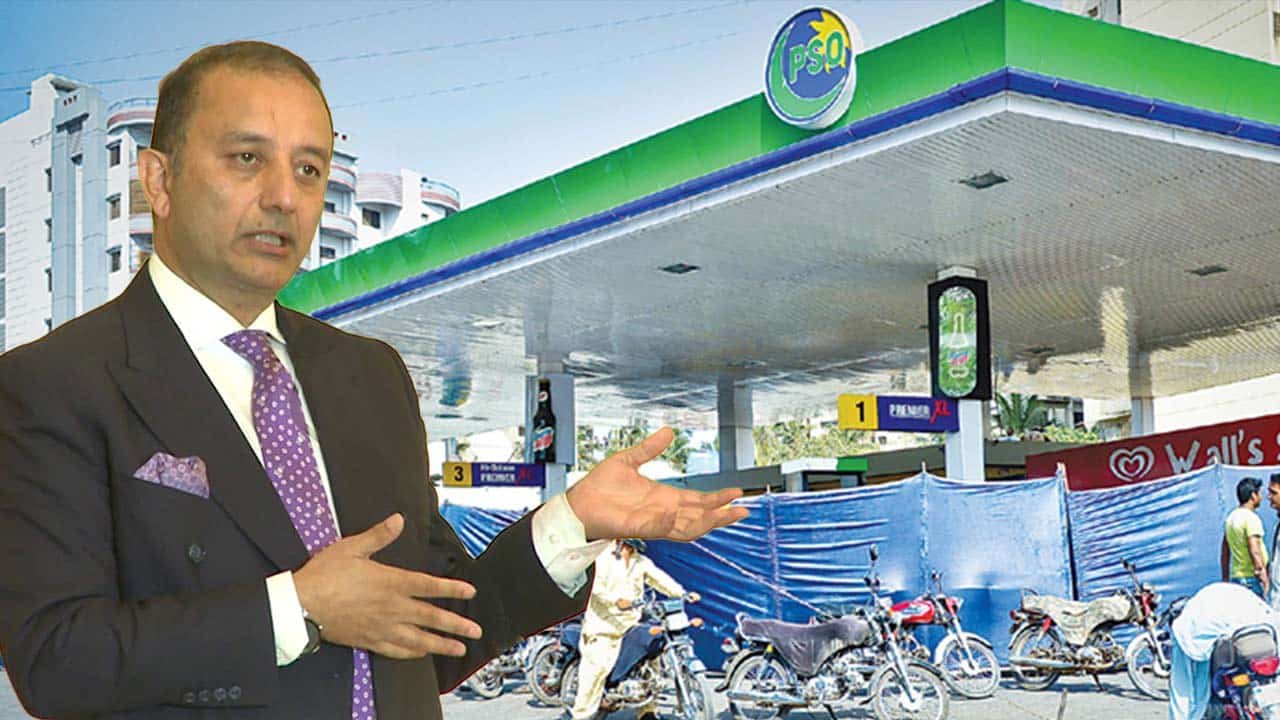
    On Tuesday, many petrol stations in the cities of Punjab were closed, causing inconvenience for commuters searching for fuel. However, State Minister for Petroleum, Musadik Malik, refuted reports of a nationwide fuel shortage.

    Despite a recent increase of Rs35 per litre in petrol and diesel prices, consumers are still facing difficulties due to limited supply.

    This situation mirrors a similar occurrence earlier this month prior to the price hike. On January 29, the government raised the prices of petrol and diesel by Rs35 per litre in response to the significant devaluation of the rupee against the dollar.

    The devaluation of the local currency against the dollar reached historic lows after the unofficial cap on the greenback was removed. Consumers in cities such as Faisalabad, Gujranwala, Sargodha, Shakargarh, Khushab, Mandi Bahauddin, and Gojra have encountered difficulties obtaining fuel. Petrol stations that remained operational have experienced long lines of vehicles, with reports of owners rationing the commodity by only providing limited amounts to customers.

    According to Geo, the State Minister for Petroleum has issued a warning against hoarding, as the fuel supply is already precarious. The minister stated that hoarders should be prepared for the possibility of having their licenses revoked.

    He said that there is a 20-day supply of petrol and a 25-day supply of diesel in the country. He urged the public to report any petrol stations that may be restricting supply for profit.

    Malik emphasized that there is no shortage of petrol in the country and confirmed that there will be no increase in the prices of petroleum products before February 15.

  • Supreme Court directs FBR to collect 50% super tax from big companies within seven days

    The Supreme Court of Pakistan has ordered organisations earning more than Rs150 million to submit 50 per cent of the super tax imposed on them to the Federal Board of Revenue (FBR) within seven days.

    A two-member bench consisting of Chief Justice of Pakistan Umar Ata Bandial and Justice Athar Minallah heard the plea filed by the FBR against an interim order issued by the Lahore High Court (LHC). The FBR’s counsel, Salman Akram Raja, informed the bench that the LHC had temporarily prohibited the FBR from collecting the tax pending a final decision.

    However, counsel for the respondents argued that the government’s super tax on corporations was unconstitutional. The Supreme Court suspended the interim order of the high court and allowed the FBR to collect 50 per cent of the super tax from these industries within seven days.

    Last year, Prime Minister Shehbaz Sharif announced the implementation of a 10 per cent super tax, also referred to as the “poverty alleviation tax,” on 13 key industries to increase tax collection. The government stated that the “tough decisions” were made to safeguard the economy.

    According to Geo, the sectors subject to the tax included cement, steel, banking, airlines, textile, automobile assembly, sugar mills, beverages, oil and gas, fertilizer, cigarettes, chemicals, and LNG terminals.

  • PM Shehbaz approves hike in gas and electricity tariffs to fulfill IMF demands

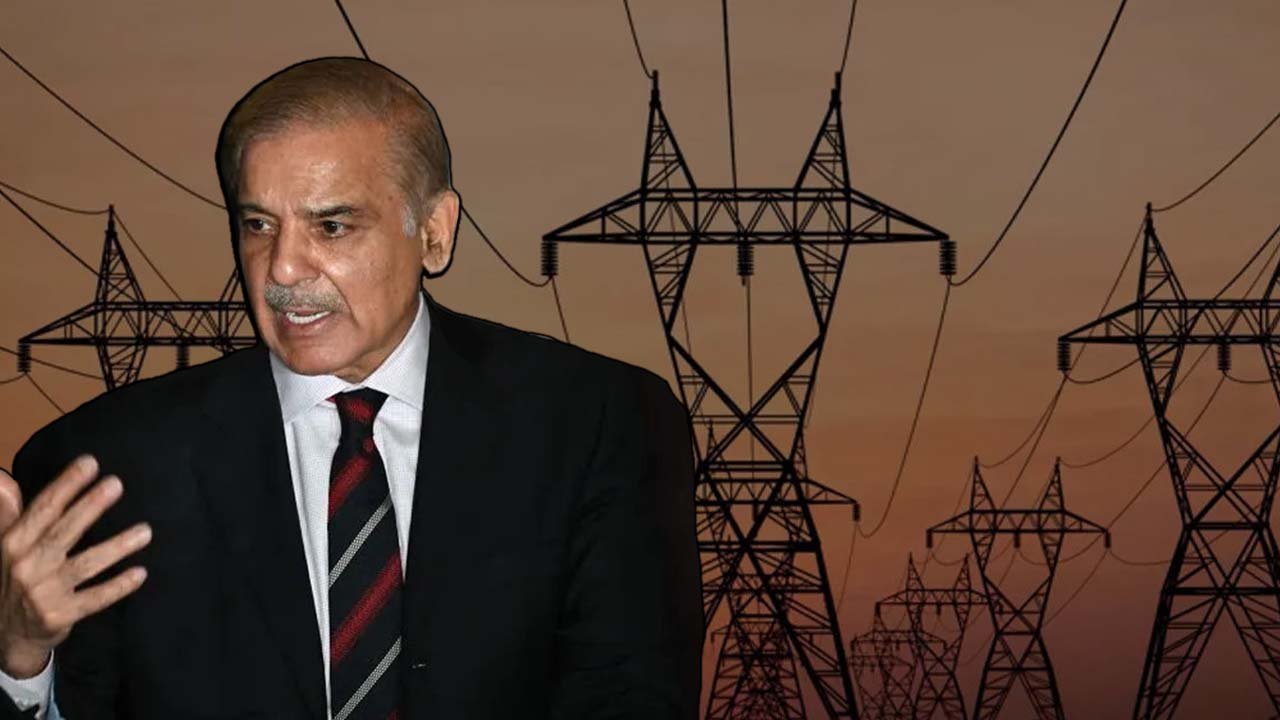
    PM Shehbaz approves hike in gas and electricity tariffs to fulfill IMF demands

    With only three days remaining to resolve differences, Prime Minister Shehbaz Sharif approved an increase in electricity prices on Monday in an attempt to reach an agreement with the International Monetary Fund (IMF). The annual base tariff is expected to increase by approximately 33 per cent.

    The decision was made during a virtual meeting held at the Prime Minister House after the IMF maintained its stance that Pakistan must fulfill its prior commitments.

    Sources familiar with the discussions indicated that there may be an average increase of Rs7.74 per unit in the base tariffs, but the increase for higher consumption levels will be much higher. Despite this, the Prime Minister still hopes that the Power Division can negotiate with the IMF to reduce the demanded increase.

    With the Prime Minister’s approval, the revised circular debt reduction plan, which includes details of the increase in prices due to quarterly and annual base tariff adjustments, will be shared with the IMF today.

    Power Minister Khurram Dastgir declined to comment on whether the Prime Minister had agreed to increase electricity prices, including the maximum increase for high-end consumers.

    According to sources, the IMF is seeking a 50 per cent increase in prices, while the government is proposing a range of 20 per cent to 33 per cent increase. The discussions began on January 31st and the IMF delegation was in Islamabad until February 9th.

    The IMF has stated that it is in Pakistan at the request of Prime Minister Shehbaz Sharif, with the expectation that the government will implement all of its outstanding actions, including tax increases. If the IMF agrees to the measures proposed by the government, a meeting between Finance Minister Ishaq Dar and IMF Mission Chief Nathan Porter may take place the same day to finalise the measures.

    The sources stated that the Power Division presented several options for increasing tariffs to the Prime Minister, including a Rs4.26 per unit increase in quarterly tariffs and a Rs7.74 per unit average increase in the base tariff.

    The IMF has asked the government of Pakistan to increase electricity prices by over Rs12 per unit to fully cover the additional budget subsidy demand of Rs675 billion. The Power Division believes it can recover Rs43 billion with a lag from July to December 2023, reducing the need for a price hike by the same amount.

    During budget planning, the government allocated only Rs355 billion for power subsidies in the current fiscal year, but the Power Division has requested an additional Rs675 billion in subsidies, bringing the total requirement to over Rs1.03 trillion. In a recent meeting, it was noted that the delayed decision-making has increased the cost of reviving the IMF program.

    The government still hopes the IMF will consider absorbing some of the increase through subsidies, but these subsidies must be supported by additional revenue measures. The IMF also refused the government’s request to exempt up to 300 units for consumers from the price increase, remaining firm on its stance to raise prices for consumers who use 200 units or more per month.

    According to Express Tribune, the Prime Minister has given direction to implement a maximum increase in electricity prices to those with high consumption levels. However, these consumers may struggle to bear the additional cost, which is primarily due to political decisions such as subsidies for exporters and insufficient subsidies in the budget, as well as inefficiencies in the power sector.
  • Intraday update: Pakistani rupee drops to historic low of Rs278.67 against US dollar

    Intraday update: Pakistani rupee drops to historic low of Rs278.67 against US dollar

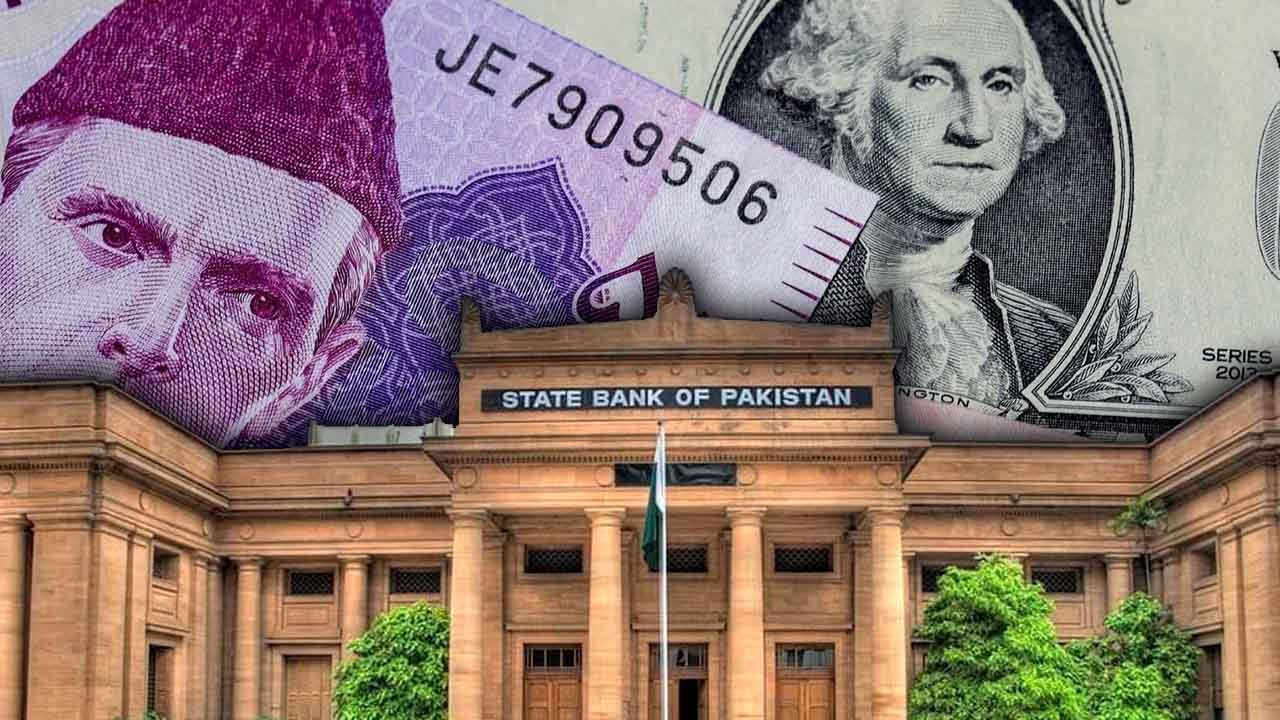
    After Finance Minister Ishaq Dar authorised a proposal for charity groups to help raise almost $2 billion from overseas Pakistanis, the Pakistani rupee (PKR) fell by over 2.5 per cent against the dollar during intraday trade on Friday, falling as low as Rs278 against the dollar.

    The rupee was trading at Rs278.67 versus the dollar in intraday trade on the interbank market around 12:50 pm, according to the Exchange Companies Association of Pakistan (ECAP).

    The local currency fell by Rs7.32 from its previous day’s closing rate of Rs271.35 to the US dollar.

    The PKR has lost Rs7 or more versus the US Dollar during intraday trade for the third time in a week.

    Bloomberg reports that Pakistani rupee and dollar bonds fell after Prime Minister Shehbaz Sharif said that the International Monetary Fund (IMF) is making life difficult for the country in the ongoing loan negotiations.

    According to information gathered by the US publication, USD/PKR increases 1.8 per cent to a record 275.0250. Bonds that are due in April 2024 were priced at 56.94 cents on the dollar, down 0.3 cents.

    Experts claim that the market is responding to news stories about the demands put forward by the IMF. In the coming days, rupee losses will intensify if Pakistan is unable to reach a staff-level agreement with the Fund.

  • SBP-held foreign exchange reserves now stand at only $3.09 billion

    SBP-held foreign exchange reserves now stand at only $3.09 billion

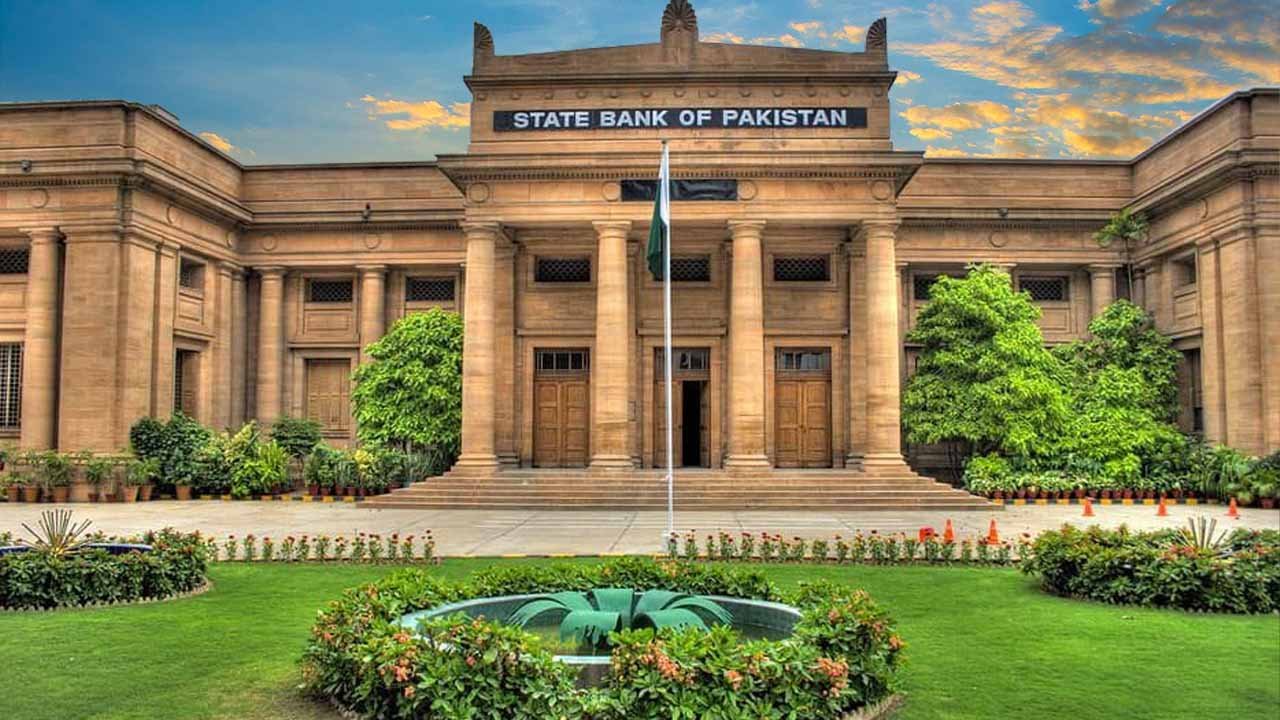
    According to figures issued on Thursday, the State Bank of Pakistan’s (SBP) foreign reserves fell precipitously by $592 million to just $3.09 billion. This is the lowest level of central bank reserves since February 2014.

    The nation’s total holdings of liquid foreign exchange were $8.74 billion. There were $5.65 billion in net foreign reserves held by commercial banks.

    “During the week ended January 27, 2023, SBP’s reserves decreased by $592 million to $3,086.2 million due to external debt repayments,” the SBP said in a statement.

    The SBP’s foreign exchange reserves decreased sharply last week, falling by a whopping $923 million to only $3.7 billion.

    The central bank reserves, which were around $18 billion at the beginning of 2022 but have significantly decreased, highlight the pressing need for Pakistan to finish the next assessment of the International Monetary Fund (IMF) programme.

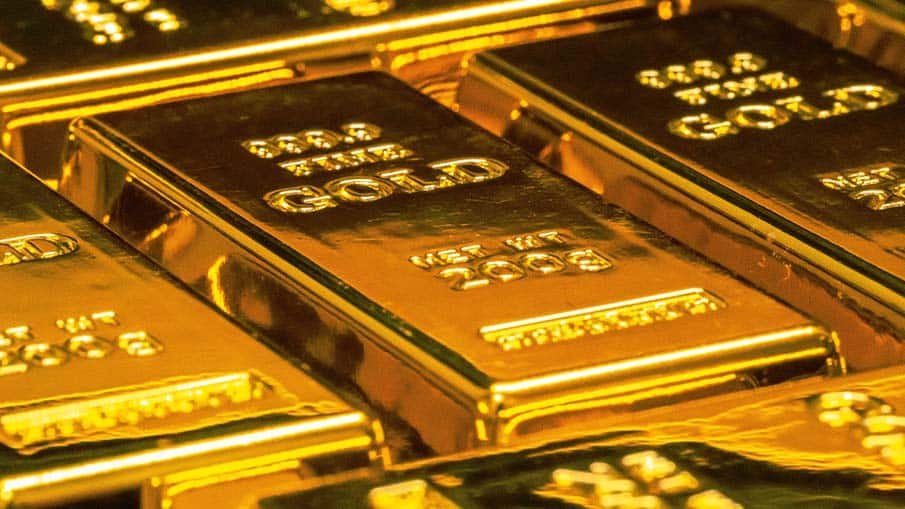
  • Gold bounces back by Rs2,200 to Rs207,200 per tola

    Gold bounces back by Rs2,200 to Rs207,200 per tola

    As the international precious metal markets rose Thursday in response to a hawkish US Federal Reserve, investors were also drawn to gold as their available saving choices remained constrained. Pakistan’s gold price likewise maintained its impressive run.

    The price of gold (24 karats) climbed by Rs2,200 per tola and Rs1,887 per 10 grammes to settle at Rs207,200 and Rs177,641, respectively, according to data issued by the All-Pakistan Sarafa Gems and Jewellers Association (APSGJA).

    A stagnant International Monetary Fund (IMF), declining foreign exchange reserves, and a weak rupee have all contributed to the precious metal’s advances over the past two sessions. These factors will increase the price of importing gold.

    However, investors were only buying gold bars, not jewellery, which had lowered goldsmiths’ profit margins and put the labour force at risk of losing jobs as jewellery manufacturers turned to other careers in the absence of work.

    As investors continued to believe that the US Federal Reserve will end its rate-hiking cycle soon after announcing a 25-basis-point hike, gold reached a nine-month high on the international market due to a weak dollar.

    Having earlier in the day reached its highest level since April 2022, spot gold was up $31 at $1,955 per ounce.

    After a year of bigger rate hikes, the US central bank on Wednesday reduced the rate rise to a quarter percentage point. It said that the battle against high inflation had reached a turning point, but that “winning” would still require raising rates and keeping them there at least through 2023.

    Moreover, local silver prices rose by Rs50 per tola and Rs42.88 per 10 grammes to settle at Rs2,300 and Rs1,971.88, respectively.

  • IMF rejects Pakistan’s circular debt management plan, advises raising power tariff

    IMF rejects Pakistan’s circular debt management plan, advises raising power tariff

    In order to cap the extra subsidy at Rs335 billion for the current fiscal year, the International Monetary Fund (IMF) has rejected the circular debt management plan (CDMP) that the government had given and requested the authorities to hike the power tariff by Rs12.50 per unit.

    Talks on the ninth review are now being held in Pakistan by an IMF team; they will last until February 9 and are anticipated to result in a staff-level agreement between the two parties.

    During the second day of technical discussions, the Washington-based lender referred to the amended CDMP as “unrealistic,” which is based on several incorrect assumptions. Therefore, the government would need to make further adjustments to its recommended course of action to limit the losses in the cash-strapped electricity industry.

    A fiscal deficit will be worked up between the IMF and the Finance Ministry, and various extra taxing measures will then be finalised through the forthcoming mini-budget.

    The international lender has asked Pakistan to impose Rs600–800 billion in additional taxes in the second round of talks to revive the $7 billion Extended Fund Facility (EFF), which has been stalled for months.

    According to details, the Federal Board of Revenue held a second round of technical talks with the IMF mission, led by Mission Chief to Pakistan Nathan Porter, on the ninth review of a $7 billion loan programme.

    The lender also demanded the government increase tax collection to 1 per cent of the gross domestic product (GDP). Sources claimed that the fund demanded the government fix the next fiscal year’s tax collection target at Rs8.3 billion.

  • Highest single-day fall: Gold price drops by Rs9,000 to Rs201,500 per tola

    Highest single-day fall: Gold price drops by Rs9,000 to Rs201,500 per tola

    As the rupee marginally strengthened against the US dollar and investors closely followed the US Federal Reserve’s interest rate rise decision and policy outlook, the price of gold in Pakistan saw its worst one-day decline.

    The price of gold (24 carats) fell by Rs9,000 per tola and Rs7,716 per 10 grammes to settle at Rs201,500 and Rs172,754, respectively, according to data issued by the All-Pakistan Sarafa Gems and Jewellers Association (APSGJA).

    The jewellers’ association also claimed that local gold in Pakistan was “overcost” by Rs2,500 per tola when compared to the bullion market in Dubai.

    The price of gold has fallen as demand has decreased as investors appear to have abandoned the safe-haven commodity in favour of the dollar, which is now freely available on the open market following the lifting of the dollar cap.

    As a result of the events surrounding the negotiations with the International Monetary Fund (IMF), the Pakistani rupee began to show signs of recovery today, rising by about Rs2 to settle at Rs267.89.

    However, investors were only buying gold bars, not jewellery, which had lowered goldsmiths’ profit margins and put the labour force at risk of losing jobs as jewellery manufacturers turned to other careers in the lack of work.

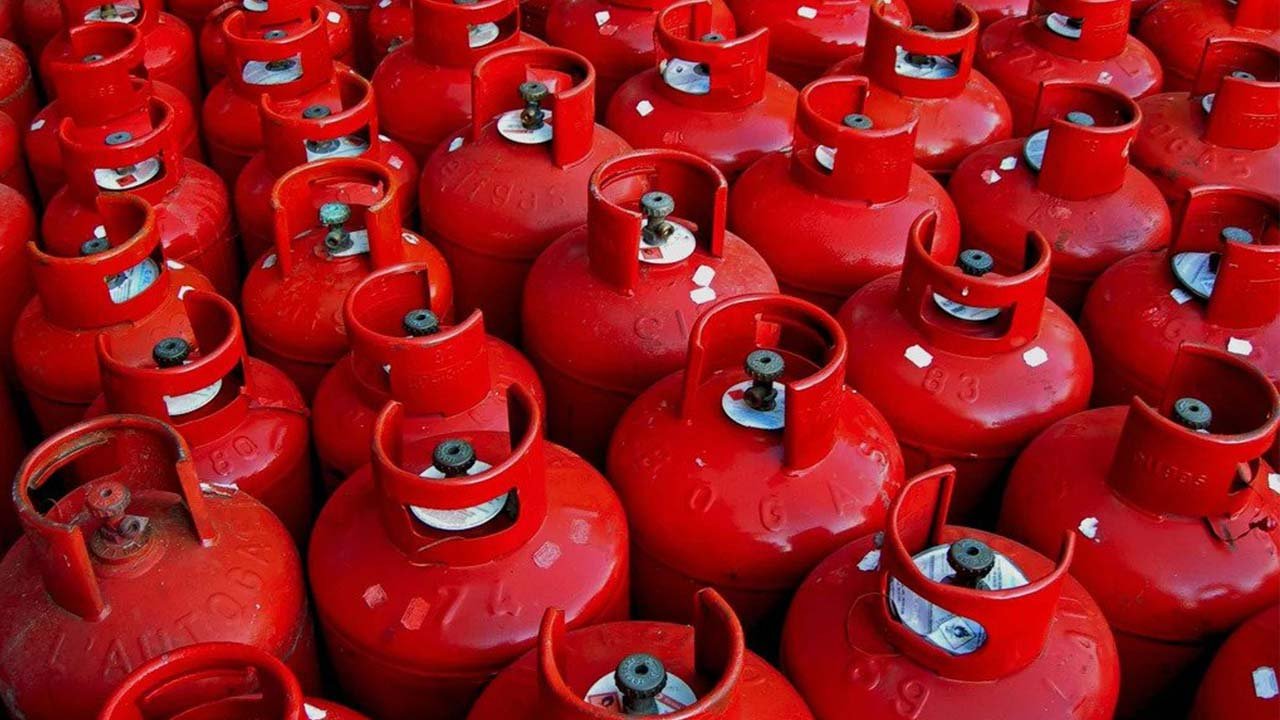
  • OGRA jacks up LPG price by Rs60 per kg

    OGRA jacks up LPG price by Rs60 per kg

    The Oil and Gas Regulatory Authority (OGRA) raised the cost of liquefied petroleum gas (LPG) by Rs60 per kilogramme after a hike of Rs35 in petrol prices.

    The price of liquefied petroleum gas (LPG) has increased by Rs60 per kg to Rs264 per kg, according to a statement from the OGRA.

    The price of a domestic LPG cylinder has gone up by Rs703 and a commercial cylinder by Rs2,706 following the latest price revision. Domestic cylinders will now be sold at Rs3,115 and commercial cylinders at Rs11,984.

    In a statement, LPG Industries Association of Pakistan Chairman Irfan Khokhar lambasted the regulatory authority and called it “mafia.” “Liquefied petroleum gas was now out of reach of consumers after the historic increase in prices,” he said.

    It is pertinent to mention here that the federal government on January 29 announced raising the prices of gasoline and diesel by Rs35 per litre.

    In a televised address, Ishaq Dar said that an 11 per cent increase was witnessed in the prices of petroleum products in the international market. Dar further announced that the prices of kerosene oil and light diesel oil have been increased by Rs18 per litre.

    After the latest round of hikes, petrol is currently priced at Rs249.80, diesel at Rs262.80, kerosene oil at Rs189.83, and light diesel at Rs187.

  • ‘Toughest’ technical level talks between Pakistan and IMF on ninth review begin in Islamabad

    ‘Toughest’ technical level talks between Pakistan and IMF on ninth review begin in Islamabad

    Negotiations to reach a staff-level agreement on the ninth review of the $7 billion Extended Fund Facility (EFF) have started between Pakistan and the International Monetary Fund (IMF) on Tuesday.

    As the cash-strapped government launches new efforts to conclude the lingering ninth review, Finance Minister Ishaq Dar is leading the Pakistani side and Nathen Porter is in charge of the IMF review team. The review team from the IMF arrived in Islamabad on Monday.

    Pakistan is likely to discuss its strategy for implementing further revenue measures with the visiting review delegation.

    The Fund has refused to compromise on the terms it outlined for the restoration of the lending facility, causing analysts to label the technical level negotiations as “toughest.”

    According to The News, Pakistan is experiencing a severe economic crisis, with the currency falling, inflation skyrocketing, and a shortage of electricity. Because he was worried about backlash before the upcoming elections in October, Prime Minister Shehbaz Sharif resisted the IMF’s demands for tax increases and subsidy reductions for months.

    However, Islamabad has begun to yield to pressure in recent days as the threat of national insolvency grows and no friendly nations are ready to give less severe bailouts.

    To manage a growing illicit market in US dollars, the government relaxed limitations on the rupee, which led to the currency falling to historic lows. Additionally, artificially low petrol costs have increased.

    “We’re at the end of the road. The government has to make the political case to the public for meeting these (IMF) demands,” former World Bank economist Abid Hasan told AFP.

    “If they don’t, the country will certainly default and we’ll end up like Sri Lanka, which will be even worse.”

    Last year, Sri Lanka entered into debt default and experienced months of food and fuel shortages that led to unrest and finally forced the nation’s government to depart the country.