Tag: IMF

  • Army chief asks US to help Pakistan secure early dispersal of loan from IMF: report

    Army chief asks US to help Pakistan secure early dispersal of loan from IMF: report

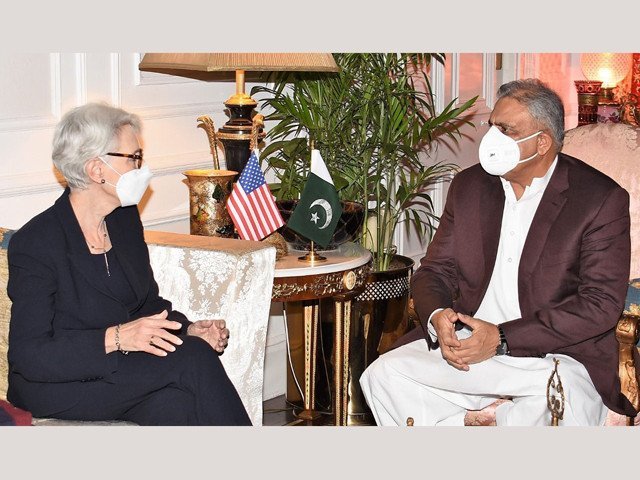
    Chief of Army Staff (COAS) General Qamar Javed Bajwa has appealed to the United States (US) to help Pakistan secure an early dispersal of $1.2 billion in funds under the International Monetary Fund (IMF) programme, reported Wajahat S Khan for Nikkei Asia.

    Gen Bajwa spoke by phone with US Deputy Secretary of State Wendy Sherman earlier this week.

    “The IMF has already granted Pakistan staff-level approval for the loan in question on July 13. But the transaction — part of the IMF’s $6 billion Extended Fund Facility for Pakistan — will only be processed after the multilateral lender’s executive board grants final approval,” said the report.

    According to an IMF official who also spoke on condition of anonymity, the IMF is going into recess for the next three weeks and its board will not convene until late August. Because of the recess, no date has been set for announcing the loan approval for Pakistan.

    “There is a major difference between staff-level approval and board approval. Our stakeholders, the countries that take the vote as to whether they are supporting this or not, make the final decision. This is a difference. So the legally binding step is a board approval, not the staff level agreement,” said the official.

    Pakistan’s former ambassador to Washington, Husain Haqqani, said, “This reflects the Pakistan army’s concerns about the state of the economy. It also reflects that the Pakistan army chief is the authority with whom the global players feel the final word rests.”

    Haqqani said that Pakistan has developed a habit of getting on an IMF plan, getting quick access to a couple of tranches, but then abandoning the deals without making the important structural and systemic changes required for further financing. This has left Pakistan little leverage with international financiers.

    “The reason why the IMF program has been delayed is that Pakistan has a track record of not keeping its word with the IMF,” Haqqani said.

    “Gen Bajwa calling the US administration, if he has done so, suggests that he is assuring the US — and through the US, the IMF — that any promises made will be kept.”

  • Petrol, diesel prices may increase by Rs10-17 per litre

    Petrol, diesel prices may increase by Rs10-17 per litre

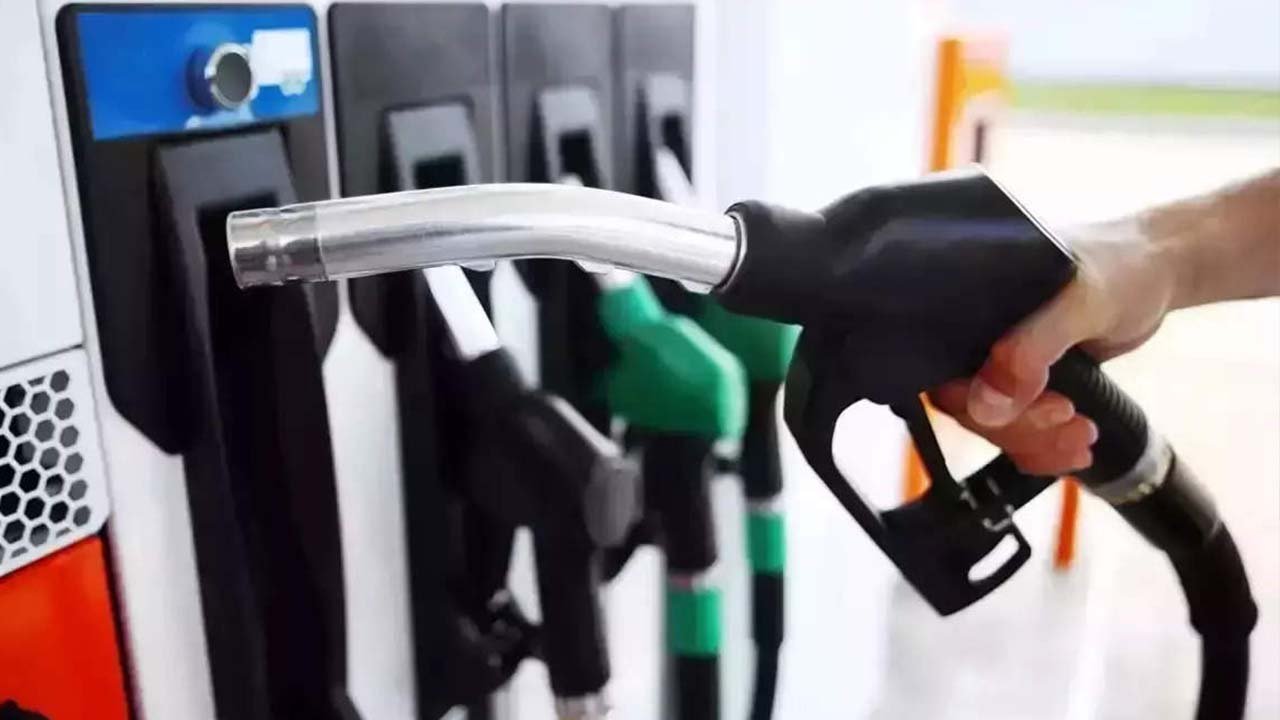
    Despite the fact that the prices for petroleum products and crude oil have remained largely stable, the price of petrol and diesel may increase by Rs10 to Rs17 per litre as of August 1, 2022. The depreciation of the Pakistani rupee is anticipated to be the cause of the upcoming increase.

    According to The News, sources claim that without taking into account the petroleum levy (PL), a price increase of Rs10 for petrol and Rs16–17 for diesel has been estimated. Additionally, Mogas prices have been forecasted at Rs15 per litre and diesel at Rs23 per litre if the government increases the petroleum levy of Rs5 per litre on gasoline.

    The anticipated increase in POL prices has also been calculated without taking into account the ECC’s Thursday approval of an increase in dealers’ margins (DMs) on POL prices of Rs2.10 per litre for gasoline and Rs2.87 per litre for diesel to Rs7 per litre. Petrol’s price could increase by Rs2.10 to Rs17.10 per litre, and diesel’s price could increase by Rs2.87 to Rs25.87 per litre.

    The increase in dealers’ margin will take effect on August 1, 2022, if the federal cabinet approves this decision in the next two days. Industrial sources reported that the US dollar has increased in value by Rs40 so far this month.

    The current exchange rate against the US dollar is Rs239.9427, and the open market price is Rs246.15. However, they did say that the exact price of gasoline and diesel will depend on the exchange rate in force as of today (Friday).

    Since the price of crude oil as of Thursday settled at $99.4 per barrel, according to independent experts, Pakistani consumers won’t be able to benefit from the decrease in price of POL as a result of the rising exchange rate. The government seems more inclined to impose PL on both gasoline and diesel by Rs5 per litre each.

    Liquefied petroleum gas (LPG) costs also rose by Rs10 per kilogramme on Wednesday without an Oil and Gas Regulatory Authority notification (OGRA).

    The chairman of the LPG Distribution Association (LDAP), Irfan Khokhar, told Profit that a household cylinder now costs Rs2,750 after an increase of Rs150, while the cost of a commercial cylinder has increased by Rs450 to Rs10,438 as a result of the unannounced price increase.

  • ‘Pakistan is not going to default’: Miftah Ismail

    ‘Pakistan is not going to default’: Miftah Ismail

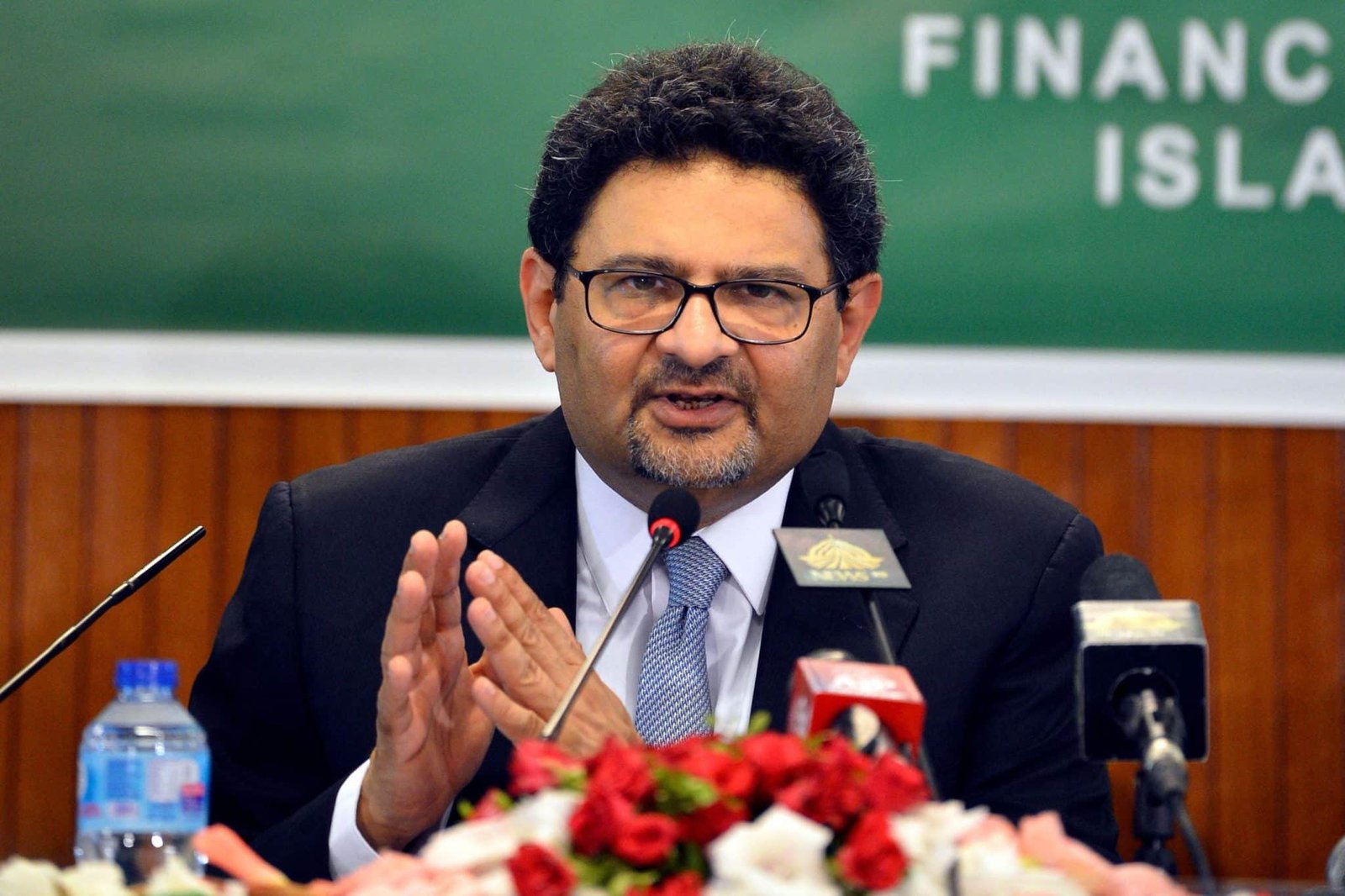
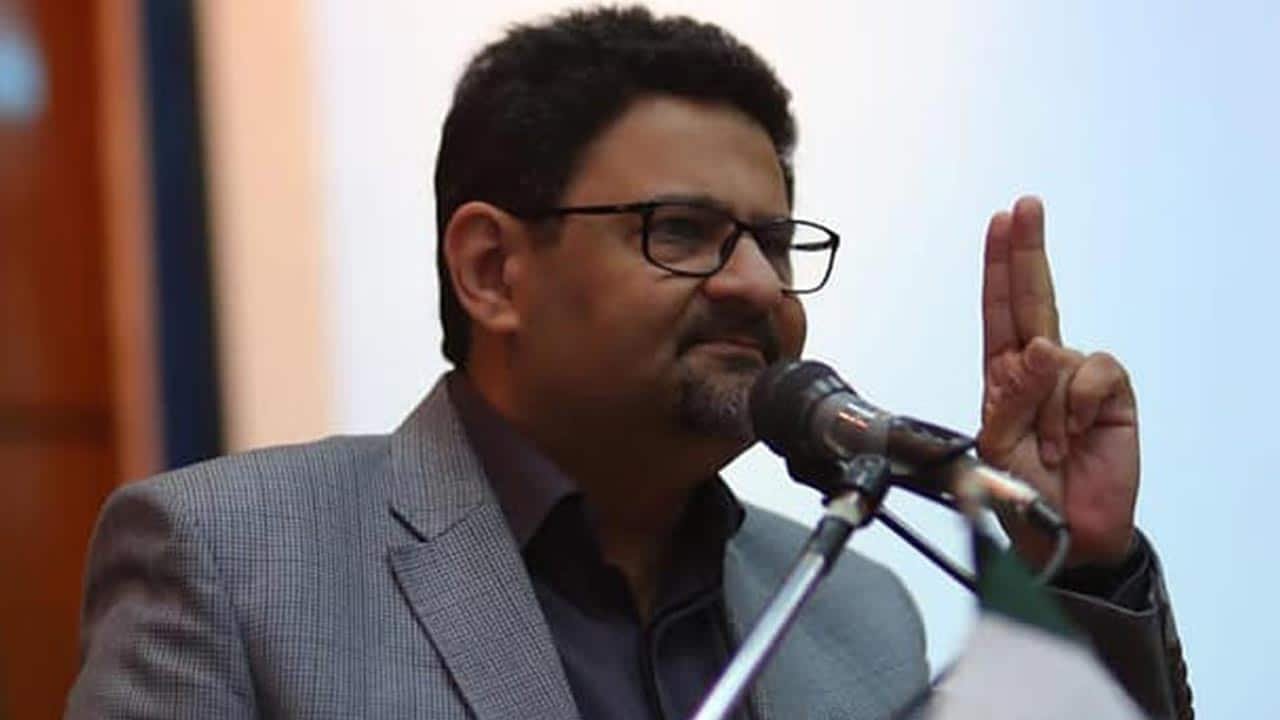
    The pressure on the Pakistani rupee will “vanish” in a few weeks, according to Finance Minister Miftah Ismail, who also stated that Pakistan is not going to default.

    He predicted that dollar inflows into Pakistan will exceed dollar outflows soon, creating a “stable exchange rate”. Additionally, he said that within three months, imports will “organically” decline, and exports will soar as a result of the government’s impending strategic plan.

    “It’s no fun going to the world, to the International Monetary Fund (IMF), to the Chinese, to the Saudis, asking for money,” said Miftah Ismail in an interview with Mosharraf Zaidi, CEO of advisory services firm Tabadlab.

    According to Miftah, the IMF loan influx will be completed within weeks.

    “The only thing is that from August 1 to August 15, the directors of the IMF are on vacation. That’s why the meeting is starting a little later than I’d prefer,” he added.

    The finance minister defended the government’s policy of limiting imports to stop the dollar from leaving the country during the discussion. “Nobody is happy with the surgery, but sometimes it’s necessary,” he added.

    Without mentioning the country, Miftah stated that Pakistani authorities had requested a “friendly country” to shore up foreign exchange reserves through dollar-denominated deposits but it turned down Islamabad’s request, saying the latter never returned the deposits.

    The friendly nation subsequently expressed interest in purchasing shares of publicly traded government-owned companies under a buyback arrangement, giving Islamabad the option — but not the obligation — to repurchase the same ownership at a 5 per cent higher price.

    In addition to stating that “there’s not even (a question of) price discovery,” the minister stated that the country “tried to help Pakistan and is giving a great deal”.

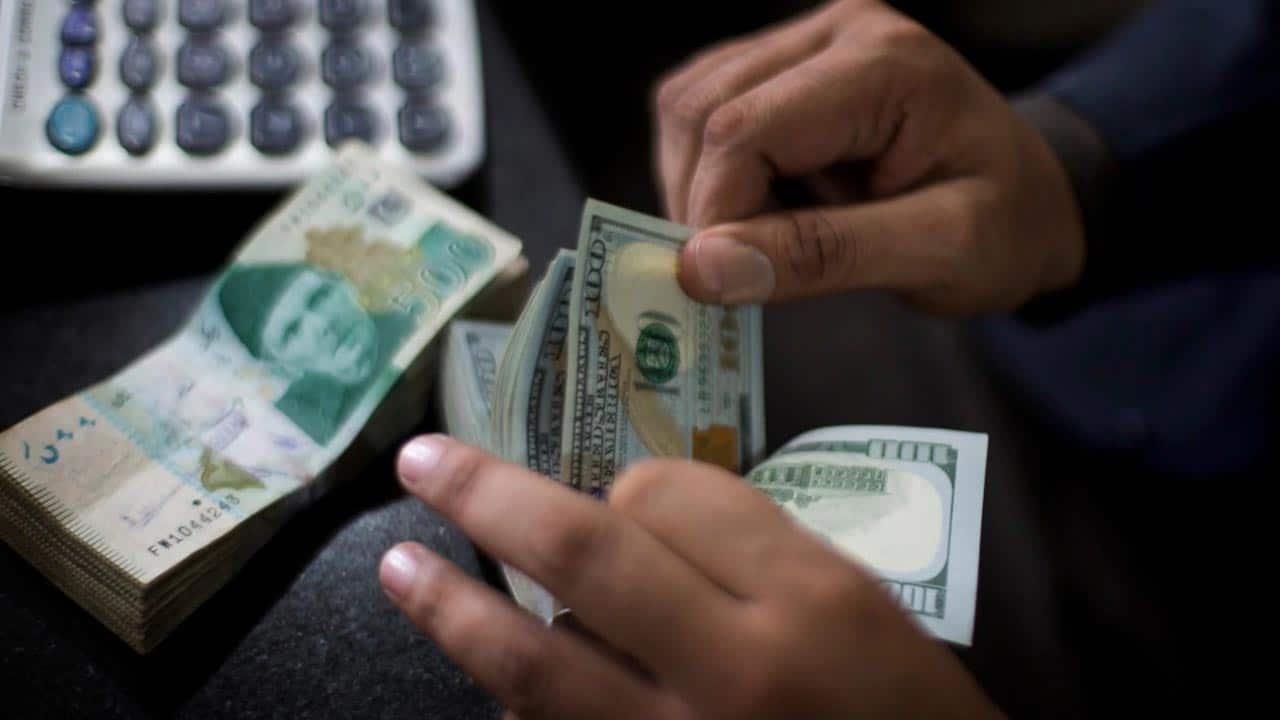
    =Earlier today, the Pakistani rupee again fell to a record low versus the US dollar. During intraday trading on Wednesday at 1:00pm, the US dollar reached Rs239.

  • Pakistani rupee falls to Rs233 per US dollar in the interbank market

    Pakistani rupee falls to Rs233 per US dollar in the interbank market

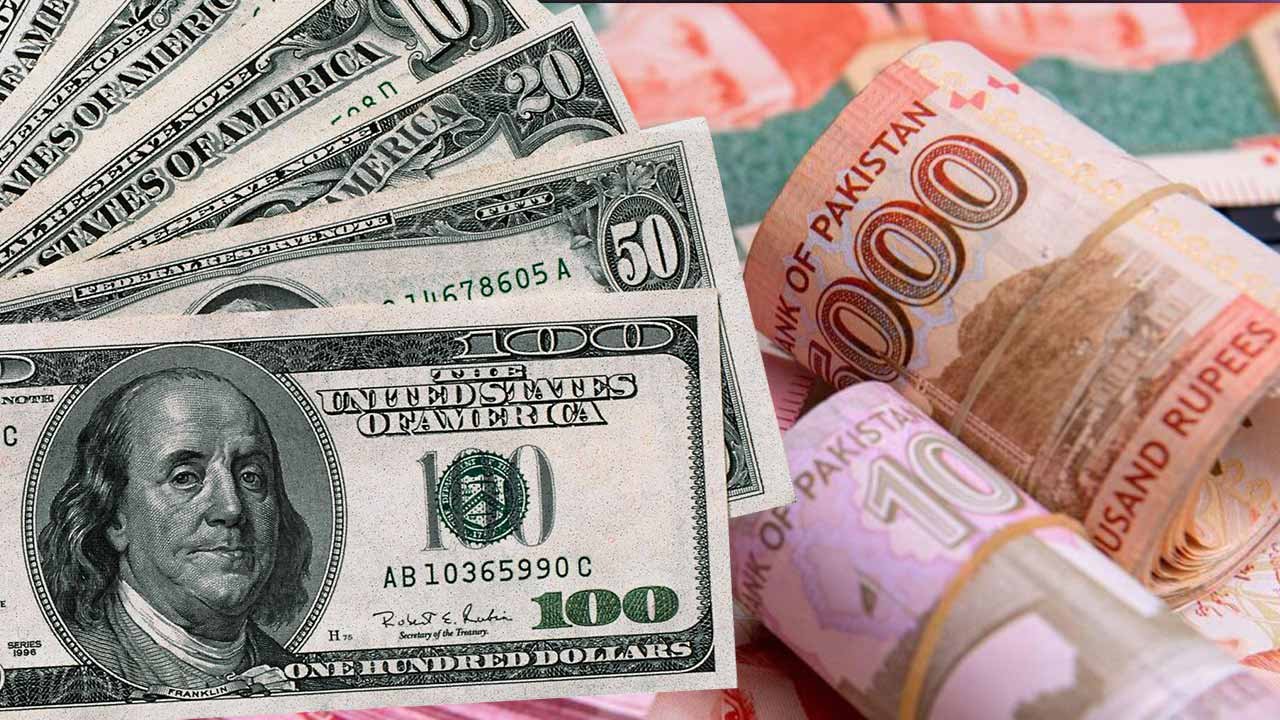
    The Pakistani rupee (PKR) continued to fall on Tuesday as the country’s political turmoil worsened, trading at Rs233 to the dollar in the interbank market.

    Today, the US dollar gained Rs3.12 versus the local currency, compared to the previous day’s finish of Rs229.88, which was an all-time high at the time.

    The local currency has been under pressure for the past week due to increased political tensions in the country following the July 17 by-elections in Punjab, which the PTI easily won. Also, the rupee has been one of the world’s worst performers, falling 30.2 per cent since the beginning of 2022.

    PKR had its worst week in more than two decades, ending on July 22, highlighting investor fear that a $1.2 billion loan tranche from the IMF approved last week could not be enough to alleviate the balance of payment crisis.

    Fears of Pakistan defaulting on its foreign repayments remain in the market, despite the central bank’s guarantee that the country would comfortably cover its funding obligations as long as an International Monetary Fund (IMF) loan programme remained in place.

    The rupee fell by nearly 8 per cent last week, the most in a single week since October 1998.

  • Pressure on Pakistani rupee may decrease in August

    Pressure on Pakistani rupee may decrease in August

    Finance Minister Miftah Ismail expressed his continued faith in Pakistani rupee’s (PKR) ability to withstand pressure despite the PKR continuing to hit historic lows versus the US dollar and suffering its biggest weekly slide in more than 20 years.

    The finance minister stated in an interview with Radio Pakistan that the political climate and the fact that import payments are being made for shipments beginning in June are both contributing factors to the pressure on the PKR.

    “Import of $80 billion were made during the last fiscal year. We are still making payments for energy commodities purchased last month. Therefore, the rupee is under pressure. However, as we are importing less in July, its effect would be reflected from next month or, I should say, next week.”

    “The rupee’s fall is connected to the political situation as well. Before July 17, the situation wasn’t like this,” he added.

    Miftah also spoke about Pakistan’s economic issues, stating that the poor export base continues to be a matter of concern.

    The local currency has continued to depreciate against the US dollar, losing 7.6 per cent last week, more than what businesses typically account for in terms of annual currency depreciation, as the inter-bank market experienced a turbulent five sessions due to renewed political uncertainty and increased worries about Pakistan’s external financing needs.

    He also revealed that one friendly country is ready for an instant investment in Pakistan.

    It is worth noting that Pakistan anticipates receiving the next International Monetary Fund (IMF) tranche before the end of the following month following the board meeting.

  • ADB projects Pakistan’s economy to ‘recover slightly’ in FY23

    ADB projects Pakistan’s economy to ‘recover slightly’ in FY23

    In FY2023, Pakistan’s Gross Domestic Product (GDP) growth is expected to modestly improve due to structural changes, according to the Asian Development Bank (ADB).

    According to the bank’s most recent Asian Development Outlook Supplement, Pakistan’s GDP growth is predicted to decrease in FY22 (which ends on June 30, 2022), as a result of fiscal tightening measures taken to control rising demand pressures and contain external and fiscal imbalances.

    As the country’s inflation surged from 12.3 per cent in December 2021 to 21.3 per cent in June 2022, the bank slightly lowered Pakistan’s inflation for FY22 and dramatically for FY23.

    “In addition to the effects of elevated global energy and food prices, the government’s efforts to revive the stalled International Monetary Fund (IMF) programme has meant raising power tariffs and withdrawing subsidies in the oil and power sectors,” said ADB.

    In comparison to Sri Lanka, which boosted its policy rate by 950 basis points over the previous six months, the State Bank of Pakistan (SBP) has upped interest rates by 525 basis points since January 1. This also makes it one of the most active central banks in the region.

    The ADB also reduced its 2022 growth prediction for Asia and issued a warning that things could become worse as a result of the conflict in Ukraine and supply chain disruptions that are expected to drive up costs.

    Read more: Pakistani rupee plunges to Rs227 against US dollar at midday trading

    Although Covid-19’s effects had subsided, the region was now dealing with the consequences of Russia’s invasion of Ukraine, lockdowns in China, and aggressively raised interest rates, according to the Manila-based lender.

    The bank reduced its 2022 growth prediction to 4.6 per cent to reflect the decline in developing Asia, which runs from Kazakhstan in Central Asia to the Cook Islands in the Pacific.

    South Asia’s economy is anticipated to grow less than the projected rate of growth in the Asian Development Outlook 2022.

  • ‘Kisi aur ka gandd hum kyun saaf karein,’ asks SAPM Hafiz Karim

    ‘Kisi aur ka gandd hum kyun saaf karein,’ asks SAPM Hafiz Karim

    Special Assistant to Prime Minister (SAPM) Shehbaz Sharif with the status of Federal Minister, Senator Hafiz Abdul Karim said that it is better to leave the government.

    “It is better to leave the government. We should not have taken the government,” said Karim.

    “Kisi aur ka gandd hum kyun saaf karein? Jo gandd laaye hain, wohi saaf karein.” [Why should we clean up someone else’s mess? They should clean up the mess that they created.]

    “If you want to govern, do not impose conditions of the International Monetary Fund (IMF) that burden the people. Believe me, if there is no relief, leave the government and do politics,” said SAPM Karim while speaking with journalist Naeem Ashraf.

    On the other hand, despite the Pakistan Muslim League-Nawaz’s (PML-N) disastrous performance in Punjab, the federal government has decided to complete its constitutional tenure till August 2023.

  • IMF board to approve Pakistan’s $1.17 billion tranche in August

    IMF board to approve Pakistan’s $1.17 billion tranche in August

    The International Monetary Fund (IMF) Board’s approval for the release of $1,177 million to Pakistan is expected in the third or fourth week of August, according to Minister for Finance and Revenue Miftah Ismail.

    “Most probably August 26 is the date of board approval,” he said.

    A staff-level agreement (SLA) was achieved between the IMF team and the Pakistani government on Thursday to conclude the Extended Fund Facility’s (EFF) combined seventh and eighth evaluations, according to Brecorder.

    As per IMF’s statement, “Subject to Board approval, about $1,177 million (SDR 894 million) will become available, increasing the total disbursements under the Programme to approximately $4.2 billion.” The agreement also included a nine-month extension of the EFF programme and an additional $1 billion.

    The federal government stated that the administration has already performed all of the preliminary steps necessary for approval. “Therefore, after the staff-level agreement, the approval from the board could be considered a formality,” he said.

    The World Bank, the Asian Development Bank (ADB), and the Asian Infrastructure Investment Bank (AIIB), among others, may all provide finance as a result of the development, he claimed.

    “Pakistan can easily borrow money from multilateral institutions,” he said.

    While discussing commodity pricing, Miftah remarked that the people will also profit from the falling costs of goods like edible oil and wheat on the world market.

    The administration made difficult choices, the finance minister continued, to prevent the nation from going into debt and to help it from its current economic crisis.

    He said that the government is exerting every effort to address the circular debt and poor governance problems.

  • Petrol price reduced by Rs18.50 per liter, Diesel by Rs40.54 per liter

    Petrol price reduced by Rs18.50 per liter, Diesel by Rs40.54 per liter

    In an attempt to provide relief to the masses and share the advantages of falling crude prices on the global market, the price of petrol has been slashed by Rs18.50 per liter.

    The price reductions for petroleum products were announced by the Prime Minister, Shehbaz Sharif, in an address to the nation.

    Diesel will now cost Rs236 per liter, while gasoline will now be sold at Rs230.24 per liter. The new prices for petroleum products, according to the Prime Minister, will take effect from midnight.

    He went on to explain why, after taking office, his government had to raise the price of gasoline. He continued, “We had raised fuel prices to meet the demands made by the International Monetary Fund (IMF), which were approved by the previous administration.

    “The government has decided to pass on the relief to the people and has therefore reduced the price of petrol and diesel by Rs18.50 and Rs40.54 per liter, respectively,” he continued.

  • Pakistan, IMF reach staff-level agreement to resume loan

    Pakistan, IMF reach staff-level agreement to resume loan

    The International Monetary Fund (IMF) extended the total loan size to $7 billion on Thursday and announced a staff-level agreement on the completion of two unfinished programme assessments, but cautioned Pakistan to be prepared to take any extra measures.

    “The IMF team has reached a staff-level agreement (SLA) with the Pakistan authorities for the conclusion of the combined seventh and eighth reviews of the EFF-supported program. The agreement is subject to approval by the IMF’s Executive Board. Subject to Board approval, about $1,177 million (SDR 894 million) will become available, bringing total disbursements under the program to about $4.2 billion,” IMF said in a statement.

    The statement added, “Additionally, in order to support program implementation and meet the higher financing needs in FY23, as well as catalyze additional financing, the IMF Board will consider an extension of the EFF until end-June 2023 and an augmentation of access by SDR 720 million that will bring the total access under the EFF to about $7 billion.”

    IMF team leader Nathan Porter noted in a statement “Pakistan is at a challenging economic juncture. A difficult external environment combined with procyclical domestic policies fueled domestic demand to unsustainable levels.”

    According to him, the ensuing economic overheating reduced reserve buffers, increased inflation, and resulted in significant fiscal and external deficits in FY22.

    The statement continued, “Policy priorities include the consistent implementation of the FY23 budget, which aims to reduce the government’s significant borrowing needs by targeting an underlying primary surplus of 0.4 per cent of GDP, underpinned by current spending restraint and extensive revenue mobilisation efforts targeted particularly at higher-income taxpayees.”

    According to Express Tribune, the international lender claimed that due to poor implementation of the previously agreed upon plan, the circular debt (CD) flow in the power sector is predicted to increase significantly to about Rs850 billion in FY22, exceeding programme targets, endangering the viability of the sector, and resulting in frequent power outages.

    To improve the situation in the electricity sector and reduce load shedding, the authorities are committed to resuming reforms, which crucially include the timely adjustment of the power tariff, including the delayed yearly rebasing and quarterly adjustments.

    According to the IMF, Pakistan’s headline inflation rate hit 20 per cent in June, impacting the most vulnerable people the most. The recent monetary policy boost was reasonable and necessary in this regard, and future monetary policy must be designed to ensure that inflation is slowly brought down to the medium-term goal of 5-7 per cent.

    “Importantly, to enhance monetary policy transmission, the rates of the two major refinancing schemes EFS and LTFF (which have over recent months been raised by 700 bps and 500 bps respectively) will continue to be linked to the policy rate. Greater exchange rate flexibility will help cushion activity and rebuild reserves to more prudent levels,” it added.

    The unconditional cash transfer (UCT) Kafalat scheme reached nearly 8 million households during FY22, with a permanent increase in the stipend to Rs14,000 per family, while a one-time cash transfer of Rs2,000 (Sasta Fuel Sasta Diesel, SFSD) was made to approximately 8.6 million families to lessen the effects of the inflationary crisis.

    The government has increased the BISP budget for FY23 from Rs250 billion to Rs364 billion in order to expand the SFSD programme to more non-BISP, lower-middle class beneficiaries and to accommodate 9 million extra families into the BISP safety net.

    The statement further stated that in order to maintain the effectiveness of the anti-corruption agencies (including the National Accountability Bureau) in investigating and prosecuting corruption cases, the authorities are putting in place a strong electronic asset declaration system.

    According to the SLA for the combined seventh and eighth reviews, consistent execution of the defined policies will support the development of growth that is more equitable and sustainable.

    “The authorities should nonetheless stand ready to take any additional measures necessary to meet program objectives, given the elevated uncertainty in the global economy and financial markets,” the statement concluded.