Tag: IMF

  • IMF spokesperson urges fair taxation and protection for vulnerable in Pakistan

    IMF spokesperson urges fair taxation and protection for vulnerable in Pakistan

    The International Monetary Fund (IMF) has emphasised that its $3 billion Standby Arrangement (SBA) programme with Pakistan serves as a critical policy framework. This framework addresses both domestic and international economic imbalances while also facilitating financial support from various donors, including the refinancing of outstanding debts.

    According to Geo, during a recent press conference held at the IMF headquarters in Washington, DC, Julie Kozack, the spokesperson for the global lender, fielded questions regarding the IMF’s engagement with Pakistan. These inquiries encompassed Pakistan’s request for relief and permissions within the existing agreement, specifically in relation to rising energy costs, notably electricity bills.

    In response to concerns about potential human rights implications, particularly for minority populations and the vast number of people living below the poverty line (an estimated 92 to 95 million), the IMF spokesperson emphasised that the programme received approval on July 12. It is a nine-month standby arrangement amounting to $3 billion, designed to support the economic stabilisation programme of the Pakistani government.

    The core objectives of this programme revolve around providing a policy framework to address both domestic and external economic imbalances, along with establishing a structure to secure financial support from various donors, both multilateral and bilateral. This includes securing fresh financing and addressing upcoming debt obligations.

    The IMF outlined that policy efforts are focused on implementing the fiscal year 2024 budget, formulating appropriate monetary policies to combat inflation, and continuing reforms to enhance the sustainability of the energy sector.

    These reforms are ultimately geared towards fostering higher, more inclusive, and more resilient economic growth. They also aim to bolster social development and climate resilience by strengthening public financial management, improving tax administration, and enhancing the prioritisation of public investments.

    Furthermore, these efforts are conducted in collaboration with partner institutions, not only the IMF but also the World Bank and the Asian Development Bank, underscoring a collective commitment to Pakistan’s economic stability and development.

    Kozack also highlighted IMF Managing Director Kristalina Georgieva’s strong stance on poverty and inequality. She emphasised the importance of wealthier segments of society bearing a fair tax burden, particularly in a context where Pakistan’s tax-to-GDP ratio is notably low.

    The IMF’s commitment extends to safeguarding the interests of the poor and vulnerable members of society within the programme’s framework, aligning with the goal of achieving a more equitable and inclusive society.

  • Pakistan’s forex reserves decline by $59 million to $7.64 billion due to debt payments

    Pakistan’s forex reserves decline by $59 million to $7.64 billion due to debt payments

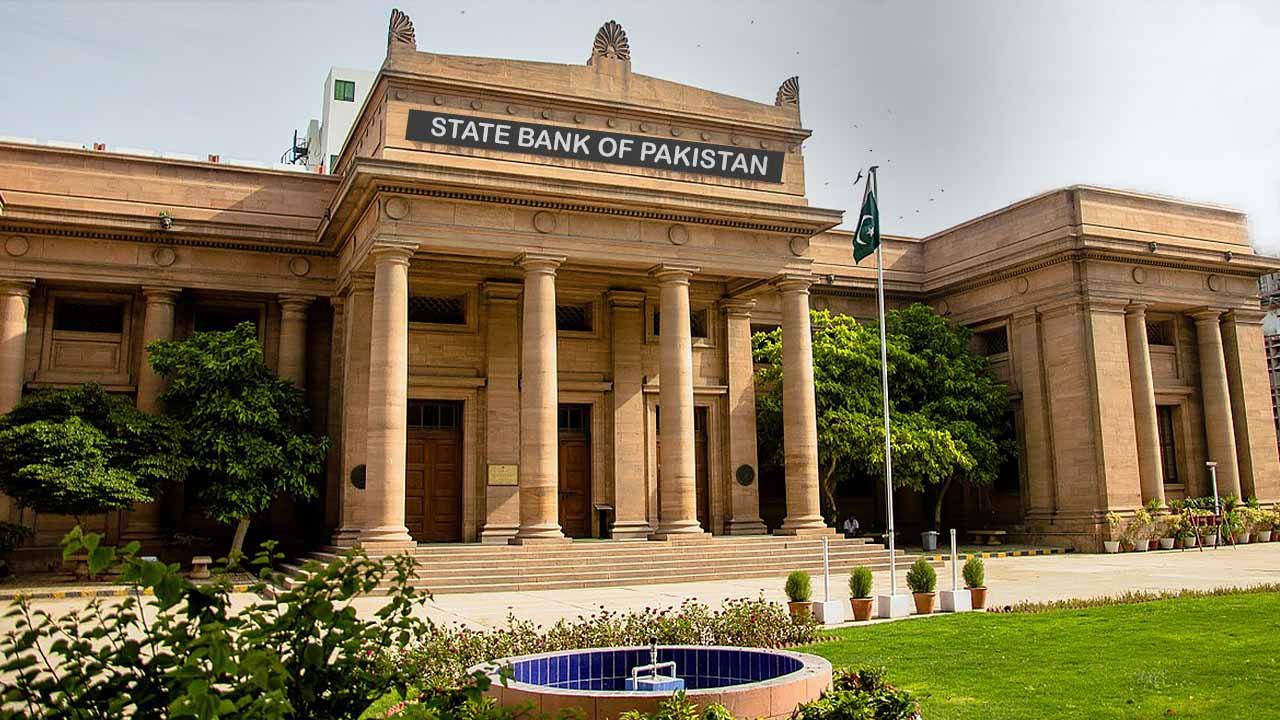
    The State Bank of Pakistan (SBP) reported a weekly decrease in foreign exchange reserves, with a decline of $59 million, bringing the total to $7.64 billion as of September 22, according to data released on Thursday.

    The overall liquid foreign reserves of the country amounted to $13.16 billion, with commercial banks holding net foreign reserves of $5.52 billion.

    The central bank attributed this reduction in reserves to debt repayments, stating, “During the week ending on September 22, 2023, SBP’s reserves decreased by $59 million to $7,636.7 million due to debt repayments.”

    Notably, Pakistan’s central bank reserves had increased by $56 million the previous week, following four consecutive weeks of decline, during which SBP reserves had dwindled by a cumulative total of $416 million.

    In July, SBP’s reserves received a boost when Pakistan received approximately $1.2 billion as the first tranche from the International Monetary Fund (IMF), following approval of a new $3-billion stand-by arrangement. Additionally, inflows from Saudi Arabia and the UAE contributed to the increase.

    Despite these positive developments, the central bank’s reserves have come under pressure due to ongoing debt repayments, increased import payments following the easing of restrictions, and a lack of fresh inflows.

  • NEPRA recommends electricity rate increase of Rs3.28 per unit

    NEPRA recommends electricity rate increase of Rs3.28 per unit

    The National Electric Power Regulatory Authority (NEPRA) has officially proposed to the government an increase in the electricity tariff of Rs3.28 per unit, citing the need for a quarterly adjustment.

    In this proposal, NEPRA is looking to impose an additional financial burden of approximately Rs160 billion on consumers of electricity. According to ARY News, this recommendation has been conveyed to the caretaker federal government through an official summary, outlining the suggested increment of Rs3.28 in electricity rates as part of the fourth-quarter adjustment for the fiscal year 2022–23. 

    The proposed increase, subject to approval by the federal government, would also apply to K-Electric consumers. As a result of this adjustment, power consumers would be required to make additional payments over the next six months, spanning from October 2023 to March 2024. 

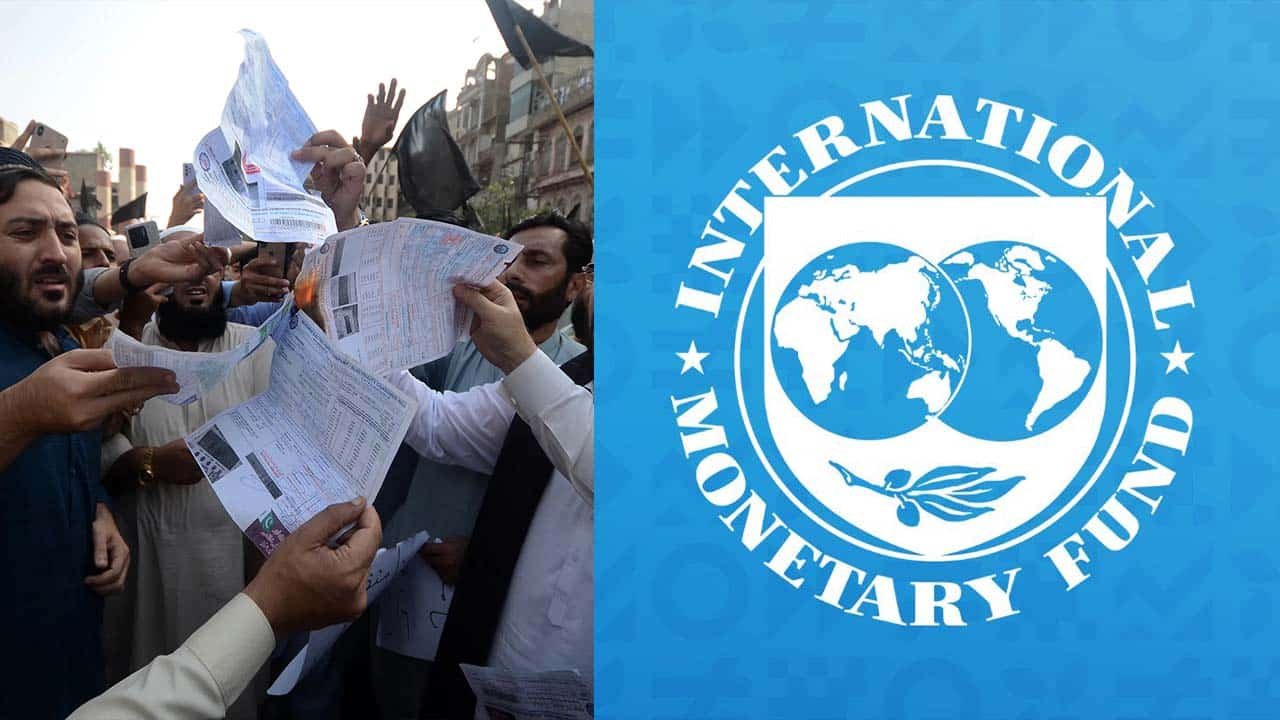
    It is worth noting that the proposed surge in power tariffs has incited protests throughout the country, with citizens expressing their displeasure over the considerable rise in electricity costs and the imposition of excessive taxes on electricity bills. In some instances, individuals infuriated by inflated bills have resorted to burning them as a form of protest, while certain political factions have threatened to stage sit-in demonstrations outside K-Electric offices. 

    This unrest surrounding the increased electricity tariffs coincides with Pakistan’s ongoing economic struggles, characterised by financial constraints and an inflation rate hovering around 29 per cent. 

    Furthermore, it is important to highlight that the International Monetary Fund (IMF) has reportedly discouraged Pakistan from offering relief to consumers using over 200 units of electricity on a monthly basis. According to sources, the IMF argued that reducing electricity bills for such consumers would not address the issue of circular debt. 

    Consequently, relief in the form of deferred payments for electricity bills will be exclusively extended to consumers who consistently utilise less than 200 units for six consecutive months. This relief would be rescinded if a consumer’s bill exceeded 200 units within the same timeframe, as per the sources. 

    Caretaker Federal Minister for Energy, Power, and Petroleum, Muhammad Ali, has also announced that the revised electricity tariff will be introduced before October 31. During a press conference held alongside Sindh Governor Kamran Tessori, Minister Ali emphasised the government’s commitment to combating electricity and gas theft through indiscriminate measures. 

    He added that efforts are being made to regulate and potentially lower electricity tariffs, with a goal to supply cost-effective electricity to industries starting on October 31. Muhammad Ali attributed the surge in electricity bills to electricity theft and the increased price of the US dollar. 

    While acknowledging the challenges of amending previous agreements, the minister pledged that the government would explore solutions within the framework of existing arrangements. He also expressed the government’s commitment to promoting solar energy despite the lack of reductions in solar equipment prices, outlining plans to devise a strategy for the promotion of solarization. 

  • IMF urges Pakistan to increase taxation on the rich and ‘protect the poor’

    IMF urges Pakistan to increase taxation on the rich and ‘protect the poor’

    International Monetary Fund (IMF) Managing Director (MD) Kristalina Georgieva has urged Pakistan to increase taxation for the rich and safeguard the well-being of the less privileged. She said that these actions align with the desires of the people in Pakistan. 

    According to Geo News, speaking on the sidelines of the 78th United Nations General Assembly (UNGA) session in New York, she stated, “What we are asking in our programme is that you please collect more taxes from the wealthy and please protect the poor people of Pakistan. I do believe this is in line with what people in Pakistan would like to see for the country.”

    In a separate social media post after a meeting with Pakistan’s caretaker prime minister, Anwaar ul Haq Kakar, Georgieva stated, “Very good meeting with Pakistan’s PM today on Pakistan’s economic prospects. We agreed on the vital need for strong policies to ensure stability, foster sustainable and inclusive growth, prioritise revenue collection, and provide protection for the most vulnerable in Pakistan.”

    Furthermore, the Prime Minister’s Office (PMO) released a statement expressing gratitude for the IMF’s approval of a $3 billion stand-by agreement (SBA) to support Pakistan’s economy. The arrangement, approved by the IMF’s Executive Board in July, is set for its second review in November.

    The statement mentioned that Kakar briefed the MD IMF on various measures taken by the Government of Pakistan to stabilise and revive the country’s economy, with a focus on creating a stable environment for sustainable economic growth and investment, particularly for vulnerable segments of society.

    Kristalina Georgieva commended Pakistan’s concerted efforts in implementing policies and reforms to revive the economy and assured continued engagement with Pakistan.

    Read more: UAE bans fresh meat imports from Pakistan 

    In July, Pakistan secured a last-minute SBA with the IMF, providing relief to its economy, which had long grappled with a boom-and-bust cycle due to the absence of meaningful structural reforms. High inflation and a balance-of-payments crisis have led to economic distress, prompting the Asian Development Bank (ADB) to revise its growth outlook for the country.

    Low foreign exchange reserves have resulted in import restrictions as debt payments remained high and avenues for dollar inflows were limited.

    Anwaar-ul-Haq Kakar also called upon the international community to find a lasting solution to the debt issues faced by 59 countries in debt distress, emphasising the need for global and regional cooperation to achieve sustainable development goals. 

    He highlighted the importance of resources for developing countries and reiterated Pakistan’s commitment to supporting the Global Development Initiative. Kakar also noted the significance of China’s Belt and Road Initiative (BRI) and China-Pakistan Economic Corridor (CPEC) in achieving sustainable development goals.

  • SBP expected to hike interest rates by at least 150 bps to control inflation

    SBP expected to hike interest rates by at least 150 bps to control inflation

    The State Bank of Pakistan (SBP) is expected to hike interest rates by at least 150 basis points (bps) on Thursday in an effort to curb sky-high inflation and bolster diminished foreign exchange reserves. 

    The central bankas already raised its benchmark rate by 12.25 per cent points to 22 per cent since April 2022, but inflation remains in double digits, at 27.4 per cent in August. The rupee has also depreciated sharply in recent months, reaching an all-time low of 200 rupees per dollar. 

    A Reuters poll of 17 analysts shows that 15 are forecasting a rate hike, with nine predicting an increase of at least 150 bps. The other two analysts expect the rate to remain unchanged. 

    The SBP is under pressure to raise rates in order to cool inflation and attract foreign investment. However, a rate hike could also dampen economic growth, which is already slowing. 

    The central bank is also facing challenges from the International Monetary Fund (IMF), which has set conditions for the release of further tranches of its $3 billion bailout package. One of these conditions is that the SBP must raise interest rates. 

    The SBP is likely to balance these competing considerations when it makes its decision on Thursday. However, it is clear that the bank is under pressure to take action to address the country’s economic challenges. 

    Here are some additional details about the factors that are likely to influence the SBP’s decision: 

    • Inflation: Inflation remains a major concern for the SBP. The latest data shows that inflation fell slightly in August, but it remains in double digits. The SBP has said that it expects inflation to decline over the next 12 months, but it is unclear whether this will happen without further monetary tightening.  
    • Foreign exchange reserves: The SBP’s foreign exchange reserves have been declining in recent months, reaching a critical level of $10.3 billion in August. The SBP needs to bolster its reserves in order to meet its import obligations and avoid a sovereign debt default. A rate hike could help to attract foreign investment and slow the decline in reserves.  
    • IMF conditions: The IMF has set conditions for the release of further tranches of its bailout package. One of these conditions is that the SBP must raise interest rates. The SBP is likely to comply with this condition in order to secure the IMF’s support. 

    The SBP’s decision on Thursday will be closely watched by markets and investors. A rate hike is likely to be welcomed by those who are concerned about inflation, but it could also dampen economic growth. The SBP is facing a difficult balancing act, and its decision will have a significant impact on the country’s economic outlook. 

  • IMF approves relief plan for 4 million consumers with monthly power usage below 200 units

    IMF approves relief plan for 4 million consumers with monthly power usage below 200 units

    After extensive negotiations prompted by widespread protests against soaring electricity bills, the International Monetary Fund (IMF) has reportedly granted approval to a relief proposal targeting consumers with monthly electricity consumption of up to 200 units, allowing authorities to implement an installment-based billing system, according to sources cited by Geo News.

    Sources indicated that the final authorisation for implementing the installment billing system will require approval from the federal cabinet. 

    Approximately 4 million electricity consumers are expected to benefit temporarily from this initiative.

    Regrettably, the interim government’s proposal to extend relief to consumers using up to 400 units of electricity per month was rejected by the IMF. This decision means that approximately 32 million consumers would have benefited if the proposal had been accepted.

    Additionally, sources disclosed that the IMF stressed the importance of combating electricity and gas theft while also focusing on improving revenue collection.

    Furthermore, the sources revealed that the IMF had requested an increase of 45 to 50 per cent in gas tariffs, effective from July 1. However, the approval of this tariff hike remains contingent upon federal cabinet approval.

    In response to persistent protests by citizens and traders who have taken to the streets to denounce the steep increases in power bills and additional taxes, the caretaker government led by Prime Minister Anwaar ul Haq Kakar in Islamabad has been actively engaging with the IMF to secure immediate relief for electricity consumers in the economically challenged nation, where the populace is grappling with soaring inflation.

    It is crucial to note that Pakistan is currently operating under an IMF programme, making any relief or subsidy subject to IMF approval.

  • IMF declines request for tariff adjustment and subsidy on high electricity bills 

    IMF declines request for tariff adjustment and subsidy on high electricity bills 

    In light of the government’s comprehensive deliberation on strategies to alleviate the burden of electricity bills, the International Monetary Fund (IMF) has declined the proposal for tariff adjustments or additional subsidies. This decision was made despite the government’s assertion that its bill collections for August had nearly met expectations, as reported by The News on Tuesday. 

    The IMF has expressed strong reservations regarding the government’s initiative to provide relief to economically disadvantaged individuals facing high power bills. Pakistan has consequently approached the global lender, requesting permission to phase in upcoming quarterly tariff adjustments (QTAs) and Fuel Price Adjustments (FPAs) amounting to Rs7.50 per unit over the next four to six months. 

    An authoritative source confirmed this request, stating, “Pakistan has sought the IMF’s approval for a gradual implementation of QTAs and FPAs over a four to six-month period, potentially incurring additional costs that will require mutual agreement.” 

    According to sources, the power sector continues to grapple with challenges, given the necessity of increasing tariffs by approximately Rs5 per unit in the current month and incorporating FPAs amounting to Rs2.72 per unit. Consequently, a cumulative tariff increase exceeding Rs7 per unit is anticipated.  

    The computation of QTAs will be based on losses incurred during the April-June period, reflecting reduced unit usage, increased interest payments, and fluctuations in exchange rates. Meanwhile, the FPA is calculated to address the rising prices of imported fuel, resulting in a potential hike of Rs7.50 per unit in September bills, subject to regulatory approval.  

    Simultaneously, the Ministry of Power asserts that its bill collection performance for August 2023 has improved and is nearing expectations. They contend that to mitigate the impact of inflated bills, they must seek the IMF’s approval for the staggered implementation of QTAs and FPAs.  

    According to calculations by the Ministry of Power for various consumer categories, those utilising 400 units can anticipate a reduction in power charges from Rs21,000 in August 2023 to Rs16,963 in September and further to Rs11,356 in October, factoring in QTAs and FPAs. Similarly, charges for consumers using 300 units are projected to decrease from Rs13,000 in August to Rs10,000 in September and Rs8,000 in October 2023. 

    With the onset of winter in October, it is anticipated that the issue of escalated bills will gradually subside. Additionally, officials are planning to approach the National Electric Power Regulatory Authority (Nepra) to determine the next tariff adjustments, considering seasonal usage trends. Given the peak usage during the summer months followed by a decline in winter, tariff adjustments will be tailored to accommodate these seasonal fluctuations. 

    The Prime Minister has instructed the Ministry of Finance to develop a strategy for economic stability in Pakistan. During a meeting with Interim Finance Minister Shamshad Akhtar, the current economic situation was discussed. 

    The government aims to find innovative solutions to ease the burden on electricity consumers, addressing issues like circular debt, power theft, and taxes with short-term measures. 

    The caretaker government’s primary goal is to facilitate early general elections while upholding constitutional obligations such as constituency delimitation following the population census. The focus is on restructuring fiscal and monetary policies for economic revitalization. 

  • No relief in electricity bills without IMF’s approval

    No relief in electricity bills without IMF’s approval

    After country-wide protests against unprecedented hikes in electricity bills, Pakistan’s caretaker government has approached the International Monetary Fund (IMF) to seek approval before announcing any relief for the people.

    According to Geo News, the IMF asked Pakistan to share a written plan for relief on Wednesday.

    On Tuesday, the federal cabinet had a meeting with interim Prime Minister Anwaarul Haq Kakar to take into consideration all possible options but no decision was officially announced.

    The Power Division has shared proposals with the authorities but first, the IMF is to be taken on board as loans from the Fund bear strict conditions.

    In July, a $3 billion loan agreement was signed with the IMF with stringent financial regulations to be followed during the programme.

    Under the bailout package, the former government of Pakistan Democratic Movement (PDM) approved a stark increase in electricity rates, resulting in increased bills.

    As reported by Geo News, Finance Minister Shamshad Akhtar had a virtual meeting with IMF representative Esther Perez to discuss relief measures.

    They were made aware of the current situation and continuing protests across the country.

    While the Pakistan team submitted various proposals for relief in electricity bills, IMF officials requested the relief plan in writing which, according to Geo, will be shared today.

  • IMF demands detailed electricity bill relief plan from Pakistan amid nationwide unrest

    IMF demands detailed electricity bill relief plan from Pakistan amid nationwide unrest

    The International Monetary Fund (IMF) has asked Pakistan to provide a written plan for relief in electricity bills amidst ongoing nationwide protests. 

    The caretaker government’s decision to seek approval from the IMF before announcing any consumer relief led to a federal cabinet meeting on Tuesday, chaired by interim Prime Minister Anwaarul Haq Kakar. 

    Despite discussing options, the meeting concluded without unveiling any measures. The Power Division had shared proposals with authorities, but the strict conditions of the IMF loan necessitated involving the lender first. 

    Pakistan’s $3 billion loan agreement with the IMF in July involved adhering to stringent financial discipline. The current surge in electricity rates, approved by the previous government, is reflected in bills. 

    According to Geo, Finance Minister Shamshad Akhtar held a virtual meeting with IMF representative Esther Perez, discussing relief measures and the ongoing protests. While the Pakistani team submitted various relief proposals, the IMF officials requested a written plan, expected to be shared soon. 

    Additionally, the Federal Board of Revenue (FBR) engaged with the IMF on tax collection in July, with plans for further discussions in the coming days. 

  • IMF and Pakistan discuss circular debt and energy sector losses in virtual meeting

    IMF and Pakistan discuss circular debt and energy sector losses in virtual meeting

    Pakistan and the International Monetary Fund (IMF) recently discussed the country’s energy sector losses and efforts to reduce circular debt during a virtual meeting. The government is committed to adjusting fuel prices and quarterly tariffs to eliminate circular debt accumulation.

    According to The News, a new plan called the Circular Debt Management Plan (CDMP) was shared with the IMF. This plan involves revising fuel price adjustments and quarterly tariffs upward to counter circular debt growth. The IMF expressed concerns about the plan’s sustainability due to slower recoveries.

    The government was advised to create an effective strategy to tackle this issue. The meeting took place virtually on a technical level. The newly appointed Finance Minister, Dr Shamshad Akhtar, is expected to hold a virtual meeting with the IMF team soon.

    The IMF’s first review is scheduled for October or November and will be based on economic data from the initial quarter (July–September) of the current fiscal year.

    Pakistan and the IMF signed a $3 billion bailout package under the Standby Arrangement in July 2023. Pakistan has already received $1.2 billion, with two more reviews planned to release the remaining $1.8 billion by March or April 2024.