Tag: Import Ban

  • Fungus found: UAE bans fresh meat imports from Pakistan

    Fungus found: UAE bans fresh meat imports from Pakistan

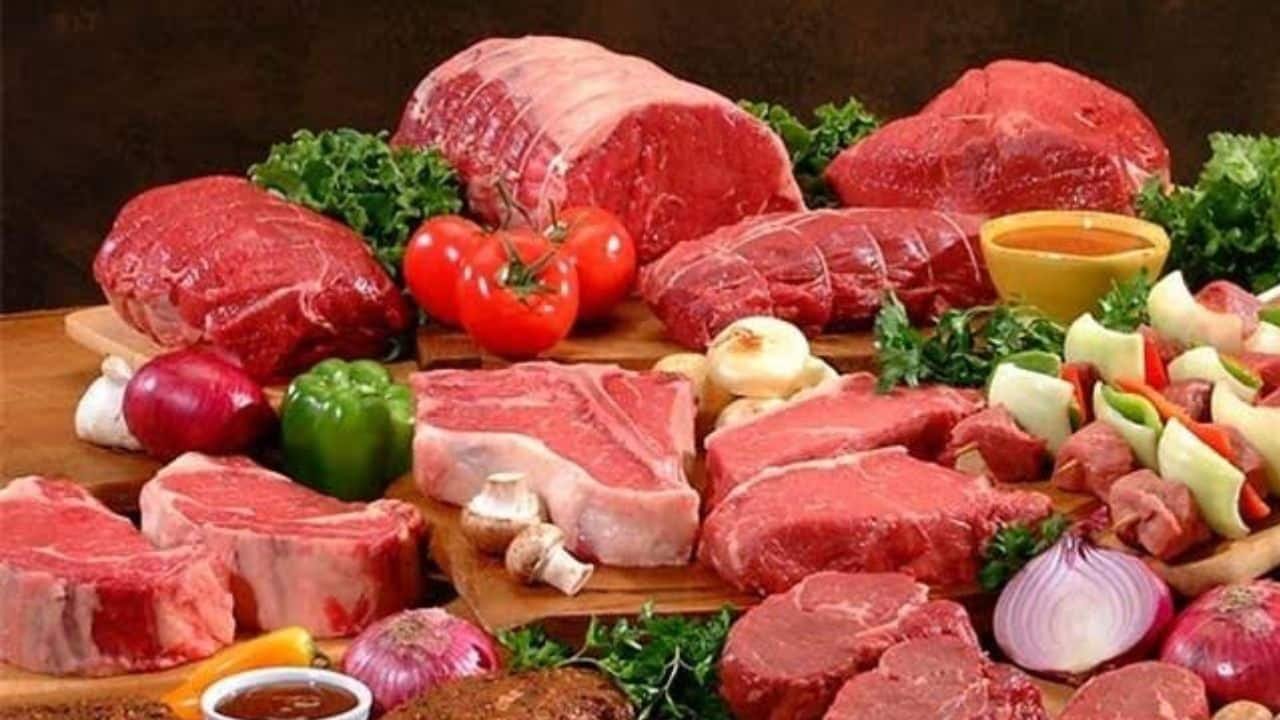
    The United Arab Emirates (UAE) has imposed a ban on the importation of fresh meat from Pakistan.

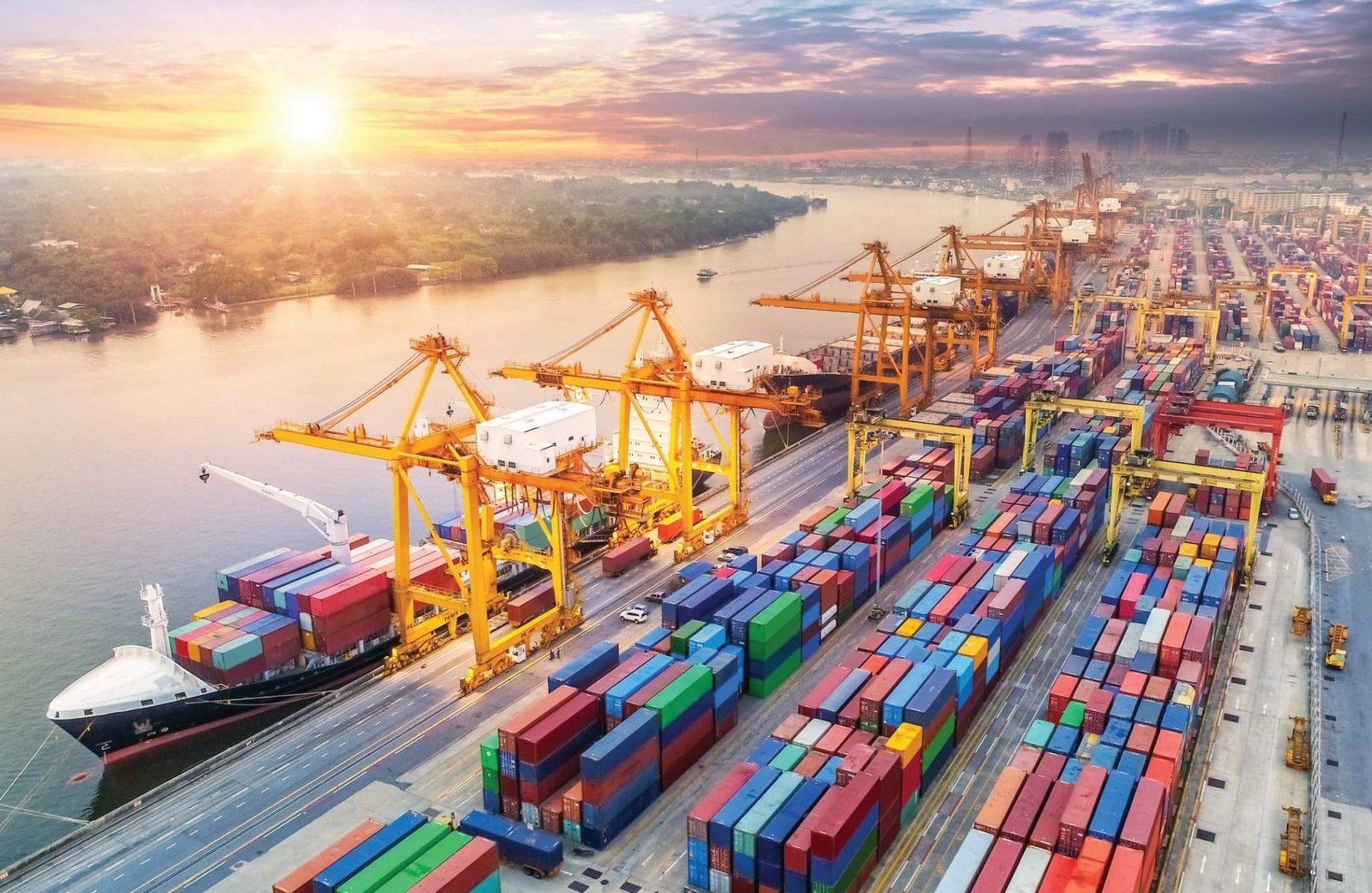
    This decision stems from the discovery of fungal contamination in frozen meat shipments from Pakistan via the sea route.

    As reported by ARY News, the presence of fungus on meat imported by a Karachi-based company prompted the UAE to enact this ban, which will be in effect until October 10.

    It’s worth noting that Pakistan typically exports fresh meat valued at $12 million monthly to the UAE through maritime channels.

    Pakistan primarily directs a significant portion of its meat exports towards the United Arab Emirates, Saudi Arabia, and Bahrain.

  • Govt lifts import ban on luxury goods with heavy duties

    Govt lifts import ban on luxury goods with heavy duties

    On the recommendation of the International Monetary Fund (IMF), the Federal Minister for Finance and Revenue, Miftah Ismail, announced lifting of the ban on the import of luxury and non-essential goods on Thursday. He added, however, that the Regulatory Duties (RDs) would be increased significantly to deter the import of such items.

    “It is requirement of the international community that there should be no ban so we are lifting ban on all products. But simultaneously the duties I am going to impose would not let these commodities to enter into Pakistan as finished goods,” according to Finance Minister.

    According to the minister, RDs would be increased three times, or to the highest degree conceivable, and may potentially increase by up to 400 to 600 per cent or more.

    Keeping in view his duty to offer basic and vital goods to the nation’s citizens, he said that the prime minister was against the importation of luxury goods, according to APP.

    To comply with the IMF, international agreements, and World Trade Organization, he claimed the restriction had been lifted. Although import taxes would be applied on expensive food, clothing, and other items, anyone still wishing to import is free to do so.

    He said that the available resources will be used to give the people of the country grain, wheat, cotton, and edible oil rather than iPhones or fancy cars. He claimed that Pakistan did not have a lot of money to spend on the import of opulent things.

    The finance minister stated in response to a question that the levies on completely built-up (CBU) automobiles, appliances, imported meat and salmon, as well as other luxuries, would increase. He explained that the government’s goal was to limit imports while adhering to the requirements of the International Monetary Fund (IMF) and other international accords, not to promote the import of such goods.

    On the other hand, since the Completely Knocked Down (CKD) kits are not considered luxury items, their import will resume without any caveats. However, its positive impact on the sales figures will be seen after a few months.

    According to the finance minister, Pakistan and the fund have been in lengthy negotiations. The IMF board is due to convene on August 29 and will decide whether to accept Pakistan’s programme because it has already complied with all requirements and performed all necessary preliminary steps.

    He said that friendly nations like Saudi Arabia, Qatar, and the United Arab Emirates helped arrange the $4 billion cash for strengthening the nation’s foreign exchange reserves. China also agreed to roll over $2 billion in loans, and Saudi Arabia agreed to roll over its own assets. According to him, the finance need has been satisfied.

    According to the minister, the requirement for the electricity tariff has also been met, thus there won’t be any non-funding subsidies.

    In addition, he said that the government was expected to get Rs42 billion from retail tax, but when the decision was reversed, the objective was cut to Rs27 billion, and the Rs15 billion shortfall will be filled by increasing the tax on tobacco and cigarettes.

    Moreover, taxes on tobacco and cigarettes will bring in Rs36 billion. Tier-2 cigarettes’ tax will rise from Rs1,850 to Rs2,050 per 1,000 cigarettes, while Tier-1 cigarettes’ tax would rise from Rs5,900 to Rs6,500 per 1,000 cigarettes. The green leaf Cess has also been raised from Rs10 per kg to Rs380.

    According to Bloomberg’s report, the Pakistani Rupee was the best performing currency in the world during August, and the Pakistan Stock Exchange continued to be the top performing stock market in the world, therefore the minister believed that the country’s economy was strengthening.

    The minister stated that the government was implementing a policy of self-reliance in order to stay within its means, reduce the fiscal deficit, and raise imports to a level equal to exports plus remittance in order to control the current account deficit.

  • ECC lifts import ban on goods except CBU vehicles, mobiles and appliances

    ECC lifts import ban on goods except CBU vehicles, mobiles and appliances

    The Cabinet’s Economic Coordination Committee (ECC) has decided to lift the import ban on all items other than completely built units (CBUs) of automobile, mobile, and home appliances and to permit the import of 200,000 metric tonnes of wheat.

    The increase in petroleum dealers’ margin from Rs4.90 per litre and Rs4.13 per litre, respectively, to Rs7 per litre was also approved at the meeting chaired by Finance Minister Miftah Ismail.

    The Pakistan Petroleum Dealers Association (PPDA), according to sources, has asked the government for an immediate revision of their margins due to inflation, increases in staff salaries and utility costs, etc.

    They have asked that the margins be revised to Rs6.90 per litre including 15 per cent profit (effectively Rs7.94 per litre). The PPDA then used the media to announce a nationwide strike that would begin on July 18, 2022, with the demand that their margins be increased to 6 per cent of the current selling price (effectively, Rs13.81 per litre for MS and Rs4.16 per litre for HSD).

    On the orders of the prime minister, Musadik Malik, the minister of state for petroleum, and Shahid Khaqan Abbasi, the former minister for petroleum, immediately began communication with the PPDA. On July 16 and 17, 2022, several rounds of negotiations took place in Karachi.

    During negotiations, the Secretary of Petroleum and the Chairman of OGRA both remained present. The PPDA changed its position during negotiations and requested that the margins be raised to Rs9.23 and Rs9.46/litre on MS and HSD, respectively, with immediate effect.

    The negotiating team acknowledged that a dealer with daily sales of less than 200,000 litres cannot operate the business profitably on current margins, and that such losses serve as a motivator for dishonest behaviour.

    After lengthy negotiations, the PPDA finally agreed to margins of Rs7 per litre for both MS and HSD. Based on this agreement and the promise that the revised margins will take effect in August 2022, the PPDA cancelled its call for a strike on July 18, 2022.

    The commitment made to the dealers in November 2021 is still less than this agreed-upon margin (4.4 per cent of sales price).

    The 4th international wheat tender for 2022, which was announced and opened on July 25, has prompted the Ministry of National Food Security and Research to ask for urgent advice. The Trading Corporation of Pakistan (TCP) issued its fourth tender on May 19, 2022, in order to secure 200,000 metric tonnes of imported wheat on a CFR basis, it was announced at the meeting.

    The ECC has approved the direct payment of $11.6 million as compensation/goodwill to the company M/s China Gezhouba Group International Engineering Co. Ltd (CGGC) through the Ministry of Foreign Affairs in response to a proposal from the Ministry of Water Resources for a compensation package for the Chinese casualties at the Dasu Hydro Power project.

    The ECC determined that the compensation/goodwill package’s amount, which is US$ 11.6 million, will remain the same as per the ECC’s earlier decision from January 21, 2022.

    it also approved the proposal to switch both the Fatima Fertilizer (Sheikhupura Plant) and Agritech plants to domestic gas on a summary moved by the Ministry of Industries and Production.

    According to the ministry, RLNG is provided to both SNGPL-based plants on a cost-sharing basis, and the gas rate for running these plants is calculated using a variable contribution margin (VCM).

    Both plants have asked the Ministry to revise the VCM and cap the GST at the price paid by the plants due to rising fuel prices and other factors. The proposal to switch both plants to domestic gas was approved by the ECC following discussion in accordance with the Federal Cabinet’s and ECC’s earlier decision.

    The Ministry of Petroleum, Ministry of Finance, Ministry of Food Security, and Ministry of Industries & Production were further instructed by the ECC to determine the gas price/VCM for the fertilisers The ECC also decided that sales tax could be applied to the actual gas cost that the company is paying.

    The Ministry of Commerce also provided a summary stating that the Cabinet approved the ban on the import of approximately 33 classes/categories of goods in order to reduce the current account deficit (CAD), which was on the rise.

    The decision caused an overall decrease in imports of the prohibited goods of over 69 per cent, or from $399.4 million to $123.9 million. Due to serious concerns expressed by significant trading partners regarding the imposition of the ban and taking into account the fact that the ban has had an impact on supply chains and the domestic retail industry, a review meeting was also held to review the ban after two months.

    The government’s ongoing efforts have resulted in a significant decrease in imports, so the ECC decided to lift the ban on imported goods other than auto, mobile, and home appliance CBUs.

    Additionally, all held-up shipments (aside from those that still fall under the banned category) that arrived at the ports after July 1, 2022, may be cleared with the payment of a 25 per cent surcharge.
  • Pakistan Customs intensifies inspection at all international airports

    Pakistan Customs intensifies inspection at all international airports

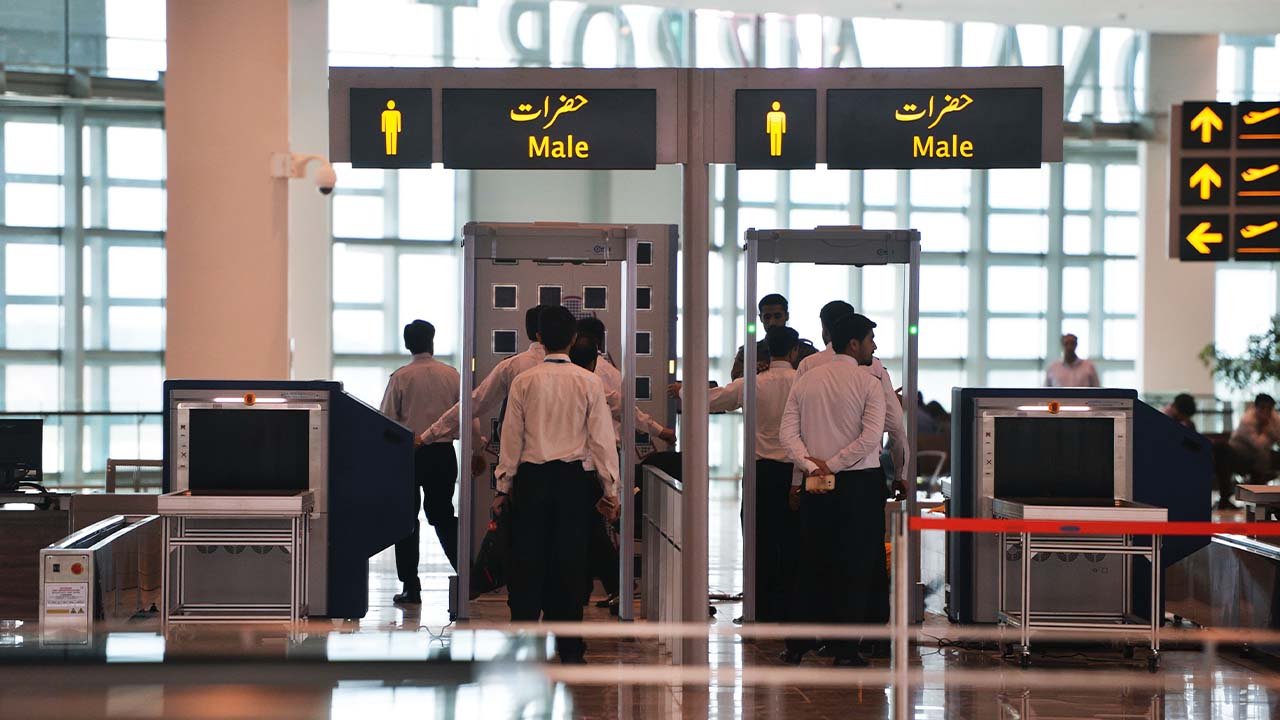
    Pakistan Customs has intensified goods inspection at all international airports to prohibit the smuggling of recently banned commodities. The federal government prohibited the items in SRO No. 598(I)/2022, issued May 19, 2022, by revising the Import Policy Order, 2022.

    This 24-hour monitoring at international terminals to prevent smuggling has already resulted in multiple confiscation of these items disguised as legitimate passenger baggage.

    Banned commodities like foodstuff, fruits, sanitary wares, used mobile phones, and branded shoes were found in commercial quantities during scanning and inspection at Jinnah International Airport in Karachi on May 23, 2022.

    The aforementioned items were detained/seized in accordance with Sector 168 of the Customs Act of 1969 for violating SRO No. 598(I)/2022 (Import Policy Order, 2022) and Sections 16 and 139 of the Customs Act of 1969.

    While applauding Pakistan Customs’ efforts, the Chairman of the Federal Board of Revenue (FBR) reaffirmed the FBR’s unwavering determination to strengthen policing strategies at all airports, seaports, and land border stations to ensure the avoidance of trafficking of goods, including newly banned items.

    Finance Minister Miftah Ismail and FBR Chairman, on the other hand, have issued instructions not to bother genuine passengers bringing in goods in non-commercial/small quantities for personal use, and to assist such passengers at airports to the greatest extent permitted by law.

    People in Pakistan were outraged by the Customs move, particularly those who had been thoroughly scanned and shared their side of the story on social media.

  • Govt bans import of ‘luxury items’ to fight economic crisis

    Govt bans import of ‘luxury items’ to fight economic crisis

    For the first time in Pakistan, luxury or non-essential commodities have been completely banned in the country to help the nation emerge from its financial crisis. Minister of Information Marriyum Aurangzeb confirmed the economic strategy established by the federal government on Thursday.

    The Information Minister stated that this is an emergency situation and Pakistanis will have to make sacrifices under the economic plan. This will have a quick impact on foreign reserves. The ban will have an impact of $6 billion.

    Aurangzeb went on to say that the government’s priority was to cut imports, thus it was going to implement an export-oriented policy that would help local industry and producers.

    Prime Minister (PM) Shehbaz Sharif is working “day and night” to stabilise the economy, according to the information minister, and has decided to ban the import of all commodities that are not in common use.

    Food, decorating, and luxury automobiles were among the imports, according to Aurangzeb, who emphasised that the country was in a “difficult economic condition” as a result of the previous government’s policies.

    Here’s a detailed list of banned goods:

    1. Cars
    2. Mobile phones
    3. Home appliances
    4. Private weapons and ammunition
    5. Fruits and dry fruits (except Afghanistan)
    6. Crockery
    7. Shoes
    8. Chandeliers and lighting (except energy savers)
    9. Headphones and loudspeakers
    10. Sauces, ketchup etc.
    11. Doors and window frames
    12. Travelling bags and suitcases
    13. Sanitary ware
    14. Fish and frozen fish
    15. Carpets (except Afghanistan)
    16. Preserved fruits
    17. Tissue paper
    18. Furniture
    19. Shampoos
    20. Confectionary
    21. Luxury mattresses and sleeping bags
    22. Jams and jelly
    23. Cornflakes
    24. Bathroom ware/toiletries
    25. Heaters/blowers
    26. Sunglasses
    27. Kitchenware
    28. Aerated water
    29. Frozen meat
    30. Juices
    31. Pasta etc
    32. Ice cream
    33. Cigarettes
    34. Shaving goods
    35. Luxury leather apparel
    36. Musical instruments
    37. Saloon items like hairdryers etc.
    38. Chocolates

    The declaration, according to the information minister, is part of the present government’s fiscal plan to combat the PTI’s incompetent policies.

    Aurangzeb chastised the PTI for criticising the incumbent administration over the country’s economic woes, claiming that the Imran Khan-led government had raised inflation, taken historic debts, committed “economic terrorism,” and manipulated the economy by subsidising gasoline prices.

    By subsidising the price of petroleum goods, the PTI administration broke its agreement with the International Monetary Fund (IMF), according to the Information Minister.

    Via: Geo