Tag: Import restrictions

  • Crisis on wheels: Pakistan’s automotive industry grapples with mass layoffs and 70% sales drop

    Crisis on wheels: Pakistan’s automotive industry grapples with mass layoffs and 70% sales drop

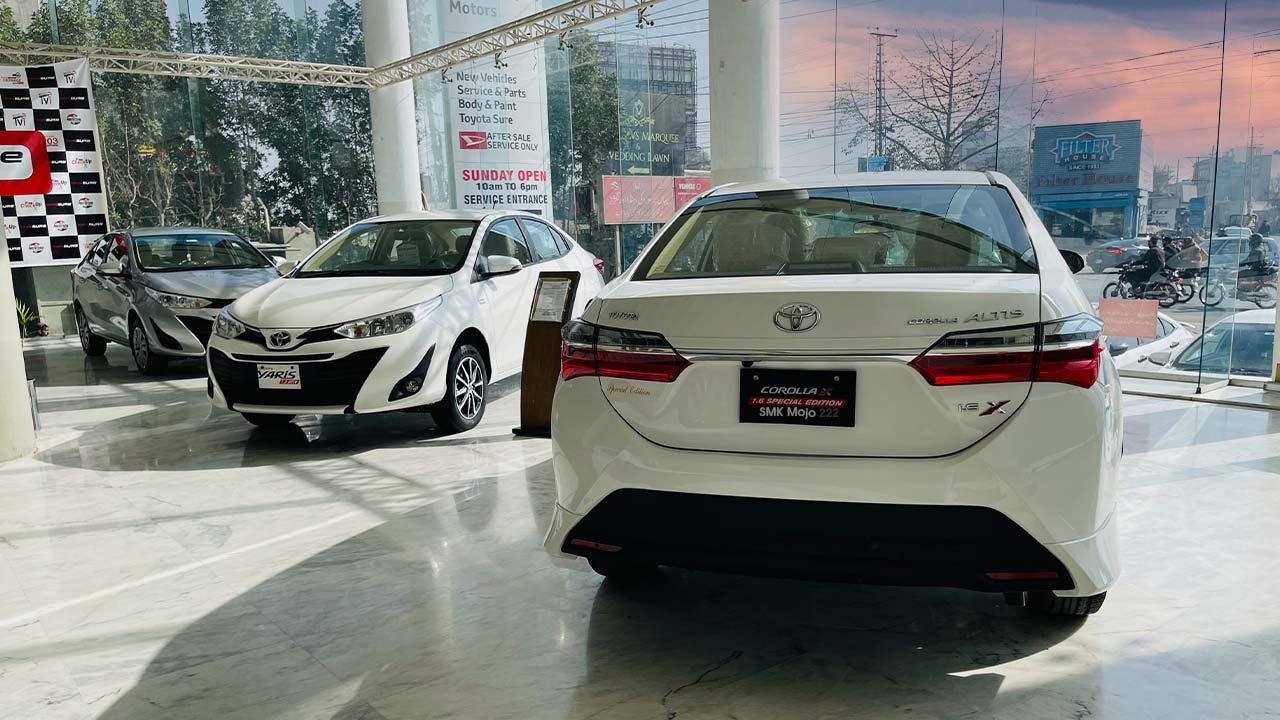
    The automotive industry in Pakistan is facing a severe setback as thousands of workers were laid off due to a decline in vehicle and spare parts sales. The government’s ban on raw material imports, coupled with the depreciation of the rupee and soaring inflation, has caused a significant strain on the industry. With foreign exchange reserves dwindling and the local currency hitting historic lows against the US dollar, the economic crisis has reached unprecedented levels.

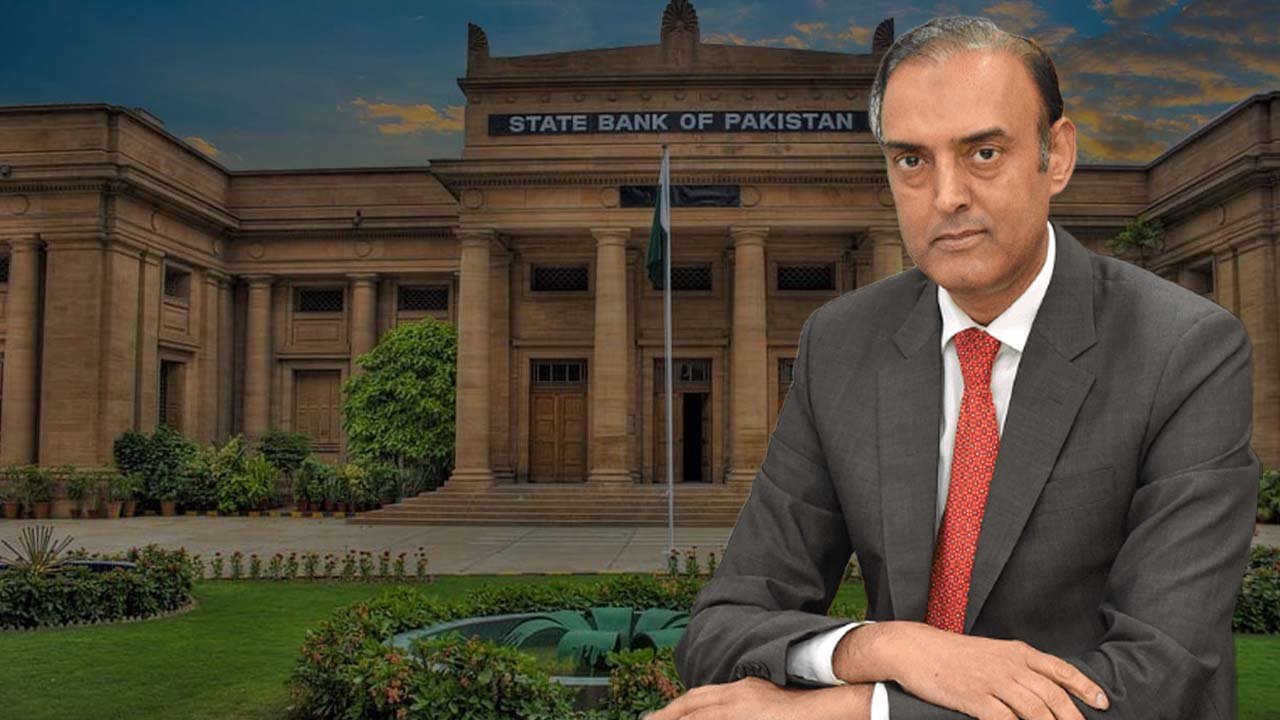
    Pakistan finds itself in the midst of its most formidable economic crisis to date, as the State Bank of Pakistan’s foreign exchange reserves have plummeted to a mere $4 billion. This amount is barely sufficient to cover three weeks of imports, raising concerns about the country’s economic stability. The ban on raw material imports, implemented to prevent the outflow of US dollars, has caused a sharp decline in industrial output and triggered widespread layoffs and unemployment.

    Dollar crunch and inflation

    In the midst of the worsening dollar crunch, commercial banks have also halted the opening of letters of credit (LCs), leaving importers in a state of uncertainty regarding the provision of the necessary funds for already placed orders. This further exacerbates the challenges faced by the automotive industry, hindering its ability to procure essential raw materials and sustain production.

    The country is grappling with soaring inflation rates, which surpassed 36 per cent in April, the highest recorded since 1964. As a result, consumer purchasing power has diminished significantly, leading to a sharp decline in vehicle sales. Munir Karim Bana, Chairman of the Pakistan Association of Automotive Parts and Accessories Manufacturers (PAAPAM), laments the dire situation, stating that thousands of workers have been laid off, and production has ground to a halt. The closure of auto manufacturing plants has further exacerbated the industry’s challenges.

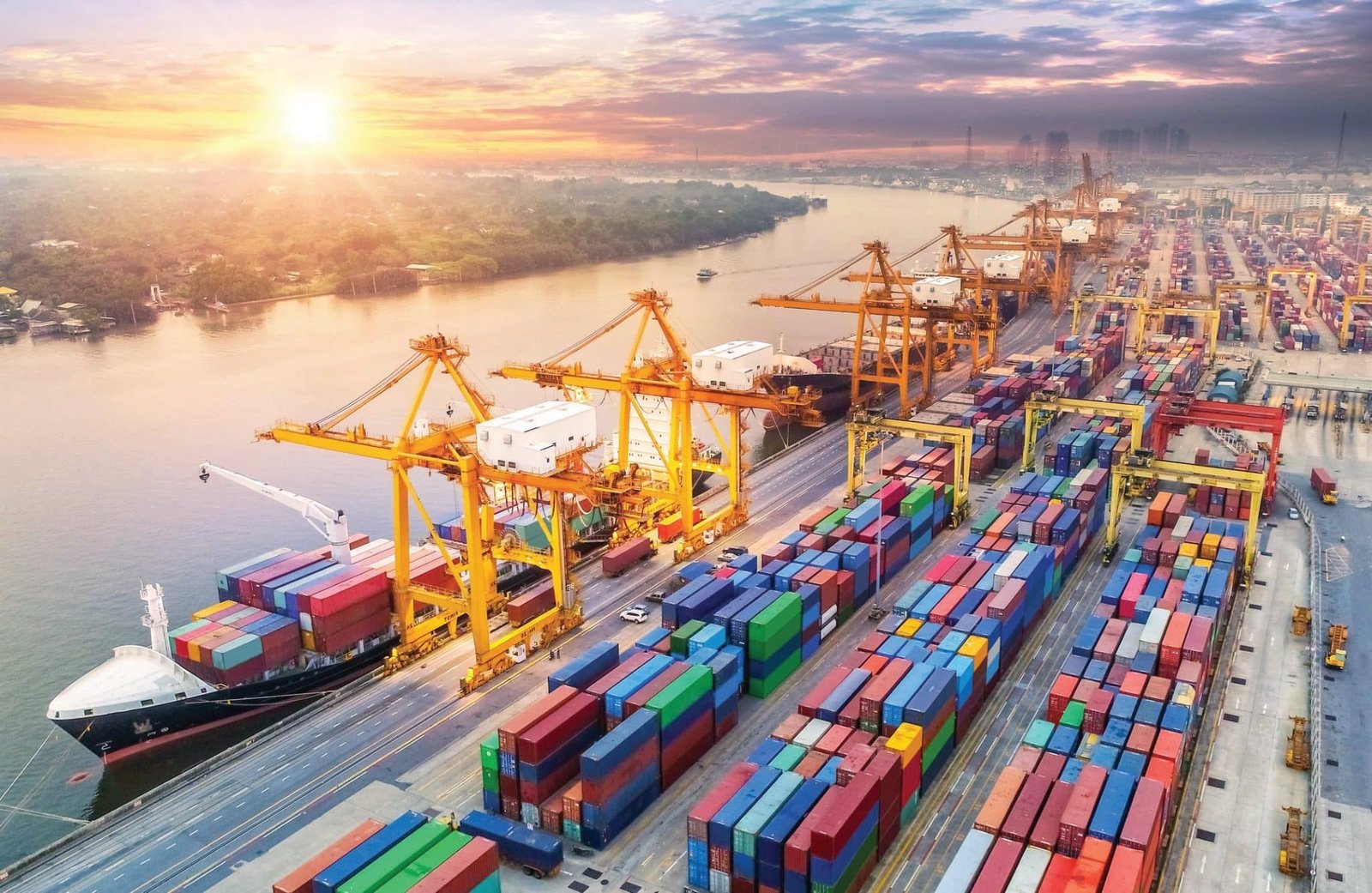
    Auto parts manufacturers are grappling with demurrage charges as raw materials worth billions of rupees remain stuck at the Karachi port. PAAPAM, responsible for supplying approximately 90 per cent of local vehicle parts, is bearing the burden of these charges. Furthermore, with production units closed, income streams have dried up, exacerbating the financial strain on the industry.

    Rana Ihsan Afzal, the coordinator to Prime Minister Shehbaz Sharif on commerce and industry, acknowledges that the automotive industry’s full efficiency may not be restored until the revival of the IMF bailout program. As a sector heavily reliant on imports and foreign currency, the automotive industry is particularly vulnerable to the country’s economic challenges. The delay in the staff-level agreement on the ninth review of the IMF bailout deal signed in 2019 has further hampered the industry’s prospects.

    Revival prospects and government assurance

    Amid the decline in sales and mass layoffs, the coordinator to the Prime Minister expressed his concern but assured that the government is tirelessly working to revive the economy. The coordinator acknowledges the temporary phase that necessitates import restrictions on the automotive industry to protect foreign exchange reserves. However, he remains optimistic that once reserves are replenished, the industry will experience a significant upturn.

    Pakistan’s automotive industry is facing a dire crisis, with plummeting sales, layoffs, and manufacturing plant closures. The ban on raw material imports, along with the economic challenges of soaring inflation and dwindling foreign exchange reserves, has pushed the industry to the brink. Despite the difficulties, the government is committed to revitalizing the sector and assuaging the concerns of manufacturers.
  • Pak Suzuki follows Atlas Honda’s lead, raises motorcycle prices amid economic crisis

    Pak Suzuki follows Atlas Honda’s lead, raises motorcycle prices amid economic crisis

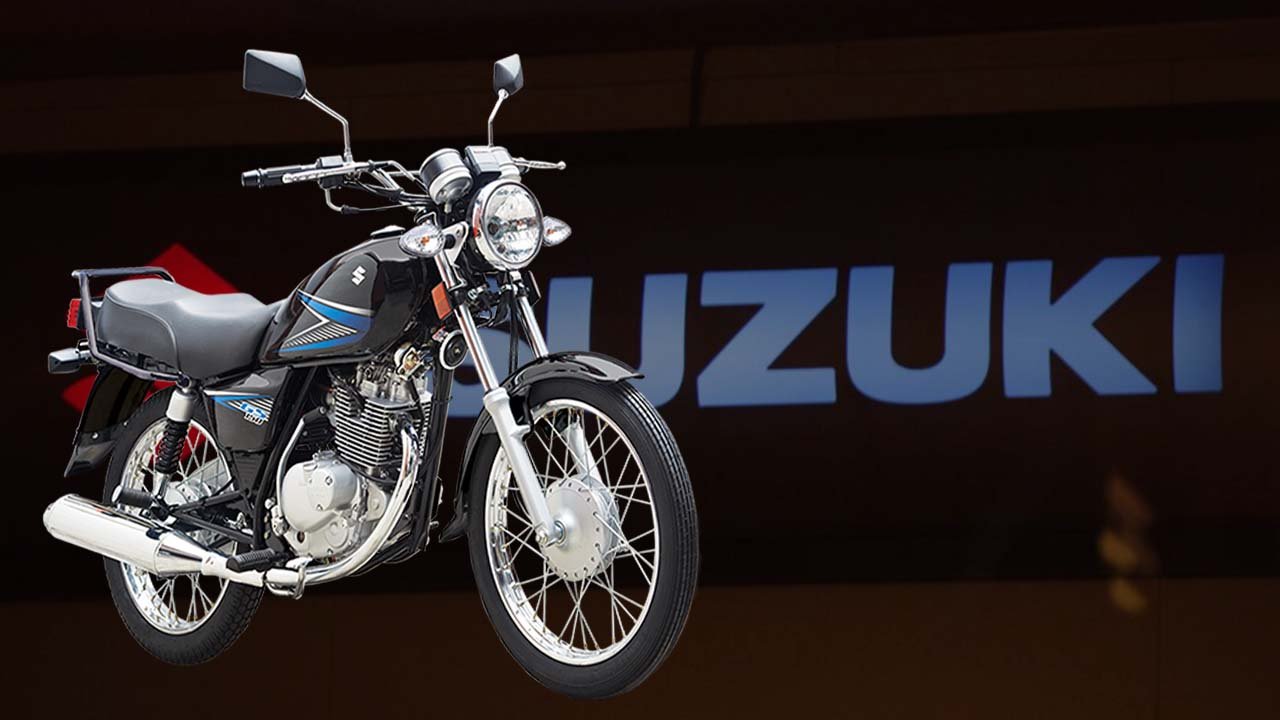
    In the midst of Pakistan’s economic crisis, the country’s automobile industry is struggling to stay afloat. One of the major players in the two-wheeler market, Pak Suzuki Motors, has recently increased the prices of its motorcycles due to the continuous devaluation of the rupee.

    This comes as no surprise since Pakistan’s auto industry heavily depends on imports and has been facing obstacles due to restrictions on the opening of letters of credit (LCs) after the rupee’s depreciation.

    According to a notification sent by the company to its dealers, the new rates will apply from May 9 and remain unchanged until further notice. The retail prices include the ex-factory product price and freight charges incurred on motorcycles that are delivered to dealerships.

    The notification mentioned that the rate of GD110s has increased to Rs335,000, GS150 to Rs364,000, GSX125 to Rs488,000, GR150 to Rs521,000, and GW250JP to Rs1.04 million.

    It’s worth noting that this isn’t the first time the automobile industry has seen such a price hike. Atlas Honda, Pakistan’s biggest player in the two-wheeler segment in terms of market share, recently increased its motorcycle prices for the fourth time this year, making them more expensive by Rs5,000-15,000.

    As the industry continues to face hindrances, it remains to be seen how it will adapt to the current economic conditions.

    Here are the new prices for all Suzuki motorcycles:

    Motorcycle Price (in PKR)
    GD110s Rs335,000
    GS150 Rs364,000
    GSX125 Rs488,000
    GR150 Rs521,000
    GW250JP Rs1,040,000
  • Pak Suzuki extends shutdown of motorcycle plant due to lack of raw materials

    The Pak Suzuki Motor Company (PSMC) has confirmed that it will keep its motorcycle plant closed until April 28 due to ongoing import restrictions that have impacted the auto sector, resulting in low inventory levels. A notice to the Pakistan Stock Exchange (PSX) stated that “the management of the company has decided to extend the shutdown period of its motorcycle plant till April 28, 2023.”

    The company had already shut down its motorcycle plant from April 4 to April 15 due to a lack of raw materials, while the automobile plant was shut from April 7 to April 14. PSMC assembles, manufactures, and markets Suzuki cars, pickups, vans, 4x4s, motorcycles and spare parts. The Suzuki brand originates from Japan.

    Pakistan’s auto sector is facing several crises, with other listed companies such as Indus Motor Company Limited and Honda Atlas Cars halting production in recent months due to economic difficulties. Honda Atlas Cars Pakistan extended the shutdown of its plant by another 15 days. Similarly, other automakers, including Indus Motor Company Limited, have announced temporary production shutdowns. According to the Pakistan Automotive Manufacturers Association (PAMA), Pakistan’s auto industry reported a 66 per cent decline in car sales in March 2023 compared to March 2022.

    JS Research analyst Wasil Zaman has predicted a cumulative volume decline of over 50 per cent year-on-year in fiscal year 2023, extending to the first half of fiscal year 2024. Zaman stated that “with foreign exchange reserves at critically low levels leaving little room for improvement on the supply side for auto manufacturers.”

  • FBR report exposes $7.19 million illegal smartphone imports

    FBR report exposes $7.19 million illegal smartphone imports

    According to an official report from the Federal Board of Revenue (FBR), mobile phones worth $7.19 million have been imported into Pakistan illegally without opening letters of credit (LCs) or using the banking channel.

    The report also states that despite an unannounced ban by the State Bank of Pakistan (SBP) on the import of mobile phones and their accessories, 52 Goods Declarations (GDs) worth $8.65m were cleared between December 2022 and February 2023.

    The mobile phones were imported in Completely Build Up (CBU) condition and only $1.46m was paid legally out of Pakistan through the banking channel. The remaining $7.19m was illegally transferred out of Pakistan. The FBR report does not provide details about the mode of payment made to suppliers in Dubai for the import of these mobile phones.

    The Pakistan Telecommunication Authority (PTA) has stated that manufacturers imported over 190,000 mobile phones in CBU condition under a facility allowed to them. However, despite restrictions set by the banking sector on imports, some companies are still reportedly importing mobile phones under their manufacturing license.

    The import of smartphones has increased, especially after at least 30 manufacturing units in Pakistan halted production due to import restrictions.

  • Toyota IMC announces shutdown of production plant once again due to parts shortage

    Toyota IMC announces shutdown of production plant once again due to parts shortage

    Indus Motor Company Limited (INDU), the company known for assembling and selling Toyota-brand vehicles in Pakistan, has announced the temporary shutdown of its production plant from March 24 to March 27 due to raw material and component shortages.

    In a notice to the Pakistan Stock Exchange (PSX), Indus Motor cited difficulties in opening Letters of Credit (LCs) for raw materials by banks, which have caused a disruption in the supply chain of the company and its vendors.

    As a result, the company is unable to continue its production activities due to insufficient inventory levels. This is the second time this year that Indus Motor has announced the shutdown of its plant, with the first being from February 1 to February 14 due to an inventory shortage.

    The CEO of Indus Motor, Ali Asghar Jamali, had previously acknowledged the challenges facing the local auto industry, including the restrictions on Completely Knocked Down (CKD) kits, which have resulted in manufacturers operating at only 40-45 per cent of their capacity.

    The auto industry in Pakistan is heavily reliant on imports and has been affected by the State Bank of Pakistan’s (SBP) restrictions on the opening of LCs, following a sharp depreciation of the rupee.

    The SBP has imposed restrictions on imports due to the country’s low foreign exchange reserves, which has resulted in operational hindrances for many industries, including the auto sector.

    Although the SBP withdrew import restrictions in January, many industries are still struggling due to the dollar shortage.

  • SBP asks banks to prioritise import of certain essential items to help businesses

    SBP asks banks to prioritise import of certain essential items to help businesses

    In order to help businesses, the State Bank of Pakistan (SBP) on Monday removed the necessity for prior import approval and asked banks to give priority to the importation of certain necessities, including food, medicine, and energy.

    The business community, including various trade bodies and chambers of commerce, has drawn attention to the fact that many shipping containers carrying imported goods are stuck at the ports as a result of delays in the release of shipping documents by banks, according to a statement issued by the SBP on Monday.

    “SBP has advised banks to provide one-time facilitation to all those importers who could either extend their payment terms to 180 days (or beyond) or arrange funds from abroad to settle their pending import payments.”

     “Accordingly, till March 31, 2023, banks have been advised to process and release documents of shipments/ goods that have already arrived at a port in Pakistan or have been shipped on or before January 18, 2023,” said the central bank.

    To avoid any future issues, SBP also suggests that clients notify their banks before beginning any import transaction.

    To the dismay of many importers and firms in Pakistan, who cited these constraints as the reason for closing down or curtailing operations, the SBP restricted imports early this year due to low levels of foreign exchange reserves.

    Last week, the business community of the country harshly criticised the SBP’s role in the issue in light of the difficulty in issuing letters of credit.