Tag: imports

  • Pakistan’s auto sector records 98% sales growth in March despite high prices

    Pakistan’s auto sector records 98% sales growth in March despite high prices

    Despite high car prices, Pakistan’s auto sector has seen a growth of 98 per cent in March, selling about 7,201 units compared to 3,642 units sold in the previous month. The increase has provided a ray of hope to the auto sector, which has picked up some pace after several months.

    However, car sales, including sales of non-Pakistan Automotive Manufacturers Association (PAMA) vehicles, plunged 68 per cent in March compared to the same month last year, due to non-production days and a decline in purchasing power.

    The monthly growth is due to better volumetric sales of Pak Suzuki Motor Company (PSMC) and Indus Motors, which increased by 475 per cent and 6 per cent respectively on a month-on-month basis. Arif Habib Limited also stated that due to rising inflationary pressure, consumers have switched to affordable vehicles of below 1000cc, which increased by 423 per cent.

    Despite the recent growth, fears of a slowdown still exist due to measures taken by the State Bank of Pakistan (SBP) to curb imports, resulting in production limitations as auto assemblers require prior permission to import completely knocked-down (CKD) units and raw materials.

    Sales of all other variants of cars, jeeps, tractors, pick-ups, three-wheelers and two-wheelers have also witnessed a year-on-year decline in March 2023, according to data released by PAMA a day earlier.

    In the first nine months of fiscal year 2022-23, 85,776 units were sold, down 50 per cent from 172,612 units sold during the same period in FY22. Sales of 1300cc and above cars were recorded at 2,913 units, down 67 per cent compared to the same month of the previous year’s sales of 9,280 units. In March 2023, 1,000cc cars recorded sales of 964 units, including 475 units of Suzuki Cultus and 489 units of Suzuki WagonR, against 2,410 units in the same month last year.

    Further breakdown of the data reveals that below 1000cc vehicles recorded a sale of 3,324 units, lower by 70 per cent than 11,109 units sold last year. Suzuki’s new Alto sold 2,542 units in March 2023 compared to 9,814 units in March 2022.

    Buses and trucks saw a decrease to 308 units in March from 565 units in the same month last year, while sales of jeeps and pick-ups decreased to 2,150 units from 4,403 units sold during the same period last year. Sales of tractors dropped to 2,984 units from 5,651 units in March 2022, while sales of rickshaws and motorbikes also decreased to 84,307 units in March against 151,010 units in the same period last year.

    PSMC recorded a jump of 475 per cent on a monthly basis to 5,628 units primarily due to the availability of CKD parts amid an easing of LC issues, while Indus Motors reported an increase of 6 per cent month-on-month to 1,912 units in March. However, Honda Car (HCAR) sales declined by 49 per cent month-on-month to 835 units in March due to the closure of the plant for 23 days on account of CKD issues.

    Hyundai sales were down 34 per cent month-on-month, with Tucson down 46 per cent month-on-month to 380 units and Sonata down 40 per cent month-on-month to 118 units in the period under review.

  • Pakistan records 17% increase in exports to Afghanistan, SBP data shows

    Pakistan records 17% increase in exports to Afghanistan, SBP data shows

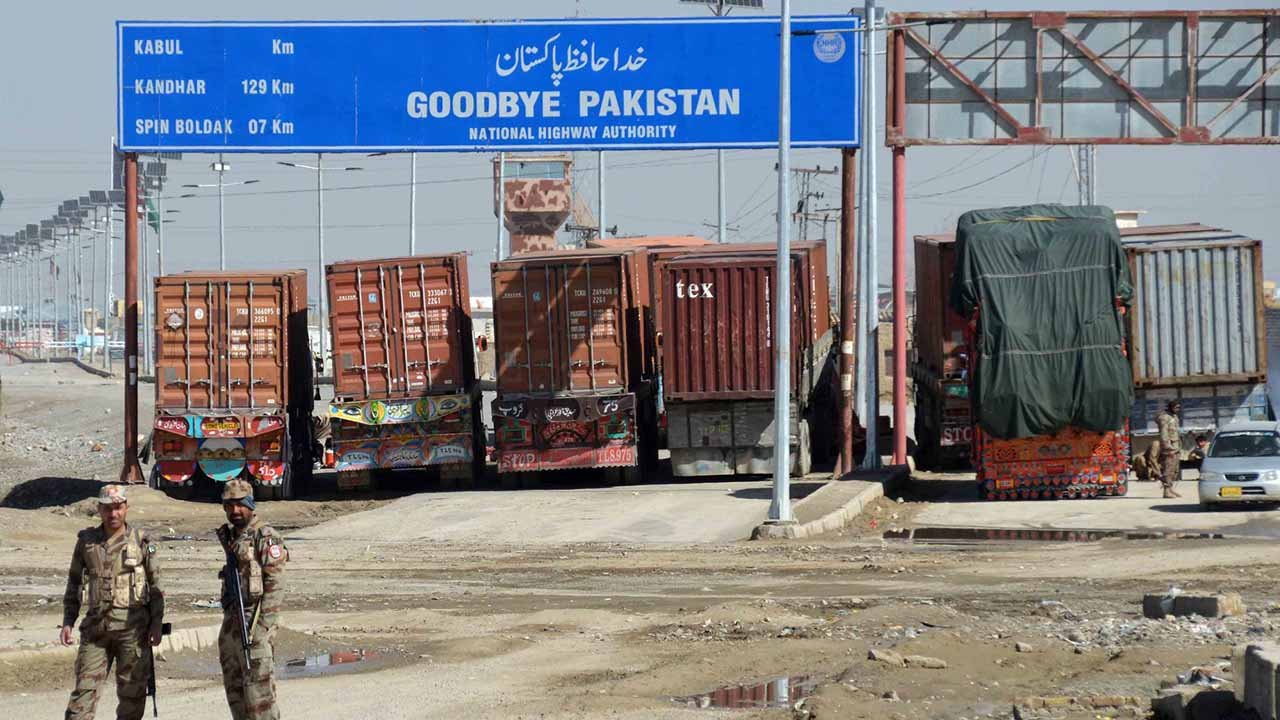
    According to a report by the State Bank of Pakistan (SBP), Pakistan’s export of goods and services to Afghanistan has increased by 17.02 per cent during the first eight months of the current fiscal year (2022-23) compared to the corresponding period of the previous year.

    From July-February (2022-23), overall exports to Afghanistan reached US $346.522 million, while during the same period last year, exports were recorded at US $296.109 million, showing a growth of 17.02 per cent.

    Furthermore, the year-to-year basis also showed an increase of 60.49 per cent in exports to Afghanistan, rising from US $38.222 million in February 2022 to US $61.345 million in February 2023. Meanwhile, on a month-on-month basis, exports to Afghanistan also rose by 82.58 per cent during February 2023, reaching US $61.345 million, compared to US $33.598 million in January 2022.

    In contrast, Pakistan’s exports to other countries decreased by 9.65 per cent during the eight months, dropping from US $20.632 billion to US $18.639 billion, according to SBP data.

    The imports from Afghanistan into Pakistan during the period under review were recorded at US $13.540 million, which was a significant decrease of 88.65 per cent compared to last year’s US $119.328 million in July-February (2021-22).

    Year-on-year, imports from Afghanistan also dropped by 98.89 per cent, from US $13.723 million in February 2022 to US $0.151 million in February 2023. However, on a month-on-month basis, imports from Afghanistan increased by 11.02 per cent during February 2023, reaching US $0.136 million, compared to US $0.122 million in January 2022.

    Overall, the imports into Pakistan also witnessed a decrease of 21.02 per cent, from US $47.336 billion to US $37.388 billion, according to SBP data. Based on the trade figures, the trade of goods and services with Afghanistan witnessed an 88.35 per cent increase in surplus during the period under review compared to the previous year, with a recorded surplus of US $332.982 million against US $176.781 million during the last year.

  • Toyota IMC announces shutdown of production plant once again due to parts shortage

    Toyota IMC announces shutdown of production plant once again due to parts shortage

    Indus Motor Company Limited (INDU), the company known for assembling and selling Toyota-brand vehicles in Pakistan, has announced the temporary shutdown of its production plant from March 24 to March 27 due to raw material and component shortages.

    In a notice to the Pakistan Stock Exchange (PSX), Indus Motor cited difficulties in opening Letters of Credit (LCs) for raw materials by banks, which have caused a disruption in the supply chain of the company and its vendors.

    As a result, the company is unable to continue its production activities due to insufficient inventory levels. This is the second time this year that Indus Motor has announced the shutdown of its plant, with the first being from February 1 to February 14 due to an inventory shortage.

    The CEO of Indus Motor, Ali Asghar Jamali, had previously acknowledged the challenges facing the local auto industry, including the restrictions on Completely Knocked Down (CKD) kits, which have resulted in manufacturers operating at only 40-45 per cent of their capacity.

    The auto industry in Pakistan is heavily reliant on imports and has been affected by the State Bank of Pakistan’s (SBP) restrictions on the opening of LCs, following a sharp depreciation of the rupee.

    The SBP has imposed restrictions on imports due to the country’s low foreign exchange reserves, which has resulted in operational hindrances for many industries, including the auto sector.

    Although the SBP withdrew import restrictions in January, many industries are still struggling due to the dollar shortage.

  • Mobile phone imports in Pakistan drop by nearly 70%

    Mobile phone imports in Pakistan drop by nearly 70%

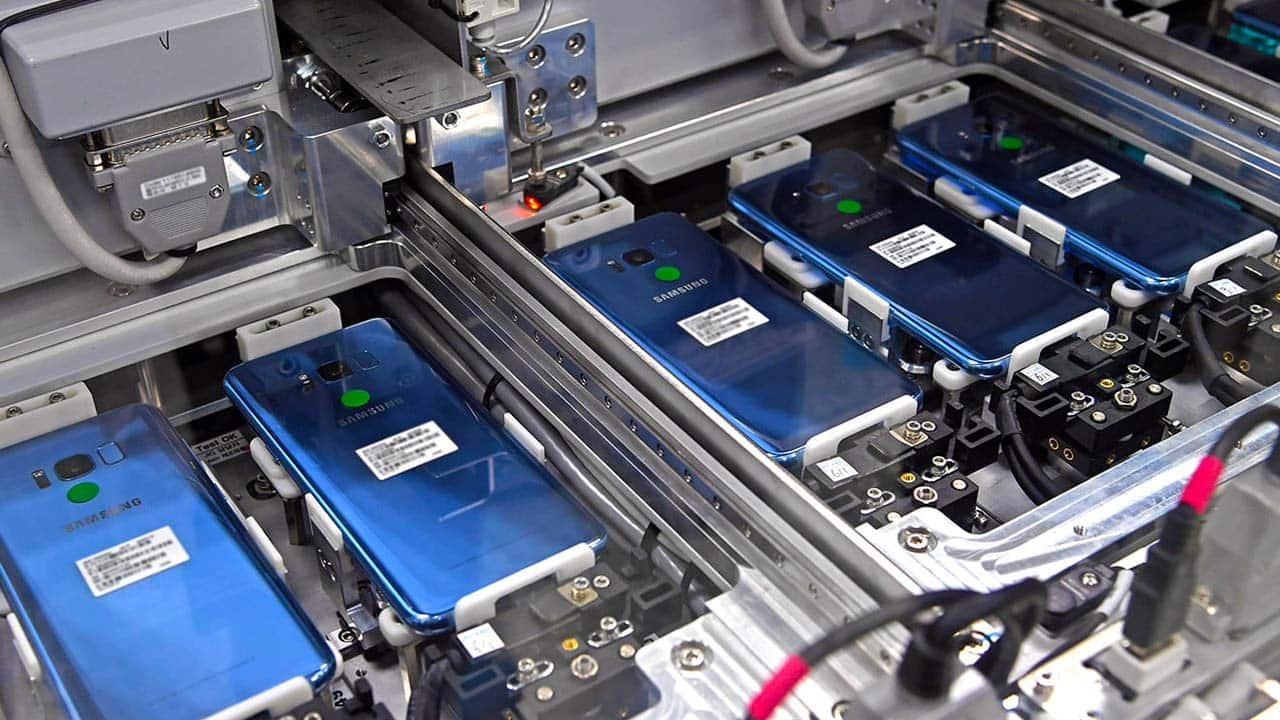
    According to the Pakistan Bureau of Statistics (PBS), Pakistan’s import of mobile phones has decreased by 68.29 per cent during the first eight months of the current fiscal year (2022-23) compared to the same period last year.

    The value of mobile phones imported from July to February (2022-23) was US $447.855 million, whereas it was US $1412.445 million in the corresponding period of the previous year.

    In February 2023, the import of mobile phones decreased by 76.73 per cent compared to February 2022. The imports for February 2023 were valued at US $33.054 million, whereas the exports for February 2022 were US $142.033 million.

    Furthermore, the data shows that the import of mobile phones witnessed a month-on-month decline of 36.39 per cent during February 2023, as compared to January 2023, with imports valued at US $51.960 million.

  • Pakistan’s forex reserves increase by 9%, cross $3 billion mark

    Pakistan’s forex reserves increase by 9%, cross $3 billion mark

    After declining for three weeks in a row and losing a cumulative $1,685 million during that period, the foreign exchange reserves held by the State Bank of Pakistan (SBP) have rebounded, according to a statement from the central bank.

    As of February 10, SBP’s foreign currency reserves totaled $3,192.9 million, which is up $276 million from the previous week. This increase represents a gain of over 9 per cent and has broken the streak of declining reserves.

    However, even with this increase, the amount is still only enough to cover one month of imports. Meanwhile, the net forex reserves held by commercial banks are $5,509.3 million, which is $2,316.4 billion more than SBP, bringing the total liquid foreign reserves of the country to $8,702.2 million. The statement did not provide a specific reason for the increase in SBP-held reserves.

    Pakistan’s economy is in dire straits due to a balance-of-payments crisis, political chaos, and deteriorating security. The government has banned all but essential food and medicine imports until it receives a crucial loan tranche from the International Monetary Fund (IMF), which could unlock other sources of funding for the country.

    Inflation has risen sharply, the rupee has declined, and the country is struggling to afford imports, which has caused a severe decline in its industry. Pakistan is no longer issuing letters of credit, except for essential food and medicine, since January, which has led to a backlog of raw material imports that the country can no longer afford.

    According to Geo, the rupee devaluation and the logjam have resulted in a significant decline in manufacturing, including textiles and steel, and building projects.

    While the IMF cash injection alone will not be enough to rescue Pakistan, the government hopes that it will boost confidence and pave the way for other friendly countries like Saudi Arabia, China, and the UAE to offer additional loans.

  • SBP-held foreign exchange reserves drop to a highly critical level of $2.92 billion

    SBP-held foreign exchange reserves drop to a highly critical level of $2.92 billion

    The State Bank of Pakistan (SBP) has reported a decrease in its foreign exchange reserves, as reflected in data released on Thursday. The reserves fell to a total of $2.92 billion, marking a reduction of $170 million.

    According to the recent data, the current level of reserves held by the bank has reached its lowest point since February 2014.

    The country’s total liquid foreign reserves were reported to be at $8.54 billion, according to the latest data. Meanwhile, commercial banks in the country held net foreign reserves of $5.62 billion.

    “During the week ended on February 3, 2023, SBP’s reserves decreased by $170 million to $2,916.7 million due to external debt repayments,” the SBP said in a statement.

    The State Bank of Pakistan (SBP) experienced a substantial decrease in its foreign exchange reserves last week, declining to $3.09 billion, a drop of $592 million. This represents the lowest level of reserves for the central bank since February 2014. The current level of reserves falls below one month’s worth of import coverage.

    The depletion of the central bank’s reserves, which stood at nearly $18 billion at the beginning of 2022, highlights the pressing need for Pakistan to move forward with the next review of its International Monetary Fund (IMF) program.

    These declining reserves serve as a reminder of the economic challenges facing the country and the importance of addressing them in a timely and effective manner.

  • Dar assures US of Pakistan’s commitment to the IMF ‘despite challenging economic conditions’

    Dar assures US of Pakistan’s commitment to the IMF ‘despite challenging economic conditions’

    Pakistan gave the United States reassurance on Wednesday that it was still committed to the International Monetary Fund (IMF) programme as the nation’s reserves fell to barely enough to cover one month’s worth of imports following another $500 million loan repayment.

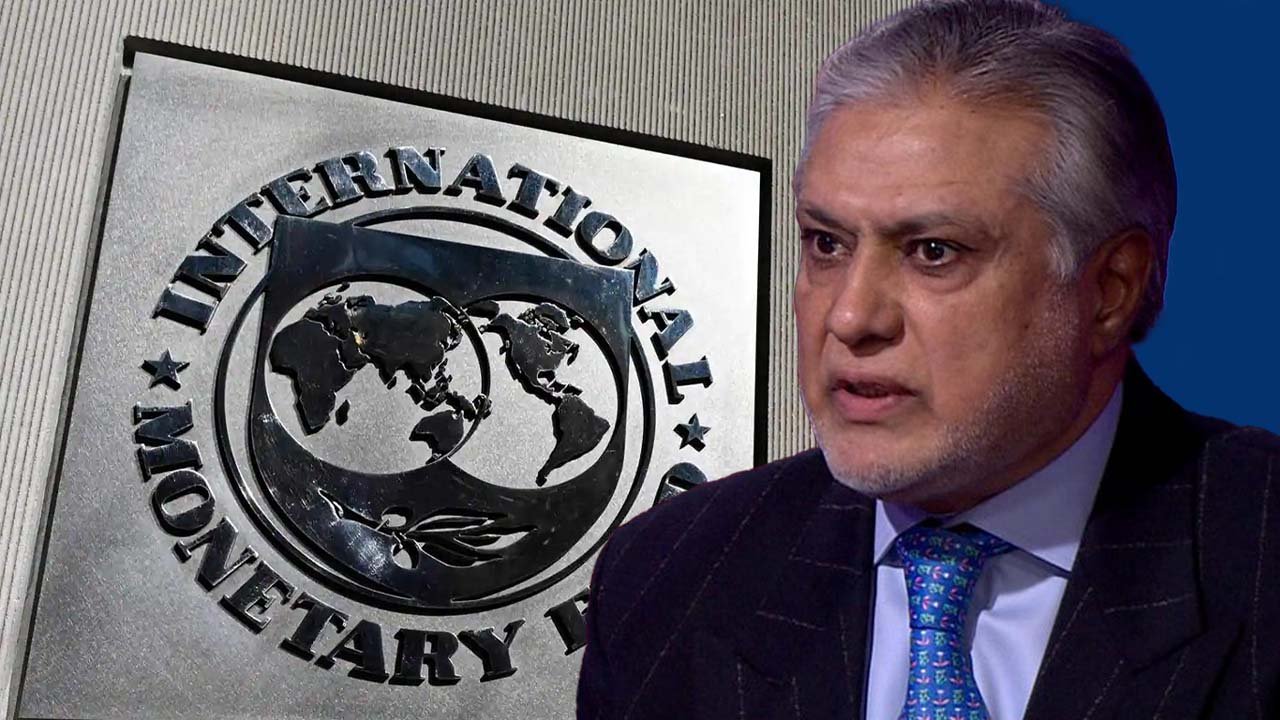
    According to a formal statement from the Ministry of Finance, Finance Minister Ishaq Dar met Robert Kaproth, Deputy Assistant Secretary of the US Department of the Treasury for Asia.

    The status of the IMF programme was discussed by both parties during the meeting. Dar informed the US official about Pakistan’s efforts to reactivate the IMF programme.

    “Despite challenging economic conditions, the government is focusing on fixing things in the right direction and introducing reforms in all sectors including the energy sector and capital market to achieve economic growth and development,” Dar told Robert.

    Pakistan has been asked by the IMF to maintain a market-based currency rate, remove import restrictions, raise taxes, and raise electricity rates. However, the administration has not yet implemented any of these steps and is holding off until there has been a formal interaction with the international lender.

    According to Express Tribune, the summit was held as foreign exchange reserves were sharply declining, falling to only two weeks’ worth of import coverage, the lowest level in more than nine years.

  • Can’t find your medicine? Pharmaceutical firms threaten to protest from January 5

    Can’t find your medicine? Pharmaceutical firms threaten to protest from January 5

    Pharmaceutical firms in Pakistan have threatened to start boycotts from January 5 after growing shortage of medicines and other life-saving drugs and to put pressure on the government to resolve the sector’s problems.

    After the federal government introduced policies to increase prices of raw material, several medicines including insulin, are now unavilable in markets.
    According to the Pakistan Drug Lawyer Forum President Noor Meher, 91% of raw materials used to create these medicines are imported to Pakistan. He said that stocks of new medicines are sitting at Karachi port and Lahore Dry Port, however government authorities are not providing clearance to deliver these to stores. Meher revealed that the dire situation has now pushed pharmaceutical workers to protest on streets to demand the government’s attention for the sector’s problems.

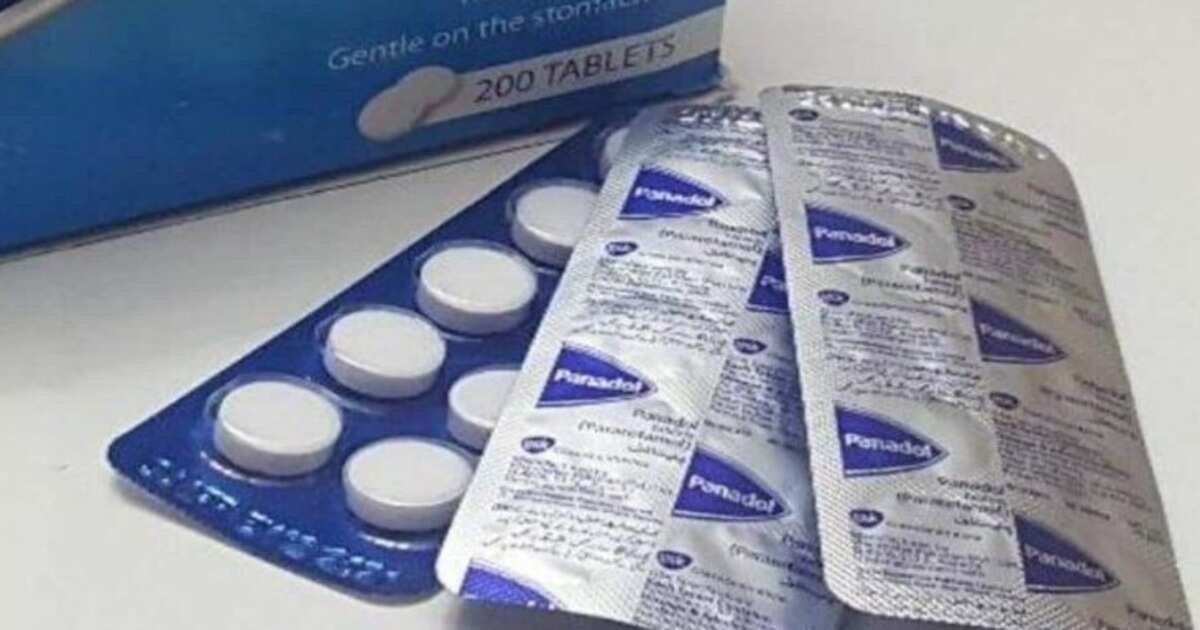
    In October 2022, healthcare organization GlaxoSmithKline (GSK) announced that it was shutting down the production of Panadol tablets, Panadol Extra Tablets and Cildren’s Panadol Liquid Range in Pakistan after suffering financial losses.

    In a letter to PM’s Principal Secretary Syed Tauqir Shah, the CEO of GSK Consumer Healthcare Pakistan, Farhan Haroon had written:

    “We are incurring heavy financial losses on the production of the entire Panadol range due to an increase in the price of their raw ingredients and in the absence of due approval by the federal government on the recommendation of Drug Pricing Committee of Drug Regulatory Committee of Pakistan. Due to these challenges, manufacturing of Panadol range on negative margins is unsustainable and despite exhaustive efforts of the company to mitigate the issue through dialogue, the situation is now beyond our control, compelling us to declare force majeure.”

  • Exports from Pakistan witness 35.7% increase in first four months of FY23

    According to data from the Pakistan Bureau of Statistics (PBS), exports from Pakistan increased by 35.77 per cent in rupee terms during the first four months of the current fiscal year (2022-23) compared to the same time previous year.

    According to Geo, exports from July through October (2022-23) were Rs2,131,776 million, up from Rs1,570,136 in the corresponding period the previous year. This represents a growth of 35.77 per cent.

    In comparison to October 2021, when exports were Rs423,063 million, the country’s exports rose by 24.29 per cent to Rs525,831 million in October 2022.

    When compared to the exports of Rs563,714 million reported in September 2022, the exports climbed by 6.72 per cent in October 2022 on a monthly basis.

    The main commodities of exports during October 2022 were:

    Knitwear (Rs86,400 million), readymade garments (Rs60,778 million), bedwear (Rs47,895 million), cotton cloth (Rs37,407 million), rice other than basmati (Rs20,344 million), towels (Rs17,553 million), made-up articles, excluding towels & Bedwear (Rs12,758 million), fish products (Rs12,057 million), rice Basmati (Rs11,375 million) and cotton yarn (Rs10,819 million).

    On the other side, imports increased by 12.87 per cent from July through October 2022 to a total of Rs4,701,648 million, compared to Rs4,165,590 million during the same time previous year.

    Imports totaled Rs1,039,036 million in October 2022 compared to Rs1,232,299 million in September 2022 and Rs1,093,545 million in October 2021, a drop of 15.68 per cent over September 2021 and 4.98 per cent over October 2021.

    The major imports during October 2022 were:

     Petroleum products (Rs100,436 million), petroleum crude (Rs82,124 million), natural gas, liquified (Rs65,485 million), palm oil (Rs59,739 million), plastic materials (Rs47,301 million), iron & steel (Rs38,517 million), raw cotton (Rs29,943 million), iron & steel scrap (Rs26,037 million), electrical machinery & apparatus (Rs24,058 million) and medicinal products (Rs23,234 million).