Tag: Imran Khan

  • PML-N to release final list of candidates by today or tomorrow, says Rana Sanaullah

    PML-N to release final list of candidates by today or tomorrow, says Rana Sanaullah

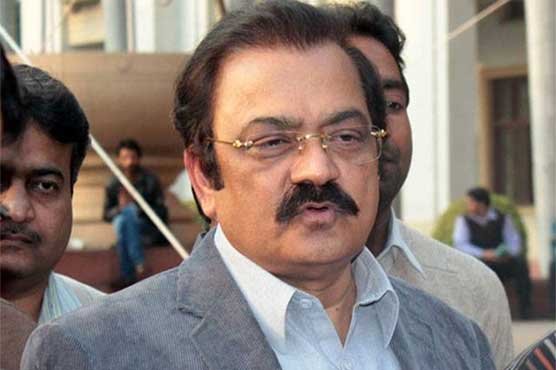
    Pakistan Muslim League-Nawaz (PML-N) leader Rana Sanaullah has said on Wednesday that the party has finalized the list of its candidates for general elections 2024, and will release the names by today evening or tomorrow morning.

    “We will issue the list today evening or tomorrow,” Sanaullah said during an appearance on Geo News show Geo Pakistan.

    He also confirmed that the matter of seat adjustment between PML-N and the Jahngir Tareen-led Istehkam-e-Pakistan Party (IPP) has been settled.

    The former interior minister also stated that PML-N has now agreed to provide seven National Assembly (NA) seats and 11 provincial assembly seats, against the IPP’s demand for 13 NA seats and 22 provincial seats.

    PML-N has also agreed on seat adjustments with Pakistan Muslim League-Quaid (PML-Q), he acknowledged.

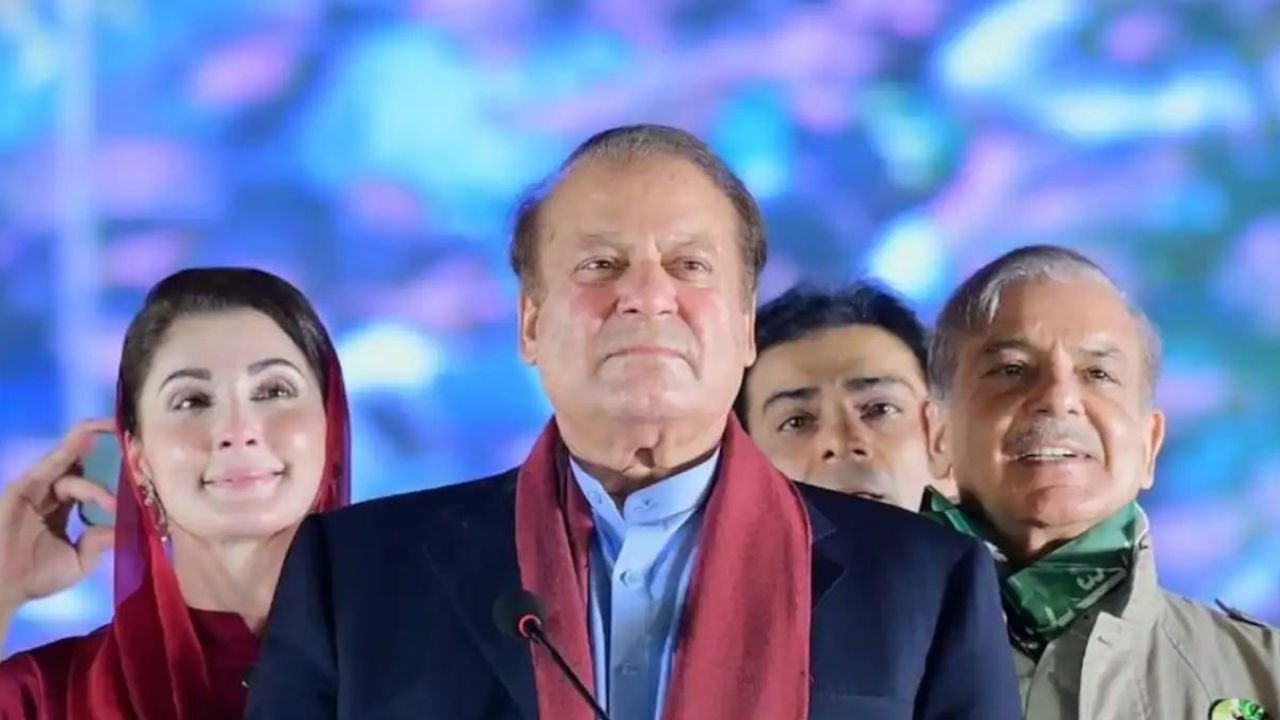
    “PML-N will hold 60 rallies in the country,” said Sanaullah while sharing details of the party’s election campaign, confirming that party head Nawaz Sharif will start his own election campaign on January 17.

  • Tribunal declares Imran Khan ineligible to contest polls from NA-122 Lahore

    Tribunal declares Imran Khan ineligible to contest polls from NA-122 Lahore

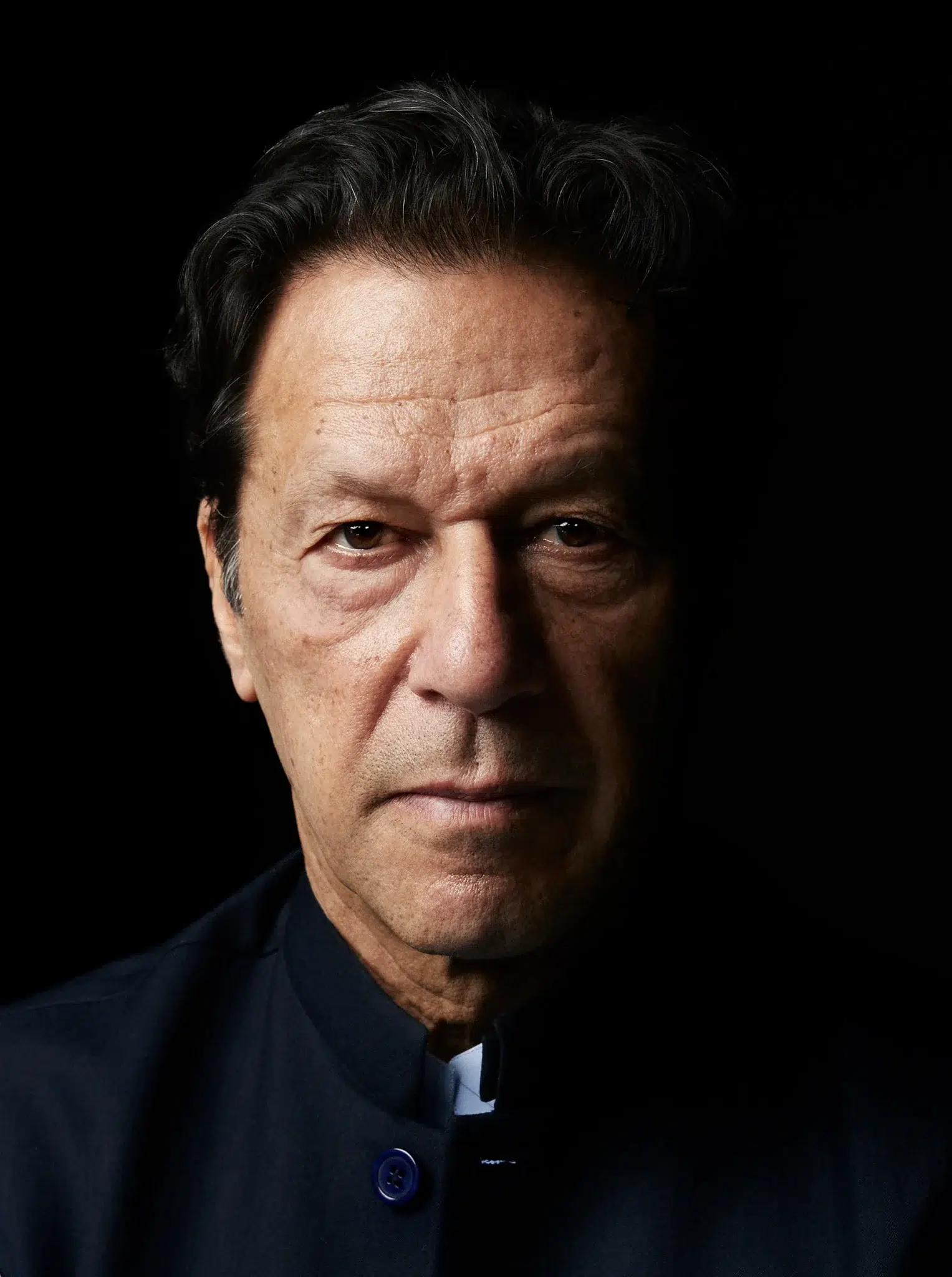
    An election tribunal established at the Lahore High Court (LHC) has validated the returning officer’s (RO) decision to dismiss Pakistan Tehreek-e-Insaf (PTI) founder Imran Khan’s nomination papers from the NA-122 constituency in Lahore.

    The lawyer of the Election Commission of Pakistan (ECP) argued before the tribunal that Imran Khan is not eligible to contest the election and his proposer didn’t reside in the constituency.

    Justice Tariq Nadeem of the appellate tribunal announced the decision after hearing all the parties.

    On December 30, 2023, Imran Khan’s nomination papers were rejected for National Assembly (NA) seats from Lahore and his home town, Mianwali.

    The former prime minister and PTI founder had submitted nomination papers from Lahore’s NA-122 and Mianwali’s NA-89 for the upcoming polls set to take place on February 8, 2024.

    Pakistan Muslim League-Nawaz (PML-N) leader Mian Naseer raised objections to Imran Khan’s nomination papers, mentioning that the PTI founder is disqualified for five years in Toshakhana case, and the ECP found him guilty of corrupt practices under Section 167 of the Elections Act, 2017.

    After viewing the objections, the RO rejected the nomination papers of the former prime minister.

  • Bat is back for PTI

    Bat is back for PTI

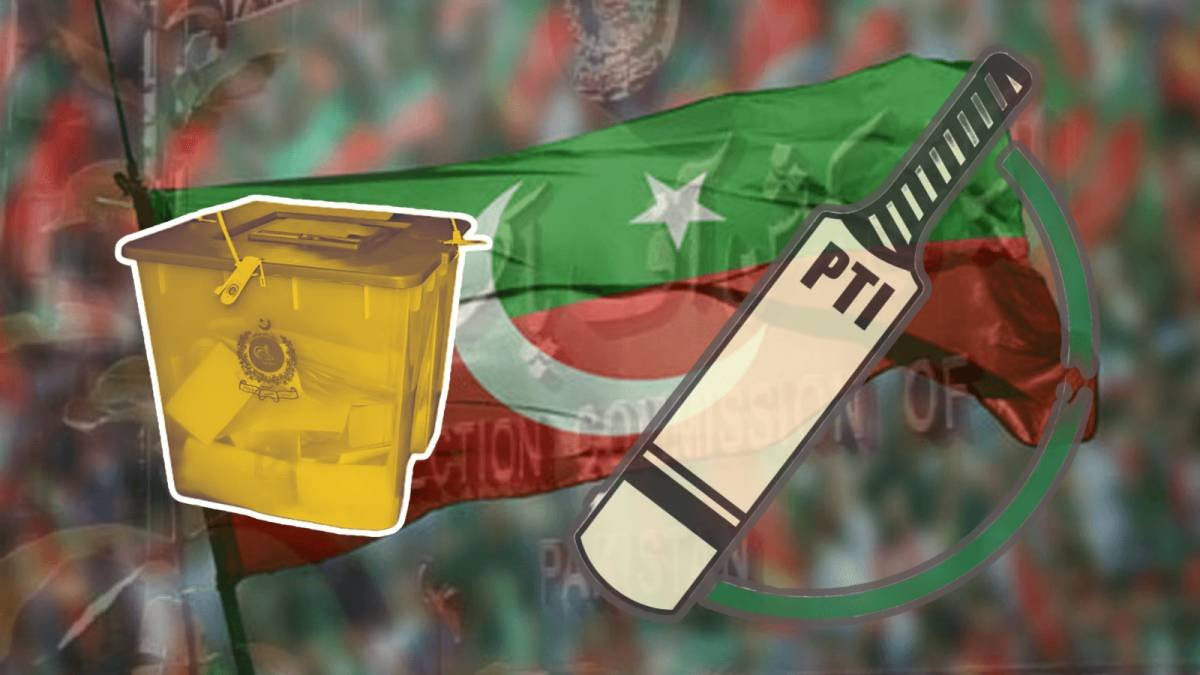
    The Peshawar High Court (PHC) has restored Pakistan Tehreek-e-Insaf’s (PTI) election symbol ‘bat’ after hearing PTI’s petition against the Election Commission of Pakistan’s decision revoking the party’s election symbol and declaring its intra-party polls “unconstitutional”.

    A two-member bench of the PHC was hearing PTI’s writ petition challenging the Election Commission of Pakistan’s (ECP) decision declaring the intra-party election as null and void and revoking their symbol of a cricket bat, a sign that depicts the party’s founder, Imran Khan’s career in the sport.

    In its verdict, the court termed the ECP’s decision “incorrect”.

    A two-member PHC bench comprising Justice Ijaz Anwar and Justice Arshad Ali announced the verdict today. 

    A day earlier, the court heard the arguments by the counsels of Election Commission of Pakistan (ECP) and the PTI.

    Earlier today, Chairman of the Pakistan Tehreek-e-Insaf (PTI), Barrister Gohar Khan, said that the party is withdrawing its plea seeking the ‘bat’ symbol from the Supreme Court (SC), adding that the party is hopeful that Peshawar High Court (PHC) will give a favourable decision in the matter.

    “Today, our petition was fixed at the Supreme Court, but we have withdrawn it,” he said while talking to media outside the apex court, adding that the decision from PHC will be issued in the party’s favour.

    Earlier, the PHC had accepted ECP’s review petition and restored the electoral authority’s ruling on intra-party polls and election symbol of the PTI.

  • No more NAB cases against Sharif Family

    No more NAB cases against Sharif Family

    National Accountability Bureau’s (NAB) Executive Board, chaired by the NAB Chairman, approved the closing of an investigation into the Sharif Trust case involving Sharif’s family including Pakistan Muslim League Nawaz (PML-N) supremo Nawaz Sharif.

    The meeting convened on January 1 to approve the closure of corruption cases, including those against PML-N leader Nawaz Sharif and his family.

    The meeting approved shutting down six corruption cases, notably a 24-year-old case against Nawaz Sharif and his family in the Sharif Trust case. This decision brings relief to the former premier and his family members.

    Among the closed cases was an inquiry into Islamabad Inspector General Akbar Nasir in the Safe City corruption case. Additionally, the board decided to conclude the investigation into the Park Enclave Housing Society, involving officers of the Capital Development Authority (CDA). Another inquiry against federal officers for alleged preferential recruitment was also approved for closure.

    Furthermore, the NAB board approved to close an inquiry against Shahid Malik and Shahbaz Yasin Malik, the CEO of Hilton Pharma.

    The investigation into the Sharif family regarding the Sharif Trust Case was initiated on March 31, 2000, based on allegations of receiving funds through illicit means, lack of audits, misappropriation of funds, and benami property acquisition by the Sharif family in the name of the Trust.

    The Panama Papers Joint Investigation Team (JIT) report, submitted to the Supreme Court, had criticized NAB for delays in the investigation and urged prioritization.

    Under the recently amended National Accountability Act 2002 by the previous PDM government, the NAB has concluded the Sharif Trust investigation under Section 31-B.

    This decision by the NAB’s Executive Board marks a significant development in the ongoing legal proceedings against the Sharif family, as they receive a respite from multiple longstanding corruption cases.

  • Accountability court freezes bank accounts of Malik Riaz, PTI leaders in £190 million case

    Accountability court freezes bank accounts of Malik Riaz, PTI leaders in £190 million case

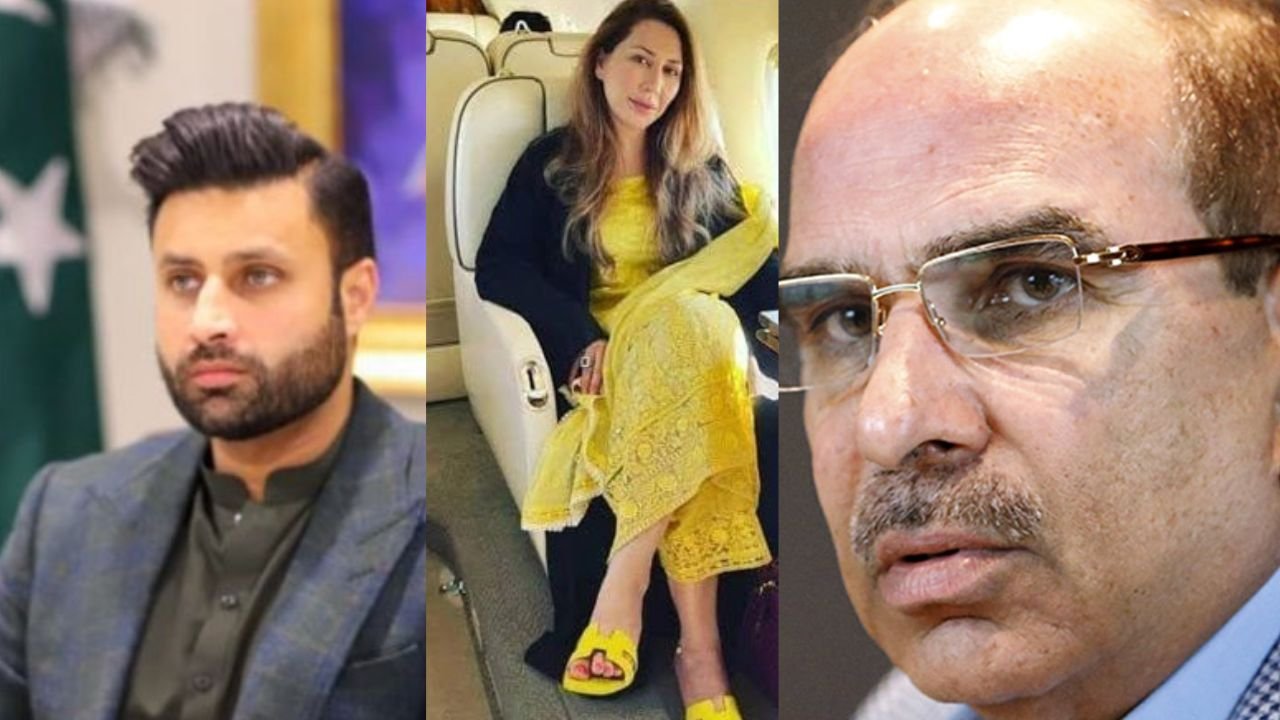
    An accountability court in Islamabad ordered on Tuesday that the bank accounts of property tycoon Malik Riaz and Pakistan Tehreek-e-Insaf (PTI) leaders, including Shahzad Akbar, Zulfi Bukhari, and Farah Gogi, be frozen in relation to the £190 million case.

    The Accountability Court has ordered to freeze the assets and bank accounts of six suspects in the said case.

    The accountability court has also ordered the seizure of vehicles registered in the name of the suspects , while also issuing permanent arrest warrants after declaring them absconders.

    On December 1, 2023, the National Accountability Bureau (NAB) filed a reference against PTI founder Imran Khan, his wife Bushra Bibi, and others in the case of £190 million National Crime Agency (NCA), the UK.

    The reference from NAB, Rawalpindi, alleges that the accused individuals, in collaboration with each other, have engaged in acts of corruption and corrupt practices, as outlined and punishable under the National Accountability Ordinance (NAO) of 1999.

  • Rawalpindi police arrest Imran Khan in GHQ attack case

    Rawalpindi police arrest Imran Khan in GHQ attack case

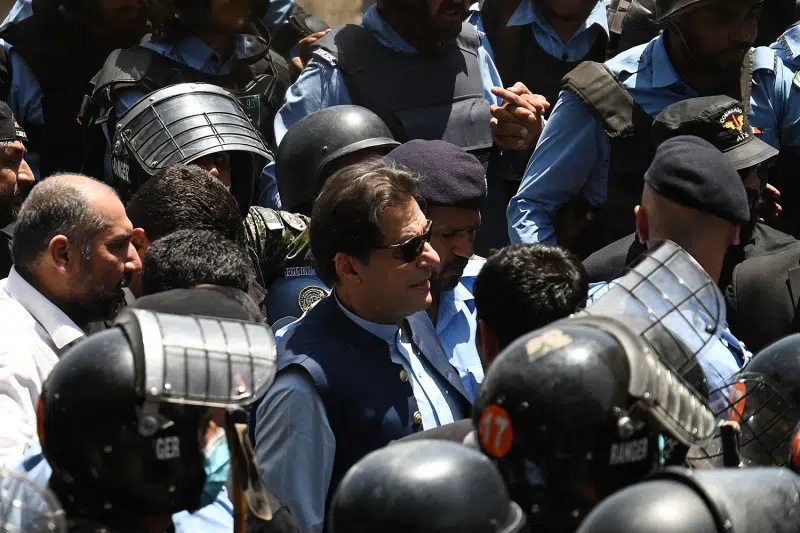
    Pakistan Tehreek-e-Insaf (PTI) founder and former prime minister Imran Khan was arrested on Tuesday in connection with the GHQ attack case pertaining to May 9 riots.

    The former prime minister was summoned by an Anti-Terrorism Court (ATC) in Rawalpindi on Tuesday in connection with the GHQ attack case. Khan is already behind bars in cipher and graft cases.

    However, Imran Khan attended the hearing via video link, as he could not be produced in court by Adiala jail police.

    During the hearing, police officials asked for the custody in May 9 cases, but ATC Judge Malik Aijaz Asif declined the request.

    The ATC judge instructed the police to investigate the PTI founder in Adila jail.

    The development occurred days after the arrest of PTI’s senior leader Shah Mahmood Qureshi in the May 9 case after getting bail in cipher case from the Supreme Court (SC).

    Earlier, a local court in Rawalpindi approved Shah Mahmood Qureshi’s 14-day remand in connection with May 9 cases and sent him to Adiala jail.

  • Former Chief Minister Punjab Usman Buzdar Finally Speaks Up

    Former Chief Minister Punjab Usman Buzdar Finally Speaks Up

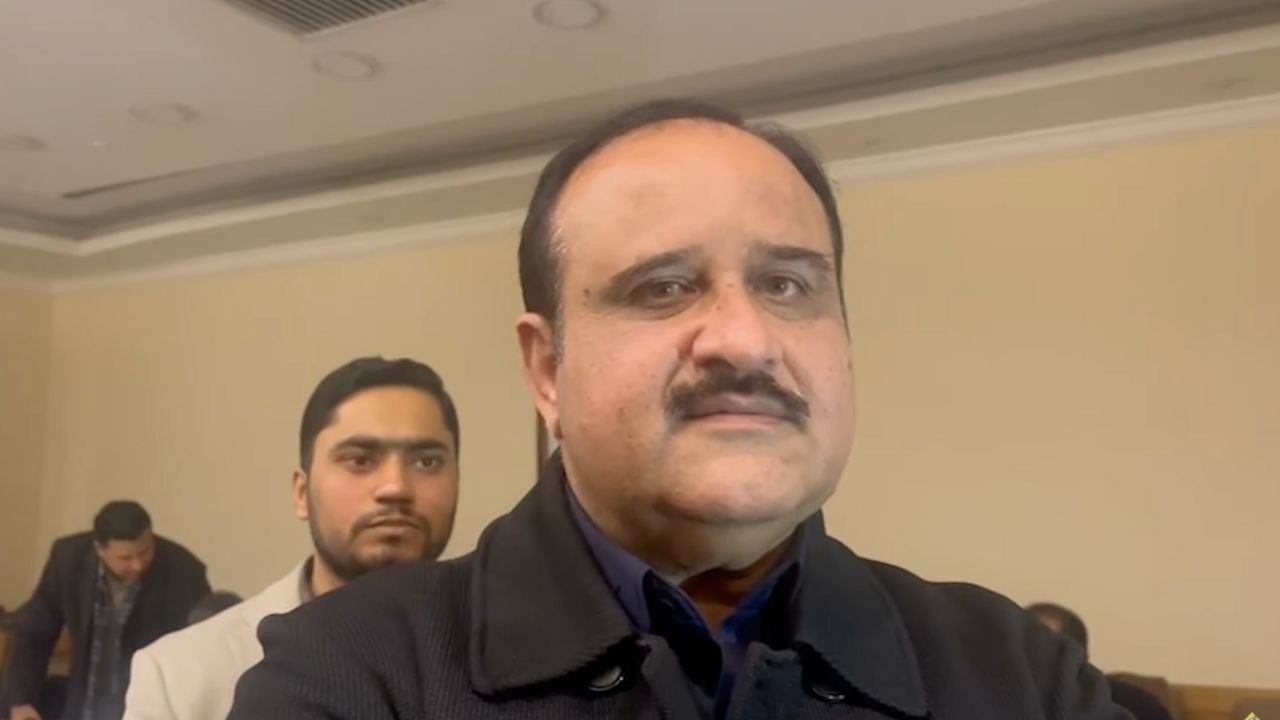
    Former Chief Minister Punjab and Imran Khan’s ‘Wasim Akram Plus’ has finally broken his silence after leaving Pakistan Tehreek e Insaf (PTI).

    In a recent media interview on Monday, the mild-mannered Buzdar emphasized the need for all political parties to come together for the betterment and stability of the country.

    When asked why he isn’t targeted as other PTI members are, Buzdar stated, “For the past two years, I have been dealing with legal matters in courts. I hope that challenging times will soon come to an end, issues will be resolved, and Pakistan will move forward towards progress and development.”

    He also said that he has never talked ill about anyone and never will.

    When asked about his stance on PTI, Buzdar refrained from commenting, stating that everything is in the hands of the people, and the public is the ultimate judge.

    He advised PTI to sit together with others and talk for the progress of country.

    Responding to questions about his competence, Buzdar expressed confidence that the people of the province can vouch for his sincerity and dedicated service to the region. He added, “People are the best judges, and they will vote for whoever they believe is better suited for the job.”

    Buzdar stressed the importance of political parties setting aside differences and working collaboratively for the greater good of the country.

    He emphasized the need for unity and collaboration to contribute to the improvement of Pakistan.

    He sent well wishes to his former party and disclosed that he has joined hands with the head of the Muslim League Zia, Iijaz-ul-Haq.

    A joint press conference was held where Iijaz-ul-Haq said, “I believe that elections will take place on February 8. Usman Buzdar, Yar Muhammad Rind, Amin Aslam, and 25 others are with us. We have support from various regions, including Peshawar, Sialkot, Khanewal, Sargodha, and Rajanpur. We are in contact with more parties, and they will soon be invited to join. We are forming an alliance in the name of National Unity to eliminate polarization.”

  • Senate approves resolution asking for delay in elections

    Senate approves resolution asking for delay in elections

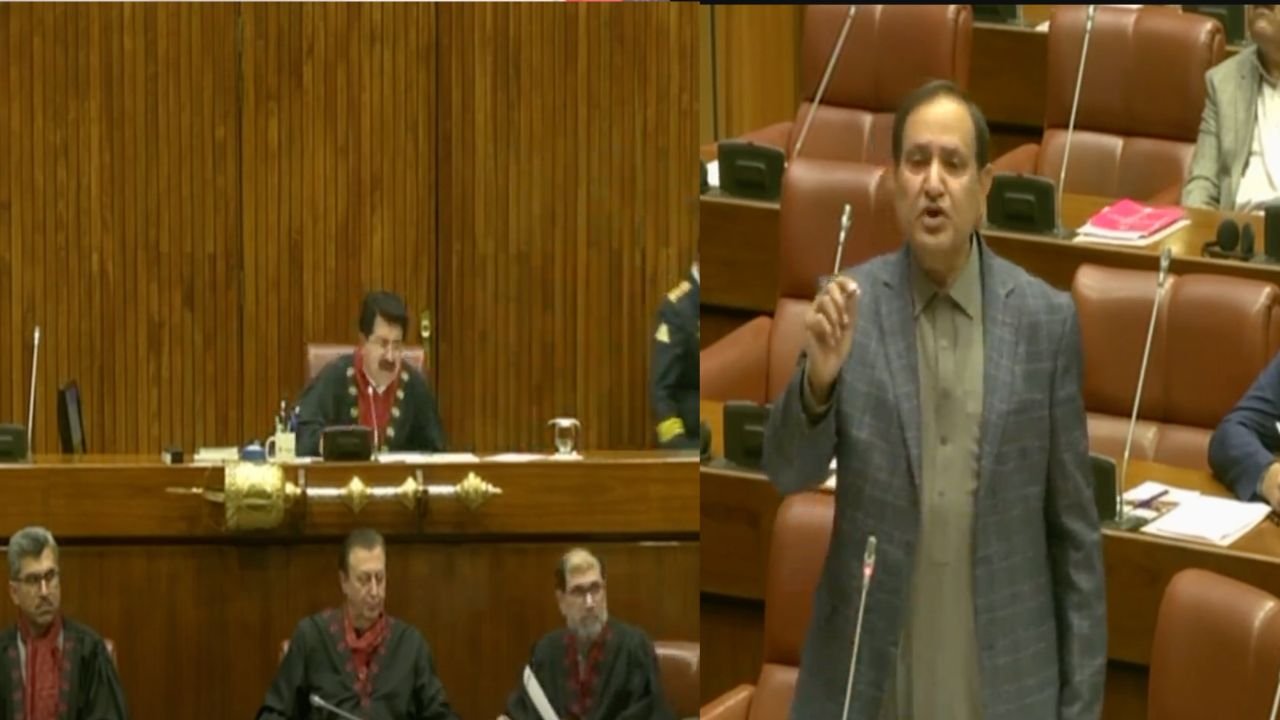
    The Pakistani Senate has approved a resolution to postpone the general elections scheduled for February 8 in the country.

    Senator Dilawar Khan tabled the resolution in the sparsely attended Upper House which garnered required support despite opposition from Information Minister Murtaza Solangi and Senator Afnan Ullah Khan of the Muslim League (N).

    13 out of 14 senators present in the House voted in favor of the resolution.

    As Senator Dilawar read the resolution out loud, he said that the Constitution upheld the right to vote for every citizen of Pakistan, and the Election Commission of Pakistan (ECP) was bound to conduct free and fair polls contingent upon inclusivity and ensuring the participation of all regional people.

    “The vote turnout in colder areas remains notably high during the moderate weather conditions. January and February are recognised as the coldest months in the majority of the areas in Balochistan and Khyber Pakhtunkhwa,” he said.

    Senator Dilawar Khan cited severe cold weather prevalent in many regions, making participation in those areas challenging.

    He also highlighted recent security incidents, including attacks on Mohsin Dawar and members of Jamiat Ulama-e-Islam Fazl (JUI-F), as well as security forces in Balochistan and Khyber Pakhtunkhwa.

    Aimal Wali of the ANP also expressed reservations over the elections.

    During the debate, Senator Dilawar Khan emphasized the existence of threats against individuals during election rallies, underscoring the need to address these security challenges before proceeding with the elections.

    He proposed delaying the February 8 election schedule and called for the Election Commission to act, expressing trust in the Senate Election Commission.

    Senator Afnan Ullah Khan of the Muslim League (N) opposed the resolution, seeking to validate Senator Dilawar Khan’s concerns.

    He acknowledged security challenges but argued that conditions were not as dire as in 2008 and 2013 when elections proceeded under more adverse circumstances.

    Afnan Ullah questioned the rationale behind using security as a pretext for postponing the elections, expressing skepticism about the proposed delay, questioning whether Great Britain and the United States postponed elections during major conflicts.

    He asserted that using weather conditions as a reason for election delay was unfounded, pointing out that elections had been held twice in adverse circumstances before.

    Information Minister Murtaza Solangi also voiced his opposition to the resolution. However, despite these objections, the Senate moved forward, approving the resolution to postpone the general elections slated for February 8.

    The controversy surrounding the decision continues, with differing opinions on the validity of the reasons presented for delaying the electoral process.

  • ‘I will impose Article 6 on you after coming to power’, Imran Khan’s threat to ECP

    ‘I will impose Article 6 on you after coming to power’, Imran Khan’s threat to ECP

    The inside story of Pakistan Tehreek-e-Insaf (PTI) founder Imran Khan’s trial in Adiala Jail, in the case of insulting the Election Commission (ECP), and Chief Election Commissioner, has come to light.⁠

    According to the sources who talked to GEO News, PTI founder Imran Khan became very angry during the indictment. Sources claimed that the former prime minister made a serious threat to members of the ECP during the hearing.

    Threatening the four members of ECP, Khan said, “I know your faces and names. I will impose Article 6 on you when I’ll come into power.”

    A hearing of the case against the PTI founder and former PTI leader Fawad Chaudhry proceeded on Thursday in Rawalpindi’s Adiala Jail. According to the charge sheet, Imran Khan and Fawad Chaudhry launched a planned derogatory campaign against the Election Commission in 2022.

  • Imran Khan casts doubt on election legitimacy in an article written from jail

    Imran Khan casts doubt on election legitimacy in an article written from jail

    In a recent article for The Economist, Imran Khan, the founder and former chairman of Pakistan Tehreek-e-Insaf (PTI), currently incarcerated, has expressed apprehensions about the legitimacy of the upcoming elections in Pakistan.

    Khan argues that the caretaker governments in place at both the federal and provincial levels are constitutionally illegal due to their failure to hold elections within 90 days of dissolving parliamentary assemblies.

    While the public is anticipating elections on February 8, Khan, who has faced various challenges since a vote of no confidence in April 2022, raises skepticism about the electoral process.

    He points to the election commission’s actions, which he claims include defying the Supreme Court, rejecting PTI nominations, hindering internal party elections, and initiating contempt cases against PTI leaders for criticizing the commission.

    “The country’s election commission has been tainted by its bizarre actions. Not only has it defied the top court but it has also rejected my Pakistan Tehreek-e-Insaf (PTI) party’s nominations for first-choice candidates, hindered the party’s internal elections and launched contempt cases against me and other PTI leaders for simply criticising the commission,” he wrote.

    Khan contends that since his government’s removal, orchestrated by what he terms as “the establishment”—comprising the army, security agencies, and civil bureaucracy—the playing field for PTI has been anything but level. He alleges external interference, specifically from the United States, citing a State Department message urging his removal from the prime minister’s seat.

    Despite subsequent protests and electoral victories in by-elections, Khan argues that the administration that replaced his government led to economic downturns, inflation, and currency devaluation within 18 months. He emphasizes the contrast between PTI’s governance, which garnered international praise, and the subsequent administration’s economic performance.

    Khan claims that various measures have been taken to sideline him politically, including assassination attempts, abductions of party members, and legal harassment. Despite facing nearly 200 legal cases and being denied a normal trial, Khan states that PTI remains popular, with a 66 per cent approval rating, according to a recent poll.

    The former prime minister also raises concerns about the return of Nawaz Sharif, a convicted former prime minister, speculating that Sharif may have struck a deal with the establishment for support in the upcoming elections.

    Khan, who remains incarcerated on charges including treason, expresses doubt about the fairness of the electoral process, claiming that PTI is being denied its basic right to campaign.

    He concludes by advocating for fair and free elections, “The only viable way forward for Pakistan is fair and free elections, which would bring back political stability and rule of law, as well as ushering in desperately needed reforms by a democratic government with a popular mandate. There is no other way for Pakistan to disentangle itself from the crises confronting it. Unfortunately, with democracy under siege, we are heading in the opposite direction on all these fronts.”

    The Economist added an Editor’s Note stating, “The Pakistani government and the U.S. State Department deny Khan’s allegations of American interference, and Khan faces charges under the Official Secrets Act.”