Tag: industry

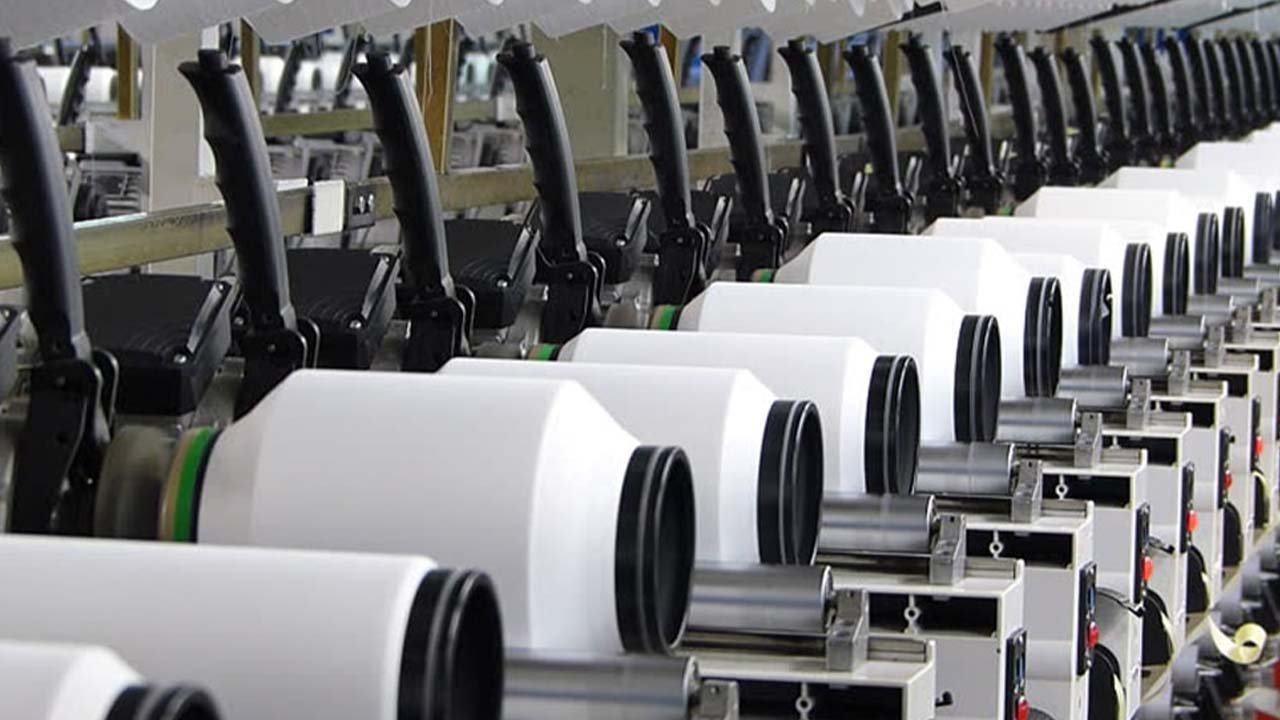
  • Alarming decline in Pakistan’s manufacturing sector, latest data reveals

    Alarming decline in Pakistan’s manufacturing sector, latest data reveals

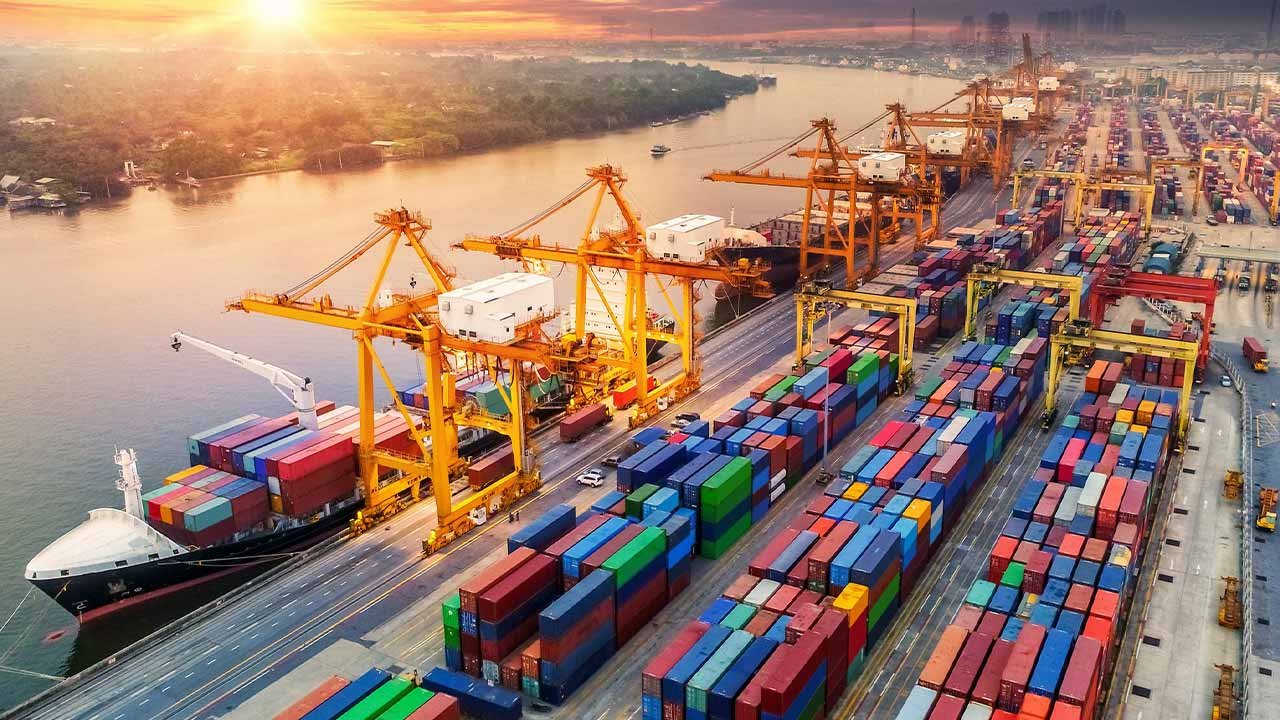
    The manufacturing industry in Pakistan, which is responsible for about 20 per cent of the country’s economic growth, has experienced its eighth consecutive month of decline. This is a major cause for concern as it could have negative impacts on the overall economy.

    In February, the rate of decline was particularly severe, with a contraction of 11.59 per cent compared to the same period in the previous year, according to data from the Pakistan Bureau of Statistics.

    This decline will impact Pakistan’s overall economic growth, with the gross domestic product (GDP) also expected to suffer a significant blow this fiscal year.

    The negative growth of the sector is due to both domestic and global factors, including high energy costs, rupee devaluation, and the government’s tightening of monetary and fiscal policies. Industrial output fell by 5.56 per cent in the first eight months (July-February) of the ongoing fiscal year, compared to the same period last year.

    The global economic slowdown has further worsened the situation, with many businesses scaling back operations or reducing operating hours, while others have shut down their plants. The LSM sector has witnessed a decline in production from August 2022 to February 2023.

    All major and small sectors’ output contracted in February, including textile, food, coke and petroleum products, chemicals, automobile, pharmaceuticals, cement, fertilisers, iron and steel, furniture, leather products, electrical equipment, and non-metallic mineral products.

    To combat soaring inflation, the State Bank of Pakistan (SBP) also raised the discount rate to 21 per cent, hindering industrial activities by making bank financing more expensive.
  • Gas shortage worsens in Pakistan amid rising demand and low reserves

    Gas shortage worsens in Pakistan amid rising demand and low reserves

    Minister of State for Petroleum, Musadik Malik, stated on Wednesday that the general public cannot receive gas 24/7 due to a decline in the commodity’s reserves, which is a significant reason. Pakistan relies heavily on natural gas for energy, and with increasing demand and insufficient supply, load shedding has become a daily occurrence in many areas of the country. This situation worsens during Ramadan when Pakistanis consume more gas for cooking and other purposes, particularly during sehri and iftar timings.

    During a conversation with journalists in Karachi, the minister mentioned that gas load shedding would end during sehar and iftar but did not specify when. “We cannot provide gas for 24 hours as our reserves have decreased,” he stated. Recently, the issue of gas scarcity in Karachi has caught the attention of Prime Minister Shehbaz Sharif, who has directed relevant officials to ensure an uninterrupted supply of the commodity. He has instructed that the supply of gas must be monitored, and no negligence should be tolerated.

    Due to the widening gap between gas supply and demand, the Sui Southern Gas Company (SSGC) has announced its decision to suspend supplies to captive power plants and industries. The gas utility has stated that this decision has been made due to low gas supply, and the volume of gas in pipelines has decreased. In response, the Karachi Chamber of Commerce and Industry (KCCI) has called for immediate government action to address the shortage of gas supply to Karachi’s industries, stating that the industries cannot operate without gas and would be forced to halt production.

    KCCI President Muhammad Tariq Yousuf said, “It is highly unfair to have such an attitude towards Karachi’s business community, which, despite facing so many challenges, contributes around 54 per cent in terms of exports and more than 68 per cent in terms of revenue.”

    While talking to journalists, Malik said that his visit to Karachi was aimed at resolving the gas supply issues faced by the people and urged them to pay their utility bills. “The gas bill of the rich and poor has been separated; rich people will have to pay more now,” he said, adding that the separation of gas bills for the rich and the poor was now in effect.

  • Pakistan’s forex reserves increase by 9%, cross $3 billion mark

    Pakistan’s forex reserves increase by 9%, cross $3 billion mark

    After declining for three weeks in a row and losing a cumulative $1,685 million during that period, the foreign exchange reserves held by the State Bank of Pakistan (SBP) have rebounded, according to a statement from the central bank.

    As of February 10, SBP’s foreign currency reserves totaled $3,192.9 million, which is up $276 million from the previous week. This increase represents a gain of over 9 per cent and has broken the streak of declining reserves.

    However, even with this increase, the amount is still only enough to cover one month of imports. Meanwhile, the net forex reserves held by commercial banks are $5,509.3 million, which is $2,316.4 billion more than SBP, bringing the total liquid foreign reserves of the country to $8,702.2 million. The statement did not provide a specific reason for the increase in SBP-held reserves.

    Pakistan’s economy is in dire straits due to a balance-of-payments crisis, political chaos, and deteriorating security. The government has banned all but essential food and medicine imports until it receives a crucial loan tranche from the International Monetary Fund (IMF), which could unlock other sources of funding for the country.

    Inflation has risen sharply, the rupee has declined, and the country is struggling to afford imports, which has caused a severe decline in its industry. Pakistan is no longer issuing letters of credit, except for essential food and medicine, since January, which has led to a backlog of raw material imports that the country can no longer afford.

    According to Geo, the rupee devaluation and the logjam have resulted in a significant decline in manufacturing, including textiles and steel, and building projects.

    While the IMF cash injection alone will not be enough to rescue Pakistan, the government hopes that it will boost confidence and pave the way for other friendly countries like Saudi Arabia, China, and the UAE to offer additional loans.

  • PM Shehbaz directs to eliminate taxes on raw materials used by export industries

    PM Shehbaz directs to eliminate taxes on raw materials used by export industries

    Prime Minister (PM) Shehbaz Sharif, urged authorities to abolish all taxes on raw materials used in the export industry and to set up task teams to attract investment in a variety of local industries.

    The new government has been attempting to put in place a long-term plan to resuscitate Pakistan’s struggling economy, with the premier reaffirming his plea for increased exports to alleviate the country’s growing cash constraint yesterday.

    The premier met with a team from the American Business Council, which included officials from the pharmaceuticals, food processing, IT, e-commerce, retail, textile, sports, and logistics sectors, according to APP.

    Federal ministers Syed Naveed Qamar, Makhdoom Murtaza Mahmood, and Marriyum Aurangzeb were also present at the meeting.

    Task groups were constituted by the prime minister to solicit investments in a variety of areas. Tourism, pharmaceuticals, information technology, e-commerce, large-scale manufacturing, and agriculture will all have task teams constituted.

    He reminded the team that the government was working hard to guarantee that high-quality agricultural products were produced for export. The government was pushing for policy consistency for the first time, he said, because “subjects of the national economy and public welfare are above politics”.

    Shehbaz Sharif also asked the secretary of trade and the secretary of the Board of Investment to guarantee that the investors’ concerns were addressed immediately, and he requested a compliance report within a week.

    Business representatives, on the other hand, told state media that government initiatives had helped them regain investor confidence, and that the pre-budget dialogue with stakeholders was a “positive step”.

    PM Shehbaz has called all stakeholders to get together on Tuesday, ahead of the budget declaration on June 10, to finalise a long-term plan to rebuild the ailing economy. Top businessmen, agriculturists, and economists attended the day-long pre-budget meeting, where they offered advice on how to lift the country out of its unparalleled economic crisis.

    During the meeting, the premier pledged that their suggestions would be taken into consideration and that separate plans for agricultural, industrial, and financial expansion would be developed.

    PM Shehbaz also stated that political stability cannot be attained without economic stability and that it was past time for the elite class to make sacrifices and for non-productive assets such as real estate to be taxed. He advised businesses to invest in renewable power rather than relying on the country’s vast coal reserves for power generation.

    The prime minister also emphasised the importance of reducing imports while increasing exports, assuring attendees of the government’s full support in expanding local business and eradicating any barriers.

  • Pakistan’s textile exports surge by 30 per cent

    Pakistan’s textile exports surge by 30 per cent

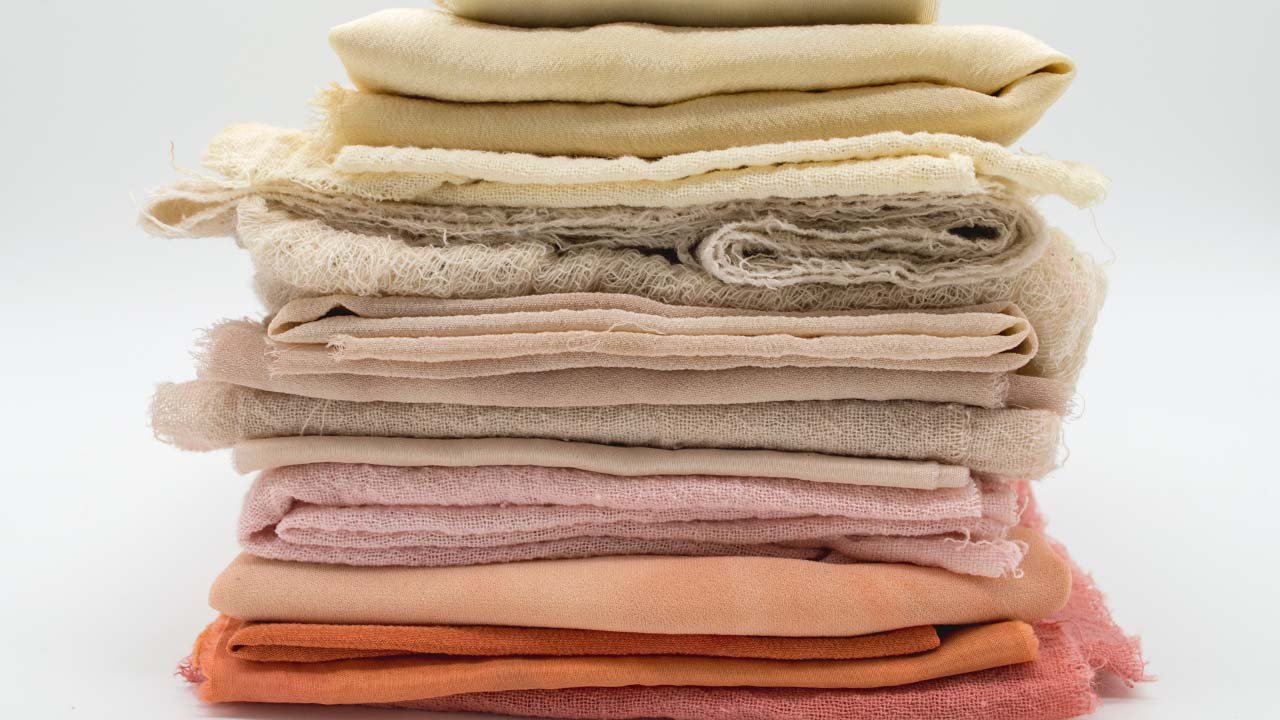
    Pakistan Bureau of Statistics (PBS) reported that Pakistan’s textile group exports in July-April 2021-2022 reached a new high of $15.981 billion, up from $12.688 billion in the same period last year, a 25.96 per cent rise.

    Exports of the textile group climbed by 7.01 per cent month over month to $1.739 billion in April 2022, compared to $1.625 billion in March 2022. Textile group exports increased by 30.50 per cent year over year in April 2022, compared to $1.332 billion in April 2021.

    Cotton yarn exports increased by 22.11 per cent from July to April 2021-22 to $1.006 billion, compared to $823.952 million in the same period the previous year, and declined by 4.95 per cent in April 2022 to $97.655 million, compared to $102.736 million in the same month the previous year.

    The country’s overall exports from July to April 2021-22 were $26.247 billion, up from $20.905 billion in the same time last year, a 25.55 per cent rise. Pakistan’s exports in the last month (April 2022) were $2.897 billion, up 4.32 per cent from $2.777 billion in March 2022 and up 30.61 per cent from $2.218 billion in April 2021.

    Major export goods

    Knitwear: Rs90,096 million

    Readymade garments: Rs64,669 million

    Bed wear: Rs51,398 million

    Cotton cloth: Rs38,763 million

    Towels: Rs19,974 million

    Cotton yarn: Rs18,016 million

    Made-up articles: Rs15,277 million (excluding towels and bedwear)

  • Pakistan’s cotton fabric trade climbed by 28.23 per cent

    Pakistan’s cotton fabric trade climbed by 28.23 per cent

    In the first eight months of the fiscal year 2021-22, Pakistan’s textile and garment exports grew to $1.65 billion. The Pakistan Bureau of Statistics (PBS) estimates that the textile and apparel sector brought in $12.607 billion this time, compared to $ 9.999 billion in exports from July to February 2020-21.

    Knitwear exports surged by 33.86 per cent to $3.302 billion on a year-over-year (YoY) basis, while non-knit readymade clothes trade increased by 25.11 per cent to $2.516 billion. Additionally, cotton yarn exports increased by 34.40 per cent to $815.375 million, up from $606.690 million the previous year.

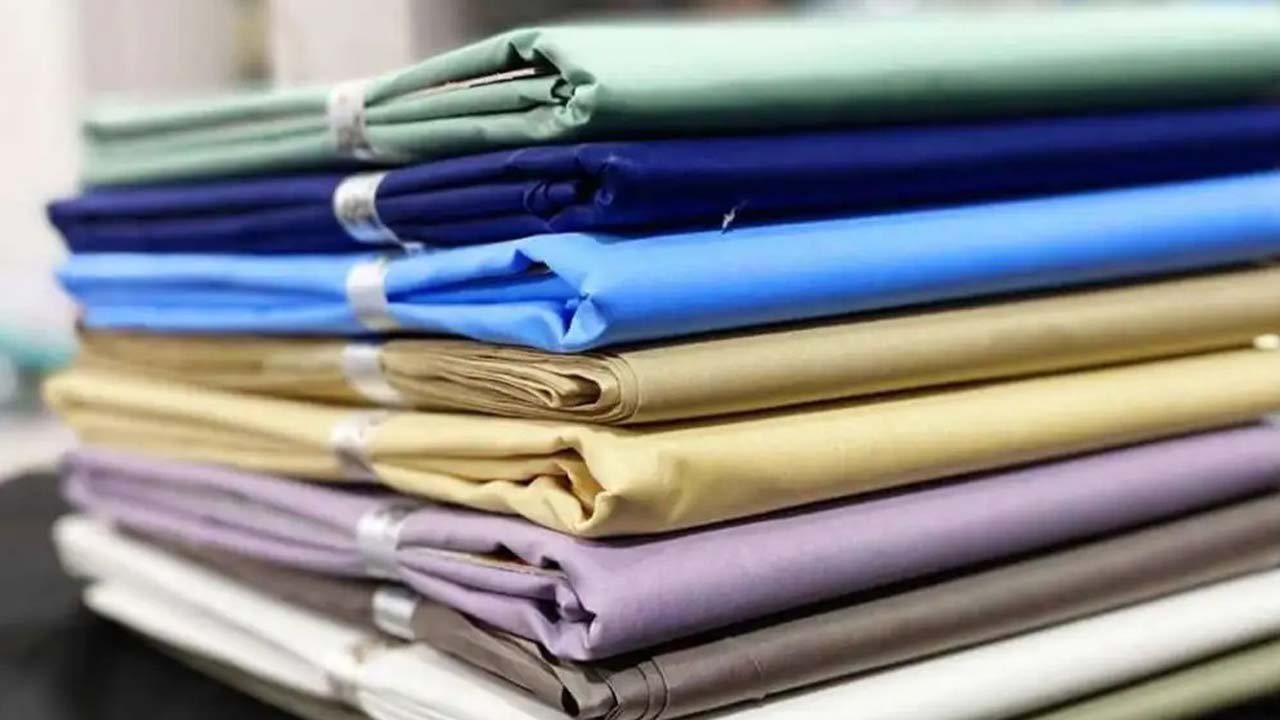
    Cotton fabric trade climbed by 28.23 per cent in 2022, reaching $1.584 billion in value. Also, over the eight months of 2021-22, the distribution of bed clothing jumped by 20.34 per cent.

    The industry has engaged in synthetic fiber imports, which increased by 31.65 per cent from July to February 2021-22, and the cost of artificial silk yarn soared by $ 569.256 million.

    Consequently, the value of textile machinery in Pakistan has climbed dramatically over the last eight months, reaching $577.249 million.

    Read more: SBP determined to curb inflation, improve foreign exchange reserves

    For those unaware, Pakistan’s textile sector has the capacity to generate $30 billion in annual revenue. The country’s leaders and economic experts should assess the existing economic situation and devise an effective economic strategy to boost textile exports.

    To summarise, the industry has tremendous potential and can significantly contribute to the country’s economic success by providing job opportunities. Which could help the country’s GDP and GNP grow even more.

  • PM says Manchester will envy Faisalabad’s progress one day

    PM says Manchester will envy Faisalabad’s progress one day

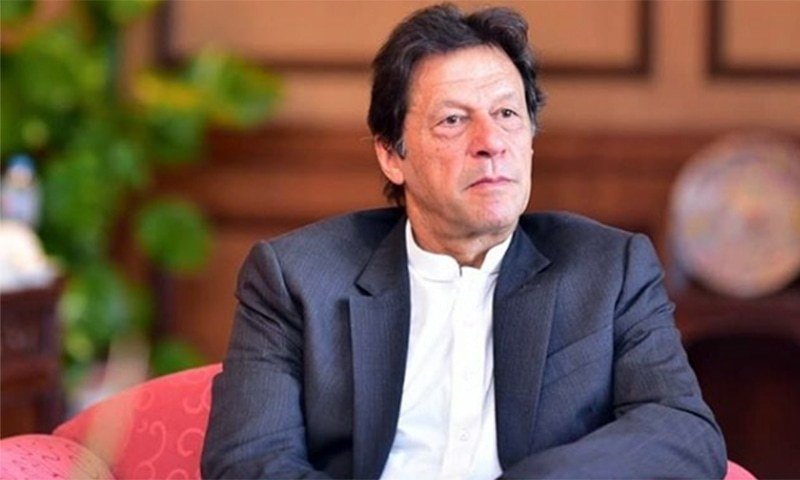
    As he announced a programme to facilitate industrialisation in Faisalabad, Prime Minister Imran Khan said he hoped one day Manchester would say that Faisalabad has overtaken it in terms of industrial progress.

    Addressing a ceremony attended by the businessmen on Wednesday, the PM said: “If Faisalabad, once known as Pakistan’s Manchester, had kept up its current pace of industrial development, it would have left even Manchester behind.”

    According to the prime minister, it said it was the government’s job to facilitate industrialisation and the business community.

    “We are now working on how we can aid the business community and investors so that jobs are created. So this cycle can only continue when we [remove] hurdles for the industrial class,” he added.

    The PM said in the ’60s Pakistan was used as an example for the developing world, adding that several countries, such as Malaysia and South Korea, borrowed its first five-year programme. “People now go to Dubai for their vacations but the sheikhs used to come here.”

    The PM also commented on the local government system, saying successful cities around the world function “like countries”. He said that the modern cities were self-sufficient, unlike Faisalabad that depended on the provincial government for funds to fix roads, build hospitals.