Tag: inflation data

  • Pakistan’s weekly inflation dips slightly amid lower fuel and onion prices

    Pakistan’s weekly inflation dips slightly amid lower fuel and onion prices

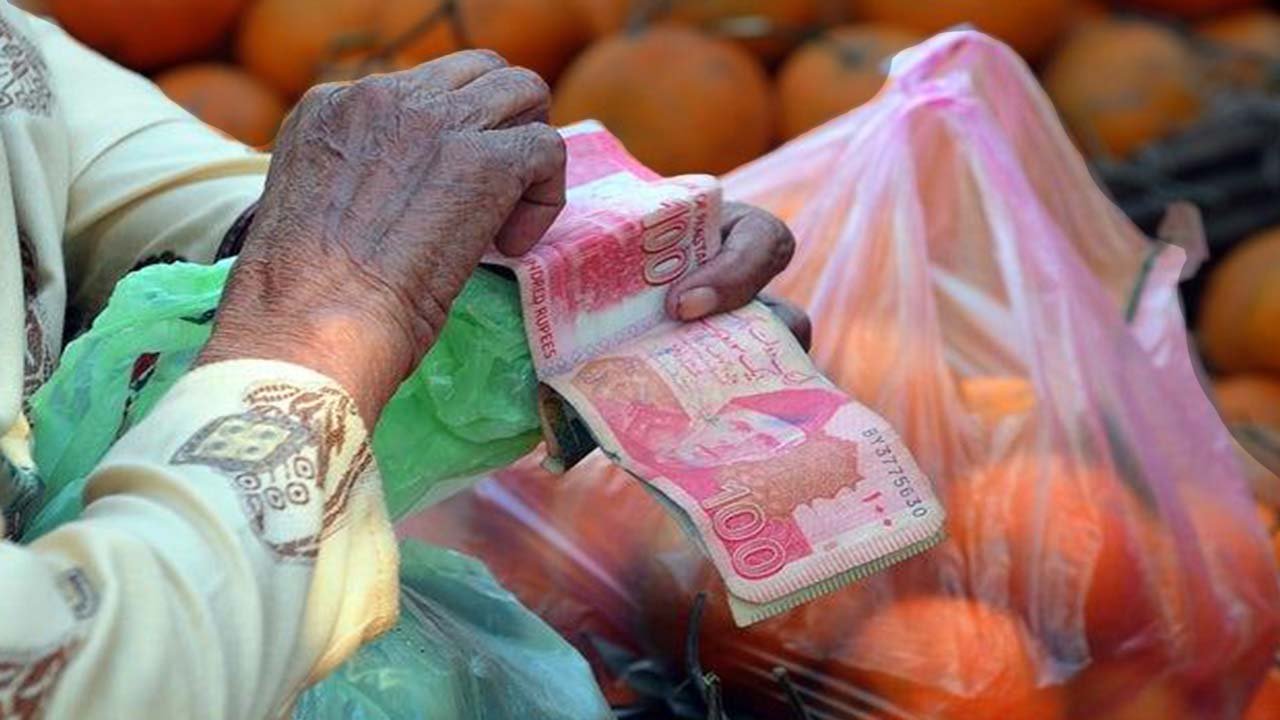
    Pakistan’s weekly inflation, as measured by the Sensitive Price Indicator (SPI), registered a slight decline of 0.16 per cent for the combined consumption groups during the week ending on August 15, according to the Pakistan Bureau of Statistics (PBS).

    The SPI for the period under review stood at 322.03 points, down from 322.54 points the previous week. However, compared to the corresponding week last year, the SPI for the combined consumption group saw a significant increase of 16.86 per cent.

    The SPI, with the base year set at 2015-16, covers 17 urban centres and tracks 51 essential items across all expenditure groups.

    For the lowest consumption group, with a monthly expenditure of up to Rs17,732, the SPI witnessed a marginal increase of 0.07 per cent, rising to 311.04 points from 310.83 points in the previous week.

    Similarly, the SPI for the Rs 17,732-22,888 consumption group saw a minimal rise of 0.01 per cent. In contrast, for consumption groups with expenditures ranging from Rs22,889-29,517, Rs29,518-44,175, and above Rs44,175, the SPI declined by 0.05 per cent, 0.10 per cent, and 0.25 per cent, respectively.

    Out of the 51 items monitored during the week, the prices of 19 items (37.25 per cent) increased, 13 items (25.50 per cent) decreased, while the remaining 19 items (37.25 per cent) remained stable.

    The key items that saw a decrease in average prices on a week-on-week basis included onions (4.91 per cent), petrol (3.15 per cent), diesel (2.44 per cent), wheat flour (1.83 per cent), pulse moong (1.81 per cent), chicken (1.57 per cent), bananas (1.36 per cent), LPG (0.90 per cent), sugar (0.59 per cent), potatoes (0.58 per cent), and pulse masoor (0.56 per cent).

    Conversely, items that recorded an increase in their average prices included tomatoes (34.77 per cent), eggs (4.78 per cent), garlic (1.99 per cent), beef (0.88 per cent), cooked beef (0.41 per cent), georgette (0.40 per cent), gur (0.39 per cent), curd (0.32 per cent), and mustard oil (0.28 per cent).

  • Pakistanis catch a break as weekly inflation hits 18-week low

    Pakistanis catch a break as weekly inflation hits 18-week low

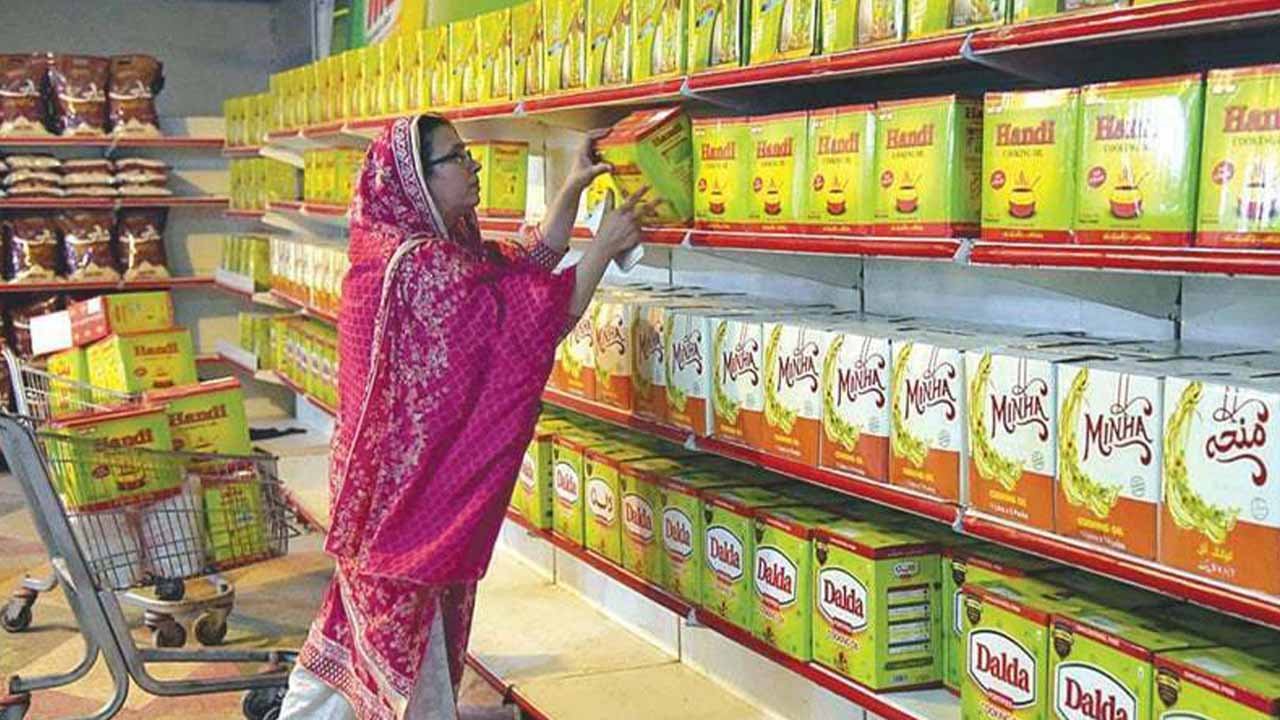
    Short-term inflation in Pakistan dipped to 29.06 per cent year-on-year by the week ending March 21, stepping down from its prolonged stint above 30 per cent for the past 18 weeks, as per recent official data.

    The pullback in weekly inflation, tracked by the Sensitive Price Index (SPI), was primarily attributed to a drop in the prices of key staples like tomatoes, onions, and potatoes. The SPI noted a 1.13 per cent week-on-week decrease as of March 21, down from 32.89 per cent recorded in the previous week.

    This follows an unbroken 11-week stretch of inflation topping 40 per cent, starting from 29 per cent noted on November 8, 2023. The surge was largely fueled by upticks in gas prices, electricity tariffs, and essential kitchen item costs.

    Weekly inflation peaked at a record 48.35 per cent year-on-year in early May 2023, before cooling off to as low as 24.4 per cent in late August 2023, only to surge past 40 per cent again by the week ending November 16, 2023.

    Among the notable declines in prices on a week-on-week basis were tomatoes (36.73 per cent), onions (19.58 per cent), potatoes (4.02 per cent), garlic (2.87 per cent), pulse mash (1.25 per cent), wheat flour (1.02 per cent), sugar (0.95 per cent), pulse masoor (0.86 per cent), and diesel (0.60 per cent).

    Conversely, significant increases were seen in the prices of LPG (1.49 per cent), shirting (0.74 per cent), beef (0.53 per cent), rice basmati broken (0.48 per cent), mutton (0.42 per cent), mustard oil (0.40 per cent), rice irri 6/9 (0.25 per cent), powdered milk (0.14 per cent), and georgette (0.03 per cent) compared to the previous week.

    On an annual basis, notable price hikes were observed in gas charges for Q1 (570 per cent), chilli powder (86.05 per cent), gents sponge chappal (58.05 per cent), garlic (57.41 per cent), onions (54.65 per cent), gents sandal (53.37 per cent), gur (39.86 per cent), sugar (35.01 per cent), salt powder (33.29 per cent), energy saver (29.83 per cent), and pulse mash (27.31 per cent).

    In contrast, certain items witnessed declines, with cooking oil 5-litre dropping by 21.35 per cent, followed by vegetable ghee 2.5 kg (18.48 per cent), vegetable ghee 1 kg (18.44 per cent), mustard oil (13.90 per cent), bananas (13.52 per cent), diesel (2.47 per cent), and cigarettes (0.06 per cent).

    The short-term inflation, gauged through the SPI, stood at 323.50, compared to 327.21 in the preceding week and 250.66 a year ago. Comprising 51 items collected from 50 markets in 17 cities, the SPI is calculated weekly to monitor the prices of essential commodities and services at shorter intervals. Data indicates that prices of nine items increased, 17 items decreased, and 25 items remained stable compared to the previous week.

  • Gold price jumps by Rs1,100 per tola, reaching Rs214,300

    Gold price jumps by Rs1,100 per tola, reaching Rs214,300

    The gold prices in Pakistan continued their upward trajectory, building on gains from the last session of the previous week. On Monday, the price of 24-karat gold surged by Rs1,100 per tola, reaching Rs214,300 per tola.

    According to the Karachi Sarafa Association, the price of 10-gramme 24-karat gold stood at Rs183,728, marking an increase of Rs943 compared to the previous session. Additionally, the price of 10-gramme 22-karat gold rose to Rs168,417.

    In contrast, silver prices remained stable, with 24-karat silver being sold at Rs2,580 per tola and 10-gramme silver trading at Rs2,211.93.

    It is noteworthy that domestic gold ended last week in the red zone due to a decline in international prices. The ongoing uncertainty surrounding the delay in election results also failed to stimulate demand for this safe-haven asset.

    Internationally, spot gold has extended its rally for the third consecutive session, currently trading at $2,021.8. This rebound follows last week’s release of hotter-than-anticipated US inflation data, which initially pushed gold below the $2,000 mark for the first time in two months.

    Given the influence of domestic currency fluctuations on the domestic gold rate, it is crucial to mention that the Pakistani rupee (PKR) concluded its 13-week-long historic winning streak against the US dollar. Last week, the PKR experienced a marginal drop of 8 paisa.

    Since gold is denominated in US dollars, a depreciation of the PKR against the US dollar results in an increase in the value of PKR-denominated gold. The market remains attentive to both global and domestic factors influencing these shifts in precious metal prices.

  • IMF review puts pressure on rupee as Pakistan negotiates loan tranche 

    IMF review puts pressure on rupee as Pakistan negotiates loan tranche 

    The Pakistani rupee is anticipated to face continued depreciation against the US dollar in the upcoming week due to heightened demand from importers outweighing the supply from exporters, according to analysts.

    The situation is further complicated by the visit of the International Monetary Fund (IMF) delegation to Pakistan for a review mission, which typically results in increased volatility for the local currency.  

    The IMF’s review discussions with Pakistani authorities are expected to conclude on November 15, potentially leading to the disbursement of a second loan tranche of approximately $700 million from the IMF. 

    In the past week, the rupee experienced a 1.19 per cent decline against the US dollar in the interbank market, closing at 284.31 on Friday, compared to 280.95 at the beginning of the week. Export proceeds have slowed down, impacting the availability of dollars.  

    Additionally, new regulations in the forex market have limited banks’ ability to fund their nostros through buy-sell swaps, leading to higher forward premiums and challenges for importers in processing payments. 

    According to The News, the rupee is expected to stabilise around 285 for the coming week, with occasional fluctuations to 288 per US dollar. A potential recovery is also anticipated once the IMF completes its review. 

    Notably, there have been positive developments, such as a boost in exports to $2.7 billion in October and a decrease in consumer price index inflation from 31.4 per cent to 26.9 per cent.  

    These developments, along with a decrease in the Karachi interbank offered rate, suggest that interest rates have likely peaked in the short to medium term, which has positively impacted equity markets, with the KSE Index reaching an all-time high. 

    Equity traders are also optimistic about the IMF’s discussions with government stakeholders and the announcement of election dates. They are hoping for a resolution on circular debt, which has constrained many profitable companies in the index. 

  • Pakistani rupee sets new record, falls to Rs307.10 per US dollar 

    Pakistani rupee sets new record, falls to Rs307.10 per US dollar 

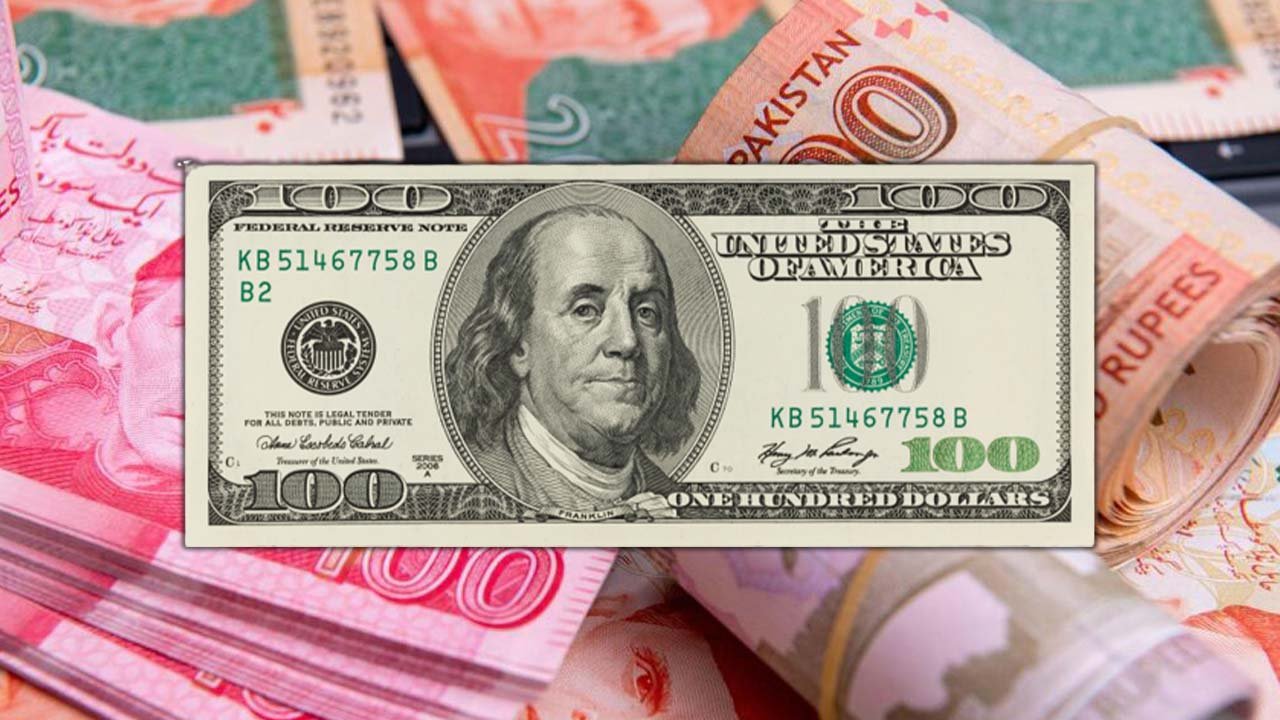
    In the interbank market on Tuesday, the Pakistani rupee (PKR) continued to weaken against the US dollar, losing PKR 1.4569 (0.48 per cent) on a day-over-day basis and ending the session at PKR 307.0996 per US dollar.

    On Monday, the Pakistani rupee experienced a slight decline against the US dollar, settling at Rs305.64 in the interbank market.

    The government has not yet finalised relief measures for the surging electricity bills of consumers, primarily due to disagreement between the federal government and the International Monetary Fund (IMF) regarding the provided data.

    On the international front, the US dollar remained strong on Tuesday, while the Australian dollar faced some pressure. Traders were closely monitoring the Reserve Bank of Australia’s upcoming interest rate decision, speculating that interest rates may have reached their peak.

  • UK inflation reaches 40-year high as food and energy prices jump

    UK inflation reaches 40-year high as food and energy prices jump

    British consumer price inflation hit a new 40-year high of 9.1 per cent last month, the highest rate among the Group of Seven nations and highlighting the severity of the cost-of-living crisis. Rising food prices were a significant factor in this uptick.

    The reading, which increased from 9.0 per cent in April, was in line with the consensus of economists surveyed by Reuters. May’s inflation was the highest since March 1982, according to historical data from the Office for National Statistics, and it’s likely to get worse.

    “Rising inflation is putting further pressure on policymakers to ease the burden on households, while complicating the Bank of England’s task,” Yael Selfin, chief economist at KPMG UK, said.

    Prior to reaching a peak of just above 11 per cent in October, when regulated household energy bills are scheduled to rise once more, the Bank of England predicted last week that inflation would likely remain above 9 per cent over the upcoming months.

    Finance Minister Rishi Sunak responded to the information by saying that the British government is doing everything it can to stop a rise in prices.

    Food and non-alcoholic goods saw the largest annual price increase since March 2009 in May, rising 8.7 per cent, making this sector the main driver of annual inflation in that month.

    The ONS reported that overall consumer prices increased by 0.7 per cent in monthly terms in May, slightly higher than the 0.6 per cent consensus.

    In May, Britain had a higher headline inflation rate than the US, France, Germany, and Italy. Although Japan and Canada have not yet provided data on consumer prices for May, neither is probably going to come close.