Tag: Inflation Impact

  • PM Shehbaz rejects FBR’s sales tax hike and carbon tax proposals

    PM Shehbaz rejects FBR’s sales tax hike and carbon tax proposals

    Prime Minister Shehbaz Sharif has rejected two significant budgetary proposals put forth by the Federal Board of Revenue (FBR) aimed at increasing revenue.

    The proposals included raising the standard rate of sales tax from 18 to 19 per cent and imposing an 18 per cent sales tax on petroleum products, often referred to as a “carbon tax”.

    The FBR had suggested a 1 per cent increase in the sales tax rate, projecting an additional revenue generation of Rs40-50 billion for the fiscal year 2024-25. However, Prime Minister Sharif declined this proposal, citing the potential for immediate inflationary effects on the general public.

    In response, the Prime Minister directed the FBR to enhance its enforcement and administrative measures and to draft alternative proposals targeting untaxed or under-taxed sectors of the economy. Additionally, he instructed the FBR to consider proposals to increase taxes on non-essential and luxury items.

    The second proposal, which aimed to impose an 18 per cent sales tax on petroleum products, was also rejected due to its likely inflationary impact on the public.

    According to sources, out of the total proposed measures worth Rs1,200 billion to Rs1,300 billion by the FBR, the government is anticipated to approve measures amounting to approximately Rs400-500 billion.
  • Gold price in Pakistan witnesses marginal increase of Rs200 per tola

    Gold price in Pakistan witnesses marginal increase of Rs200 per tola

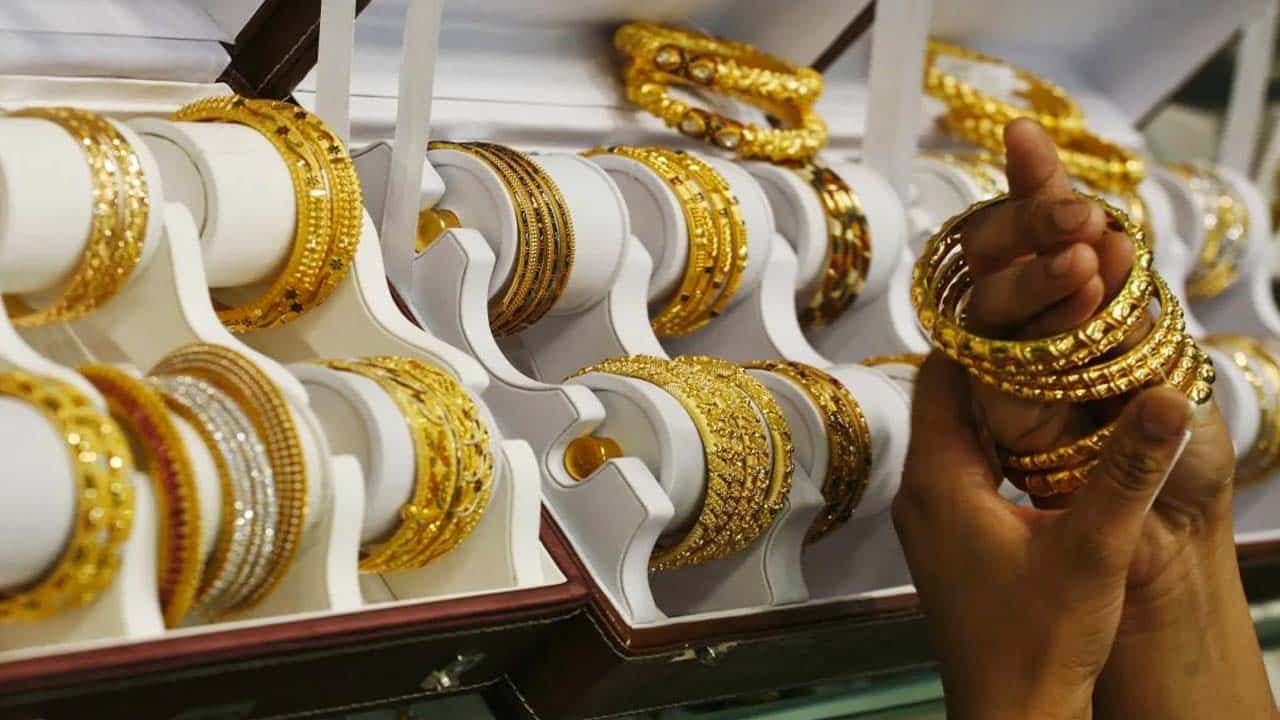
    On Thursday, the domestic market witnessed a rise in the per tola rate of 24 karat gold, with an increment of Rs200. 

    According to the All Sindh Sarafa Jewellers Association, the price for 10 grammes of 24 karat gold also surged by Rs200, reaching Rs216,300.

    Additionally, both the per tola and 10-gramme silver prices experienced an increase of Rs171, reaching Rs185,442.

    Internationally, the cost of gold rose by $5, reaching $2052. At 0942 GMT, spot gold exhibited a 0.4 per cent increase, reaching $2,031.83 per ounce.

    Simultaneously, US gold futures demonstrated a 0.4 per cent rise, reaching $2,036.60.

    In other markets, silver saw a 0.6 per cent increase, reaching $23.01 per ounce, palladium gained 0.9 per cent, reaching $1,007.80, and platinum exhibited a 0.2 per cent rise, reaching $920.58.

  • Govt implements measures to control onion prices amidst rising inflation

    The interim federal government has reportedly chosen to implement restrictions on onion exports due to the persistent surge in prices, as revealed by sources on Sunday. 

    According to detailed information, the government has introduced advance payments to discourage onion exports and has established a minimum export price. 

    These measures are aimed at preventing an anticipated shortage of onions and curbing further increases in prices.

    In light of escalating inflation, Pakistan witnessed a short-term inflation spike of 43.16 per cent in the week ending December 14, primarily driven by increased costs of pulses, rice, and vegetables. 

    The weekly inflation has now surpassed 41 per cent for the fifth consecutive week, influenced by elevated gas prices and electricity tariffs compared to the previous year.

  • SBP data reveals 23.5% YoY decline in auto loans

    SBP data reveals 23.5% YoY decline in auto loans

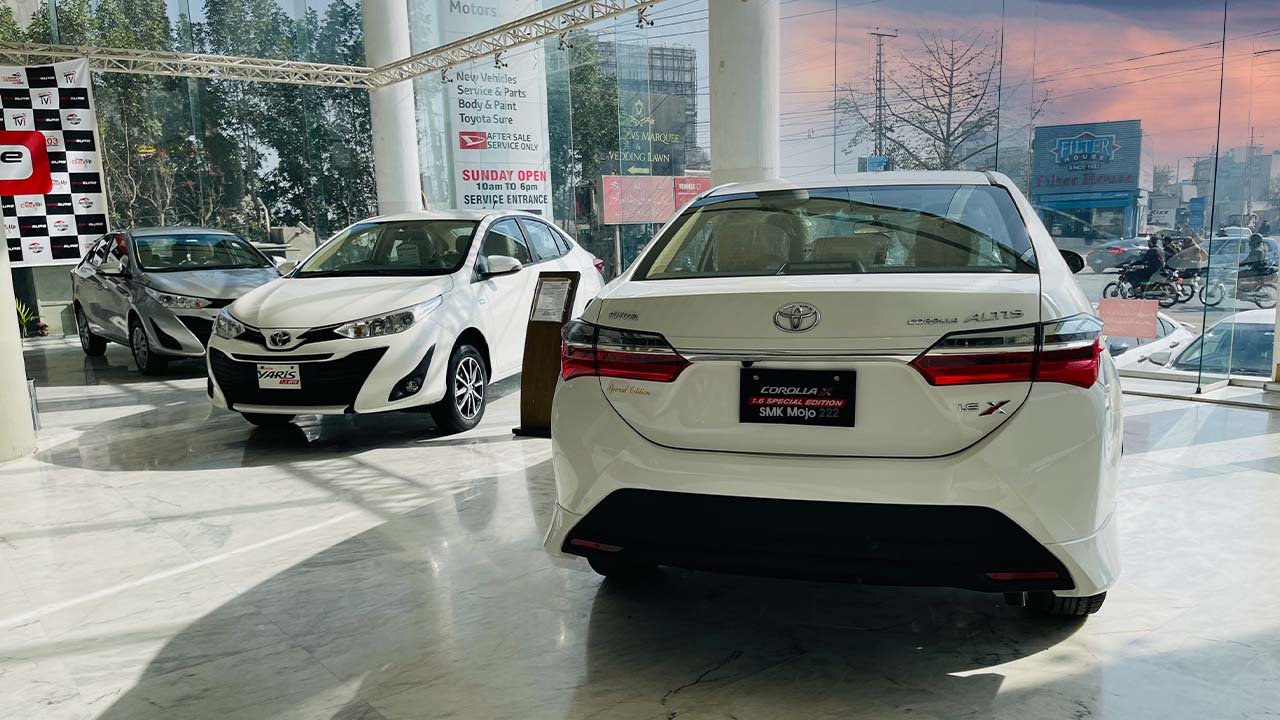
    In October, auto loans faced a decline for the 16th consecutive month due to high interest rates and inflation, as per data released by the State Bank of Pakistan (SBP).

    According to the SBP, auto loans witnessed a year-on-year drop of 23.5 per cent, amounting to Rs264 billion, and a month-on-month decrease of 3 per cent, down from Rs272 billion in September.

    While auto loans had peaked at Rs368 billion in June 2022, a subsequent decrease of Rs104 billion, or 28 per cent, occurred. This decline followed the SBP’s implementation of tighter monetary policies to address inflation and external imbalances.

    Financial analysts attribute this trend to the SBP’s measures, including elevated interest rates and the rupee’s significant depreciation against the dollar.

    These factors have led to increased costs in car financing and higher car prices, rendering them unaffordable for many consumers. The surge in inflation has further diminished consumer purchasing power.

    An analyst stated, “The auto sector bears the brunt of high interest rates and currency devaluation, rendering car financing and prices prohibitively expensive.”

    Despite recent price reductions by some car manufacturers, the anticipated boost in demand has not materialized. Consumers continue to grapple with high inflation and limited disposable income.

    Data from the Pakistan Automotive Manufacturers Association (PAMA) reveals a 44 per cent decline in car sales, totaling 27,163 units in the first four months of the current fiscal year, commencing in July.

    The SBP has aggressively increased its policy rate by a cumulative 15 percentage points to 22 per cent since September 2021, marking one of the world’s highest rates.

    Speculation suggests that the SBP will initiate a monetary policy easing in the first half of 2024, anticipating a relief in inflationary pressures and an improvement in foreign inflows to enhance the country’s external position.

    SBP data indicates a 0.8 per cent decrease in bank loans to the private sector, amounting to Rs8.10 trillion in October.

    Consumer loans, including an 8 per cent drop to Rs829 billion, witnessed personal loans declining by 4 per cent to Rs246 billion and housing loans falling by 2.7 per cent to Rs207 billion.

    Analysts predict an upswing in credit to the private sector in the coming months, as decreasing interest rates, fiscal consolidation, reducing crowding out, and improved foreign inflows are expected to alleviate liquidity constraints.

  • Relief plan for electricity bills to be revealed in 48 hours: PM Kakar

    Relief plan for electricity bills to be revealed in 48 hours: PM Kakar

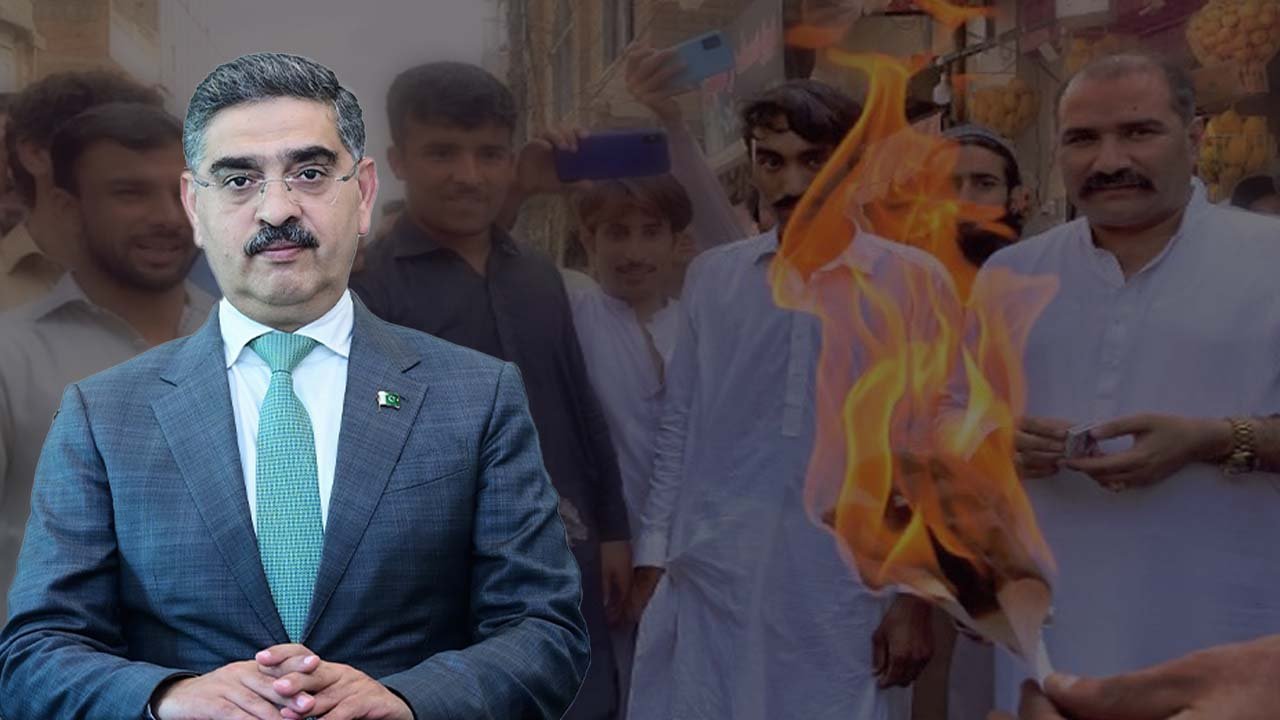
    Caretaker Prime Minister Anwaar ul Haq Kakar made an announcement on Thursday, revealing that his administration will unveil a relief plan for addressing the widespread protests triggered by escalating electricity bills within 48 hours.

    PM Kakar informed me that his government conducted an exhaustive review of electricity bills spanning the last two months. He highlighted that all institutions were questioned regarding their utilisation of complimentary electricity and stressed that the issue of exorbitant electricity bills needed a measured perspective.

    According to Geo, the caretaker prime minister underscored that while the electricity bills must be settled, it is imperative to comply with the terms outlined by the International Monetary Fund (IMF). He attributed the surge in electricity bills to independent power producers (IPPs) and transmission line losses, emphasising that collaboration with the IMF was underway to address the matter. Despite the prevalent inflation, PM Kakar argued against an extensive strike.

    In addressing the allocation of free electricity units, PM Kakar assured that the military does not avail itself of free electricity; rather, it is funded through the defence budget.

    Additionally, he clarified that the judiciary does not enjoy complimentary electricity, and in the Wapda sector, only certain employees from grades 1 to 16 benefit from this provision. Employees in grades above 17 receive free units.

    PM Kakar expressed his perspective that most protests originate from employees in grades 1–16. He suggested redirecting financial assistance towards officers in grades 17 to 22 instead of offering free electricity. He emphasised the need for stakeholders to formulate a policy within the following 48 hours.

    Regarding the impending general elections, PM Kakar assured that the elections would occur as scheduled, with the understanding that the Election Commission of Pakistan holds the authority in this matter. He asserted that adherence to the interpretation of the law by the Supreme Court is essential and should be respected.

    Frustrated citizens, grappling with soaring inflation, have been participating in demonstrations against substantial increases in electricity tariffs and heightened taxes nationwide.

    In light of the ongoing public outcry over exorbitant electricity bills, the caretaker government is contemplating the possibility of allowing individuals burdened by inflation to settle bills for up to 400 units in six-month installments. This proposal emerged following discussions held during a cabinet meeting, which also addressed the influence of IMF conditions on elevated energy costs.

    During the session, caretaker Finance Minister Dr Shamshad Akhtar updated the attendees about ongoing negotiations with the IMF, highlighting its pivotal role in the escalated energy tariffs.

  • Petrol and diesel prices expected to surpass Rs300 per litre this week

    As global oil rates surge and the rupee’s value against the US dollar weakens, there are growing indications that petrol and diesel prices in Pakistan could soon breach the significant Rs300 mark. The Oil and Gas Regulatory Authority (Ogra) is reportedly contemplating recommending a substantial increase in petroleum product prices for the upcoming fortnight, in an attempt to address the challenges posed by these economic dynamics.

    Sources indicate that if the proposal is approved, petrol prices might experience a sharp upswing of around Rs12 per litre, while diesel could see an even more substantial increase of Rs14.83 per litre. These potential hikes, set to take effect from September 1, 2023, have sparked concerns about their impact on the already high inflation rate, which currently stands at 28 per cent.

    A senior official from the Energy Ministry has expressed apprehensions regarding the potential consequences of these price adjustments. Balancing the need to mitigate citizens’ financial burdens with the demands of existing agreements, the government is grappling with a challenging decision. Notably, any attempt to counteract the price hikes could put the caretaker government in a precarious situation, as it might be perceived as a default on the International Monetary Fund’s (IMF) stipulations tied to a $3 billion standby agreement (SBA) loan.

    The depreciation of the rupee against the dollar has further fueled the need for these adjustments. With the dollar’s value reaching Rs301.75 in the interbank market and around Rs319 in the open market, the impact on petroleum prices is undeniable. The authorities have decided to recalibrate their calculations, opting for a dollar rate of Rs299 to account for the recent Rs12 exchange rate impact.

    Beyond the exchange rate, the recent surge in LC (letter of credit) confirmation charges, marked by a 10 per cent increase, has also played a role in pushing petroleum prices upwards. These charges have contributed to the overall increase in the cost of PSO (Pakistan State Oil) petroleum products. Presently, Mogas (motor gasoline) is priced at Rs290.45 per litre; however, this could rise by Rs12 per litre if the recommendations are greenlit. Similarly, the price of HSD (high-speed diesel) might surge from Rs293.40 per litre to Rs308.23 per litre, assuming the proposed Rs14.83 increase goes into effect.

    According to The News, of particular concern is the potential hike in diesel prices, given its primary use in powering heavy transport vehicles, trains, and various agricultural engines. This ripple effect could raise the cost of essential commodities, putting pressure on consumers’ wallets. 

    On the other hand, a surge in petrol prices would directly affect private transportation, rickshaws, two-wheelers, and small vehicles, disproportionately impacting the budgets of middle and lower-middle-class citizens. The impending decision on petroleum prices presents a delicate challenge for the government, requiring a careful balance between economic realities, inflation concerns, and public sentiment.