Tag: inflation

  • SBP likely to hike key policy rate by up to 300 basis points next month

    SBP likely to hike key policy rate by up to 300 basis points next month

    The Monetary Policy Committee (MPC) of the State Bank of Pakistan (SBP) will likely meet at its upcoming meeting to decide on the key policy rate, and the market anticipates a possible rate increase of up to 300 basis points.

    According to the analysts contacted by the Brecorder, the SBP is likely to increase the rate from its current historic high of 22 per cent. As per the advance calendar issued in July, the SBP is currently slated to hold its MPC meeting on September 14.

    Notably, the central bank has previously taken the initiative to declare changes in its key policy rate through ’emergency’ meetings, similar to what occurred in June.

    Market speculation hints that the central bank might adopt a more patient approach this time, making an emergency meeting less probable.

     Tahir Abbas, the Head of Research at Arif Habib Limited (AHL), foresees a rate hike ranging between 100 and 150 basis points.

    He emphasised, the inflation rate is projected to remain elevated not only in August but also in the upcoming months. Furthermore, the persistent depreciation of the currency might compel the SBP to push interest rates upwards.

    Abbas added, “We expect a policy rate hike of around 100-150 bps.”

    In a previous report, AHL stated that headline inflation is expected to climb higher in August, surpassing the 28.3 per cent figure recorded in July 2023.

  • Relief package being prepared for consumers of 400 units of electricity

    Relief package being prepared for consumers of 400 units of electricity

    A relief plan has been prepared for people consuming up to 400 units of electricity.

    As per the sources in the Ministry of Finance, the relief plan for electricity bills has been prepared on an emergency basis. The government is working on providing relief of 250 billion rupees in electricity bills.

    Additionally, sources have said that if the IMF approves the plan, an agreement can be made for 2 months. The Ministry of Finance will give a written guarantee to pay the bills for August and September in installments.

    Withdrawal from the increase of Rs 7 in the basic tariff is being considered along with installments.

  • Economic situation worse than expected, subsidies not feasible: Finance Minister

    Economic situation worse than expected, subsidies not feasible: Finance Minister

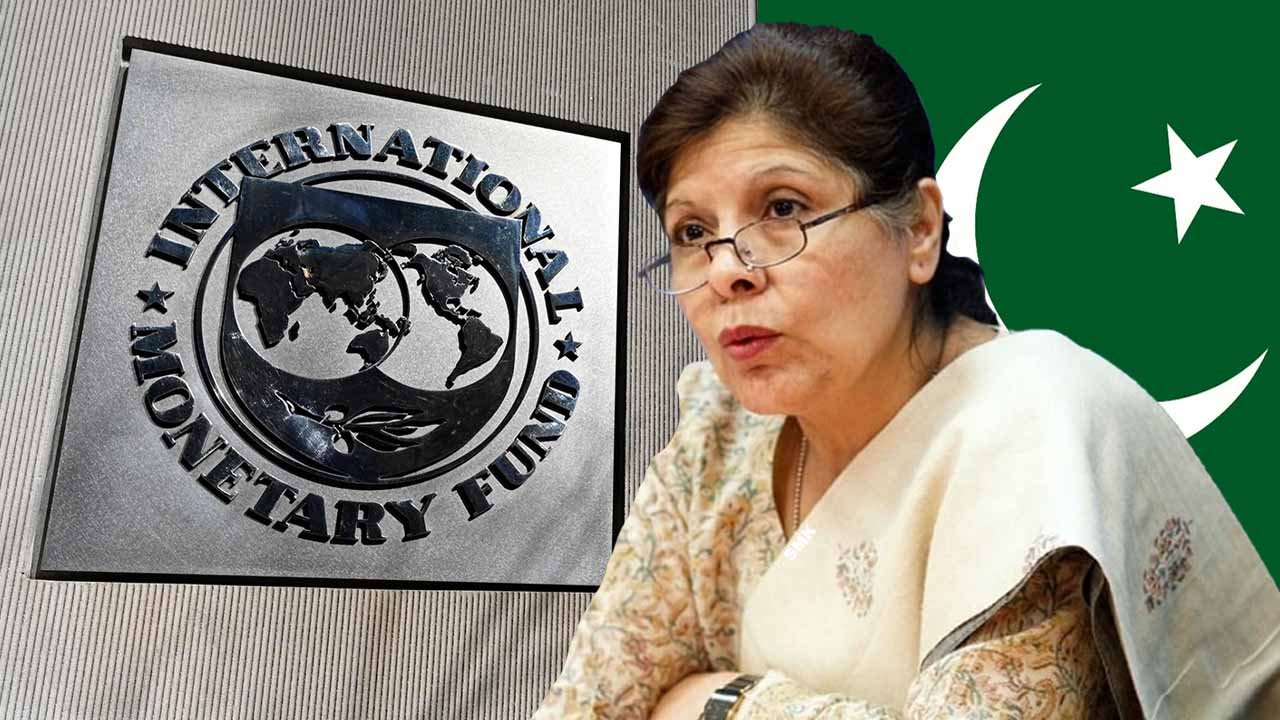
    In the midst of Pakistan’s ongoing battle with rising prices, the country’s interim Finance Minister, Shamshad Akhtar, issued a strong warning on Wednesday. She pointed out that Pakistan’s economic situation is even “worse” than expected, and the government can’t afford to provide subsidies to the public due to financial constraints.

    According to DAWN, Akhtar made these comments during a meeting of the Senate’s Standing Committee on Finance. She explained that the current government had inherited a programme from the International Monetary Fund (IMF) that couldn’t be changed.

    This announcement comes at a time when Pakistan is facing high living costs, especially expensive electricity bills that have led to protests across the country.

    The government has struggled to find ways to help while also maintaining good relations with the IMF. The caretaker government, which is temporarily in charge, hasn’t been able to come up with clear solutions to ease the situation.

    In a recent meeting chaired by Caretaker Prime Minister Anwaar ul Haq Kakar, the government expressed that it’s not sure how to solve the issue. They even discussed the possibility of letting people pay their electricity bills in smaller portions over time, but this would need permission from the IMF.

    Interim Information Minister Murtaza Solangi mentioned that discussions are ongoing with the IMF to find relief measures for people struggling with high electricity bills. An official announcement about this is expected soon.

    However, it’s important to note that even if the option of paying bills in smaller portions is pursued, it still needs approval from the IMF. This underscores the IMF’s influence on Pakistan’s economic decisions.

    Minister Akhtar, while speaking to the Senate’s Standing Committee on Finance, highlighted the substantial losses faced by government institutions. She stressed the need to sell off some government-owned assets to alleviate financial pressure. Currently, a large portion of Pakistan’s tax earnings goes toward repaying debt. Moreover, the Pakistani rupee is facing challenges due to a shortage of dollars coming in and a high amount going out of the country.

    Akhtar also expressed concern that if Pakistan doesn’t follow the IMF’s agreement, the country might stop receiving dollars, leading to an even worse economic situation. She admitted that the government has taken actions that weakened the economy. She mentioned that the Federal Board of Revenue is not collecting as much as it should while expenses remain high.

    The finance minister clarified that the caretaker government doesn’t have unlimited power. They are restricted in their actions and must work within those limits.

    She also pointed out that any changes to the existing IMF agreement, made by the previous government, are not possible for the current administration. She mentioned that the government is considering reducing benefits for the wealthy, and a detailed update on the economy will be provided to the committee within a week.

    Before the finance minister’s comprehensive briefing, several committee members expressed concerns about the rising value of the dollar and the high electricity bills. Senator Kamil Ali Agha insisted that taxes added to electricity bills should be removed immediately, arguing that the entire country shouldn’t suffer due to a few people’s actions.

  • No relief in electricity bills without IMF’s approval

    No relief in electricity bills without IMF’s approval

    After country-wide protests against unprecedented hikes in electricity bills, Pakistan’s caretaker government has approached the International Monetary Fund (IMF) to seek approval before announcing any relief for the people.

    According to Geo News, the IMF asked Pakistan to share a written plan for relief on Wednesday.

    On Tuesday, the federal cabinet had a meeting with interim Prime Minister Anwaarul Haq Kakar to take into consideration all possible options but no decision was officially announced.

    The Power Division has shared proposals with the authorities but first, the IMF is to be taken on board as loans from the Fund bear strict conditions.

    In July, a $3 billion loan agreement was signed with the IMF with stringent financial regulations to be followed during the programme.

    Under the bailout package, the former government of Pakistan Democratic Movement (PDM) approved a stark increase in electricity rates, resulting in increased bills.

    As reported by Geo News, Finance Minister Shamshad Akhtar had a virtual meeting with IMF representative Esther Perez to discuss relief measures.

    They were made aware of the current situation and continuing protests across the country.

    While the Pakistan team submitted various proposals for relief in electricity bills, IMF officials requested the relief plan in writing which, according to Geo, will be shared today.

  • ‘I am upset’ Maryam Nawaz worried about public’s high bijli bills, says father can save everyone

    ‘I am upset’ Maryam Nawaz worried about public’s high bijli bills, says father can save everyone

    Chief Organiser and Senior Vice President of Pakistan Muslim League-Nawaz (PML-N) Maryam Nawaz Sharif has stated that just as the country was saved from the risk of default within 16 months, similarly, her party under the leadership of former prime minister Nawaz Sharif, will also lessen public burden of inflation and skyrocketing electricity bills.

    “We saved Pakistan from default within 16 months, and now we will shield the people from inflation. It’s upsetting that the public has to face challenges like inflation and increased electricity charges,” she said during a meeting with leaders and officials of the party’s Punjab Women Youth Wing in Lahore.

    “If the process of development had not been halted, there would not have been any tears in the eyes of the common man today. The issues of today have emanated from the four-year era of project Imran,” she added in reference to arch-rival Imran Khan who was deposed through a Vote of No Confidence in April 2022.

    Maryam stated that only an elected government will be capable of curbing the demon of inflation and of initiating a period of progress and contentment.

    “InshaAllah, just as we eradicated load-shedding, terrorism, and lawlessness in Karachi, we can also control inflation. Nawaz Sharif is the guarantee of Pakistan’s progress, and he alone can liberate us from all these issues,” she said.

    She also reviewed the performance of the women youth wing and said that she feels pride in seeing the active participation of many women in political activities.

    Maryam said that it is her desire that more party tickets should be given to the youth in the next election because the youth have the ability to make Pakistan a strong country.

    She claimed that female students like the PMLN leadership because of their performance, claiming that her party had become the largest youth and women’s party in the country.

    “PMLN leadership has always empowered the youth, they were provided with laptops and interest-free loans for decent employment,” she said.

  • Taxes in your electricity bill: What Pakistanis are paying and what for?

    Taxes in your electricity bill: What Pakistanis are paying and what for?

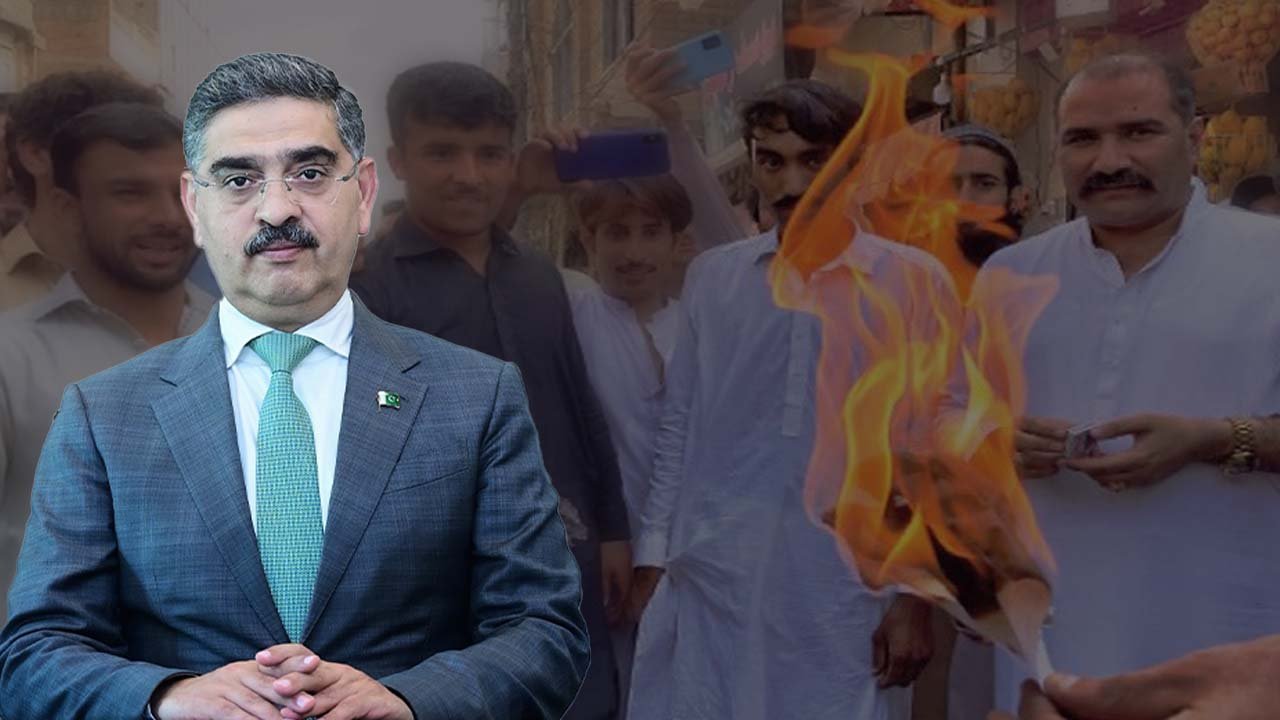
    Protests against exorbitant electricity prices continued to grip Pakistan as consumers from all corners of the country voiced their frustration by burning electricity bills and chanting slogans denouncing overcharging. With Pakistan facing a severe economic crisis and inflation rates surging to a staggering 29 per cent, citizens are grappling with the overwhelming impact of inflated electricity costs.

    The outcry has intensified as incumbent authorities adhering to an IMF deal have slashed power sector subsidies, resulting in unprecedented price hikes that have burdened already inflation-weary citizens. The new pricing structure has set electricity rates at a record high, significantly affecting the cost of living for the nation’s over 240 million inhabitants.

    Central to the grievances is the manner in which electricity bills are calculated. The basic charge is linked to kilowatt-hours (kWh) or units consumed, a component that carries an array of additional taxes. These taxes, directly borne by the masses, have contributed to the mounting frustration felt by the population.

    An individual from Gujranwala recently shared an eye-opening example of the impact of these charges. Despite consuming around 212 units in the previous month, he received an electricity bill of Rs10,500, while the cost of the electricity consumed was merely around Rs6,400. The disparity between consumption and billing has drawn attention to the various components contributing to the final cost.

    For those consuming slightly over 200 units, the Fuel Price Adjustment (FPA) accounts for approximately Rs250. This adjustment is contingent on the price of the fuel used in electricity generation. If the cost of fuel rises during power generation, WAPDA (Water and Power Development Authority) levies an additional charge in subsequent billing cycles.

    Breaking down the bill further, it reveals a complex web of charges. An electricity duty of around Rs100 is imposed, accompanied by a General Sales Tax (GST) of Rs1,316.

    Additional charges include Income Tax amounting to Rs900 and Extra Taxes totaling Rs366. The bill also features a peculiar charge of Rs227 labeled as ‘Further Taxes,’ which has prompted criticism from citizens questioning its purpose and transparency.

    Additional charges on the bill encompass Rs365 for Sales Tax, Rs680 for Financing Cost Surcharge (FC Surcharge), and Rs115 designated as ‘Taxes on FPA.’ Notably, non-filers of income tax are subjected to supplementary charges on their utility bills.

    As confusion mounts among consumers regarding the breakdown of charges, it is imperative for electricity consumers to comprehend the various taxes levied on their monthly bills. Diverse categories of consumers are subject to a range of taxes, duties, and surcharges, contributing to the complex structure of electricity pricing in Pakistan.

    Below is a list of the taxes and levies imposed on electricity consumers in Pakistan:

    Electricity Duty: Ranging from 1.0 per cent to 1.5 per cent of Variable Charges, this provincial duty is levied on all consumers.

    General Sales Tax (GST): At a rate of 17 per cent of the electricity bill, GST is levied on all consumers under the Sales Tax Act 1990.

    PTV License Fee: Domestic consumers pay Rs35, while commercial consumers pay Rs60 as PTV license fee in their electricity bills.

    Financing Cost Surcharge: This surcharge of Rs0.43 per kWh applies to all consumer categories except lifeline domestic consumers.

    Fuel Price Adjustment (FPA): FPA represents the difference between actual fuel charges and reference fuel charges. Positive variation leads to a charge, while negative variation benefits the consumer.

    Extra Tax: Imposed on industrial and commercial consumers not registered in the active taxpayer list, rates range from 5 per cent to 17 per cent based on different bill amount slabs.

    Further Tax: Levied at a 3 per cent rate on all consumers without a Sales Tax Return Number (STRN), except for domestic, agriculture, bulk consumers, and street light connections.

    Income Tax: Charged at varying rates depending on the applicable tariff and the electricity bill amount.

    Sales Tax: Commercial consumers face a 5 per cent sales tax on bills up to Rs20,000 and a 7.5 per cent tax on bills exceeding Rs20,000.

    With public discontent on the rise, authorities are urged to address the concerns of citizens and seek a balanced approach that mitigates the impact of these charges on the already struggling populace.

    As the nation grapples with economic uncertainties, finding a solution that eases the burden on citizens while ensuring the sustainability of the power sector remains a pressing challenge.
  • ‘Bijli k mehngay bills ki handi PDM hakoomat ny pakai’, says Saira Bano

    ‘Bijli k mehngay bills ki handi PDM hakoomat ny pakai’, says Saira Bano

    Senior leader of the Grand Democratic Alliance (GDA), Saira Bano, has asked in her video why parties who have been in government for the past 16 months, are calling for protests against high electricity bills, terming the action “incomprehensible”.

    The Pakistan Democratic Movement (PDM) government is responsible for inflation as well as the “handi” of high electricity bills, Bano stated.

    She further said in her video that every citizen is facing difficulty paying their electricity bill, stressing that the situation is the same for rich and poor in Pakistan due to inflation.

    On the other hand, Pakistan Peoples Party (PPP) has directed party workers to take part in the protests against exorbitant electricity bills and become the “people’s voice,” Geo News has reported.

    Secretary General (SG) of PPP, Syed Nayyer Hussain Bokhari, instructed workers on Sunday to protest at the union council and tehsil levels.

    According to Nayyer Bokhari, every citizen of the country is worried about the electricity bill. He further added, ” PPP workers should become the voice of the people and start protesting against inflated electricity tariffs”.

    The protests started across the country because of exorbitant electricity bills, with protesters demanding a reduction in their electricity bills as well as the removal of extra taxes on utility bills. The protesters also mentioned that they would not pay their bills if their demands were not met.

    Earlier, the Jamaat-e-Islami (JI) announced on Saturday that it would stage a protest against the exorbitant electricity bills.

    Read More: PM Kakar sets 48-hour deadline for relief plan amid electricity bill protests

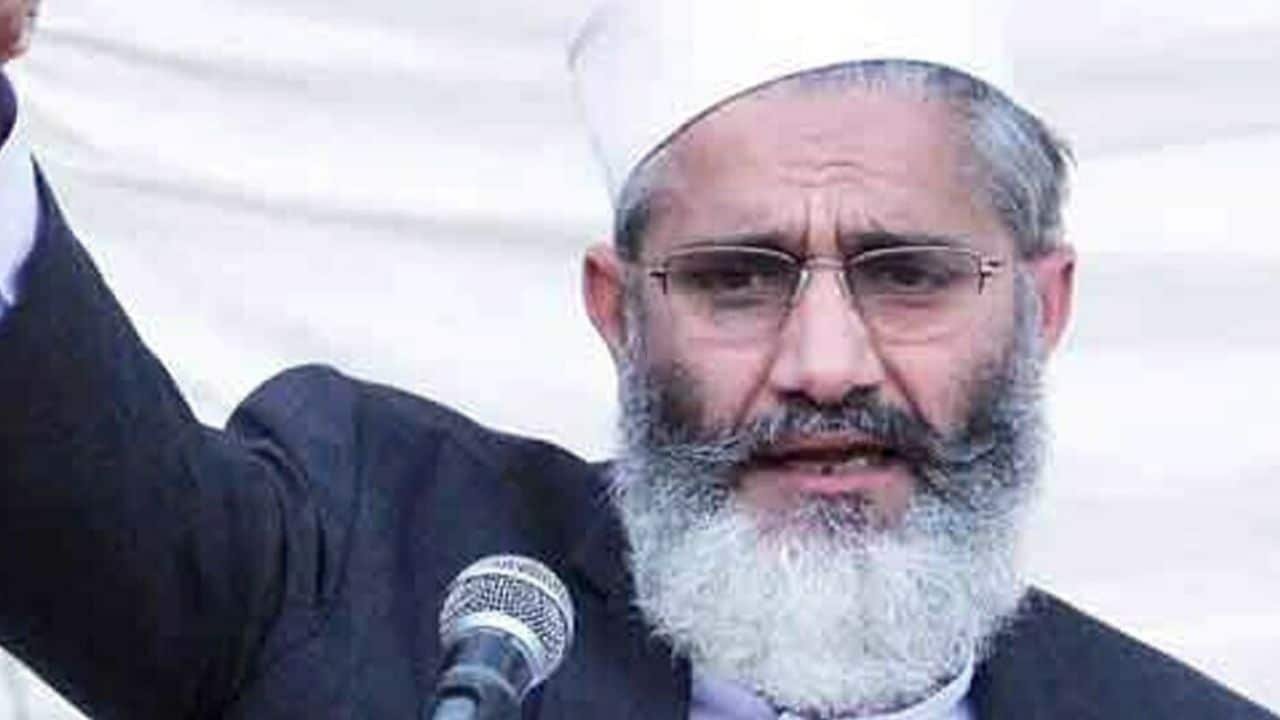
    Addressing a seminar in Lahore, JI Ameer Sirajul Haq lashed out at political opponents and the caretaker government, saying, “The caretaker government is following the footsteps of the previous governments in terms of taking wrong decisions for the sake of the country.”

  • PM Kakar sets 48-hour deadline for relief plan amid electricity bill protests

    PM Kakar sets 48-hour deadline for relief plan amid electricity bill protests

    Amid escalating protests across the nation demanding relief from inflated power bills, Caretaker Prime Minister Anwaar ul Haq Kakar has taken proactive steps to address the pressing issue. In response to the ongoing unrest, Prime Minister Kakar convened a high-level meeting yesterday to strategise and formulate a comprehensive relief plan within the next 48 hours.

    The focal point of the meeting was an informative briefing provided by the Power Division, shedding light on the notable increase in power bills during the month of July. Attended by esteemed members of the interim cabinet, including Dr Shamsad Akhtar, Dr Gohar Ijaz, and the PM’s advisor, Dr Waqar Masood, the meeting aimed to address the mounting concerns over the substantially high electricity bills. There are growing fears that if swift action is not taken, the situation could spiral into widespread public protests and potentially even riots.

    In the aftermath of the meeting, PM Kakar took to social media to communicate the intended course of action. “The Ministry of Energy and the Ministry of Finance have been tasked with collaboratively devising an action plan aimed at providing relief to the public with regard to their electricity bills,” announced the Prime Minister, reiterating the government’s commitment to addressing the pressing issue.

    Beyond seeking immediate measures to curtail electricity consumption on government premises, Prime Minister Kakar emphasised that consultations would be initiated with all provincial representatives. He further assured the public that the caretaker government was resolute in its commitment to providing the maximum possible relief while remaining within its designated mandate.

    The Caretaker Minister for Information and Broadcasting, Murtaza Solangi, echoed the Prime Minister’s sentiments by sharing the key outcomes of the meeting via social media. He conveyed that PM Kakar had stressed the urgency of devising an action plan within the next 48 hours to alleviate the mounting financial burden caused by excessive charges on electricity bills. The Prime Minister’s emphasis was on implementing measures that wouldn’t have a detrimental impact on the national exchequer yet would genuinely alleviate the financial strain on consumers.

    The meeting concluded with a comprehensive commitment to tackle electricity theft, roll out energy-efficient initiatives, and initiate dialogue with provincial chief ministers regarding the substantial charges incurred in July. The meeting also included detailed briefings on pertinent issues within the electricity sector and strategies to counteract electricity theft.

    Against the backdrop of sustained protests, political parties from diverse backgrounds have voiced their concerns and demands. Jamaat-e-Islami has taken a decisive step by announcing a nationwide strike on September 2 as a means of voicing their discontent with the drastic surge in electricity bills. The party’s leader, Siraj-ul-Haq, articulated his intention to mobilise people across the country to participate in these protests, lamenting the financial hardship faced by salaried individuals due to soaring living costs.

    According to Brecorder, adding to the chorus of concerns, MQM-P leaders have issued a stern warning that the ongoing protests could rapidly escalate into violent riots if prompt relief measures are not taken. Farooq Sattar, Senior Deputy Convener of MQM-P, highlighted the burden of multiple taxes contributing to the high electricity bills, underscoring the palpable frustration among the populace.

    As the nation anticipates the proposed relief plan within the stipulated 48-hour timeframe, the government’s actions in response to the mounting crisis will significantly shape the trajectory of the ongoing protests and public sentiment at large.

  • JI announces protest against inflated electricity bills

    JI announces protest against inflated electricity bills

    The Jamaat-e-Islami (JI) announced on Saturday that it would stage a protest against the exorbitant electricity bills.

    Addressing a seminar in Lahore, JI Ameer Sirajul Haq lashed out at political opponents and the caretaker government, saying, “The caretaker government is following the footsteps of the previous governments in terms of taking wrong decisions for the sake of the country.”

    “The power bills have increased three times within one month. People have been compelled to commit suicide due to the ballooning inflation. The electricity bill of at least Rs50,000 has been sent to every house,” said Mr Haq.

    He made it clear that the JI would stage a protest outside of the power distribution companies.

    Earlier, interim Prime Minister Anwaar ul Haq Kakar took to X (formerly Twitter) to announce that that he has summoned an emergency meeting over the price of electricity and consumers’ inflated bills, adding that he will hold consultations to provide maximum relief to power consumers.

    The prime minister has directed the Ministry of Energy and power distributions companies to present him with a detailed briefing over the issue.

  • Weekly inflation increases to 27.5%, impacting household expenses

    Weekly inflation increases to 27.5%, impacting household expenses

    According to official data from the Pakistan Bureau of Statistics (PBS), the Sensitive Price Indicator (SPI) shows that inflation for the week ending on August 17 increased by 27.57 per cent compared to the same period last year. In simpler terms, things are getting more expensive.

    Looking at shorter periods, within a week, inflation went up by 0.78 per cent. This means prices are rising quickly and there’s no sign of them slowing down, which is worrying for both economists and consumers.

    Comparing some numbers, the overall price index was 275.57 on August 17, up from 273.43 on August 10 this year, and a significant increase from 216.02 on August 18 last year.

    Out of the things people buy, 32 items got pricier, 7 got cheaper, and 12 stayed the same. Among the things that became more expensive this week compared to a year ago were things like chillies powder (up 7.58 per cent), rice irri-6/9 (up 7.48 per cent), garlic (up 5.06 per cent), sugar (up 4.02 per cent), gur (up 3.23 per cent), and chicken (up 2.83 per cent). non-food items like diesel (up 7.29 per cent) and petrol (up 6.40 per cent) also got more expensive.

    On the flip side, the price of some things dropped. Tomatoes got 13.60 per cent cheaper, cooking oil (5 liters) became 1.65 per cent cheaper, and there were smaller drops in prices for things like vegetable ghee and wheat flour.