Tag: inflation

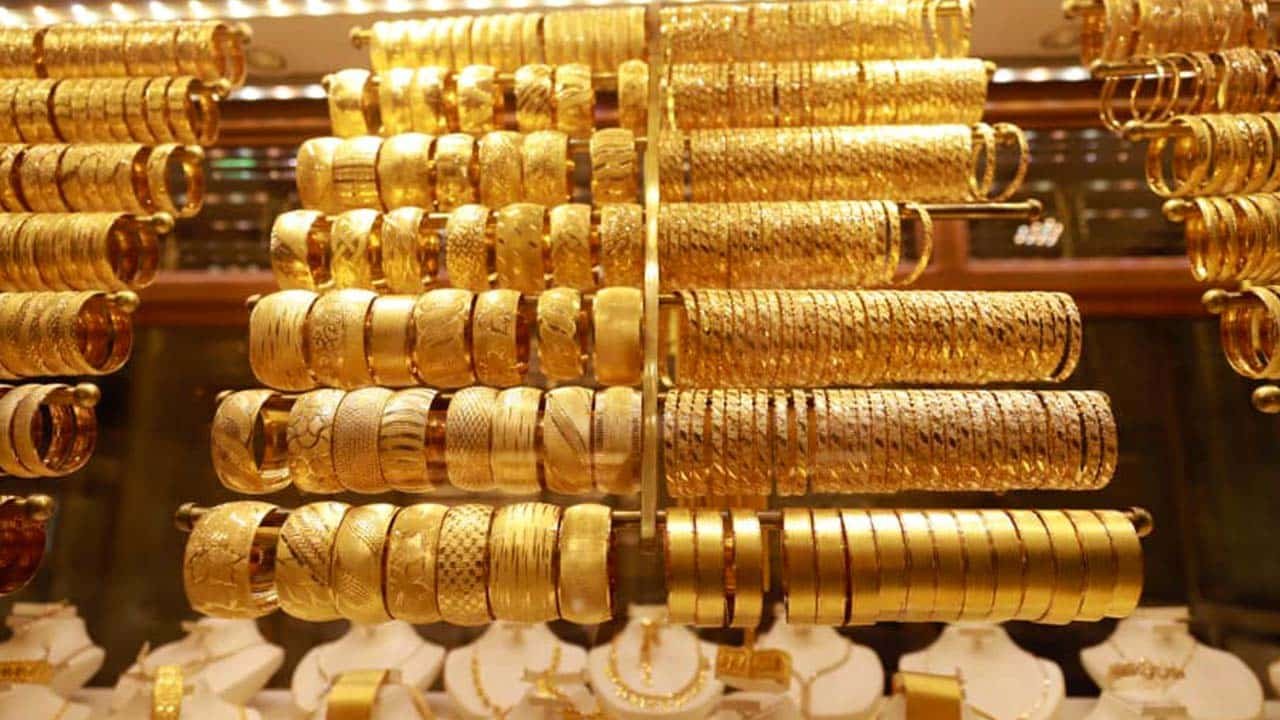
  • Gold price increases to Rs209,000 per tola amid depreciation of Pakistani rupee

    Gold price increases to Rs209,000 per tola amid depreciation of Pakistani rupee

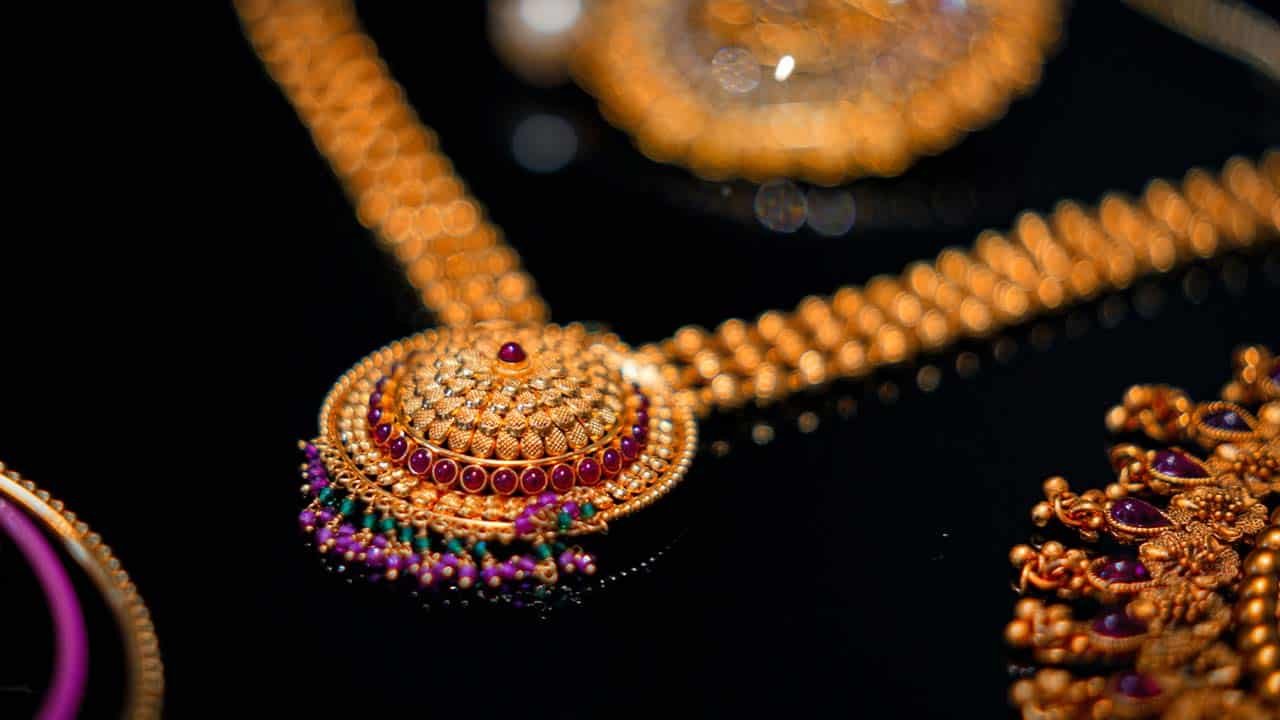
    The price of gold in Pakistan experienced a slight increase at the beginning of the week, corresponding to the devaluation of the rupee against the dollar.

    As per the data released by the All-Pakistan Sarafa Gems and Jewellers Association (APSGJA), the price of 24-carat gold rose by Rs800 per tola and Rs686 per 10 grammes, reaching Rs209,000 and Rs179,184 respectively.

    In contrast, the international market maintained a stable price for gold at $1,925 per ounce. The gold market in Pakistan has displayed volatility in recent times, influenced by ongoing political and economic uncertainties, as well as high inflation. Consequently, individuals tend to view gold as a secure investment and a hedge during such periods.

    Data provided by the association indicates that the price of silver remained unchanged at Rs2,480 per tola and Rs2,26.20 per 10 grammes. During the previous session on Saturday, the price of gold experienced a decrease of Rs200 per tola.

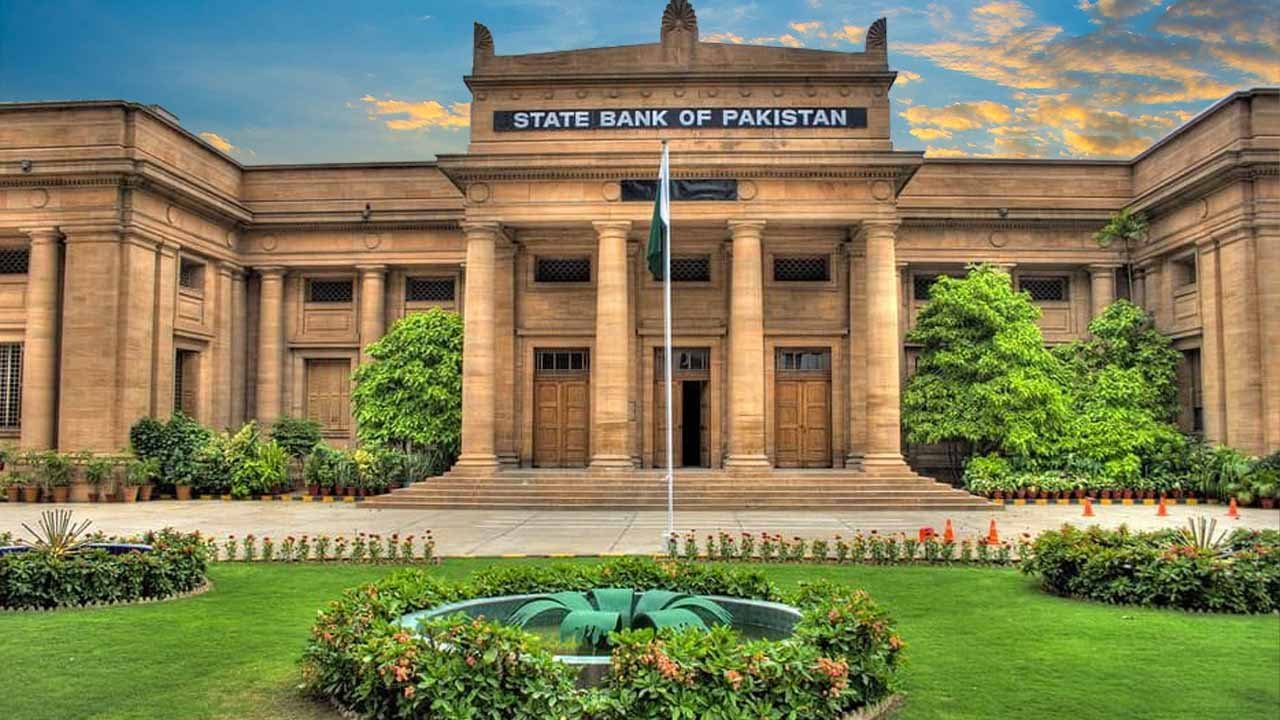
    Meanwhile, the local currency underwent a marginal depreciation of 0.68 per cent against the US dollar in the interbank market, as reported by the State Bank of Pakistan (SBP). The rupee concluded the day at Rs279.80 against the dollar.

  • UK house prices drop at fastest rate in 12 years, more decline expected: Halifax

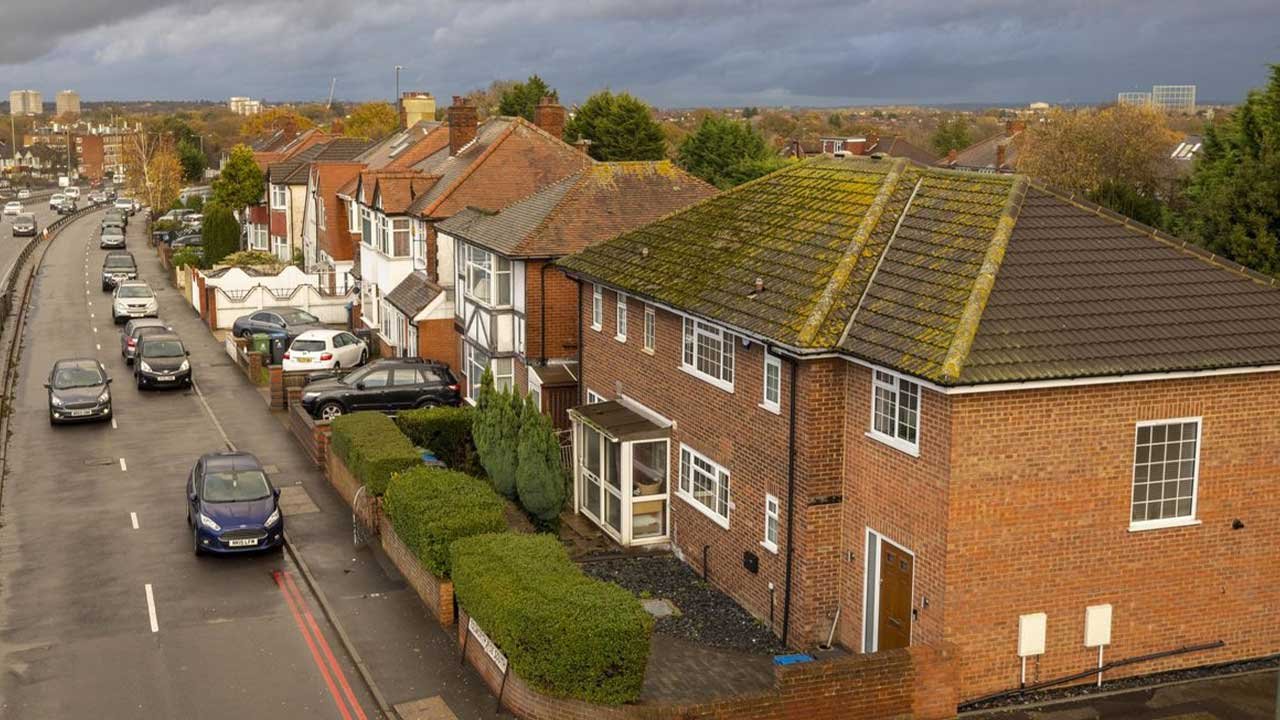
    UK house prices drop at fastest rate in 12 years, more decline expected: Halifax

    According to mortgage lender Halifax, UK house prices witnessed a significant decline last month on an annual basis, marking the fastest rate of decrease in 12 years.

    The rising interest rates are expected to exacerbate the challenges faced by the housing market. Halifax reported a year-on-year drop of 2.6 per cent in house prices for June, following a 1.1 per cent decrease in May. This decline represents the largest fall since June 2011. On a monthly basis, prices dropped by 0.1 per cent in June, following a 0.2 per cent decrease in May.

    Kim Kinnaird, the director of Halifax Mortgages, explained that the substantial annual decline can be attributed to the comparison with the peak in house prices observed around a year ago, coupled with relatively minimal price movements in recent months.

    However, the surge in mortgage costs driven by mounting expectations for the Bank of England to combat inflation through increased interest rates suggests that the housing market will face further challenges in the coming months.

    Kinnaird stated that predicting the depth and duration of the downturn in house prices remains challenging, but the possibility of decreasing inflation may provide some support. Kinnaird also noted that the anticipation of a peak Bank Rate exceeding 6 per cent in the foreseeable future implies that mortgage rates will likely remain elevated for an extended period, contributing to ongoing financial strain for households.

    Investors have recently speculated that persistent inflation will prompt the Bank of England to raise interest rates to their highest level in 25 years, reaching 6.5 per cent by December. In response to soaring funding costs, various lenders, including Halifax, a subsidiary of Lloyds Bank, and other prominent institutions, have repeatedly adjusted their home loan offerings in a race to keep pace.

    Historical data indicates that significant increases in swap rates, which influence mortgage funding expenses, often foreshadow substantial declines in housing starts. This conclusion is supported by a Reuters analysis covering the past 35 years.

    Halifax highlighted that the largest decrease in house prices occurred in the southeast of England. London experienced a decline of 2.6 per cent in annual terms, marking the most substantial drop since October 2009.

  • Gold market bounces back with second consecutive price increase of Rs1,800 to Rs207,800 per tola

    Gold market bounces back with second consecutive price increase of Rs1,800 to Rs207,800 per tola

    The price of gold in Pakistan has experienced a notable increase for the second consecutive session, following a prolonged period of decline subsequent to the $3 billion deal with the International Monetary Fund (IMF).

    Data provided by the All-Pakistan Sarafa Gems and Jewellers Association (APSGJA) reveals that the price of 24-carat gold rose by Rs1,800 per tola and Rs1,543 per 10 grammes, reaching Rs207,800 and Rs178,155 respectively.

    Simultaneously, the international market witnessed a decrease in the price of gold by $23, resulting in a settlement at $1,905 per ounce.

    The gold market in Pakistan has exhibited volatility recently due to persistent political and economic uncertainty, along with high inflation. Consequently, individuals seek to invest in this valuable commodity as a means of safeguarding their assets and hedging against market fluctuations.

    The APSGJA’s data also indicates that the price of silver has remained unchanged at Rs2,380 per tola and Rs2,126.20 per 10 grammes. Notably, the previous day witnessed a Rs1,000 increase in the price of gold.

    Furthermore, the Pakistani rupee displayed a marginal recovery of 0.13 per cent against the US dollar on Thursday. The interbank market, as reported by the State Bank of Pakistan (SBP), recorded the local currency closing at Rs277.04 in relation to the greenback.

  • Will bring down inflation if elected: Nawaz Sharif

    Will bring down inflation if elected: Nawaz Sharif

    Pakistan Muslim League Nawaz (PML-N) supremo and former prime minister Nawaz Sharif on Sunday said that he will bring down inflation in the country if voted to power in the next general elections, Radio Pakistan has reported.

    Sharif made the statement while meeting with PML-N Gulf leaders in Dubai.

    During the meeting, Nawaz Sharif commended the local leadership who expressed their hope for Sharif to win upcoming elections and come to power.

    He further stated that the PML-N leadership has consistently steered the country through challenging times and is determined to address the ongoing economic crisis once again.

  • Inflated prices, deflated demand: Few buyers afford sacrificial animals at doubled rates for Eid-ul-Azha

    Inflated prices, deflated demand: Few buyers afford sacrificial animals at doubled rates for Eid-ul-Azha

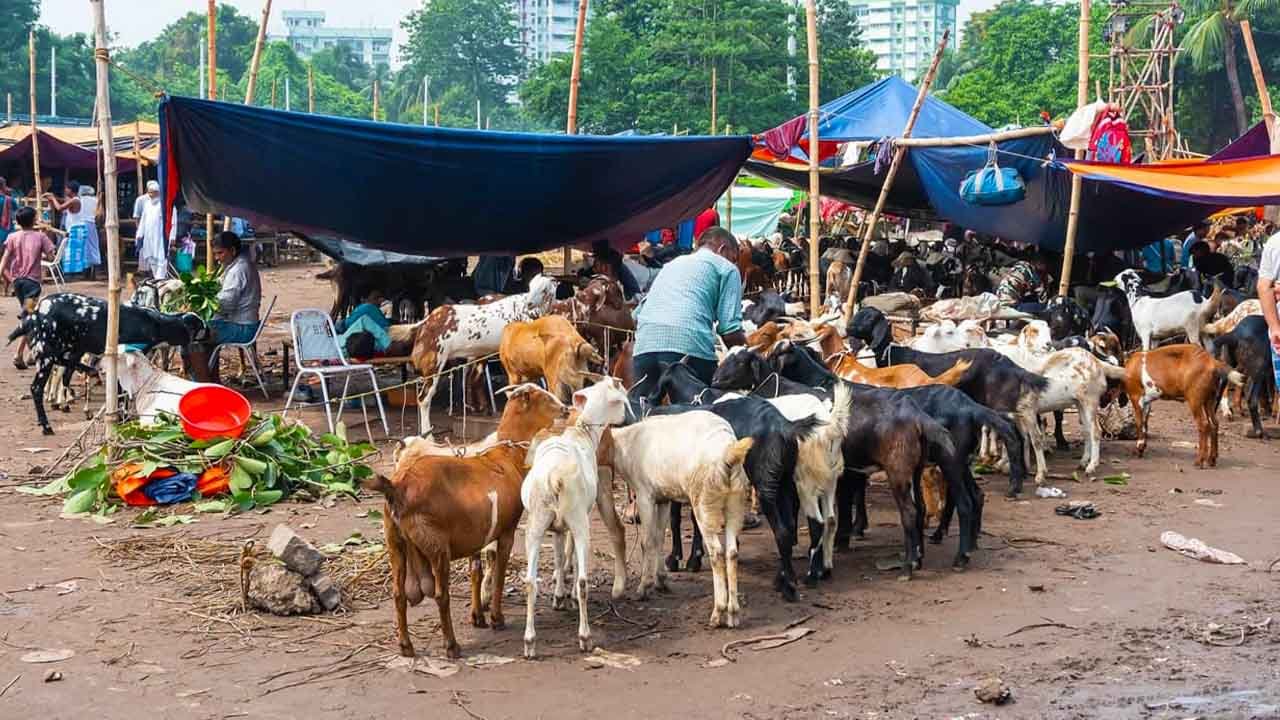
    Yesterday, Eid-ul-Azha was celebrated in Pakistan. Leading up to the occasion, thousands of sacrificial animals were made available for sale at established cattle markets in Karachi, Lahore, and Islamabad. However, a significant hurdle emerged as there were very few customers due to the prevailing issue of record inflation, which has affected millions of Pakistanis.

    Eid-ul-Azha, also known as the “Feast of Sacrifice,” is a revered observance that coincides with the final rites of the annual Hajj pilgrimage in Saudi Arabia. It is a joyous occasion where food plays a central role. Many Muslims mark the four-day festival by ritually slaughtering livestock and distributing the meat among family, friends, and the less fortunate.

    Yet, Pakistan’s annual inflation rate, reaching a record high of 37.97 per cent in May for the second consecutive month, has had a significant impact. Many buyers at Islamabad’s main cattle market expressed their inability to afford the livestock needed for the ritual sacrifice. On the other hand, sellers lamented that they had to acquire animals at exorbitant prices this year, with the cost of rearing the cattle being three times higher than before.

    Last week at Islamabad’s cattle market, the thin crowd was evidence of the prevailing desperation caused by the high cost of living, which had significantly dampened the typically thriving holiday trade in goats, cows, and sheep. One seller shared that despite bringing 20 animals, they were only able to sell five.

    Approximately 4,000 sacrificial animals had been brought from different parts of the country to the market ahead of Eid-ul-Azha. However, sellers reported a distinct lack of customers, and they expressed their concerns about the high prices of the animals, as their ability to earn income for their families depended on successful sales.

    Buyers, on the other hand, voiced their discontentment with the sellers’ pricing, noting its unfairness. Their grievances were justified, considering the substantial price disparities observed this year.

    For instance, a goat that would typically cost no more than Rs40,000 was being sold for Rs80,000, while a cow that should be priced around Rs300,000 had sellers asking for Rs700,000. These doubled rates compared to previous years reflect the challenging economic conditions in Pakistan.

    Cattle owners emphasised that looking after the animals was neither an easy nor a cheap task. The cost of animal feed, along with the overall care and maintenance, required considerable financial resources and effort.

    Sellers further elaborated on the costs associated with caring for the animals, emphasising the additional expenses incurred to ensure their well-being and appearance. They mentioned providing the animals with a diet consisting of wheat, milk, ghee, barley, nuts, and other natural ingredients to enhance their beauty, weight, and physique.

    However, the increased costs resulted in fewer customers. People’s purchasing power was significantly impacted, leading to a decline in market visitors. Even those who did come preferred to leave empty-handed due to the inflated prices of the animals.

    The prices for bulls ranged up to Rs600,000, while goats were priced between Rs50,000 and Rs150,000. The impact of inflation had a significant effect on people’s purchasing power, and as a result, there was a noticeable decrease in the number of sacrificial animals being bought compared to previous years. Many individuals who would typically purchase whole animals opted to go for “Hissa” meat instead.
  • IMF’s disapproval of budget raises odds of default and economic fallout for Pakistan

    IMF’s disapproval of budget raises odds of default and economic fallout for Pakistan

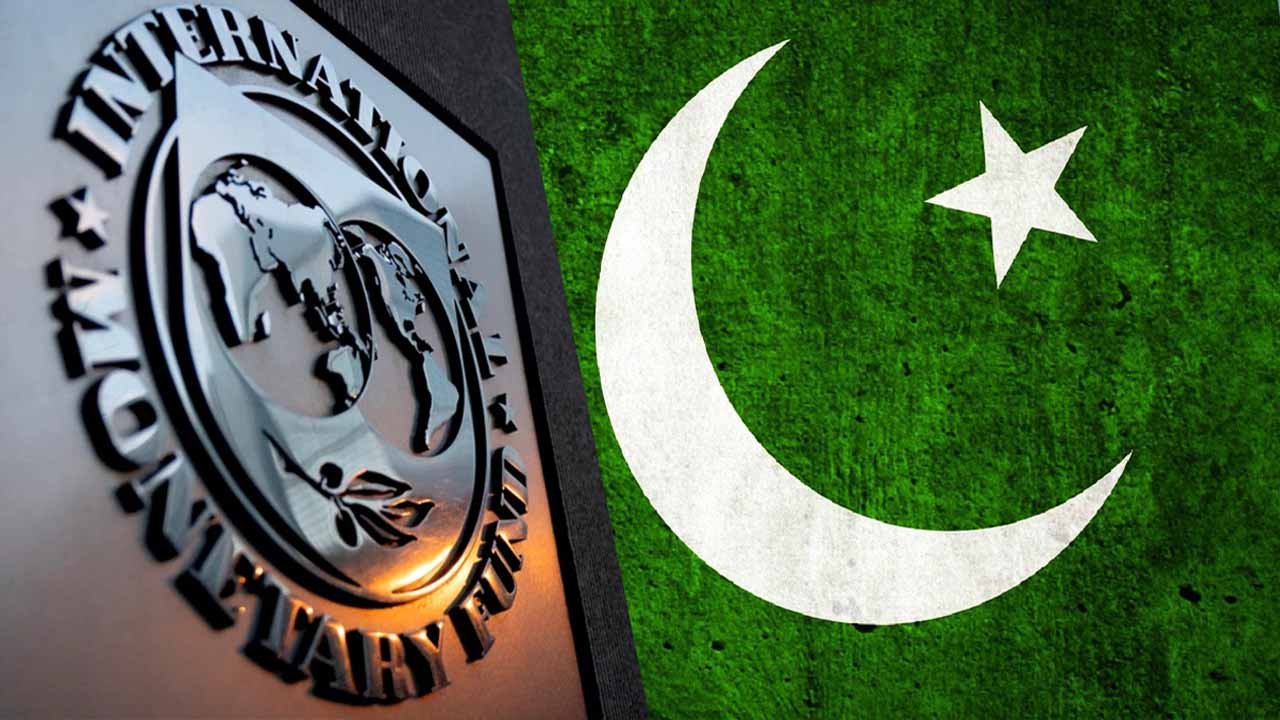
    In a recent report, the International Monetary Fund (IMF) expressed criticism of Pakistan’s latest budget, increasing the likelihood that the lender may withhold the much-needed aid before the bailout programme concludes at the end of June.

    According to Bloomberg, this development could lead to a severe dollar shortage in the first half of the upcoming fiscal year, potentially resulting in a higher chance of default, lower growth, and increased inflation and interest rates.

    The IMF’s critique of the budget stems from its belief that it does not adequately address the need to broaden the tax base and includes a tax amnesty. The current foreign currency reserves of Pakistan stand at $4 billion. However, with approximately $900 million in debt repayment due this month, the reserves will deplete by the end of June unless the expected IMF aid materialises.

    The country faces the challenge of repaying an additional $4 billion between July and December, which cannot be rolled over. Given the projected reserves falling below $4 billion at the start of fiscal year 2024, default seems highly probable, according to the report titled “Pakistan Insight.”

    The absence of an IMF programme would significantly limit the options for obtaining fresh external funding. The report suggests that negotiations for a new bailout agreement with the IMF are unlikely to commence until after the elections in October. Furthermore, even if an agreement is reached, actual aid disbursement under a new programme would not occur until December.

    In the meantime, Pakistan must focus on conserving dollars by restricting import purchases and maintaining a surplus in its current account balance to fulfill its obligations. To avert default in the first half of fiscal year 2024, the country will also need to seek assistance from friendly nations.

    The report warns of severe consequences for Pakistan’s economy if the anticipated IMF aid is not received by the end of June. Import restrictions will need to remain in place, and the State Bank of Pakistan is expected to raise interest rates above the current level of 21 per cent to further reduce demand for imports and preserve foreign exchange reserves.

    The report’s base case assumes that the State Bank of Pakistan will maintain its current policy stance until December, but that prediction relies on the assumption of IMF aid arriving by the end of June.

    Continued import restrictions and a weaker Pakistani rupee are likely to contribute to higher inflation in fiscal year 2024 compared to current forecasts. It is projected that inflation will average around 22 per cent, while increased borrowing costs and limitations on importing raw materials will further hamper production and dampen consumption.

    In addition, if the expected IMF aid does not materialise this month, the report predicts that Pakistan’s growth in fiscal year 2024 will be much weaker than the current forecast of 2.5 per cent.

    Furthermore, the higher interest rates resulting from the aid shortfall will lead to increased debt servicing costs for the government. The report reveals that approximately half of the fiscal year 2024 budget is allocated to debt servicing, exacerbating the country’s fiscal challenges.

    With the IMF aid hanging in the balance, Pakistan faces a critical period in its economic trajectory, where strategic financial decisions, reliance on friendly nations, and stringent economic measures will be essential to avoid further complications and ensure stability in the future.

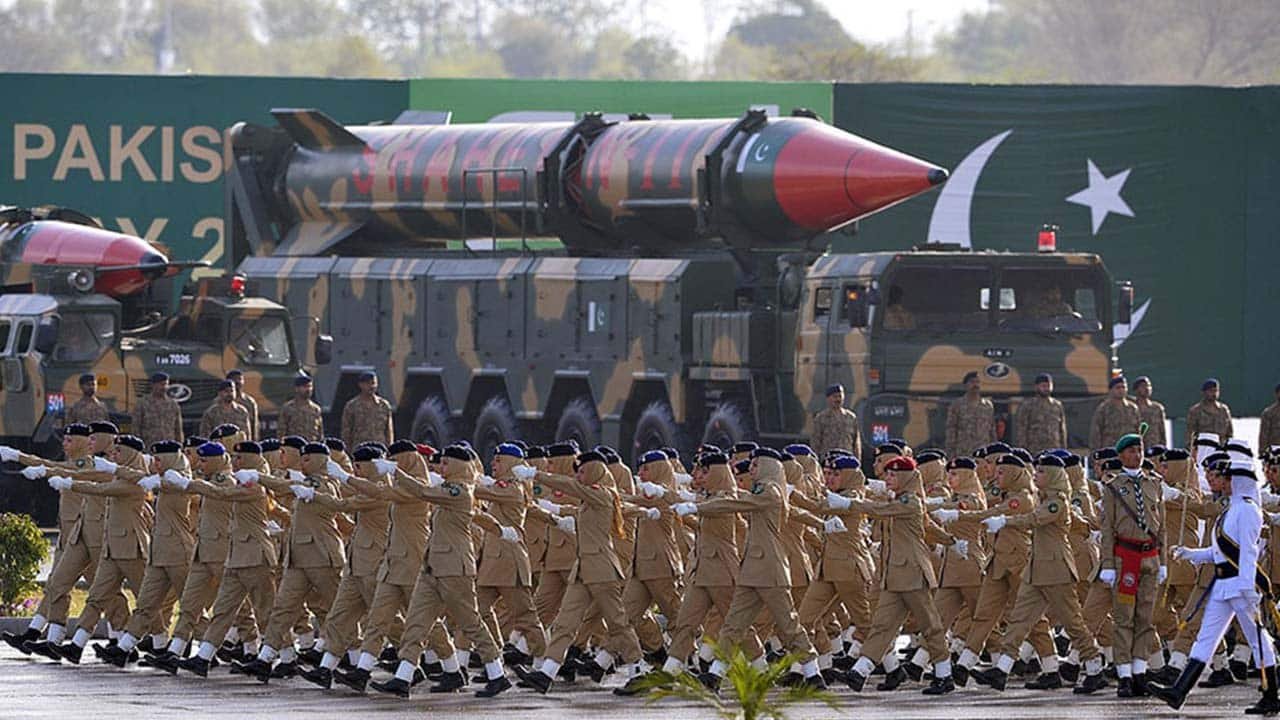
  • Govt increases defence budget by 16% to Rs1.8 trillion

    Govt increases defence budget by 16% to Rs1.8 trillion

    In response to the prevailing internal and external security challenges faced by Pakistan, the federal government has put forward a proposal for a substantial 16 per cent rise in the defence budget. According to the budget document, the allocation for defence in the fiscal year 2023-24 is projected to be Rs1,804 billion, signifying an increase from the revised defence spending of Rs1,591 billion assigned for the outgoing fiscal year.

    Experts opine that the justification for a 15.7 per cent surge in the defence budget stems from the record inflation and devaluation of the rupee against the dollar witnessed over the past year. A detailed examination of the budget reveals that the figure of Rs1,804 billion excludes Rs563 billion designated for retired military personnel pensions, Rs280 billion for the armed forces development program and other crucial expenses, and Rs58 billion for UN peacekeeping missions.

    According to the 2023-24 budget document, out of the total defence allocation, Rs705 billion has been set aside for employee-related expenses, Rs442 billion for operational costs, Rs461 billion for local purchases and import of arms and ammunition, and Rs195 billion for civil works. Interestingly, all three branches of the military—the army, navy, and air force—have received equal budget increments, albeit with the army receiving the largest share due to its size and role.

    Pakistan’s defence spending currently accounts for 1.7 per cent of its GDP, representing a decline compared to the previous year. In the 2022-23 fiscal year, defence spending constituted around 2 per cent of the country’s GDP, which expanded due to the reevaluation of the economy.

    When comparing the average spending per soldier, Pakistan allocates $13,400, while India dedicates $42,000, Saudi Arabia $371,000, Iran $23,000, and the United States allots a substantial $392,000 annually. It is important to note, however, that the disparity lies in the significant disparity in the sizes of their respective economies compared to Pakistan’s.

    Defence expenditure has consistently been a topic of discussion, with some advocating for greater transparency and open debate regarding the military budget. In recent years, the government has provided more detailed information about the defence budget. Nevertheless, there has been no open parliamentary debate on the subject. Observers argue that the increase in the defence budget is warranted, considering the imminent external and internal security challenges faced by the country.

    Despite the withdrawal of US troops from neighbouring Afghanistan, Pakistan continues to deploy a substantial number of troops along its western border and erstwhile tribal areas to combat the threat of terrorism. Similarly, tensions persist between Pakistan and India, although the restoration of a ceasefire has provided some respite.

  • Govt employees of grades 1-16 to receive 35% salary raise in FY2023-24 budget

    Govt employees of grades 1-16 to receive 35% salary raise in FY2023-24 budget

    In response to the ongoing challenges posed by significant inflation, the federal cabinet has granted its approval to the budget proposals for the upcoming fiscal year 2023-2024.

    As part of these measures, the salaries of government employees will be enhanced by up to 35 per cent, based on the recommendations put forth by various stakeholders. This decision aims to alleviate the hardships faced by the less privileged segments of society.

    Furthermore, the government has sanctioned a 17.5 per cent increment in pensions for the fiscal year 2023-2024. Employees falling within grades 1-16 will benefit from a salary raise of 35 per cent, whereas those in higher grades, above grade 17, will experience a 30 per cent increase in their salaries. Moreover, the government has established a minimum wage of Rs32,000.

    In addition to salary adjustments, the Pay and Pension Commission has proposed a 100 per cent rise in medical and conveyance allowances for government employees, along with a 10 per cent increase in ad hoc allowances. These recommendations are being taken into careful consideration by the government.

    The approval of the budget proposals reflects the government’s commitment to address the economic challenges faced by the country and provide relief to its citizens.

  • Countdown to Pakistan’s budget unveiling: Last IMF review holds the key

    Countdown to Pakistan’s budget unveiling: Last IMF review holds the key

    Pakistan is heading towards a crucial phase as it prepares to unveil its budget on June 9, following an arduous bailout negotiation with the International Monetary Fund (IMF). A Fund official revealed that only one board review remains under the current IMF bailout package, which is seen as a step towards a successful review.

    Esther Perez Ruiz, the resident representative for Pakistan at the IMF, emphasised the need to restore the proper functioning of the foreign exchange market to pave the way for the final review.

    Ruiz outlined additional prerequisites, including passing a budget that aligns with the program objectives for the 2023-24 fiscal year, and securing credible financing commitments to address a $6 billion shortfall.

    Experts suggest that the coalition government is striving to strike a delicate balance between satisfying the demands of the IMF and winning over voters in the upcoming general election. Analysts expect the government to announce populist measures in the budget to appease the electorate while aiming to meet IMF prescriptions.

    The IMF program, which concludes this month, has approximately $2.5 billion in funds yet to be released due to ongoing negotiations between Pakistan and the lender. Pakistan’s economy is grappling with severe challenges, including high inflation, fiscal imbalances, and low reserves.

    The government is hoping that the general election scheduled for November will help alleviate the turmoil stemming from a protest campaign led by Pakistan Tehreek-e-Insaf (PTI) chairman after his removal in a no-confidence vote last year.

    Former finance minister Miftah Ismail stressed the importance of securing IMF funding, highlighting the difficulties Pakistan would face without it. Ismail expressed confidence that the government would present a budget in line with IMF prescriptions to ensure the country’s survival in the next fiscal year.

    A staff-level agreement between Pakistan and the IMF to release $1.1 billion from a $6.5 billion package has been delayed since November, further intensifying the country’s need for funds to avert a balance of payments crisis. Experts believe that even after the current program expires, Pakistan will likely seek another bailout in the upcoming fiscal year to avoid defaulting on its debt obligations.

    Pakistan’s central bank reserves can cover imports for only about a month, underscoring the urgency of securing financial assistance. Inflation in the country, home to 220 million people, has reached a staggering 37.97 per cent in May, marking a record high for the second consecutive month and making it the highest rate in South Asia.

    The planning minister recently announced that development spending targets in the new fiscal year would be set at 1,150 billion rupees ($4.02 billion), while projecting an inflation rate of 21 per cent for the same period. With the general election looming, some analysts anticipate that the government will announce vote-winning measures, even if they have to be scaled back later.

    Pakistan’s budget unveiling tomorrow will be closely watched by the nation, as it not only sets the course for the fiscal year but also represents a crucial step in the ongoing negotiations with the IMF and the government’s efforts to regain stability and boost economic growth.