Tag: inflation

  • FBR officers request leave until June to protest against low salary amid soaring inflation

    The Federal Board of Revenue (FBR) is in the midst of a predicament as its officers have apparently requested leave until June in order to protest against the rising inflation that is affecting their ability to make ends meet.

    In a letter addressed to the FBR Chairman Asim Ahmed, 117 Income Tax officers ranging from grades 17 to 19 have expressed their discontent with a meagre pay scale.

    “Due to low pay, we are unable to meet the expenses of coming to the office in this era of skyrocketing inflation,” the letter stated.

    This issue is extremely worrisome as the absence of these officers during the crucial budgeting process could have grave consequences for the country’s economy since the FBR is accountable for collecting taxes and revenue for the government.

    According to ARY News, the FBR Chairman has promised to raise the matter of the officers’ salary scale with Prime Minister Shehbaz Sharif. Additionally, he mentioned that the tax officers’ performance allowance has been withheld since 2015.

    It’s worth noting that an FBR officer made a peculiar request in a separate incident. In a letter addressed to Prime Minister Shehbaz Sharif, the officer requested permission to engage in corrupt activities in order to cover domestic expenses in the face of soaring inflation.

  • Pakistan’s weekly inflation reaches record high of 48.35%

    Pakistan’s weekly inflation reaches record high of 48.35%

    According to data from the Pakistan Bureau of Statistics (PBS), the Sensitive Price Indicator (SPI) has risen by 1.05 per cent to reach a record high of 48.35 per cent year-on-year for the week ending May 4. The SPI for the aforementioned week was recorded at 254.84 points, compared to 252.2 points the previous week.

    Of the 51 monitored items, 30 items experienced an increase in average price, while 9 items decreased, and 12 items remained unchanged during the week.

    The items that experienced an increase in average prices on a week-on-week (WoW) basis were chicken (8.91 per cent), potatoes (3.99 per cent), powdered milk (3.81 per cent), pulse gram (1.96 per cent), pulse masoor (1.83 per cent), eggs (1.81 per cent), mutton (1.71 per cent), pulse mash (1.58 per cent), cooked daal (1.36 per cent), and bread (1.13 per cent). The non-food items that saw an increase were gents sponge chappal (58.05 per cent), gents sandal (33.36 per cent), ladies sandal (14.31 per cent), and washing soap (1.27 per cent).

    On the other hand, a decline was seen in the prices of onions (16.69 per cent), garlic (3.44 per cent), tomatoes (3.41 per cent), diesel (1.70 per cent), mustard oil (0.99 per cent), LPG (0.96 per cent), cooking oil 5 litre (0.40 per cent), and vegetable ghee 2.5kg & 1kg (0.10 per cent each).

    Monitored Items Average Price Increase/Decrease
    Chicken +8.91%
    Potatoes +3.99%
    Powdered Milk +3.81%
    Pulse Gram +1.96%
    Pulse Masoor +1.83%
    Eggs +1.81%
    Mutton +1.71%
    Pulse Mash +1.58%
    Cooked Daal +1.36%
    Bread +1.13%
    Onions -16.69%
    Garlic -3.44%
    Tomatoes -3.41%
    Diesel -1.70%
    Mustard Oil -0.99%
    LPG -0.96%
    Cooking Oil 5L -0.40%
    Vegetable Ghee 2.5kg -0.10%
    Vegetable Ghee 1kg -0.10%
  • Historic high: Gold price in Pakistan soars to record-breaking Rs225,300 per tola

    Historic high: Gold price in Pakistan soars to record-breaking Rs225,300 per tola

    Pakistan’s economic turmoil and an increase in international gold rates have led to a new high in the value of the precious metal in the country.

    According to data provided by the All Pakistan Sarafa Gems and Jewellers Association (APSGJA), the rate of gold (24 carats) surged by Rs2,600 per tola and Rs2,229 per 10 grams to reach Rs225,300 and Rs193,158, respectively.

    The price of gold in the international market also rose by $29 to settle at $2,044 per ounce. In Pakistan, the rising gold rate is a consequence of weakened economic fundamentals, rupee depreciation, and record-high inflation.

    During such times, people prefer to buy gold as a hedge against inflation and currency depreciation. Furthermore, the delay in an agreement with the International Monetary Fund (IMF) for a much-needed economic bailout has led to increased demand for gold as it negatively impacts the currency market.

    The APSGJA also revealed that the price of gold is Rs2,500 per tola “undercost” in Pakistan as compared to the Dubai market, indicating that the Pakistani gold market is currently cheaper than the global market.

    Finally, the rate of silver also increased to a new high in the country, with the rate of silver rising by Rs120 per tola and Rs102.88 per 10 grams to settle at Rs2,870 and Rs2,357.68, respectively.

  • IMF demands approval for subsidies as Pakistan struggles to secure tranche

    IMF demands approval for subsidies as Pakistan struggles to secure tranche

    Pakistan has been negotiating an agreement with the International Monetary Fund (IMF) since January 2023. The IMF has specified that Pakistan must receive prior approval before providing any additional subsidies.

    Negotiations have hit a snag over a plan announced by Prime Minister Shehbaz Sharif in March to charge wealthy fuel consumers more to subsidise prices for the poor who have been severely impacted by inflation.

    Despite meeting almost all of the Fund’s conditions, the government is struggling to convince the lender to release the tranche. On a separate issue of securing confirmation on the external financing gap of $5 billion by June 2023, the Kingdom of Saudi Arabia and the United Arab Emirates have provided over $2 billion and $1 billion respectively.

    The formal agreements with these countries are expected to be signed soon. The Pakistani authorities are complaining that the IMF has placed prior actions before signing the staff-level agreement, which was not done in the past.

    According to The News, the IMF asks for confirmation from commercial banks before signing the agreement, while banks are asking for IMF’s board approval and the revival of the Fund program to refinance loans worth $2-3 billion.

    Finance Minister Ishaq Dar has assured US diplomat Andrew Schofer that the government is committed to completing the ongoing IMF program.

  • Iranian minister impeached over rising inflation

    Iranian minister impeached over rising inflation

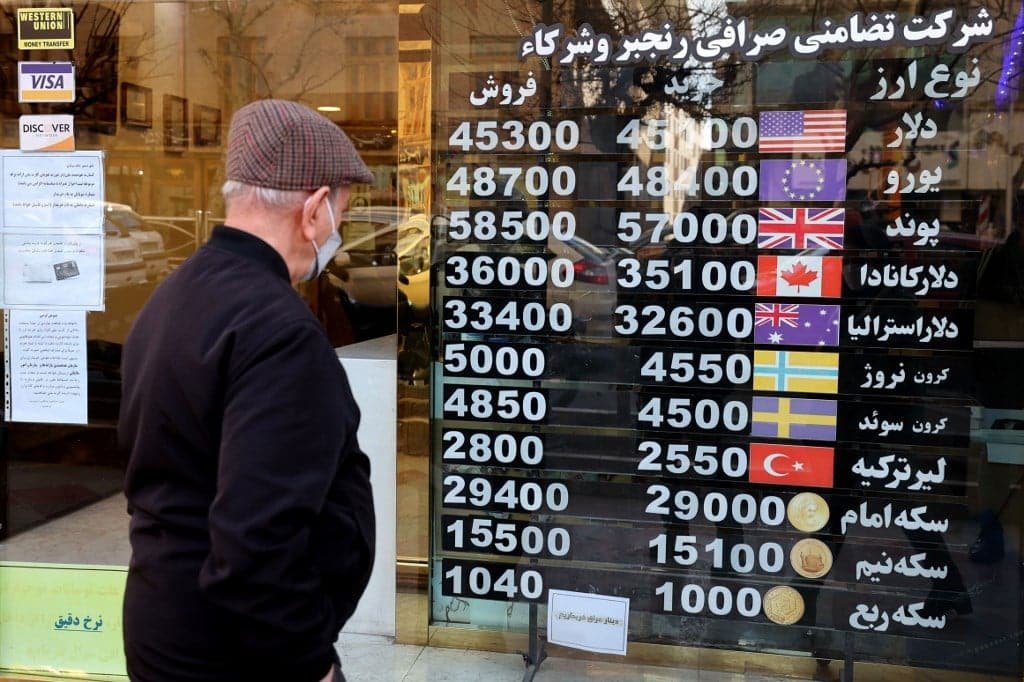
    Iranian lawmakers have voted to impeach Minister of Industry, Mines and Trade Reza Fatemi Amin over his poor performance.

    The country is under a financial crisis because of international sanctions and rising inflation.

    Reza Fatemi Amin failed to gain enough support in a vote of confidence that saw 162 MPs vote in favour of his removal and 102 against it.

    The development took place due to the rising price of domestically manufactured vehicles after foreign imports dried up because of sanctions.

  • Inflation worsens in Pakistan, affecting purchasing power of millions

    Inflation worsens in Pakistan, affecting purchasing power of millions

    The citizens of Pakistan, a poor country with a population of 220 million, have been struggling with record-high inflation due to the government’s inability to control prices. According to the weekly bulletin released by the Pakistan Bureau of Statistics (PBS), the weekly inflation increased by 46.82 per cent year-on-year and 0.15 per cent week-on-week, ending on April 27.

    The rise in the sensitive price indicator (SPI) was attributed to the increase in the prices of potatoes, chicken, wheat flour, gur, bread, and rice irri-6/9. On the other hand, there was a decrease in the prices of tomatoes, bananas, onions, sugar, LPG, pulse masoor, and mustard oil during the same period. The SPI for the week under review was recorded at 252.20 points, up from 251.83 points the previous week and 171.78 points recorded during the week ended on April 28, 2022.

    Fahad Rauf, head of research at Ismail Iqbal Securities, attributed the moderate increase in SPI mainly to the rise in the prices of potatoes and mutton. The price trend of perishable food items during the Eid week has been mixed, with the prices of some items going up and some going down. Ismail Iqbal Securities predicted that the CPI for April 2023 would come around 38 per cent, up from 35.4 per cent in March 2023, due to house rent revisions and higher wheat prices.

    The absence of the International Monetary Fund (IMF) programme and persistent inflationary pressures may result in another rate hike, as per Ismail Iqbal Securities. An interest rate hike could further discourage businesses, which have already postponed their expansion plans and hiring. Import restrictions have also added to the woes of industries and businesses that have faced frequent shutdowns, resulting in uncertain or no wages for millions of workers.

    The SPI is compiled by PBS by collecting prices of 51 essential items from 50 markets in 17 cities of the country. During the week, prices of 21 items increased by 41 per cent, while prices of seven items decreased by 13.73 per cent, and prices of 23 items remained unchanged, accounting for 45.10 per cent of the total. Various weightages are assigned to different commodities in the SPI basket, with milk, electricity, wheat flour, sugar, firewood, long cloth, and vegetable ghee having the highest weights for the lowest quintile. The price of milk and wheat flour increased, while the price of sugar decreased. The prices of electricity, firewood, long cloth, and vegetable ghee remained unchanged. However, the prices of all these commodities increased on a yearly basis.

  • Saudi Arabia and UAE pledge $3 billion to Pakistan as IMF agreement nears

    Saudi Arabia and UAE pledge $3 billion to Pakistan as IMF agreement nears

    On Monday, Finance Minister Ishaq Dar stated that Pakistan has fulfilled all conditions set by the International Monetary Fund (IMF). He expressed hope that the IMF would soon sign the staff-level agreement, which would allow for the release of the $1.1 billion tranche.

    Since February, the two parties have been negotiating various conditions and external financing from friendly nations before signing the agreement. Speaking to Geo News, Dar stated that Saudi Arabia and the United Arab Emirates (UAE) have informed the IMF of their commitments to provide $3 billion to Pakistan.

    Riyadh has pledged $2 billion, while Abu Dhabi has promised $1 billion. The IMF has also been notified of this, according to Dar. The finance minister emphasized that all conditions for the staff-level agreement have been met, and he expressed optimism that the IMF’s Executive Board would approve it soon.

    The country’s foreign exchange reserves have dwindled to cover barely a month of imports since the IMF funding stalled in November. Pakistan must resume the bailout package, which was agreed upon in 2019 and is worth $6.5 billion, to avoid risking default on external payment obligations.

    Pakistan had to take several steps demanded by the IMF, including reversing subsidies in its power, export, and farming sectors, raising energy and fuel prices, imposing a permanent power surcharge, among other measures.

    These moves have pushed Pakistan’s inflation to its highest level ever, rising to over 35 per cent YoY in March. The IMF programme will disburse another tranche of $1.4 billion to Pakistan before it ends in June, and it will unlock other bilateral and multilateral financing for the cash-strapped country.

    In recent weeks, neighbouring China has rolled over $2 billion and refinanced another $1.3 billion.

  • Rising petrol prices and rupee devaluation push inflation to 47.23% in Pakistan ahead of Eid

    Rising petrol prices and rupee devaluation push inflation to 47.23% in Pakistan ahead of Eid

    According to data released by the Pakistan Bureau of Statistics (PBS), a steep increase in the prices of essential food items such as chicken and petrol has pushed weekly inflation to 47.23 per cent year-on-year for the week ending on April 19. Inflation has risen 0.51 per cent week-on-week, compared to a 0.60 per cent decrease in the previous week.

    The rising inflation has been attributed to the increase in sensitive price indicators such as LPG, potatoes, petrol, tea, gur, matchbox, bread, chicken, bananas, broken basmati rice, and rice irri-6/9. However, a major decrease was observed in the prices of tomatoes, onions, garlic, sugar, wheat flour, mustard oil, cigarettes, and pulse gram.

    For the week under review, the SPI (Sensitive Price Index) was recorded at 251.83 points, against 250.56 points registered last week and 171.05 points recorded during the week ended April 21, 2022. Fahad Rauf, head of research at Ismail Iqbal Securities, said that SPI experienced an increase mainly driven by a 4 per cent and 2 per cent increase in the prices of petrol and chicken, respectively.

    During the week, the government raised petrol prices by Rs10 per litre, bringing the new price to Rs282 per litre, due to the impact of rising international oil prices and rupee devaluation. Chicken prices have also risen mainly due to increased seasonal demand in Ramadan and the arrival of Eid.

    Prices of commodities have risen significantly over the last year on account of devaluation as well as the massive floods that devastated food crops across most of the fertile plains of the country. Different weights are assigned to various commodities in the SPI basket, and prices of commodities have risen on a year-on-year basis. The PBS compiles the SPI by collecting prices of 51 essential items from 50 markets in 17 cities of the country.

    During the week under review, out of 51 items, prices of 29 (56.86 per cent) items increased, eight (15.69 per cent) items decreased, and prices of 14 (27.45 per cent) items remained unchanged. The PBS data attributed the year-on-year rise in SPI to the jump in the prices of goods such as cigarettes, wheat flour, gas charges for Q1, tea, diesel, potatoes, bananas, eggs, petrol, broken basmati rice, rice irri-6/9, pulse moong, and plain bread. However, a decrease was observed in the prices of tomatoes and chilli powder.

  • Inflation hits Pakistanis hard as they prepare for Eid-ul-Fitr festivities

    Inflation hits Pakistanis hard as they prepare for Eid-ul-Fitr festivities

    Eid-ul-Fitr is an important religious holiday celebrated by Muslims around the world, marking the end of the holy month of Ramadan.

    During Ramadan, Muslims fast from dawn until sunset and abstain from food, drink, and vices like gossip and lying. It is a period of self-reflection and a reminder to be charitable to the less fortunate.

    Observed first day of Shawwal, the tenth month of the Islamic calendar, Eid-ul-Fitr is a time for Muslims to come together with family and friends to offer prayers, exchange gifts, and share meals. It is also a way for Muslims to show their gratitude to Allah for giving them the strength to fast and to seek forgiveness for any sins committed during the year.

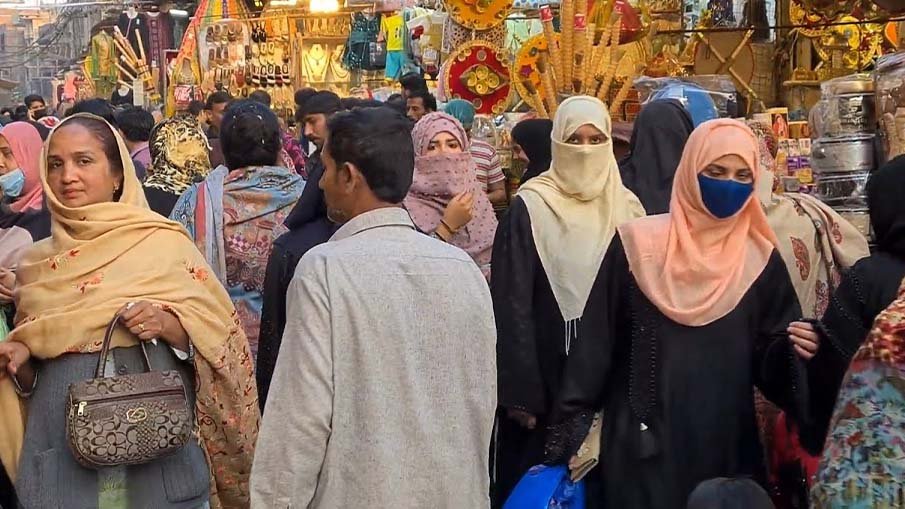
    However, in Pakistan, small shops and businesses are struggling to make ends meet during this year’s Eid-ul-Fitr celebrations. The high levels of inflation, which have hit their highest levels in decades, have left many businesses unable to make enough money to cover their monthly expenses, including rent and utility bills.

    For many small shops and businesses in Pakistan, the last days of Ramadan or before Eid-ul-Fitr used to be a guaranteed earner—a big-spending week that could match the take from the rest of the year. However, this year, many worry they will not even make enough to pay for their monthly expenses.

    A tailor in Canal Bank, Lahore, stated that each year, he was fully booked and had so many orders that he couldn’t take orders after the middle of the month of Ramzan. However, this year, he said, “For the first time, we are accepting orders in the last week of Ramzan as there is not much work.”

    Tailors in Lahore who used to charge Rs1,500 are now charging Rs2,500 or Rs2,200. Even well-known brands or shops are charging more, which is leaving consumers with no option but to go for cheap ready-made clothes or clothes that are available on sale.

    The South Asian country of more than 220 million people saw year-on-year inflation hit 35.4 per cent in March. Food prices surged more than 47 per cent in 12 months, with transport costs rising by 55 per cent.

    Pakistan is deeply in debt and needs to introduce tough reforms to unlock a tranche of a $6.5 billion bailout from the International Monetary Fund in order to avoid default. The economy has been wrecked by years of financial mismanagement and political instability—a situation exacerbated by a global energy crisis and devastating floods that left a third of the country under water last year.

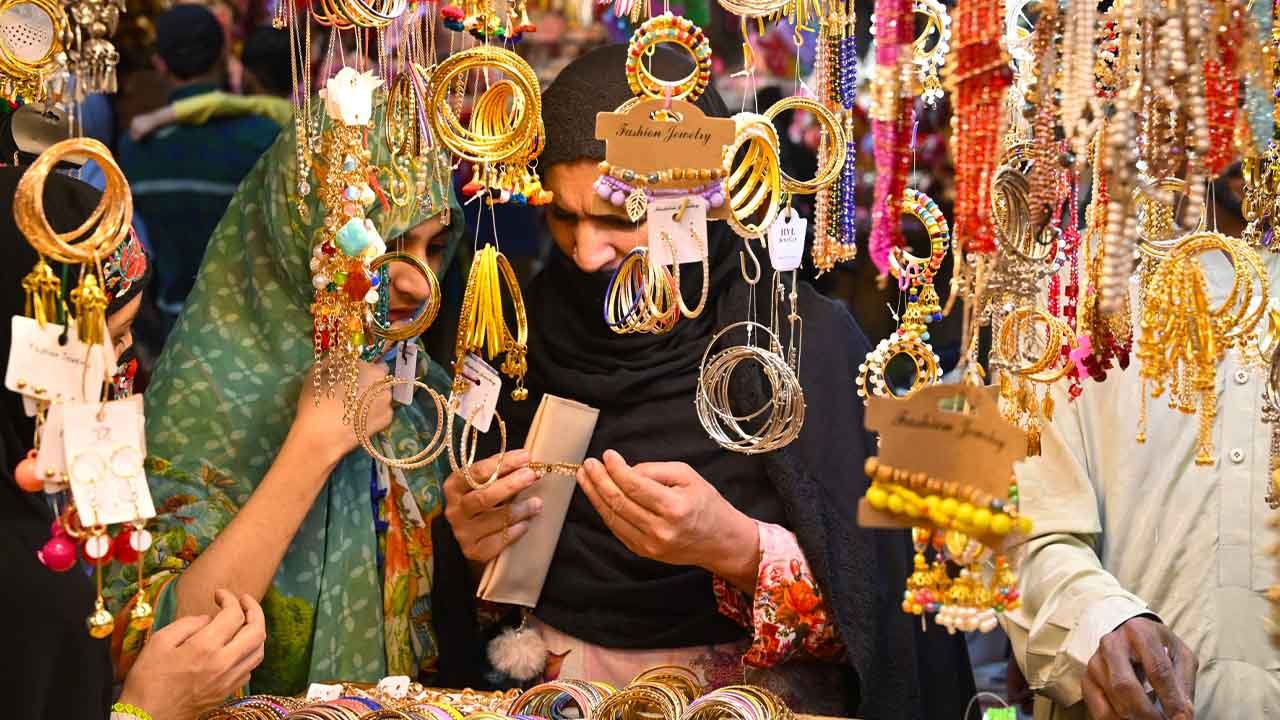
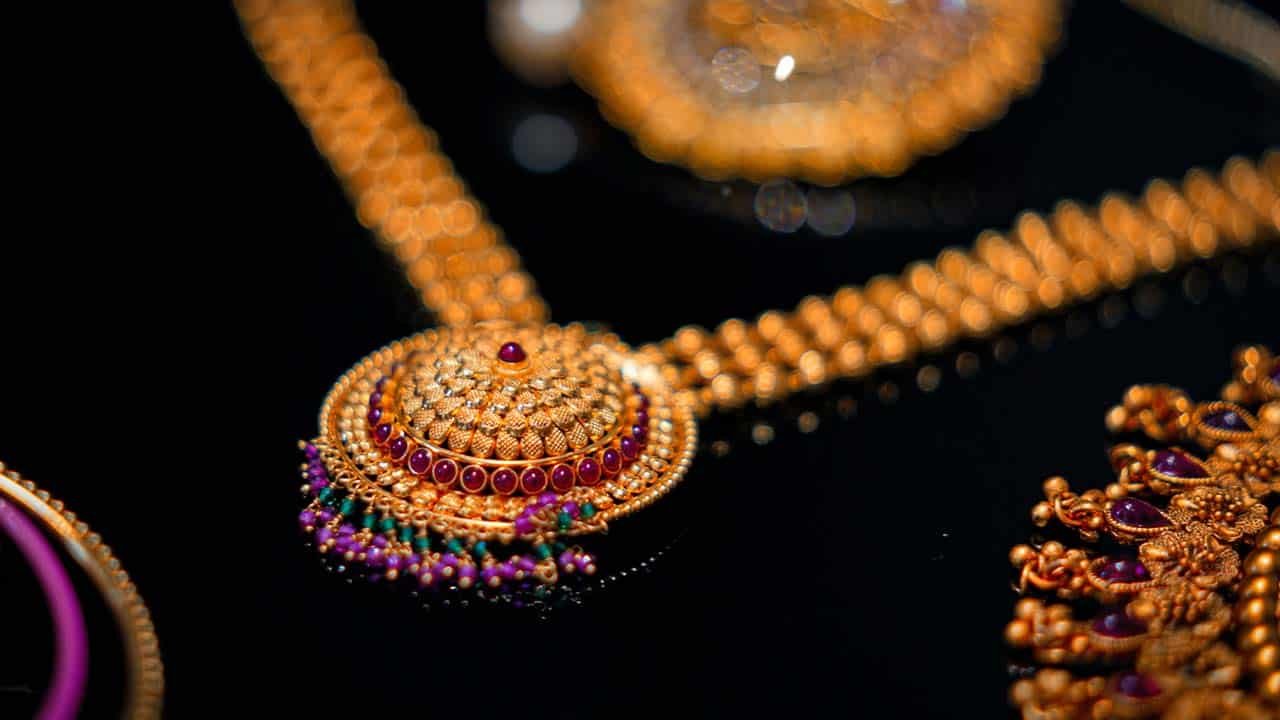
    An artificial jewelry shop owner in Anarkali, Lahore, Zaryab, said, “There is a significant difference between last year’s sales and this year’s. People come to our stall, see 3-4 necklaces or bangles, ask the price, and then leave.”

    The high inflation has significantly reduced the purchasing power of Pakistanis, and people are mostly focusing on fulfilling their essential needs. Noman Khan, an electrical engineer at ACE Pakistan, stated that this Eid, he has not been able to buy clothes for himself as he had to buy clothes for his two kids and wife. He added that “From artificial jewelry to kids’ clothes, everything is so expensive this year that I have no option but to wear old clothes. Although, I made sure that my kids and wife at least get what they want to wear this Eid.”

    In conclusion, the struggle for small businesses in Pakistan during Eid-ul-Fitr celebrations is a stark reminder of the country’s economic challenges. While many Pakistanis are still managing to celebrate the holiday, the high levels of inflation have made it difficult for many to enjoy the festivities.
  • Transporters overcharge passengers after fresh increase in fuel prices

    Transporters overcharge passengers after fresh increase in fuel prices

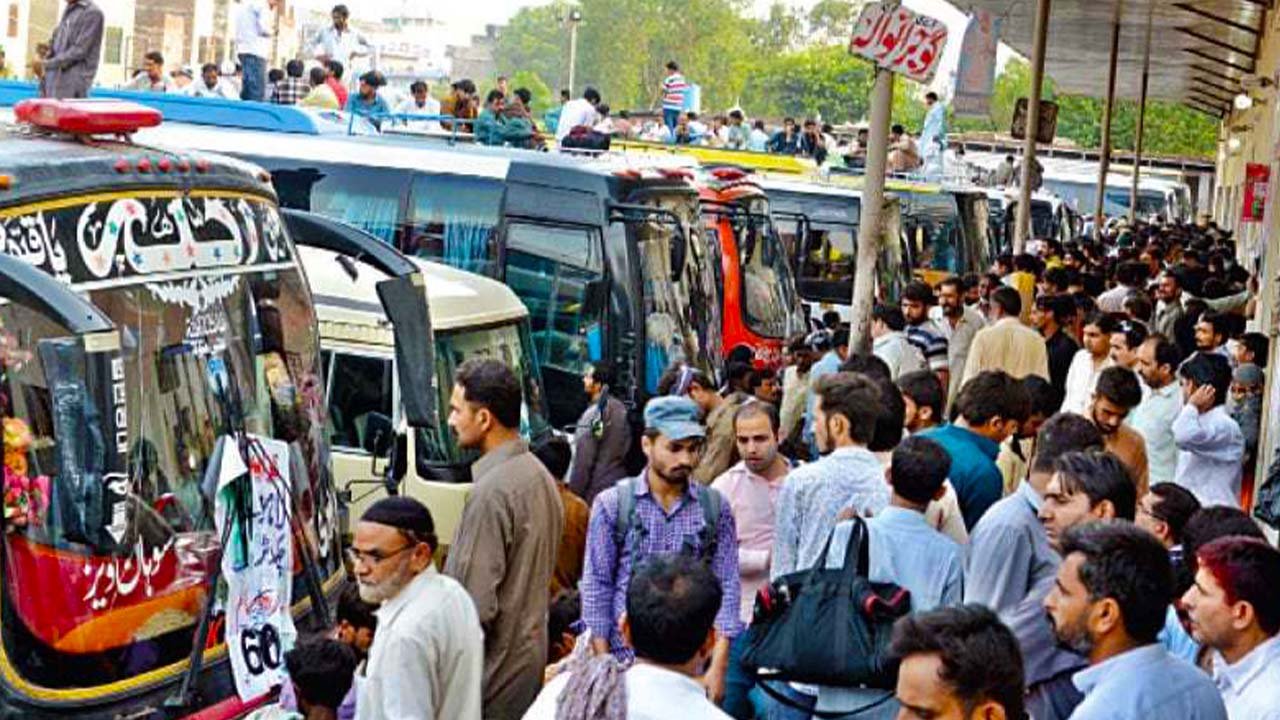
    The recent hike in petroleum prices has been met with public outcry, with many stating that the significant increase in petrol prices has severely impacted the common man, as transporters have raised fares just ahead of Eid-ul-Fitr. This rise in oil product prices is also expected to have repercussions on the cost of daily commodities, particularly kitchen items.

    The Statistical Department of Pakistan has reported that people were already facing 44.6 per cent inflation, and the weekly report showed that this figure was expected to increase further with the recent hike in petroleum prices. The price of petrol has been raised to Rs282 per litre, while high-speed diesel and light diesel oil rates will remain stable at Rs293 per litre and Rs174.68 per litre, respectively. However, kerosene oil has seen an increase of Rs5.78 per litre, with its price now standing at Rs186.07 per litre.

    Long route transporters have increased fares by 10 to 20 per cent per ticket, while freight services charges have risen by 30 per cent. Over 70 per cent of people have started to travel to their native towns to celebrate Eid-ul-Fitr with their families, and they have protested against the sitting government for the fresh increase in petroleum prices. The business community has also warned of a new wave of inflation, and the Pakistan Oil Tankers Association and All Pakistan Truck and Trailer Association have rejected the hike in petroleum product prices.

    Local transporters have also increased fares without permission, claiming that there is no government in the country. However, the District Regional Transport Authority (DRTA) Secretary has stated that they have started a crackdown against transporters who are overcharging passengers. The senior representatives of the trader’s community have also rejected the present hike in petroleum prices and have advised political parties to work together to boost the country’s economy.

    The All Pakistan Clerks Association (APCA) has stated that they are facing difficulties due to the government’s wrong policies and have decided to start a revolution after Eid-ul-Fitr against the wrong government policies. Wagon owners and drivers have protested at the termination points of their routes, while public transport operators in the Rawalpindi division will be meeting to discuss the situation. In summary, transporters, traders, and the general public have strongly reacted to the recent increase in fuel prices.