Tag: inflation

  • IMF seeks further assurances from Pakistan despite Saudi Arabia and UAE confirmation

    IMF seeks further assurances from Pakistan despite Saudi Arabia and UAE confirmation

    The International Monetary Fund (IMF) is seeking further assurances from Pakistan, despite confirmation of financial assistance from Saudi Arabia and the United Arab Emirates (UAE), to ensure that Pakistan has met the condition of arranging $6 billion financing in order to reach a staff-level agreement.

    Nathan Porter, the IMF’s Mission Chief to Pakistan, welcomed the announcement of financial assistance from the two “key” friendly countries, stating that the IMF supports the efforts of the Pakistani authorities. A Pakistani delegation is currently in Washington attending the Spring meetings of the IMF to discuss the revival of the loan programme. Pakistan’s Finance Minister Ishaq Dar was unable to attend due to domestic issues.

    Pakistan had been asked to arrange $6 billion in external financing, which it needed from now until June to avoid default. Saudi Arabia has pledged $2 billion, while the UAE has committed $1 billion, thus reducing the now-required amount to $3 billion. Pakistan’s foreign exchange reserves have fallen to cover barely a month of imports after the IMF funding stalled in November, hit by snags over fiscal policy adjustments after officials of the lender visited Islamabad in February for talks. The IMF programme will disburse another tranche of over $1 billion to Pakistan before it concludes in June.

    IMF’s Director of the Middle East and Central Asia Department, Jihad Azour, during a press conference, briefed the media about the current status of the $6.5 billion programme with Pakistan, saying that Pakistan is at a critical juncture and decisive actions are required to stabilise the economy. Azour emphasized the need for Pakistan to address inflation, reduce the constraints on trade and export, and maintain macroeconomic stability. He also stated that financing is required, and the financing needs are about what is currently in the programme, and the IMF is working with the authorities and bilateral supporters of Pakistan to ensure that the financing needs for the programme and beyond are assured.

    Central bank governor Jameel Ahmad told investors in Washington at the spring meetings of the lender and the World Bank that programme loans from other multilateral agencies await completion of the IMF review. Pakistan is at a critical juncture, and decisive actions are required to stabilise the economy.
  • Govt expected to increase petrol price by up to Rs14 per litre for the next fortnight

    Govt expected to increase petrol price by up to Rs14 per litre for the next fortnight

    Petroleum prices are expected to jump by approximately Rs10-14 per litre for the upcoming two weeks. Credible industry sources suggest that the government may contemplate increasing the prices of petroleum products in response to the increasing oil prices in the global markets.

    If the government considers compensating for exchange rate losses, as opposed to the previous review where the authorities did not transfer the impact of rupee devaluation to the public, the hike in prices could increase to as much as Rs14 per litre.

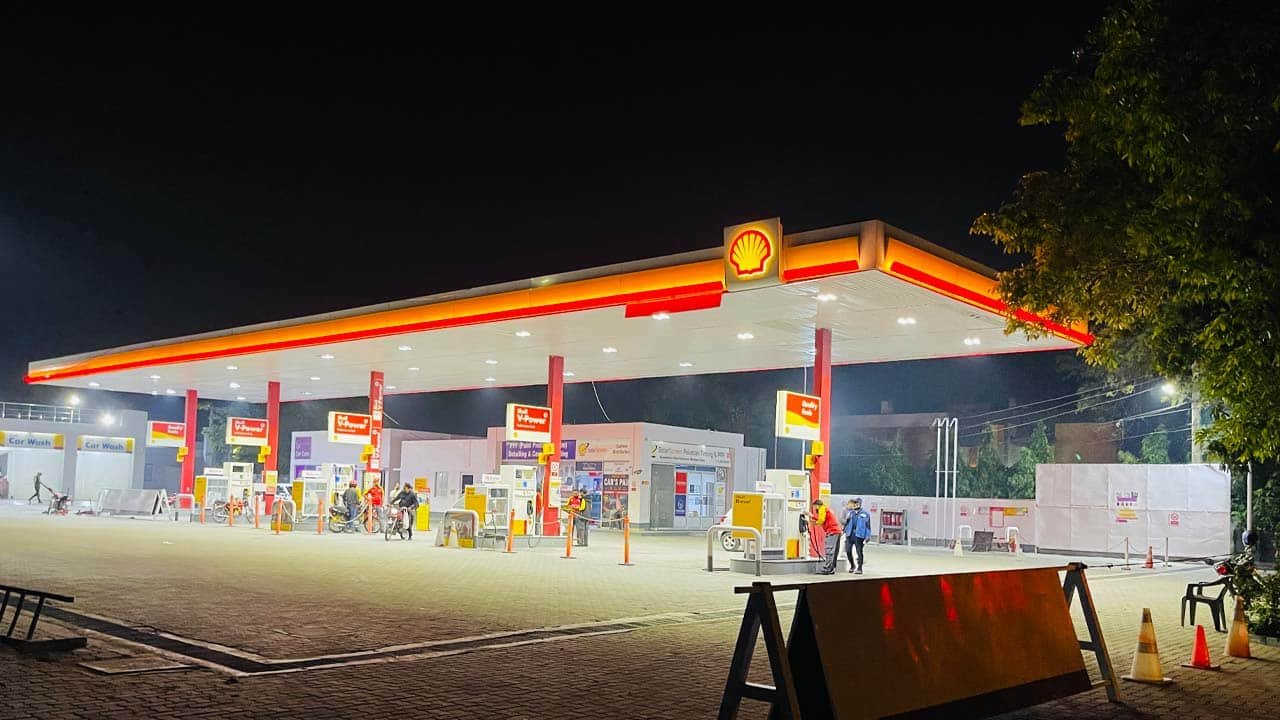
    The ex-depot price of petrol in the country is currently Rs272 per litre, and according to the workings of the oil sector, it is expected to reach Rs286.77 per litre in the next review if the government passes on the impact of global oil prices and exchange rate losses. However, even if the government does not adjust for exchange losses, petrol prices are still likely to increase due to higher global oil prices. The anticipated increase in the price of petrol is based on the current rate of taxes, with the government levying an Rs50 per litre charge on petrol and zero general sales tax.

    The expected rise in petrol prices is based on the Rs5 per litre exchange loss adjustment of Pakistan State Oil (PSO), which the government did not include in the past to keep petrol prices low. The prices of petroleum products would have been higher following the massive depreciation of the rupee against the dollar in the last two and a half months when, under International Monetary Fund (IMF) conditions, the market-based exchange rate was allowed.

    On the other hand, the price of high-speed diesel (HSD) is expected to remain unchanged in the next review of prices, as the current ex-depot price of HSD is the same as the expected price for the next fortnightly period. The anticipated unchanged price of HSD is based on the Rs17.50 exchange loss adjustment of PSO, which was pending when the dollar price increased massively in the last few weeks. Sources suggest that if the government does not adjust for exchange rate losses, the diesel price may decrease by Rs15 per litre.

    The government raised the petroleum levy on HSD to Rs50 per litre under IMF conditions in the last review of prices and charged no GST on it. According to sources, while the oil sector’s workings reflect a rise in petrol prices and no change in HSD, it is up to the government to decide. In the current scenario, the government has no option but to increase the price of petrol, as its financial space is already squeezed. Additionally, the government is making desperate efforts to revive the IMF program to shore up forex reserves.

  • Govt announces relief for employees with early salary and pension release ahead of Eid-ul-Fitr

    Govt announces relief for employees with early salary and pension release ahead of Eid-ul-Fitr

    To ease the burden of inflation on the public, the federal government has decided to release salaries to employees of public sector departments before Eid-ul-Fitr. This decision was made after consultations between Prime Minister Shehbaz Sharif and Finance Minister Ishaq Dar.

    Pakistan is currently facing historic levels of inflation which resulted in many individuals being unable to afford basic necessities. In addition, the country is struggling to secure external financing, with the threat of default looming over it.

    Information Minister Marriyum Aurangzeb has confirmed that the government will also be releasing monthly pensions before the festival. As a result of this decision, Finance Secretary Hamed Yaqoob Sheikh has been directed to make the necessary arrangements.

    In a similar move, the Government of Sindh had previously announced the early release of salaries for Muslim government employees ahead of Eid-ul-Fitr. According to a notification from the finance department, full pay and allowances will be paid in advance to all Muslim employees and pensioners of the Provincial Government of Sindh, including work-charged and contingent paid establishment.

    The salaries and pensions will be released on April 17, instead of May 2, as Eid is expected to fall on either April 21 or April 22, according to Geo.

  • Gold price hits new record high of Rs218,300 per tola as Pakistani rupee crashes

    Gold price hits new record high of Rs218,300 per tola as Pakistani rupee crashes

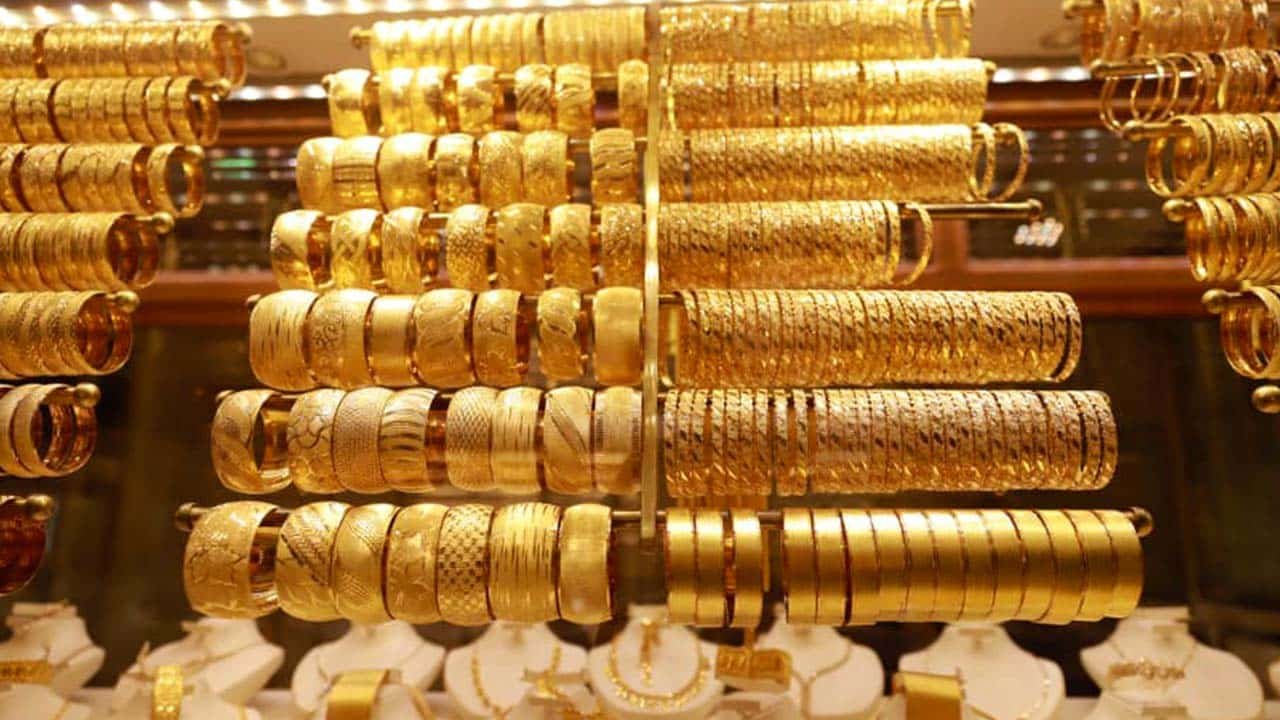
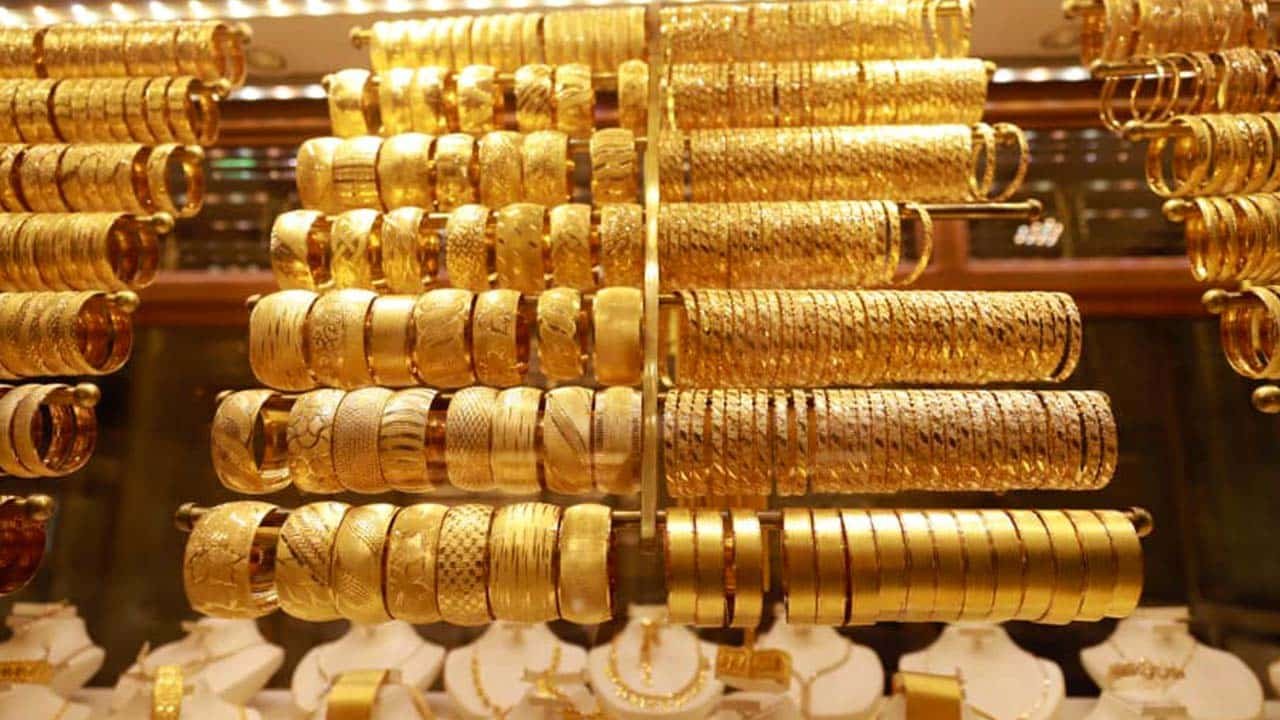
    The price of gold in Pakistan has surged to an all-time high, surpassing the Rs218,000 mark, as the country’s local currency slumped to a historic low against the US dollar. The All-Pakistan Sarafa Gems and Jewellers Association (APSGJA) has released data showing that the price of gold (24 carats) rose by Rs600 per tola and Rs514 per 10 grammes, settling at Rs218,300 and Rs187,157, respectively.

    The rise in the price of the yellow metal was in line with the movement of the rupee, which fell Rs1.34 or 0.46 per cent to Rs288.43 against the US dollar in the interbank market, and an increase in weekly inflation. Weekly inflation rose 0.92 per cent week-on-week and 44.49 per cent year-on-year during the seven-day period ending on April 6, as the prices of sugar and chicken surged due to Ramadan and likely hoarding.

    Gold is often seen as a hedge against inflation and its value increases as the purchasing power of the dollar declines, as well as due to seasonal demand during the holy month of Ramadan. During the week, investors’ attention shifted towards the precious metal as economic tensions continue to rise amid the International Monetary Fund (IMF) reviewing external financing commitments from friendly countries before it releases bailout funds. According to Geo, the delay in the revival of the programme has had a negative impact on the currency market, which in turn is bolstering demand for gold.

    The APSGJA also mentioned that the price of gold in Pakistan is Rs5,000 per tola “undercost” as compared to the Dubai market, indicating that the Pakistani gold market is currently cheaper than the global market.

    Meanwhile, silver prices in the domestic market have also surged to historic highs, with an increase of Rs40 per tola and Rs34.30 per 10 grams, settling at Rs2,520 and Rs2,160.5, respectively. In the international market, the price of gold dropped by $1 per ounce, settling at $2,001.

  • Man dies from heat stroke while waiting to collect free flour

    Man dies from heat stroke while waiting to collect free flour

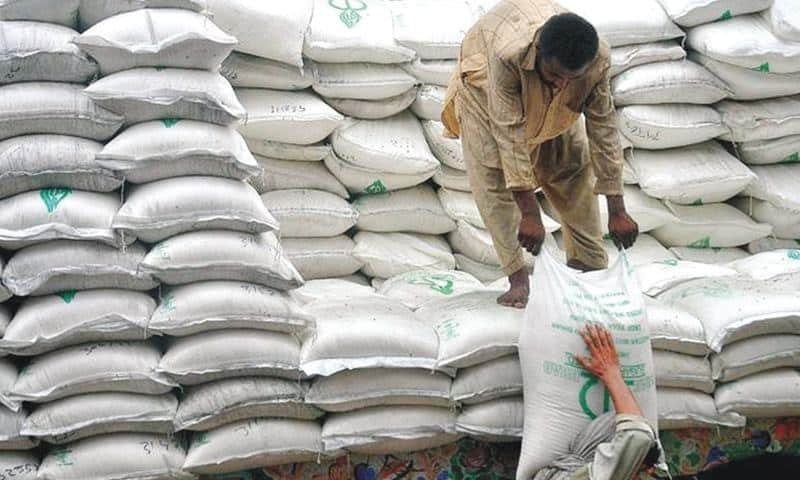
    A man in Dera Ismail Khan died of a heat stroke while collecting free flour in Baisakhi ground.

    The deceased’s father, a resident of Zafarabad Colony, informed the authorities that his son, Waqas, fell sick and began vomiting upon arriving home from the collection centre. He was immediately taken to District Headquarters Hospital, where unfortunately, he was declared dead on arrival. A medical professional at the hospital’s trauma center stated that the cause of death was heat stroke.

    As per Dawn, the individuals who had come to obtain free flour at the distribution site claimed that inadequate amenities were responsible for the fatality. They reported arriving in the morning and waiting in lines under the scorching sun throughout the day.

    Officials from food and revenue departments present at the distribution site were accused of distributing flour unfairly based on nepotism and favoritism. The individuals present also mentioned the absence of any facilities at the distribution center.

  • Gold price soars to an all-time high of Rs217,700 per tola amid economic tensions

    Gold price soars to an all-time high of Rs217,700 per tola amid economic tensions

    The price of gold has soared to an all-time high following a significant slump in the rupee against the dollar, with the country struggling to secure external financing. The data released by the All-Pakistan Sarafa Gems and Jewellers Association (APSGJA) shows that the price of gold (24 carats) has spiked by Rs3,100 per tola and Rs2,656 per 10 grammes, settling at Rs217,700 and Rs186,643 respectively.

    The gold rush is in line with the movement of the rupee, which has fallen 2.44 or 0.85 per cent against the US dollar in the interbank market, and an increase in weekly inflation. Inflation has shot up 0.92 per cent week-on-week and 44.49 per cent year-on-year during the seven-day period that ended on April 6th. Prices of sugar and chicken have surged due to Ramzan, and hoarding has caused a likely uptick in inflation.

    Gold is often seen as a hedge against inflation, increasing in value as the purchasing power of the dollar declines. Plus, it’s the season of Ramzan, which brings with it a surge in demand for the precious metal. Investors’ attention has shifted towards gold as economic tensions continue to rise, with the International Monetary Fund (IMF) reviewing external financing commitments from friendly countries before it releases bailout funds. The delay in the revival of the program has negatively impacted the currency market, which is boosting demand for gold.

    The APSGJA also noted that the price of gold in Pakistan is Rs5,000 per tola “undercost” compared to the Dubai market. Thus, the Pakistani gold market is cheaper than the global market. Meanwhile, silver prices in the domestic market have also jumped to historic highs, increasing by Rs30 per tola and Rs25.72 per 10 grams to settle at Rs2,480 and Rs2,126.20, respectively.

    In the international market, the price of gold dropped $6 per ounce, settling at $2,002. Nevertheless, gold’s rise in Pakistan is set to bring a lot of excitement to the local market.

  • World Bank and IMF spring meetings to address global economic uncertainties and climate change

    World Bank and IMF spring meetings to address global economic uncertainties and climate change

    On Monday, the 2023 spring meetings of the World Bank Group and the International Monetary Fund (IMF) commence in the US capital to examine the “uncertainties and risks weighing heavily” on the global economy. The meetings, which run from April 10 to 16, will take place at the IMF and World Bank headquarters and will focus on the impact of climate change, which is endangering lives and livelihoods worldwide.

    Finance ministers and central bank governors from around the world will attend the meetings to reconnect with international financial leaders, and some may hold one-on-one meetings with officials from the US Treasury and State Department. Pakistan will be represented at the meetings by the secretaries of finance and economic affairs, as well as the State Bank governor, in place of Finance Minister Ishaq Dar.

    An official statement outlining the issues to be discussed at the meetings indicated that “stubborn inflation, the cost-of-living crisis, and slower growth effects” are causing harm to the poor and most vulnerable. The statement further highlighted that record-high debt is impeding the progress of developing countries, and that the consequences of climate change are threatening lives and livelihoods globally. According to Dawn, experts are urging the World Bank and the IMF to create a comprehensive strategy to address the challenges that developing nations are facing.

    A picture on the UN Foundation’s website illustrates the widespread devastation caused by last year’s floods in Pakistan, prompting international financial institutions to devise a new mechanism to “assist communities affected by (climate change) catastrophes.” The caption beneath the photo emphasised that “many lives were lost, and millions lost their homes, with one-third of the country submerged.”

    According to a World Bank study released shortly after the floods, “Pakistan urgently requires substantial investment in climate resilience to safeguard its economy and reduce poverty.”

  • Weekly inflation in Pakistan spikes above 44%

    Weekly inflation in Pakistan spikes above 44%

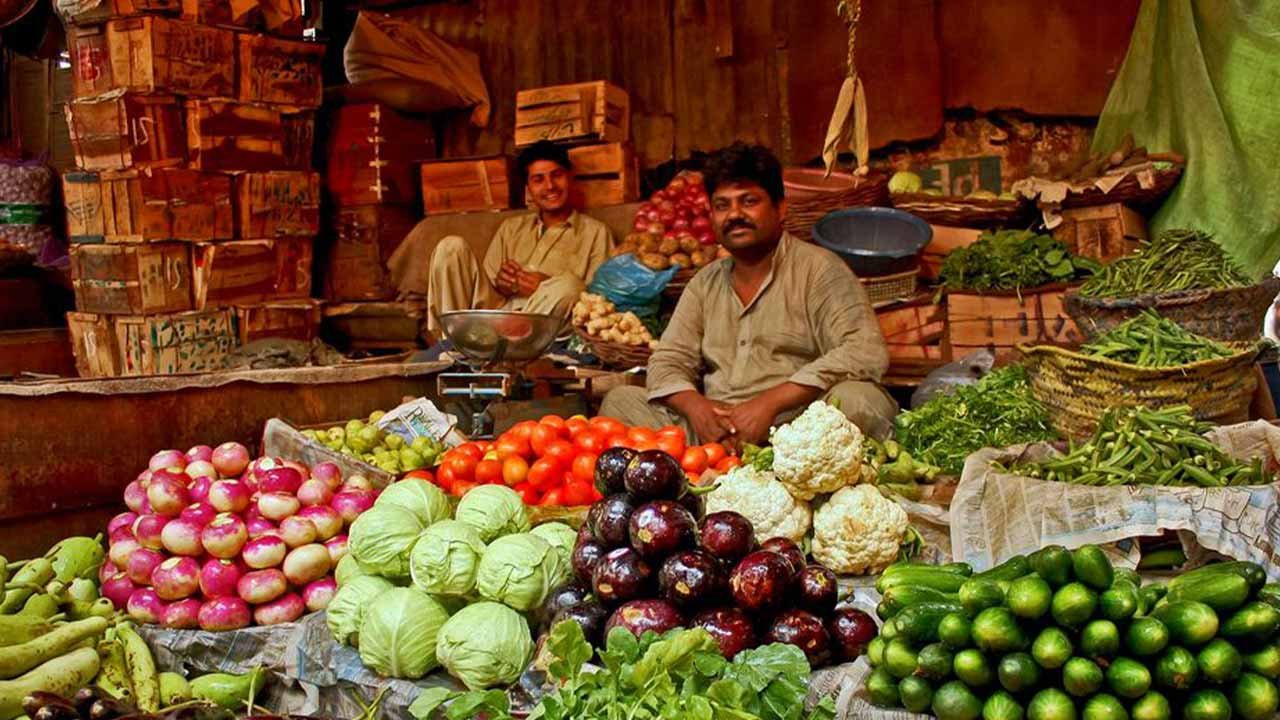
    The Pakistan Bureau of Statistics (PBS) has reported that for the week ending on April 6, 2023, the Sensitive Price Indicator (SPI) based inflation has increased by 0.92 per cent. This rise is mainly due to an increase in the prices of food items such as chicken (15.87 per cent), sugar (13.48 per cent), potatoes (5.11 per cent), bananas (4.95 per cent), wheat flour (3.10 per cent), gur (2.12 per cent), eggs (1.26 per cent), fresh milk (1.24 per cent), and non-food item long cloth (1.95 per cent).

    The year-on-year trend indicates an increase of 44.49 per cent, which is primarily due to a surge in the prices of cigarettes (165.88 per cent), wheat flour (131.72 per cent), gas charges for q1 (108.38 per cent), diesel (102.84 per cent), eggs (98.34 per cent), Lipton tea (97.63 per cent), broken basmati rice (84.92 per cent), bananas (82.23 per cent), petrol (81.17 per cent), irri-6/9 rice (80.61 per cent), moong (68.14 per cent), potatoes (65.95 per cent), maash (56.70 per cent), and onions (55.75 per cent). However, a decrease in prices has been observed for tomatoes (50.39 per cent) and powdered chillies (6.48 per cent).

    The SPI for the week under review has been recorded at 252.06 points compared to 249.75 points in the previous week, as per the latest data released by PBS on Friday. During the week, out of 51 items, prices of 27 (52.94 per cent) items increased, seven (13.73 per cent) items decreased, and 17 (33.33 per cent) items remained stable.

    The average prices of commodities that have increased during the week over the previous week include chicken (15.87 per cent), sugar (13.48 per cent), potatoes (5.11 per cent), bananas (4.95 per cent), wheat flour (3.10 per cent), gur (2.12 per cent), long cloth 57” Gul Ahmed/Al Karam (1.95 per cent), eggs (1.26 per cent), fresh milk (1.24 per cent), irri-6/9 rice (0.80 per cent), shirting (0.75 per cent), beef with bone (0.71 per cent), broken basmati rice (0.69 per cent), curd (0.60 per cent), toilet soap Lifebuoy (0.56 per cent), lawn printed Gul Ahmed/Al Karam (0.55 per cent), prepared tea (0.44 per cent), powdered salt (0.39 per cent), Georgette (0.36 per cent), Sufi washing soap (0.31 per cent), mutton (0.18 per cent), moong (0.16 per cent), masoor (0.15 per cent), maash (0.09 per cent), cooked beef (0.04 per cent), cooking oil Dalda or other similar brand (sn), 5 litre tin each (0.04 per cent), and cooked daal (0.02 per cent).

    The commodities that have recorded a decrease in their average prices are tomatoes (14.96 per cent), onions (12.66 per cent), LPG (3.73 per cent), pulse gram (1.20 per cent), vegetable ghee Dalda/Habib 2.5 kg tin each (0.71 per cent), garlic (0.16 per cent), and mustard oil (0.03 per cent).

    Commodity Year-on-Year Change Week-on-Week Change
    Cigarettes 165.88 per cent N/A
    Wheat flour 131.72 per cent 3.10 per cent
    Gas charges for q1 108.38 per cent N/A
    Diesel 102.84 per cent N/A
    Eggs 98.34 per cent 1.26 per cent
    Lipton tea 97.63 per cent N/A
    Broken basmati rice 84.92 per cent 0.69 per cent
    Bananas 82.23 per cent 4.95 per cent
    Petrol 81.17 per cent N/A
    Irri-6/9 rice 80.61 per cent 0.80 per cent
    Moong 68.14 per cent 0.16 per cent
    Potatoes 65.95 per cent 5.11 per cent
    Maash 56.70 per cent 0.09 per cent
    Onions 55.75 per cent 12.66 per cent
    Tomatoes -50.39 per cent -14.96 per cent
    Powdered chillies -6.48 per cent N/A
    Chicken N/A 15.87 per cent
    Sugar N/A 13.48 per cent
    Gur N/A 2.12 per cent
    Long cloth 57” Gul Ahmed/Al Karam N/A 1.95 per cent
    Fresh milk N/A 1.24 per cent
    Shirting N/A 0.75 per cent
    Beef with bone N/A 0.71 per cent
    Curd N/A 0.60 per cent
    Toilet soap Lifebuoy N/A 0.56 per cent
    Lawn printed Gul Ahmed/Al Karam N/A 0.55 per cent
    Prepared tea N/A 0.44 per cent
    Powdered salt N/A 0.39 per cent
    Georgette N/A 0.36 per cent
    Sufi washing soap N/A 0.31 per cent
    Mutton N/A 0.18 per cent
    Masoor N/A 0.15 per cent
    Cooked beef N/A 0.04 per cent
    Cooking oil Dalda or other similar brand (sn), 5 litre tin each N/A 0.04 per cent
    Cooked daal N/A 0.02 per cent
    LPG N/A -3.73 per cent
    Pulse gram N/A -1.20 per cent
    Vegetable ghee Dalda/Habib 2.5 kg tin each N/A -0.71 per cent
    Garlic N/A -0.16 per cent
    Mustard oil N/A -0.03 per cent
  • Gold price in Pakistan hits new record high of Rs214,500 per tola

    Gold price in Pakistan hits new record high of Rs214,500 per tola

    Tuesday saw a historic moment for Pakistan as the price of gold soared to an all-time high, hitting Rs214,500 per tola (11.66 grammes). The cause of this surge was multifaceted, with the global market’s uptrend playing a part, alongside the rupee’s historic low against the US dollar in the interbank trade.

    The rupee had plummeted to a never-before-seen low of Rs287.29 against the US dollar in the interbank market, and the surge in gold prices was a reflection of this movement. The ripple effect was felt across the country as traders scrambled to adjust to the new reality of the local bullion market.

    In a surge that grabbed headlines across Pakistan, the price of 24-carat gold soared to an all-time high on Tuesday, hitting Rs214,500 per tola and Rs183,900 per 10 grams, according to the All-Pakistan Sarafa Gems and Jewellers Association (APSGJA). It was a clear reflection of the rupee’s movement, which had plummeted to a historic low of Rs287.29 against the US dollar in the interbank market, as well as an uptrend in global markets.

    As inflation rates in Pakistan reached a nearly all-time high of 35.4 per cent in March, people felt the pinch of rising consumer prices on their budgets, prompting them to turn to gold. This precious commodity has always been considered a hedge against inflation, with its value increasing as the purchasing power of the dollar declines. During the two-day period from Monday to Tuesday, gold gained Rs5,200 per tola.

    Economic tensions have been on the rise, with the International Monetary Fund (IMF) scrutinizing external financing commitments from friendly countries before releasing bailout funds. The delay in the revival of the program had a negative impact on the currency market, which, in turn, fueled demand for gold. Investors’ attention turned to this precious commodity as a safe haven in these uncertain times.

  • State Bank of Pakistan expected to raise key policy rate to record-high

    State Bank of Pakistan expected to raise key policy rate to record-high

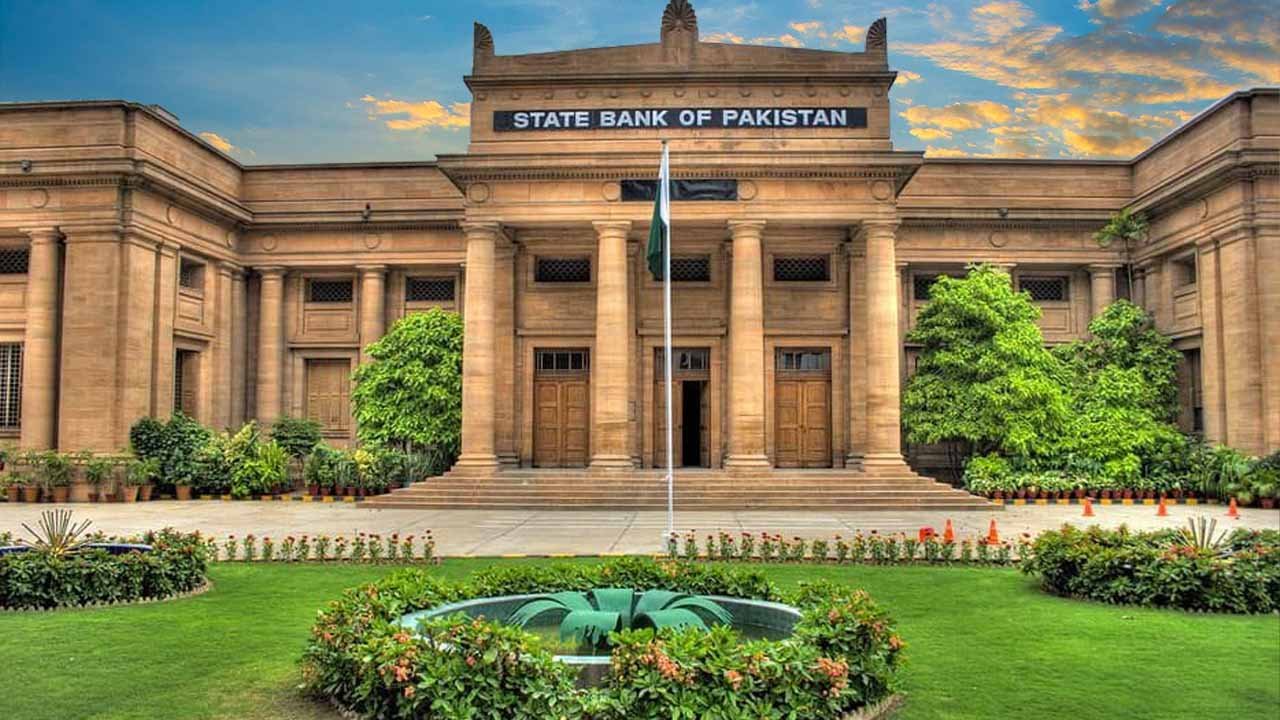
    The State Bank of Pakistan (SBP) is expected to raise its policy rate by a significant 100-200 basis points in light of the country’s economic situation and historically high inflation reading. Financial analysts anticipate the Monetary Policy Committee to increase its key policy rate to 21-22 per cent at the review today (April 4) to curb inflation. This decision is expected to discourage private-sector borrowing since an increase in currency in circulation can drive inflation up.

    In March, the central bank raised its key rate by a massive 300 basis points to a record-high level of 20 per cent, surpassing market expectations to meet the International Monetary Fund’s requirements for the release of its pending bailout funds. The country recorded historic high inflation at 35.4 per cent in March on an annualized basis, with core inflation, excluding energy and food prices, increasing to 18.6 per cent in urban areas and 23.1 per cent in rural areas.

    The market’s reaction to surging inflation is evident from the recent rise in bond market rates driven by investors’ bullish outlook. According to a survey conducted by Arif Habib Limited, 57.7 per cent of respondents expect the policy rate to increase. Of these respondents, 30.8 per cent are predicting a rate hike of 100bps and 26.9 per cent foreseeing a rate hike of 200 bps. Meanwhile, 42.3 per cent of respondents believe that the policy rate will remain unchanged at 20 per cent.

    The expected increase in the policy rate will make bank financing even more expensive, reduce demand for foreign financing for imports, and help address the fast decline in foreign exchange reserves, which have dropped to critically low levels at $4.2 billion. The cash-strapped country is undertaking key measures to secure IMF funding, including raising taxes, removing blanket subsidies, and artificial curbs on the exchange rate. While the government expects a deal with the IMF soon, media reports suggest that the agency expects the policy rate to be increased.

    Initially, the MPC meeting was scheduled for April 27, according to the six-month advance calendar issued by the central bank in December 2022. However, the SBP called an off-cycle review last month and brought forward the April meeting. The revival of the IMF loan program will help attract $3-4 billion from multilateral and bilateral creditors, including the IMF, and stabilize foreign exchange reserves over the short term.